
Best Solid-State Bassheads Under $5,000 2026
So, you want serious bass tone without emptying your bank account? Solid-state heads are the way to go - clean headroom, consistent performance, and a surprisingly wide range of sonic possibilities. We're focusing on heads under $5000 that deliver real value, not just marketing hype. Let's cut through the noise and find you a head that'll lay down a foundation you can build on.
Last updated: April 11, 2026

Markbass Little Mark Vintage 1000 58R
- • ECC83 tube adds warmth and subtle harmonic complexity.
- • Bi-Band limiter prevents unwanted distortion at high volumes.
- • Lightweight and compact design makes it highly portable.
- • Transformer-balanced DI output ensures clean signal for recording/live.
- • 'Old' EQ setting can be overly colored for modern playing styles.
- • Biodegradable housing might be less durable than traditional metal.
- • Limited effects loop options for complex signal chains.

Darkglass Alpha·Omega 900 Bass Head
- • Exceptional clarity and articulation across the frequency spectrum.
- • The dual-drive engine offers unparalleled tonal sculpting flexibility.
- • Compact size and lightweight design (2.9kg) for easy transport.
- • High-quality VCA compression delivers studio-grade dynamics control.
- • Price point positions it as a premium investment for serious players.
- • Limited EQ bands might require external processing for extreme tonal shaping.
- • The 'growl' mode can become overly aggressive for subtle applications.
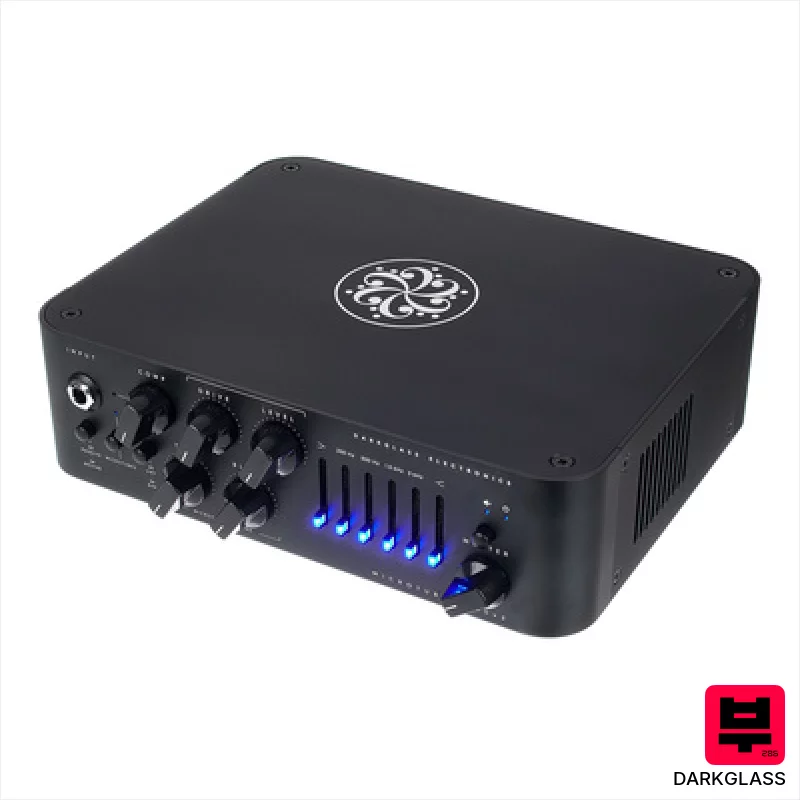
Darkglass Microtubes 500 V2 Bass Head
- • Exceptional microtube distortion offers a wide range of aggressive tones
- • The VMT and B3K modes expand tonal palette significantly beyond standard distortion
- • Graphical EQ provides precise control over shaping the low-end response
- • Compact size and lightweight design (2.4kg) for easy portability.
- • Microtube distortion can be overwhelming for subtle, clean tones
- • EQ's graphical nature might feel less intuitive than parametric EQ for some users
- • Limited speaker impedance options, requiring careful speaker selection.
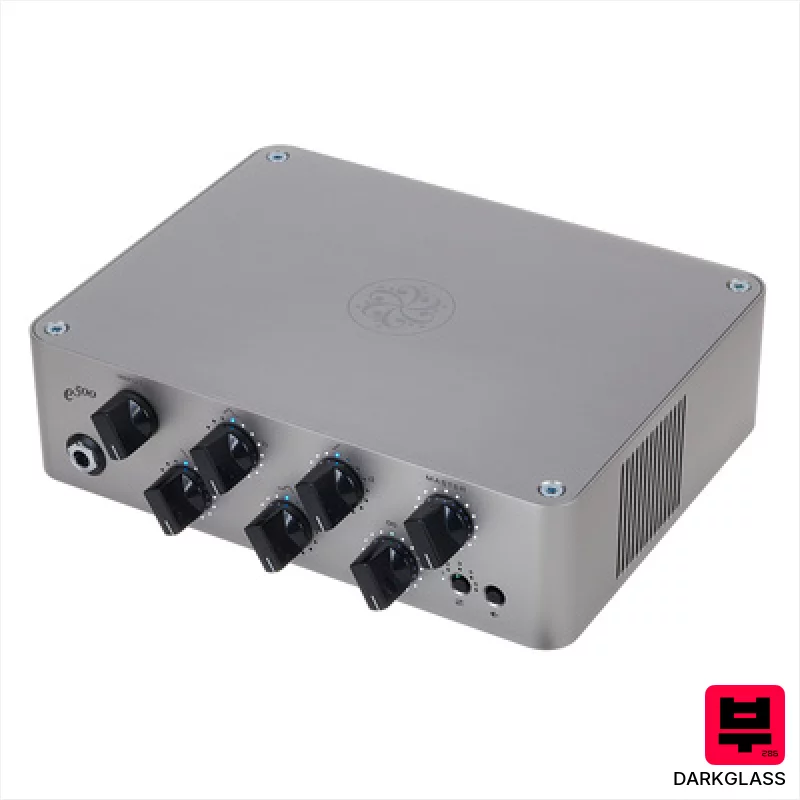
Darkglass The Exponent 500 Bass Head
- • Exceptional clean headroom, remarkably responsive to playing dynamics.
- • DSP effects offer genuinely usable, high-quality processing options.
- • Compact size and light weight (1.7kg) make it incredibly portable.
- • The 'Blend' knob provides a seamless transition between clean and driven tones.
- • The EQ, while functional, lacks the precision of a more complex design.
- • DSP processing adds latency, noticeable for certain effects or techniques.
- • Limited physical controls for the extensive DSP options require menu navigation.

Darkglass Alpha·Omega 500 Bass Head
- • Darkglass’s signature Alpha-Omega distortion delivers aggressive, modern bass tones.
- • The integrated impulse response loader provides excellent headphone and DI flexibility.
- • The graphical EQ offers precise tonal shaping and noise reduction.
- • Compact and lightweight (2.4kg) for easy transport and gigging.
- • The single channel design limits versatility for players needing multiple sounds.
- • The 'mod' control can be subtle, requiring extensive EQ tweaking for dramatic shifts.
- • High-end impulse responses are required to fully unlock its potential, adding to cost.
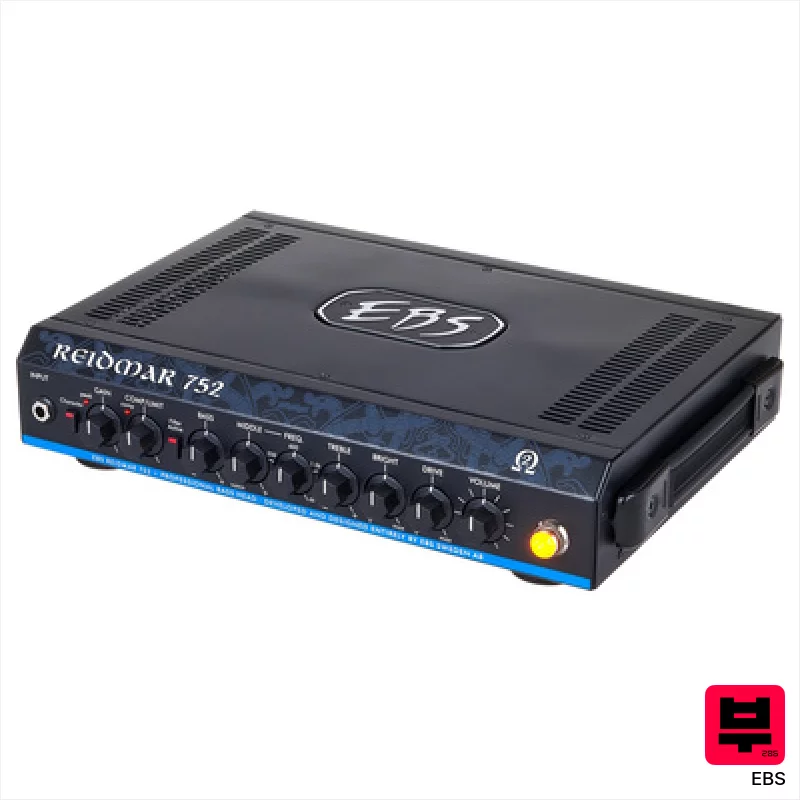
EBS Reidmar 752 Bass Amp Head
- • Excellent clean headroom with a surprising amount of power.
- • The 'Character' circuit adds usable grit without harsh distortion.
- • Compact size and relatively lightweight for its power output.
- • Robust build quality; feels solid and well-constructed for gigging.
- • EQ can feel a little basic for complex tonal sculpting.
- • Limited channel flexibility; single channel design restricts versatility.
- • The 'Bright' switch can be a bit aggressive and harsh at higher settings.

Quilter Bass Block V803 Bass Head
- • Exceptional clean headroom, handling complex bass lines with ease.
- • Qtube voicing convincingly emulates vintage tube amp saturation.
- • Surprisingly compact and lightweight for its power output.
- • Flexible input options (Passive/Active/Mute) cater to diverse basses.
- • Voice options, while good, lack extreme tonal versatility compared to multi-channel amps.
- • Effects loop is serviceable but not designed for complex, high-end effects chains.
- • Master control can feel a bit sensitive, requiring careful adjustment.
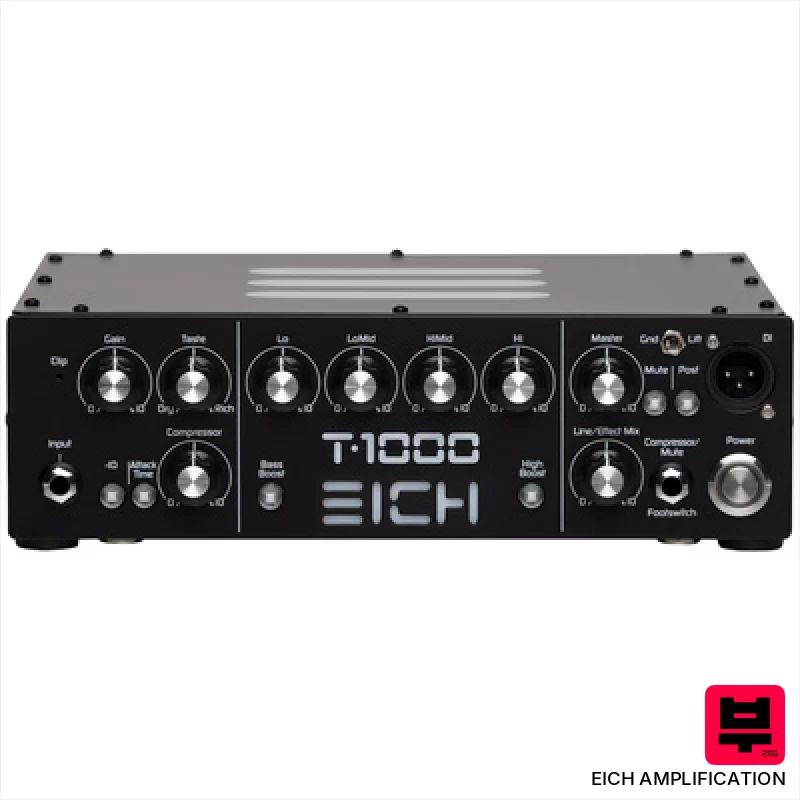
Eich Amplification T1000 Black Edition
- • Impressive 1000W power handles any gig, no problem.
- • inTastein control offers unique, nuanced tonal shaping.
- • Active EQ provides precise control over low-end frequencies.
- • Robust, solid-state build ensures reliability and longevity.
- • The sheer power demands high-quality, appropriately sized speakers.
- • Limited versatility for extremely clean, pristine bass tones.
- • Premium-priced, a significant investment for many bassists.
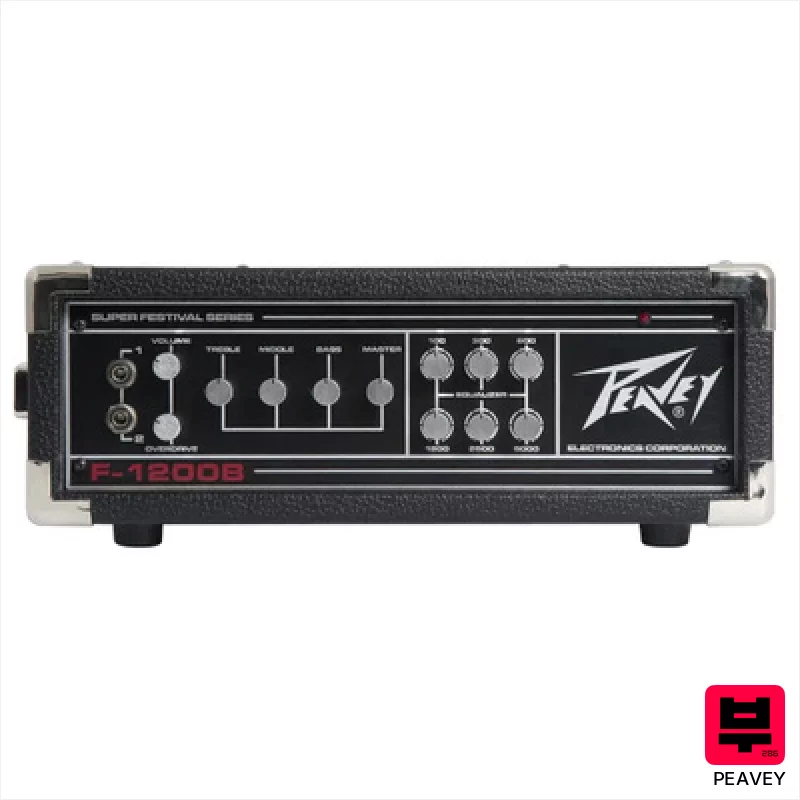
Peavey Super Festival F-1200B
- • Discrete BJT preamp delivers a genuinely warm, vintage bass tone.
- • Footswitchable F-800B overdrive provides a classic, gritty distortion.
- • The 6-band inductive EQ offers incredibly precise tonal sculpting.
- • XLR DI output with ground lift ensures clean, interference-free recording.
- • The sheer power output makes this head quite heavy for gigging.
- • Discrete circuitry can be more sensitive to component quality, potentially impacting longevity.
- • Limited modern features like built-in reverb or effects loops.
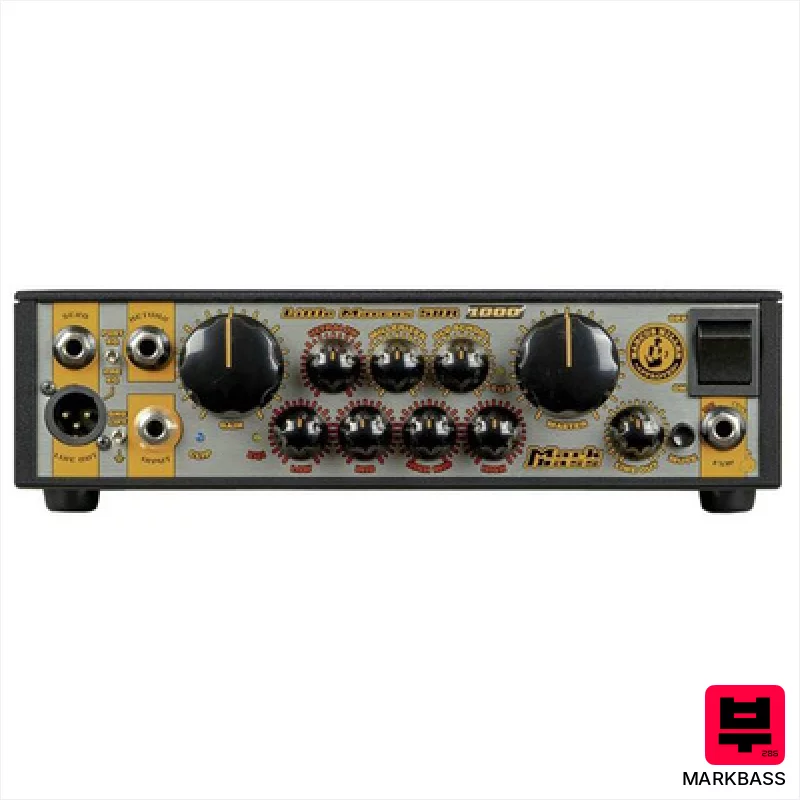
Markbass Little Marcus 1000 58R
- • Markbass’s signature Art Tube circuitry delivers a warm, punchy, and surprisingly organic tone.
- • The 'Millerizer' EQ setting adds a unique, vintage-inspired distortion character.
- • Remarkably lightweight for its power output, making it gig-friendly.
- • Biodegradable housing is a commendable and increasingly important environmental consideration.
- • The EQ, while versatile, can be a bit complex to dial in quickly in a live setting.
- • Limited headroom at lower volumes; really shines when pushed.
- • Lacks built-in reverb or other essential effects for a complete performance package.
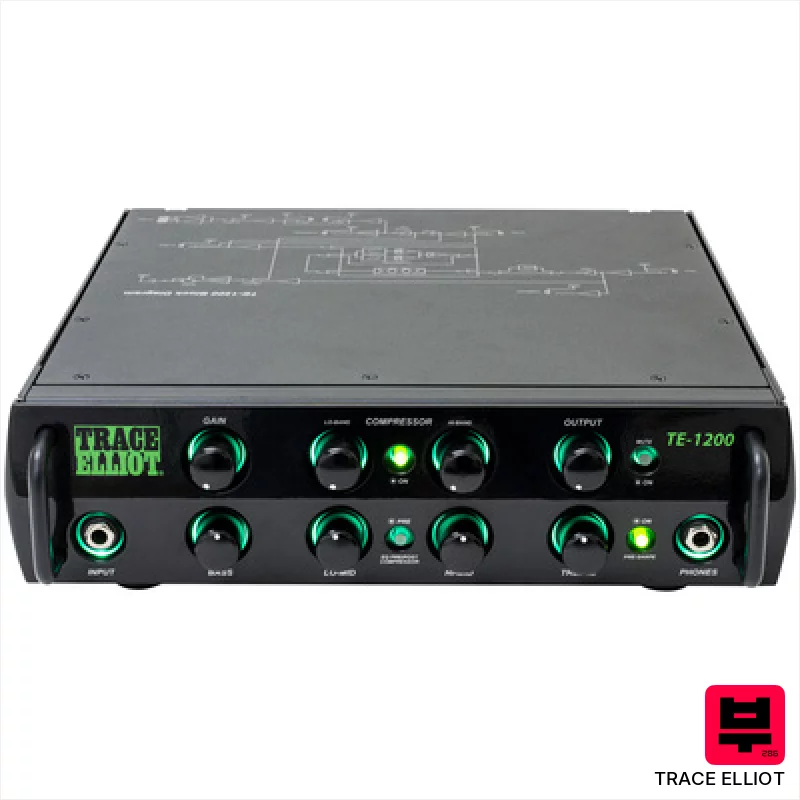
Trace Elliot TE-1200 Bass Amp Head
- • Robust build quality with Trace Elliot’s signature industrial aesthetic.
- • The Pre-Shape switch delivers that classic, scooped Trace Elliot sound.
- • Excellent clean headroom – handles high volumes without significant distortion.
- • Versatile EQ with switchable pre/post compressor placement offers tonal shaping.
- • The weight makes it less than ideal for frequent gigging or transport.
- • Limited tonal palette compared to more flexible modeling or hybrid amps.
- • FX loop is buffered, which might color certain pedal types negatively.
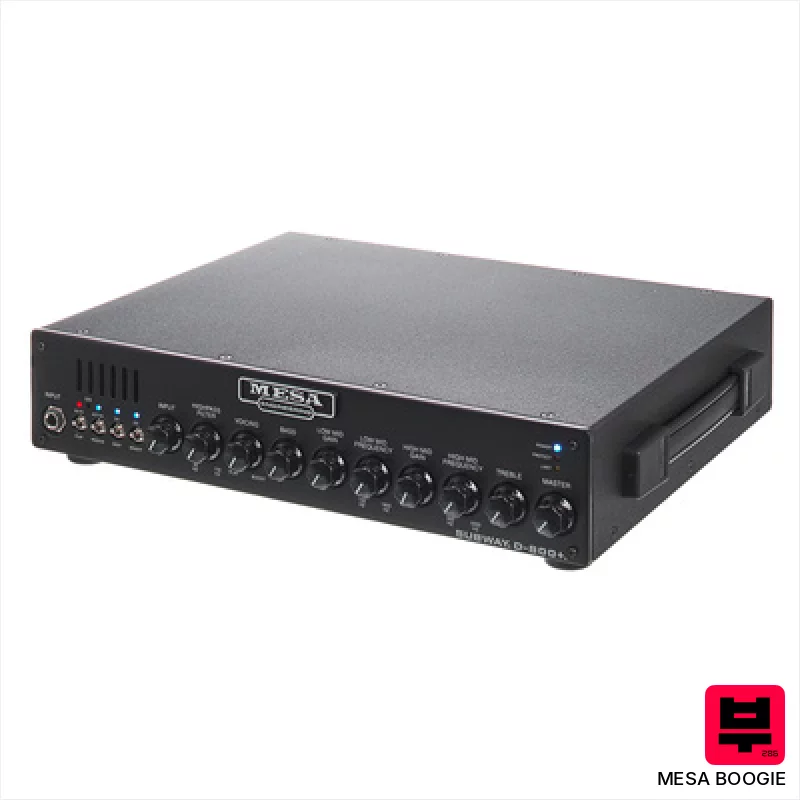
Mesa Boogie Subway D-800+ Head
- • Exceptional Mesa tone, tight and defined, even at high volumes
- • Class D power delivers serious headroom with minimal weight penalty
- • Flexible EQ with variable mid controls allows for sculpting a wide range of sounds
- • Robust build quality – typical Mesa, built to withstand gigging demands
- • Can be sterile sounding without careful EQ adjustments; lacks inherent warmth
- • The voicing control, while versatile, can feel a bit 'surgical' at times
- • Limited onboard effects beyond a simple serial FX loop
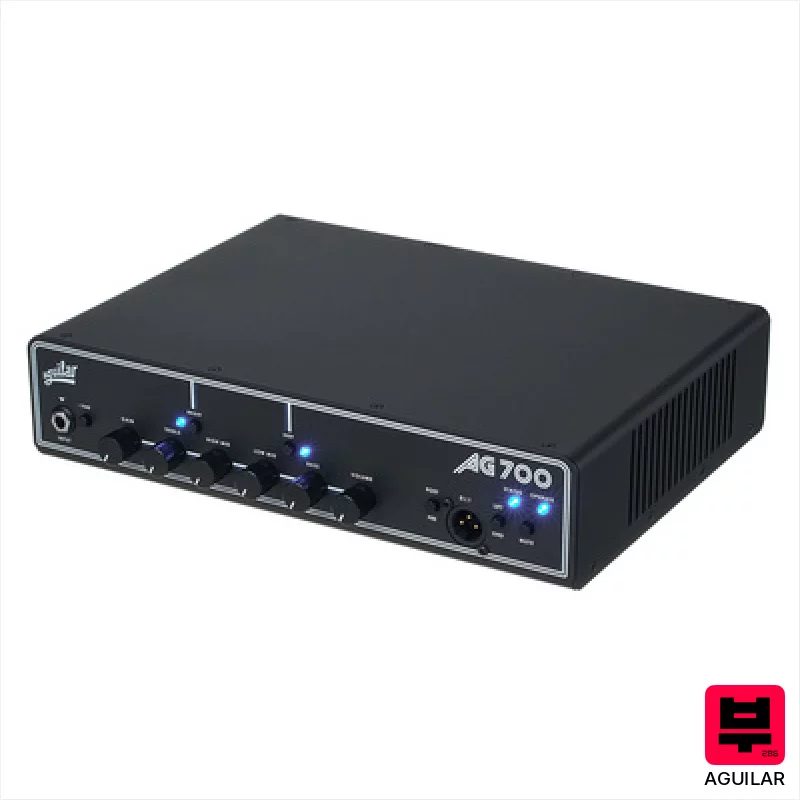
Aguilar AG 700 V2 Bass Head
- • Clean, powerful tone with Aguilar’s signature punch and clarity
- • Versatile EQ section allows sculpting a wide range of bass sounds
- • Excellent DI outputs with pre/post EQ for stage and recording
- • Robust construction and reliable Class D power amp ensure long-term durability
- • High-end price point puts it out of reach for budget-conscious players
- • Significant weight makes it less ideal for frequent gigging or travel
- • Serial effects loop adds gain, potentially muddying certain effect chains
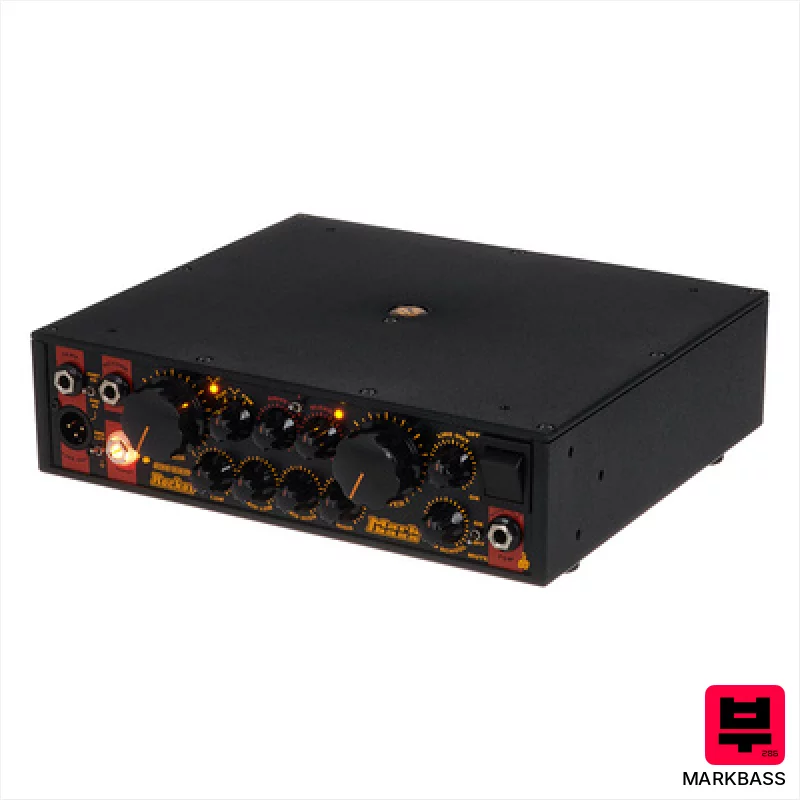
Markbass Little Mark Rocker 58R
- • Markbass's signature Art Tube emulation provides a surprisingly warm, vintage preamp tone.
- • The lightweight, biodegradable housing is genuinely impressive for a head of this power.
- • The EQ section offers precise tonal shaping, especially the 'Old School Filter'.
- • The DI output is excellent, providing a clean, usable signal for recording and live sound.
- • The 'cut' filter can be overly aggressive, limiting low-mid versatility.
- • While powerful, it’s designed for smaller venues; larger stages require a bigger setup.
- • The drive section, while decent, lacks the complexity of more expensive preamps.
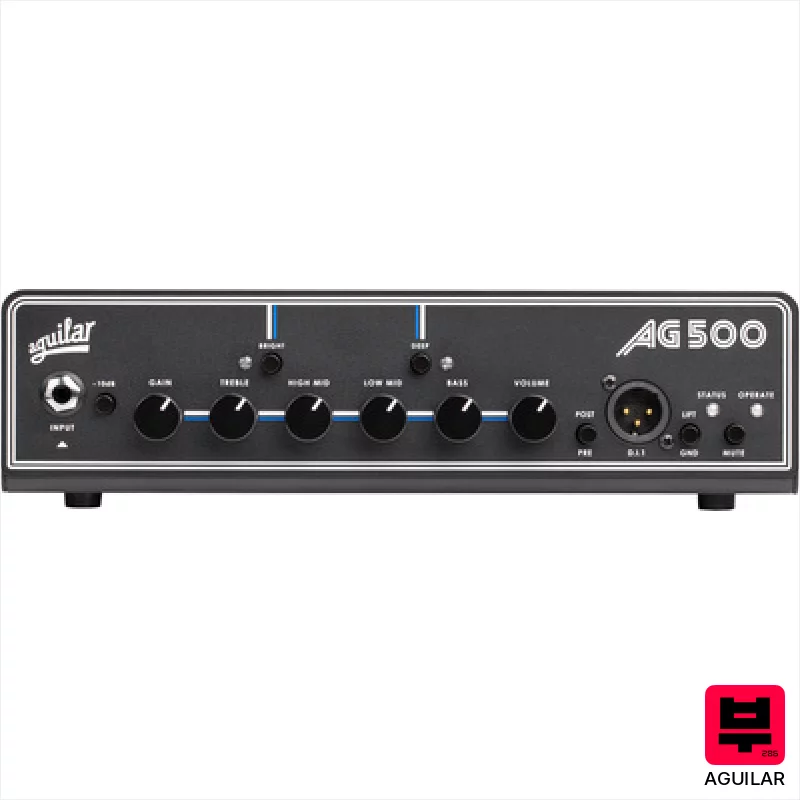
Aguilar AG 500 V2 Bass Head
- • Robust Class D power section delivers clean, powerful low-end tones.
- • Excellent EQ range allows for precise tonal shaping across the spectrum.
- • Switched-mode power supply ensures efficient operation and global voltage compatibility.
- • High-quality Neutrik speaker outputs guarantee secure and reliable connections.
- • The weight, typical of a high-powered head, makes portability a challenge.
- • Serial effects loop adds gain, potentially muddying certain effect chains.
- • Premium-priced, placing it outside the budget of many gigging bassists.
How to Choose the Best Solid-State Bassheads
Headroom & Clean Dynamics
How much volume you get before breakup, and how the amp responds to your playing dynamics. This is critical for everything from subtle slap tones to aggressive distortion.
EQ Flexibility
A decent EQ section isn't just about boosting or cutting; it's about sculpting your tone to cut through the mix or blend seamlessly. Look for adjustable mid-frequencies - those are your friends.
Low-End Response
A killer bass tone needs serious low-end thump. We're listening for a tight, defined low-end that doesn't get muddy or disappear when the band kicks in.
Articulation & Clarity
Can you hear every note clearly, even when playing fast lines? Solid-state amps can sometimes be a bit muddy; good articulation is essential for a defined sound.
Build Quality & Reliability
Gigs are brutal. We're looking for amps that feel solid, use quality components, and won't fail you halfway through a set.
Buying Guide
At this budget, you're getting a lot of bang for your buck, but there are trade-offs. Expect some compromise on build materials - the pots might not be the smoothest, and the finish might be simpler. Don't get hung up on boutique aesthetics; focus on the core sound and reliability. Spending a bit more on a head with a good power section and a versatile EQ will pay dividends in the long run.
How This List Is Built
We don't play these instruments — we're a catalog, not a review desk, and we'd rather say so than pretend otherwise. This page ranks 15 solid-state bassheads from the Thomann catalogue, which is the largest single source of specification data in this category.
Position is computed, not curated. Four signals, in order of weight: how completely the manufacturer documents the instrument (number of published specifications), where it sits in the price range, how specific the model designation is — which filters out generic accessories — and whether a product image exists. The same inputs always produce the same order, so nothing here is shuffled to look fresh.
What this list is good for: narrowing a category down to a shortlist by spec and budget. What it isn't: a substitute for hearing an instrument. Before you buy, read hands-on reviews and, where you can, play it. Full methodology.

