
Best Single Bass Drum Pedals for Jazz 2026
Alright, so you're a jazz drummer looking for a single pedal? Forget about those double-bass monster pedals - we're after subtlety, nuance, and a feel that lets you whisper a brush stroke or lay down a walking bassline without sounding like a demolition crew. It's a different beast than rock or metal, and the right pedal can make a world of difference. This isn't about speed; it's about response and that ability to control the decay of the note.
Last updated: July 22, 2026 • Next update: July 29, 2026

Trick Drums Pro1-V Black Widow Single LM
- • Titanium components drastically reduce weight and improve responsiveness
- • Split-Cam system offers unparalleled beater angle customization
- • Low-mass aluminum footboard promotes effortless, fast playing
- • Compression spring tech delivers smooth, consistent action and power
- • Premium-priced, a significant investment for most drummers
- • Longboard design might feel cumbersome for smaller feet or tight setups
- • Direct drive can be unforgiving; requires precise technique
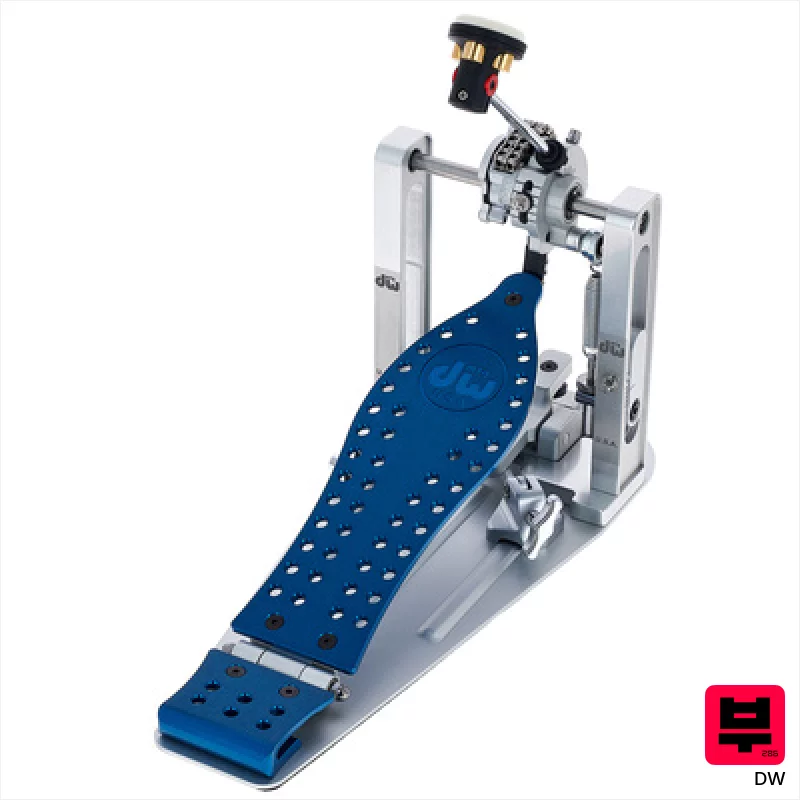
DW MCD Single Pedal Cobalt
- • Aircraft-grade aluminum construction ensures exceptional durability and lightweight feel
- • Chain drive provides consistent power transfer and a controlled, articulate response
- • Laterally adjustable hoop connection allows for precise beater positioning and customized feel
- • DW’s Cobalt footboard delivers a responsive and sensitive playing experience for nuanced control
- • The price point places it firmly in the premium-priced category, a significant investment
- • Chain drive, while powerful, can be slightly louder than belt-driven alternatives
- • Aluminum footboard, while lightweight, may feel less 'substantial' to players accustomed to steel
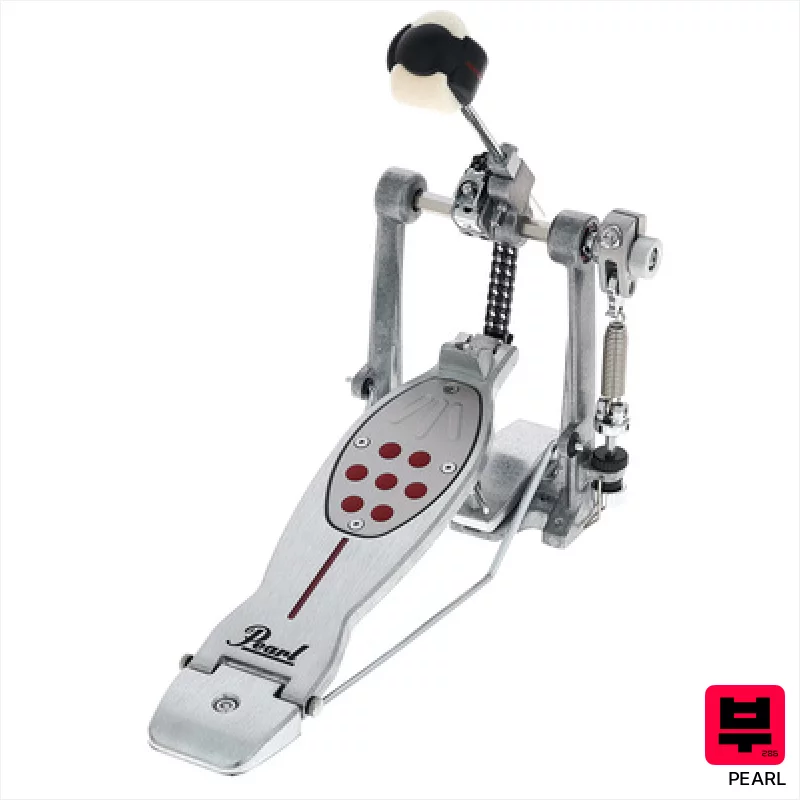
Pearl P-2050C/F Eliminator L.T.
- • Ninja ball bearings offer exceptionally smooth, consistent action.
- • Quad Control Core Beater delivers a powerful, articulate drum strike.
- • Single adjustment simplifies setup and eliminates frustrating tweaking.
- • Light Transport version is genuinely compact and travel-friendly.
- • Chain drive, while durable, isn't as silent as a direct drive option.
- • The 'Redline' footboard, while grippy, can feel a bit sticky in humid conditions.
- • Single adjustment limits fine-tuning compared to pedals with multiple adjustments.
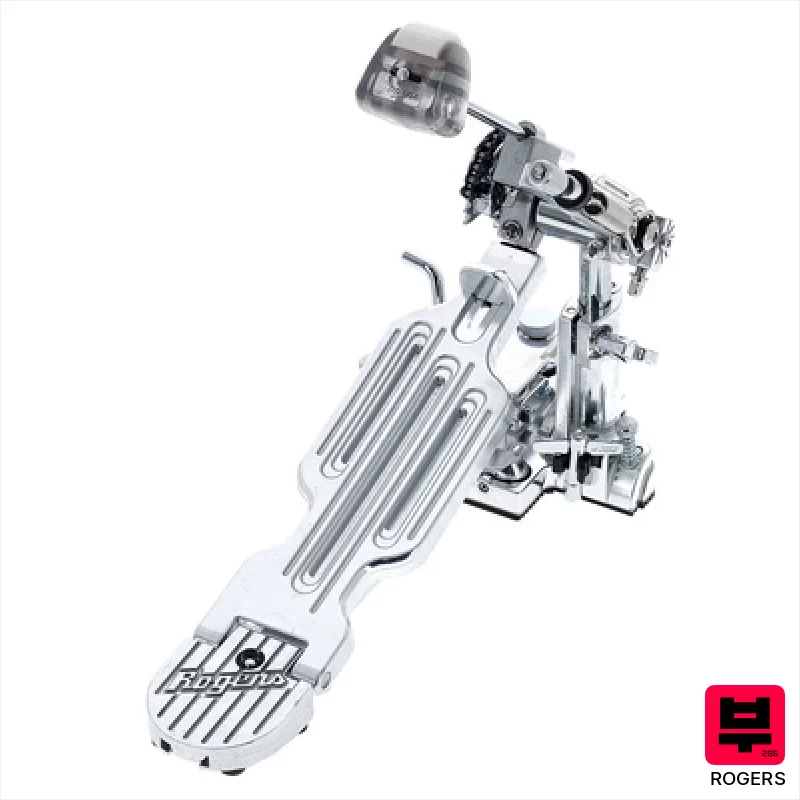
Rogers Dyno-Matic Drum Pedal
- • Solid, vintage-inspired build with Rogers’ renowned Dyno-Matic action
- • The spring unit offers a unique, responsive feel for a controlled bounce
- • Quick-flip beater provides versatility for different drum sounds
- • Adjustable foot stopper allows for precise, personalized playing feel
- • The spring unit might feel a little too bouncy for some modern players
- • Footplate adjustment is somewhat limited compared to higher-end pedals
- • Tyre clamp lever mechanism, while quick, isn't the most robust.
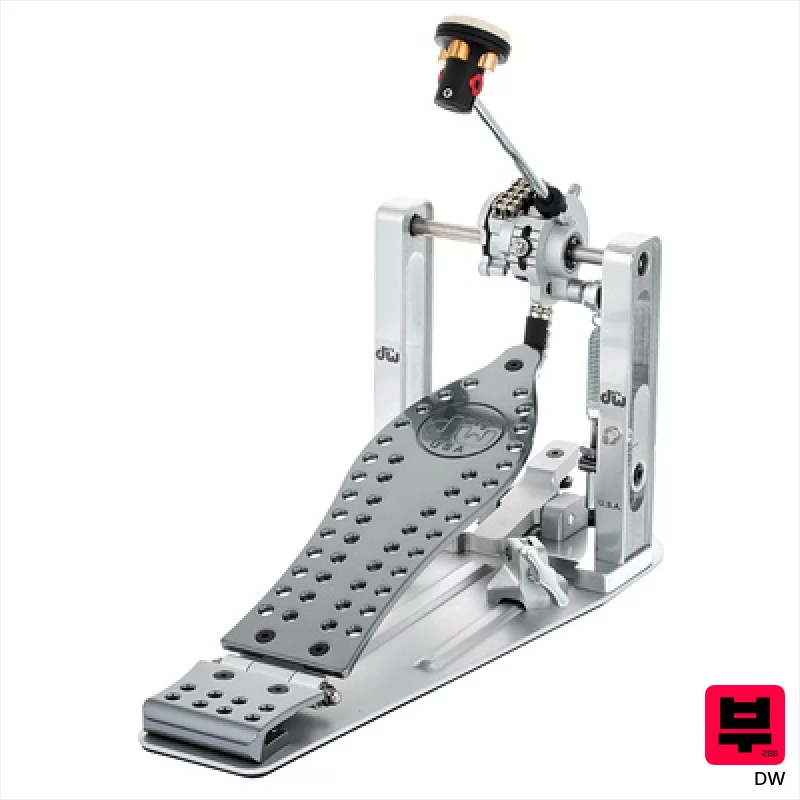
DW MCD Single Pedal
- • Aircraft-grade aluminum construction ensures exceptional durability and responsiveness
- • Chain drive provides consistent power transfer and a controlled feel
- • Laterally adjustable hoop connection allows for precise beater impact and sound customization
- • Adjustable beater weights fine-tune attack and tonal character
- • The pedal’s complexity can make initial setup and adjustments slightly daunting
- • Premium-priced, positioning it outside the reach of budget-conscious drummers
- • The aluminum construction, while durable, can transmit more vibration than heavier steel pedals
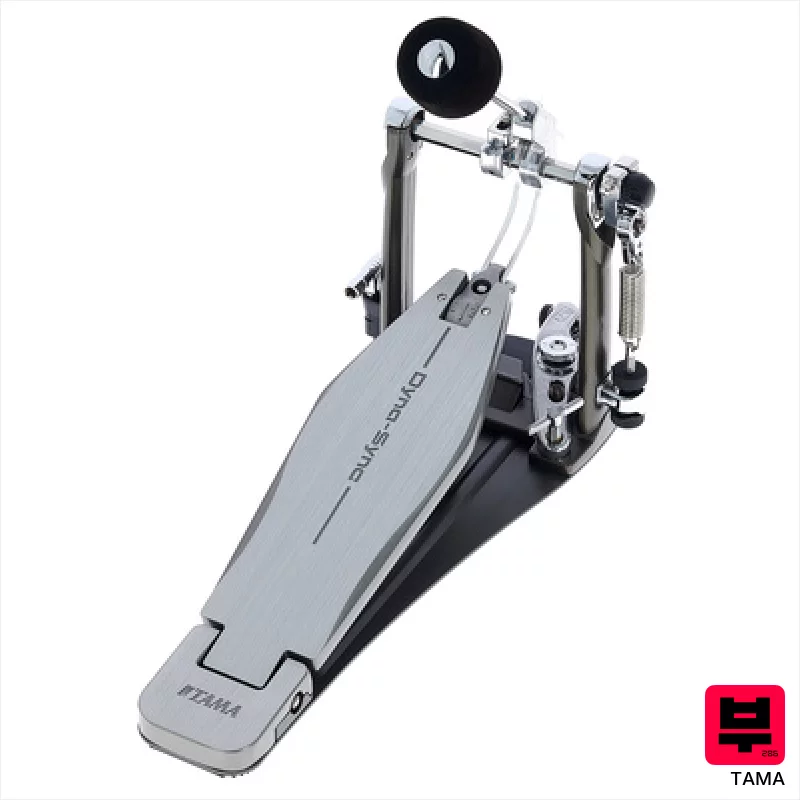
Tama HPDS1 Dyna-Sync Single Pedal
- • Dyna-Sync provides exceptionally smooth, consistent power transfer.
- • Infinitely adjustable cam allows for precise speed/power ratio tailoring.
- • Dual-linkage design minimizes dead spots and maximizes efficiency.
- • Para-Clamp II pro ensures rock-solid grip on virtually any drum shell.
- • The Dyna-Beater felt wears quickly, requiring frequent replacement.
- • Direct drive design might feel less forgiving for beginners.
- • Heavier than some competing pedals, impacting portability.
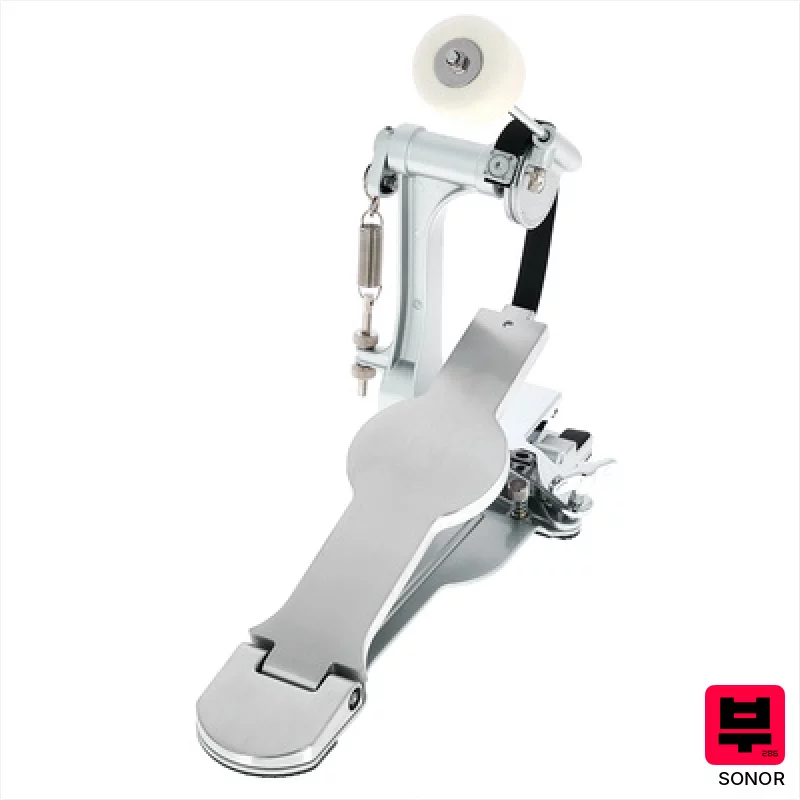
Sonor Perfect Balance Standard Pedal
- • Solid, matte-polished base plate ensures stable anchoring on any drumhead.
- • Ball-bearing hinge provides consistently smooth, responsive action.
- • Separate hoop clamp offers versatile positioning and easy beater changes.
- • Well-built nylon bag protects the pedal during transport and storage.
- • The standard beater is a bit basic; an upgrade is recommended for varied tones.
- • The action, while smooth, may feel a touch light for players preferring a heavier feel.
- • Not as feature-rich as Sonor's higher-end pedals, limiting advanced customization.
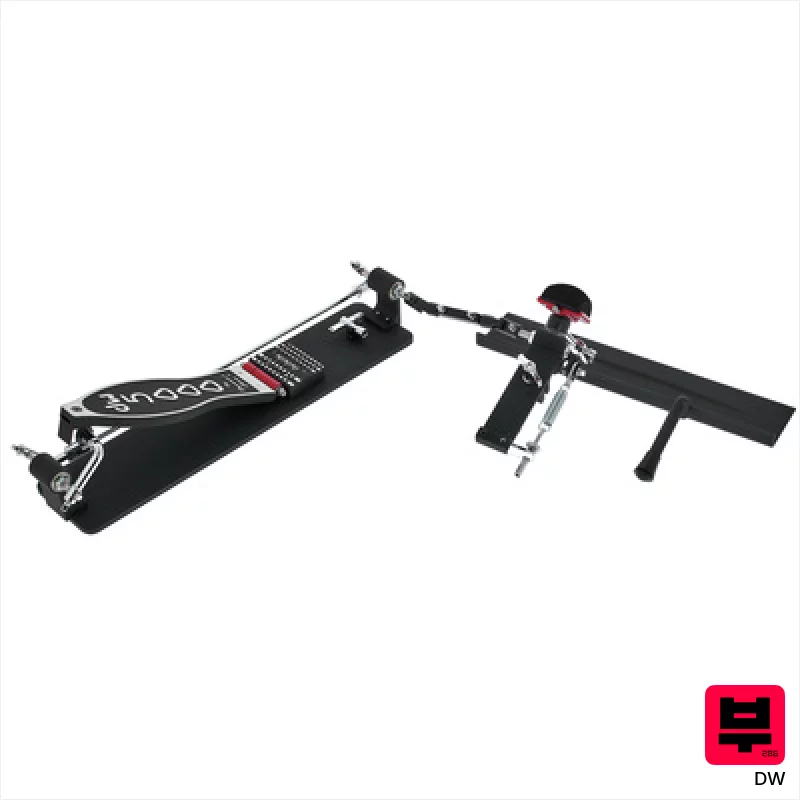
DW CP 5000 CJDL Cajon Pedal
- • Glide-track drive offers incredibly smooth, consistent action, minimizing fatigue.
- • DW's ball-bearing hinge and spring provide exceptionally quiet operation, crucial for recording.
- • Cardan shaft connection eliminates unwanted pedal chain flex, enhancing responsiveness.
- • Adjustable beater profile allows tailoring the cajon's tone from crisp to warmer.
- • Premium-priced, putting it out of reach for casual cajon players.
- • Glide-track system, while smooth, may require occasional cleaning for optimal performance.
- • The direct link design isn't universally compatible with all cajon construction styles.
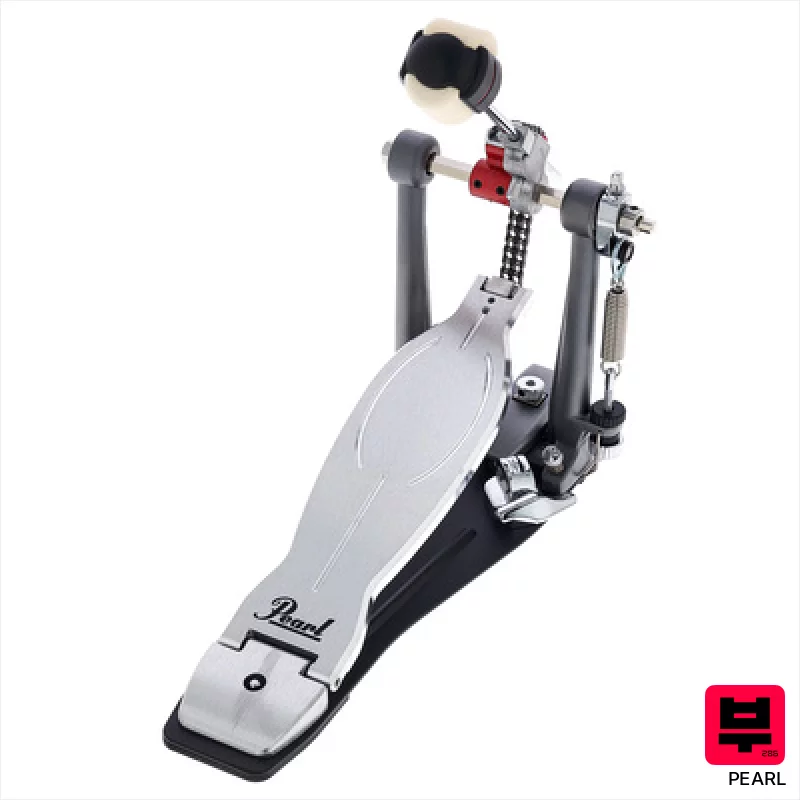
Pearl P-1030R Eliminator Solo Red
- • Durable double chain drive offers smooth, consistent action.
- • Control Core Quad Beater delivers a full, articulate drum sound.
- • Power Shifter provides precise, customizable foot plate response.
- • Red cam offers a progressive feel, easing into faster tempos.
- • Can feel a little stiff out of the box, requiring some initial adjustment.
- • The red finish can be prone to scratches and scuffs with heavy use.
- • Not the lightest pedal; transport could be a factor for gigging drummers.
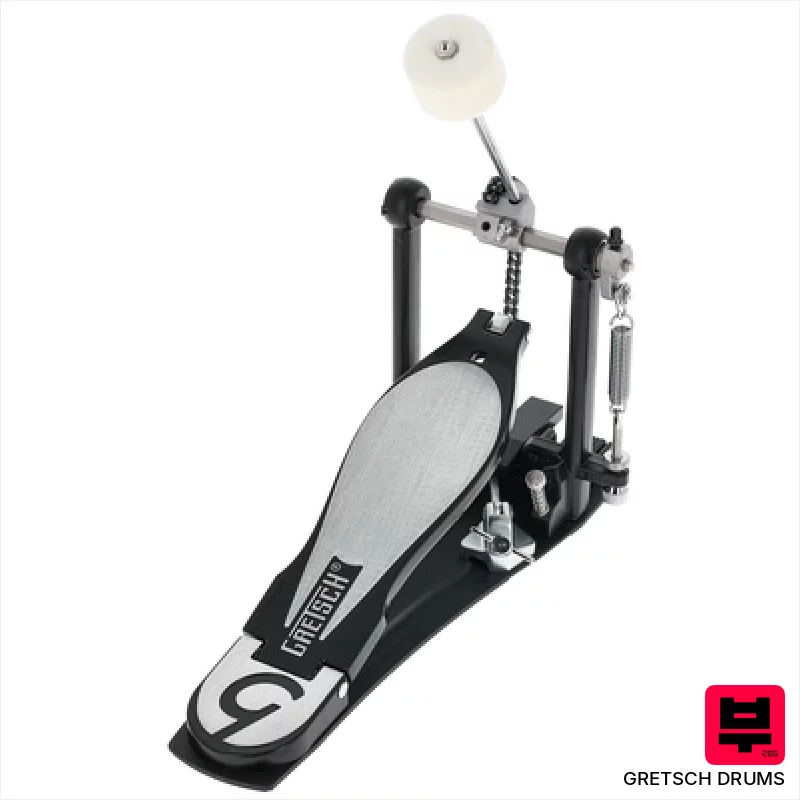
Gretsch Drums G3 Bass Drum Pedal
- • Single-chain drive offers smooth, consistent action.
- • QuickTurn hoop clamp simplifies head changes significantly.
- • White felt beater provides a warm, defined bass drum tone.
- • Solid, die-cast base plate ensures stability and durability.
- • Single-chain design isn’t as fast as double-chain pedals.
- • Footboard material lacks the responsiveness of higher-end models.
- • Tuning key clip is a nice touch, but feels a little flimsy.
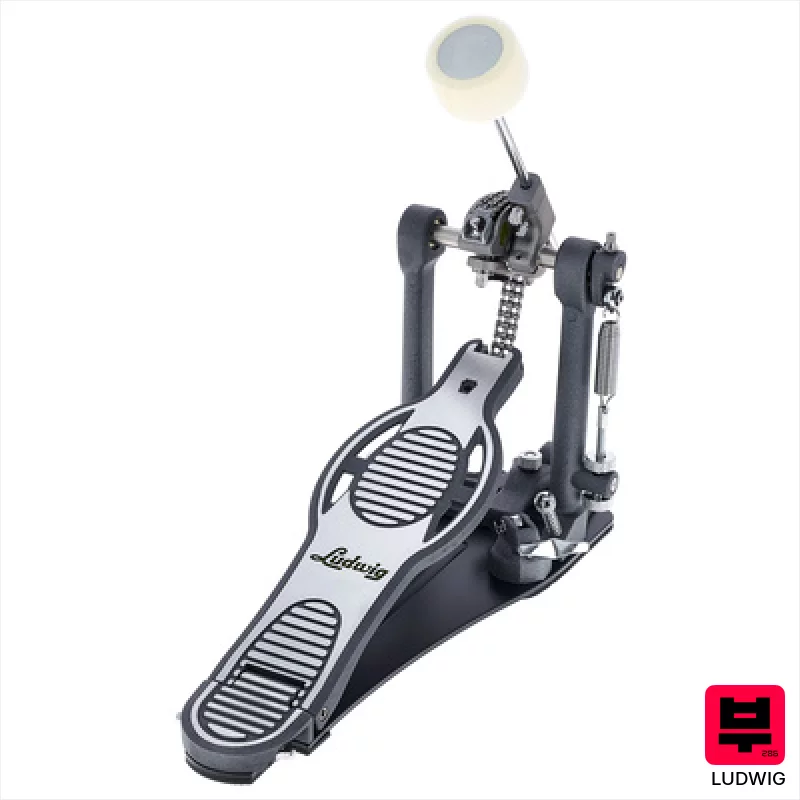
Ludwig L204SF Speed Flyer
- • Double chain drive offers consistent, reliable action and speed.
- • Felt beater produces a warm, controlled attack on the drumhead.
- • Improved ball bearings minimize friction for effortless playing.
- • Stable base plate with stops prevents unwanted pedal movement during intense playing.
- • The felt beater will wear down faster than nylon or wood alternatives.
- • Chain drive can be slightly louder than strap drives, a potential mic'ing concern.
- • Footboard angle is fixed, limiting customization for advanced players.
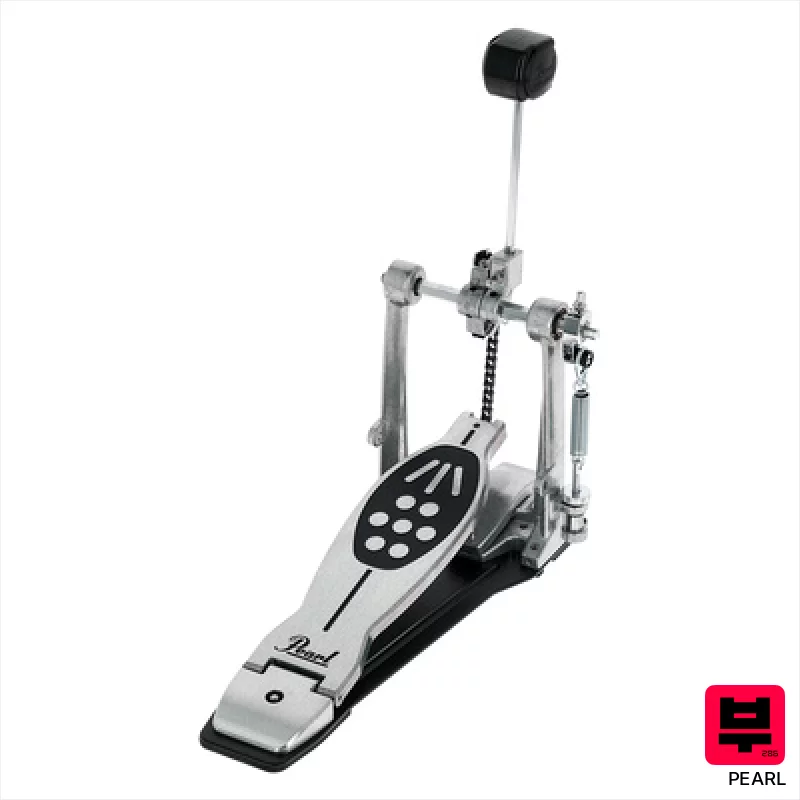
Pearl P-920 Bass Drum Pedal
- • Solid single-chain drive offers consistent, reliable action.
- • Pearl’s Power Shifter footboard provides a responsive, controlled feel.
- • Durable aluminum base plate adds stability and a professional look.
- • The included felt beater delivers a warm, round bass drum tone.
- • Chain drive, while reliable, isn't as fast as a direct drive system.
- • Entry-level beater might wear quicker with heavy use or aggressive playing.
- • Base plate isn't as extensive as higher-end pedals, limiting adjustability.
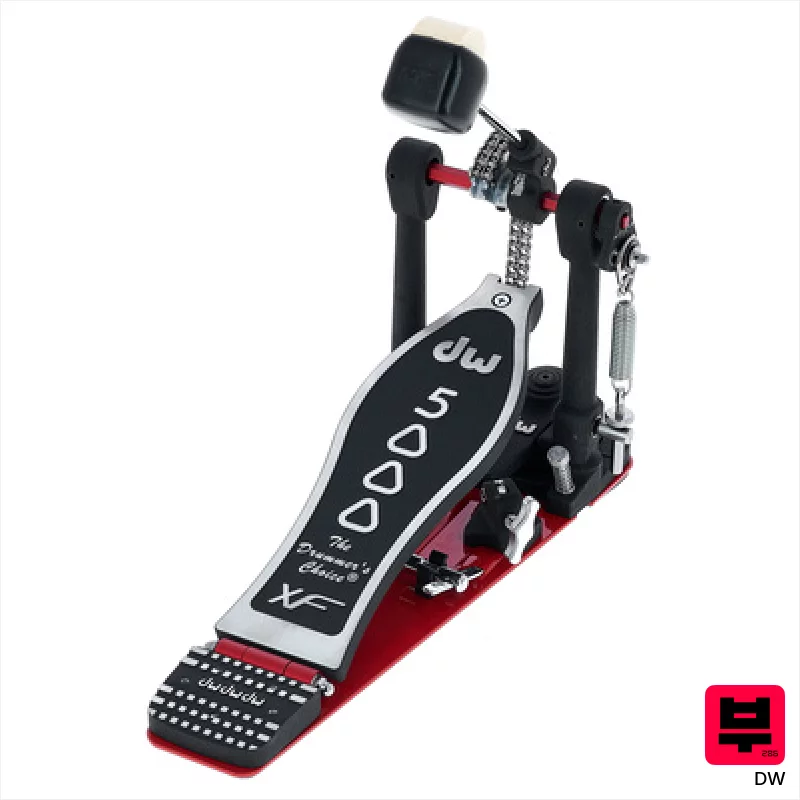
DW 5000AD4XF Bass Drum Pedal
- • Longboard design promotes effortless, fast double bass technique
- • Eccentric chain drive minimizes friction and maximizes response
- • Tri-Pivot clamp offers exceptional hoop versatility and stability
- • Dual-bearing spring system ensures smooth, consistent action over time
- • Price point places it in a premium-priced category for single pedals
- • Longboard design may feel unwieldy for players with smaller feet
- • Chain drive requires occasional lubrication for optimal performance
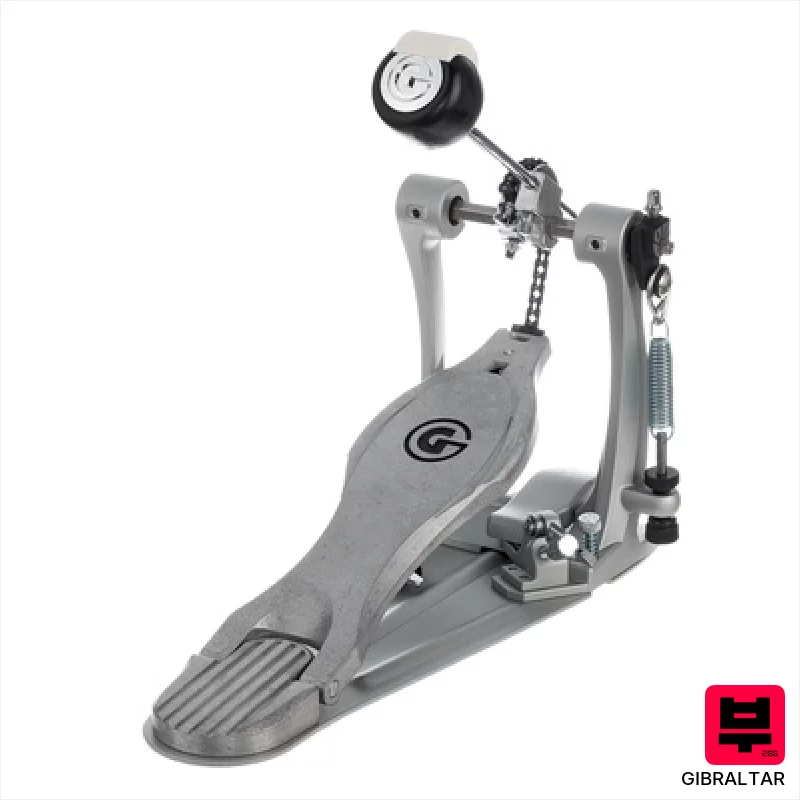
Gibraltar GRC5-S Single Pedal
- • Solid chain drive offers reliable, consistent action.
- • Curved frame design promotes a natural, comfortable playing angle.
- • Felt beater delivers a warm, round bass drum tone.
- • Adjustable spring tension allows for personalized feel and response.
- • Entry-level chain drive won't match the speed of higher-end models.
- • Base plate is relatively basic, lacking extensive adjustability.
- • Felt beater wears down faster than nylon or wood alternatives.

Mapex P810 Armory Bass Drum Pedal
- • Durable double-chain drive provides consistent, reliable action.
- • Reinforced hoop clamp improves stability on electronic drum pads.
- • Felt beater with adjustable weights offers varied tonal response.
- • Solid aluminum alloy footboard delivers a responsive, comfortable feel.
- • Chain drive can be slightly noisier than direct drive options.
- • Entry-level price point means some high-end adjustments are absent.
- • Felt beater may wear faster with heavy, aggressive playing.
How to Choose the Best Single Bass Drum Pedals
Feel/Resistance
Jazz isn't about brute force. You want a pedal with adjustable resistance, allowing for a light, responsive action perfect for ghost notes and delicate work. Too much resistance and you'll fight the instrument; too little and you'll lose control.
Beater Response
A beater that's too heavy will kill sustain. Lighter beaters, or those with adjustable weight, allow for a more nuanced attack and a quicker decay - essential for that dry, woody jazz tone. The material matters too; felt is standard, but different densities affect the tone.
Footboard Angle/Shape
This impacts your leverage and comfort. A more angled footboard can feel more natural for some, while a flatter one offers more stability. It's a personal thing, but it drastically affects your control.
Tonal Quality/Articulation
A pedal that's overly bright or clanky won't sit well in a jazz mix. You want something that produces a controlled, articulate sound without a lot of unwanted overtones or ringing. It's about the character of the sound, not just volume.
Build Quality/Durability
Jazz can be surprisingly physical - constant subtle movements, ghost notes, and a lot of small adjustments. A flimsy pedal won't last a gigging schedule, and a loose chain or wobbly footboard will throw off your timing.
Buying Guide
Don't fall for the hype. A lot of pedals advertise features they don't deliver. Adjustable action is essential, but don't assume 'adjustable' means 'perfect for you.' Try before you buy if you can. Spending a little more generally gets you better bearings, a more refined feel, and a more durable build, but beyond a certain price point, the gains become incremental. Cheap pedals often use stamped metal parts that flex and wear quickly.
Our Methodology
We're not looking at spec sheets here. We've spent the last few years playing these pedals in everything from smoky basement jazz clubs to tracking sessions at local studios, and comparing them head-to-head. It's all about feel, response, and how the pedal translates your intentions into something that sounds good both live and on a recording - not just numbers on a page.

