
Best Stanford Semiacoustic Guitars 2026
Alright, let's talk Stanford semi-acoustics. These aren't the first name that pops into everyone's head when you think hollowbodies, but if you're chasing a specific vibe - that vintage warmth with a surprising amount of growl - they're worth a serious look. They've been quietly building a reputation for solid build and a distinct tonal character, especially for players who want something a little different than a Gibson or a Fender. Forget the hype; let's see if a Stanford fits your needs.
Last updated: April 11, 2026
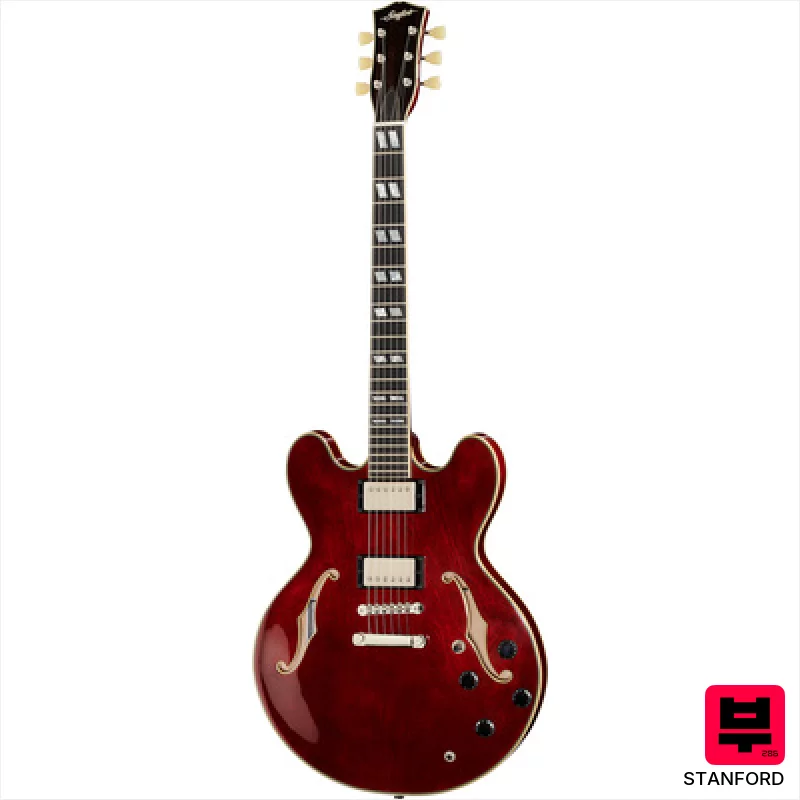
Stanford CR Thinline 35 Cherry
- • Maple veneer top delivers a warm, articulate tone with surprising clarity
- • Kluson-style tuners offer smooth, precise tuning stability and vintage aesthetics
- • Rosewood fretboard provides a comfortable playing feel and warm tonal character
- • Humbucker pickups provide a thick, powerful sound ideal for rock and blues
- • Maple veneer construction may lack the resonance of a fully solid body
- • Cherry finish, while beautiful, can be susceptible to fingerprints and blemishes
- • 630mm scale length might feel slightly longer for players accustomed to shorter scales
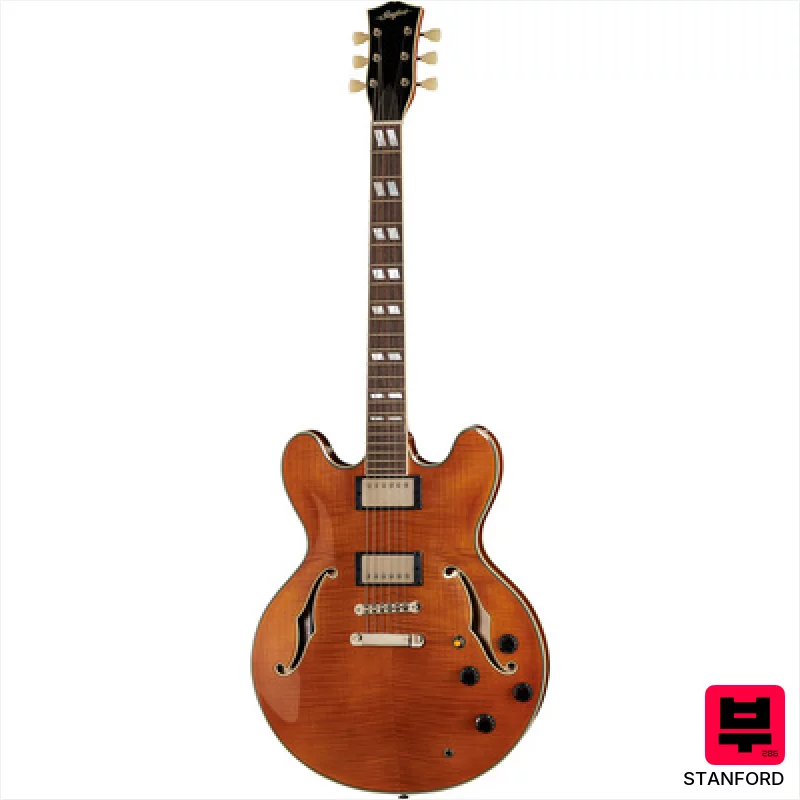
Stanford CR Thinline 35 VB
- • Maple veneer top offers a refined aesthetic and balanced tonal response.
- • Solid maple neck provides excellent sustain and a comfortable, familiar feel.
- • Kluson-style tuners ensure stable tuning and a vintage-inspired vibe.
- • Nitrocellulose lacquer finish allows the wood to breathe, enhancing resonance.
- • The thin body, while comfortable, might lack some low-end resonance for heavier styles.
- • Humbucker configuration limits versatility; leans towards rock/blues tones.
- • Ebony fingerboard, while slick, may be a preference for some players.

Stanford CR Thinline 35 AV
- • Veneered maple construction delivers a warm, resonant tone.
- • Solid maple neck provides excellent sustain and stability.
- • Ebony fretboard offers a smooth, fast playing experience.
- • Kluson-style tuners ensure accurate and reliable tuning stability.
- • The matte nitro finish, while attractive, can be prone to fingerprints.
- • Humbucker pickups may limit versatility for cleaner, more nuanced tones.
- • Veneered construction, while good, isn't as tonally complex as all-solid wood.

Stanford CR Thinline 30 VB
- • Maple veneer construction delivers a focused, articulate tone.
- • Crossroads P90s provide a thick, creamy vintage vibe.
- • Solid maple neck offers stability and a comfortable, familiar feel.
- • Kluson-style machine heads ensure smooth, accurate tuning.
- • Maple veneer can lack the resonance of solid wood bodies.
- • Limited tonal flexibility compared to humbucker-equipped guitars.
- • Nitro matte finish, while attractive, can be more prone to stickiness.

Stanford CR Thinline 30
- • Maple veneer construction delivers a warm, resonant tone with good projection
- • Solid maple neck provides stability and a comfortable, familiar C profile feel
- • P90 pickups offer a gritty, vocal character ideal for blues and rock
- • Kluson-style tuners ensure reliable tuning stability and a vintage aesthetic
- • Maple veneer construction might lack the complexity of all-solid woods
- • The shorter 630mm scale length may feel cramped for players with larger hands
- • Nitrocellulose lacquer, while beautiful, requires careful handling to avoid scratches
How to Choose the Best Semiacoustic Guitars
Tone
Stanford's signature is that warm, woody low-end thump with a surprising amount of headroom. It's not a scooped-out jazz tone; it's got a definite bite, especially when you drive the amp a little. It's great for blues, rockabilly, or even adding some grit to a cleaner pop sound, but it might be a bit too dark for high-gain metal.
Build Quality
The construction is generally solid. You're looking at laminate tops and backs - that's standard at this price point - but the bracing is surprisingly well-done, contributing to the resonance. The hardware is decent, not stellar, but functional. Check the finish for any obvious flaws, as QC can be a bit inconsistent.
Neck Profile
Stanford tends to favor a comfortable, medium-C neck profile. It's not too thick, not too thin - very playable for a wide range of players. The action is usually set up reasonably well from the factory, but a professional setup will always improve the feel and playability.
Unplugged Acoustic Tone
This is where Stanford shines. The hollowbody construction delivers a surprisingly full and resonant acoustic tone. It's not going to replace your dreadnought, but it's more than adequate for practice or informal jams - a definite bonus for the gigging musician.
Pickup Voicing
The stock pickups are...fine. They're serviceable, but they're the first thing many players swap out. They lean towards a warmer, vintage voicing, which complements the guitar's natural tone, but if you're after a more aggressive, modern sound, aftermarket pickups are a worthwhile upgrade.
Buying Guide
At this price range, you're trading off all-solid wood construction for a more manageable price. The laminate construction means you won't get the same level of high-end sparkle as a fully solid guitar, but it's still surprisingly resonant. Pay close attention to the neck - a good setup is crucial to maximizing playability. Don't expect boutique-level hardware; consider it an upgrade path.
How This List Is Built
We don't play these instruments — we're a catalog, not a review desk, and we'd rather say so than pretend otherwise. This page ranks 5 semiacoustic guitars from the Thomann catalogue, which is the largest single source of specification data in this category.
Position is computed, not curated. Four signals, in order of weight: how completely the manufacturer documents the instrument (number of published specifications), where it sits in the price range, how specific the model designation is — which filters out generic accessories — and whether a product image exists. The same inputs always produce the same order, so nothing here is shuffled to look fresh.
What this list is good for: narrowing a category down to a shortlist by spec and budget. What it isn't: a substitute for hearing an instrument. Before you buy, read hands-on reviews and, where you can, play it. Full methodology.

