
Best Samplers for Experimental 2026
So, you're diving into the weird, huh? Forget your bread-and-butter piano sounds - we're talking granular textures, processed field recordings, and mangled loops. A sampler is your weapon of choice for that, but not all samplers are created equal. This isn't about finding the 'best' in a general sense; it's about finding the best tool for sonic excavation and controlled chaos.
Last updated: July 22, 2026 • Next update: July 29, 2026
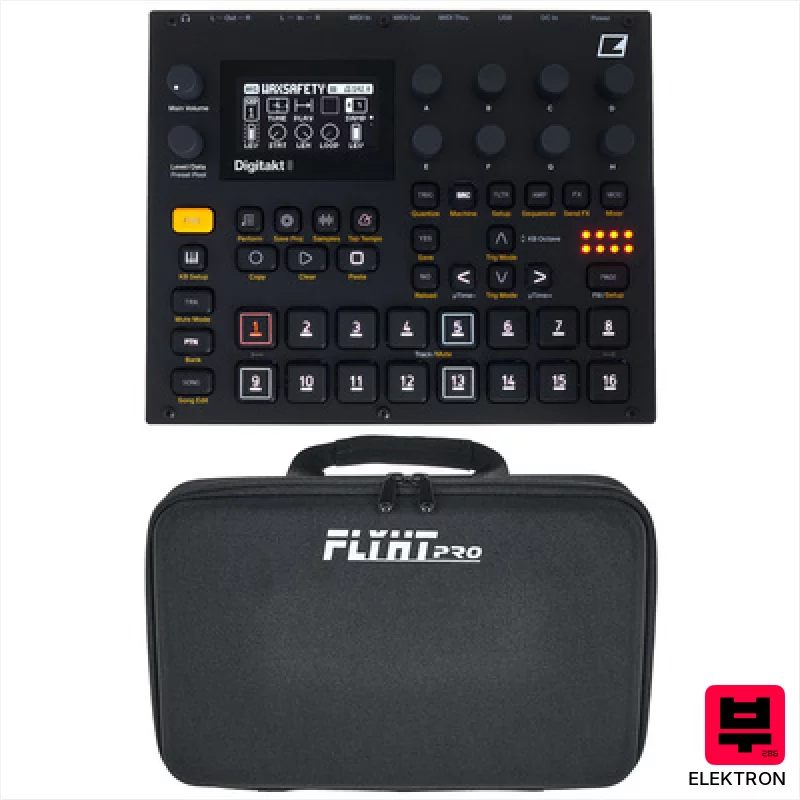
Elektron Digitakt II EVA Case Bundle
- • EVA case provides excellent protection for travel and studio use.
- • Digitakt II's workflow remains intuitive despite expanded feature set.
- • 20GB internal storage offers ample space for sample libraries.
- • Versatile track routing allows for complex, layered soundscapes.
- • Sequencing can be initially daunting for Elektron newcomers.
- • Limited polyphony per MIDI track restricts larger ensemble sounds.
- • Small pads might be a challenge for users with larger fingers.

Elektron Digitakt II
- • Exceptional sequencing flexibility with parameter locks and retriggers.
- • Robust, all-aluminum enclosure provides a premium, durable feel.
- • Versatile SRC machines offer creative sample manipulation possibilities.
- • The tight integration of MIDI and audio tracks unlocks complex workflows.
- • Steep learning curve; Elektron’s workflow isn't immediately intuitive.
- • Limited polyphony per MIDI track can restrict larger ensemble sounds.
- • The pads, while functional, lack the responsiveness of dedicated synth pads.
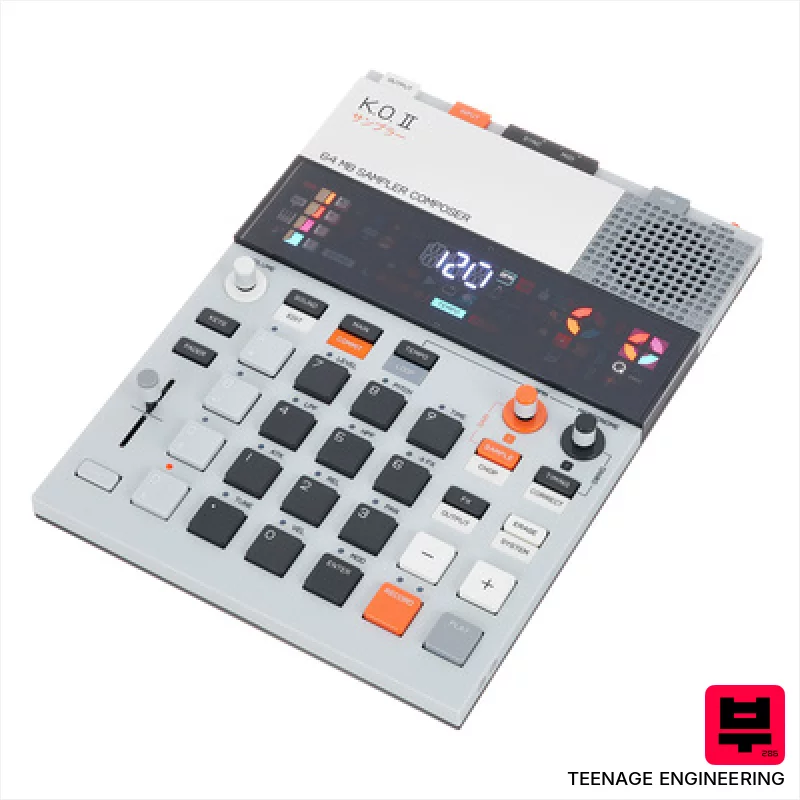
Teenage Engineering EP-133 K.O. II
- • Intuitive workflow encourages experimentation and rapid creative idea generation.
- • Pocket-sized design offers unparalleled portability for music creation on the go.
- • The built-in microphone allows for immediate, spontaneous sampling and recording.
- • Pressure-sensitive pads provide expressive control over samples and sequencing.
- • Limited memory restricts the length and complexity of projects.
- • The small form factor makes some controls feel cramped and less precise.
- • Mono sampling capability compromises audio fidelity for certain applications.

Teenage Engineering EP-133 K.O. II Stand Bundle
- • Compact design and stand offer excellent portability for mobile creation.
- • Intuitive fader automation unlocks expressive, dynamic sequencing possibilities.
- • Built-in mic and speaker allow for immediate, self-contained sampling.
- • Pressure-sensitive pads facilitate nuanced performance and creative sound manipulation.
- • Limited memory restricts sample library size and project complexity.
- • Mono sampling quality via the built-in mic is noticeably less than external sources.
- • The workflow, while innovative, demands a learning curve for new users.

Elektron Octatrack MKII Black
- • Robust metal chassis inspires confidence and durability
- • Contactless crossfader offers exceptional tactile feedback and longevity
- • Deep sequencing capabilities unlock complex rhythmic and melodic ideas
- • Versatile timestretch algorithms handle demanding sample manipulation
- • Steep learning curve requires significant time investment and dedication
- • Limited polyphony can restrict layering of sounds effectively
- • Compact size can feel cramped during live performance sessions
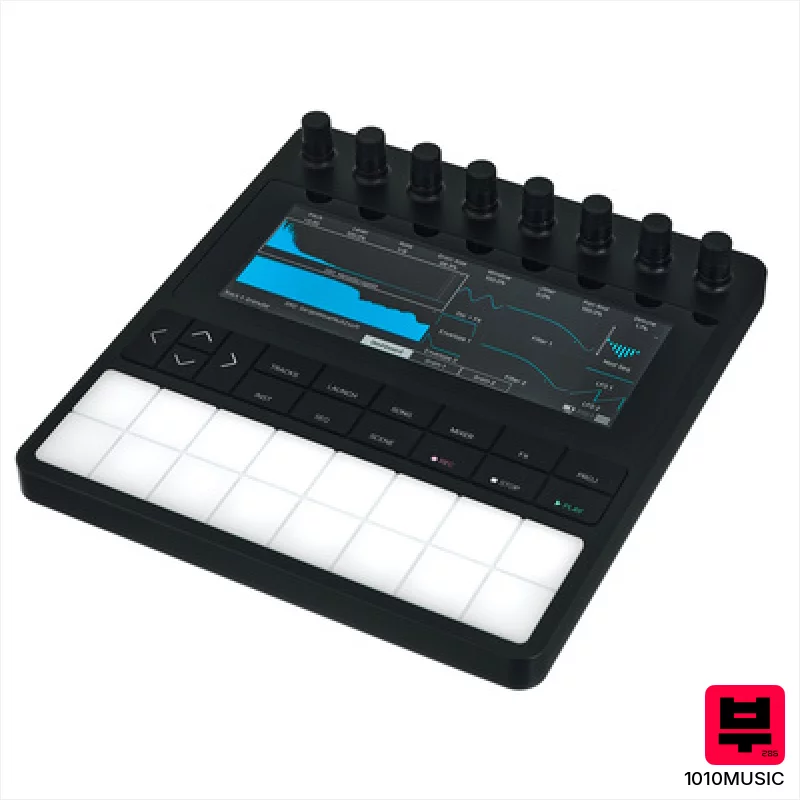
1010music bento
- • Flexible track configuration unlocks diverse sonic possibilities.
- • Excellent touchscreen responsiveness and intuitive workflow.
- • Internal modulation provides expressive, evolving sounds.
- • Compact size and battery power enable truly mobile music creation.
- • Limited polyphony can become a constraint in complex arrangements.
- • 3.5mm connections feel somewhat fragile for professional use.
- • Learning curve is steeper than simpler loop-based workstations.
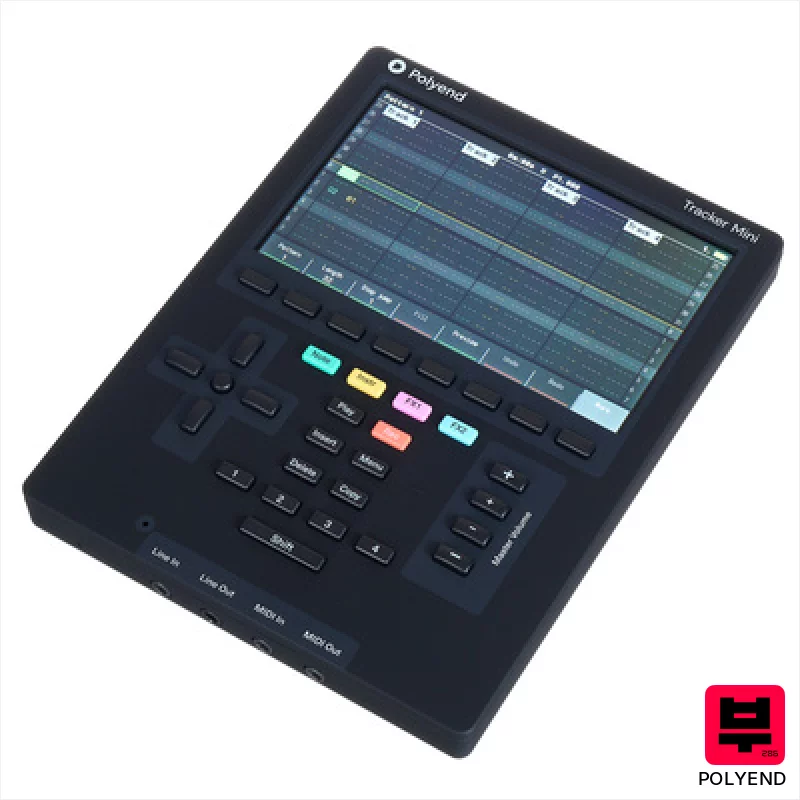
Polyend Tracker Mini
- • Excellent workflow for tracker enthusiasts; intuitive step sequencing
- • Granular and wavetable synths offer surprising sonic depth
- • Pre-loaded sample packs provide immediate creative inspiration
- • Compact size makes it incredibly portable for on-the-go music making
- • Limited screen resolution can hinder complex editing tasks
- • Lack of extensive MIDI connectivity restricts integration
- • Smaller buttons may pose a challenge for users with larger fingers
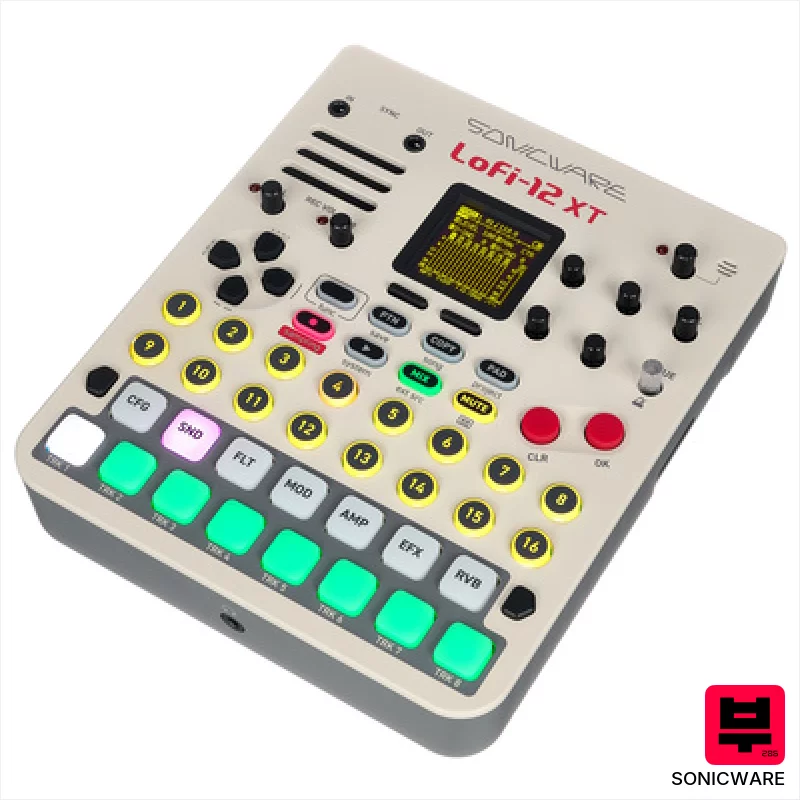
Sonicware Lofi-12 XT -Ltd Retro
- • Unique lo-fi aesthetic delivers genuinely warm, characterful tones.
- • Extensive sequencing options foster intricate, evolving compositions.
- • Real-time sample editing provides immediate creative control.
- • Compact size makes it ideal for mobile production setups.
- • Mono sampling limits stereo imaging and dynamic range.
- • Limited sample memory restricts longer, more complex samples.
- • The workflow can be initially daunting for sequencing newcomers.

Teenage Engineering EP-133 K.O. II Bag Bundle
- • The included bag provides excellent portability and protection for travel.
- • Built-in mic and speaker offer surprising immediacy for quick sampling.
- • Intuitive fader automation unlocks creative and dynamic performance possibilities.
- • Pressure-sensitive pads allow for nuanced, expressive sample manipulation.
- • Limited memory restricts longer sample recordings and project size.
- • Mono sampling quality is decent, but lacks the clarity of a dedicated interface.
- • The learning curve can be steep for those unfamiliar with Teenage Engineering’s workflow.

Torso Electronics S-4
- • Parallel tracks offer incredible sonic layering and experimentation potential.
- • 48-band resonator filter provides unique, evolving textures and timbres.
- • Granular engine allows for genuinely transformative, abstract sound design.
- • Destructive effects chain encourages pushing boundaries and unexpected results.
- • Steep learning curve; requires dedicated time to master granular processing.
- • Limited polyphony (8 voices) might restrict complex chordal textures.
- • Physical controls are sparse; heavy reliance on menu diving.

Kiviak Instruments WoFi
- • Compact size ideal for travel and mobile performance.
- • Texturer section offers genuinely unique and experimental soundscapes.
- • Built-in mic and speaker provide instant, self-contained operation.
- • Step sequencer allows for surprisingly complex rhythmic and parameter automation.
- • 25 mini keys limit expressive playing for seasoned keyboardists.
- • Internal memory, while adequate, could be limiting for extensive sampling.
- • WiFi dependency can be problematic in areas with poor connectivity.
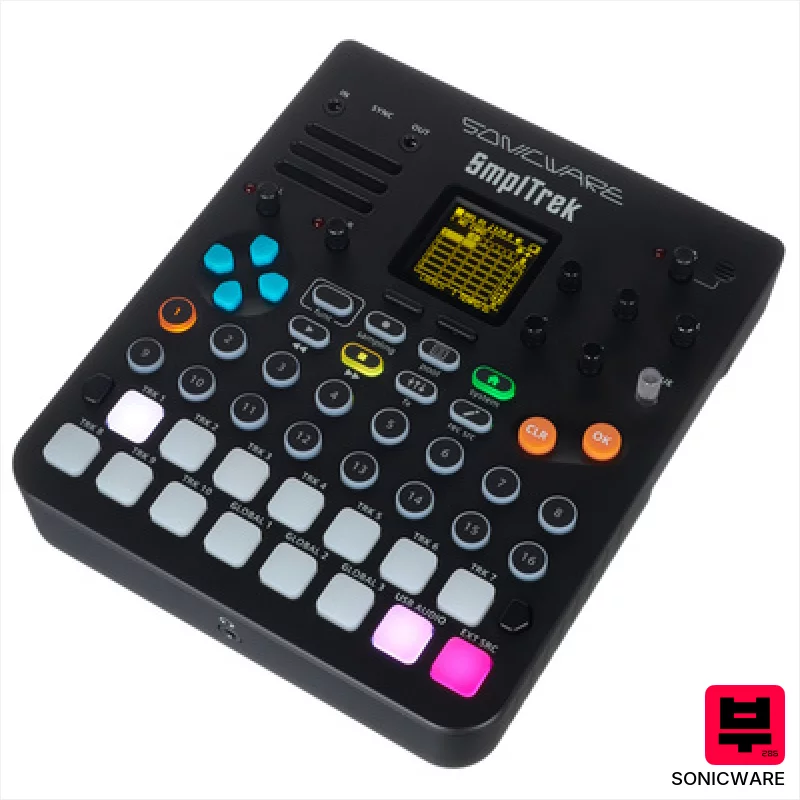
Sonicware SmplTrek
- • Intuitive one-touch recording simplifies immediate sample capture.
- • Versatile track types enable complex song structures and layering.
- • RGB pads offer excellent visual feedback and performance flair.
- • Compact size and portability make it ideal for mobile music creation.
- • Micro B USB connection feels dated compared to USB-C alternatives.
- • Limited polyphony (30 voices) can restrict dense arrangements.
- • Plastic enclosure feels less robust than higher-end samplers.

ISLA Instruments S2400
- • Authentic SP-1200 vibe with selectable anti-aliasing filters.
- • Excellent polyphony for rich, layered sample manipulation.
- • Comprehensive sequencing with 32 MIDI tracks and song mode.
- • Intuitive track controls with faders, pads, and buttons.
- • Limited sample resolution compared to modern, high-end samplers.
- • 128MB Flash memory could be restrictive for extensive sample libraries.
- • OLED display, while functional, is a bit small for detailed editing.
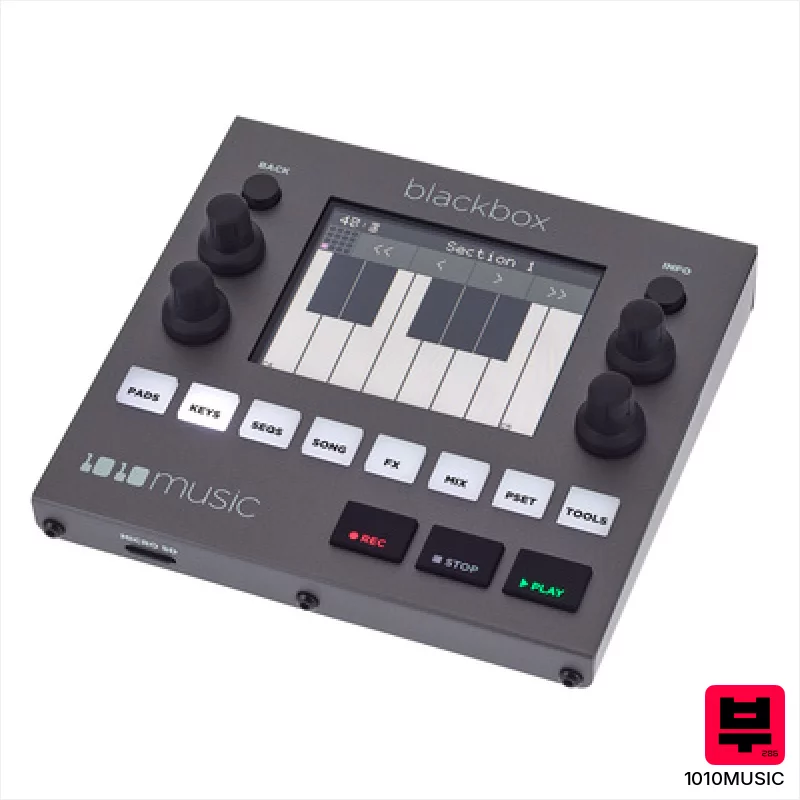
1010music blackbox
- • Intuitive touchscreen interface simplifies complex sampling workflows.
- • Compact size and robust build make it gig-ready and portable.
- • Versatile sequencing and looping capabilities spark creative experimentation.
- • MicroSD card streaming provides ample storage for extensive sample libraries.
- • Limited input jacks necessitate external mixers for complex routing.
- • 3.5mm connections feel a bit fragile for heavy-duty use.
- • Smaller form factor can make extended editing sessions less comfortable.
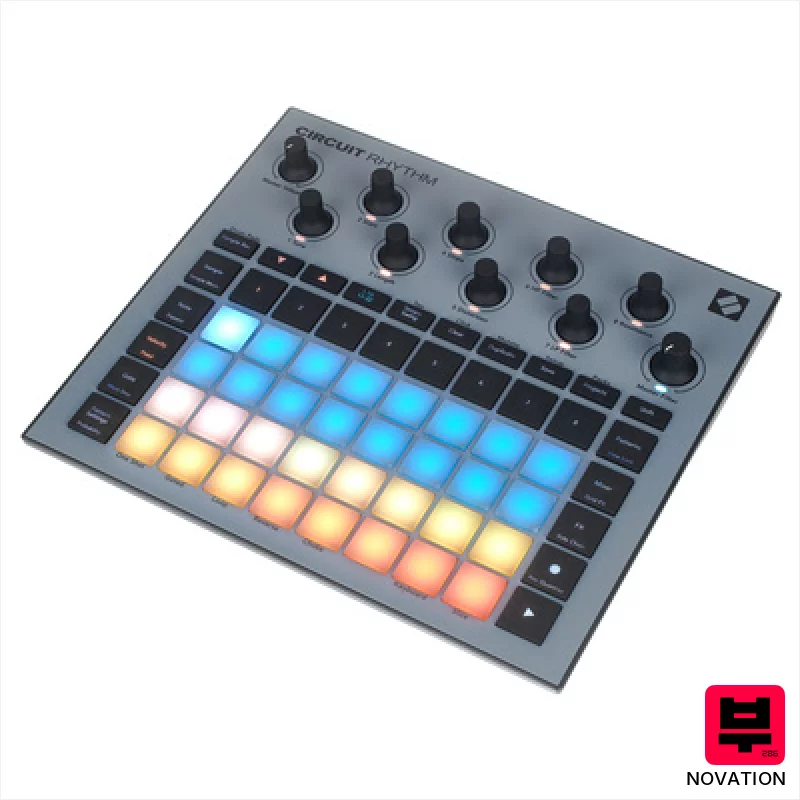
Novation Circuit Rhythm
- • Intuitive sequencing with cascading steps unlocks complex rhythms.
- • Velocity-sensitive pads offer expressive sample triggering and performance.
- • Compact size and lightweight design enable portable music creation.
- • Integrated effects add immediate character and sonic depth to samples.
- • MicroSD card requirement adds an unexpected cost and potential hassle.
- • Limited sample time per track restricts longer sample manipulation.
- • Lack of dedicated audio interface features limits recording capabilities.
How to Choose the Best Samplers
Granular Engine
This isn't just about chopping up samples; it's about manipulating the tiny grains-pitch shifting, time stretching, layering-to create completely new textures. A powerful granular engine is the heart of experimental sampling, allowing for everything from shimmering pads to glitchy percussive chaos.
Modulation Options
Static loops are boring. You need deep modulation - LFOs, envelopes, step sequencers - to breathe life and movement into your samples. Look for flexible routing and modulation destinations; the ability to modulate filter cutoff with a random LFO, for instance, can be transformative.
Sample Manipulation Capabilities
Beyond basic looping and pitch shifting, consider features like reverse playback, stutter effects, formant shifting, and spectral processing. These tools allow you to radically alter the character of your source material and create truly unique sounds.
Workflow & Interface
Experimental music often demands quick iteration and happy accidents. A sampler with a clear, intuitive interface-even if it's software-based-will save you time and frustration when you're chasing a fleeting sonic idea. A convoluted UI can kill your creative flow.
CPU Performance
Layering multiple heavily processed samples can quickly bring your system to its knees. Consider the sampler's processing overhead, especially if you're running a DAW with other plugins. Low latency is also key for real-time manipulation.
Buying Guide
Don't get blinded by the number of features. A huge library of pre-loaded samples is useless if the sampler itself doesn't inspire you. Cheaper software samplers often skimp on modulation options or have a clunky interface - those limitations will become obvious fast. Hardware samplers like the Akai S-Series have a great vibe but limited memory and can be a pain to get samples onto; factor that in. Ultimately, it's about finding a sampler that feels like an extension of your creative process.
Our Methodology
We've spent weeks mucking about with these samplers - not just reading spec sheets, but actually trying to make things. We've A/B'd them against each other, thrown them into live rehearsal situations with a full band, and scrutinized how they handle complex processing chains. It's about how they feel to use and, crucially, what they let you do.

