
Best Rotary Valve C Trumpets for Classical Performance 2026
Alright, so you're looking at rotary valve C trumpets for classical work? Smart move. They offer a different feel and a unique tonal character that can really elevate your performance, especially in larger ensembles or when you need to cut through a dense orchestral texture. But not all rotary valve horns are created equal; a poorly made one will sound muddy and feel awkward. Let's break down what to look for to avoid those pitfalls.
Last updated: July 15, 2026 • Next update: July 22, 2026

Johannes Scherzer 8217-S C-Trumpet
- • Exceptional intonation across the range, a hallmark of Scherzer craftsmanship
- • Gold brass construction delivers a warm, focused, and resonant tone
- • Conical rotary valves offer a uniquely smooth and fast action
- • Interchangeable lead pipes allow for tonal flexibility and personalized response
- • The instrument’s weight will be noticeable during extended playing sessions
- • Premium-priced, representing a significant investment for most players
- • Rotary valve trumpets aren't as universally accepted as piston valves in some ensembles
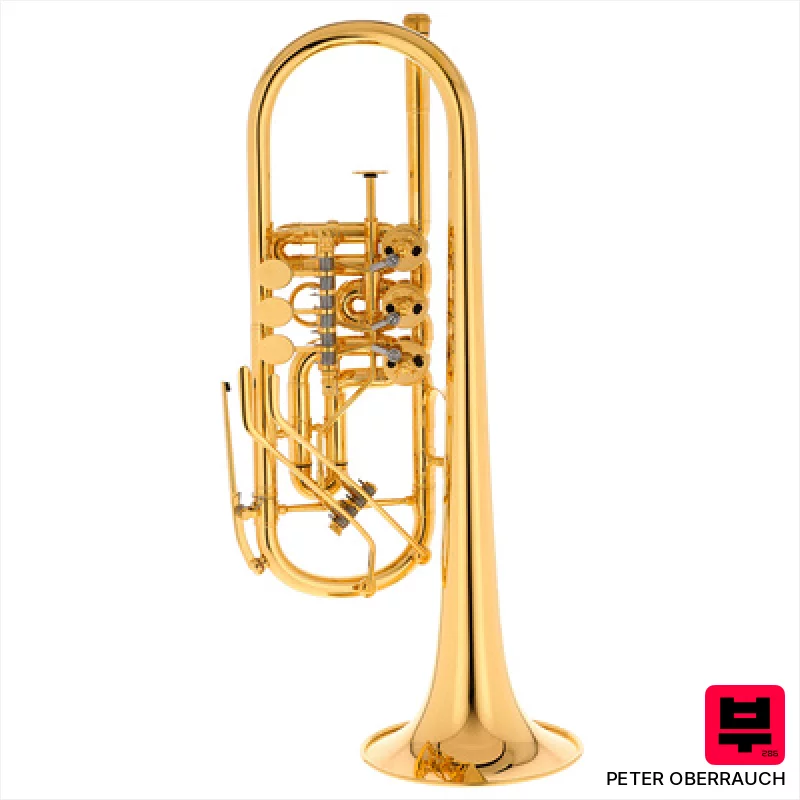
Peter Oberrauch Roma Trumpet C 0,4 GP
- • Radiant, direct sound cuts through ensembles effortlessly.
- • 0.4mm sheet thickness contributes to a responsive, agile feel.
- • Gold-brass bows and bell offer excellent tonal warmth and projection.
- • Handmade construction ensures meticulous attention to detail and quality.
- • The compact design may feel cramped for players with larger hands.
- • Premium-priced, representing a significant investment for most players.
- • Decompression bore might feel less 'free-blowing' for some experienced players.
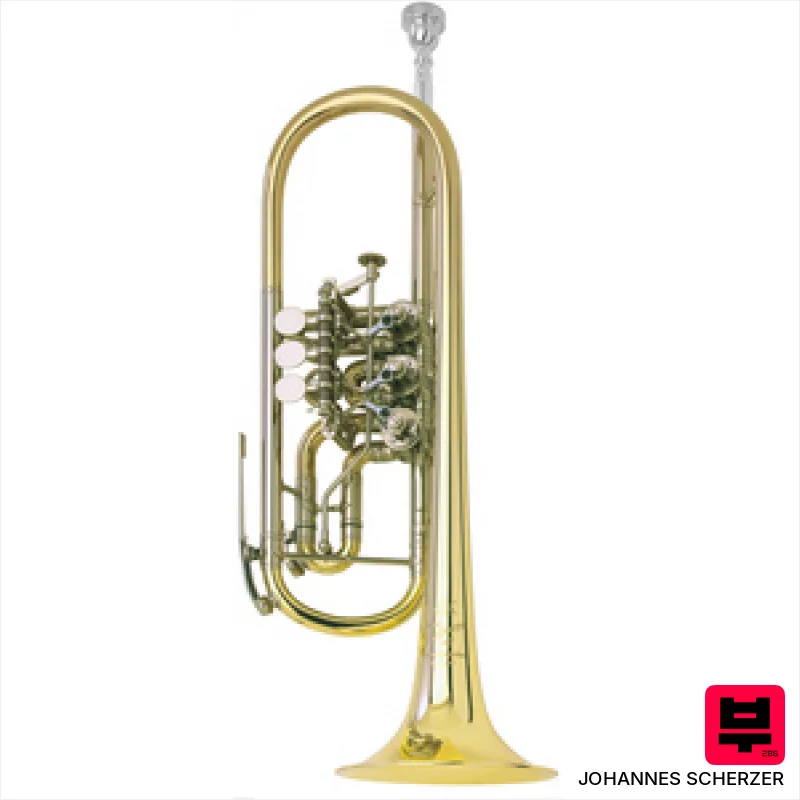
Johannes Scherzer 8217-L C-Trumpet
- • Exceptional intonation across the range thanks to the 11.2mm bore.
- • Gold brass bell delivers a warm, focused, and projecting tone.
- • Spiral springs with 3B linkage offer incredibly responsive and fast action.
- • Handforged support enhances structural integrity and resonance.
- • Premium-priced, representing a significant investment for most players.
- • Rotary valve design may take some adjustment for piston players.
- • The 132mm bell, while excellent for projection, can feel bulky for smaller players.
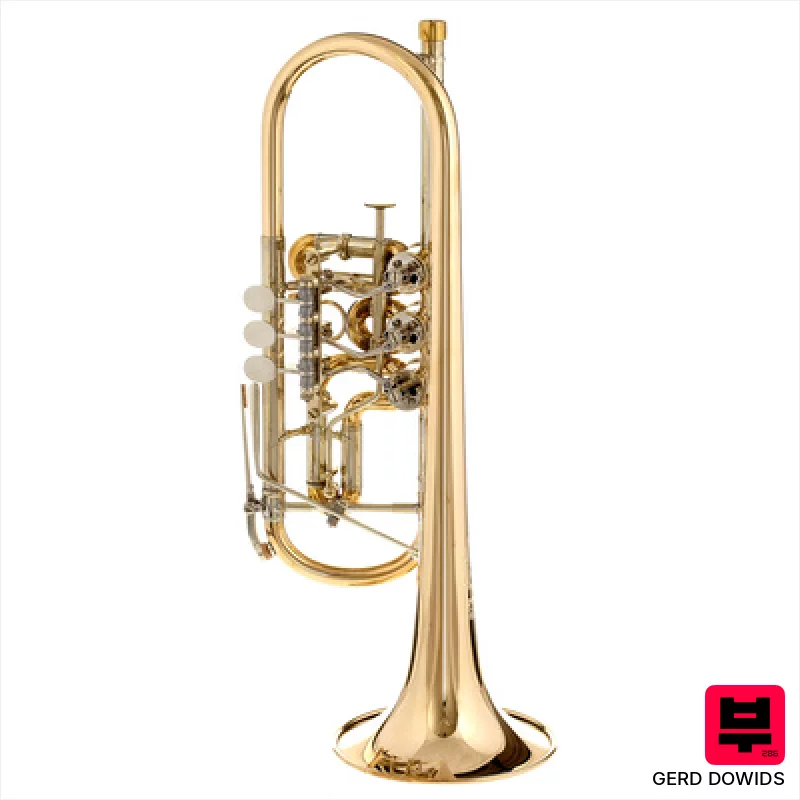
Gerd Dowids BZ-Series C-Trumpet
- • Zirnbauer valve mechanism offers exceptionally smooth, fast action.
- • GL 60 gold brass bell provides a rich, warm, and projecting tone.
- • One-piece valve connections minimize air leakage, maximizing response.
- • Interchangeable bell system allows for tonal customization and experimentation.
- • Unpolished finish requires diligent maintenance to prevent tarnishing.
- • 11.20 mm bore might feel slightly stiff for some players, especially beginners.
- • Premium-priced, representing a significant investment for most musicians.

Peter Oberrauch Milano Trumpet C 0,4 raw
- • Exceptional intonation and balance, a hallmark of Oberrauch craftsmanship.
- • The 125mm gold-brass bell delivers a rich, projecting tone.
- • Bernhard Zirnbauer valve mechanism provides incredibly smooth and fast action.
- • Raw finish allows the player to develop a personalized patina and feel.
- • The raw finish requires diligent maintenance to prevent excessive tarnishing.
- • Heavier than some trumpets, may be fatiguing for smaller players or beginners.
- • Limited versatility; excels in classical and lyrical playing, less suited for jazz.
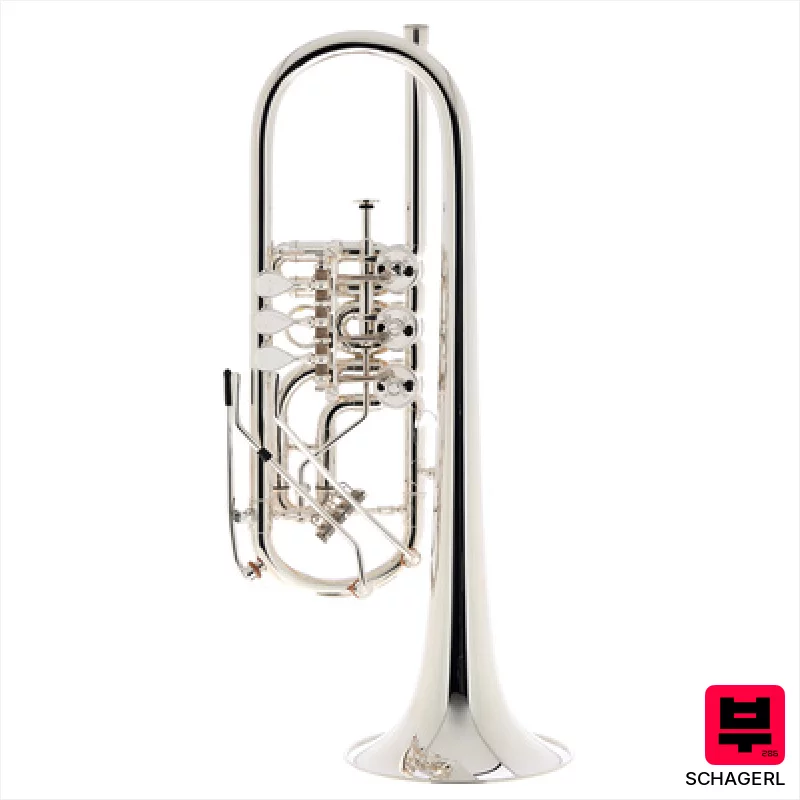
Schagerl Berlin Heavy "K" C- Trumpet S
- • Heavy valve stem provides exceptional stability and response, especially at higher registers.
- • 130mm gold brass bell projects a focused, rich tone with excellent projection.
- • Silver plating offers a bright initial response, while preserving the brass’s warmth.
- • Developed with Gábor Tarkövi, ensuring professional-level playability and tonal character.
- • The 'Heavy' designation makes this trumpet significantly heavier, demanding stamina.
- • Rotary valve design might require a period of adjustment for piston players.
- • Premium-priced, representing a substantial investment for most players.
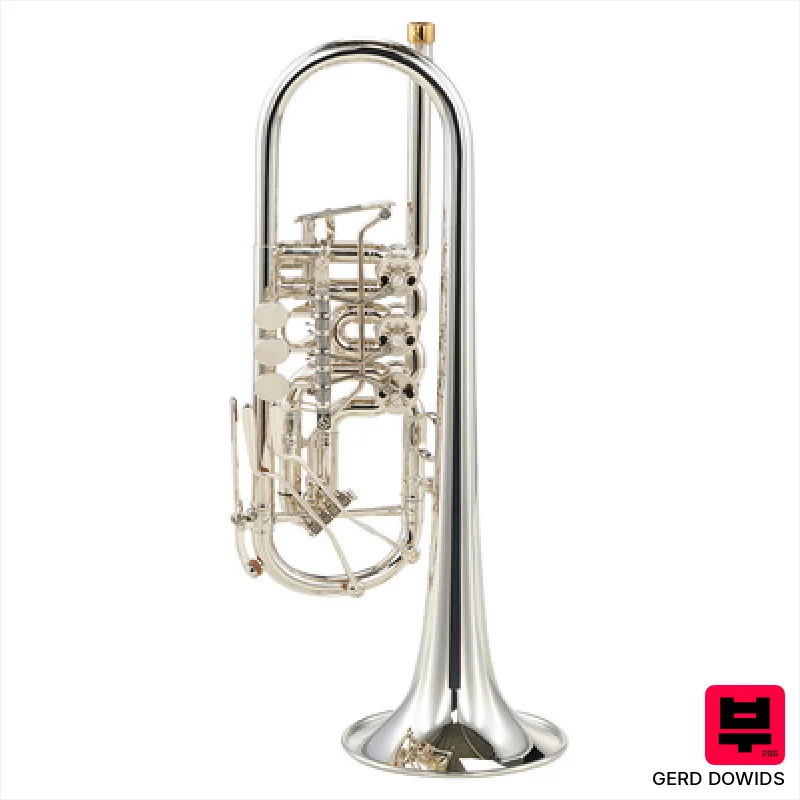
Gerd Dowids BZ-Series C-Trumpet Special
- • GL 60 gold brass bell delivers a rich, focused tone.
- • Zirnbauer machine construction ensures exceptional intonation and response.
- • Spiral spring mechanism provides consistent, reliable valve action.
- • Interchangeable leadpipe allows for customization of timbre and response.
- • Premium-priced, making it a significant investment for most players.
- • Rotary valve design can present a steeper learning curve for some.
- • The weight, typical of German-made instruments, might be fatiguing for some.

Schagerl Berlin Heavy "K" C- Trumpet G
- • Heavy Kin bore delivers exceptional projection and core strength.
- • 130mm gold brass bell provides a rich, focused tonal color.
- • Rotary valve design facilitates effortless high register playing.
- • Developed with Tarkövi, ensuring professional-level response and intonation.
- • Premium-priced, represents a significant investment for most players.
- • Heavy construction can be fatiguing during extended performance.
- • Rotary valve system requires a different playing technique, learning curve.

Schagerl Wien 2021 C-Trumpet GP
- • Kernstock collaboration yields exceptional projection and tonal warmth.
- • 130mm gold brass bell delivers a focused, resonant sound.
- • 0.45mm wall thickness promotes responsiveness and ease of playing.
- • Schagerl’s proven sound concept refined for enhanced clarity and intonation.
- • Premium-priced, making it a significant investment for most players.
- • Rotary valve action can require a learning curve for piston players.
- • The gold-plated finish demands careful maintenance to prevent wear.
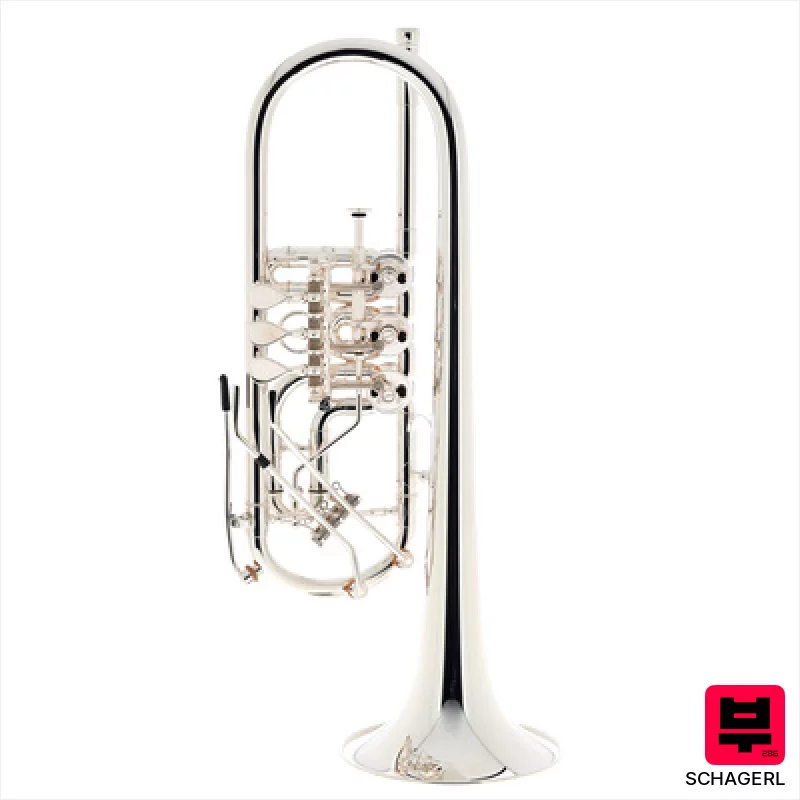
Schagerl Berlin Heavy "Z" C- Trumpet
- • Heavy valve section provides exceptional stability and projection for demanding passages.
- • Gold brass leadpipe delivers a darker, richer tone compared to standard brass.
- • 130mm gold brass bell offers a broad, powerful sound with excellent resonance.
- • Collaboration with Gábor Tarkövi ensures professional-level response and playability.
- • Heavy construction may be fatiguing for players with smaller hands or less strength.
- • Rotary valve design can present a steeper learning curve for piston trumpet players.
- • Silver-plating requires diligent care to prevent tarnish and maintain optimal sound.
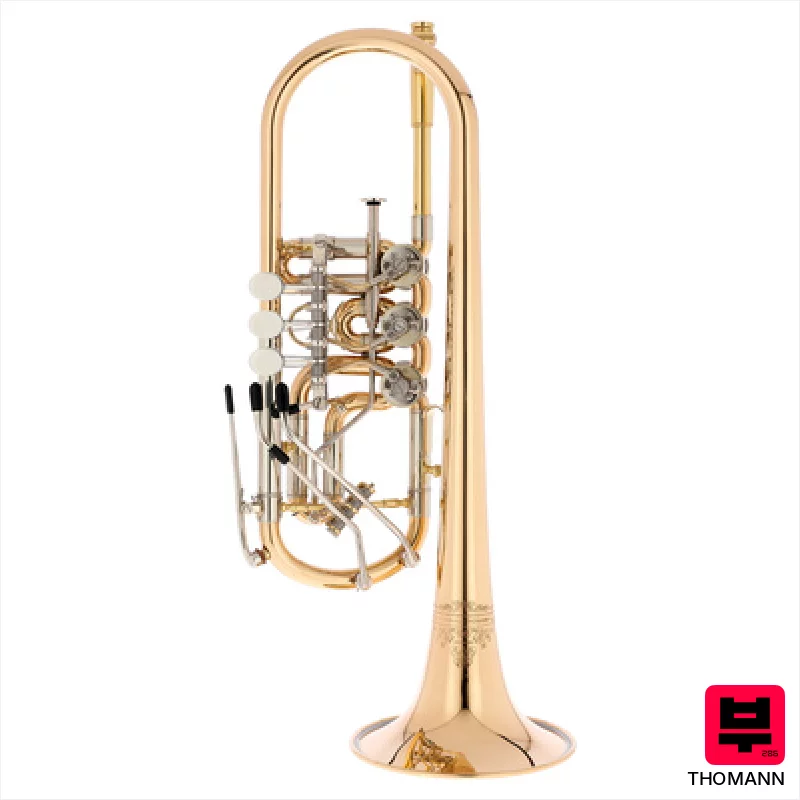
Thomann Classica III GML C- Rotary
- • Gold brass bell provides a warm, resonant tone with excellent projection
- • 11mm bore offers a comfortable feel and responsive action
- • Minibal joints ensure smooth, reliable rotary valve operation
- • Protec case and accessories add significant value for the price point
- • Nickel silver slides can tarnish, requiring occasional polishing
- • The lacquer finish, while attractive, might be susceptible to wear over time
- • Rotary valves can be a learning curve for players accustomed to piston trumpets
How to Choose the Best Rotary Valve C Trumpets
Tonal Color
Rotary valve trumpets can sound darker and more mellow than their piston counterparts, but it's not automatic. What you want is a core tone that's rich and focused, not just a muffled blob. Good ones have a warmth that blends beautifully with other brass, avoiding that harsh, brittle edge you sometimes hear. It's about sustain and projection, not just volume.
Valve Action & Feel
This is huge. Rotary valve action needs to be smooth and consistent, especially at faster tempos. Stiff valves or uneven action will kill your articulation and make fast passages feel like a fight. A sloppy action also introduces inconsistencies in intonation - something you absolutely cannot tolerate in classical playing.
Intonation Stability
Rotary valve horns are notorious for intonation quirks. A well-made one will have a consistent response across the range, minimizing those flat tendencies on lower notes and sharpness on higher ones. Listen carefully for any noticeable pulls or pushes - it's a dealbreaker.
Valve Casing Material & Design
German silver or Monel casings generally offer better resonance and a more even response than cheaper brass. The internal design of the valve casings - the angles, the bore - all impact the horn's tone and airflow. Cheaper horns often use thinner metal and less refined designs which translate to a less focused sound.
Bell Shape & Material
The bell is your sound's primary exit point. A wider bell tends to produce a more projecting tone, which is beneficial for cutting through a large ensemble. Again, brass is standard, but some higher-end horns use bronze or other alloys to subtly alter the tonal color and response.
Buying Guide
Don't be swayed by flashy finishes or inflated price tags. Many 'student' level rotary valve horns cut corners on valve action and casing quality, resulting in a sluggish feel and inconsistent intonation. If possible, try before you buy - seriously. The feel is just as important as the sound. Spending a little more for a horn with a smooth action and consistent intonation will pay dividends in your playing.
Our Methodology
We're not going to base this on manufacturer's claims. We've spent years playing these horns - in orchestras, chamber groups, recording sessions, the whole deal. Our evaluations are based on hands-on playing, direct A/B comparisons against each other and traditional piston valve trumpets, and honestly assessing how they perform in real-world scenarios, not just in a sterile studio.

