
Best Rehearsal and Monitoring PA Sets for Small Venues 2026
So, you're playing smaller venues - bars, clubs, coffee shops, maybe a pub gig or two - and you need a PA that'll let your band breathe without blowing the budget or your ears. A lot of guys think any old speaker will do, but a muddy, lifeless mix can kill a performance faster than a blown amp. Let's break down some rehearsal and monitoring PA sets that'll actually sound good and hold up to regular gigging.
Last updated: July 22, 2026 • Next update: July 29, 2026
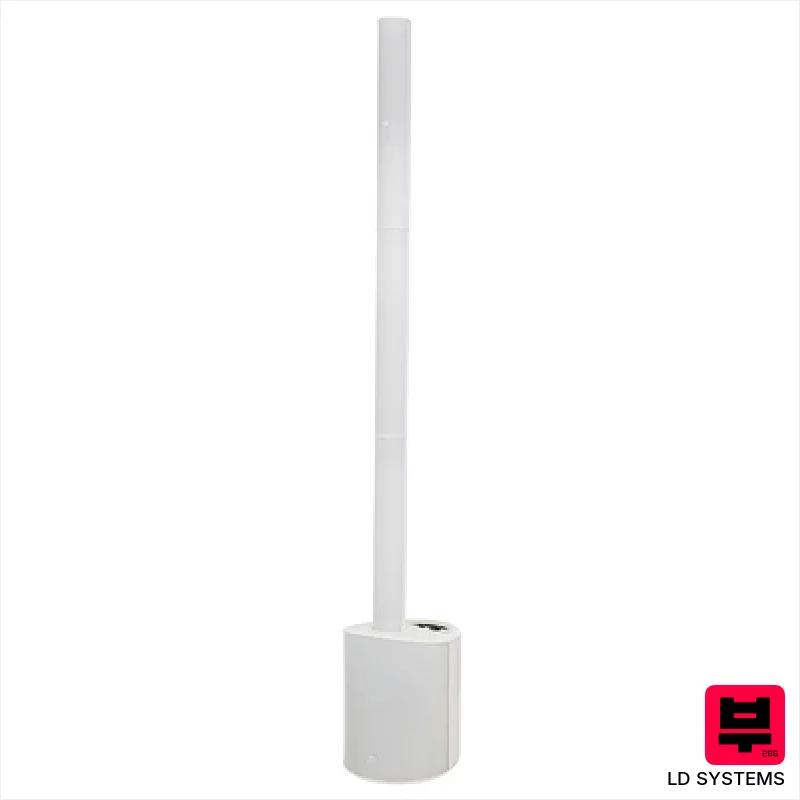
LD Systems Maui 5 White
- • Neodymium tweeters offer surprisingly clear highs with minimal distortion.
- • The integrated DSP provides useful EQ and limiting for various venues.
- • Compact design and integrated mixer simplify setup and transport.
- • Bass reflex subwoofer delivers a decent low-end punch for its size.
- • Limited channel flexibility restricts complex mixing scenarios.
- • While portable, the weight makes extended transport a bit cumbersome.
- • The 4-ohm impedance might challenge some higher-powered amplifiers.
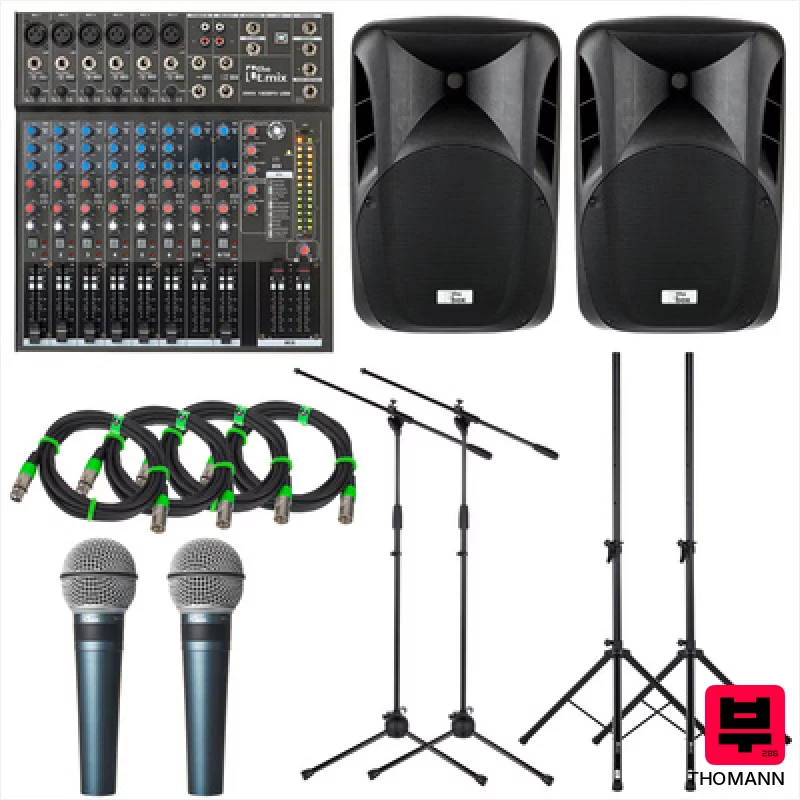
Thomann Practice Room Bundle 2
- • DSP presets offer quick, usable EQ for various instruments.
- • 15-inch drivers deliver surprising low-end punch for a practice setup.
- • Robust build quality; these speakers feel significantly more durable than their price suggests.
- • The t.mix mixer provides ample connectivity and basic effects for rehearsal needs.
- • Limited headroom at higher volumes; not ideal for loud, energetic gigs.
- • Speaker dispersion, while adequate, isn't the widest for larger rehearsal spaces.
- • The t.mix mixer's effects are basic, not a substitute for a dedicated effects chain.

Bose S1 Pro Plus +Sennheiser E 945
- • Bose's ToneMatch technology delivers surprisingly accurate and pleasing vocal reproduction.
- • The integrated battery pack provides genuine portability for rehearsals and outdoor gigs.
- • The Sennheiser E 945 delivers robust, feedback-resistant performance for live vocals.
- • Multiple positioning options (wedge, upright, inverted) offer adaptable monitoring solutions.
- • The 6” woofer limits deep bass response compared to larger PA systems.
- • While versatile, it's not a powerhouse for large venues or loud bands.
- • The OLED display, while functional, is a bit small and can be hard to read in bright light.
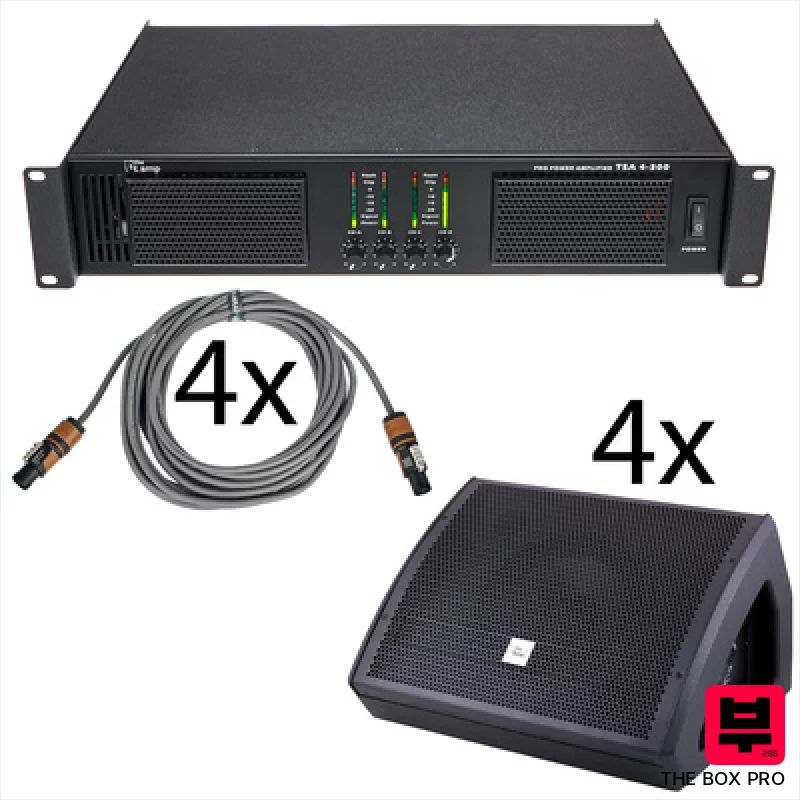
the box pro Mon P10 Wedge Bundle
- • Solid TSA 4-300 amp provides ample clean power for monitoring.
- • Mon P10 wedges offer surprisingly even coverage for their size.
- • Sssnake cables are a nice, reliable inclusion – quality connectors.
- • Compact 2RU amp rack saves valuable space in tight setups.
- • The 10” drivers limit low-end extension for larger venues.
- • While adequate, the amp’s cooling might struggle in prolonged high-volume use.
- • The wedge design isn’t ideal for front-of-house applications.

Soundcraft Ui12 +Syrincs D110SP Set
- • Excellent Soundcraft preamps deliver clean, musical gain staging.
- • Remote control via tablet/phone simplifies complex mixer adjustments.
- • Lexicon effects add professional polish to vocals and instruments.
- • Integrated stagebox expands connectivity for larger setups.
- • Ui12’s compact size limits headroom for very loud, demanding applications.
- • Wi-Fi reliability can be impacted by venue interference – Ethernet preferred.
- • Learning curve exists to fully leverage the DSP and routing capabilities.

LD Systems Maui 5 Bundle
- • Compact design minimizes footprint for tight spaces.
- • Integrated DSP provides useful EQ and limiting for live use.
- • Bluetooth connectivity offers convenient music playback and streaming.
- • Neodymium tweeters deliver crisp highs with reasonable efficiency.
- • Limited channel count restricts complex mixing scenarios.
- • 8in subwoofer might struggle with truly low-frequency demands.
- • Plastic construction feels less robust than all-metal alternatives.
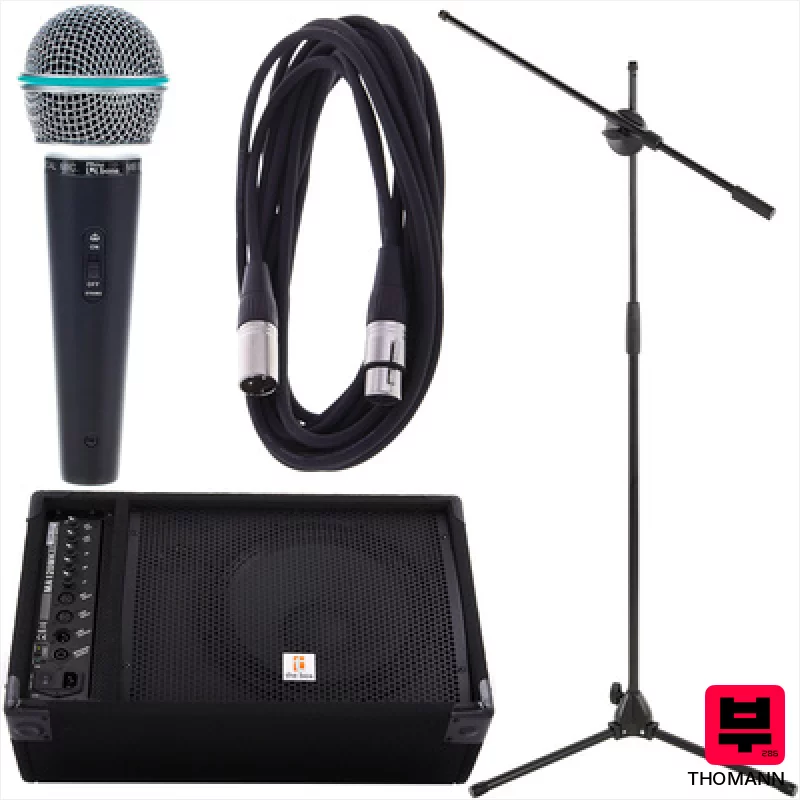
Thomann SingSang Bundle 12
- • Box MA120 MKII delivers surprising punch for its size.
- • t.bone MB 85 is a surprisingly capable all-rounder mic.
- • Compact design makes it ideal for small gigs and rehearsals.
- • Excellent value proposition for budget-conscious musicians.
- • Limited EQ controls restrict fine-tuning sound shaping.
- • The MB 85's cardioid pattern isn't ideal for all situations.
- • Lacks phantom power for condenser microphones.
How to Choose the Best Rehearsal and Monitoring PA Sets
Tonal Character
Forget 'neutral'. Small venues often need a little help in the low-mids to cut through the room's natural absorption. A slight warmth can make drums sound fuller and guitars less brittle, but too much can get boomy quickly. We're looking for a system that's usable straight out of the box, not something that needs extensive EQing.
Power & Headroom
You don't need a stadium system, but you need enough headroom to handle a dynamic band without clipping and distortion. A sudden drum fill shouldn't turn into a sonic train wreck. Consider the size of the venue and the band's typical volume level.
Speaker Dispersion
A wider dispersion pattern is crucial in smaller spaces where you want to cover the audience evenly. Narrow horns will create hot spots and leave people in the back with a weak signal. Look for speakers with decent horizontal coverage - 90 degrees or more is a good starting point.
Portability & Setup
Let's be honest, you're probably doing this yourself. A PA that's a nightmare to transport and setup is going to become a source of frustration. Weight, size, and ease of rigging are all important factors, especially if you're gigging regularly.
Monitoring Capabilities
A good rehearsal PA doubles as a stage monitor. Having built-in wedges or the ability to easily run monitors is essential for keeping everyone in tune and on the same page. Feedback rejection is a huge bonus.
Buying Guide
Don't chase the biggest numbers; focus on the overall package. Cheaper systems often cut corners on speaker components, resulting in a harsh high-end or a muddy low-end. Paying a bit more for a system with decent drivers and a reasonable amplifier section will pay off in the long run. And always, always factor in stands and cables - those add up fast.
Our Methodology
We're not just looking at spec sheets here. We've spent years lugging gear around, running soundchecks in dimly lit rooms, and A/B-ing systems against each other. Our evaluations are based on real-world performance - how the system handles different genres, how it cuts through a noisy room, and how it sounds to both the players and the audience. We're listening for that sweet spot between affordability and usable tone.

