
Best Rehearsal and Monitoring PA Sets for Reference 2026
So, you need a rehearsal or monitoring PA that's more than just loud - you need something that lets you really hear what you're doing. Reference-grade PA isn't about brute force; it's about accurate reproduction so you can dial in your tones and dynamics properly. Whether you're tracking a clean guitar part, tweaking a vocal blend, or just making sure your bass isn't muddying the water, a good reference PA is your best friend.
Last updated: June 24, 2026 • Next update: July 1, 2026
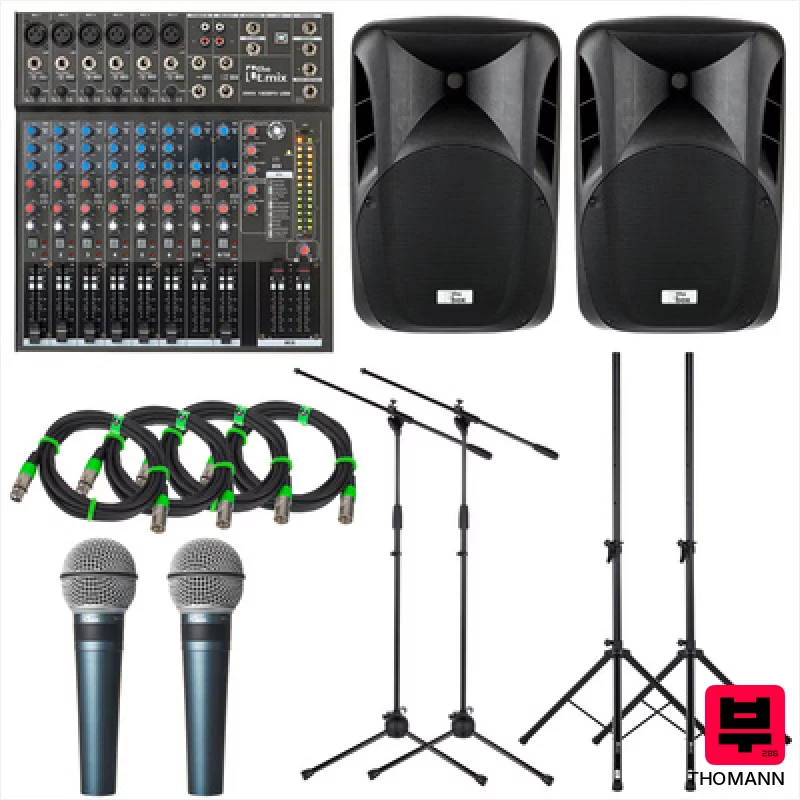
Thomann Practice Room Bundle 2
- • DSP presets offer quick, usable EQ for various instruments.
- • 15-inch drivers deliver surprising low-end punch for a practice setup.
- • Robust build quality; these speakers feel significantly more durable than their price suggests.
- • The t.mix mixer provides ample connectivity and basic effects for rehearsal needs.
- • Limited headroom at higher volumes; not ideal for loud, energetic gigs.
- • Speaker dispersion, while adequate, isn't the widest for larger rehearsal spaces.
- • The t.mix mixer's effects are basic, not a substitute for a dedicated effects chain.
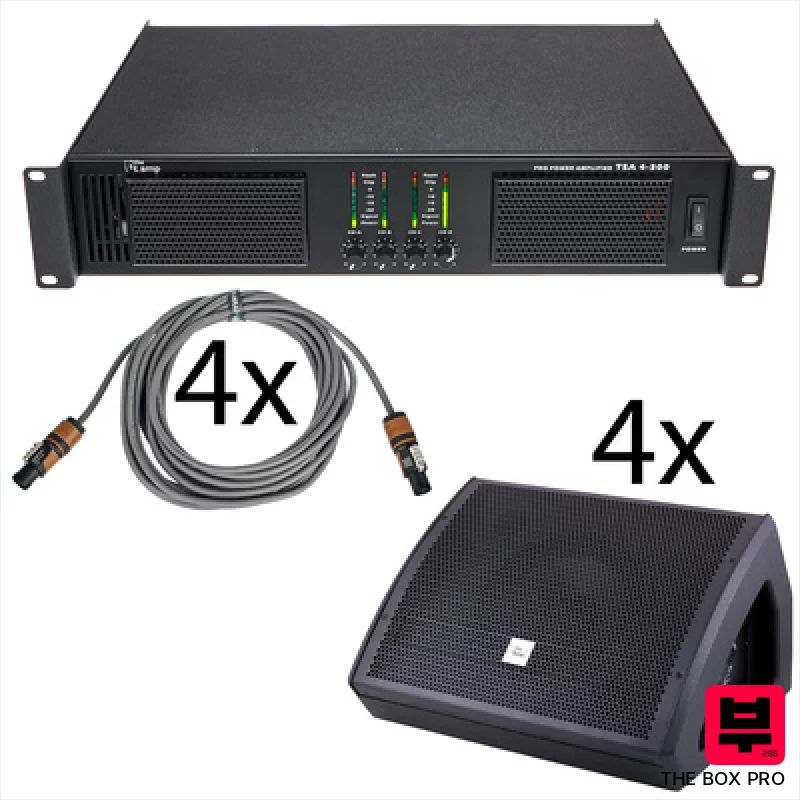
the box pro Mon P10 Wedge Bundle
- • Solid TSA 4-300 amp provides ample clean power for monitoring.
- • Mon P10 wedges offer surprisingly even coverage for their size.
- • Sssnake cables are a nice, reliable inclusion – quality connectors.
- • Compact 2RU amp rack saves valuable space in tight setups.
- • The 10” drivers limit low-end extension for larger venues.
- • While adequate, the amp’s cooling might struggle in prolonged high-volume use.
- • The wedge design isn’t ideal for front-of-house applications.
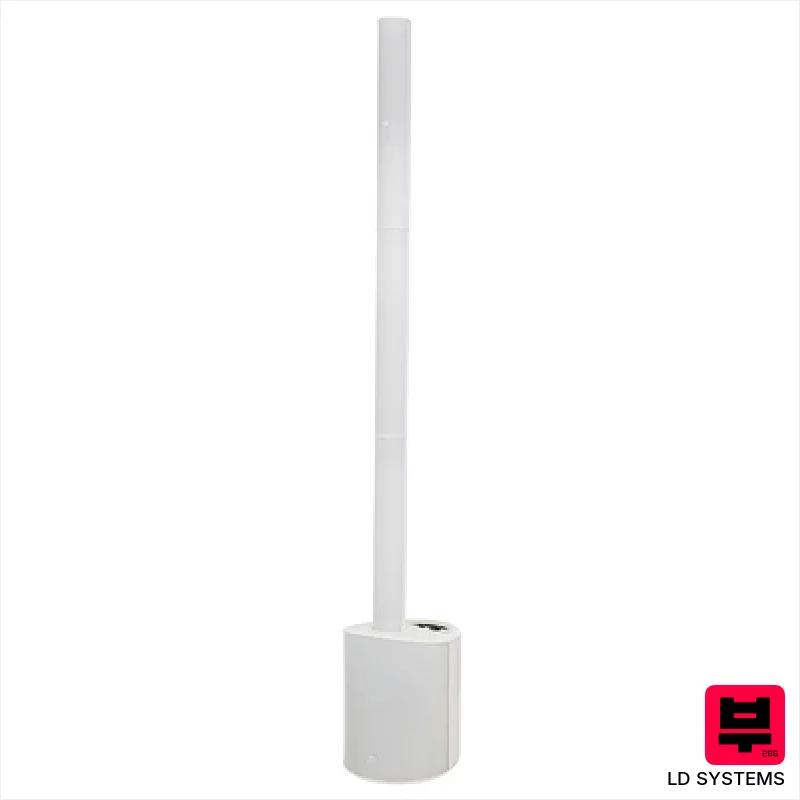
LD Systems Maui 5 White
- • Neodymium tweeters offer surprisingly clear highs with minimal distortion.
- • The integrated DSP provides useful EQ and limiting for various venues.
- • Compact design and integrated mixer simplify setup and transport.
- • Bass reflex subwoofer delivers a decent low-end punch for its size.
- • Limited channel flexibility restricts complex mixing scenarios.
- • While portable, the weight makes extended transport a bit cumbersome.
- • The 4-ohm impedance might challenge some higher-powered amplifiers.

LD Systems Maui 5 Bundle
- • Compact design minimizes footprint for tight spaces.
- • Integrated DSP provides useful EQ and limiting for live use.
- • Bluetooth connectivity offers convenient music playback and streaming.
- • Neodymium tweeters deliver crisp highs with reasonable efficiency.
- • Limited channel count restricts complex mixing scenarios.
- • 8in subwoofer might struggle with truly low-frequency demands.
- • Plastic construction feels less robust than all-metal alternatives.

Soundcraft Ui12 +Syrincs D110SP Set
- • Excellent Soundcraft preamps deliver clean, musical gain staging.
- • Remote control via tablet/phone simplifies complex mixer adjustments.
- • Lexicon effects add professional polish to vocals and instruments.
- • Integrated stagebox expands connectivity for larger setups.
- • Ui12’s compact size limits headroom for very loud, demanding applications.
- • Wi-Fi reliability can be impacted by venue interference – Ethernet preferred.
- • Learning curve exists to fully leverage the DSP and routing capabilities.
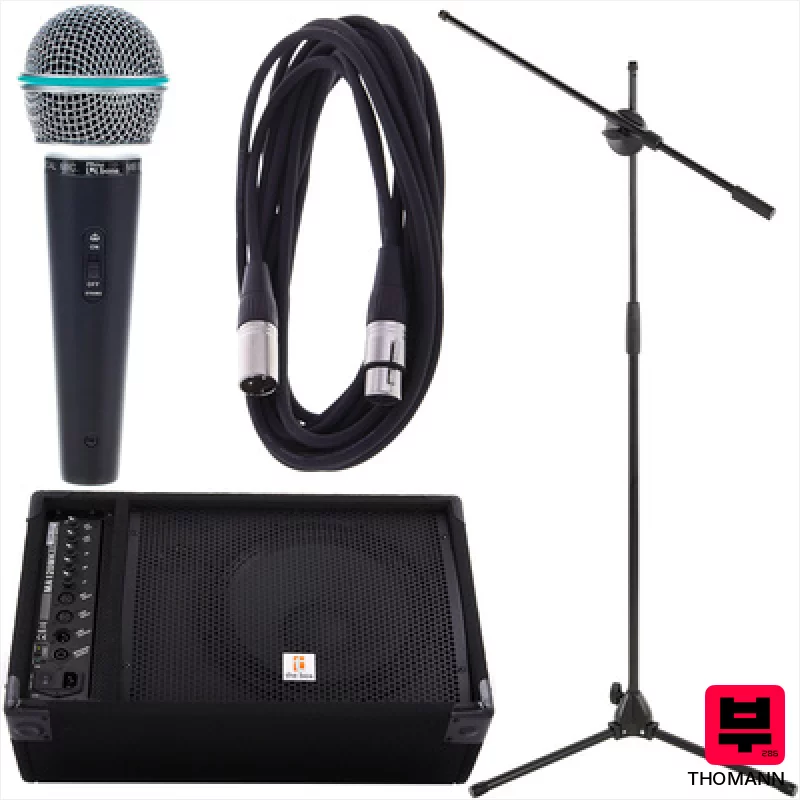
Thomann SingSang Bundle 12
- • Box MA120 MKII delivers surprising punch for its size.
- • t.bone MB 85 is a surprisingly capable all-rounder mic.
- • Compact design makes it ideal for small gigs and rehearsals.
- • Excellent value proposition for budget-conscious musicians.
- • Limited EQ controls restrict fine-tuning sound shaping.
- • The MB 85's cardioid pattern isn't ideal for all situations.
- • Lacks phantom power for condenser microphones.

Bose S1 Pro Plus +Sennheiser E 945
- • Bose's ToneMatch technology delivers surprisingly accurate and pleasing vocal reproduction.
- • The integrated battery pack provides genuine portability for rehearsals and outdoor gigs.
- • The Sennheiser E 945 delivers robust, feedback-resistant performance for live vocals.
- • Multiple positioning options (wedge, upright, inverted) offer adaptable monitoring solutions.
- • The 6” woofer limits deep bass response compared to larger PA systems.
- • While versatile, it's not a powerhouse for large venues or loud bands.
- • The OLED display, while functional, is a bit small and can be hard to read in bright light.
How to Choose the Best Rehearsal and Monitoring PA Sets
Frequency Response
A flat, even response is king. You don't want a PA that's boosting certain frequencies, coloring your sound. We're talking about hearing the true character of your instruments, not a hyped-up version.
Transient Response
This is about how quickly the speakers react to changes in the signal. Sloppy transient response leads to a smeared, indistinct sound, especially noticeable with snappy drums or articulate guitar picking.
Stereo Imaging
A good reference PA will present a wide and accurate stereo image. This is crucial for hearing the placement of instruments in the mix and identifying phase issues.
Headroom & Cleanliness
You need headroom to handle dynamic peaks without distortion. Clean headroom means the PA reproduces the signal faithfully at higher volumes; breakup should be a last resort, not a default setting.
Low-End Extension & Definition
A muddy low end hides everything. A reference PA needs to deliver a tight, defined low end that you can hear and adjust, without overwhelming the mids or highs. That low-end thump needs to be controllable.
Buying Guide
Don't fall for the 'loudest is best' trap. A smaller, accurately reproducing system is far more valuable than a massive one that's colored or lacks headroom. Watch out for systems that promise a lot but use cheap drivers - they'll often have a harsh high-end or a boxy midrange. Spending a little more on quality drivers and a well-designed cabinet is almost always worth it; you're investing in your ears and your final product. Consider powered versus passive - powered is convenient, passive gives you more flexibility with amplification.
Our Methodology
We're not looking at spec sheets here. We've spent years gigging, tracking, and mixing, and we've used a lot of PA systems. Our evaluations are based on real-world use - A/B comparisons against known good reference monitors, how they respond to different instruments and vocal ranges, and how they hold up under pressure in a band rehearsal setting. It's about what you hear, not what the manufacturer claims.

