
Best Preamp / Pickup Complete Sets for Acoustic Guitars for Professional Use 2026
So, you're stepping up your acoustic game, huh? Forget those cheap, feedback-prone systems you used in college - we're talking pro-level now. Getting a preamp/pickup system right isn't just about amplification; it's about preserving the voice of your instrument, and that means choosing a system that understands nuance and delivers a usable signal in any situation, from quiet fingerpicking to a loud band mix. Let's break down the best options for serious acoustic players.
Last updated: July 15, 2026 • Next update: July 22, 2026

L.R.Baggs Stagepro Anthem
- • Exceptional clarity and natural acoustic tone from the TRU-MIC condenser mic.
- • Element piezo provides a robust, defined low-end response.
- • The discreet side preamp keeps the system tidy and unobtrusive.
- • Built-in tuner is accurate and convenient for quick adjustments onstage.
- • Can be microphonic if not properly installed and shielded.
- • EQ options are somewhat limited compared to higher-end Baggs systems.
- • The overall system weight, while manageable, is noticeable on lighter guitars.

L.R.Baggs Session VTC
- • Piezo pickup delivers a surprisingly natural acoustic tone, avoids harshness
- • The VTC preamp offers excellent noise rejection, even with high gain
- • Dynamic EQ subtly enhances clarity without sounding overly processed
- • Compact preamp design minimizes interference with acoustic resonance
- • Installation requires some skill and potentially a luthier's assistance
- • Phase switch can be finicky, requiring careful adjustment for optimal results
- • Limited tonal shaping compared to more complex, multi-band preamps

Fishman Matrix Inf. Mic Blend Narrow
- • Copolymer sensor delivers a natural, balanced acoustic tone.
- • Integrated microphone adds warmth and nuanced detail for blend options.
- • Sealed housing minimizes feedback, a crucial benefit on stage.
- • Solderless connections simplify installation, a huge time-saver.
- • Narrow design might not fit guitars with exceptionally wide string spacing.
- • Microphone bleed can be noticeable in very loud, high-gain environments.
- • The voicing switch offers limited tonal sculpting compared to full EQ.

L.R.Baggs M80
- • Delivers a surprisingly full, articulate sound for a magnetic pickup.
- • The 3D body sensor adds a natural acoustic resonance often missing.
- • Excellent feedback rejection, especially for stage performance.
- • LR Baggs quality build; robust and reliable for gigging.
- • Magnetic pickup sound can still feel somewhat 'sterile' compared to a true mic system.
- • Active preamp requires a battery, adding to maintenance and potential failure points.
- • Limited tonal flexibility; not ideal for highly varied musical styles.

L.R.Baggs Stagepro Element
- • Element pickup captures natural acoustic tone exceptionally well
- • Baggs Ten EQ provides flexible tonal shaping and clarity
- • Discrete preamp design minimizes unwanted noise and feedback
- • Solid build quality; feels robust and ready for gigging
- • Limited tonal palette compared to more complex systems
- • May require some tweaking to find ideal EQ settings
- • Element pickup’s thin profile might not suit all guitar body depths

Fishman Power Tap Earth
- • Rare Earth humbucker delivers warm, articulate magnetic tones.
- • Tap sensor adds natural percussive elements and body resonance.
- • Blend control offers flexible mono/stereo routing options.
- • Compact preamp design minimizes acoustic resonance disruption.
- • Installation can be challenging for those unfamiliar with acoustic guitar electronics.
- • Soundboard sensor may pick up unwanted stage noise in certain environments.
- • Stereo output requires additional cabling and mixer capabilities.

Seymour Duncan Multi-Source Preamp System
- • Excellent piezo/mic blend for natural acoustic tone
- • High-impedance input preserves signal integrity and headroom
- • Effective low-feedback filters tame stage rumble
- • Stereo output expands sonic possibilities for recording
- • Battery power can be a maintenance concern for gigging musicians
- • The electret mic might exhibit some capsule noise in very quiet environments
- • The internal trim pots require a screwdriver for adjustments

Fishman Matrix Inf. Mic Blend Wide
- • Copolymer sensor delivers a natural, balanced acoustic tone with surprising clarity.
- • Mic blend provides warmth and nuance lacking in purely piezo systems.
- • Sealed housing minimizes feedback, crucial for stage performance.
- • Solderless connections simplify installation, even for less experienced users.
- • The wide string spacing might require adjustments for narrower nut guitars.
- • Microphone's placement can be susceptible to proximity effect, altering the tone.
- • While versatile, the EQ options are somewhat limited for extreme tonal sculpting.
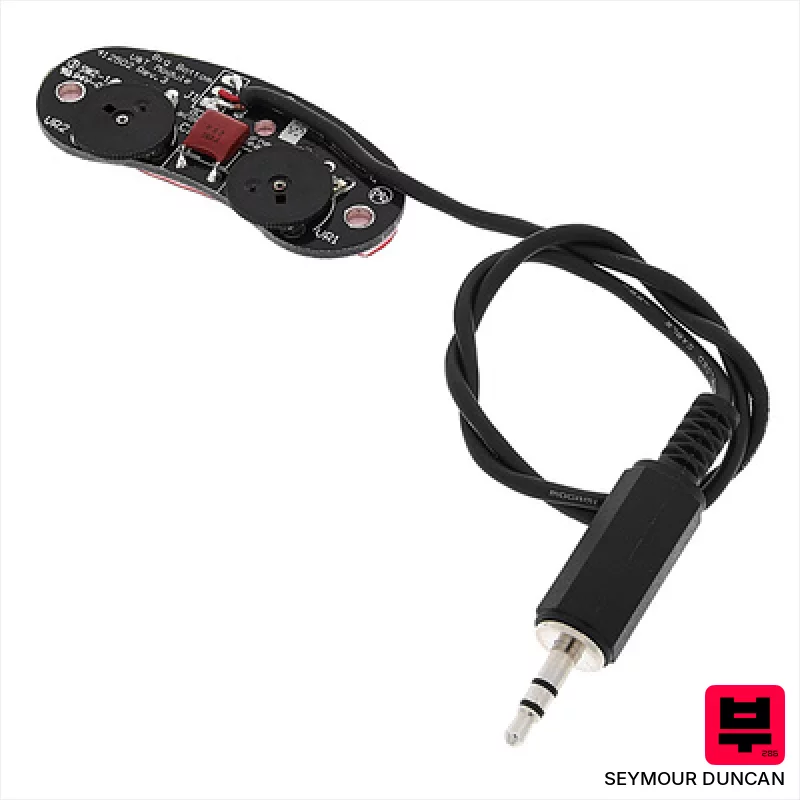
Seymour Duncan Wavelength Volume & Tone
- • Compact design minimizes soundhole obstruction and resonance.
- • Solid build quality with robust internal components for gigging.
- • Provides a noticeable tonal shaping capability for acoustic guitars.
- • Simple, intuitive controls offer immediate volume and tone adjustments.
- • Designed exclusively for Wavelength USTs; not a universal acoustic pickup solution.
- • Limited EQ control compared to more complex acoustic preamp systems.
- • Requires internal mounting, potentially needing a luthier for installation.

Fishman Matrix Infinity VT Narrow
- • Copolymer sensor delivers a surprisingly natural acoustic tone
- • Narrow profile minimizes interference with string vibration and resonance
- • Sealed preamp housing resists feedback and external noise effectively
- • Voicing switch offers useful tonal shaping options for diverse styles
- • The copolymer sensor might lack the extreme output of some higher-end ceramic pickups
- • 63.5mm string spacing limits compatibility with guitars having narrower string spreads
- • Endpin preamp placement can be awkward for some players’ playing style
- • The tone control module’s adjustments are relatively basic for advanced EQ needs
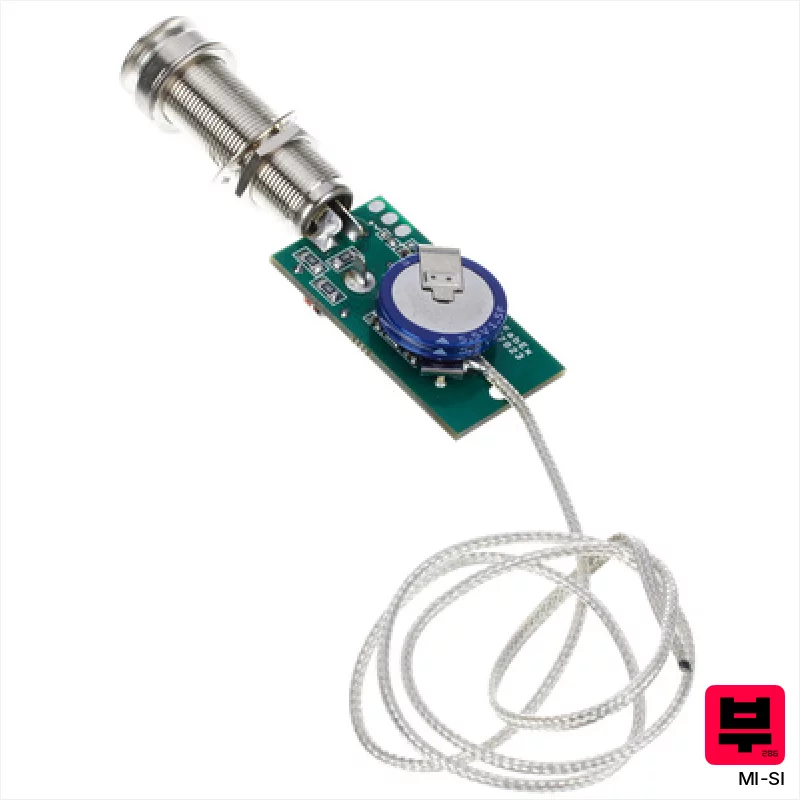
MI-SI Acoustic Trio Endpin Preamp
- • LR Baggs Element pickup delivers a natural, balanced acoustic tone
- • Battery-free charging offers unparalleled convenience and eliminates battery waste
- • Compact endpin design minimizes stage footprint and setup complexity
- • Impressive 16-hour playtime ensures reliable performance for extended gigs
- • Condenser system might be sensitive to feedback in very loud, uncontrolled environments
- • Limited EQ controls offer less sonic shaping flexibility than more complex preamps
- • The charging cradle, while convenient, adds another item to transport
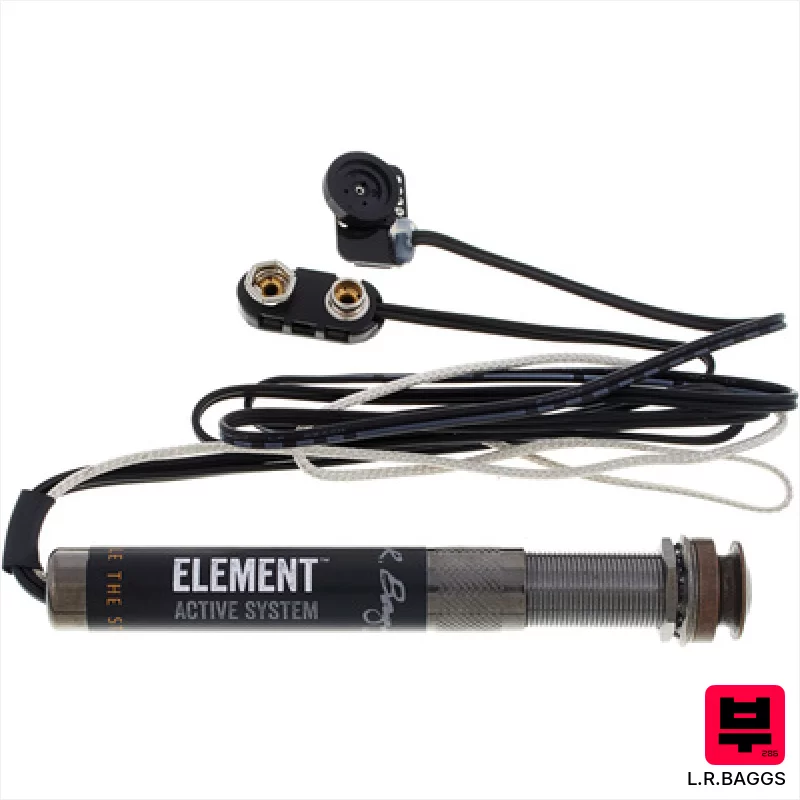
L.R.Baggs EAS Element Aktive System
- • Excellent natural acoustic tone, minimal feedback issues
- • The Element pickup delivers a balanced, full frequency response
- • Integrated volume control offers convenient stage adjustments
- • Compact endpin preamp maintains a clean, professional signal
- • Limited EQ options restrict tonal shaping flexibility
- • Battery compartment can be a tight fit for some 9V batteries
- • Soundhole mounted volume can obstruct fingerstyle playing

MI-SI Trio Air
- • MEMS mic delivers surprisingly natural acoustic tone, capturing nuances well
- • L.R. Baggs Element pickup provides robust, full-bodied low-end response
- • Capacitor system eliminates battery hassle with rapid charging and long playtime
- • Dual volume controls offer precise blend of mic and pickup signals
- • Active preamp adds slight weight to the endpin, potentially affecting balance
- • Limited EQ options restrict tonal shaping flexibility for demanding users
- • MEMS microphone's sensitivity may pick up excessive stage noise in loud environments

MI-SI Acoustic Trio UKE
- • L.R. Baggs Element pickup delivers a natural, balanced acoustic tone.
- • Battery-free condenser system offers clean, high-output signal without external power.
- • Rapid 60-second charging provides impressive convenience for gigging musicians.
- • Integrated preamp simplifies setup and eliminates external power supply clutter.
- • Condenser mic's sensitivity may pick up excessive stage noise in loud environments.
- • Limited EQ controls restrict tonal shaping options for advanced users.
- • Active preamp design may introduce a slight hum in environments with significant electrical interference.
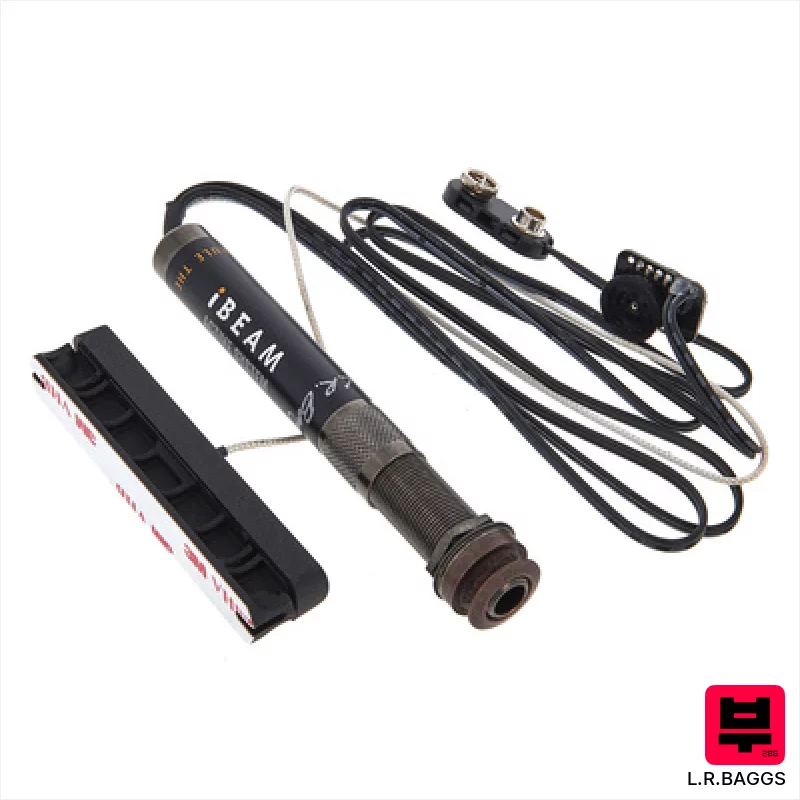
L.R.Baggs iBeam Active System Steel
- • iBeam transducer captures string vibration exceptionally well, delivering natural tone.
- • Active preamp provides a clean, amplified signal with low noise floor.
- • Compact endpin preamp minimizes stage footprint and offers discreet operation.
- • LR Baggs reputation ensures reliable performance and build quality for gigging musicians.
- • Limited EQ controls restrict tonal shaping options compared to more complex systems.
- • Active system requires a battery, adding to maintenance and potential failure points.
- • May not be ideal for very bright or heavily treated acoustic guitar rooms.
How to Choose the Best Preamp / Pickup Complete Sets for Acoustic Guitars
Tonal Accuracy
This isn't about 'warmth' or 'brightness' as marketing terms; it's about faithfully reproducing the guitar's existing character. Does it add a honk where there shouldn't be one? Does it thin out the low-end thump? A truly good system is transparent, enhancing, not masking.
Feedback Rejection
Essential for stage use. A system's ability to reject feedback isn't just about a phase switch; it's about its overall design and how well it isolates the sound source. Cheap systems just buzz and squeal when the volume goes up.
Dynamic Range & Headroom
Can it handle a percussive strum or a delicate fingerstyle passage without compression or distortion? Headroom is key to avoiding unwanted breakup when playing with a band - you need space for the drums and bass.
Versatility
A pro needs a system that works for multiple guitars and playing styles. Can it handle a bright, thin maple just as well as a warm mahogany dreadnought? Does it offer EQ options to shape the tone for different applications?
Ease of Use & Reliability
Simple controls are a blessing on stage. A system that's easy to dial in quickly and consistently, and built to withstand the rigors of gigging, is invaluable. You don't want a flaky preamp failing mid-set.
Buying Guide
Don't fall for the 'plug-and-play' myth. Even the best systems require some tweaking to sound their best with your specific guitar. Be wary of systems that promise 'studio quality' sound for under $100 - those are usually masking issues with cheap components. Spending a bit more on a reputable brand with good support and solid construction will pay off in the long run, especially if you're gigging regularly. Consider the pickup type - undersaddle, soundboard, or internal - and how it integrates with the preamp's voicing.
Our Methodology
We don't just look at spec sheets here. We've spent countless hours playing these systems through various amps, PA systems, and recording interfaces, both in the studio and on stage. Our evaluations are based on how they sound-specifically, how well they capture the guitar's natural tone, handle dynamics, and perform under pressure-not just on marketing buzzwords.

