
Best Pickups for Guitars 2026
Alright, so your guitar sounds... blah. Chances are, it's not the wood, it's the pickups. Pickups are the heart of your electric guitar's tone, converting string vibration into an electrical signal. Choosing the right ones is more than just picking a brand; it's about understanding what you want your guitar to sound like, whether you're chasing vintage warmth, modern high-gain crunch, or something in between.
Last updated: April 11, 2026
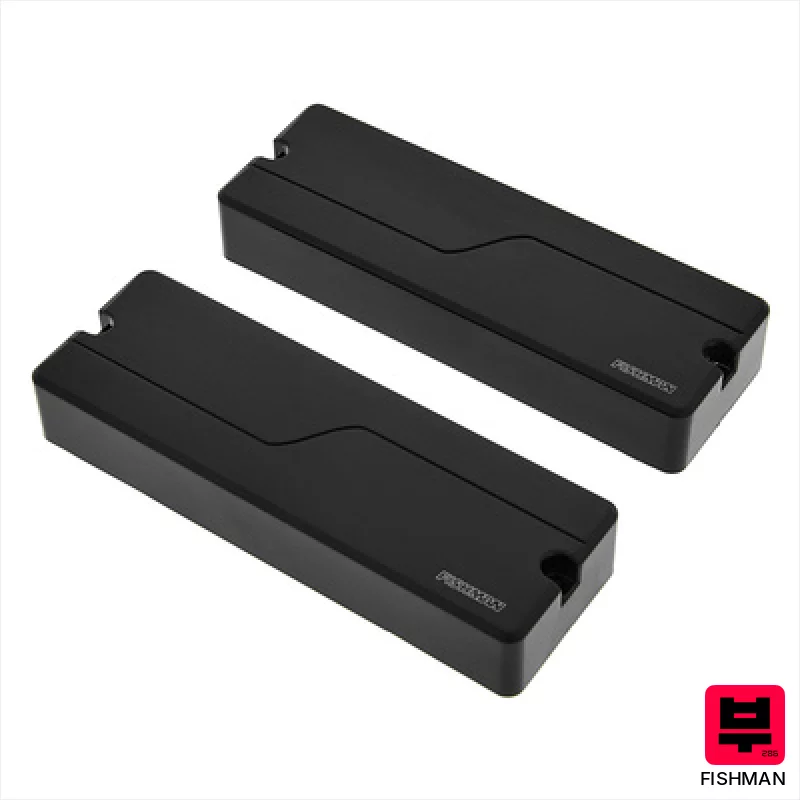
Fishman Fluence Mod. 9 V2 Soapb.Set BK
- • Ceramic/Alnico5 magnets offer tonal flexibility across voices.
- • Soapbar housings provide a classic, aggressive aesthetic.
- • Three distinct voices per pickup allow for broad sonic coverage.
- • Pre-wired pots simplify installation and customization.
- • Active electronics require a power source, adding complexity.
- • Limited tonal palette compared to passive pickups with more coil-splitting options.
- • Premium-priced, representing a significant investment for many players.
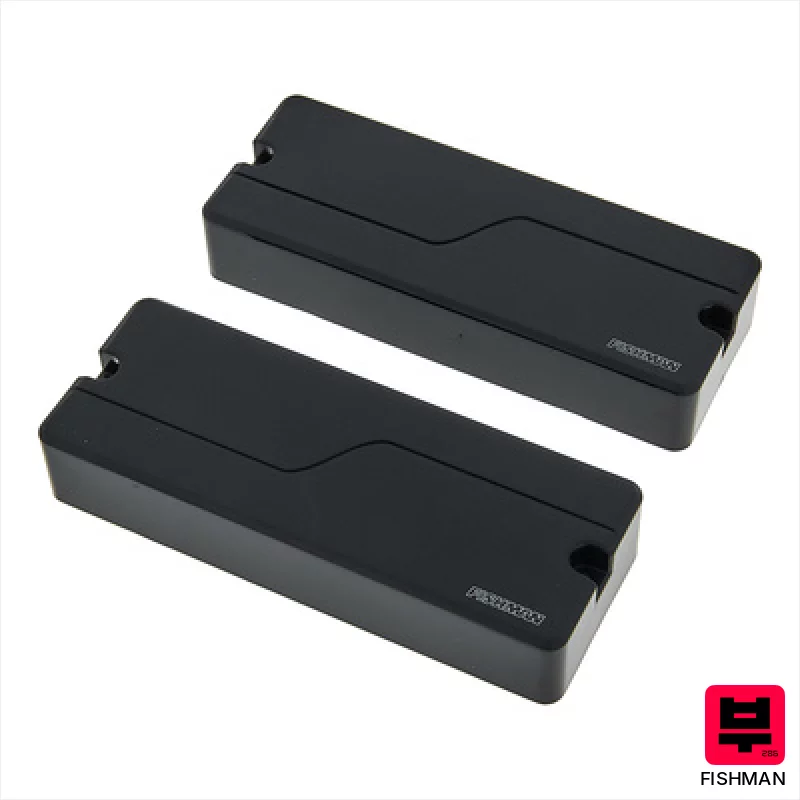
Fishman Fluence Tosin Abasi Set 8 BK
- • Tosin’s voicing delivers a remarkably clear, articulate percussive tone ideal for complex rhythms.
- • Fluence technology eliminates noise and microphonic issues common in active pickups.
- • Blade magnet in the neck pickup genuinely emulates single-coil clarity and dynamics.
- • The voicing options provide surprising versatility beyond Tosin’s signature style.
- • Active pickups require power, adding complexity to your guitar’s electronics.
- • The high output might be overwhelming for players seeking a vintage, mellow tone.
- • Soapbar design limits aesthetic options and might clash with some guitar styles.

Lollar Johnny Smith Neck N BKM
- • Hand-wound construction delivers exceptional clarity and note definition.
- • Nickel-plated pole screws contribute to a warmer, more vintage tone.
- • Neck frame mounting ensures a snug, stable fit on vintage-style guitars.
- • 6.2k DC resistance provides ample output without excessive muddiness.
- • Limited versatility; excels in warmer tones, less suited for high-gain genres.
- • Neck position only; requires purchasing a bridge pickup for a full set.
- • Nickel caps may tarnish over time, requiring occasional cleaning.
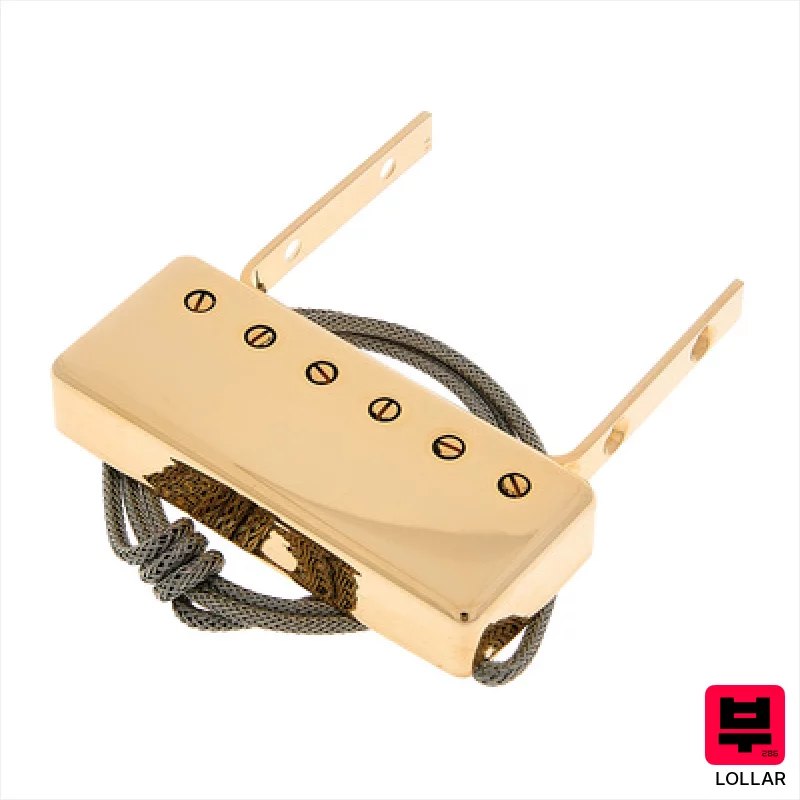
Lollar Johnny Smith Neck GO BKM
- • Hand-wound construction delivers exceptional clarity and note definition.
- • GO (Glass Overwound) design provides a thicker, warmer tone than standard pickups.
- • Neck bracket mounting improves string alignment and sustain.
- • Tonally sits nicely between a Firebird and Mini Humbucker offering versatility.
- • 6.2k DC resistance might be too high for some vintage-voiced guitars.
- • Gold caps, while aesthetically pleasing, aren't universally preferred by all techs.
- • Limited versatility compared to higher output pickups for modern, high-gain genres.
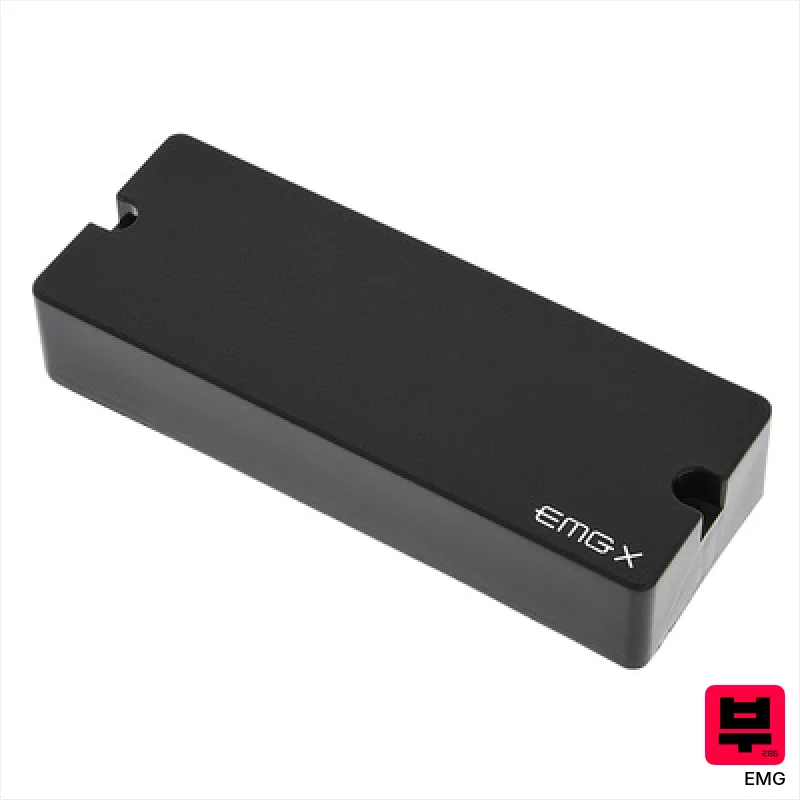
EMG 81-8X Black
- • Ceramic magnet delivers aggressive, modern high-output tone.
- • Solderless system simplifies installation, even for less experienced users.
- • New preamp provides dynamic range and clarity beyond typical 81s.
- • Black plastic caps offer a clean, understated aesthetic.
- • Limited versatility; excels in high-gain genres, less suited for clean tones.
- • Ceramic magnet can sound harsh or brittle in certain wood combinations.
- • Active design requires a 9V battery, adding to maintenance.

EMG 808X Black
- • Alnico V magnets deliver a powerful, articulate high-end response
- • Wide coils provide enhanced low-string definition and clarity
- • Solderless installation simplifies setup for most players
- • X-series preamp offers increased headroom and dynamic range
- • Active circuit demands battery power, adding to maintenance
- • Soapbar design limits aesthetic versatility for some guitars
- • High output can be overwhelming for players seeking vintage tones
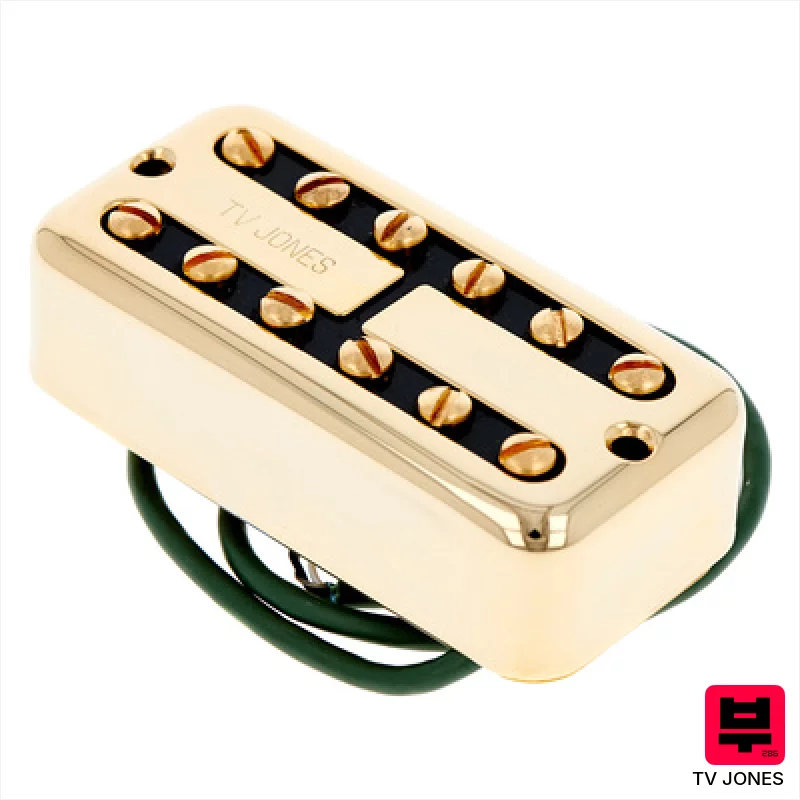
TV Jones TV Classic BR UM G
- • Hand-wound construction delivers exceptional clarity and dynamic response
- • 4-wire connections enable true coil-splitting for increased tonal flexibility
- • Gold appearance offers a classy aesthetic and improved signal conductivity
- • The 'UM' (Universal Mount) design simplifies installation on a wide variety of guitars
- • Output level might be too low for modern high-gain styles
- • The 'vintage' voicing leans toward a more subdued character, limiting aggressive genres
- • Foam rubber included is a somewhat basic touch for the price point

Seymour Duncan Black Winter 8-String Set
- • High output delivers crushing modern metal tones effortlessly.
- • Ceramic magnet provides tight, aggressive lows and searing highs.
- • 4-core wiring minimizes noise and maximizes signal clarity.
- • Split-coil functionality adds versatility beyond extreme genres.
- • Extremely high output can be overwhelming for cleaner tones or lighter styles.
- • Limited tonal palette; not ideal for nuanced or vintage sounds.
- • The all-black finish may not suit all aesthetic preferences.

DeArmond Rhythm Chief 1000 GD
- • Alnico 5 magnets deliver a warm, articulate vintage tone.
- • Floating design minimizes string vibration and unwanted noise.
- • Gold finish provides a classic aesthetic and improved signal transfer.
- • Fretboard mounting offers a unique tonal character compared to traditional pickups.
- • Limited versatility; excels in jazz but struggles with high-gain genres.
- • Fretboard mounting can complicate installation and adjustment.
- • Lower output compared to hotter pickups; may require amplification.

DeArmond Rhythm Chief 1100
- • Rubber magnet delivers a uniquely mellow, round tone, avoiding harshness.
- • Floating design minimizes feedback and provides a cleaner, more articulate signal.
- • Gold finish adds a touch of vintage aesthetic and can subtly brighten the tone.
- • Fretboard mounting allows for precise intonation adjustment and tonal tailoring.
- • Lower output compared to many modern pickups, may require amplification.
- • Rubber magnets can lose some magnetism over time, affecting sustain.
- • Limited versatility – best suited for jazz and mellow rhythm playing.

DeArmond Rhythm Chief 1000
- • Alnico 5 magnets deliver a warm, articulate vintage jazz tone.
- • Floating design minimizes string pull and provides excellent resonance.
- • Nickel finish offers a classic aesthetic and complements vintage guitars.
- • Fretboard mounting provides a unique sonic character and easy installation.
- • Limited versatility; excels in jazz, less suited for high-gain genres.
- • Fretboard mounting may require modification or specialized routing.
- • Single coil design means inherent hum, though characterful.

Benedetto S-6 Floating Jazz
- • Handwound Alnico V delivers rich, warm, and articulate jazz tones.
- • Floating design minimizes feedback and maximizes resonance on archtops.
- • USA-made quality ensures exceptional craftsmanship and longevity.
- • Coaxial cable reduces capacitance, improving high-frequency response.
- • Limited versatility; excels in jazz, less ideal for heavier genres.
- • Pickguard mounting may require modifications to existing guitar setups.
- • Can be a bit microphonic if pushed to extreme volumes.

EMG 81-8 Black
- • Delivers the iconic 81 aggression, tailored for the extended range of 8-string guitars.
- • The soapbar design provides a tighter, more focused low-end response compared to standard 81s.
- • Included Quick-Connect cable simplifies installation, a real time-saver for most players.
- • The included knobs and jack offer a complete, ready-to-install package; a nice touch.
- • Active circuitry demands battery power, adding a potential maintenance consideration.
- • The aggressive output can be overwhelming for players seeking a more nuanced, vintage tone.
- • The fixed nature of the EMG 81-8 limits tonal flexibility compared to coil-splitting options.
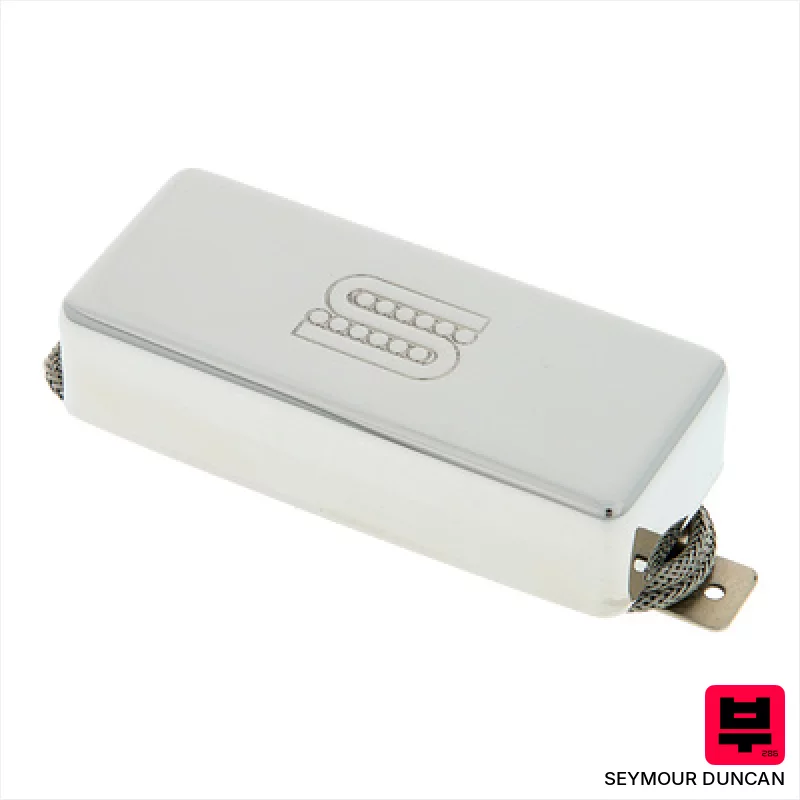
Seymour Duncan SM-1 Mini Humbucker N CHR
- • Chrome cover offers a classy, vintage aesthetic and protects the windings
- • Alnico 5 magnet delivers a balanced, articulate tone with warmth
- • Mini-humbucker design reduces noise while retaining significant output
- • Seymour Duncan’s build quality ensures reliable performance and longevity
- • Limited tonal versatility compared to full-sized humbuckers or single coils
- • Neck position can sometimes feel a little 'dark' requiring EQ adjustments
- • Chrome cover can be prone to fingerprints and smudges needing frequent cleaning
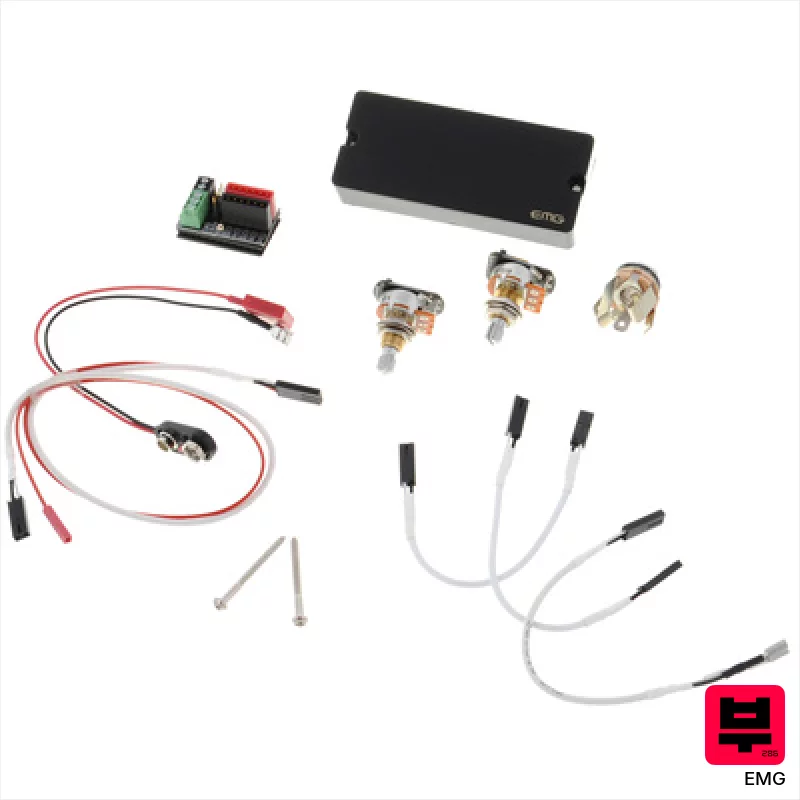
EMG 808 Black
- • Alnico magnet delivers a powerful, articulate high-output tone
- • Bass-style housing simplifies 8-string integration, unique design
- • Quik-Connect Kabal setup streamlines installation and wiring
- • Dual-coil design provides a thick, harmonically rich soundstage
- • Active circuit demands battery power, adds slight weight
- • Bass pickup housing limits compatibility with standard humbucker routes
- • High output might be overwhelming for players seeking a vintage tone
- • Limited tonal flexibility compared to passive pickup options
How to Choose the Best Pickups for Guitars
Output Level
This isn't just about volume, it's about headroom and how the pickup interacts with your amp. High output pickups can drive an amp into distortion easier, great for high-gain stuff, but can also muddy up a clean tone. Lower output pickups often need a more responsive amp to really shine.
Pickup Voicing (Tone)
This is the big one. Is it warm and round with that fat midrange honk, like a vintage PAF? Or bright and sparkly, leaning towards ice-picky high-end? Or something else entirely? This dictates the guitar's overall character, and it's incredibly subjective.
Alnico vs. Ceramic Magnets
Alnico generally offers a warmer, more complex tone with a smoother breakup. Ceramic magnets tend to be hotter, more aggressive, and can have a tighter low-end, but sometimes at the expense of some of that harmonic richness. It's a tradeoff.
Coil Winding (Number of Turns)
More turns generally mean higher output and a tighter, more focused tone. Fewer turns usually result in a more open, dynamic sound with more string noise. It affects everything from sustain to how easily you can get a clean tone.
DC Resistance
While not a direct indicator of tone, DC resistance is a useful benchmark for comparing pickups. It's a rough guide to output and can help you narrow down your choices, but always listen before you buy - specs lie.
Buying Guide
Don't fall for the hype. A lot of pickup manufacturers throw around buzzwords, but ultimately, it's about how the pickup sounds in your guitar, with your amp. Cheaper pickups often use lower-quality wire and sloppy construction, leading to more noise and a less defined tone. Spending a little more usually gets you better materials and more consistent results, but always prioritize your ears over the price tag.
How This List Is Built
We don't play these instruments — we're a catalog, not a review desk, and we'd rather say so than pretend otherwise. This page ranks 15 pickups for guitars from the Thomann catalogue, which is the largest single source of specification data in this category.
Position is computed, not curated. Four signals, in order of weight: how completely the manufacturer documents the instrument (number of published specifications), where it sits in the price range, how specific the model designation is — which filters out generic accessories — and whether a product image exists. The same inputs always produce the same order, so nothing here is shuffled to look fresh.
What this list is good for: narrowing a category down to a shortlist by spec and budget. What it isn't: a substitute for hearing an instrument. Before you buy, read hands-on reviews and, where you can, play it. Full methodology.

