
Best Piano Accordions for Classical 2026
So, you're serious about classical accordion? It's a demanding instrument, and a cheap box isn't going to cut it if you want to nail those Bach transcriptions or deliver a convincing Piazzolla. Forget the honky-tonk stuff; we're talking about instruments built for nuance, sustain, and a really clean, articulate response. Let's break down what makes a piano accordion sing in a concert hall, not just at a polka festival.
Last updated: June 24, 2026 • Next update: July 1, 2026
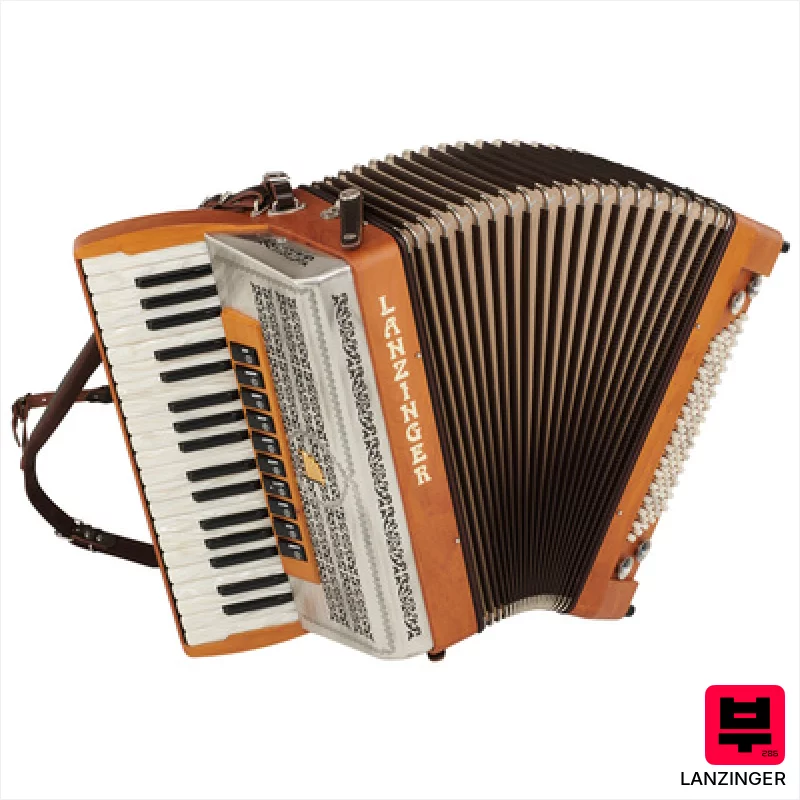
Lanzinger Model IV 96 MH Yew
- • Yew wood casing offers exceptional resonance and a unique aesthetic.
- • Tipo a Mano reeds provide a remarkably expressive and nuanced tone.
- • Helicon basses deliver a powerful, sustained low-end response.
- • Musette tuning lends a distinctive, traditional European folk sound.
- • The 9.9kg weight will be a challenge for less experienced players.
- • The Tipo a Mano reeds, while expressive, require careful maintenance.
- • Limited register combinations restrict versatility for modern musical styles.
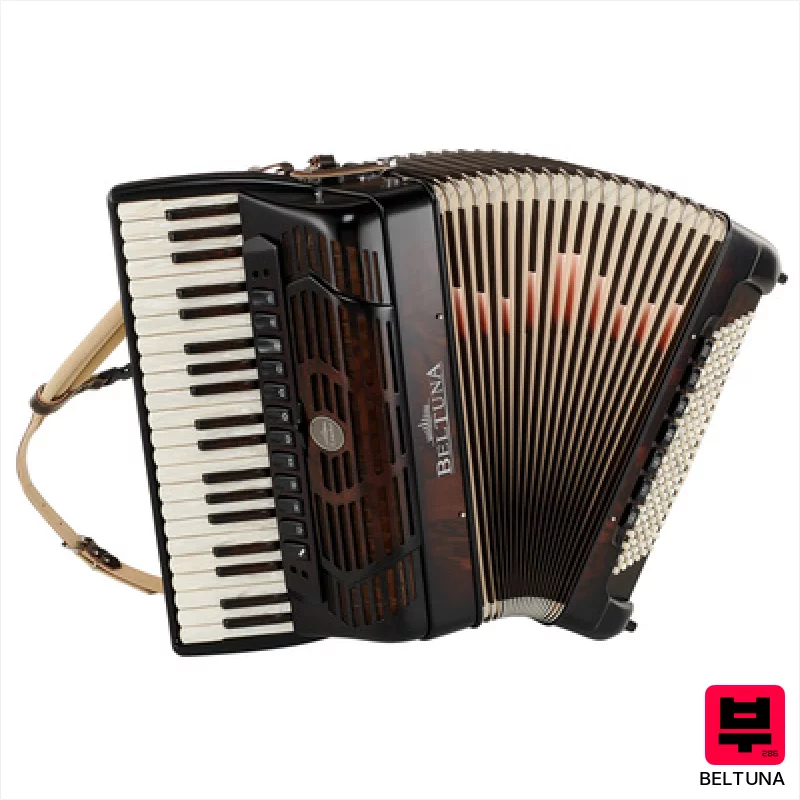
Beltuna Leader IV 120 GHV Walnut
- • A Mano reed plates deliver exceptional tonal richness and responsiveness.
- • Walnut cabinetry provides a warm aesthetic and contributes to resonance.
- • The smooth wooden keyboard offers precise action and comfortable playability.
- • Robust bass system ensures a powerful and well-defined low end.
- • The 11.8 kg weight demands considerable physical stamina for extended playing.
- • The limited treble register combinations restrict versatility for certain genres.
- • The premium-priced tag places it out of reach for many aspiring accordionists.

Hohner Bravo III 72 myColor Sky
- • Excellent build quality with durable, lightweight ABS casing.
- • The 'myColor Sky' finish offers a distinctive, appealing aesthetic.
- • Responsive, well-tuned reeds deliver a clear, balanced tone.
- • Silent Key treble action provides a quiet, comfortable practice experience.
- • The 34-key treble range can feel limiting for advanced players.
- • Bass button layout, while standard, might require adaptation for some.
- • While lightweight for its size, 7.4kg can still be tiring for extended play.

Hohner Bravo III 72 myColor Earth
- • Solid German build quality; feels robust and reliable.
- • The 'myColor Earth' aesthetic offers a unique, understated look.
- • Responsive action with the silent key feature for quiet practice.
- • The 72-bass system provides a surprisingly full and rich bass response.
- • The beige/red color scheme might not appeal to everyone's taste.
- • 7.4kg is a noticeable weight; can be tiring for extended playing.
- • Limited register selection compared to higher-end models.

Scandalli Air VI Allblack
- • Artisan reed plates deliver a remarkably responsive and nuanced tone.
- • The Cassotto resonance adds a warm, projecting, and classic Italian accordion sound.
- • Scandalli's separator system allows for unparalleled bass flexibility and voicing options.
- • Solid, hand-fitted construction ensures exceptional durability and a premium feel.
- • The weight, while manageable, will be a factor for extended playing sessions or travel.
- • The F-A range limits versatility for certain musical styles beyond traditional Italian repertoire.
- • The Allblack finish, while aesthetically striking, can show fingerprints and smudges easily.

Hohner Bravo III 72 myColor Fire
- • Venetian Red finish is striking, a real visual upgrade.
- • Solid German build quality; feels robust and reliable.
- • The 34 treble keys offer a surprisingly wide melodic range.
- • Black fabric bellows are a practical, durable, and classic choice.
- • 72 basses can feel limiting for advanced bass players.
- • The weight, while manageable, will be noticeable for beginners.
- • Limited register options restrict tonal flexibility for nuanced playing.

Hohner Bravo III 72 myColor Day
- • Solid German construction ensures reliable performance for years.
- • The 'myColor Day' finish is a genuinely attractive and durable aesthetic.
- • 72 bass buttons provide a surprisingly comprehensive chordal range.
- • The 3-reed treble voicing offers a warm, traditional Hohner tone.
- • The 7.4kg weight can be tiring for extended playing sessions, especially for younger players.
- • Limited register selection restricts versatility for more complex musical styles.
- • The black fabric bellows, while functional, aren't the most premium visual detail.

Scandalli Tierra 96/34 Olive Musette
- • Olive burl veneer is stunning; truly a beautiful, heirloom-quality instrument.
- • Musette tuning delivers a characteristic, lively Italian folk sound.
- • Super Dural reed plates contribute to a responsive and bright tone.
- • Lightweight for a 96-bass accordion, enhancing playability and portability.
- • Musette tuning limits versatility; less suited to genres outside Italian folk.
- • Olive burl finish is delicate; requires careful handling and maintenance.
- • 96 basses and 34 keys are a compact size, potentially limiting advanced repertoire.

Hohner Bravo III 72 myColor Sunrise
- • Sunrise colorway is visually striking and well-executed.
- • 72 basses offer a surprisingly full and rich bass response.
- • Silent Key treble action provides a gentler, more controlled touch.
- • Fabric bellows and cover are a practical and durable choice for gigging.
- • The weight, while manageable, will be a factor for younger or smaller players.
- • Limited register options restrict tonal versatility compared to higher-end models.
- • The 'myColor' finish might not appeal to players seeking a traditional aesthetic.

Hohner Bravo III 72 myColor Night
- • Excellent build quality; Hohner's reputation shines through.
- • The 'myColor Night' aesthetic offers a unique, modern look.
- • Solid reed voicing provides a warm, traditional European tone.
- • Silent Key treble keyboard is genuinely useful for practice and quiet playing.
- • The 72-bass configuration limits versatility for complex arrangements.
- • Jet Black finish can be prone to showing fingerprints and smudges.
- • At this price point, a more robust strap system would be appreciated.

Beltuna Spirit IV 120 P Classic Black
- • GHV reeds deliver a rich, complex, and exceptionally responsive tone.
- • Mother-of-pearl keys offer a premium feel and visual elegance, enhancing playability.
- • Optimized housing minimizes weight without sacrificing structural integrity or sound projection.
- • Celluloid-free construction is a responsible choice, avoiding potential environmental concerns.
- • The price point places it firmly in the high-end, luxury instrument category.
- • 41 treble keys might feel limiting for players accustomed to larger ranges.
- • The black high gloss finish, while beautiful, is prone to fingerprints and requires careful maintenance.
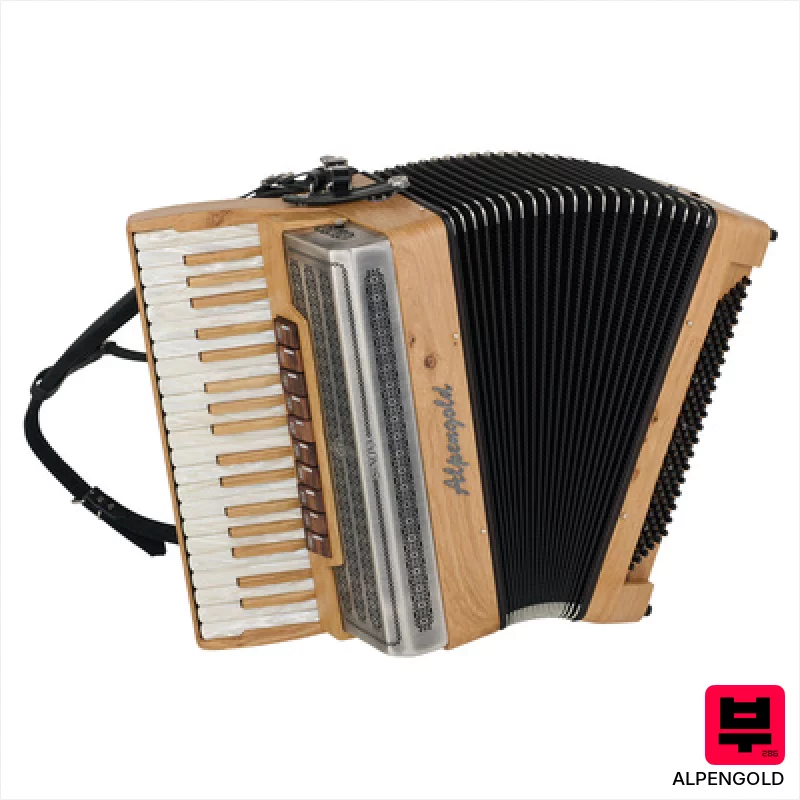
Alpengold Sinova 496 CMH Wild Oak
- • Wild Oak veneer provides stunning aesthetics and acoustic resonance.
- • Cassotto treble and Helikon bass deliver rich, complex tonal depth.
- • Tipo-a-mano reed plates ensure exceptional reed response and tuning stability.
- • Compact body size (like a 96 bass) offers surprising power and portability.
- • Premium-priced, representing a significant investment for most players.
- • Musette tuning may require adjustment for players accustomed to standard temperaments.
- • Limited versatility; excels in traditional European folk styles, less suited for modern genres.

Beltuna Spirit IV 120 P Compact Luxury
- • A Mano reed plates deliver exceptional tonal richness and responsiveness.
- • Mother-of-Pearl inlay elevates the keyboard's aesthetic and feel.
- • The cassotto significantly enhances bass projection and resonance.
- • Weight-optimized design balances portability with robust construction.
- • The compact size might feel restrictive for players accustomed to larger instruments.
- • Premium-priced, representing a significant investment for most musicians.
- • Limited tonal palette compared to accordions with more reed ranks.
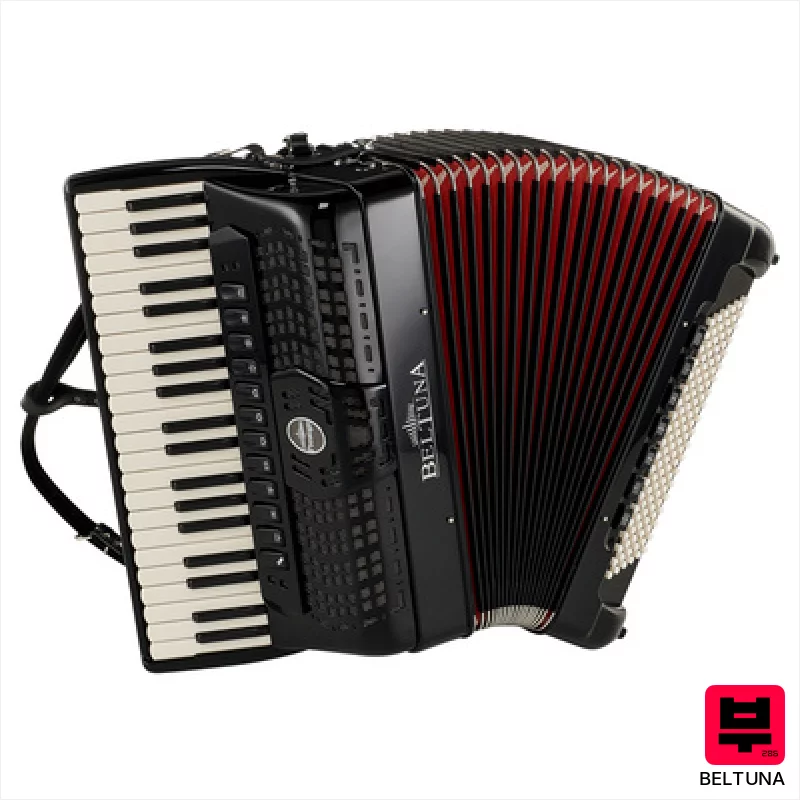
Beltuna Prestige IV 120 P GHV Black
- • The smooth, noiseless action across both treble and bass is a testament to superb craftsmanship.
- • While versatile, its traditional voicing leans toward classical and folk genres.
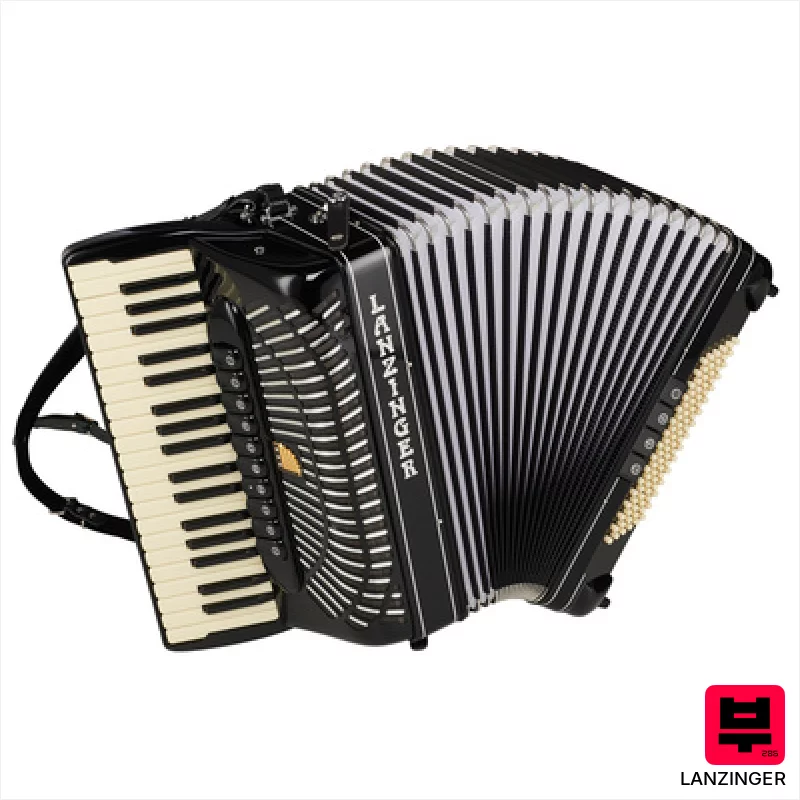
Lanzinger Model Elite IV 96 C
- • Exceptional VociArmoniche reedplates deliver a remarkably rich, nuanced tone.
- • The Cassotto resonator provides warmth and projection, ideal for concert performance.
- • Lanzinger's renowned craftsmanship ensures impeccable action and long-term reliability.
- • The Musette tuning offers a distinctive, slightly freer feel compared to standard diatonic.
- • The 10.5kg weight can be a challenge for less experienced or smaller players.
- • The limited range (E-F) restricts certain musical styles and transcriptions.
- • The Musette tuning, while characteristic, isn't universally preferred; takes adjustment.
How to Choose the Best Piano Accordions
Reed Configuration
Classical players demand a full, balanced reed set - often 120 bass buttons and 4-5 treble registers. This gives you the tonal palette to cover a wider range of repertoire, from Baroque counterpoint to Romantic melodies. Fewer reeds mean a thinner, less complex sound.
Bellows Response
The bellows are your breath; they dictate the dynamics and phrasing. A smooth, responsive bellows with minimal air leaks is critical for subtle shifts in volume and a clean, consistent tone. Stiff or leaky bellows kill the musicality.
Action & Key/Button Layout
A light, precise action is essential for articulation and fast passages. The standard L-system layout is most common, but ergonomics vary - a comfortable neck profile and well-placed buttons are vital for long gigs and avoiding fatigue.
Tonal Palette
We're looking for a rich, even tone across all registers - avoiding harshness or a 'tinny' quality. A good classical accordion shouldn't have a pronounced midrange honk; it needs clarity and a broad frequency response to blend well with other instruments.
Bass Strap & Handling
A sturdy bass strap is a must for stability and control, especially when playing complex bass lines. The overall weight and balance of the instrument also impact playability - a poorly balanced accordion will fight you.
Buying Guide
Don't be fooled by flashy finishes or 'boutique' branding. A true classical accordion is about the mechanics and reeds, not the aesthetics. Be wary of instruments with overly bright or 'sparkly' treble registers - that's often a sign of cheap reeds or poor voicing. Spending more generally gets you better reeds, a more refined action, and a more consistent bellows, but always try before you buy; even expensive accordions can have quirks.
Our Methodology
We're not just looking at spec sheets here. These accordions were put through the wringer: hours of practice, A/B comparisons against each other and recordings of renowned classical players, and even some attempts to make them cut through a chamber orchestra. It's about feel, responsiveness, and how they translate in a real-world setting - whether that's a recording studio or a dimly lit recital hall.

