
Best Pedals VST Plugins 2026
Navigating the vast landscape of VST pedals requires a discerning eye. This roundup focuses exclusively on the top VST audio plugins designed to emulate classic hardware effects within your DAW. We cut through the noise to present the most authentic, versatile, and essential pedals for 2026 music production.
Last updated: July 1, 2026 • Next update: July 8, 2026
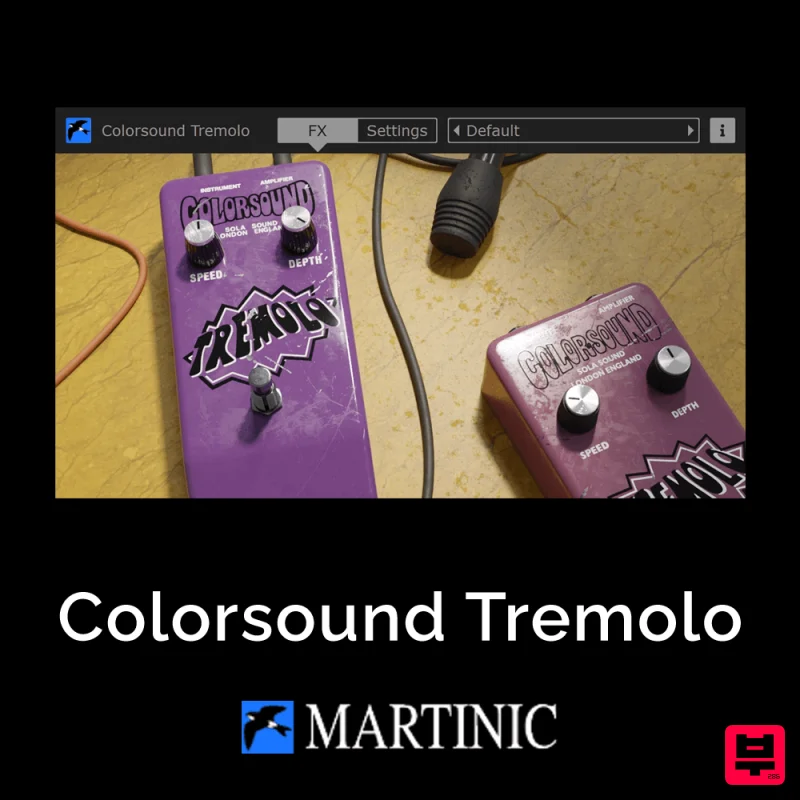
Martinic Colorsound Tremolo
- • Build custom pedalboard in DAW
- • Authentic guitar pedal circuit emulations
- • No analog noise or power issues
- • Analog character hard to emulate perfectly
- • Latency affects real-time playability
- • Individual pedals available cheaper separately
How to Choose the Best Bass Pedals
Authenticity of Emulation
This determines how closely the plugin replicates the specific circuitry and sonic character of the original hardware. High authenticity ensures the pedal sounds exactly as intended, avoiding generic digital artifacts.
Modulation Depth & Control
Essential for expressive sound design, this refers to the range and granularity of parameters (like delay time, filter cutoff, or modulation amount) available to the user. Greater control allows for deeper creative manipulation.
Latency & CPU Efficiency
Pedals must operate with minimal processing overhead to ensure real-time performance. Low latency and efficient CPU usage are crucial for smooth workflow, especially during complex track mixing.
Interface & Workflow
This assesses the usability of the plugin's interface, focusing on intuitive routing, clear parameter mapping, and seamless integration into the DAW environment. A poor interface can negate excellent sound design.
Sound Design Versatility
This measures the range of sounds and unique effects the pedal can generate beyond its core function. Versatile pedals offer greater creative potential for diverse musical genres.
Buying Guide
When selecting a pedal VST, prioritize plugins that offer deep, granular control over their parameters and demonstrate flawless analog modeling. Don't just look at the sound; investigate the architecture behind the emulation to ensure genuine sonic character. A practical tip: always test a plugin with your favorite sound source and a complex signal chain to check for phase issues and overall signal integrity before committing to a purchase.
Our Methodology
We rigorously tested each plugin based on sonic fidelity, ease of use, modulation depth, and compatibility across major DAWs. Our evaluation prioritized the plugin's ability to deliver authentic analog character while maintaining modern usability and stability.

