
Best Passive Subwoofers Under $5,000 2026
So, you need some serious low-end but your bank account isn't screaming 'platinum studio'. Getting a good passive sub under $5000 is totally doable, but you gotta know what you're looking for. We're talking about filling a room with that chest-thumping rumble, not just a polite bass response - and doing it without needing a second mortgage. Let's break down the best options for gigs, rehearsals, and even some serious home recording.
Last updated: April 11, 2026
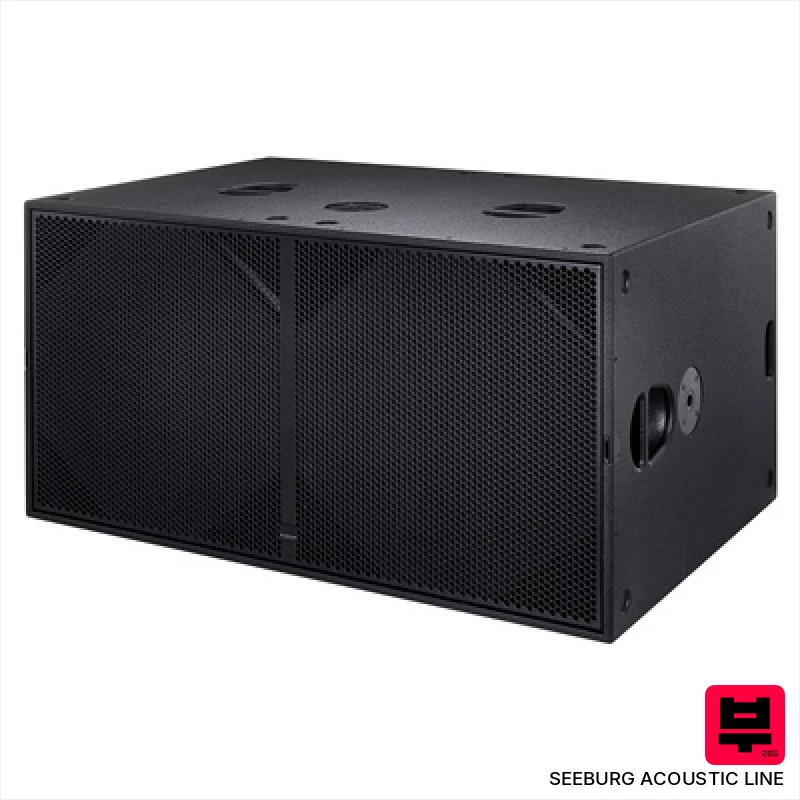
Seeburg Acoustic Line G Sub 1802
- • Baltic birch construction ensures exceptional rigidity and durability.
- • Neodymium drivers deliver impressive power with reduced weight compared to ferrite.
- • High 144dB SPL capability handles large venues with ease.
- • Multiple NL4 connectors simplify complex system configurations.
- • The 4-ohm impedance demands a robust amplifier to avoid clipping.
- • Significant weight (81kg) makes transport challenging without proper equipment.
- • Limited frequency response above 200Hz necessitates pairing with full-range speakers.
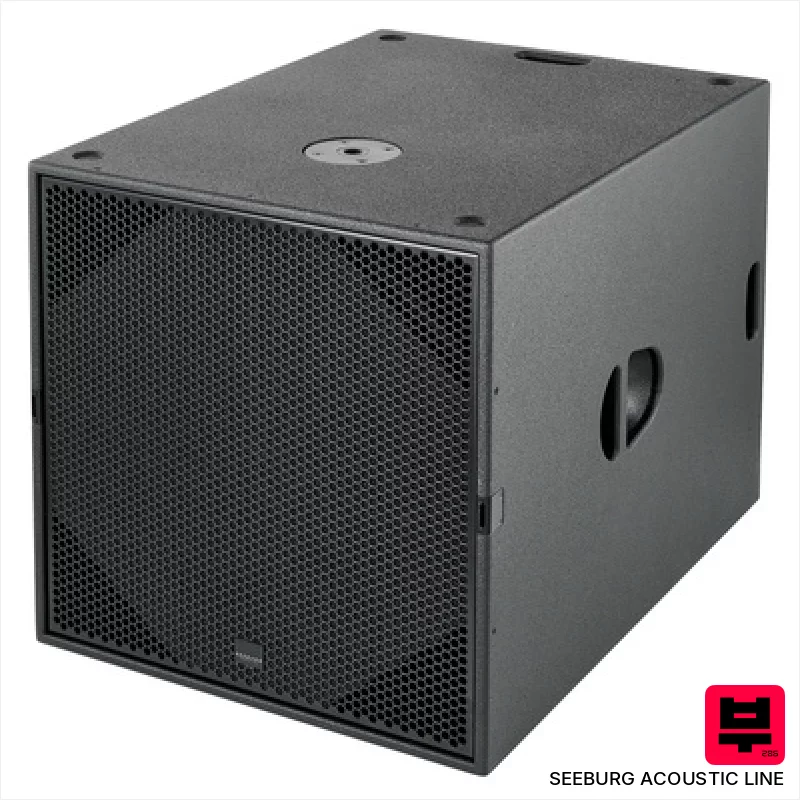
Seeburg Acoustic Line G Sub 1801
- • Robust Baltic birch construction ensures exceptional durability for touring.
- • Neodymium woofer delivers tight, impactful bass response with reduced weight.
- • High SPL (138 dB) provides significant headroom for large venues.
- • Multiple handles and roller board connection simplify transport for crews.
- • The weight (45kg) makes it a two-person lift, limiting portability.
- • 8-ohm impedance requires careful amplifier matching for optimal performance.
- • The frequency response, while deep, lacks extended highs for certain genres.
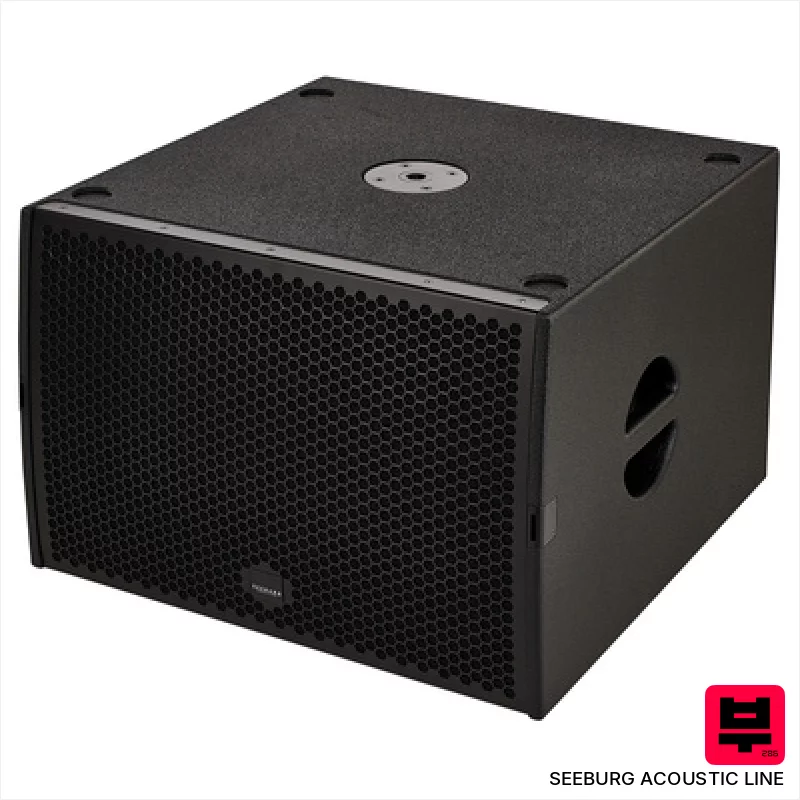
Seeburg Acoustic Line G Sub 1501
- • Baltic birch construction ensures exceptional durability and resonance.
- • Neodymium woofer delivers tight, powerful bass response with efficiency.
- • Polyurea coating provides robust protection against road wear and abuse.
- • M20 thread and roller board connection facilitate easy rigging and transport.
- • The 600mm x 600mm footprint makes it less ideal for smaller stages.
- • 35-220Hz frequency range limits its use in very high-end, nuanced audio applications.
- • Relatively high impedance requires a more powerful amplifier for optimal performance.
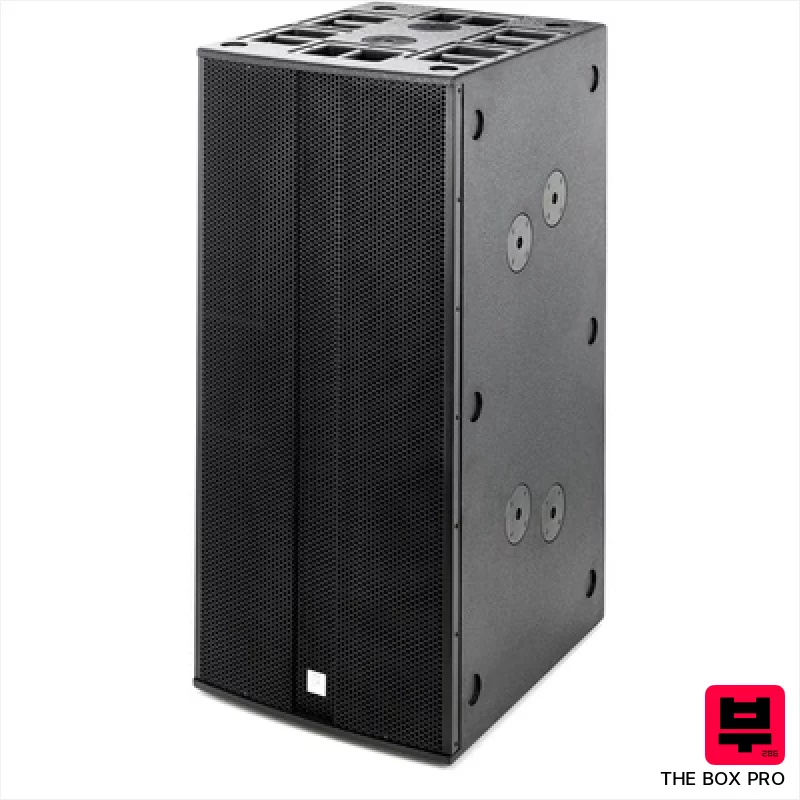
the box pro TP218/1600 MkIII
- • Birch plywood construction ensures robust durability for demanding gigs
- • 1600W AES power handles large venues and high SPL demands
- • Bass-reflex design delivers extended low-frequency response and punch
- • Multiple handles and optional wheels simplify transport and setup
- • 82kg net weight makes maneuverability a challenge for solo operators
- • 4 Ohm impedance may require careful amplifier matching for optimal performance
- • Limited frequency response above 150Hz necessitates pairing with full-range speakers
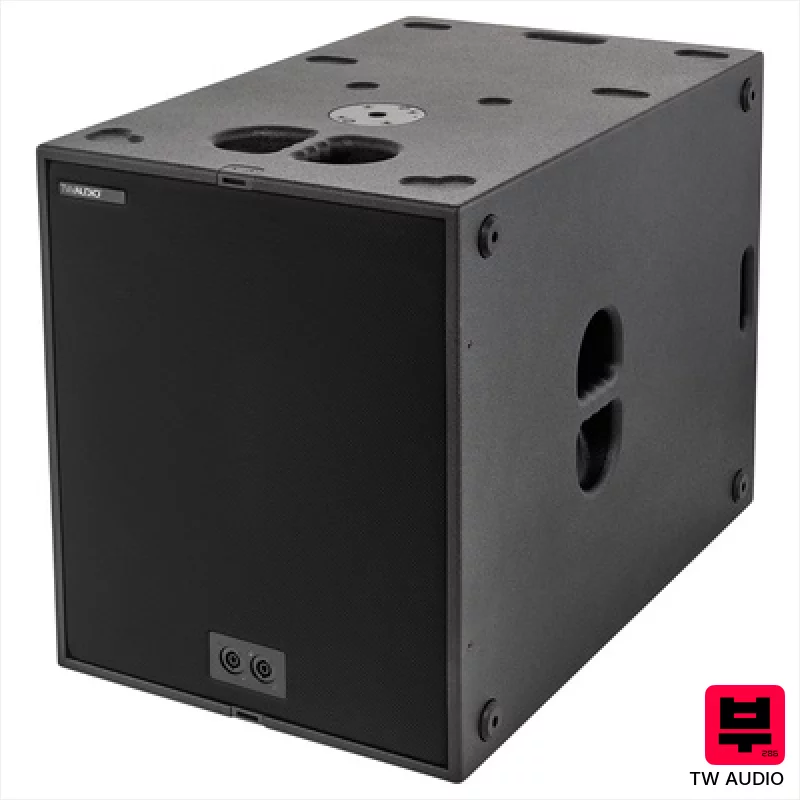
TW AUDiO B18
- • Neodymium driver delivers exceptional low-frequency extension.
- • Birch multiplex construction ensures robust build and resonance damping.
- • Bandpass design maximizes output and efficiency within its range.
- • Multiple handles and flange points facilitate easy transport and rigging.
- • High impedance demands powerful amplifiers; less versatile with smaller setups.
- • Significant weight makes handling a two-person job consistently.
- • Bandpass design limits low-frequency response outside its targeted range.
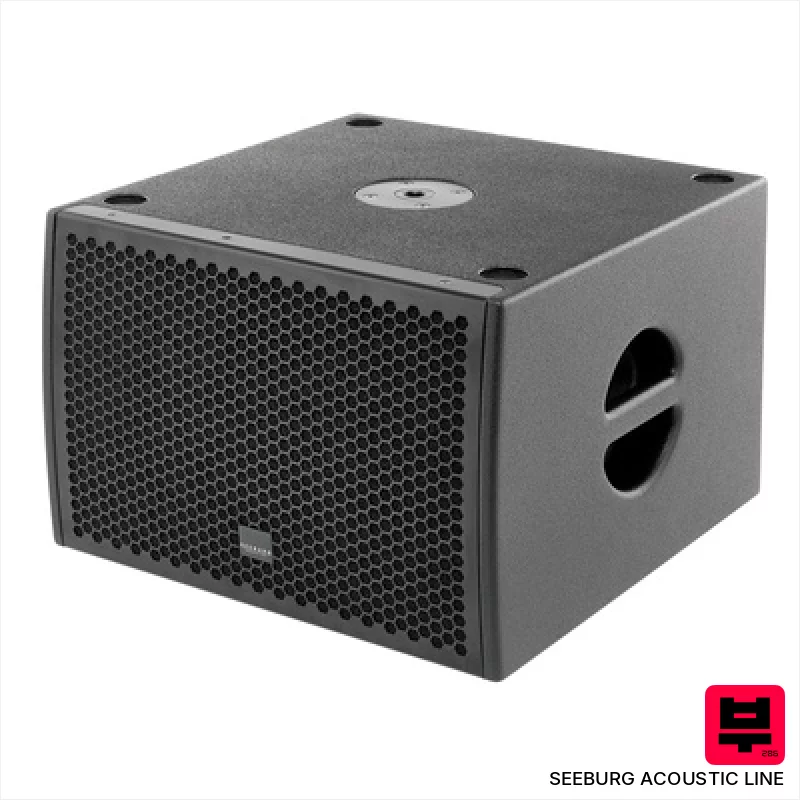
Seeburg Acoustic Line G Sub 1201
- • Baltic birch construction ensures exceptional durability and resonance.
- • Neodymium woofer delivers tight, efficient bass response.
- • High SPL (131dB) makes it suitable for large venues and demanding applications.
- • M20 thread allows for flexible speaker stand or pole mounting options.
- • 17.5kg weight makes transport challenging for solo performers.
- • Limited frequency extension above 220Hz necessitates pairing with full-range speakers.
- • Passive design requires a powerful amplifier for optimal performance.
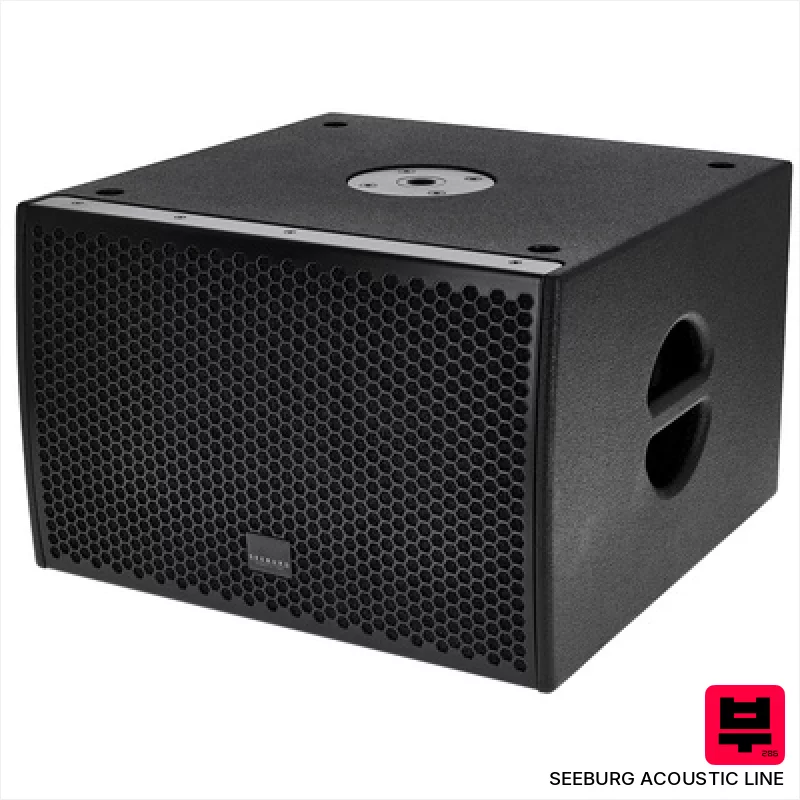
Seeburg Acoustic Line G Sub 1001
- • Baltic birch construction provides exceptional resonance and durability
- • Polyurea coating offers excellent protection against road wear and abuse
- • 10in woofer delivers surprisingly deep and controlled low frequencies
- • M20 thread allows for versatile mounting options on stands or flown systems
- • Limited frequency response makes it less suitable for very sub-bass heavy genres
- • Weight makes transportation a challenge for solo performers or smaller rigs
- • 8 Ohm impedance requires careful amplifier matching to avoid power issues
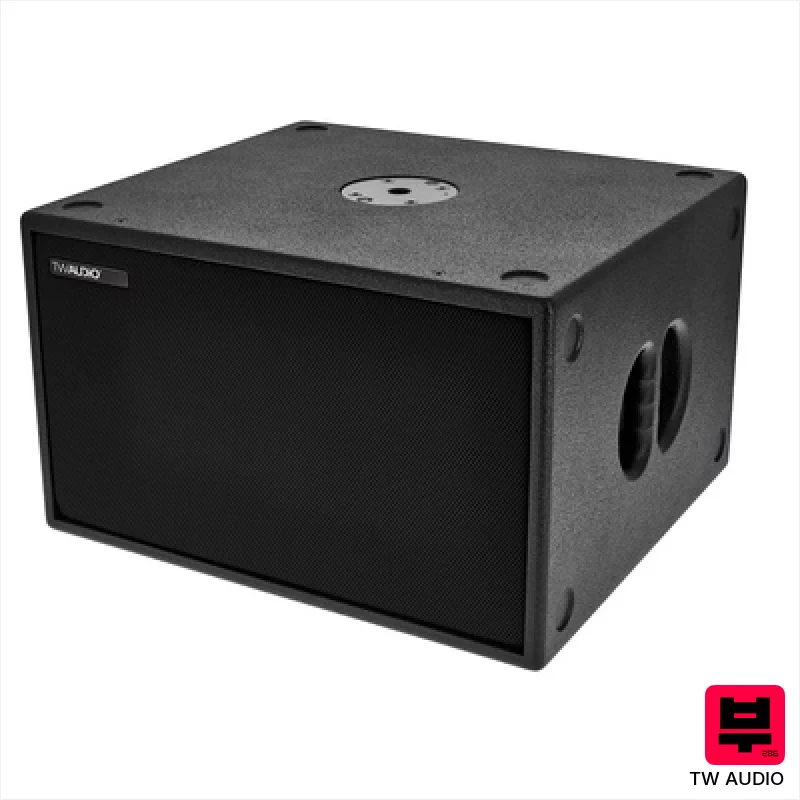
TW AUDiO B10
- • Neodymium woofer delivers tight, articulate low-end response.
- • Birch multiplex construction ensures exceptional rigidity and durability.
- • High 123dB SPL capability handles demanding live sound applications.
- • Ergonomic handles and stand flange facilitate easy transport and setup.
- • Limited frequency extension below 40Hz may require pairing for sub-bass needs.
- • Requires a powerful amplifier to fully utilize its capabilities.
- • Relatively heavy at 16.1kg, impacting portability for solo users.
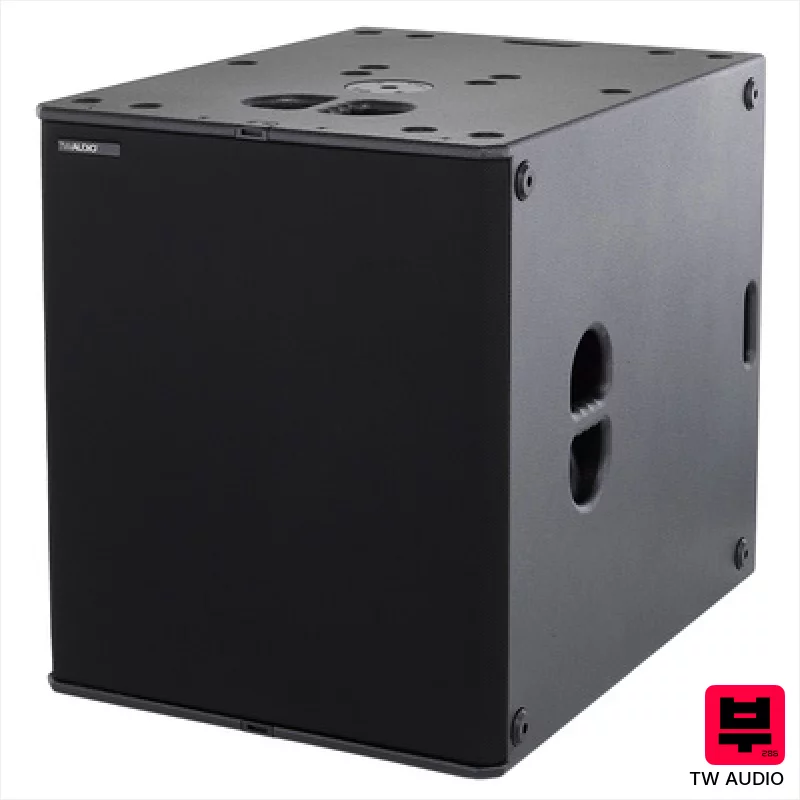
TW AUDiO B21
- • Neodymium driver delivers exceptional efficiency and low-frequency extension.
- • Multiplex birch construction ensures robust build and excellent resonance damping.
- • Handles facilitate easy maneuverability despite the substantial weight.
- • 137dB SPL capability provides serious headroom for large venues.
- • High weight makes transportation and setup challenging for smaller teams.
- • Limited frequency response restricts versatility for some music genres.
- • Requires powerful amplification, adding to overall system cost.
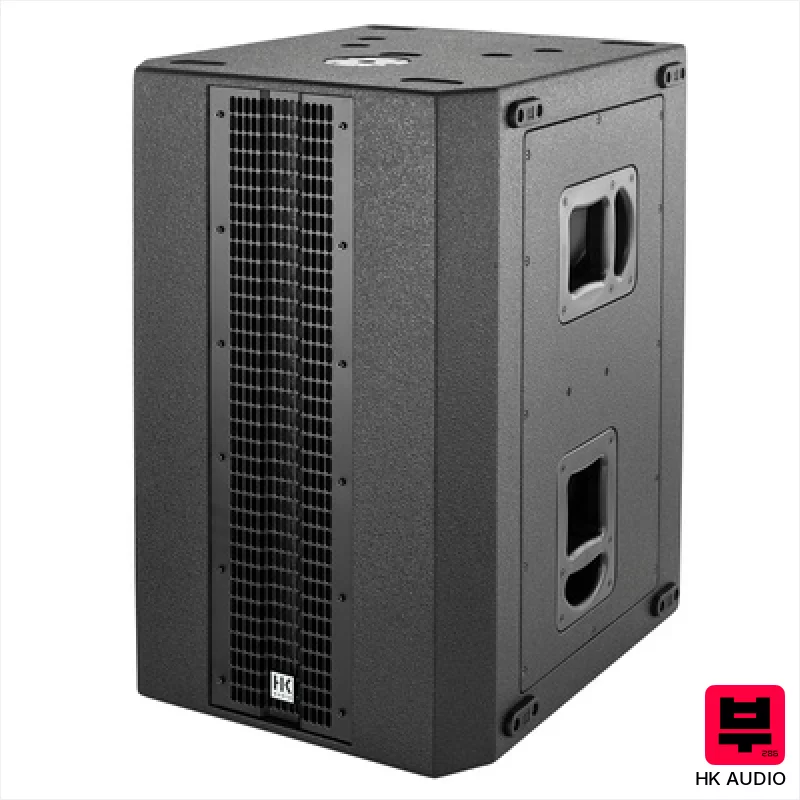
HK Audio L Sub 2000 Linear 5
- • Robust birch/MDF construction ensures excellent durability on the road.
- • Linear 5 drivers deliver clean, powerful low-end extension.
- • High 134 dB max SPL handles large venues with ease.
- • M20 thread offers secure and versatile stand mounting options.
- • Weight (44.3 kg) makes transport a two-person job without a lift.
- • Limited frequency response compared to dual-band subs.
- • High impedance demands a powerful amplifier for optimal performance.
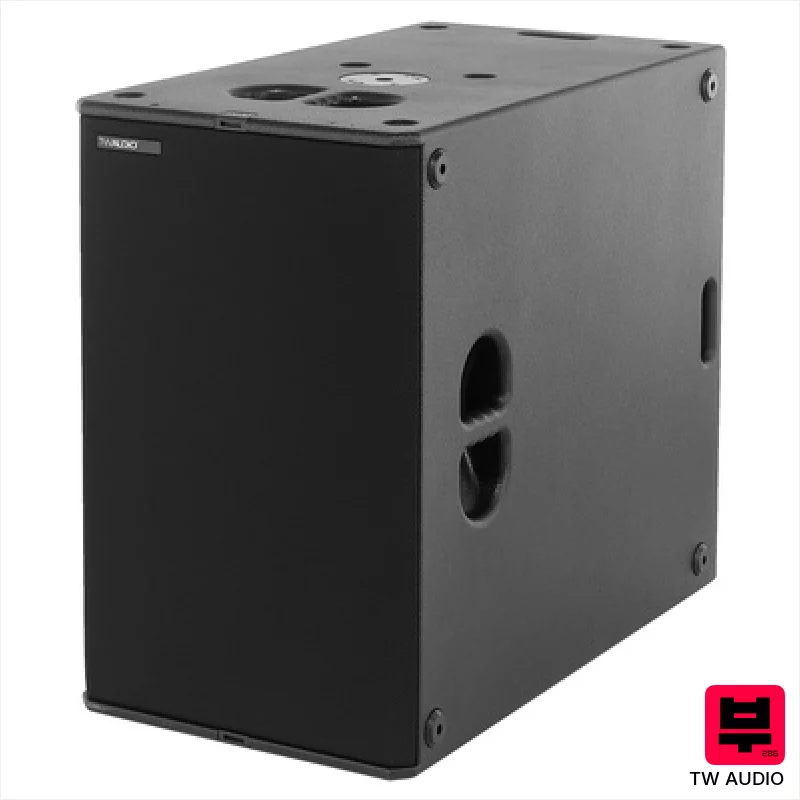
TW AUDiO B30
- • Exceptional low-end extension thanks to the horn-loaded design.
- • Robust multiplex birch construction ensures durability for touring.
- • Neodymium drivers offer high power with reduced weight compared to ferrite.
- • Multiple handles and stand mounts simplify transport and setup.
- • High impedance demands powerful amplifiers, increasing overall system cost.
- • Limited frequency response makes it unsuitable for full-range applications.
- • Significant weight necessitates a crew for safe handling and transport.
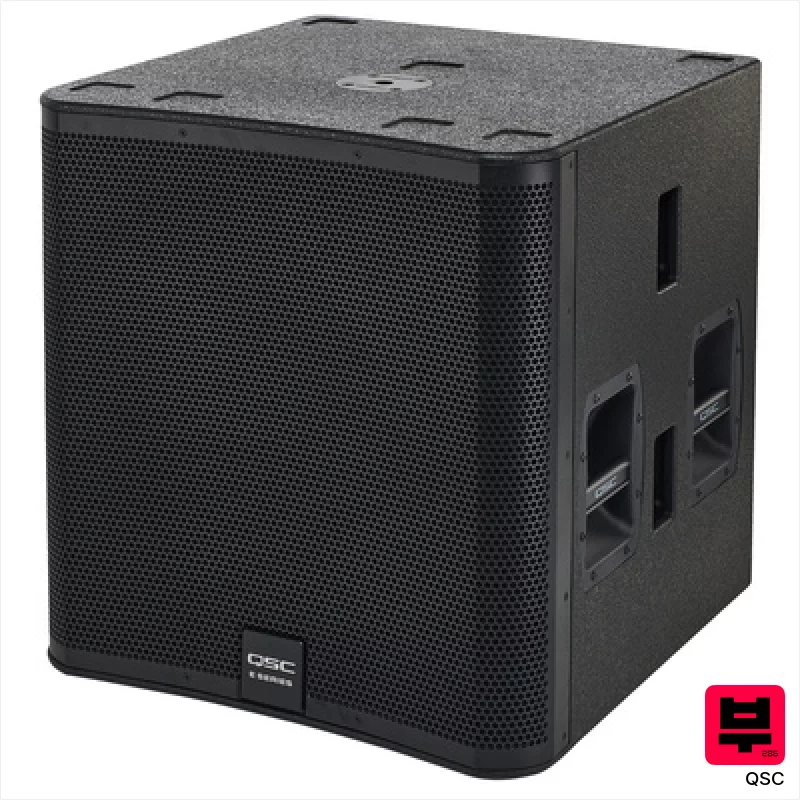
QSC E118sw
- • Robust multiplex construction feels incredibly solid and roadworthy
- • 133 dB SPL delivers serious low-end punch for live performance
- • Ergonomic metal handles provide secure and comfortable transport
- • M20 threaded pole mount offers versatile stacking and positioning
- • 4 ohms impedance demands careful amplifier selection to avoid clipping
- • Weight (48 kg) makes transport a two-person job without a dolly
- • Lacks integrated DSP; requires external processing for optimal tuning
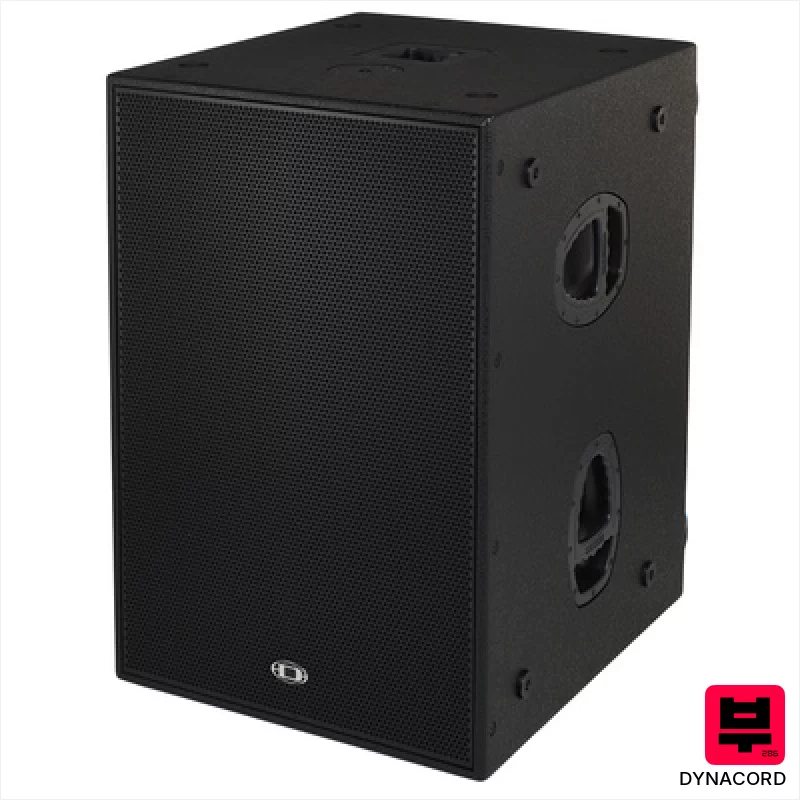
Dynacord FX20-PRO
- • Robust 15mm birch plywood cabinet offers excellent resonance control.
- • Electro-Voice EVX 180B woofer delivers tight, powerful low-end response.
- • Planar waveguide horn significantly enhances projection and bass clarity.
- • Heavy-duty casters and handles simplify transport and setup for touring.
- • The weight makes it a two-person job, especially for frequent transport.
- • Frequency response leans heavily towards bass, limiting versatility for some genres.
- • Premium-priced, representing a significant investment for smaller venues.

TW AUDiO B15P
- • Birch multiplex construction provides exceptional rigidity and resonance control.
- • Neodymium driver minimizes weight while delivering substantial power and efficiency.
- • 127dB max SPL handles demanding live sound applications with ease.
- • 4 Ohm impedance allows pairing with a wider range of amplifiers.
- • The 24.2 kg weight makes transport a two-person job, especially for frequent gigs.
- • 4 Ohm impedance demands careful amplifier selection to avoid power issues.
- • Optimal performance relies on specific amplifier presets, limiting flexibility.
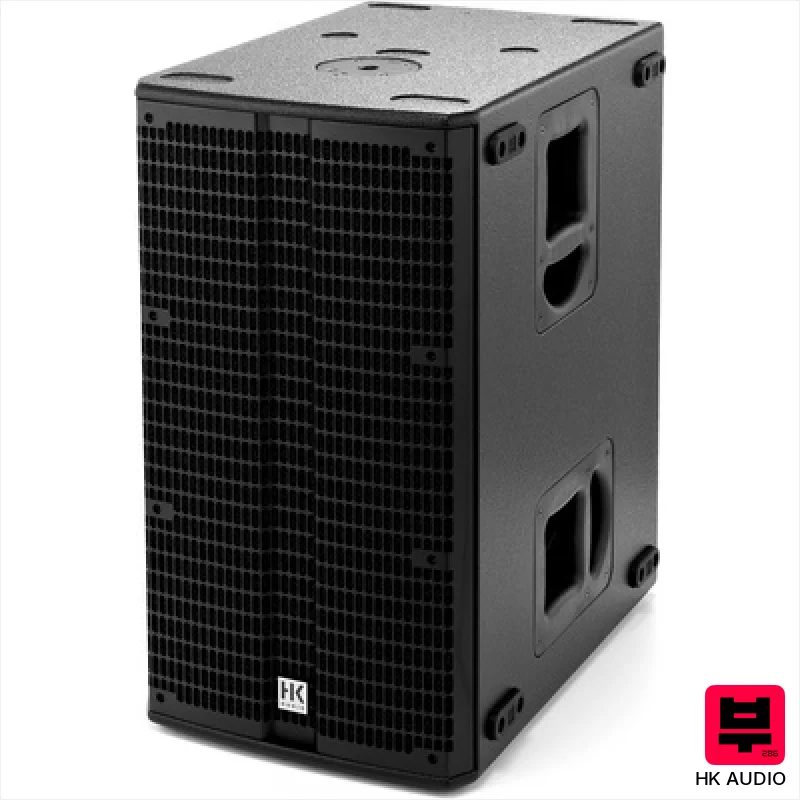
HK Audio L Sub 1200 Linear 5
- • Robust birch/MDF construction ensures excellent durability for touring.
- • Dual 10in woofers deliver surprisingly deep and controlled low-end.
- • High max SPL (130 dB) handles loud venues with ease.
- • Speaker Twist NL4 connectors simplify system wiring and cable management.
- • Weight (29 kg) makes transportation a two-person job.
- • Limited frequency response compared to larger, more premium subwoofers.
- • Passive design requires external amplification, adding to overall cost.
How to Choose the Best Passive Subwoofers
Driver Size & Material
Bigger isn't always better, but a 15" or 18" woofer is going to give you more usable low-end extension than a 12". Look for drivers with stiff cones (like Kevlar or carbon fiber) for better transient response and less muddiness.
Power Handling (RMS)
This is your headroom. A higher RMS rating means you can crank it harder without stressing the driver. For a sub, you want something at least 1000W RMS, preferably more if you're playing loud.
Frequency Response
Don't get hung up on the theoretical low end number - listen for clarity and tightness. A sub that says it goes down to 30Hz but just sounds boomy and indistinct isn't doing you any favors.
Construction & Port Design
Solid MDF cabinets are a must; cheap particle board will vibrate and color the sound. Port design (front-firing, rear-firing, passive radiator) affects the low-end extension and how the sub interacts with the room.
Thiele/Small Parameters
These numbers tell you how the driver behaves. While you don't need to be an expert, understanding them helps you predict how the sub will perform in different enclosures and with different amp pairings.
Buying Guide
At this price point, you're going to make some trade-offs. Don't expect the pristine clarity of a $10,000 sub - you'll get a slightly less refined low-end, and maybe a heavier cabinet. Focus on getting a sub with good headroom and a clean, articulate low-end, even if it means sacrificing a little bit of absolute lowest frequency extension. A well-matched amplifier is just as important as the sub itself - don't skimp on that either.
How This List Is Built
We don't play these instruments — we're a catalog, not a review desk, and we'd rather say so than pretend otherwise. This page ranks 15 passive subwoofers from the Thomann catalogue, which is the largest single source of specification data in this category.
Position is computed, not curated. Four signals, in order of weight: how completely the manufacturer documents the instrument (number of published specifications), where it sits in the price range, how specific the model designation is — which filters out generic accessories — and whether a product image exists. The same inputs always produce the same order, so nothing here is shuffled to look fresh.
What this list is good for: narrowing a category down to a shortlist by spec and budget. What it isn't: a substitute for hearing an instrument. Before you buy, read hands-on reviews and, where you can, play it. Full methodology.

