
Best Passive Nearfield Monitors Under $1,000 2026
Alright, so you're hunting for passive nearfield monitors and you're trying to keep it under a grand? Smart move. It's a sweet spot for getting decent monitoring without blowing your budget - especially if you already have an amp. Let's be honest, most of us started somewhere, and having decent monitors is crucial for getting mixes that translate outside your bedroom.
Last updated: April 11, 2026

Auratone 5C Super Sound Cube Amp Set Cl
- • Classic Auratone sound: surprisingly flat response for critical mixing decisions.
- • Bettermaker amp delivers clean, reliable power with low distortion.
- • 16mm MDF cabinet provides a robust, resonance-dampened enclosure.
- • Magnetically shielded design prevents interference with sensitive recording equipment.
- • Limited low-end extension; not ideal for bass-heavy music genres.
- • Passive design necessitates a separate, quality amplifier – this bundle solves that.
- • Compact size may require careful placement for optimal stereo imaging.

Auratone 5C Super Sound Amp Set Black
- • The MDF housing (16mm) offers excellent cabinet damping, minimizing unwanted resonances.
- • Bettermaker-developed amplifier ensures clean, accurate power delivery with low distortion.
- • Magnetically shielded design prevents interference with sensitive recording equipment.
- • Compact size and shared base with 5C cubes allows for flexible studio placement.
- • 25W RMS power is adequate for nearfield use but lacks headroom for larger rooms.
- • Passive design necessitates a separate amplifier, adding to the overall investment.
- • Full-range drivers may lack the extended low-end response some modern mixes demand.
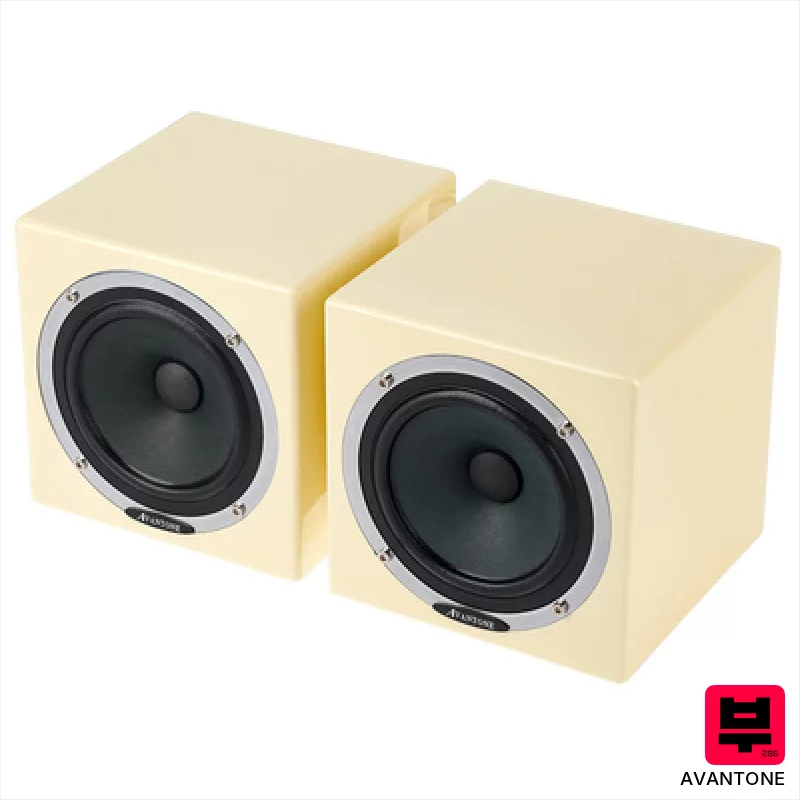
Avantone MixCubes cream
- • Cream finish offers a unique, vintage aesthetic appeal
- • MDF enclosure provides surprising rigidity for their size
- • Full-range design delivers surprisingly accurate mid-field monitoring
- • Compact size makes them ideal for smaller project studios
- • Passive design necessitates a dedicated power amplifier
- • Limited low-end extension compared to larger monitors
- • 6.5 in MDF enclosure can exhibit resonances at higher volumes

Avantone MixCubes black
- • Surprisingly full-bodied sound for their size, thanks to the full-range design.
- • The MDF enclosure minimizes resonance and delivers a cleaner sound.
- • Compact footprint makes them ideal for smaller, less-than-perfect rooms.
- • Shielded design prevents interference from other studio equipment.
- • Limited low-end extension; not suitable for bass-heavy genres without a sub.
- • Passive design requires a separate amplifier, adding to the overall cost.
- • The small drivers can become fatiguing at higher listening volumes.

Auratone 5C Super Sound Cube Classic
- • Classic, unflinching midrange reveals sonic inaccuracies with startling clarity
- • 16mm MDF cabinet offers surprising rigidity for its size and price
- • Full-range design provides a surprisingly coherent, if limited, frequency response
- • Magnetically shielded, minimizing interference in near-field recording setups
- • Limited bass extension requires external subwoofer for full-range listening
- • Passive design necessitates a powerful amplifier, adding to overall cost
- • Small driver size limits ultimate loudness and dynamic range
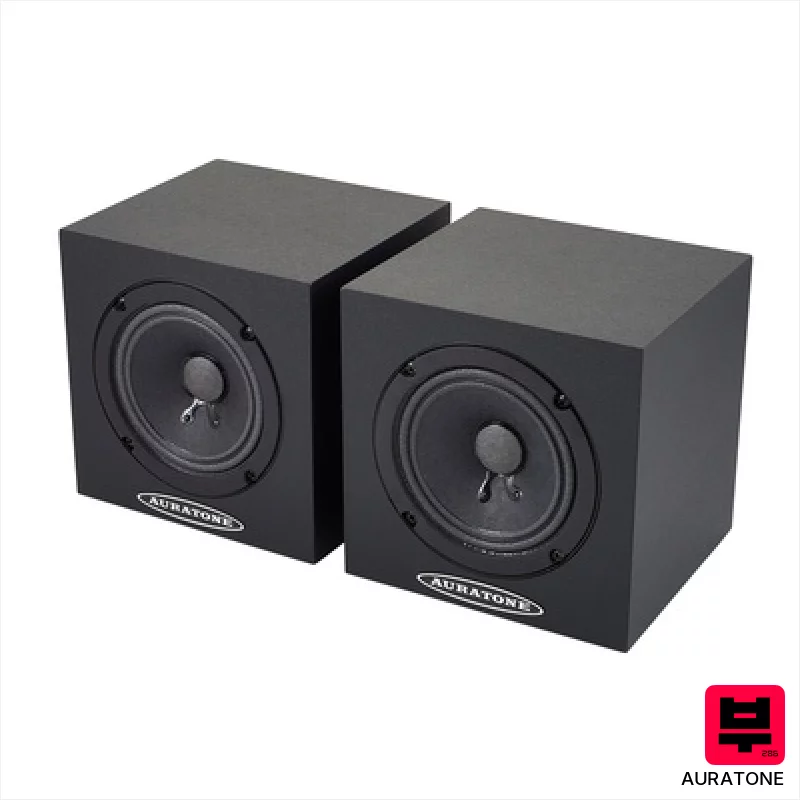
Auratone 5C Super Sound Black
- • 16mm MDF cabinet minimizes resonance, delivering a surprisingly tight low end.
- • Full-range driver provides a unique, revealing sonic character for critical listening.
- • Magnetically shielded, allowing placement near other electronics without interference.
- • Made in the USA, suggesting quality control and durable construction.
- • Passive design necessitates a separate power amplifier, adding to the overall cost.
- • Limited frequency extension compared to larger studio monitors; lacks deep bass response.
- • The 'Super Sound' character can be fatiguing for extended listening sessions.
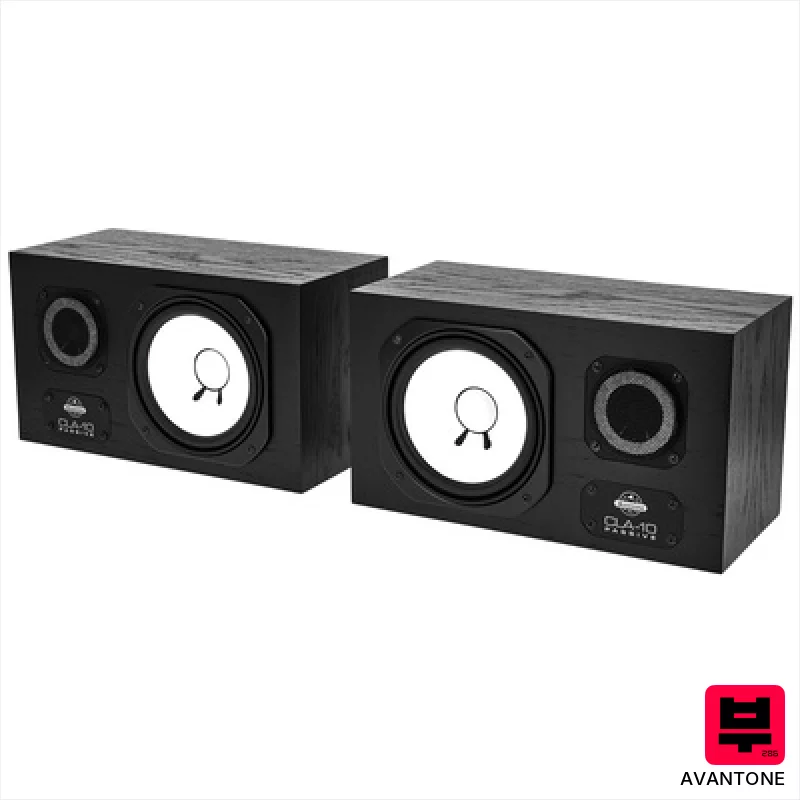
Avantone CLA10 Passive
- • Solid 18mm MDF cabinet minimizes unwanted resonances and coloration
- • Real wood veneer adds a touch of class and absorbs stray reflections
- • Chris Lord Alge collaboration lends a focus on clarity and translation
- • Surprisingly revealing mid-range for accurate vocal and instrument assessment
- • Passive design necessitates a powerful external amplifier, adding to overall cost
- • Limited low-end extension may require subwoofer for some genres
- • The 18mm MDF, while good, isn't the bulletproof density of higher-end monitors
How to Choose the Best Passive Nearfield Monitors
Frequency Response
This isn't just about numbers; it's about how balanced the sound is. We're looking for monitors that don't exaggerate the low-end thump or have a harsh, ice-picky top end - a smooth, natural response is key for making good decisions.
Midrange Clarity
This is where a lot of monitors fall short. Muddy or scooped mids will make guitars sound weak and vocals disappear. We need to hear that fat midrange honk and the subtle nuances of instruments.
Transient Response
Can the monitor reproduce the attack of a snare drum or the pluck of a bass string accurately? Sloppy transient response = a blurry, undefined sound. It's vital for tracking drums and anything with a lot of dynamics.
Stereo Imaging
A wide, accurate stereo image is crucial for creating a sense of space in your mixes. Monitors that collapse the stereo field will make your mixes sound cramped and lifeless.
Power Handling & Headroom
Passive monitors need a good power amp. We're looking for a combination that gives you enough headroom to handle loud peaks without distortion, especially when tracking loud sources like electric guitars or drum kits.
Buying Guide
At this price point, you're making trade-offs. Don't expect studio-grade accuracy - these are stepping stones. Cabinet construction will likely be MDF, not exotic wood, and waveguide designs will be simpler. Focus on finding monitors with a balanced frequency response and good transient response; those are the things that will save you headaches in the long run. And for goodness sake, invest in decent speaker wire!
How This List Is Built
We don't play these instruments — we're a catalog, not a review desk, and we'd rather say so than pretend otherwise. This page ranks 7 passive nearfield monitors from the Thomann catalogue, which is the largest single source of specification data in this category.
Position is computed, not curated. Four signals, in order of weight: how completely the manufacturer documents the instrument (number of published specifications), where it sits in the price range, how specific the model designation is — which filters out generic accessories — and whether a product image exists. The same inputs always produce the same order, so nothing here is shuffled to look fresh.
What this list is good for: narrowing a category down to a shortlist by spec and budget. What it isn't: a substitute for hearing an instrument. Before you buy, read hands-on reviews and, where you can, play it. Full methodology.

