
Best Other Snare Drums Under $2,000 2026
So, you're looking for a snare that doesn't require a mortgage? Smart move. There's a ton of solid, professional-grade snare drums out there under $2000 that'll get you a serious upgrade from that stock kit snare. We're focusing on "other" snares here - meaning not your standard maple or birch - because those can sometimes get pricier. Let's find you something that cuts through the mix and feels great under your sticks.
Last updated: April 11, 2026
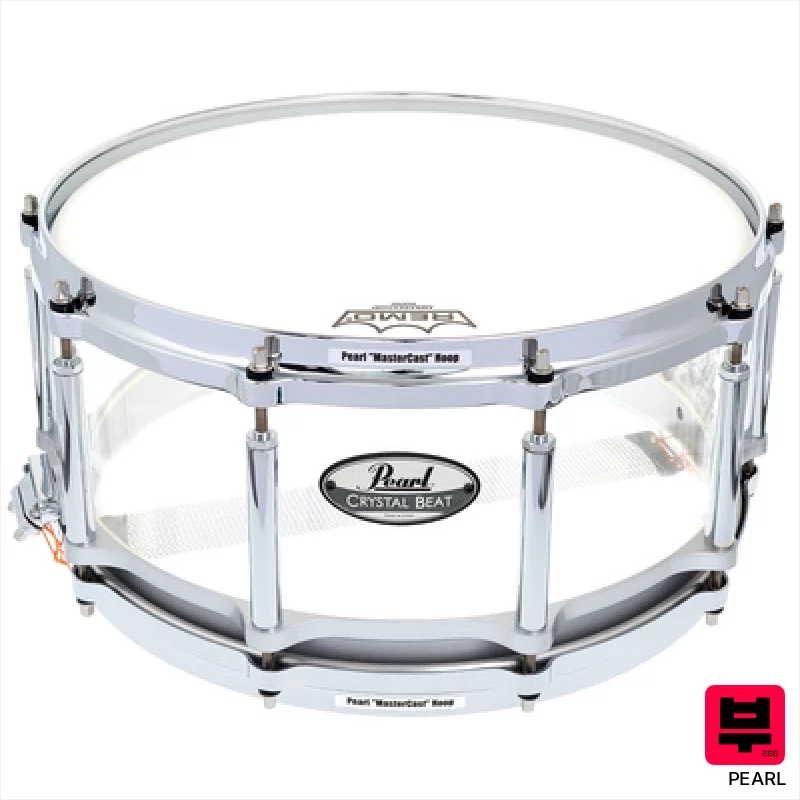
Pearl 14"x6,5" CRB Free Float. Clear
- • Brilliant acrylic shell delivers a crisp, cutting, and visually striking tone
- • Mastercast hoops enhance resonance and tuning stability noticeably
- • Free Floating system maximizes shell vibration for a truly open sound
- • Remo Ambassador head provides a versatile platform for various playing styles
- • Acrylic shells can be prone to hairline cracks with aggressive playing
- • The high-end price point makes it a significant investment
- • Limited tonal versatility compared to more complex shell constructions
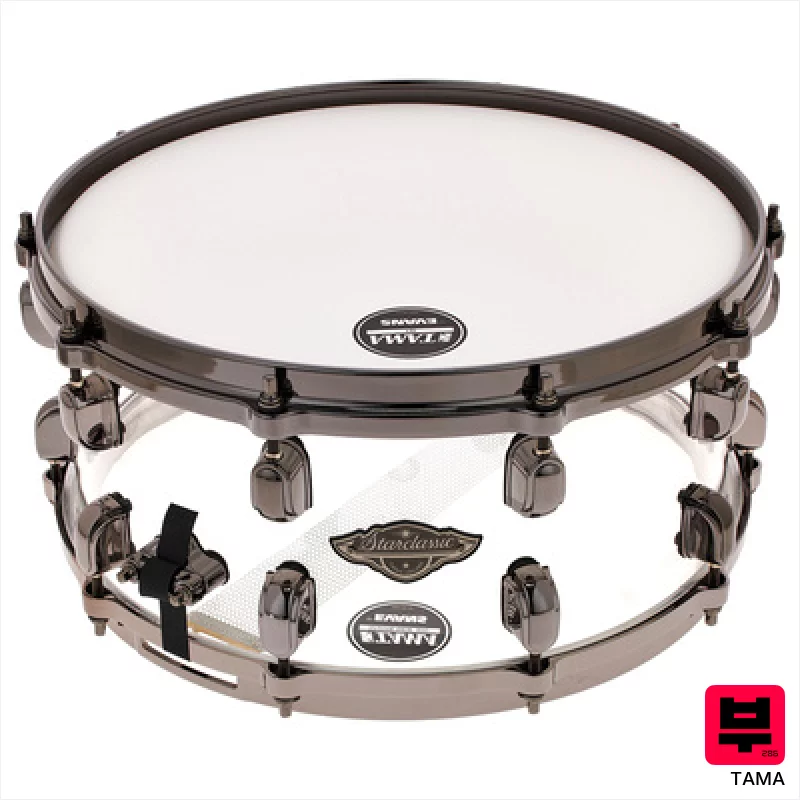
Tama 14"x6,5" Mirage 50th A. Snare
- • The acrylic shell delivers a bright, cracky tone with surprising warmth.
- • Black nickel hardware offers a premium look and excellent durability.
- • The 20-strand wires provide a sensitive response and complex overtones.
- • Die-cast hoops enhance resonance and projection, improving overall sound.
- • Acrylic shells can be prone to scratches and require careful handling.
- • The 5.5mm thickness makes it slightly heavier than some snares.
- • The crystal ice finish might not appeal to drummers preferring more subtle aesthetics.
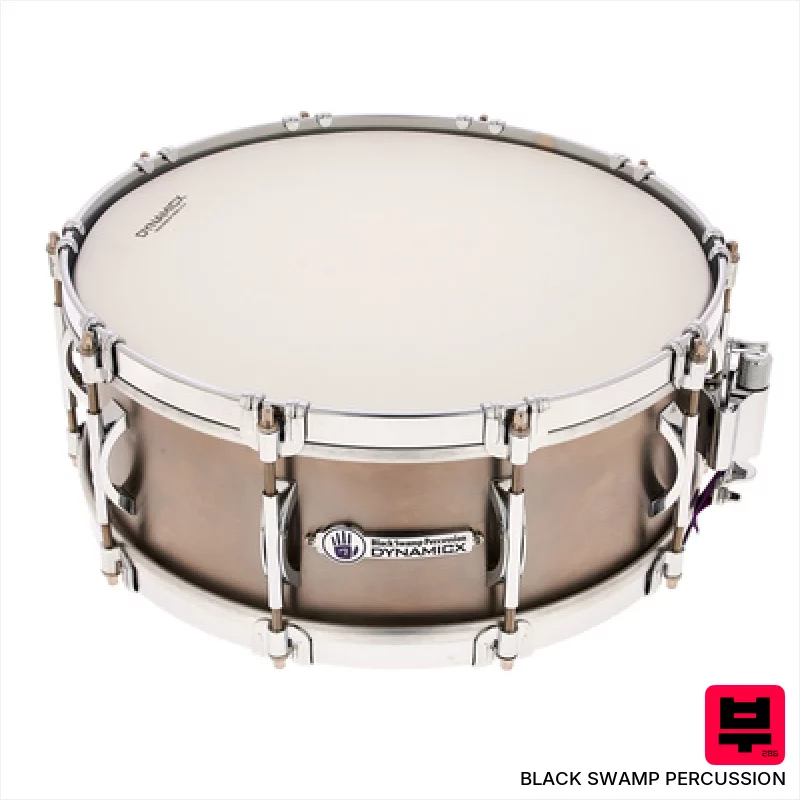
Black Swamp Percussion Dynamicx Snare Drum DXS5514TSH
- • Titanium shell delivers crisp, focused, and controlled resonance.
- • RCK strainer provides exceptionally smooth and quiet sensitivity adjustments.
- • Dynamicx 20 snare wires offer a bright, articulate crack without overpowering the shell.
- • Straight steel hoops enhance projection and maintain tuning stability.
- • The titanium shell can feel slightly cold and less 'warm' than brass alternatives.
- • Premium-priced, limiting accessibility for budget-conscious drummers.
- • Limited versatility; excels in modern and rock genres, less ideal for traditional jazz.
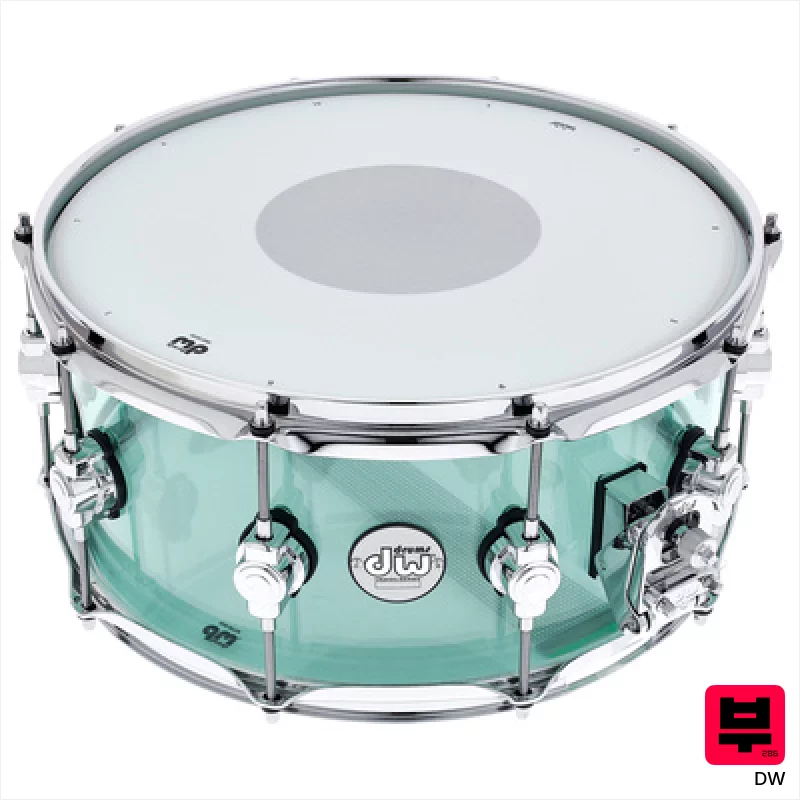
DW Design 14"x6,5" Sea Glass Sn.
- • Acrylic shell delivers a bright, resonant tone with unique visual appeal.
- • DW’s MAG strainer offers incredibly smooth, quiet, and precise action.
- • True Pitch lugs allow for exceptionally even and accurate tuning across the drumhead.
- • Chrome hardware provides a premium feel and reliable, durable performance.
- • Acrylic shells can be more susceptible to hairline cracks with rough handling.
- • The Sea Glass finish, while beautiful, can show fingerprints and smudges easily.
- • The 6.5-inch depth limits versatility; less suited for very low, thuddy tones.

DW Design 14"x06" Acryl Snare
- • Brilliant acrylic shell delivers crisp, bright, and cutting tones.
- • DW’s MAG strainer provides exceptionally smooth and quiet snare wire adjustment.
- • True-Pitch rods ensure even head tension and precise tuning capabilities.
- • Solid chrome hardware offers reliable performance and a premium aesthetic.
- • Acrylic shells can be prone to hairline cracks with heavy impact.
- • The 6-inch depth limits low-end response compared to deeper snares.
- • Design Series hardware isn’t quite as robust as DW’s Collector line.
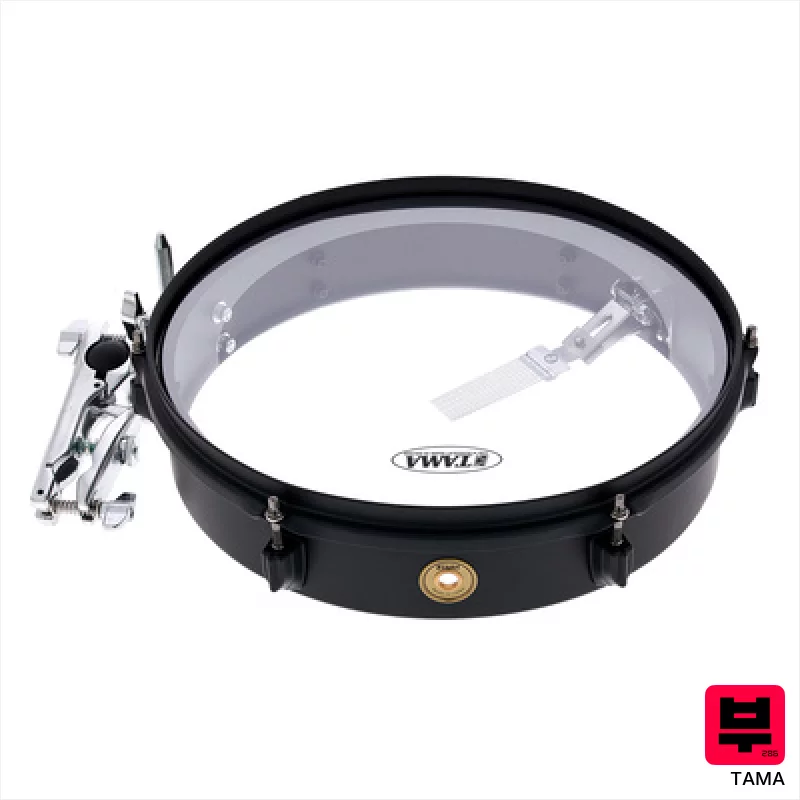
Tama 14"x3" Metalworks Effect Snare
- • Steel shell delivers crisp, cutting backbeats with surprising projection
- • Triple-flanged hoops improve tuning stability and head response
- • Mod-Tone system allows for customizable snare sound shaping
- • MC69 multi-clamp offers versatile mounting options and stability
- • Effect snare sound isn't a universal fit for all genres, can be thin
- • 1.0mm steel shell can feel somewhat brittle under heavy playing
- • Limited tonal range compared to deeper, more versatile snares
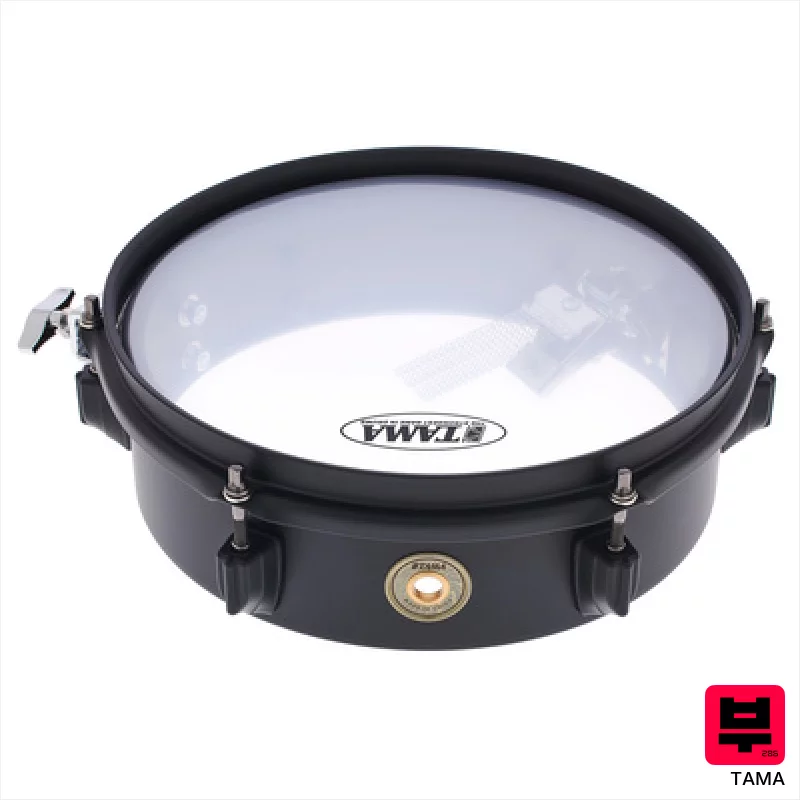
Tama 10"x3" Metalworks Effect Snare
- • Bright, cutting tone ideal for funk and modern pop styles
- • 1.0mm steel shell provides excellent resonance and projection
- • Mod-Tone system offers a wide range of snare response
- • Triple-flanged hoops enhance tuning stability and attack
- • Effect snare sound might be too thin for heavier rock or metal genres
- • Shell thickness could be a bit heavier for extended playing sessions
- • Mod-Tone system can be a bit fiddly to adjust precisely
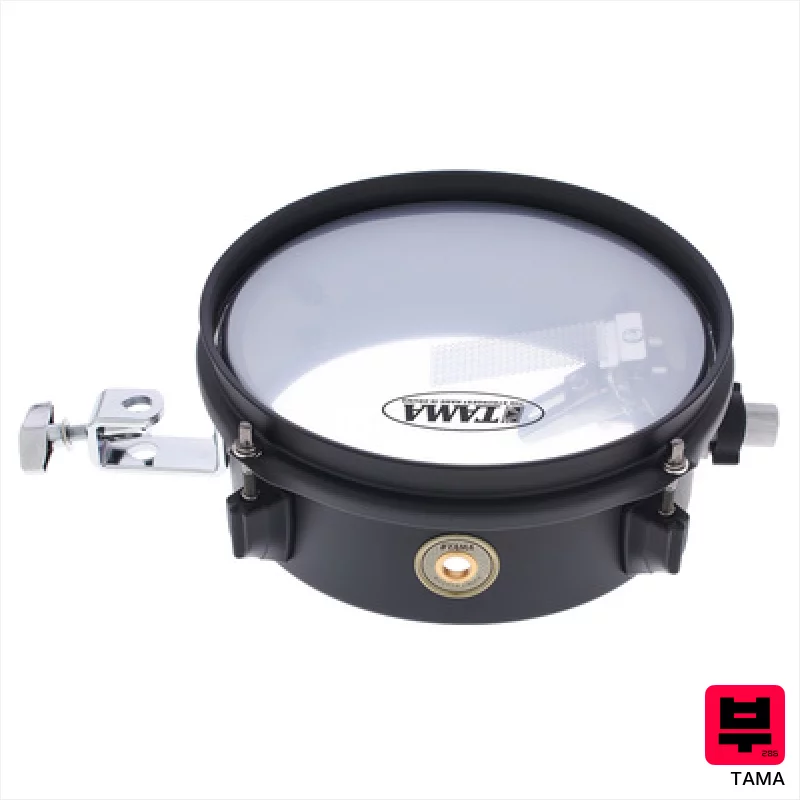
Tama 8"x3" Metalworks Effect Snare
- • Steel shell delivers crisp, cutting tones with excellent projection
- • Triple-flanged hoops enhance sensitivity and tuning stability
- • Mod-Tone system provides versatile snare response options
- • Solid hardware and construction suggest reliable long-term durability
- • Effect snare sound might be too aggressive for quieter, more nuanced genres
- • Smaller size limits low-end thump and overall volume potential
- • Metal shell can be prone to ringing if not carefully dampened
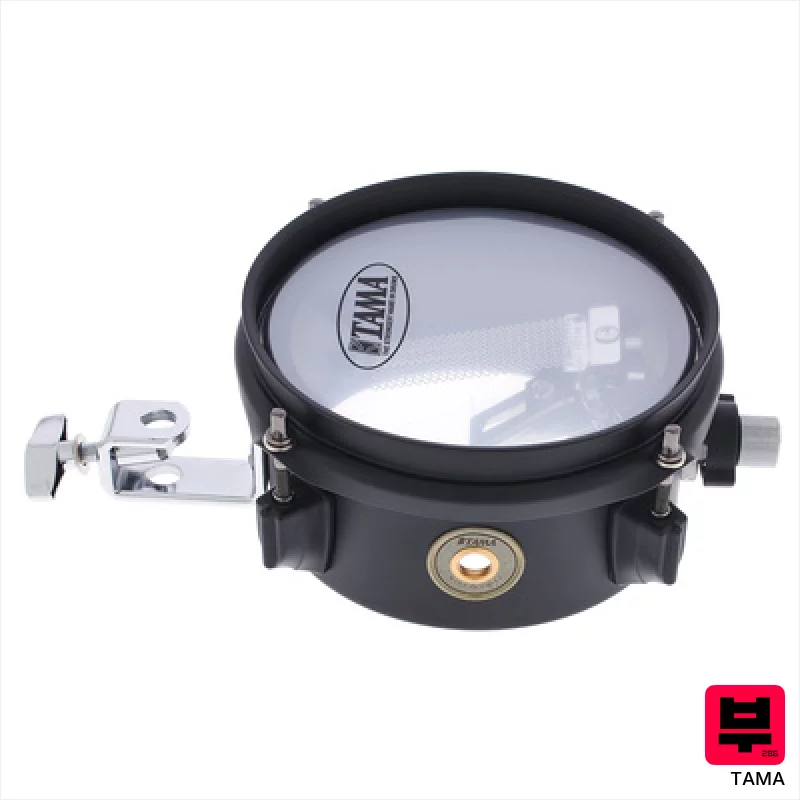
Tama 6"x3" Metalworks Effect Snare
- • Steel shell delivers a crisp, cutting, and surprisingly dry tone.
- • Triple-flanged hoops offer improved resonance control and tuning stability.
- • Mod-Tone System provides a wide range of snare response and sensitivity.
- • Compact size is excellent for tight spaces or a unique, focused sound.
- • The thinner shell can feel somewhat delicate under heavy playing.
- • Effect snare sound might not be ideal for all genres; lacks full body.
- • Limited versatility compared to larger, more traditional snare drums.
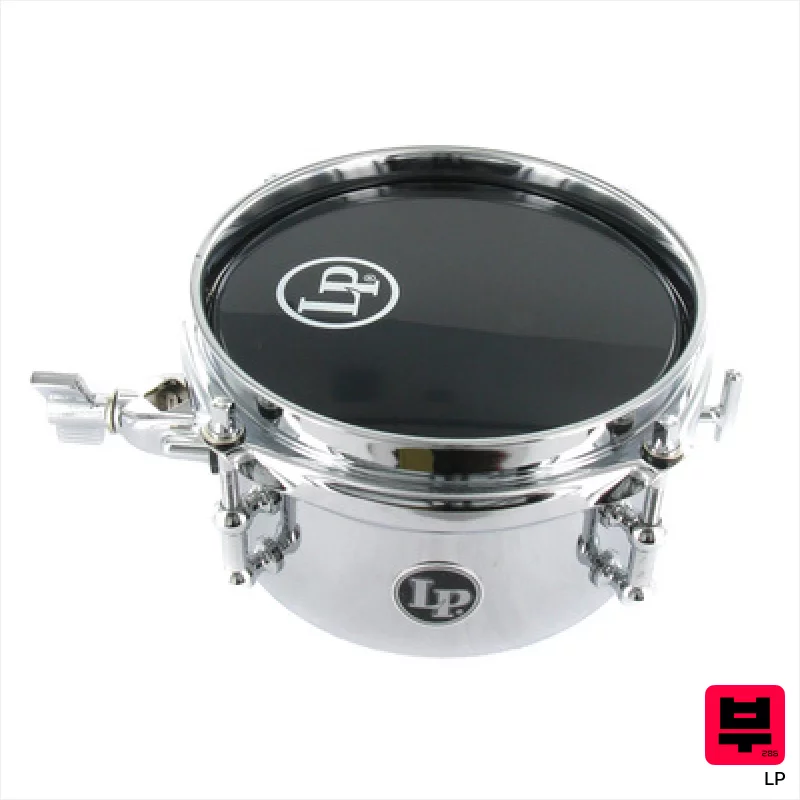
LP 846-SN Micro Snare
- • Compact size delivers surprisingly full, crisp snare tones.
- • Maple shell provides warmth and responsiveness for varied genres.
- • Quick-release strainer allows for easy setup and adjustments.
- • Lightweight construction makes it ideal for travel and smaller kits.
- • Limited low-end response compared to full-sized snares.
- • Smaller diameter may feel cramped for players with larger hands.
- • Thin shell can be overly sensitive to aggressive playing.
How to Choose the Best Other Snare Drums
Shell Material
Steel, brass, aluminum, and even copper offer distinct sonic personalities. Steel tends to be brighter and more cutting, brass is warmer with a nice crack, aluminum is often drier and more controlled, and copper offers a unique, almost vintage character. What you're after depends on your genre and the overall sound you're chasing.
Bearing Edge Profile
This is huge. A sharper, more defined bearing edge will give you more attack and sustain - think aggressive rock or metal. A rounded edge will soften the attack and mellow the tone, better suited for jazz or more subtle playing. Pay attention to this - it's a key differentiator.
Hardware Quality
Don't underestimate this. Cheap hardware will fail on you mid-gig. Look for solid lugs, a responsive strainer, and a well-built rim. It's a sign of overall build quality and will save you headaches down the road.
Depth & Diameter
Deeper snares (8"+) tend to have more low-end thump and resonance, while shallower snares (5-6") offer more snap and crack. Diameter also affects the overall tone - wider snares generally project more. Consider your playing style and the genre you play.
Finish & Durability
Let's be honest, you're going to be hitting this thing hard. A durable finish that can withstand regular gigging is essential. While a gorgeous lacquer finish looks amazing, it's often more fragile than a satin or powder coat.
Buying Guide
At this price point, you're getting a lot of snare for your money, but compromises still exist. Expect some hardware that might not be top-tier, and finishes might not be as flawless as the ultra-expensive stuff. Focus on the shell material and bearing edge profile - those are the biggest tonal factors. Don't chase flashy features; prioritize feel and sound. A well-built, solid-sounding snare is worth more than a bunch of bells and whistles.
How This List Is Built
We don't play these instruments — we're a catalog, not a review desk, and we'd rather say so than pretend otherwise. This page ranks 10 other snare drums from the Thomann catalogue, which is the largest single source of specification data in this category.
Position is computed, not curated. Four signals, in order of weight: how completely the manufacturer documents the instrument (number of published specifications), where it sits in the price range, how specific the model designation is — which filters out generic accessories — and whether a product image exists. The same inputs always produce the same order, so nothing here is shuffled to look fresh.
What this list is good for: narrowing a category down to a shortlist by spec and budget. What it isn't: a substitute for hearing an instrument. Before you buy, read hands-on reviews and, where you can, play it. Full methodology.

