
Best SongWish Music Theory Tools VST Plugins 2026
Dive deep into the world of music theory with SongWish's specialized VST plugins. This guide is curated to help producers select the most effective tools for theoretical exploration, harmony generation, and compositional development within their DAW workflow. We focus exclusively on the features and sound design that set SongWish apart in the plugin market.
Last updated: July 22, 2026 • Next update: July 29, 2026
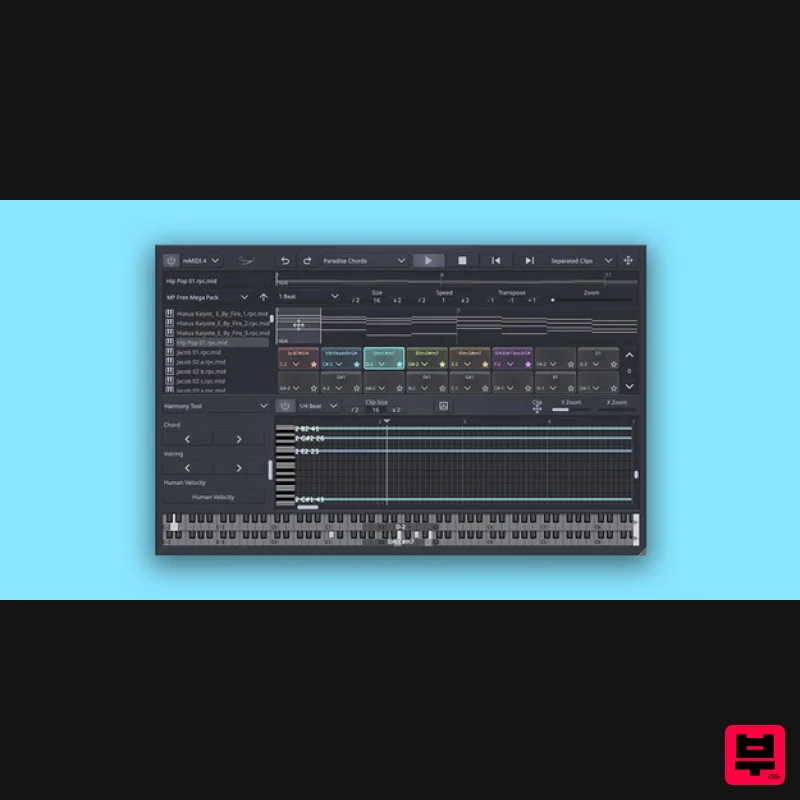
SongWish reMIDI 4
- • Chord progression suggestions
- • Key analysis of existing MIDI
- • Helps beginners with harmonic choices
- • No substitute for actual music theory study
- • May interfere with intuitive composition
- • Suggestions can be overly conventional
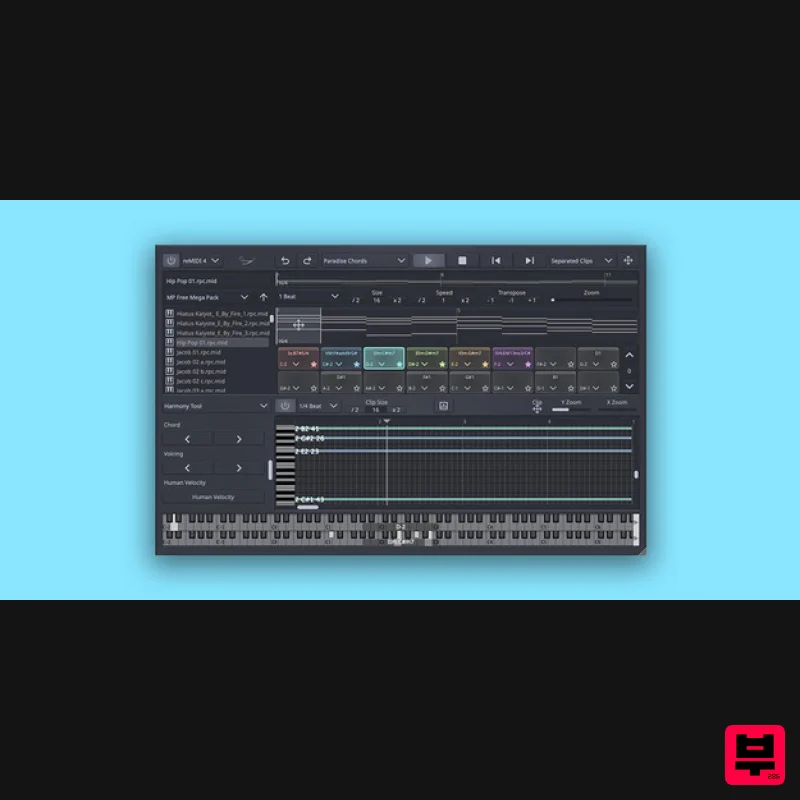
SongWish reMIDI 4 Upgrade from reMIDI 2
- • Reference tool during composition
- • Chord progression suggestions
- • Educational resource built into workflow
- • No substitute for actual music theory study
- • Limited value for experienced musicians
- • May interfere with intuitive composition
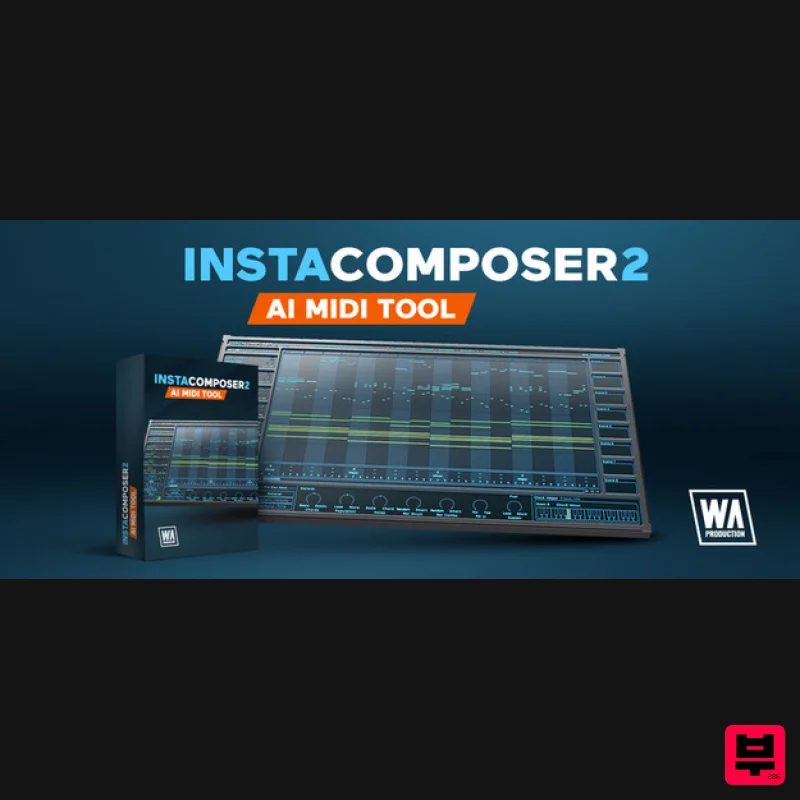
SongWish InstaComposer 2 Upgrade from InstaComposer 1
- • Visualize scales and chord relationships
- • Key analysis of existing MIDI
- • Chord progression suggestions
- • May interfere with intuitive composition
- • Suggestions can be overly conventional
- • Can create formulaic chord progressions
How to Choose the Best Music Theory Tools
Algorithmic Accuracy
Measures how precisely the plugin implements complex musical theory concepts, ensuring the generated harmonies and scales are mathematically sound.
Sonic Versatility
Evaluates the range of musical contexts the plugin can handle, from classical counterpoint to modern electronic soundscapes, demonstrating its adaptability.
Workflow Integration
Assesses how seamlessly the plugin fits into the DAW environment, focusing on intuitive control mapping and real-time manipulation capabilities.
Sound Signature
Examines the unique tonal quality and expressive character that SongWish plugins impart, ensuring the sound is rich and usable for final mixes.
Feature Depth
Measures the complexity and breadth of the theoretical tools included, such as chord inversion options, modal interchange, and voice leading capabilities.
Buying Guide
For serious theorists and composers, SongWish offers unparalleled depth, making it an essential tool for developing original musical ideas. Don't just look at the preset; evaluate the underlying mathematical structure to ensure the theory you are generating is robust. A practical tip: Start with the foundational harmony tools to build your theoretical understanding before moving to advanced orchestration features.
Our Methodology
We rigorously tested SongWish's suite against established criteria, prioritizing algorithmic accuracy, sonic fidelity, ease of use, and versatility across different musical genres. The ranking reflects the plugin's utility in bridging the gap between complex theory and practical sound design.

