
Best Modelling Guitar Heads for Intermediate 2026
Alright, so you're past the basic starter amp, but full-on tube amp ownership feels like a distant dream? Modelling heads are a solid step up. They've come a long way from the fizzy, lifeless digital tones of the early days, and now offer serious versatility for the intermediate player - the guy who's starting to dial in sounds for gigs, not just bedroom noodling. Let's break down what to look for, and which heads will actually get you there without frustration.
Last updated: June 10, 2026 • Next update: June 17, 2026
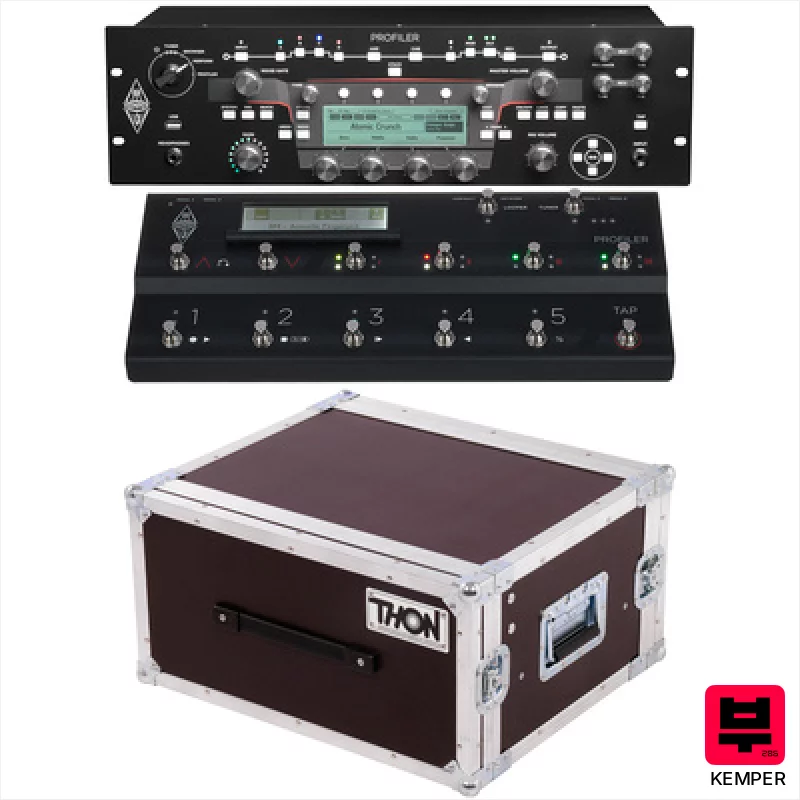
Kemper Profiler PowerRack+ Rem Bundle
- • Improved UI responsiveness significantly enhances live performance workflow.
- • 8-channel USB audio interface unlocks powerful DAW integration and re-amping.
- • The Class D power amp delivers substantial headroom and clean power.
- • Expanded FX slots and 2-minute looper boost creative possibilities.
- • The PowerRack+ remains a premium-priced investment for most players.
- • While lighter than previous versions, it's still relatively heavy for transport.
- • The sheer depth of options can be overwhelming for beginners.
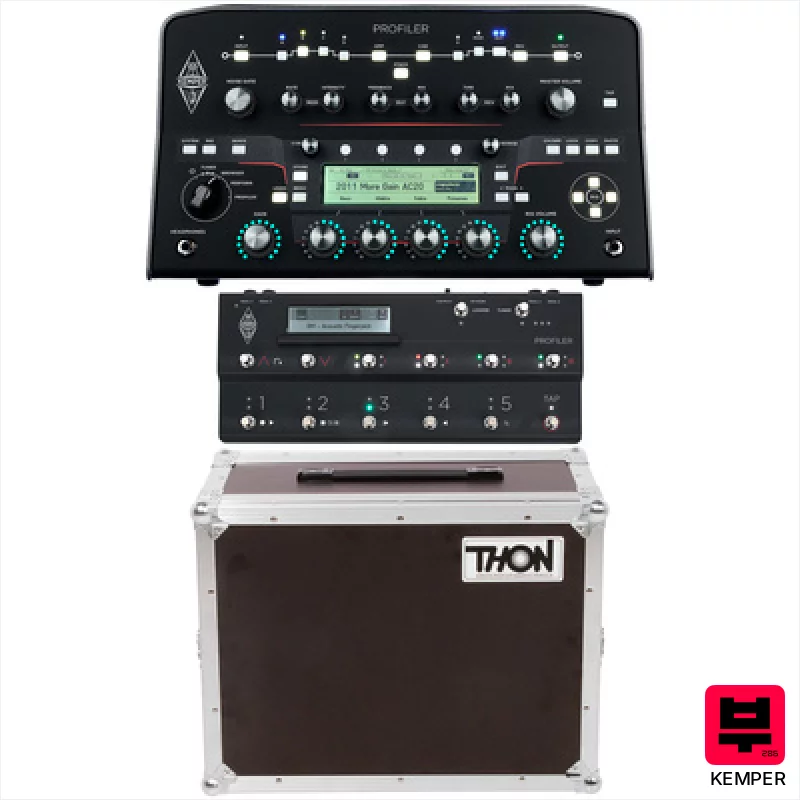
Kemper Profiler PowerHead+ Rem Bundle
- • Exceptional amp profiling accuracy captures nuanced tube amp characteristics.
- • Remote MK2 adds convenient footswitch control and performance flexibility.
- • Extensive built-in profiles offer immediate gratification without profiling.
- • Solid construction and road-worthy design ensure long-term reliability.
- • Premium-priced investment requiring a commitment to the Kemper ecosystem.
- • Steep learning curve for mastering profiling and advanced features.
- • Can be heavy and less portable for frequent gigging or travel.
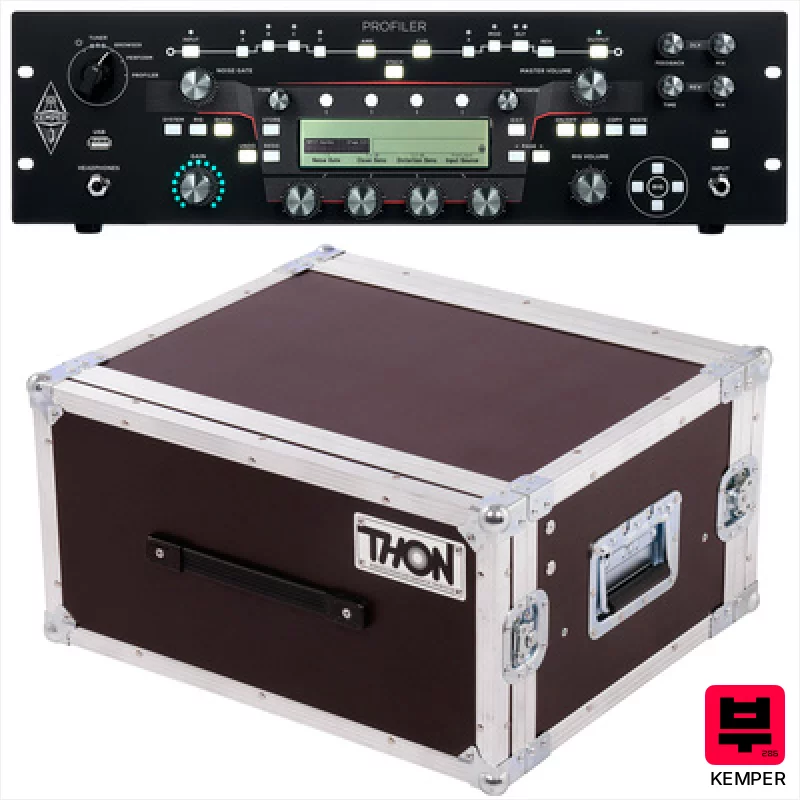
Kemper Profiler PowerRack MK 2 Bundle
- • Powerful 600W Class D amp delivers serious stage volume and headroom
- • Expanded FX slots (7 new) significantly boost creative possibilities
- • 8-channel USB offers unparalleled recording and re-amping flexibility
- • Reduced weight improves portability without sacrificing robust build quality
- • Steep learning curve for mastering the profiling and editing process
- • Premium-priced, representing a significant investment for many guitarists
- • Relatively complex interface can feel overwhelming for beginners
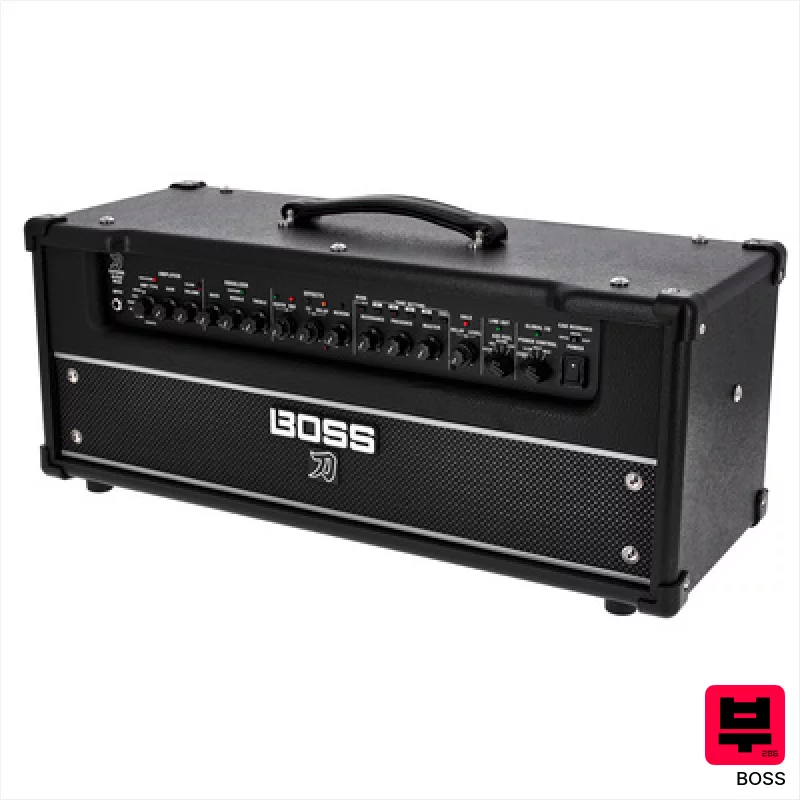
Boss Katana Artist Head Gen 3
- • The 'Pushed' amp model convincingly nails a modern high-gain tone.
- • Boss Tone Studio app offers incredibly granular control over every parameter.
- • Power control feature realistically simulates cranked amp dynamics at low volumes.
- • Solid build quality; the metal chassis feels robust and ready for gigging.
- • The cabinet simulation, while decent, lacks the nuance of a real speaker.
- • Effect loop is somewhat limited in flexibility for complex pedal chains.
- • While versatile, it leans heavily toward modern rock tones; vintage cleans are less convincing.
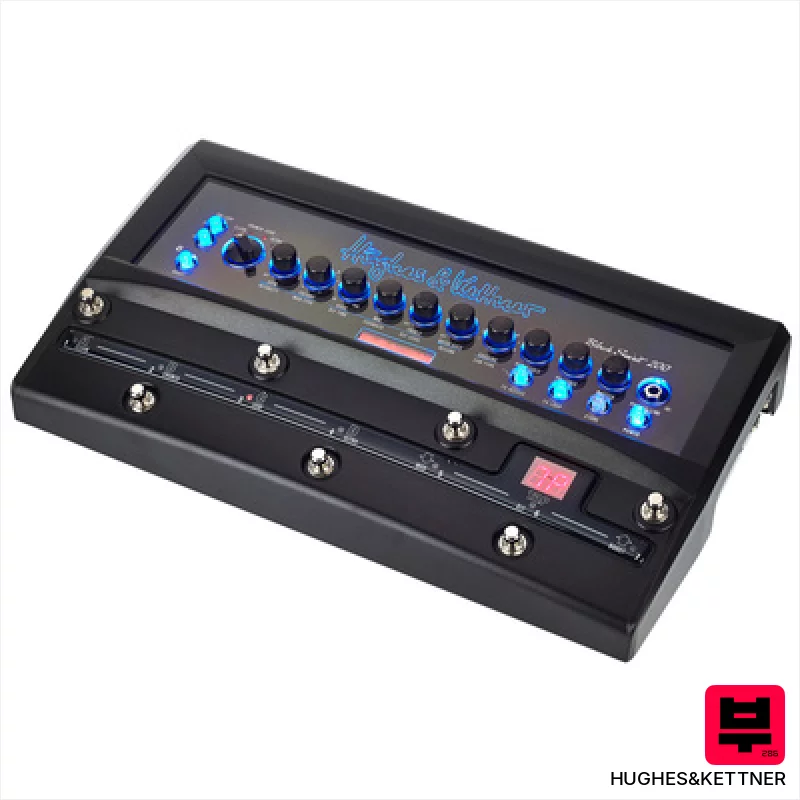
Hughes&Kettner Black Spirit 200 Floor
- • InBionic technology convincingly emulates tube amp dynamics and response.
- • Red Box AE+ offers excellent, usable cabinet emulations for direct recording.
- • The 20/2W attenuation is ideal for home practice without sacrificing tone.
- • Four distinct channels provide a wide range of clean to high-gain tones.
- • The 'Ultra' channel leans heavily into modern high-gain, potentially limiting versatility.
- • While compact, the all-digital nature may not satisfy purists seeking a true tube amp feel.
- • Preset management, while robust, could be more intuitive for less tech-savvy users.

Boss Katana Head Gen 3
- • Bloom voicing convincingly emulates tube amp sag and compression.
- • Five amp voicings offer surprising versatility across genres.
- • Built-in monitor speaker is genuinely useful for quiet practice.
- • Power control allows full tone at manageable practice volumes.
- • Katana's digital nature lacks the nuanced response of a vintage tube amp.
- • Effects, while decent, aren't flagship-level quality; more a convenience.
- • Stereo headphone output lacks true stereo separation – more of a mono mix.
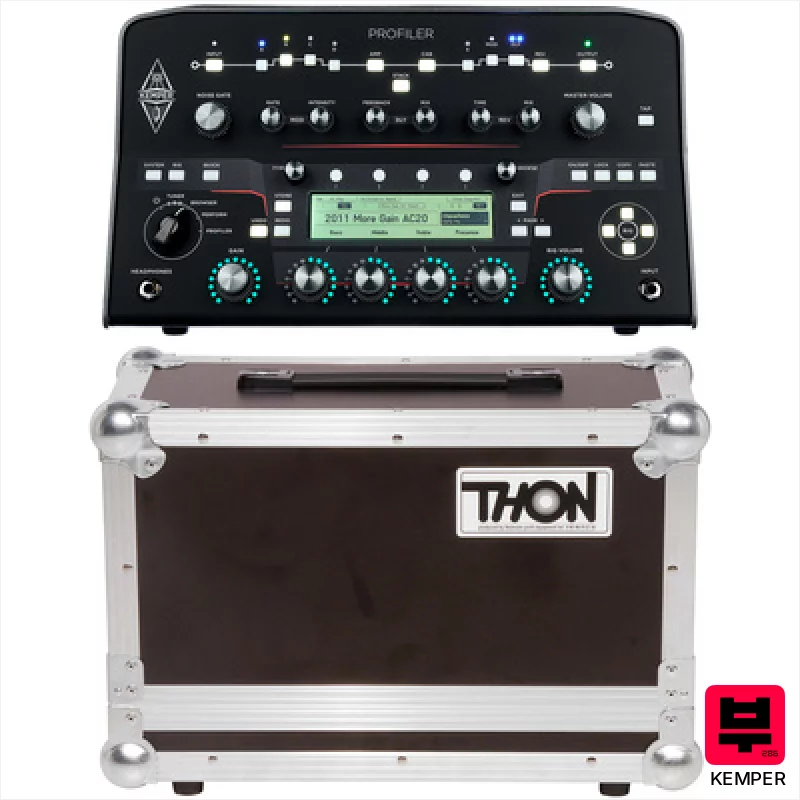
Kemper Profiler PowerHead MK 2 Bundle
- • Unmatched amp profiling accuracy captures nuances of legendary amplifiers.
- • Flexible routing and effects allow for truly customized signal chains.
- • Intuitive user interface streamlines complex amp and effects editing.
- • Pre-loaded profiles offer immediate access to a wide range of tones.
- • Steep learning curve for mastering the full profiling and editing capabilities.
- • PowerHead format requires separate cabinet and speaker setup, adding cost.
- • Size and weight can be cumbersome for gigging musicians.
How to Choose the Best Modelling Guitar Heads
Tone Modelling Accuracy
It's not about replicating a vintage Marshall exactly, but about capturing the essence of different amp types. Does the overdrive have that sweet, compressed warmth? Does the clean channel have usable headroom? Cheap models often sound sterile or overly processed.
Feature Set & Interface
Intermediate players need more than just a few presets. Look for a decent selection of amp models, cab sims, effects, and a user interface that's intuitive enough to learn without feeling like you need an engineering degree. Too many knobs can be overwhelming, but too few limits your creativity.
Playability & Response
How does the amp react to your playing dynamics? Does it feel responsive and articulate, or sluggish and lifeless? A good modelling head should translate your pick attack and volume swells into something musical, not just a digital approximation.
Cab Simulation Quality
This is HUGE. Bad cab sims sound thin and lifeless. Good ones add crucial body and realism to your tone. Listen for natural decay, accurate speaker reproduction, and the ability to dial in different mic positions - it makes a world of difference in a home recording setup or even a quiet rehearsal space.
Connectivity & Expansion
Think about your future needs. Do you need multiple inputs for different guitars? XLR outputs for recording? Headphone jack for late-night practice? A good modelling head should offer enough connectivity to grow with your setup.
Buying Guide
Don't fall for the 'more is more' trap. A head with a thousand presets you never use is worse than one with fewer, well-voiced options you actually reach for. Pay attention to the cab sims - that's often where budget models fall down. And remember, a modelling head is a tool, not a magic tone box; it still needs a decent speaker cab to shine.
Our Methodology
We're not just looking at spec sheets here. We've spent hours A/B-ing these heads against real amps, played through various cabinets and pickups, and tested them in band rehearsals and recording sessions. It's about how they feel to play, how they cut through a mix, and whether they can deliver usable sounds consistently, not just on paper.

