
Best Modelling Guitar Heads for Home Practice 2026
So, you want to crank out some riffs without annoying the neighbors? Modelling heads have come a long way, and for home practice, they're often the smartest move. Forget hauling a 4x12 cab around - these things let you dial in everything from a pristine Fender clean to a saturated high-gain rhythm tone, all through headphones or a small FRFR speaker. But not all modelers are created equal; we're breaking down the best options for serious players who actually want to sound good.
Last updated: May 20, 2026 • Next update: May 27, 2026
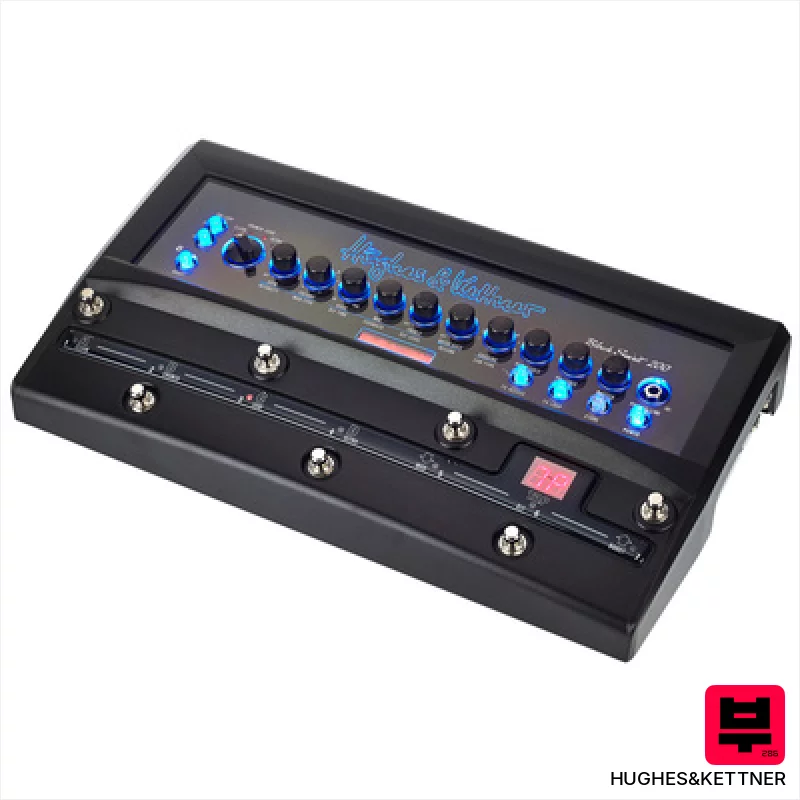
Hughes&Kettner Black Spirit 200 Floor
- • InBionic technology convincingly emulates tube amp dynamics and response.
- • Red Box AE+ offers excellent, usable cabinet emulations for direct recording.
- • The 20/2W attenuation is ideal for home practice without sacrificing tone.
- • Four distinct channels provide a wide range of clean to high-gain tones.
- • The 'Ultra' channel leans heavily into modern high-gain, potentially limiting versatility.
- • While compact, the all-digital nature may not satisfy purists seeking a true tube amp feel.
- • Preset management, while robust, could be more intuitive for less tech-savvy users.
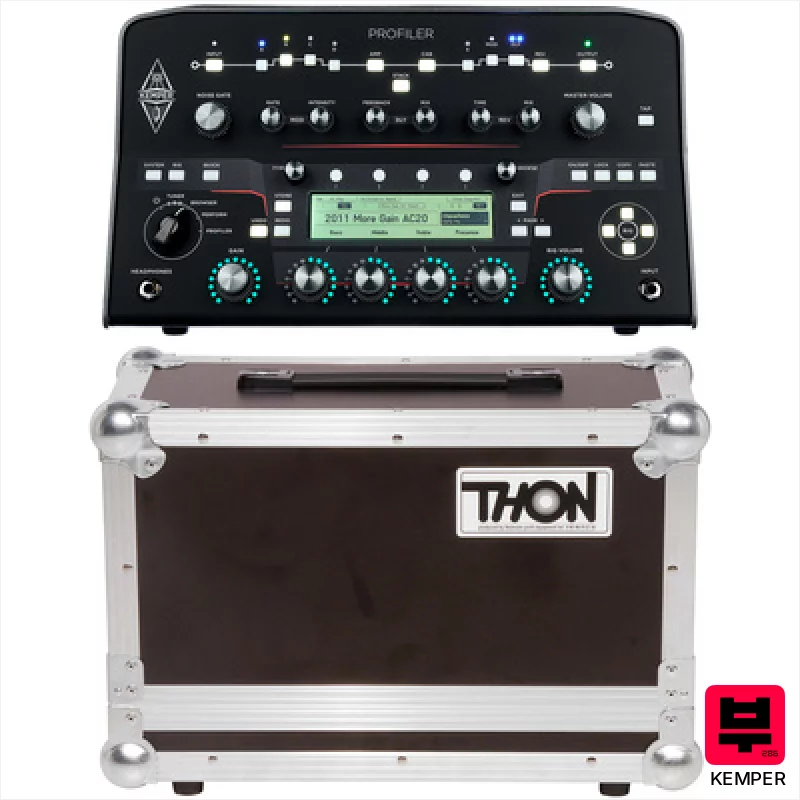
Kemper Profiler PowerHead MK 2 Bundle
- • Unmatched amp profiling accuracy captures nuances of legendary amplifiers.
- • Flexible routing and effects allow for truly customized signal chains.
- • Intuitive user interface streamlines complex amp and effects editing.
- • Pre-loaded profiles offer immediate access to a wide range of tones.
- • Steep learning curve for mastering the full profiling and editing capabilities.
- • PowerHead format requires separate cabinet and speaker setup, adding cost.
- • Size and weight can be cumbersome for gigging musicians.
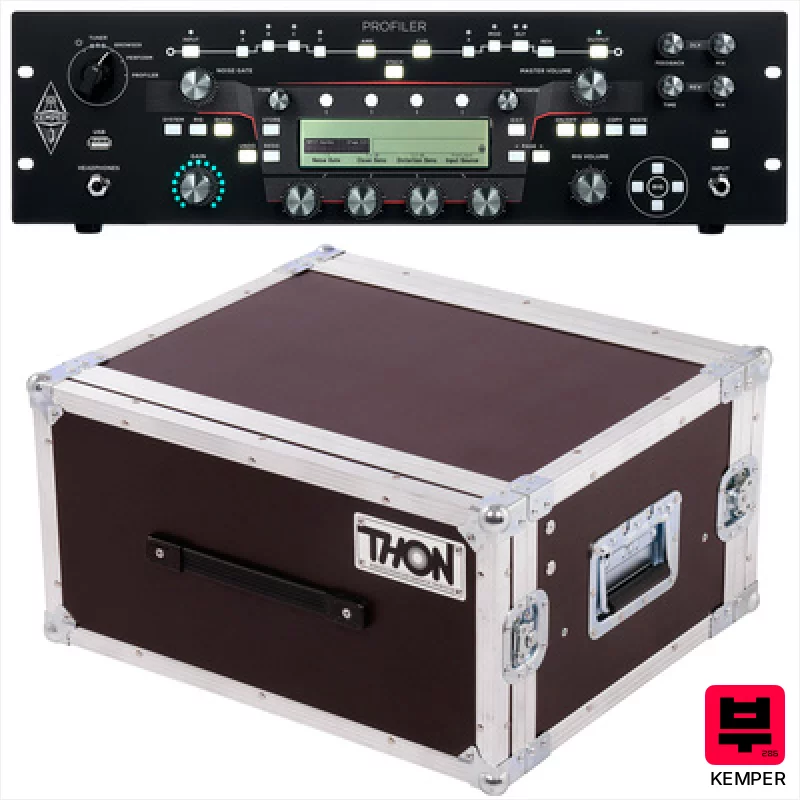
Kemper Profiler PowerRack MK 2 Bundle
- • Powerful 600W Class D amp delivers serious stage volume and headroom
- • Expanded FX slots (7 new) significantly boost creative possibilities
- • 8-channel USB offers unparalleled recording and re-amping flexibility
- • Reduced weight improves portability without sacrificing robust build quality
- • Steep learning curve for mastering the profiling and editing process
- • Premium-priced, representing a significant investment for many guitarists
- • Relatively complex interface can feel overwhelming for beginners
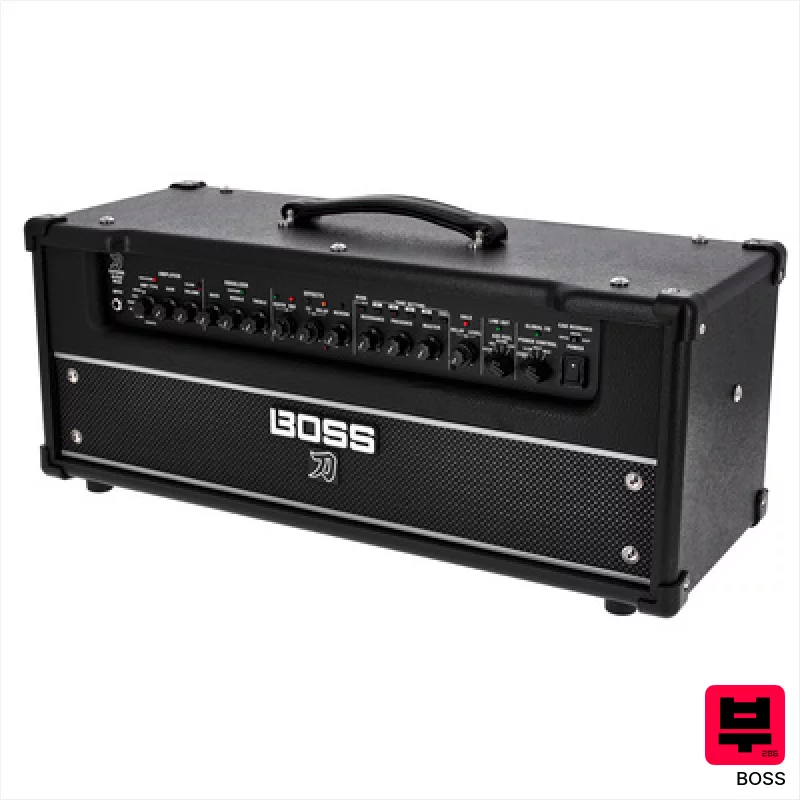
Boss Katana Artist Head Gen 3
- • The 'Pushed' amp model convincingly nails a modern high-gain tone.
- • Boss Tone Studio app offers incredibly granular control over every parameter.
- • Power control feature realistically simulates cranked amp dynamics at low volumes.
- • Solid build quality; the metal chassis feels robust and ready for gigging.
- • The cabinet simulation, while decent, lacks the nuance of a real speaker.
- • Effect loop is somewhat limited in flexibility for complex pedal chains.
- • While versatile, it leans heavily toward modern rock tones; vintage cleans are less convincing.
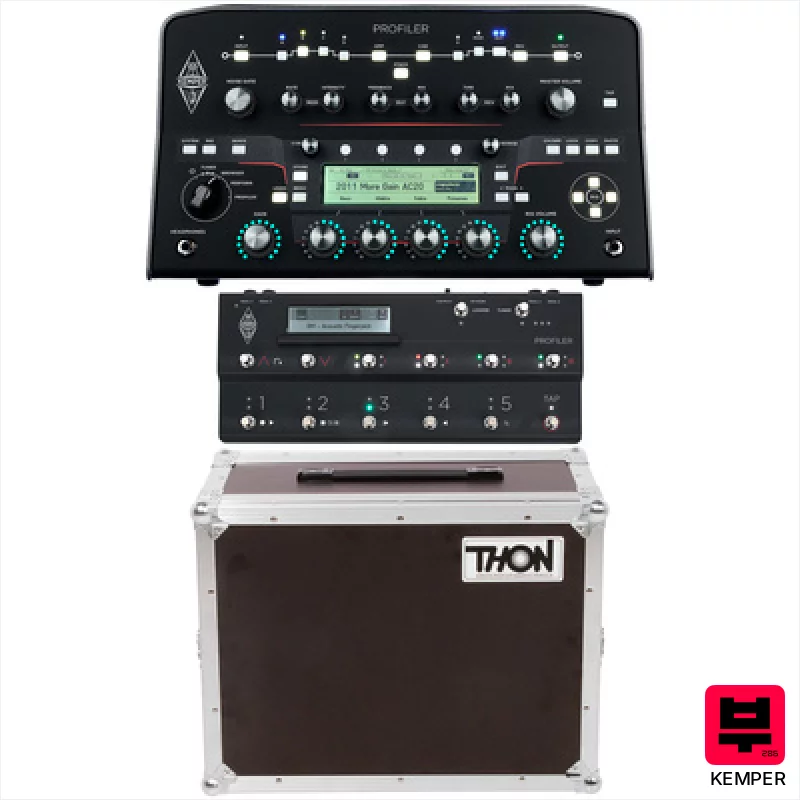
Kemper Profiler PowerHead+ Rem Bundle
- • Exceptional amp profiling accuracy captures nuanced tube amp characteristics.
- • Remote MK2 adds convenient footswitch control and performance flexibility.
- • Extensive built-in profiles offer immediate gratification without profiling.
- • Solid construction and road-worthy design ensure long-term reliability.
- • Premium-priced investment requiring a commitment to the Kemper ecosystem.
- • Steep learning curve for mastering profiling and advanced features.
- • Can be heavy and less portable for frequent gigging or travel.
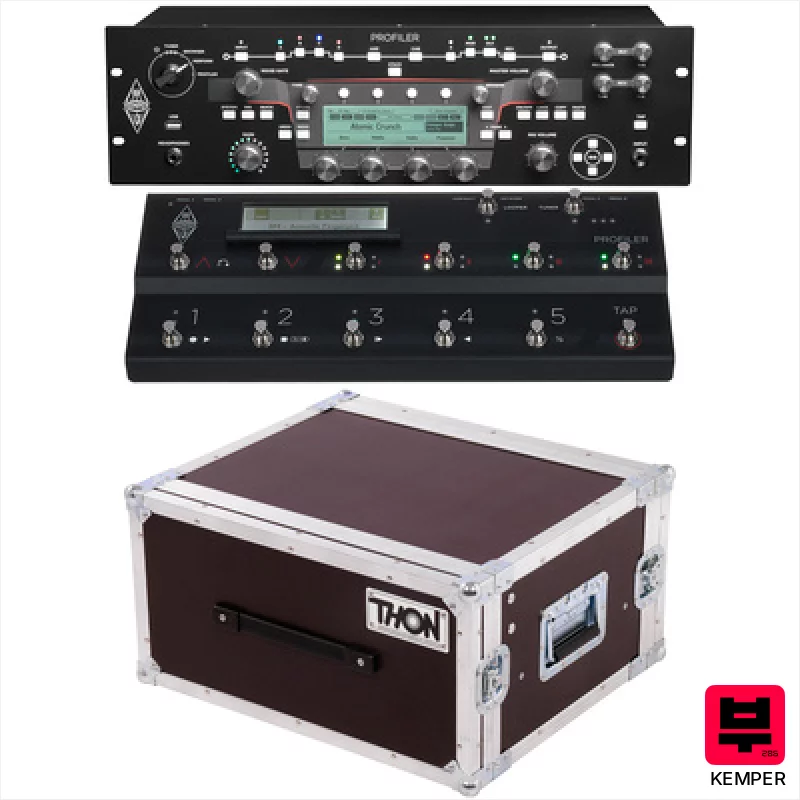
Kemper Profiler PowerRack+ Rem Bundle
- • Improved UI responsiveness significantly enhances live performance workflow.
- • 8-channel USB audio interface unlocks powerful DAW integration and re-amping.
- • The Class D power amp delivers substantial headroom and clean power.
- • Expanded FX slots and 2-minute looper boost creative possibilities.
- • The PowerRack+ remains a premium-priced investment for most players.
- • While lighter than previous versions, it's still relatively heavy for transport.
- • The sheer depth of options can be overwhelming for beginners.

Boss Katana Head Gen 3
- • Bloom voicing convincingly emulates tube amp sag and compression.
- • Five amp voicings offer surprising versatility across genres.
- • Built-in monitor speaker is genuinely useful for quiet practice.
- • Power control allows full tone at manageable practice volumes.
- • Katana's digital nature lacks the nuanced response of a vintage tube amp.
- • Effects, while decent, aren't flagship-level quality; more a convenience.
- • Stereo headphone output lacks true stereo separation – more of a mono mix.
How to Choose the Best Modelling Guitar Heads
Tonal Accuracy
Does it actually sound like the amps it's modelling? We're not just talking about a ballpark resemblance; we're listening for the nuances - the subtle compression on a Plexi, the distinct sag of a Twin Reverb, the fat midrange honk of a Marshall. Cheap modelers often fall short here, sounding sterile and lifeless.
Versatility
Can it cover your needs? A jazz player needs something different than a metalhead. A good modelling head should offer a wide range of amp models, cab simulations, and effects, allowing you to dial in anything from clean blues tones to crushing high-gain leads.
Noise Floor
This is huge for home practice. A noisy amp is distracting and makes it harder to hear yourself. We're looking for heads with low inherent noise, especially when pushing the gain stages - a quiet signal chain is a productive signal chain.
Impulse Response (IR) Flexibility
Cab simulations are a massive part of the tone. The best modelers let you load your own IRs, which drastically improves realism. Factory cabs are often decent, but custom IRs can take a modeler from 'okay' to 'amazing'.
User Interface/Workflow
Let's be honest, fiddling with menus shouldn't be a chore. A logical, intuitive interface makes dialing in tones faster and easier, which means more time playing and less time frustrated.
Buying Guide
Don't expect a $500 modeler to perfectly replicate a $3000 vintage amp. That's just not going to happen. However, a well-chosen modeller can get you 90% of the way there for a fraction of the cost. Pay attention to the quality of the cab simulations - that's where many modelers fall down. And remember, a good pair of headphones or a decent FRFR speaker is just as important as the head itself; don't skimp on those.
Our Methodology
We're not just looking at spec sheets here. We've spent weeks with each head, plugging them into a variety of guitars - from Strat single-coils to humbucker-loaded Les Pauls - and running them through a range of scenarios, from quiet bedroom noodling to simulating band rehearsal volume. A/B comparisons against real amps are crucial, and we're listening for that 'something missing' that separates the good from the truly convincing.

