Best Ortega Miscellaneous Classical Guitars 2026

Premium Ortega miscellaneous classical guitars - legendary tone and craftsmanship

Last updated: September 7, 2026

The best miscellaneous classical guitars in 2026 are Ortega RTP-LTD (top pick), Ortega RTPG-LS2 for tighter budgets, and Ortega RTPG-LS1 for pros — selected from 11 options, priced $180–$835, ranked by brand, price and popularity.
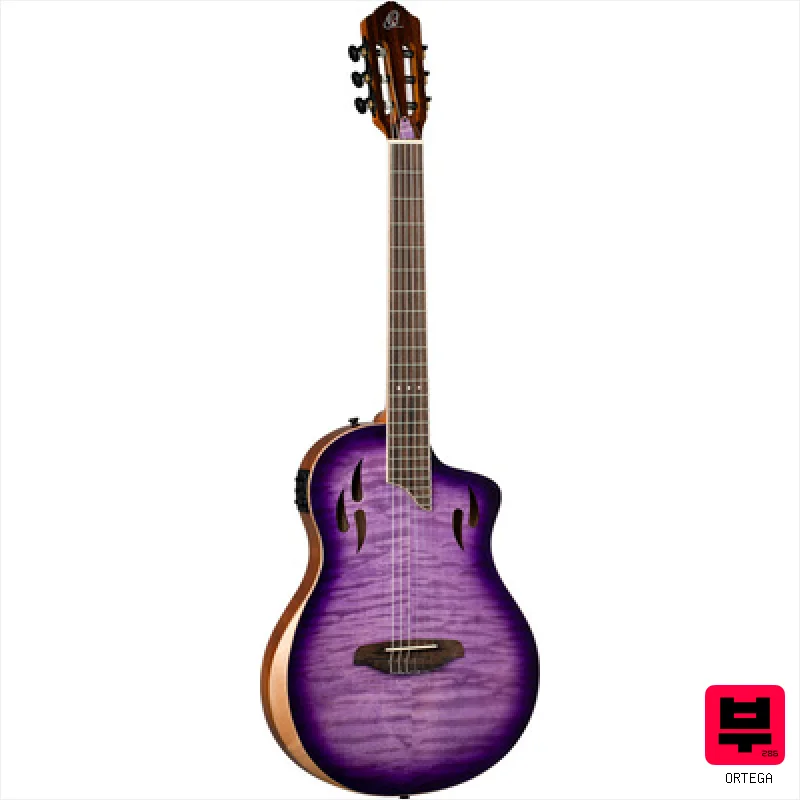
Ortega RTP-LTD - Professional Music Instrument Photo
#1

Ortega RTP-LTD

Nut width 48 mm (1.89") Scale 650 mm (25.59") Frets 22 frets Fingerboard Laurel fingerboard
Unique Designs Custom Features Experimental Music
Key Feature:
This guitar hits the road hard with its solid cedar top and built-in pickup. The Okoume body keeps costs down while the cutaway design lets you reach higher frets easily. It suits players who need a reliable workhorse for both home practice and small gigs without breaking the bank.
PROS
  • • Solid cedar top offers a bright, direct attack for fingerstyle players.
  • • Two-way truss rod allows precise neck adjustment for playability.
  • • Flamed maple binding adds a touch of classic visual appeal.
  • • Built-in rechargeable pickup makes it ready for stage performance.
CONS
  • • Okoume wood back and sides lack the density of traditional rosewood.
  • • Laurel fingerboard can feel slick and slippery for some hands.
  • • No weight specification listed makes comfort at full volume uncertain.
4.7/5 AudioFu Score
Specs:
8/10
Detail:
8/10
Value:
6/10
Art. 633348
$685
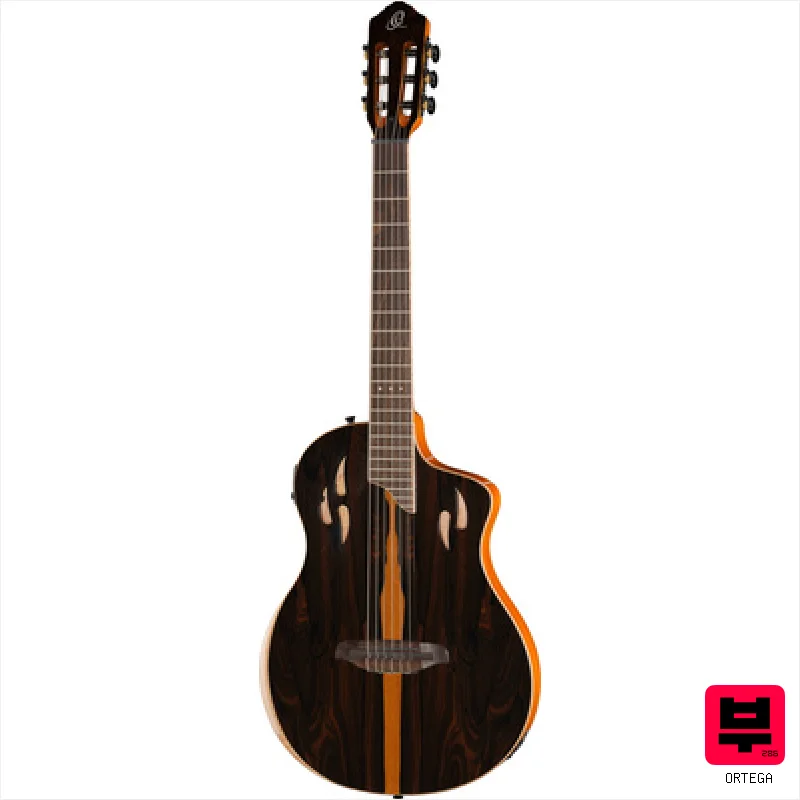
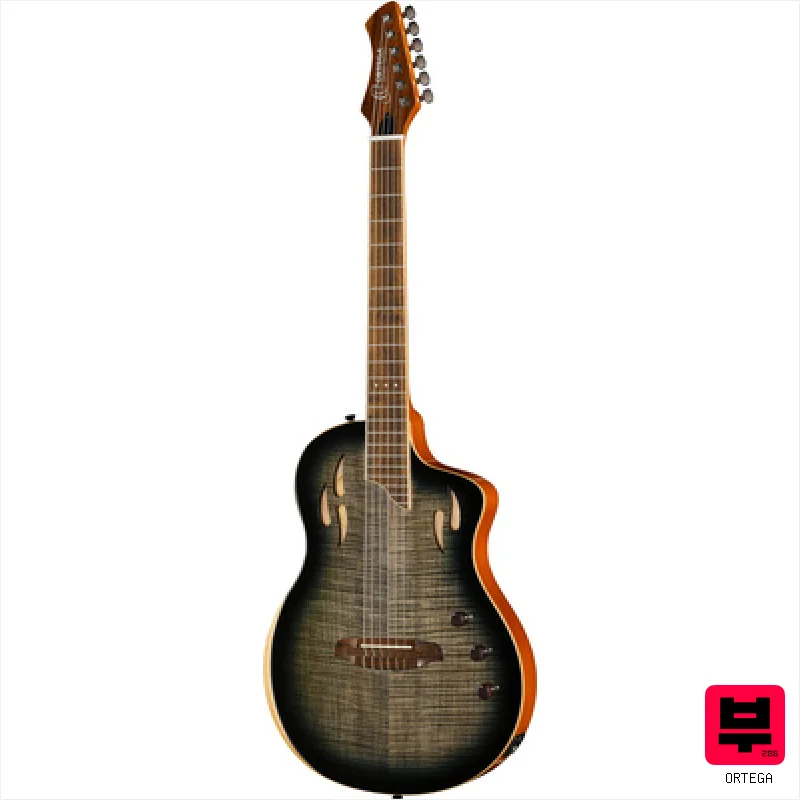
Ortega RTPG-LS2 - Professional Music Instrument Photo
#2

Ortega RTPG-LS2

Nut width 48 mm (1.89") Scale 650 mm (25.59") Frets 22 frets Fingerboard Laurel fingerboard
Creative Expression Custom Features Unique Designs
Key Feature:
This guitar gives you a real sound from the solid spruce top while letting you plug in with the rechargeable pickup. The cutaway shape helps you play the upper frets without straining. It suits both students and players who want acoustic clarity plus silent recording options.
PROS
  • • Solid spruce top offers strong acoustic response
  • • Cutaway design lets you reach high frets easily
  • • Rechargeable Magus pickup provides silent play
  • • Flamed maple binding adds nice visual detail
CONS
  • • Okoume back and sides lack deep tonal depth
  • • No weight data listed in the description
  • • Lauel fingerboard may not suit all players
4.7/5 AudioFu Score
Specs:
8/10
Detail:
8/10
Value:
6/10
Art. 633346
$812
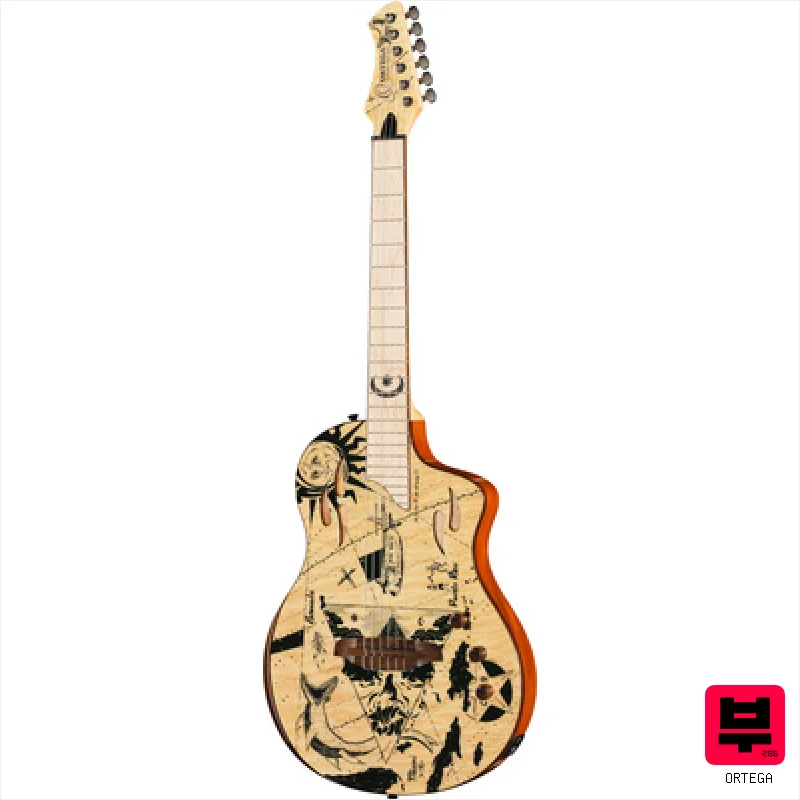
Ortega RTPG-LS1 - Professional Music Instrument Photo
#3

Ortega RTPG-LS1

Nut width 48 mm (1.89") Scale 650 mm (25.59") Frets 22 frets Fingerboard Laurel fingerboard
Custom Features Alternative Classical Contemporary Classical
Key Feature:
This guitar plays like a real spruce-top instrument thanks to its solid top. The Okoume body is nice looking but won't hold the resonance of true solidwood. The built-in rechargeable pickup makes it perfect for playing in bars or on stage. It fits beginners and intermediate players who need a reliable workhorse. You get a cutaway shape that reaches high notes easily.
PROS
  • • Solid spruce top for strong projection
  • • Flamed maple binding adds visual flair
  • • Rechargeable Magus pickup for live use
  • • 4/4 cutaway design for easy access
CONS
  • • Okoume back and sides limit sustain
  • • No weight or balance specs listed
  • • Laurel fingerboard may warp in heat
4.7/5 AudioFu Score
Specs:
8/10
Detail:
8/10
Value:
6/10
Art. 633339
$673
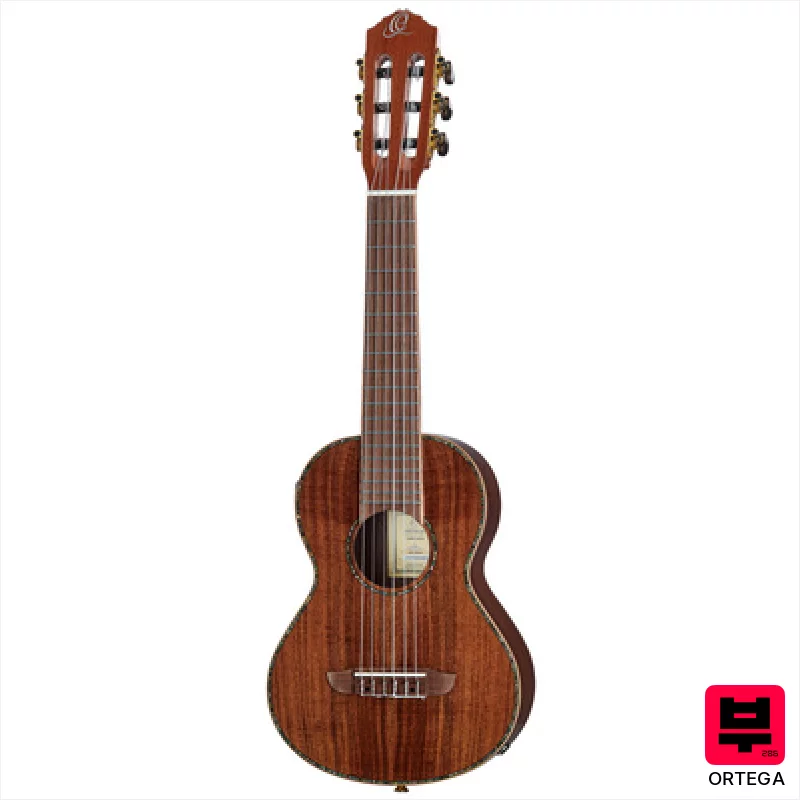
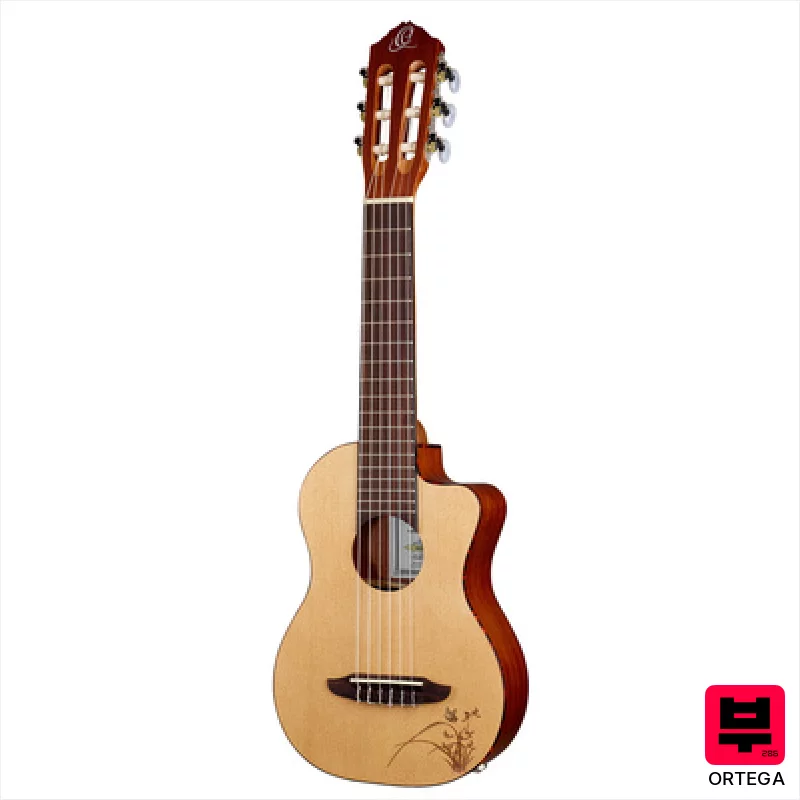
Ortega RGLE18ACA - Professional Music Instrument Photo
#4

Ortega RGLE18ACA

Nut width 47 mm (1.85") Scale 435 mm (17.13") Frets 18 frets
Alternative Classical Contemporary Classical Experimental Music
Key Feature:
The Ortega RGLE18ACA is a neat little package – a guitarlele with a built-in pickup. It's fantastic for beginners wanting a smaller instrument, ukulele players looking to expand their tonal palette, or anyone needing a compact acoustic-electric for travel. The sound is surprisingly full, and the pickup makes it surprisingly usable plugged in.
PROS
  • • Solid acacia top delivers a surprisingly warm and resonant tone, especially for a guitarlele.
  • • Ortega MagusUke pickup provides usable amplified sound; decent for small gigs or practice.
  • • Walnut fingerboard offers a smooth playing experience with a pleasant feel under the fingers.
  • • Gold-plated machine heads ensure stable tuning, a nice touch at this price point.
CONS
  • • Acacia back and sides, while visually appealing, limit the overall projection compared to rosewood.
  • • Guitarlele scale length restricts versatility; not ideal for players accustomed to full-size guitars.
  • • The natural high gloss finish, while attractive, can be prone to fingerprints and requires care.
4.6/5 AudioFu Score
Specs:
6/10
Detail:
7/10
Value:
8/10
Art. 533771
$406
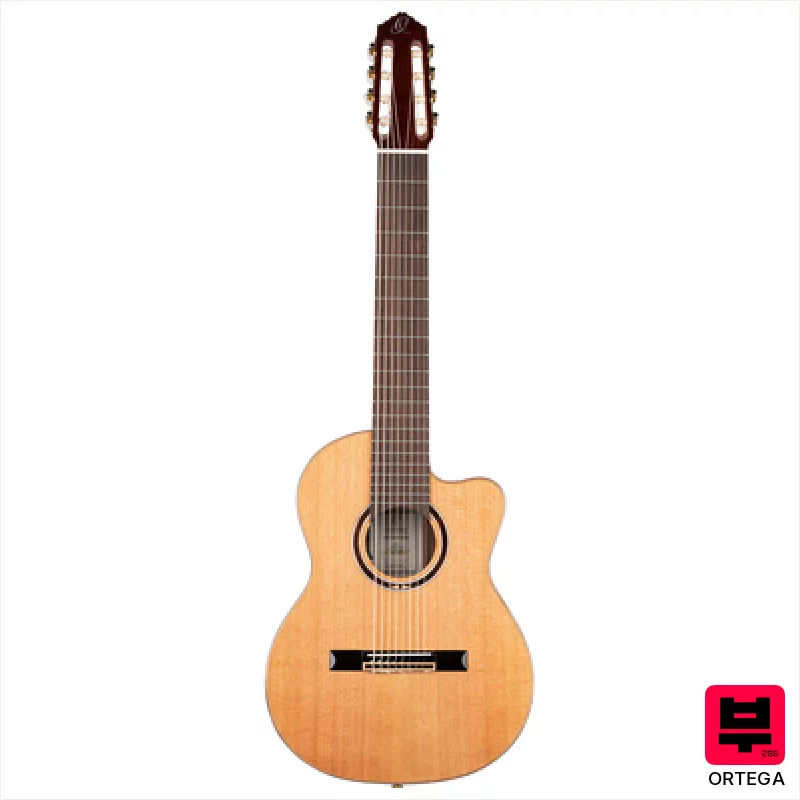
Ortega RGL5CE Guitarlele - Professional Music Instrument Photo
#5

Ortega RGL5CE Guitarlele

Nut width 47 mm (1.85") Scale 435 mm (17.13") Frets 18 frets
Custom Features Unique Designs Creative Expression
Key Feature:
The Ortega RGL5CE is a great entry point into the guitalele world. Its comfortable neck and surprisingly good sound make it ideal for beginners or anyone wanting a ukulele-like instrument with a slightly bigger voice. It’s a fun, affordable option for exploring new chord voicings and adding a unique texture to your music.
PROS
  • • Spruce top delivers a surprisingly bright and articulate tone for a guitalele.
  • • Mahogany back and sides add warmth and a pleasant resonance.
  • • Ortega Magus Uke pickup system provides a usable amplified sound for stage.
  • • Walnut fretboard and bridge offer a refined feel and contribute to sustain.
CONS
  • • 435mm scale length limits low-end response and string tension.
  • • Natural satin finish can feel a bit thin and prone to fingerprints.
  • • Limited tuning versatility; primarily suited for standard guitalele tuning.
4.6/5 AudioFu Score
Specs:
6/10
Detail:
6/10
Value:
9/10
Art. 377375
$196
Ortega RCE159RW-8 - Professional Music Instrument Photo
#6

Ortega RCE159RW-8

Frets 22 frets Strings 8-string Fingerboard Rosewood fingerboard
Custom Features Unique Designs Experimental Music
Key Feature:
The Ortega RCE159RW-8 is a surprisingly capable 8-string classical guitar, blending traditional construction with a useful onboard pickup. It's ideal for serious classical students or fingerstyle players who occasionally need to plug in – the solid cedar top offers a beautiful, classic tone, and the pickup system is a real bonus for stage or studio work.
PROS
  • • Solid cedar top delivers a warm, responsive, and articulate tone, excellent for classical and fingerstyle.
  • • Rosewood back and sides add depth and sustain, creating a richer, more complex sonic palette.
  • • MagusFly/G-8 pickup system offers surprisingly clean amplified tone, useful for recording and small gigs.
  • • Ortega Otmstd-gowh tuners provide reliable tuning stability, crucial for precise classical playing.
CONS
  • • Okoume neck, while stable, may not offer the same premium feel as a mahogany or Spanish cedar neck.
  • • Rosewood binding, while aesthetically pleasing, adds a bit of weight compared to simpler binding options.
  • • 8-string configuration limits versatility outside of classical and fingerstyle applications.
4.6/5 AudioFu Score
Specs:
6/10
Detail:
9/10
Value:
6/10
Art. 605778
$812
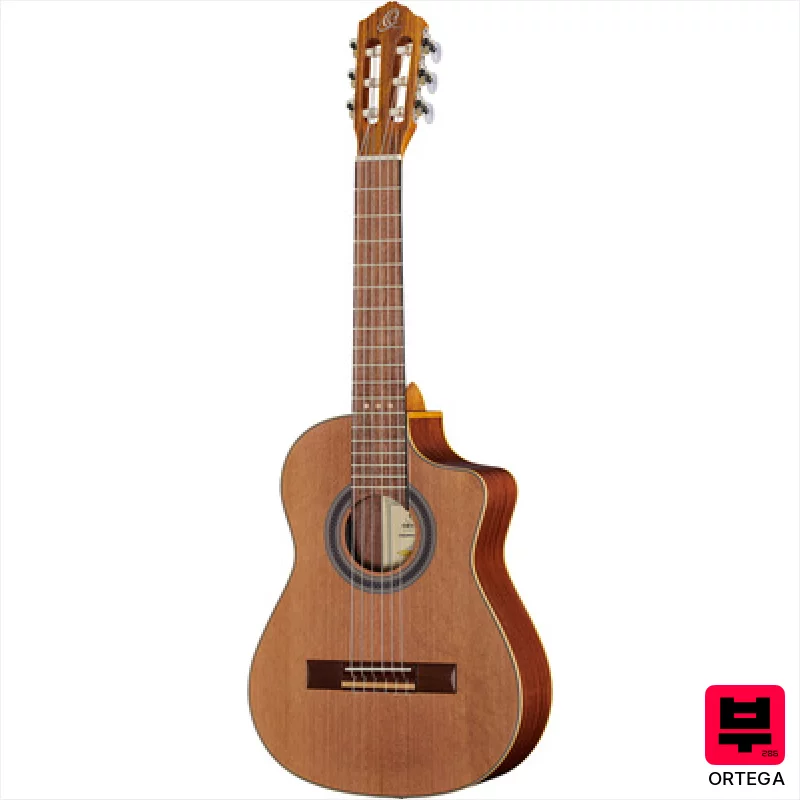
Ortega RCE158RW-8 - Professional Music Instrument Photo
#7

Ortega RCE158RW-8

Frets 22 frets Strings 8-string Fingerboard Rosewood fingerboard
Unique Designs Creative Expression Experimental Music
Key Feature:
The Ortega RCE158RW-8 is a unique offering – an 8-string classical with a solid top and a surprisingly capable pickup. It's a great choice for classical players wanting to experiment with richer harmonies or for those needing a stage-ready amplified sound. The build quality is solid for the price point, making it a compelling option.
PROS
  • • Solid spruce top delivers a bright, resonant tone with excellent projection.
  • • Rosewood back and sides add warmth and sustain, complementing the spruce.
  • • MagusFly/G-8 pickup system provides a surprisingly natural amplified sound.
  • • Okoume neck offers a comfortable playing feel and good stability.
CONS
  • • Rosewood binding, while attractive, can be prone to slight finish checking over time.
  • • The 8-string configuration limits versatility for players accustomed to standard 6-string guitars.
  • • The high-gloss finish may feel a bit slippery for some players, especially in humid conditions.
4.6/5 AudioFu Score
Specs:
6/10
Detail:
9/10
Value:
6/10
Art. 605772
$836
Ortega RQ39E Requinto - Professional Music Instrument Photo
#8

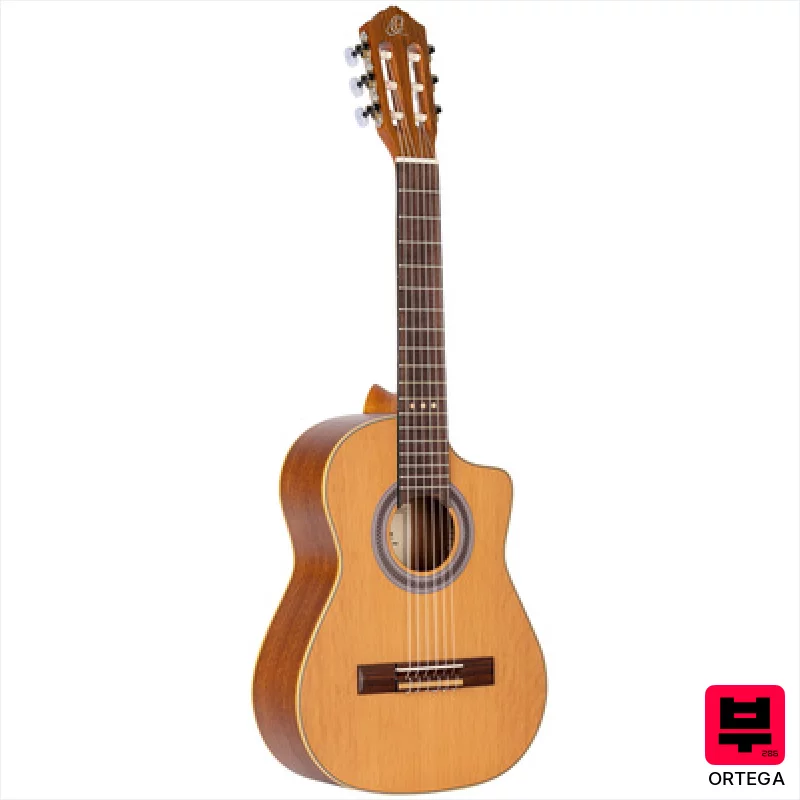
Ortega RQ39E Requinto

Nut width 50 mm (1.97") Scale 535 mm (21.06")
Custom Features Contemporary Classical Alternative Classical
Key Feature:
The Ortega RQ39E Requinto is a surprisingly well-built instrument, particularly considering its affordable price point. The solid cedar top gives it a pleasingly warm tone, while the Magusho pickup system makes it surprisingly versatile for small gigs or recording. It’s an excellent choice for students or players seeking a compact, amplified requinto with a traditional feel.
PROS
  • • Solid cedar top delivers warm, responsive tone ideal for classical and flamenco
  • • Okoume neck offers comfortable playability and good stability
  • • Ortega Magusho pickup system provides usable amplified sound without harshness
  • • Sapele back and sides add projection and sustain to the overall tone
CONS
  • • Sapele can occasionally exhibit a slightly 'boxed-in' resonance compared to rosewood
  • • Cutaway access is somewhat restricted, impacting higher fret reach
  • • Nut width of 50mm might feel narrow for players accustomed to wider classical necks
4.5/5 AudioFu Score
Specs:
4/10
Detail:
7/10
Value:
8/10
Art. 510610
$348
Ortega RQ39 Requinto - Professional Music Instrument Photo
#9

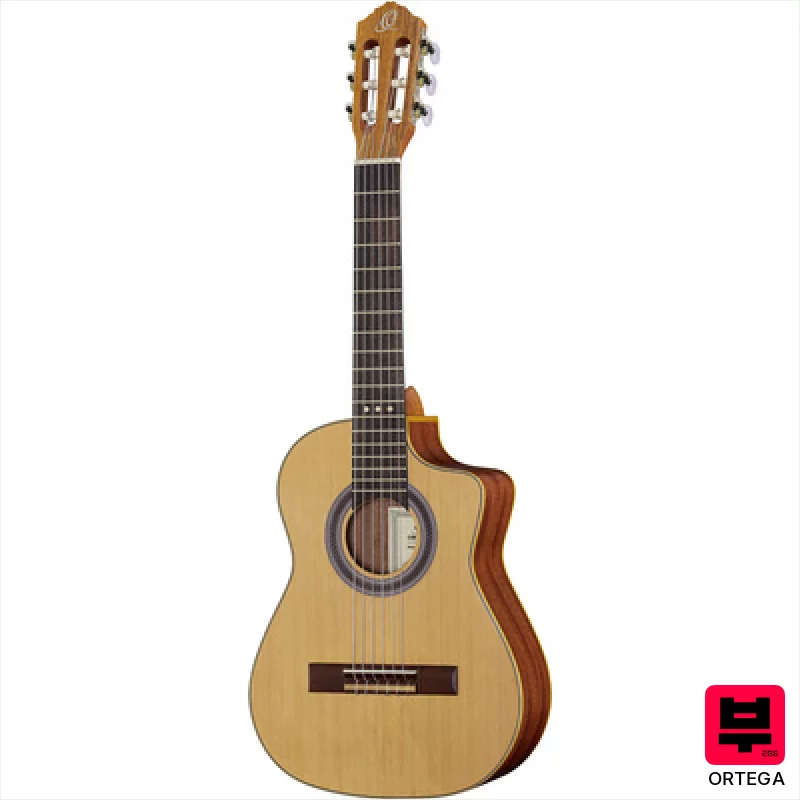
Ortega RQ39 Requinto

Nut width 50 mm (1.97") Scale 535 mm (21.06")
Contemporary Classical Experimental Music Custom Features
Key Feature:
The Ortega RQ39 is a really interesting little Requinto – it's built well and sounds surprisingly good for the price. The shorter scale makes it feel nimble, perfect for students or players who prefer a tighter feel. It's a solid option for those seeking a compact classical guitar without sacrificing too much tonal character.
PROS
  • • Solid cedar top provides a warm, responsive fundamental tone.
  • • Okoume neck offers a comfortable, stable playing experience.
  • • 535mm scale length suits smaller hands and faster playing.
  • • Cutaway allows easy access to higher frets for expanded range.
CONS
  • • Sapele back and sides, while attractive, limit overall projection.
  • • Walnut fingerboard can feel slightly harder than rosewood for some players.
  • • Nature matte finish might not appeal to those preferring a glossier aesthetic.
4.5/5 AudioFu Score
Specs:
4/10
Detail:
7/10
Value:
8/10
Art. 510609
$289
Ortega RQC25 Requinto - Professional Music Instrument Photo
#10

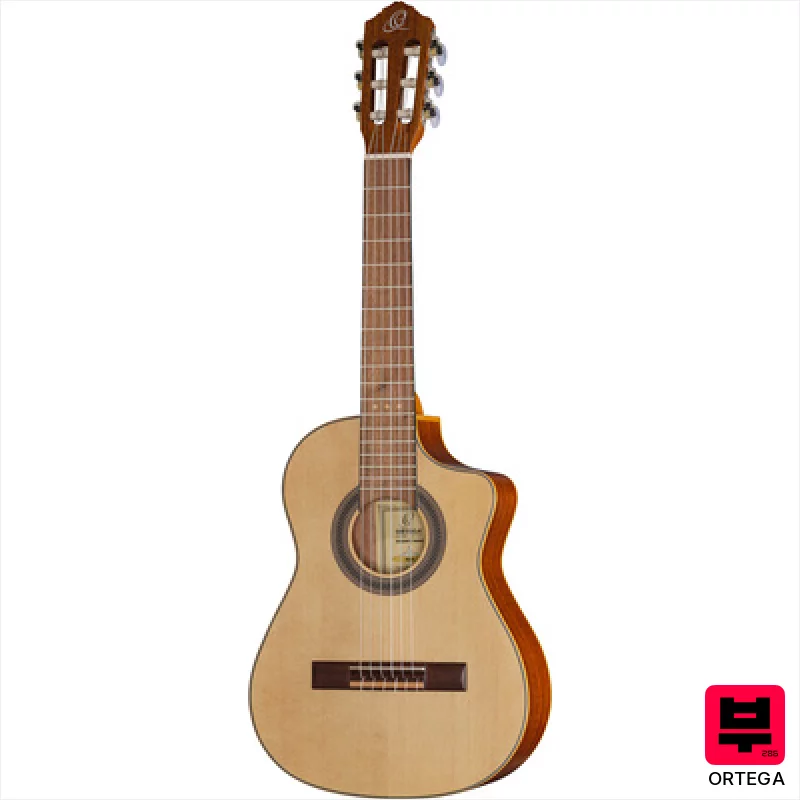
Ortega RQC25 Requinto

Nut width 50 mm (1.97") Scale 535 mm (21.06")
Contemporary Classical Creative Expression Custom Features
Key Feature:
The Ortega RQC25 is a surprisingly good value for a Requinto. Its cedar top delivers a pleasant warmth, and the shorter scale makes it very manageable. This is an excellent choice for students, smaller players, or those wanting to explore higher-register classical playing without a premium-priced instrument.
PROS
  • • Cedar top provides a warm, responsive fundamental tone.
  • • Okoum neck offers stability and a comfortable playing feel.
  • • Walnut fingerboard contributes to a smooth, articulate response.
  • • 535mm scale suits smaller hands or those preferring a tighter feel.
CONS
  • • Sapele back and sides may lack the projection of rosewood.
  • • Matte finish can feel less refined than gloss finishes.
  • • Requinto tuning requires adapting to a higher register.
4.5/5 AudioFu Score
Specs:
4/10
Detail:
6/10
Value:
9/10
Art. 510607
$185
Ortega RQ25 Requinto - Professional Music Instrument Photo
#11

Ortega RQ25 Requinto

Nut width 50 mm (1.97") Scale 535 mm (21.06")
Experimental Music Alternative Classical Custom Features
Key Feature:
The Ortega RQ25 is a surprisingly capable requinto, offering a bright and articulate voice thanks to the spruce top. It's a great option for students or smaller-statured players looking for a manageable scale and a responsive instrument without a premium price tag. The build quality is solid for the level, making it a reliable choice for practice and performance.
PROS
  • • Spruce top provides a bright, responsive tone suitable for agile playing.
  • • Sapele back and sides offer warmth and projection at this price point.
  • • Okoume neck delivers a comfortable feel and good stability.
  • • 535mm scale length is ideal for smaller hands and quicker runs.
CONS
  • • Sapele's tonal complexity won't match more premium rosewood options.
  • • Walnut fretboard may feel slightly harder than ebony to some players.
  • • Matte finish, while attractive, can show fingerprints more readily.
4.5/5 AudioFu Score
Specs:
4/10
Detail:
6/10
Value:
9/10
Art. 510606
$180

Miscellaneous Classical Guitars by the numbers

Measured across all 84 models in this category, so «wide», «short» or «expensive» mean something you can check.

Price
median $889
from $196 to $3,485
Nut width
median 48 mm (1.89")
from 45 mm (1.77") to 62 mm (2.44") · 80 models
Scale
median 650 mm (25.59")
from 535 mm (21.06") to 651.8 mm (25.66") · 74 models
Frets
median 21
from 18 to 23 · 49 models
Fingerboard
rosewood, ebony, pau ferro
most common · 36 models
Strings
median 7-string
from 7-string to 8-string · 13 models
Fingerboard radius
median 406 mm (15.98")
from 400 mm (15.75") to 500 mm (19.69") · 19 models
Body
mahogany, maple, spruce
most common · 22 models
Weight
median 2.1 kg
from 1.36 kg to 2.1 kg · 7 models

How This List Is Built

We don't play these instruments — we're a catalog, not a review desk, and we'd rather say so than pretend otherwise. This page covers 11 of 84 miscellaneous classical guitars from the Thomann catalogue, which is the largest single source of specification data in this category: 11 in detail, the rest listed with their specifications.

Position is computed, not curated. We parse the manufacturer's own description into actual values — nut width, scale, fret count, fingerboard radius, size, alloy — and rank on them: how many specifications a model has published, how many of them are measurable numbers, and how precisely it meets this page's criterion. A product image adds a little. Price is not a ranking signal: it tells you nothing about whether a neck fits your hand. The same inputs always produce the same order, so nothing here is shuffled to look fresh.

What this list is good for: narrowing a category down to a shortlist by spec and budget. What it isn't: a substitute for hearing an instrument. Before you buy, read hands-on reviews and, where you can, play it. Full methodology.

How to Choose the Best Miscellaneous Classical Guitars

Budget Planning

  • • Under $200: Entry-level
  • • $200-$500: Intermediate
  • • $500-$1000: Advanced
  • • $1000+: Professional

Quality Check

  • • Sound clarity & tone
  • • Build materials & finish
  • • Hardware durability
  • • Overall craftsmanship

Key Features

  • • Your musical style
  • • Skill level match
  • • Intended use case
  • • Brand reputation

Frequently Asked Questions

Key factors include build quality, sound characteristics, playability, brand reputation, warranty coverage, and value for money. Consider your musical style, skill level, and intended use to find the best match.
Budget depends on your needs and experience level. Beginners can find quality options for $200-500, intermediate players should consider $500-1500 range, while professionals often invest $1500+ for premium features.
Higher-priced miscellaneous classical guitars typically offer better materials, craftsmanship, and performance. They're worth it if you're serious about music, perform regularly, or need professional-grade features.
Top brands combine quality, innovation, and reliability. We evaluate brands based on build quality, sound performance, durability, and customer satisfaction to recommend the best options for different budgets.
Both have advantages. Online offers better prices and selection, while stores allow hands-on testing. We recommend researching online first, then testing in stores if possible. Many online retailers offer excellent return policies.

We use cookies to improve your experience. Learn more