
Best MIDI Footswitches for Advanced 2026
Look, you're not happy with just a few preset recalls from your amp modeler or pedalboard. You're chasing sonic textures, complex transitions, and total control over your rig. A basic footswitch just won't cut it anymore; you need a serious MIDI controller under your feet. This isn't about convenience; it's about expanding your creative palette and nailing those tricky parts live - and these are the footswitches that'll let you do it.
Last updated: September 30, 2026
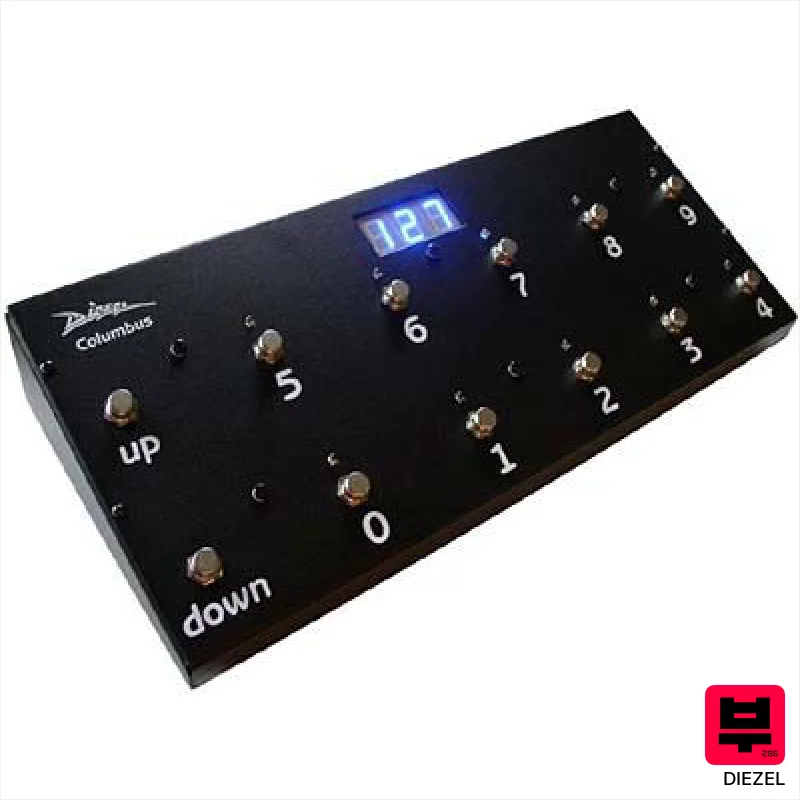
Diezel Columbus
- • Robust, metal footswitches provide tactile feedback and reliable performance.
- • Diezel Herbert integration simplifies complex amp routing and tonal shaping.
- • Large, backlit LED display ensures clear visibility even on dimly lit stages.
- • Bank up/down switches offer quick navigation through preset banks.
- • Limited compatibility – specifically excludes ENGL amplifiers, a significant restriction.
- • Requires optional interface for standard MIDI functionality, adding to overall cost.
- • The Herbert-specific connection limits versatility with other amp brands.

Fishman FC1 Foot Controller
- • Intuitive LCD simplifies program navigation and editing.
- • Solid build quality; feels robust for gigging use.
- • Integrated tuner is genuinely useful mid-performance.
- • Expression pedal input adds dynamic control over sounds.
- • Limited MIDI functionality compared to higher-end controllers.
- • TriplePlay dependency restricts broader MIDI device compatibility.
- • Footswitches feel a bit small, potentially awkward for larger feet.
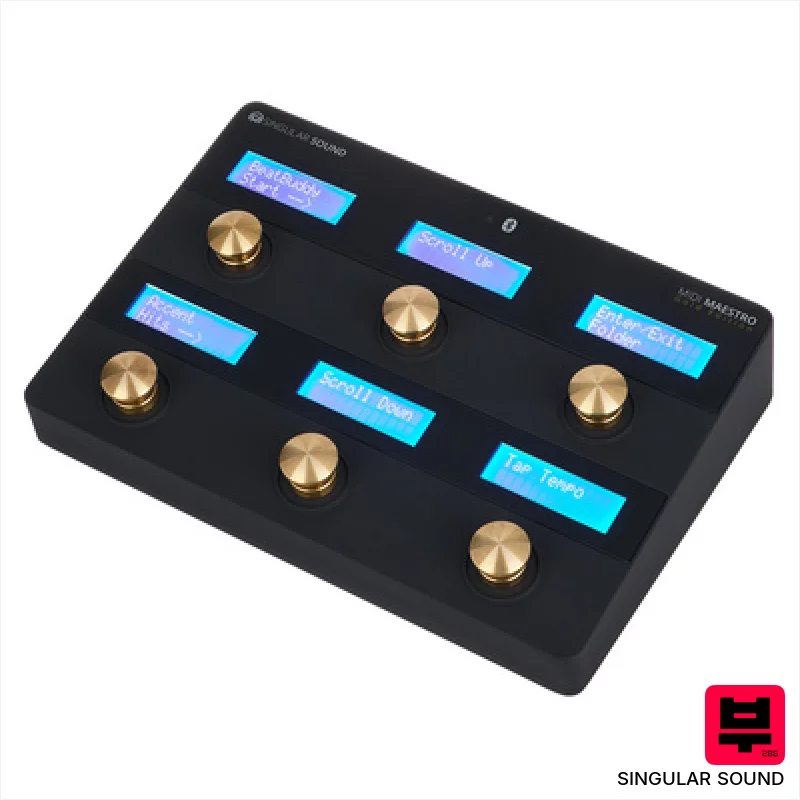
Singular Sound Midi Maestro GE Controller
- • Gold-colored footswitches offer a premium feel and visual appeal.
- • Customizable screens significantly improve preset visibility during live performance.
- • Dynamic pages per preset allow for complex MIDI command sequences.
- • Daisy-chaining expands control possibilities for extensive rigs.
- • The unit's weight (510g) can be a factor for pedalboard portability.
- • Limited to six footswitches might restrict advanced control needs.
- • Reliance on a mobile app for initial setup can be cumbersome for some users.

Engl Z12
- • Solid metal housing provides exceptional durability for gigging.
- • 12 buttons offer extensive program switching capabilities.
- • Phantom power option simplifies setup with Engl amplifiers.
- • Robust build quality reflects Engl's reputation for reliability.
- • Limited compatibility outside of the Engl ecosystem.
- • The size and weight (2.8 kg) make it less portable.
- • No backlight on buttons could be an issue in dimly lit environments.
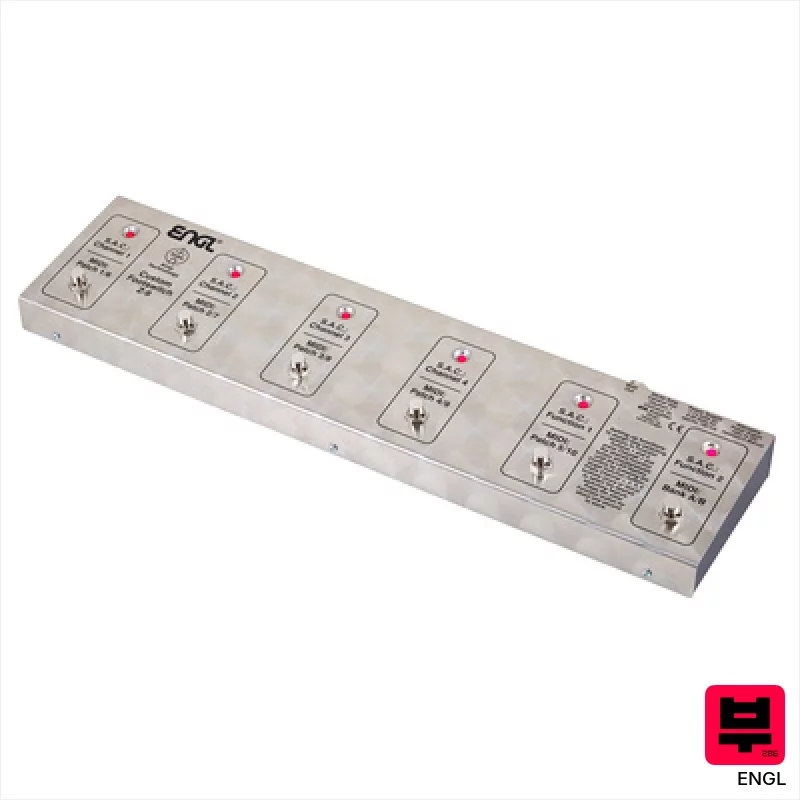
Engl Z9 MIDI Foot Controller
- • Robust metal housing provides excellent durability for stage use
- • S.A.C. mode offers simple, amp-powered control without extra gear
- • Six buttons allow for decent preset and function switching
- • Bank A/B functionality doubles the available control options
- • Requires a separate power supply for full MIDI functionality, adding cost/complexity
- • Limited button count restricts extensive program changes in complex setups
- • Connection versatility is restricted by the need for specific Engl amps for S.A.C.
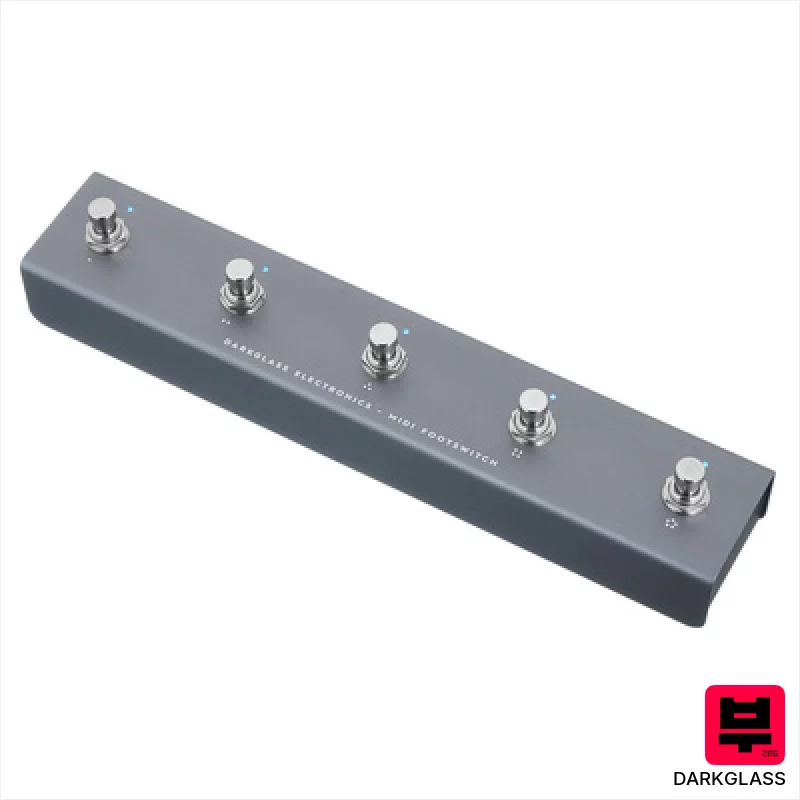
Darkglass Midi Footswitch
- • Darkglass Suite integration simplifies setup; templates streamline workflow significantly.
- • Robust build quality; the metal chassis feels solid and durable for stage use.
- • Flexible power options—USB, DC, or amp power—enhance portability and convenience.
- • Simultaneous MIDI message sending enables complex, layered control possibilities.
- • Limited to Darkglass ecosystem; broader MIDI compatibility would be a plus.
- • Form factor is a bit bulky; might be cumbersome for very small pedalboards.
- • Price point places it at the higher end of basic MIDI footswitch options.
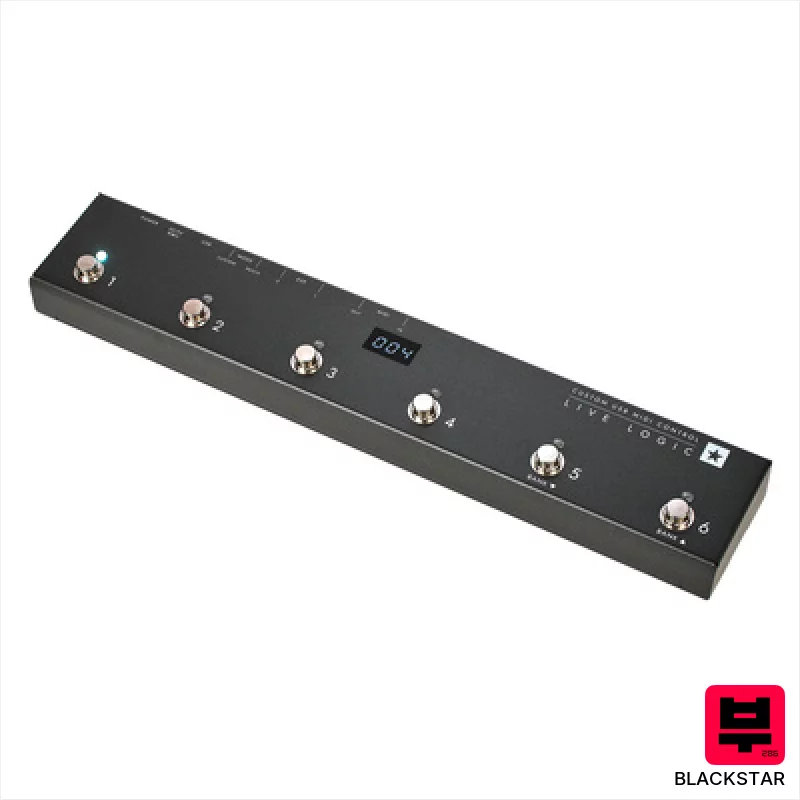
Blackstar Live Logic
- • Robust metal housing offers excellent road-worthiness
- • Six-way switch provides immediate, flexible control options
- • Expression pedal inputs expand dynamic performance possibilities
- • Ableton Live Lite inclusion adds immediate creative potential
- • Limited preset storage might frustrate complex setups
- • Relatively heavy for a compact MIDI controller
- • Requires a separate power supply, increasing overall cost
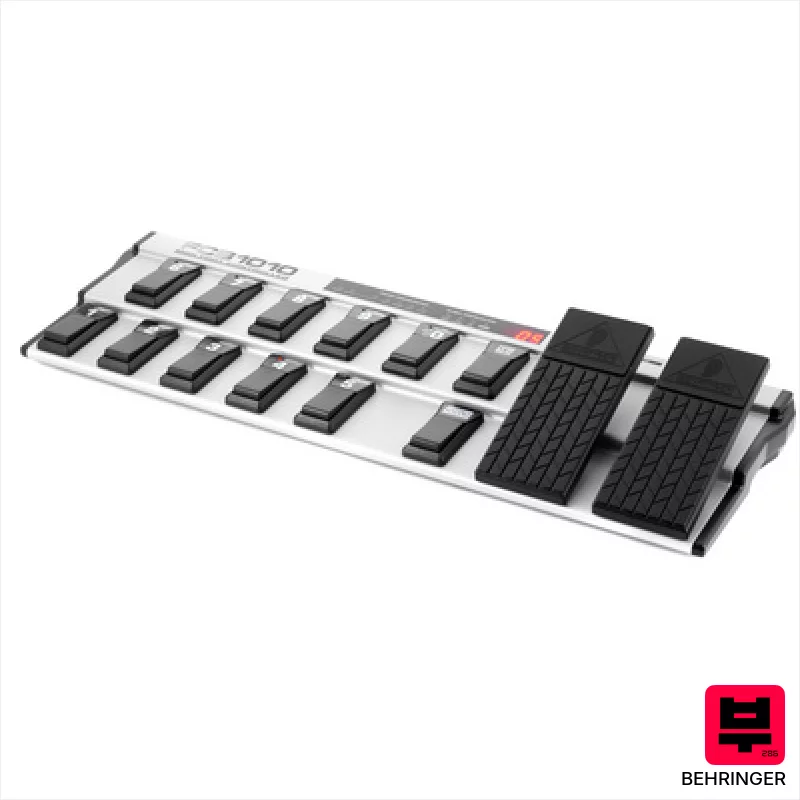
Behringer FCB1010
- • 10 banks of 10 presets offer extensive program change flexibility
- • MIDI merge capability simplifies complex multi-device setups
- • Expression pedals provide nuanced real-time control over amp parameters
- • Robust construction feels surprisingly solid for its price bracket
- • Plastic construction feels less premium than higher-end alternatives
- • Limited tactile feedback on footswitches can hinder quick, confident changes
- • MIDI implementation, while functional, lacks advanced features found in pro units
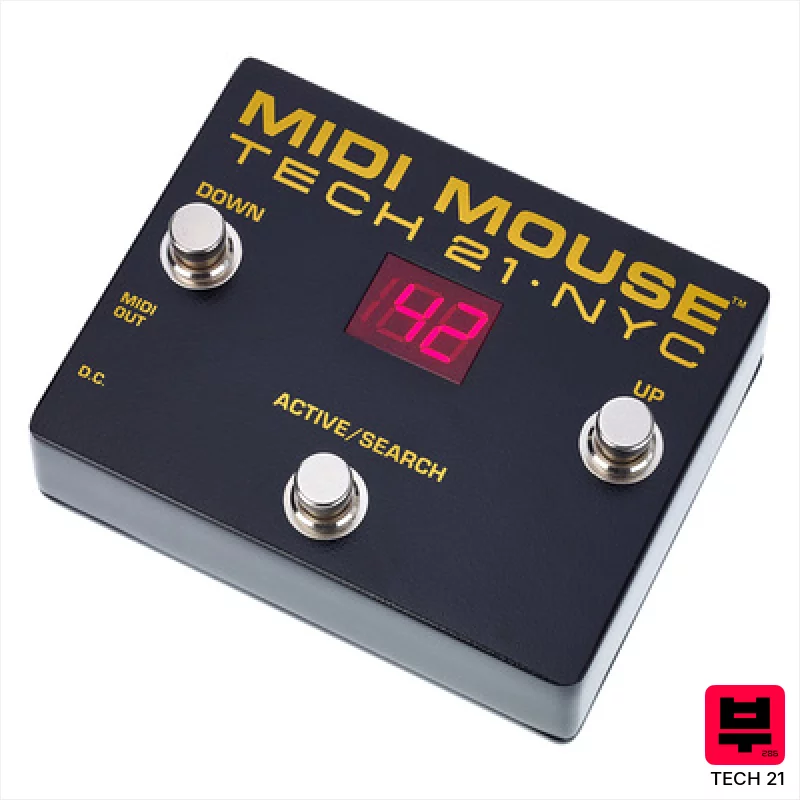
Tech 21 SansAmp MIDI Mouse
- • Compact size makes it ideal for pedalboard travel and cramped setups
- • Intuitive Up/Down and Activ/Search buttons streamline preset changes
- • Clear LED display ensures visibility even on dark stages
- • Versatile power options – battery, phantom, or external supply
- • Limited number of presets compared to larger MIDI controllers
- • Small form factor may make button operation less precise for some users
- • Reliance on MIDI connectivity limits standalone functionality
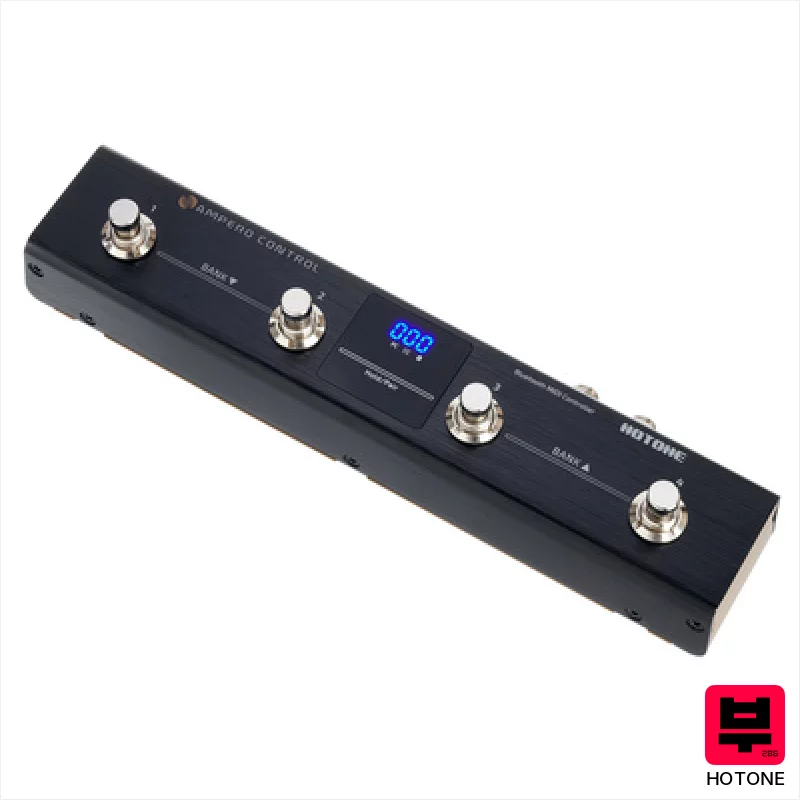
Hotone Ampero Control
- • Robust aluminum enclosure offers excellent protection during gigging.
- • User-friendly mobile app simplifies complex MIDI programming.
- • Flexible MIDI connectivity (USB, Bluetooth, standard MIDI) expands versatility.
- • Four footswitches with A/B grouping provide substantial control options.
- • Limited to 100 banks may feel restrictive for extensive setups.
- • No battery operation restricts use to powered environments.
- • The 3-digit LED display is somewhat basic and lacks detailed information.
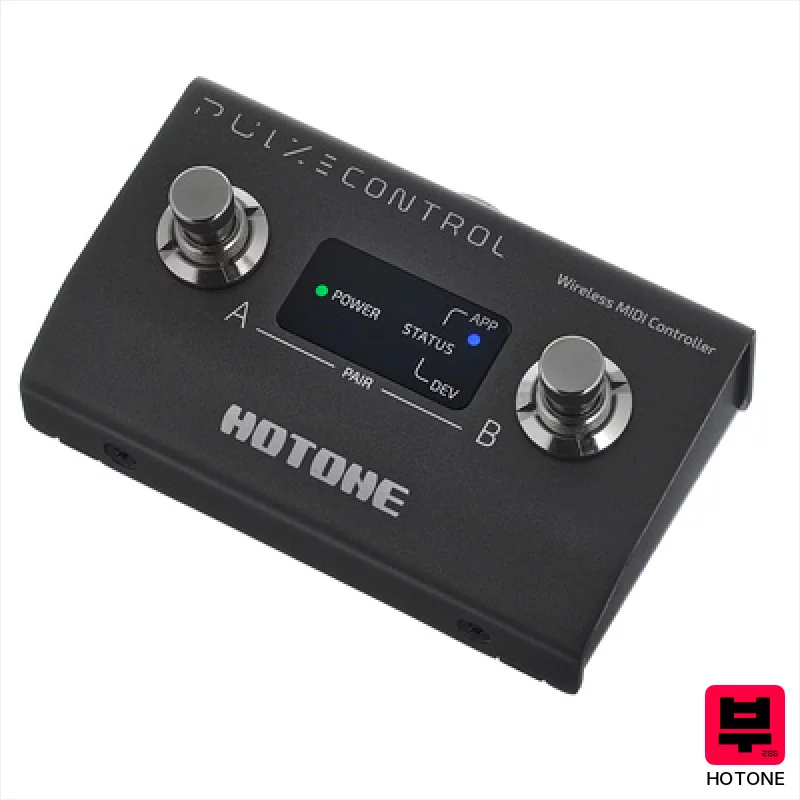
Hotone Pulze Control
- • Compact size ideal for pedalboards or travel setups.
- • Host/Client mode unlocks broader MIDI device compatibility.
- • App-based customization provides flexible control options.
- • Solid build quality suggests durability for gigging use.
- • Limited physical controls beyond footswitches can feel restrictive.
- • Battery life, while decent, might require frequent charging for extensive use.
- • Reliance on a mobile app for full configuration is a potential drawback.
MIDI Footswitches by the numbers
Measured across all 11 models in this category, so «wide», «short» or «expensive» mean something you can check.
How to Choose the Best MIDI Footswitches
Build Quality & Feel
Cheap plastic feels cheap under your foot, especially when you're sweating it out on stage. We're looking for solid construction, responsive switches with good tactile feedback - something that inspires confidence. A flimsy switch can fail at the worst possible moment.
MIDI Implementation & Routing
Can it do what you need it to? Simple preset changes are the bare minimum; we want to see support for program changes, continuous controller messages (CCs) for tweaking parameters on the fly, and ideally, the ability to create complex MIDI maps.
Customization & Editing
How much control do you have? The best MIDI footswitches offer deep editing options - custom LED colors, switch assignments, and the ability to create and load custom MIDI files. You shouldn't be locked into the manufacturer's preset configurations.
Playability & Foot Feel
This is about more than just switch travel. A well-designed footswitch should be comfortable to use, even during fast transitions. Consider the size, angle, and overall ergonomics - a cramped or awkward design will slow you down.
Latency
MIDI inherently adds some latency, but excessive delay is a dealbreaker. We're evaluating how each unit performs in real-time, ensuring that changes happen responsively enough to not throw off your playing.
Buying Guide
Don't be fooled by flashy features; a complex MIDI footswitch is only as good as its implementation. The learning curve can be steep, so start with a simpler model if you're new to MIDI. Be prepared to spend time mapping and customizing - it's an investment in your performance. And honestly, if you're only using it for a few preset changes, you're probably overspending.
How This List Is Built
We don't play these instruments — we're a catalog, not a review desk, and we'd rather say so than pretend otherwise. This page covers 11 midi footswitches from the Thomann catalogue, which is the largest single source of specification data in this category: 11 in detail, the rest listed with their specifications.
Position is computed, not curated. We parse the manufacturer's own description into actual values — nut width, scale, fret count, fingerboard radius, size, alloy — and rank on them: how many specifications a model has published, how many of them are measurable numbers, and how precisely it meets this page's criterion. A product image adds a little. Price is not a ranking signal: it tells you nothing about whether a neck fits your hand. The same inputs always produce the same order, so nothing here is shuffled to look fresh.
What this list is good for: narrowing a category down to a shortlist by spec and budget. What it isn't: a substitute for hearing an instrument. Before you buy, read hands-on reviews and, where you can, play it. Full methodology.

