
Best Microphones for Bass Drum Under $800 2026
So, you need to mic your kick drum but your bank account isn't screaming for it? Been there. Getting a decent, usable bass drum sound doesn't require dropping a grand on a Neumann. We're focusing on microphones under $800 that'll give you a solid foundation for that low-end thump - something that cuts through a live mix or sits well in a recording. Let's find something that actually sounds good, not just looks good on paper.
Last updated: September 7, 2026
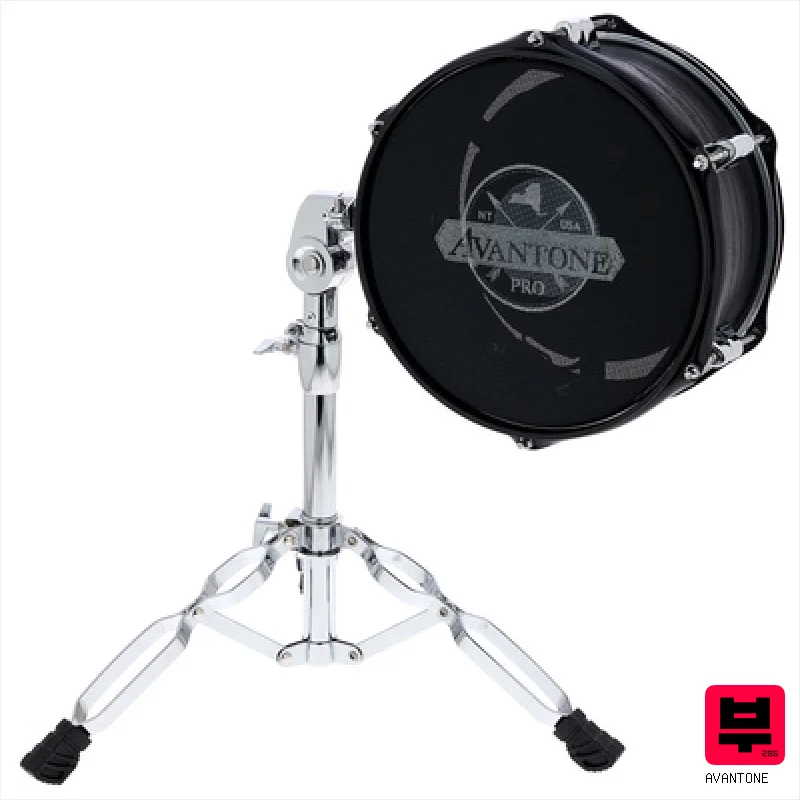
Avantone Kick
- • Uses classic white woofer for warm low-end punch
- • Birch plywood shell adds natural acoustic resonance
- • Fabric net cover protects the transducer well
- • Compact footprint fits small studio setups easily
- • High weight makes it hard to move around
- • No sensitivity data listed in the specs
- • Missing Max SPL rating for loud room use
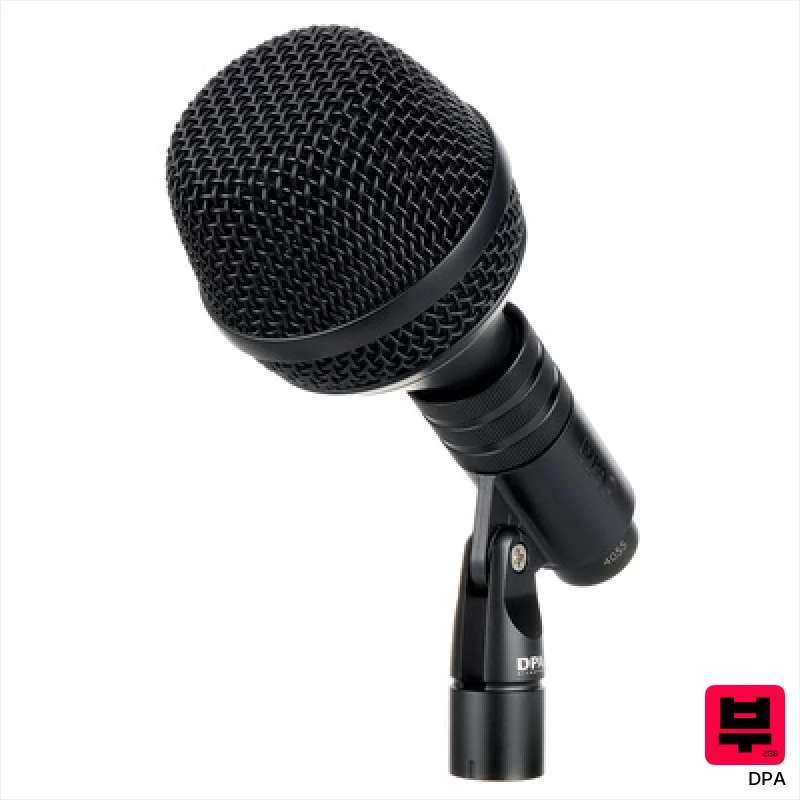
DPA 4055 Kick-Drum Microphone
- • Exceptional transient response captures low-end detail precisely.
- • DPA's renowned build quality ensures road-worthiness and longevity.
- • Open cardioid pattern offers controlled proximity effect and clarity.
- • The 6dB 10kHz boost adds subtle air and presence to the kick.
- • Premium-priced, a significant investment for most home studios.
- • Relatively low sensitivity may require a high-quality preamp.
- • Open cardioid isn't ideal for very loud, uncontrolled stage environments.
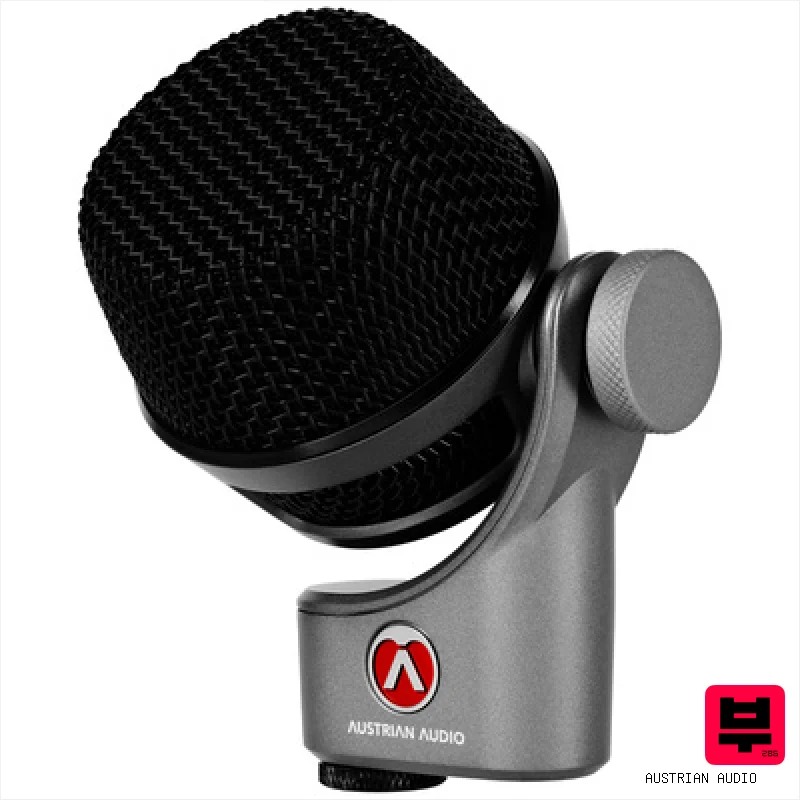
Austrian Audio OC-B6
- • Open acoustic design lets the kick sound pure without pre-equalization.
- • Robust compact housing with an integrated thread for easy mounting.
- • Discrete electronics without ICs handle fast drum transients very quickly.
- • 220-degree rotation lets you aim the mic at any angle easily.
- • Requires 48V phantom power which some systems might lack.
- • No built-in high-pass filter despite having a subsonic cutoff.
- • Heavy 280g weight makes it harder to handle on stage.
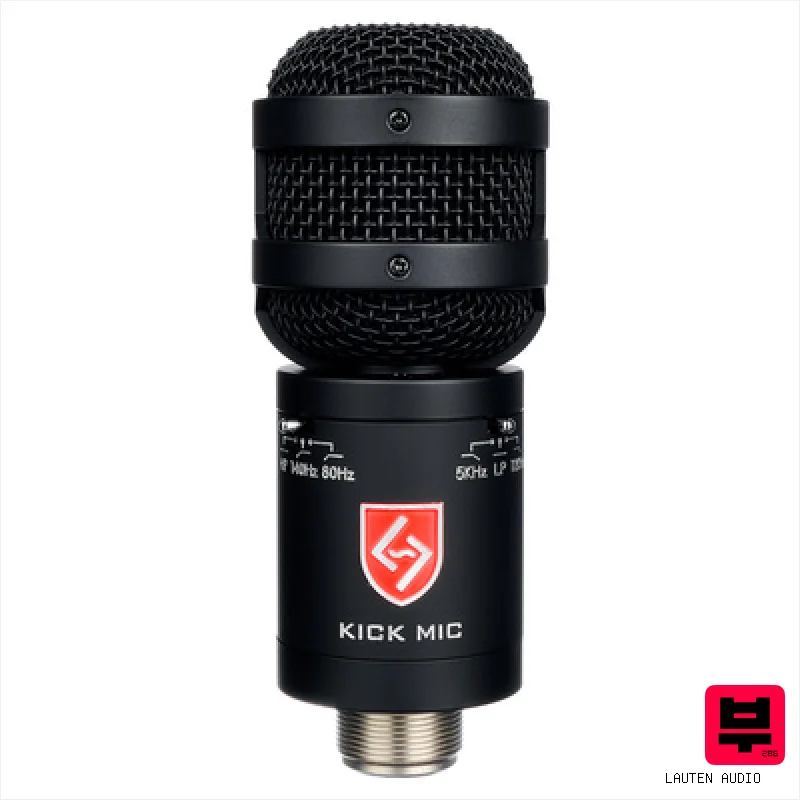
Lauten Audio Kick Mic
- • Large 17 mm diaphragm captures deep bass frequencies well
- • Switchable high-pass filters help remove unwanted rumble
- • High dynamic range handles loud kicks without distortion
- • Compact 290g design fits small kit setups easily
- • No built-in pop filter or windscreen included in box
- • Requires 48V phantom power which some amps lack
- • No frequency response graph provided for visual reference

AKG D12 VR
- • Transformer imparts a pleasing, vintage-style harmonic richness.
- • Bass chamber delivers genuinely powerful and defined low-end response.
- • Switchable presets offer tailored sounds without external EQ manipulation.
- • Robust construction with AKG’s usual reliable build quality.
- • Requires 48V phantom power, adding complexity to the setup.
- • Cardioid pattern limits flexibility in multi-mic drum setups.
- • Relatively heavy, which can be a factor on drum stands.
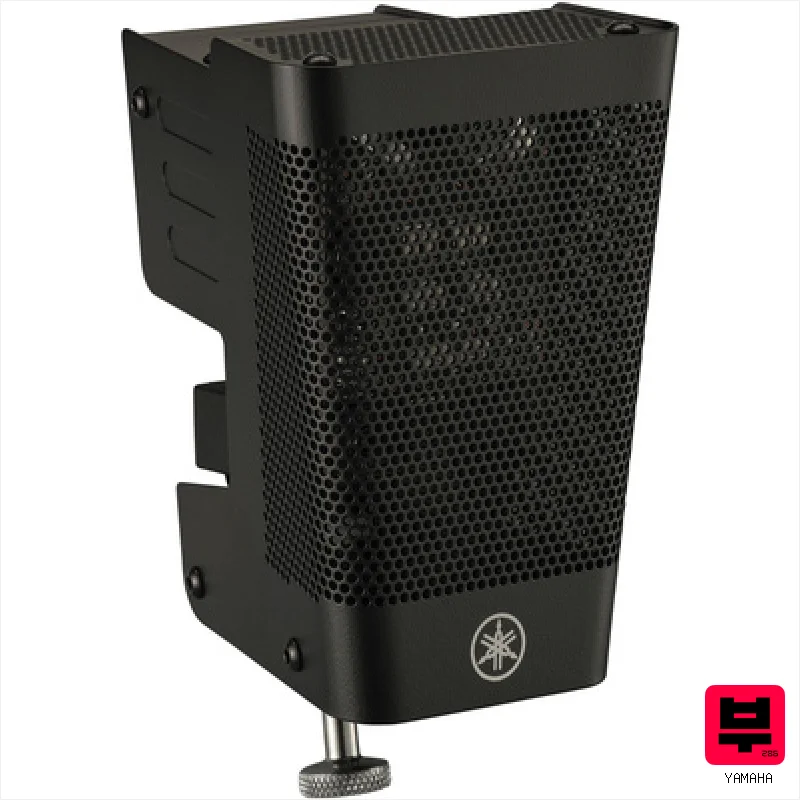
Yamaha DSU50
- • Two built-in condensers create balanced stereo output right out of the box
- • Integrated kick trigger lets you trigger samples without external gear
- • Mounts directly to the bass drum hoop for stable positioning
- • Includes breakout cable to connect the dual outputs to a mixer
- • Not compatible with the Yamaha EAD10 system
- • No specific frequency range or sensitivity data provided
- • Lacks a dedicated low-pass filter switch in the description
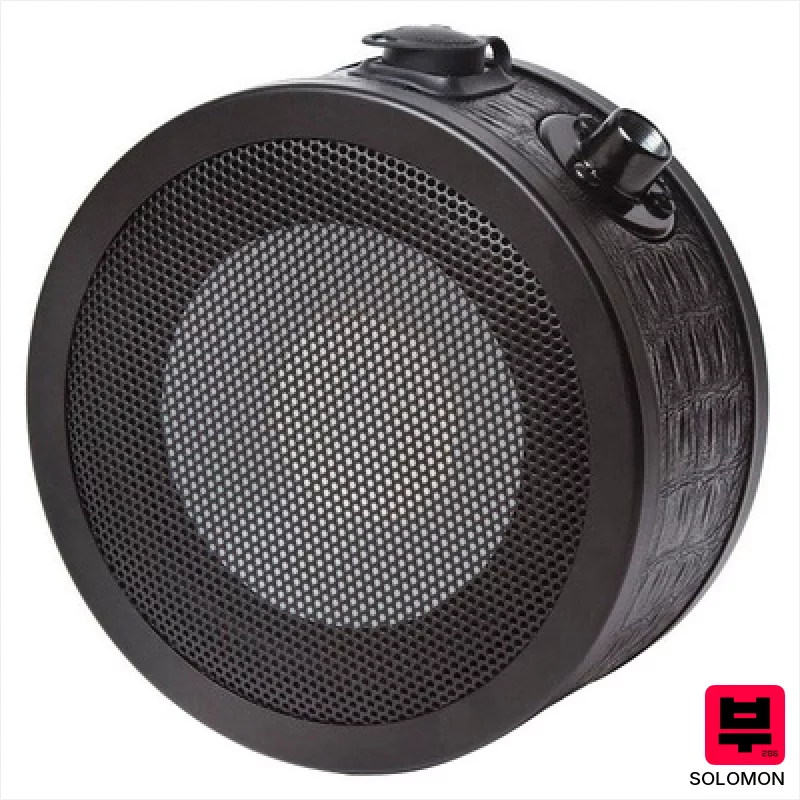
Solomon SubKick LoFReQ Daru Jones
- • Foil-wrapped wood fibre shell minimizes resonances and adds warmth.
- • Daru Jones signature voicing delivers impactful, defined low-end thump.
- • Integrated dynamic capsule is robust and handles high SPLs with ease.
- • Custom in-line pad provides useful gain management for powerful sources.
- • Limited frequency response restricts high-end detail and flexibility.
- • Eight polar pattern is less versatile than cardioid or omni.
- • Relatively heavy build might require a sturdy mic stand.
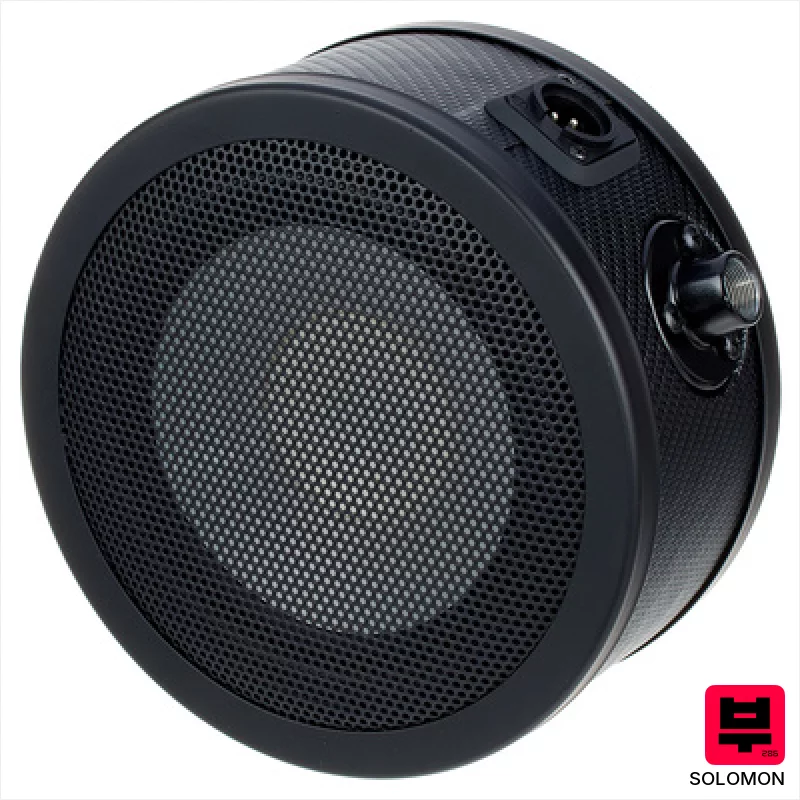
Solomon SubKick LoFReQ Black
- • Wood fibre shell delivers natural resonance and warmth
- • Dynamic capsule captures powerful low-end without harshness
- • Figure-8 pattern offers excellent isolation and flexibility
- • Tolex wrapping provides a durable, professional aesthetic
- • Limited frequency response restricts high-end detail and versatility
- • Bulky design and weight can be awkward in tight spaces
- • Figure-8 pattern demands careful mic placement for optimal results
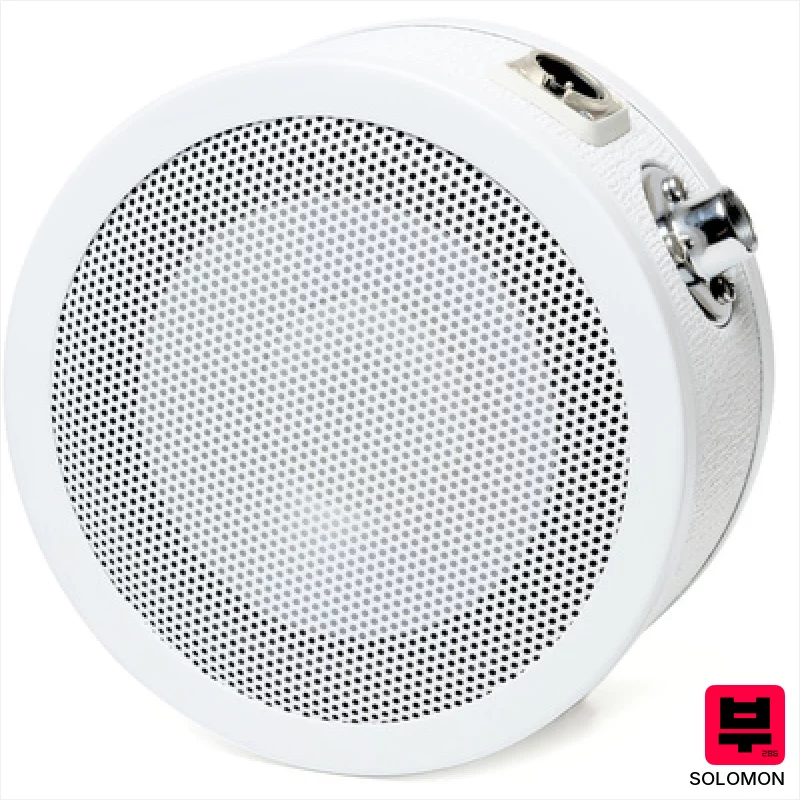
Solomon SubKick LoFReQ White
- • Tolex-covered wood fibre shell dampens resonance for focused low-end
- • Built-in dynamic mic avoids external capsule and mounting complications
- • Figure-8 pattern allows for creative miking techniques and room tone
- • Neutrik XLR output ensures robust and reliable signal transfer
- • Limited frequency range restricts high-frequency detail capture
- • The 50-3000Hz range might be too narrow for some modern genres
- • Bulky design and weight can be cumbersome for mobile setups
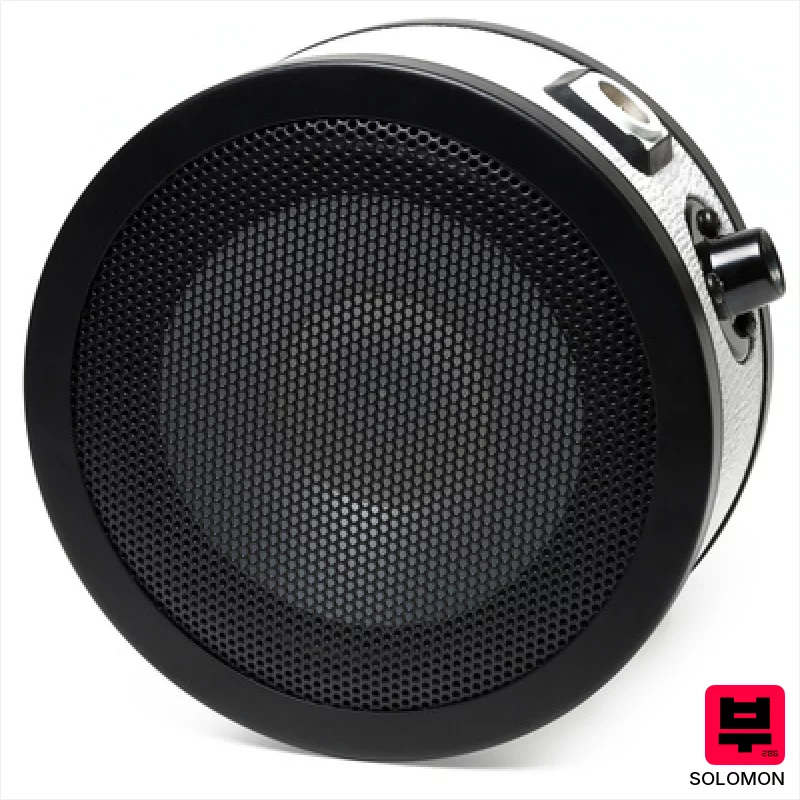
Solomon SubKick LoFReQ Trooper
- • Tolex wrapped wood fibre shell dampens resonances beautifully
- • Built-in dynamic element delivers focused, powerful low-end response
- • Custom in-line pad handles extremely loud kick drum sources effectively
- • Figure-8 pattern allows for creative miking techniques and phase control
- • Frequency response is limited, unsuitable for nuanced detail capture
- • Figure-8 pattern demands careful mic placement for optimal results
- • The wooden shell adds significant weight, making transport cumbersome
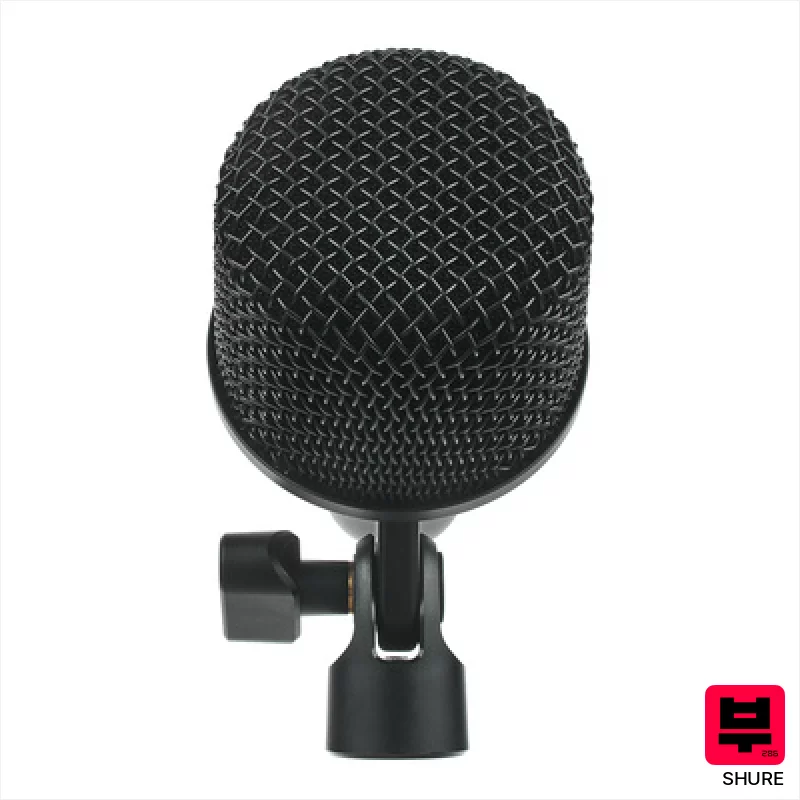
Shure Nexadyne 2
- • Robust build with a solid, zinc die-cast body for gigging.
- • Revonic dual-engine delivers a surprisingly full, low-end thump.
- • Supercardioid pattern effectively rejects bleed from other kit pieces.
- • Good rejection of stage rumble and low-frequency feedback issues.
- • Supercardioid pattern demands precise mic placement for optimal results.
- • Relatively heavy, can be a burden on a lightweight drum stand.
- • Lacks the extended high-frequency detail of some premium kick mics.
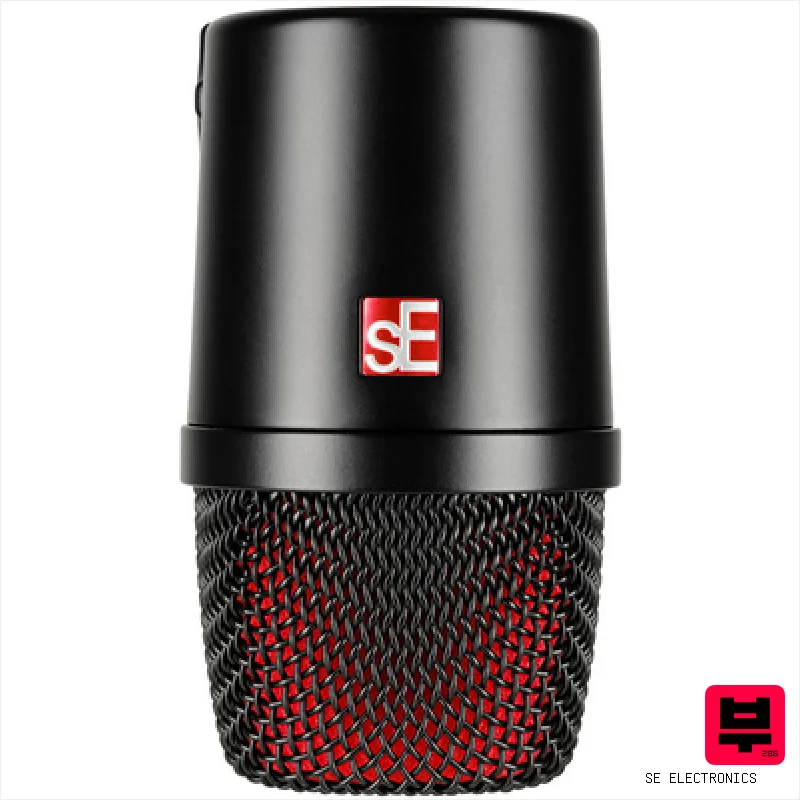
SE Electronics V Kick Black
- • Sturdy metal housing protects the capsule from bumps.
- • Integrated shock mount stops vibration from hitting the capsule.
- • Four sound settings let you match the mic to the kit.
- • Internal windshield reduces plosives without adding bulk.
- • Heavy weight makes it hard to move between drums.
- • Large size takes up significant space in a kit.
- • High upper frequency limit may cause harshness on toms.
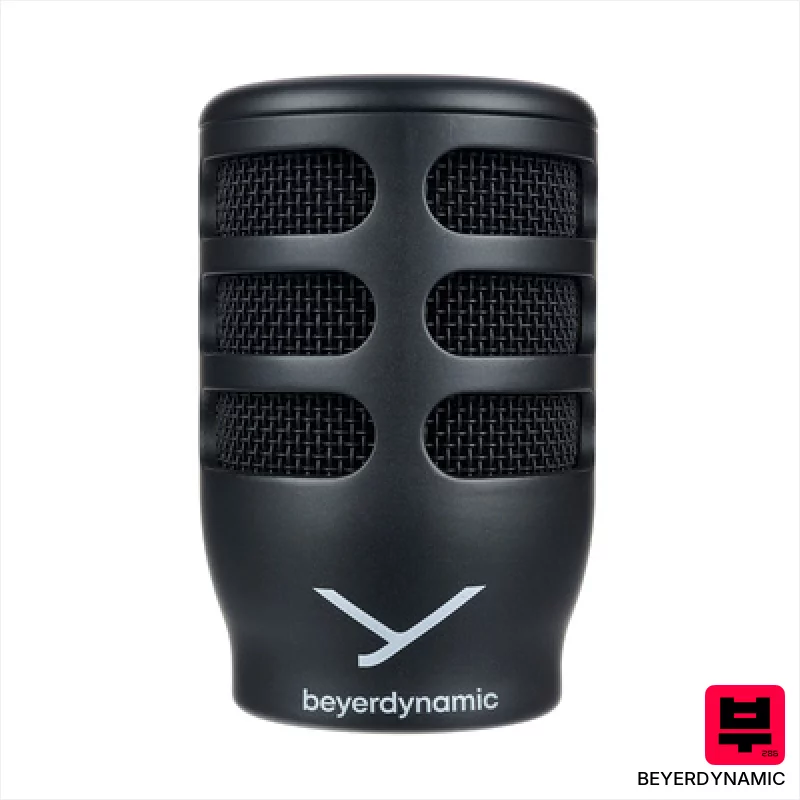
beyerdynamic TG D70 MK II
- • Robust construction: milled brass internal housing enhances durability.
- • Hypercardioid pattern: excellent isolation, minimizes bleed from other drums.
- • Detailed low-end response: captures punch without excessive boominess.
- • Excellent transient response: tight, defined kick drum attack.
- • Hypercardioid's narrow pattern: requires precise mic placement.
- • Can be dark: may need EQ to brighten for certain genres.
- • Relatively heavy: could be cumbersome on a stand.
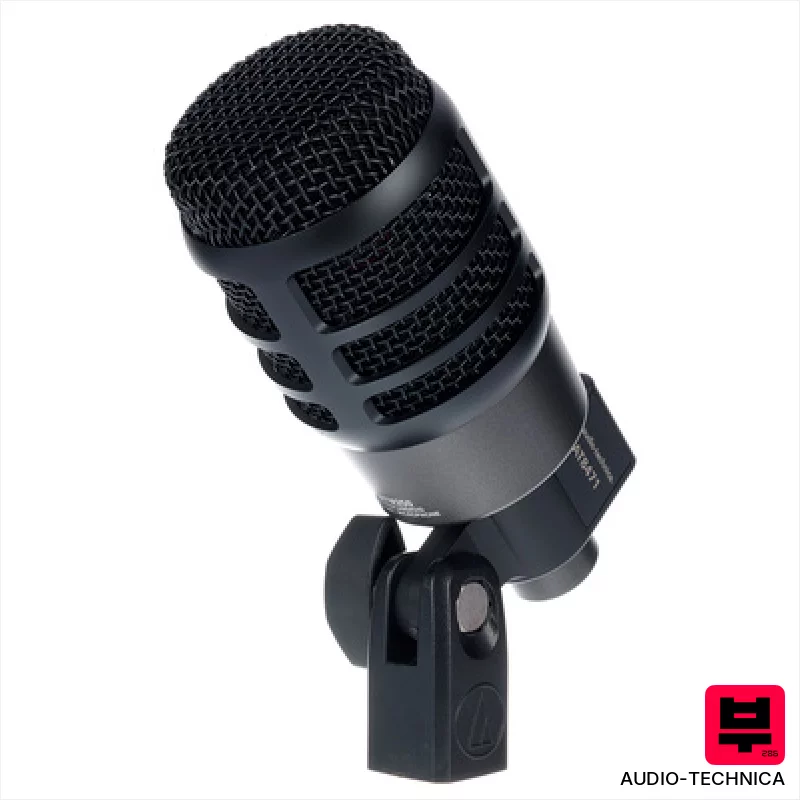
Audio-Technica ATM250
- • Robust zinc die-cast body handles serious stage abuse.
- • Hypercardioid pattern isolates the drum, minimizing bleed.
- • Excellent transient response captures punchy low-end detail.
- • Integrated stand adapter simplifies mounting and positioning.
- • Hypercardioid pattern demands precise mic placement for optimal results.
- • 600-ohm impedance may require a preamp with sufficient gain.
- • Limited versatility; primarily a bass drum microphone.
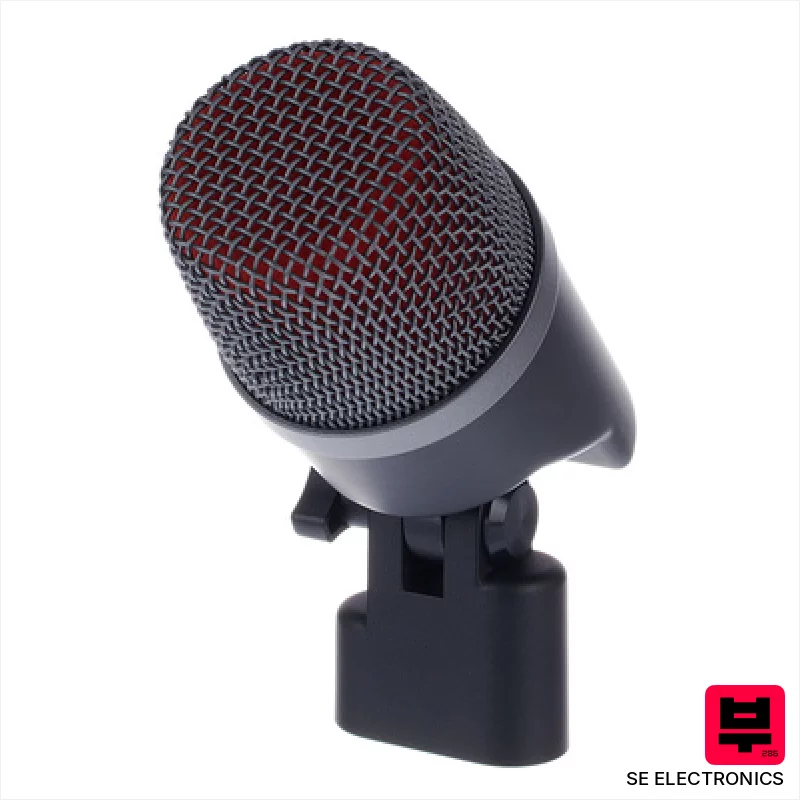
SE Electronics V Kick
- • Robust all-metal housing inspires confidence and durability.
- • Supercardioid pattern excels at isolating bass drum thump.
- • Integrated shockmount noticeably reduces handling and floor vibrations.
- • Multiple voicing switches offer surprising tonal flexibility for a dynamic mic.
- • Supercardioid pattern demands careful mic placement to avoid phase issues.
- • Limited frequency extension compared to condenser alternatives.
- • While versatile, it's primarily a bass instrument mic – less useful elsewhere.
Every microphones for bass drum that matches
28 models match this page. The 15 above are covered in detail; the rest are listed here with their published specifications.
| # | Model | Specifications | Price |
|---|---|---|---|
| 16 | Shure Beta 52A | not published | $243 |
| 17 | EV ND68 | not published | $230 |
| 18 | Audix D6 | not published | $208 |
| 19 | AKG D 112 MKII | not published | $203 |
| 20 | Audix D4 | not published | $201 |
| 21 | Universal Audio SD-5 | not published | $196 |
| 22 | Audio-Technica Pro 25 AX | not published | $180 |
| 23 | Sennheiser E 902 | not published | $179 |
| 24 | Shure PGA52 | not published | $173 |
| 25 | EV PL 33 | not published | $134 |
| 26 | AKG Perception Live P2 | not published | $112 |
| 27 | Superlux Pro 218A | not published | $80 |
| 28 | the t.bone BD 300 | not published | $60 |
Microphones for Bass Drum by the numbers
Measured across all 28 models in this category, so «wide», «short» or «expensive» mean something you can check.
How to Choose the Best Microphones for Bass Drum
Frequency Response
A good kick mic needs to handle those sub-bass frequencies without sounding muddy. We're looking for a response that emphasizes the fundamental low-end without getting overly boomy or losing definition. That 'thud' needs to be present, but controlled.
Transient Response
This is crucial for capturing the attack and 'snap' of the beater hitting the head. A slow transient response will make the kick sound dull and lifeless, especially in a live setting where you need to cut through the mix.
Polar Pattern
Cardioid is generally the go-to for bass drum, rejecting bleed from other drums. But a figure-8 pattern can be useful for phase tricks or capturing a more 'roomy' sound if you're blending it with another mic.
Sensitivity & Headroom
Lower sensitivity means you'll need more gain, potentially introducing noise. Good headroom prevents clipping when the drummer really lays into it - vital for both recording and live performance.
Build Quality & Durability
Gigs aren't kind to gear. We want mics that can take a few bumps and bruises without falling apart, especially if you're hauling them around regularly.
Buying Guide
At this price point, you're making trade-offs. Don't expect the pristine detail of a flagship mic; you'll likely encounter some slight muddiness in the low-mids or a less-than-perfect transient response. Focus on mics with a reputation for handling low frequencies well and a decent sensitivity - that's where you'll get the most bang for your buck. Don't chase specs; chase sound demos and listen critically.
How This List Is Built
We don't play these instruments — we're a catalog, not a review desk, and we'd rather say so than pretend otherwise. This page covers 28 microphones for bass drum from the Thomann catalogue, which is the largest single source of specification data in this category: 15 in detail, the rest listed with their specifications.
Position is computed, not curated. We parse the manufacturer's own description into actual values — nut width, scale, fret count, fingerboard radius, size, alloy — and rank on them: how many specifications a model has published, how many of them are measurable numbers, and how precisely it meets this page's criterion. A product image adds a little. Price is not a ranking signal: it tells you nothing about whether a neck fits your hand. The same inputs always produce the same order, so nothing here is shuffled to look fresh.
What this list is good for: narrowing a category down to a shortlist by spec and budget. What it isn't: a substitute for hearing an instrument. Before you buy, read hands-on reviews and, where you can, play it. Full methodology.

