
Best Master Keyboards (up to 61 Keys) for Live Performance 2026
So, you're looking for a master keyboard for live work, capped at 61 keys? Smart move - it's a sweet spot for portability and serious playing. Forget those behemoth 88-key monsters unless you need the full range; for most gigs, a well-chosen 61-key controller is all you need to lay down some serious grooves and cut through the mix. Let's break down what actually works on stage, because a bunch of MIDI data isn't enough - you need feel and response.
Last updated: July 22, 2026 • Next update: July 29, 2026

Native Instruments Kontrol S61 MK3
- • The Fatar keybed with polyphonic aftertouch feels incredibly responsive and expressive.
- • The high-resolution color screen drastically improves workflow and visual feedback.
- • Native Instruments' integration with Kontakt 7 and Komplete Kontrol is genuinely seamless.
- • The tag-based preset browsing system makes sound discovery surprisingly intuitive and fast.
- • The semi-weighted action won’t satisfy players accustomed to fully weighted piano keys.
- • The price point positions it as a premium-priced option for many home studios.
- • While versatile, the deep integration is most beneficial within the Native Instruments ecosystem.

Native Instruments Kontrol S61 MK3 Komplete 15
- • Excellent Fatar keybed with polyphonic aftertouch feels responsive and expressive.
- • High-resolution color screen significantly improves workflow and visual feedback.
- • Seamless integration with Komplete instruments simplifies sound design and recall.
- • 4D controller offers intuitive manipulation of parameters and effects.
- • Semi-weighted action isn't ideal for pianists seeking true grand piano feel.
- • The Komplete 15 bundle, while extensive, can be overwhelming for beginners.
- • Size and weight make it less portable than smaller, more compact controllers.
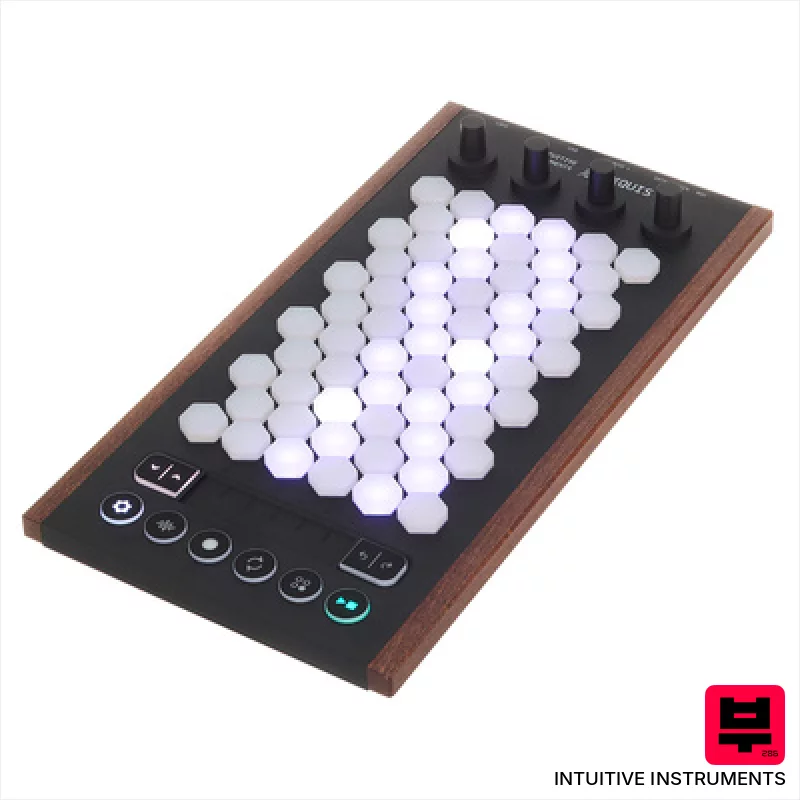
Intuitive Instruments Exquis Deluxe Dark Wood
- • Wooden side panels add a premium aesthetic and tactile feel.
- • Hexagonal keys offer a unique, expressive playing surface.
- • Comprehensive MPE support unlocks nuanced, polyphonic control.
- • The Exquis app provides a surprisingly useful compositional environment.
- • 61 keys limit range for pianists accustomed to full 88-key boards.
- • Compact size might feel cramped for those with larger hands.
- • CV outputs are limited, restricting modular synth integration.

Arturia AstroLab Stand Set
- • Solid, stable steel stand provides excellent keyboard support.
- • Ten distinct sound engines offer incredible sonic versatility and depth.
- • Intuitive navigation wheel simplifies complex sound manipulation on the fly.
- • Macro controls allow for immediate, impactful parameter adjustments during performance.
- • Semi-weighted keys lack the feel of fully weighted piano action.
- • The sheer number of sounds can feel overwhelming for newer users.
- • Bluetooth audio functionality is more of a novelty than a core feature.
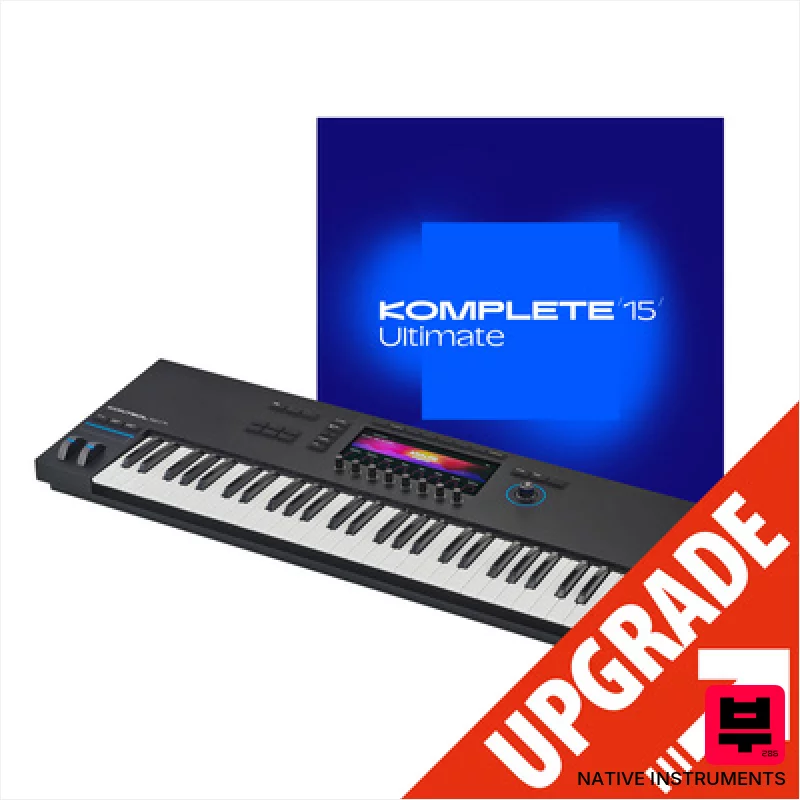
Native Instruments Kontrol S61 MK3 Kompl. 15 Ult.
- • Excellent Fatar keybed with polyphonic aftertouch feels incredibly responsive.
- • High-resolution color screen vastly improves workflow and visual feedback.
- • Preconfigured mappings accelerate workflow with Komplete and third-party instruments.
- • 4D controller offers intuitive and expressive parameter manipulation.
- • The semi-weighted action won't satisfy pianists seeking a full 88-key piano feel.
- • Bundled software, while extensive, can feel overwhelming for newcomers.
- • Premium-priced, making it a significant investment for hobbyists.

Arturia KeyLab 61 mk3 White
- • Solid aluminum chassis with wood accents feels premium and stable.
- • Excellent key action; responsive and provides a satisfying playing experience.
- • The integrated screen offers clear visual feedback for parameter adjustments.
- • Native Instruments Komplete Select bundle provides immediate, usable sounds.
- • The aftertouch, while present, isn't as nuanced as higher-end keyboard controllers.
- • The wooden side panels, while aesthetically pleasing, could be more robust for touring.
- • Limited key travel compared to stage pianos; better suited for MIDI control.
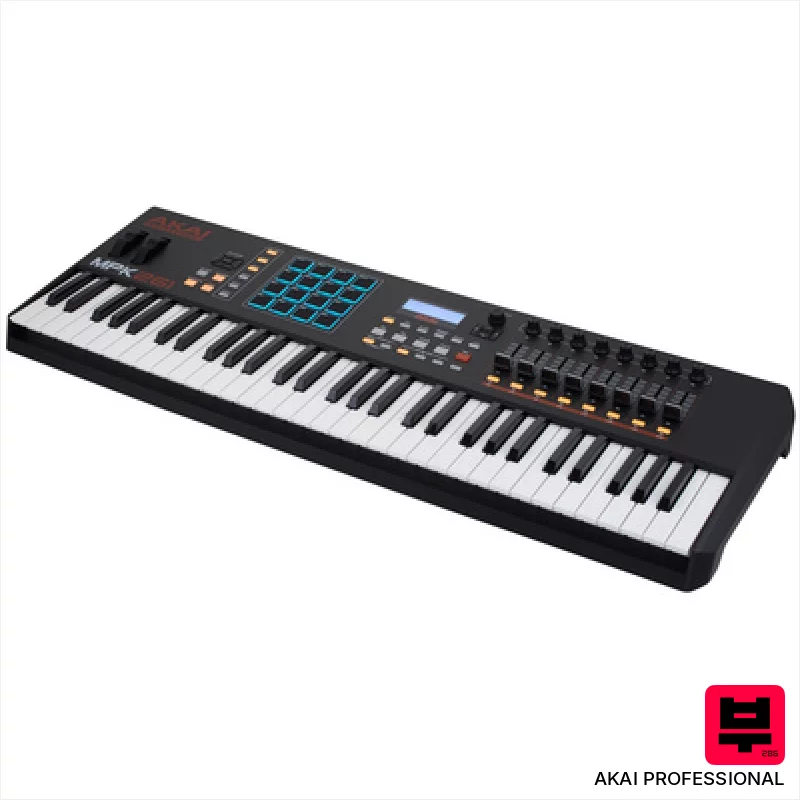
AKAI Professional MPK 261
- • Solid build quality with a surprisingly robust chassis for the price
- • Excellent MPC pad feel – responsive and satisfying for beat production
- • Comprehensive DAW integration streamlines workflow significantly
- • RGB illumination adds visual flair and customizable performance cues
- • Semi-weighted keys lack the nuance of fully weighted action, a compromise for affordability
- • Limited aftertouch functionality restricts expressive playing potential
- • Size and weight make portability a consideration for gigging musicians

Arturia KeyLab 61 mk3 Black
- • Solid aluminum chassis with wood accents feels exceptionally well-built and premium.
- • The full-color screen is genuinely useful for visual feedback and customization.
- • Aftertouch on the keys adds expressive control previously absent in earlier models.
- • Native Instruments Komplete Select bundle provides immediate creative possibilities.
- • The key action, while decent, isn't a true weighted piano feel.
- • The wooden side panels, while aesthetically pleasing, are prone to minor finish imperfections.
- • The USB-C bus power can be limiting for some power-hungry devices.

Novation Launchkey 61 MK4
- • Solid semi-weighted action offers a surprisingly expressive feel.
- • FSR pads deliver nuanced polyphonic aftertouch for rhythmic creativity.
- • Comprehensive DAW integration with Capture MIDI and NKS support simplifies workflow.
- • The OLED display is clear and provides useful visual feedback during performance.
- • The semi-weighted keys, while decent, lack the depth of fully weighted action.
- • Plastic construction feels somewhat budget-conscious despite overall build quality.
- • Limited modulation options beyond the wheel and faders restrict complex sound design.

Arturia AstroLab Wooden Legs Set
- • Solid wood legs dramatically improve AstroLab's stability and feel.
- • The bundled sounds offer incredible sonic versatility across genres.
- • Intuitive navigation wheel simplifies complex synthesis workflows.
- • Macro controls enable deep, immediate sound shaping and performance.
- • Semi-weighted action may not satisfy serious pianists or keyboardists.
- • The sheer number of sound engines can feel overwhelming to beginners.
- • Premium-priced, representing a significant investment for many musicians.

Novation Impulse 61
- • Solid build quality with a robust metal chassis, feels dependable
- • Automap integration simplifies DAW control and plugin assignment
- • Aftertouch provides expressive performance capabilities
- • Comprehensive software bundle, Xcite+ and Ableton Live Lite, adds value
- • Semi-weighted action lacks the nuance of fully-weighted keys
- • Plastic faders feel a bit cheap compared to metal alternatives
- • Size and weight make it less ideal for portable setups
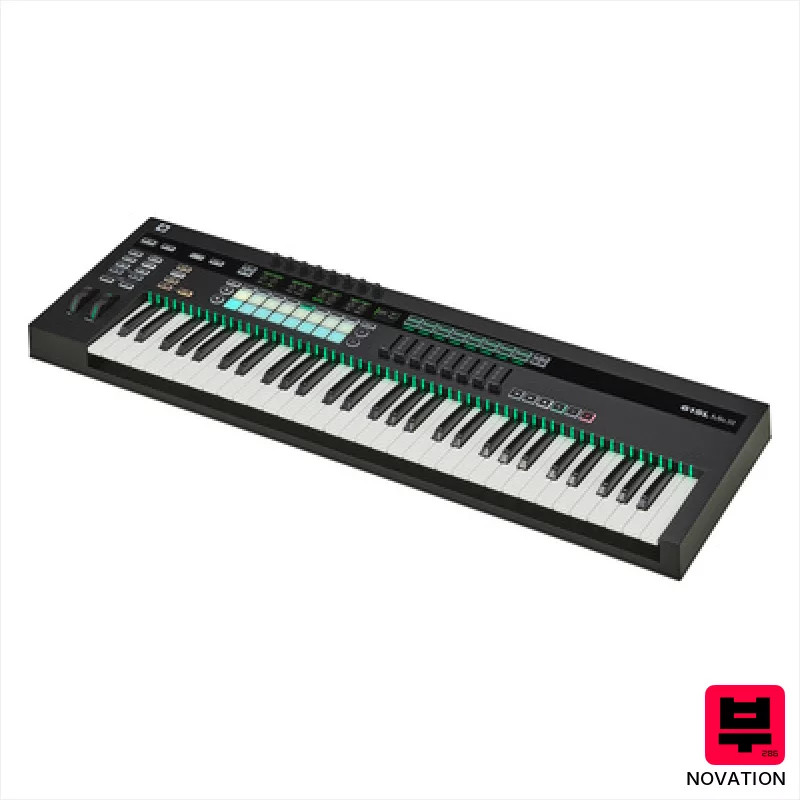
Novation 61SL MKIII
- • Excellent sequencer for sketching out song ideas quickly
- • Robust build quality; feels solid and well-assembled
- • Comprehensive DAW integration, especially with Ableton Live
- • Versatile controls offer deep parameter manipulation in software
- • Semi-weighted keys lack the feel of a fully weighted piano action
- • The TFT displays, while functional, could be brighter and higher resolution
- • Limited portability due to its size and weight

Nektar Impact GXP61
- • Semi-weighted keys offer a surprisingly expressive playing feel.
- • Aftertouch adds nuance and control over virtual instruments.
- • Nektarine integration provides deep DAW control and customization.
- • Solid build quality for a budget-friendly MIDI controller.
- • The semi-weighted action lacks the depth of a fully weighted keyboard.
- • Plastic construction, while sturdy, doesn't feel as premium as higher-end models.
- • Limited knob functionality compared to more advanced master keyboards.
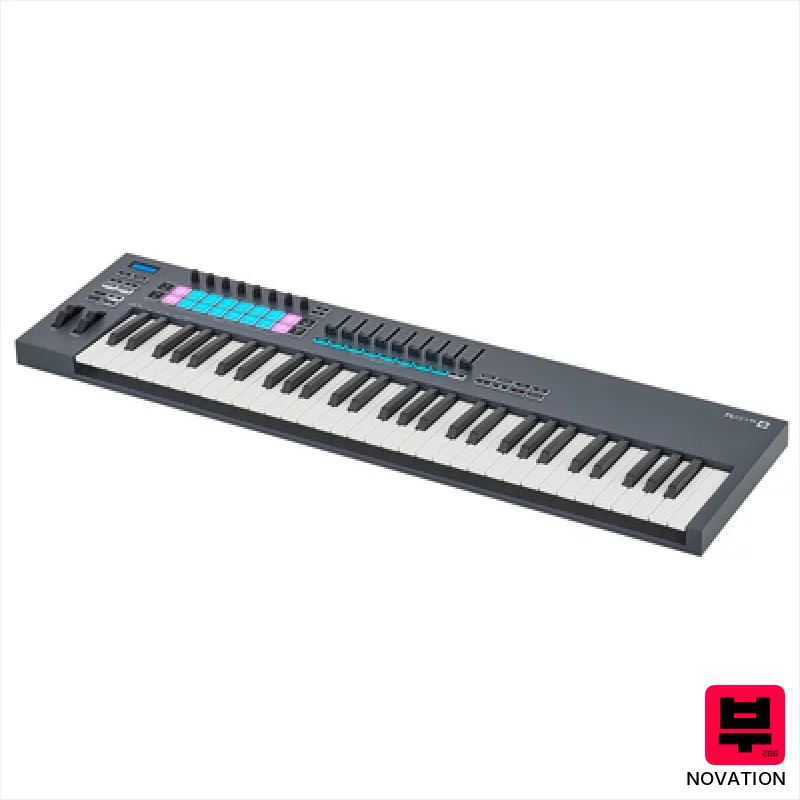
Novation FLkey 61
- • Excellent FL Studio integration streamlines workflow significantly.
- • Velocity-sensitive pads offer responsive, tactile drum and sample programming.
- • Compact size makes it ideal for smaller spaces and mobile setups.
- • Included software bundle provides a valuable starting point for music creation.
- • Keys, while velocity-sensitive, lack the depth and feel of a professional action.
- • Limited knob flexibility restricts control beyond FL Studio’s default mappings.
- • Weight, while manageable, can be a factor for truly portable use.
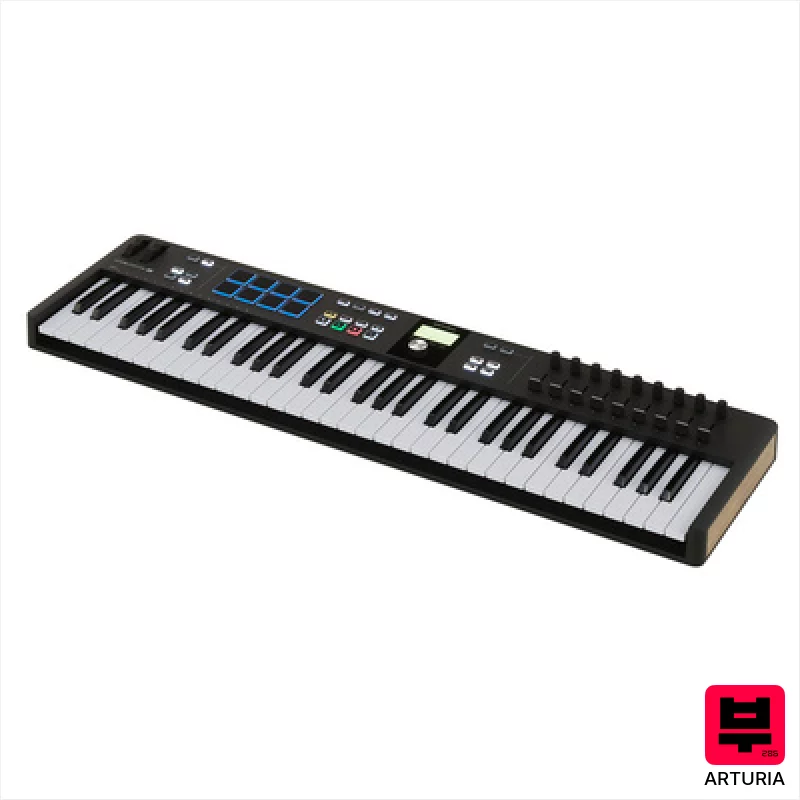
Arturia KeyLab Essential 61 Mk3 Black
- • Solid plastic chassis feels surprisingly robust for the price.
- • The Analog Lab integration offers a massive library of sounds out of the box.
- • Detented encoders provide tactile feedback for precise mixing adjustments.
- • Well-spaced, velocity-sensitive keys offer decent playability for a budget keyboard.
- • Keys are plastic, lacking the feel and responsiveness of weighted action.
- • The included Analog Lab software can feel overwhelming for beginners.
- • The large size makes it less ideal for smaller studio setups or travel.
How to Choose the Best Master Keyboards (up to 61 Keys)
Keybed Feel
This is everything. Weighted keys are great for piano, but for synths and pads, semi-weighted or even synth-action can be preferable for speed and articulation. A mushy keybed is a dealbreaker - you need tactile feedback and consistent resistance.
Aftertouch
Post-touch modulation is a game-changer for live performance. Subtle swells, vibrato, or filter sweeps controlled by your touch can add a huge amount of expressiveness, especially with pads and leads. It's the difference between a sterile MIDI performance and a truly dynamic one.
Modulation Options
Knobs, sliders, pads, ribbon controllers - the more, the merrier. Being able to tweak sounds on the fly without looking at a laptop is critical for staying in the pocket and reacting to the band. Dedicated modulation sources are worth their weight in gold.
Connectivity & Power
You need robust connections - MIDI in/out, sustain pedal input, and ideally, USB for both MIDI and audio. Power options are key too; battery power is a massive convenience for mobile gigs, but make sure it has enough juice.
Sound Quality (if applicable)
Some master keyboards have built-in sounds. While these are often secondary to MIDI functionality, a decent set of sounds can be a lifesaver when you need to quickly audition a patch or cover a song. Look for sounds with decent headroom and a clear, defined character - avoid anything muddy or thin.
Buying Guide
Don't get caught up in key count alone. A 61-key keyboard with a terrible keybed is worse than a 49-key with an amazing one. Pay attention to the action - try before you buy if possible. Also, consider your power needs; running on batteries during a festival is a serious workflow upgrade, but those batteries eat through juice fast. Finally, don't cheap out on a good sustain pedal - it's the glue that holds a lot of keyboard parts together.
Our Methodology
We're not just looking at spec sheets here. We've spent countless hours playing these keyboards live - in loud bands, quiet acoustic sets, and everything in between. Our evaluations are based on how they feel under your hands, how well they respond to dynamics, and most importantly, how they sound - both through their built-in sounds (if any) and when paired with external synths and VSTs. It's about real-world performance, not lab tests.

