
Best Marimbas for Contemporary 2026
So, you're looking to expand your sonic palette beyond the standard orchestral gig? Contemporary music - think Philip Glass, Radiohead, modern film scores - demands a marimba that can do more than just play pretty melodies. We're not talking about your grandma's concert hall instrument here; we need something with headroom, sustain, and a tonal character that can cut through a dense mix or whisper intimately in a chamber setting. Let's find you a marimba that fits the bill.
Last updated: July 22, 2026 • Next update: July 29, 2026

Bergerault Marimba SRS50H A=442Hz
- • Honduras rosewood bars offer a warm, complex, and resonant tone.
- • A=442Hz tuning caters to modern orchestral and stage performance needs.
- • Adjustable height provides ergonomic comfort for diverse players and settings.
- • Robust wooden frame ensures stability and contributes to the instrument’s projection.
- • Premium-priced, representing a significant investment for most musicians.
- • Disassembly for transport, while possible, adds complexity and time.
- • Rosewood bars, while beautiful, require diligent humidity control for stability.

Bergerault Marimba MCPE A=442Hz
- • Padouk bars offer a warm, resonant, and focused tone.
- • Anthracite-grey resonators provide a modern, controlled sustain.
- • Adjustable height caters to diverse players and performance settings.
- • Robust frame and castors ensure portability and stability on stage.
- • The Campus series is a step down from Bergerault's professional lines.
- • Padouk, while lovely, isn't as consistently responsive as rosewood.
- • The included mallets are a decent starter but will likely be upgraded.
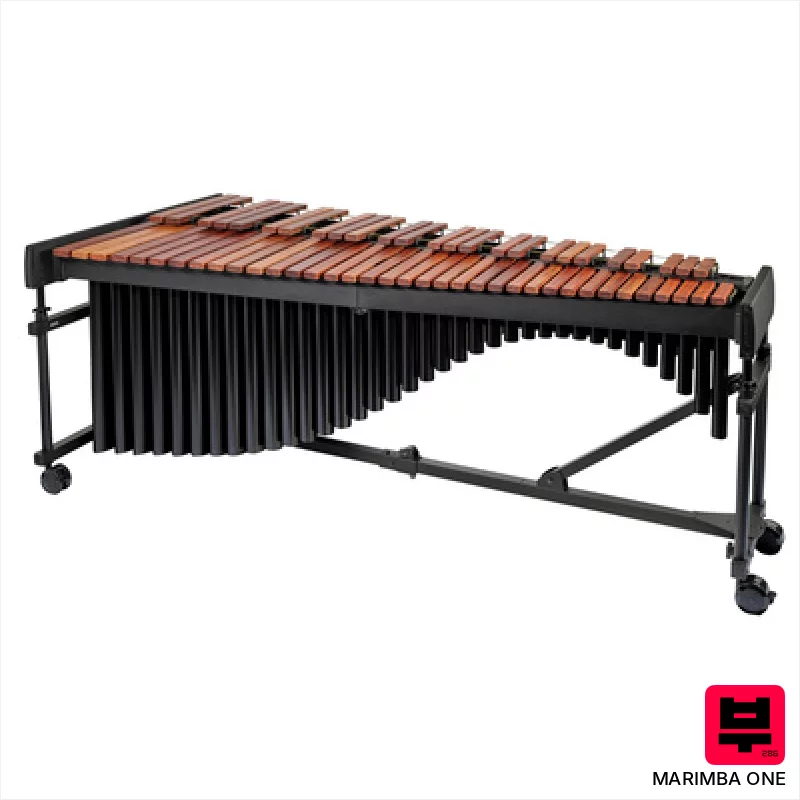
Marimba One Marimba Wave #9604 A=442 Hz
- • Exceptional Honduras rosewood bars deliver a warm, resonant, concert-level tone.
- • Wave frame design enhances projection and facilitates responsive playing.
- • Black Basso Bravo resonators provide focused, powerful bass response.
- • Quick-release mechanism allows for easy bar adjustments and transport.
- • Premium-priced, representing a significant investment for most musicians.
- • 118 kg weight makes transport challenging without assistance or specialized equipment.
- • Rosewood bars, while beautiful, require careful maintenance to prevent cracking.

Marimba One Marimba Izzy/Thomann A=443 Hz
- • Rosewood bars deliver a remarkably warm, resonant, and complex tone.
- • Izzy Series frame provides exceptional stability and responsiveness.
- • A=443 Hz tuning expands possibilities for historically informed performance.
- • Quick-release height adjustment simplifies setup and transport significantly.
- • The premium-priced point makes it inaccessible for many students or hobbyists.
- • Rosewood, while beautiful, requires careful humidity control to prevent cracking.
- • While portable relative to other instruments, it's still a substantial piece to move.
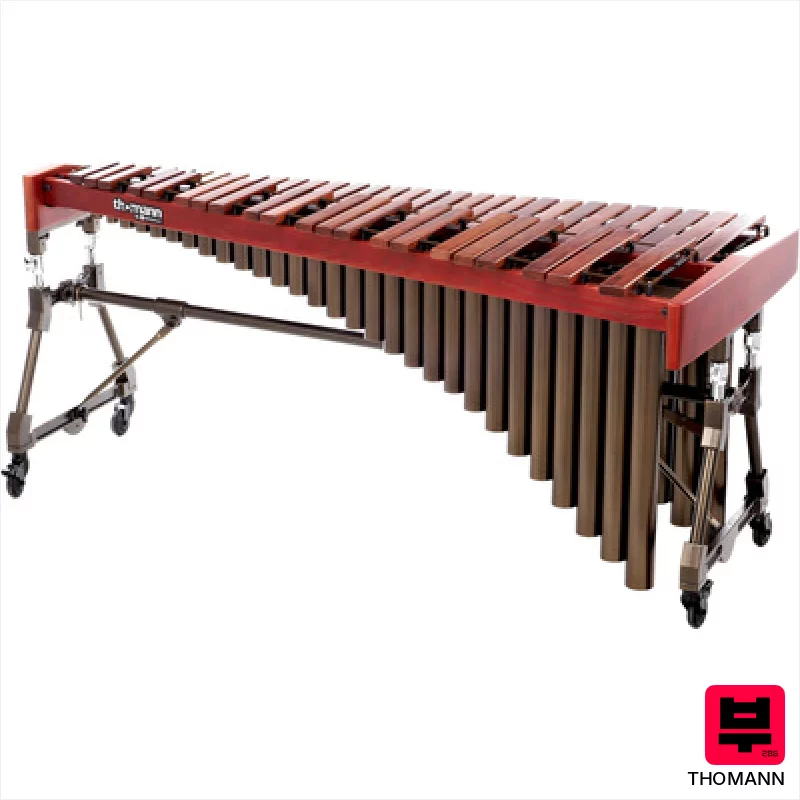
Thomann Marimba Thm 4.3
- • Swartzia fistuloides bars offer warm, resonant tone with excellent projection
- • Continuous height adjustment caters to a wide range of players comfortably
- • Solid wooden frame ensures stability and dampens unwanted vibrations
- • Includes a cover, protecting the instrument from dust and damage
- • The 4.3 octave range might feel limiting for advanced solo repertoire
- • Swartzia fistuloides, while good, isn't the top-tier bar wood (Rosewood or Padauk)
- • The included mallets are serviceable but likely benefit from an upgrade

Marimba One Marimba E8101 A=442Hz 3.0
- • Padauk bars offer a warm, resonant, and focused tone.
- • X-stand provides height adjustability for comfortable playing.
- • Compact size suits smaller spaces and transport.
- • Included mallets offer a decent starting point for beginners.
- • Lack of resonators limits projection and sustain.
- • 16 kg marimba body is relatively heavy for transport.
- • Educational series means limited tonal complexity for advanced players.
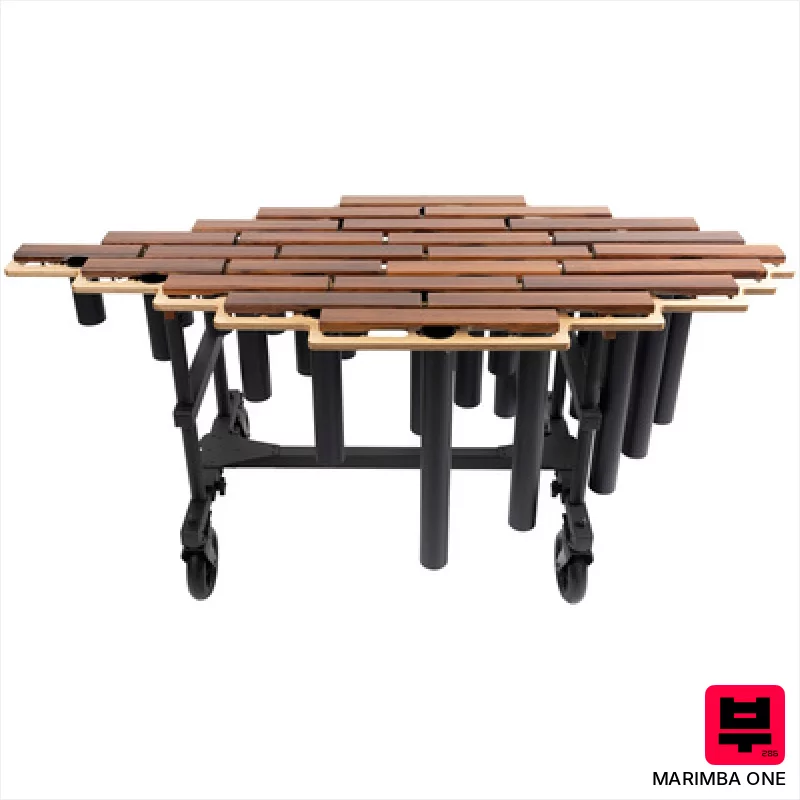
Marimba One Jewel Marimba A=432 Hz
- • Exceptional warm tone due to A=432 tuning and rosewood bars
- • Lightweight aluminum construction ensures portability and stability
- • Durable Honduras rosewood bars, meticulously tuned by Marimba One masters
- • Powder-coated resonators enhance resonance and offer a striking aesthetic
- • The diatonic range limits versatility for complex musical passages
- • Premium-priced, representing a significant investment for most musicians
- • Aluminum bars, while lightweight, can feel slightly less responsive than padauk

Marimba One Marimba Izzy #9501 A=443 Hz(5)
- • Rosewood bars deliver a warm, complex, and resonant tone.
- • Izzy frame provides exceptional stability and portability for touring.
- • 443 Hz tuning expands harmonic possibilities for contemporary works.
- • Quick-release height adjustment simplifies setup and caters to diverse players.
- • The weight, while manageable, still requires two people for easier transport.
- • Rosewood's tonal characteristics might be too mellow for some percussive styles.
- • Premium-priced, representing a significant investment for most musicians.
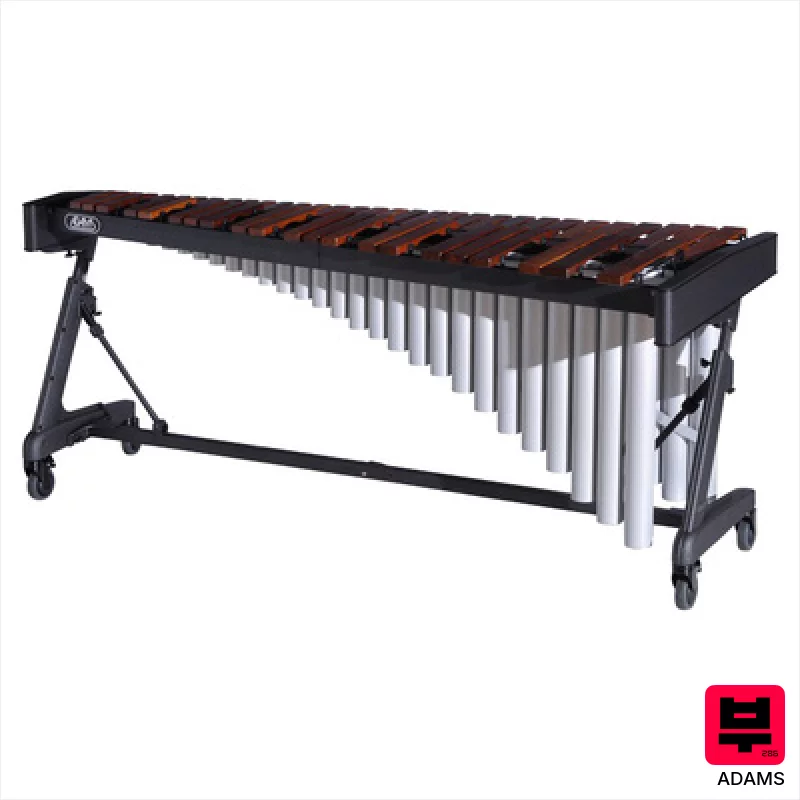
Adams MCHA 43 Concert Marimba A=442
- • Honduras rosewood bars offer a warm, resonant, and complex tone.
- • Apex frame provides exceptional stability and tuning accuracy.
- • A=442 tuning caters to European orchestral standards and tuning preferences.
- • Adjustable height accommodates a wide range of players and performance setups.
- • The weight, while manageable, requires two people for easy transport and setup.
- • Rosewood, while beautiful, can be susceptible to humidity changes affecting tuning.
- • Premium-priced, representing a significant investment for many musicians.

Adams MSPA 40 Solist Marimba A=442
- • Padouk bars offer a warm, resonant, and focused tone.
- • Apex frame provides exceptional stability and a comfortable playing surface.
- • A=442 tuning is ideal for European orchestral standards and ensembles.
- • Adjustable height accommodates diverse player preferences and ergonomic needs.
- • Padouk, while beautiful, can be susceptible to environmental changes affecting tuning.
- • The included mallets are a decent starter set but likely need upgrading for serious work.
- • At 45kg, transport and setup are not a one-person job; requires care.

Adams MSPA30 Solist Marimba A=442
- • Padouk bars offer a warm, resonant, and controlled fundamental tone.
- • Apex frame design provides excellent stability and resonance for the bars.
- • A=442 tuning is ideal for European orchestral standards and tuning flexibility.
- • Adjustable height caters to a wide range of players and performance situations.
- • Padouk, while beautiful, can be susceptible to humidity changes impacting tuning stability.
- • The included mallets are a decent starter but experienced players will want upgrades.
- • At 32kg, it's moderately heavy, potentially limiting portability for some.

Adams MSHA 43 Solist Marimba A=442
- • Rosewood bars deliver a warm, resonant, and focused tone.
- • Apex frame provides exceptional stability and tuning accuracy.
- • A=442 tuning is ideal for contemporary orchestral work and extended range.
- • Height adjustability caters to a wide range of player comfort and ergonomics.
- • The Rosewood bars, while beautiful, require more diligent maintenance than some alternatives.
- • At 55 kg, transport and setup can be challenging without assistance.
- • The included mallets are serviceable but a serious player will likely upgrade.

Adams MSPA 43 Solist Marimba A=442
- • Padouk bars offer a warm, resonant tone ideal for orchestral and solo work.
- • The Apex frame provides exceptional stability and a comfortable playing angle.
- • A=442 tuning ensures accurate intonation for a wide range of musical contexts.
- • Adjustable height caters to diverse player preferences and ergonomic comfort.
- • At 55 kg, transport and setup can be challenging without assistance.
- • The included mallets are serviceable but likely require upgrading for professional use.
- • Padouk, while beautiful, can be susceptible to humidity changes requiring care.
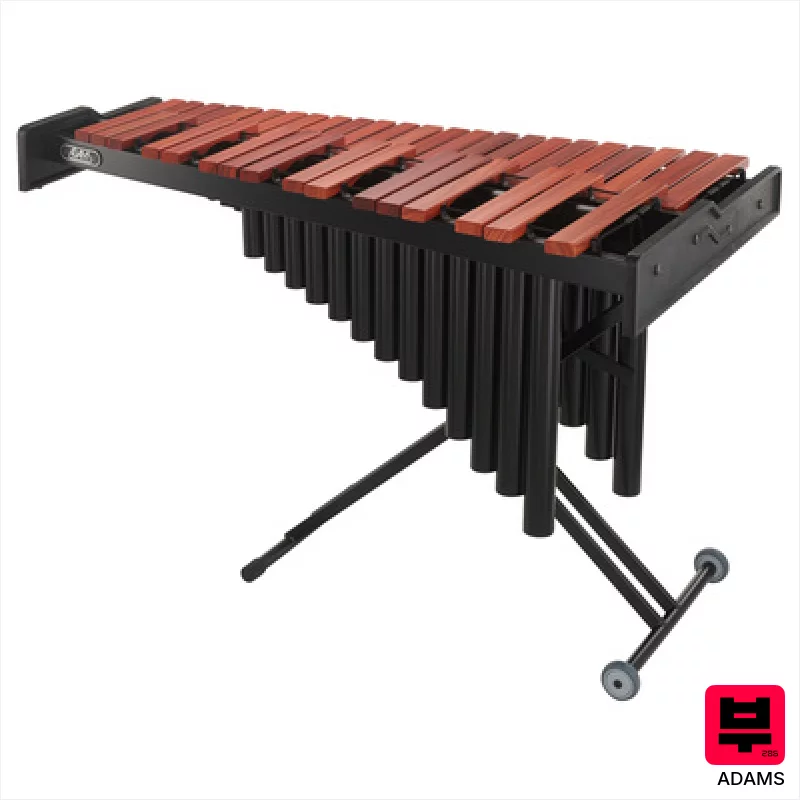
Adams Academy Series Marimba 3.3
- • Padouk bars deliver a warm, resonant tone suitable for orchestral and solo work.
- • X-stand provides stable, adjustable height for comfortable playing across various heights.
- • The 3.3 octave range offers excellent versatility for a wide range of musical styles.
- • Included mallets provide a decent starting point for beginners and student musicians.
- • The resonators, while functional, are a simpler design and lack the projection of higher-end models.
- • At 36kg, the marimba is relatively heavy and less portable for frequent transport.
- • The included mallets are basic; serious players will likely want to upgrade for nuanced tones.

Marimba One Marimba Izzy #9505 A=443 Hz(5)
- • Honduras rosewood bars deliver exceptional warmth and sustain, truly remarkable.
- • Izzy series frame provides impressive stability and a refined aesthetic.
- • Basso Bravo resonators enhance bass response, creating a full, balanced tone.
- • Quick-release height adjustment simplifies setup and transport significantly.
- • The premium-priced investment limits accessibility for many performers.
- • Rosewood bars, while beautiful, are susceptible to environmental changes.
- • While portable, the overall size can still be challenging for smaller vehicles.
How to Choose the Best Marimbas
Resonance & Sustain
Contemporary often calls for extended notes and shimmering textures. The marimba needs to sustain without becoming muddy - a clean decay is crucial. Look for instruments with resonators designed to minimize sympathetic vibrations and maintain clarity across the range.
Tonal Range & Articulation
Forget that predictable, homogenous marimba tone. Contemporary players need a wider palette - the ability to coax out a warm, woody thump in the low register and a bright, glassy shimmer in the highs. Responsive action and a comfortable neck profile are key for precise articulation.
Construction & Durability
Gigs happen. Transporting a marimba isn't exactly a weekend picnic. Solid construction, robust hardware, and a well-engineered case are essential for longevity. Cheap instruments often skimp on the resonators or use flimsy connectors.
Pickup Voicing (for amplified use)
If you plan on miking or running through an amp, the built-in pickup system is critical. A poorly voiced pickup will suck the life out of the instrument, making it sound brittle and artificial. Consider piezo or condenser options, and be prepared to experiment with EQ.
Neck Profile & Action
Comfort matters, especially when playing complex passages. A neck that's too thick or an action that's too high will lead to fatigue and compromise your playing. A thinner, more ergonomic neck and a lower, more responsive action are highly desirable.
Buying Guide
Don't get seduced by a pretty finish. Contemporary marimbas can range wildly in price, and the cheap ones often cut corners on the resonators, resulting in a dull, lifeless sound. Pay attention to the wood - African mahogany is a good bet for warmth and projection. If amplification is a priority, budget for a decent preamp and EQ; a bad pickup can ruin an otherwise excellent instrument. Seriously, feel the neck - if it feels awkward, walk away.
Our Methodology
We're not basing this list on spec sheets or manufacturer claims. We've spent hours playing these instruments, A/B'ing them against each other in different recording environments and live setups. We've considered how they feel under the hands, how they respond to different mallet types, and how they hold up to the demands of a gigging lifestyle - because a beautiful instrument is useless if it falls apart on stage.

