AudioFu
AudioFu Chart · October 2026
Best Dateq Limiters 2026
The top pick is Dateq SPL-2TS MKII ($951). Dateq SPL-6 MK2 leads the high end. Ranked by the AudioFu Index from 4 models, prices checked every night.
Last updated: October 12, 2026
Top 4
Full detail for the 4 highest AudioFu Index scores. Every other model is listed below.
-
- Size19"
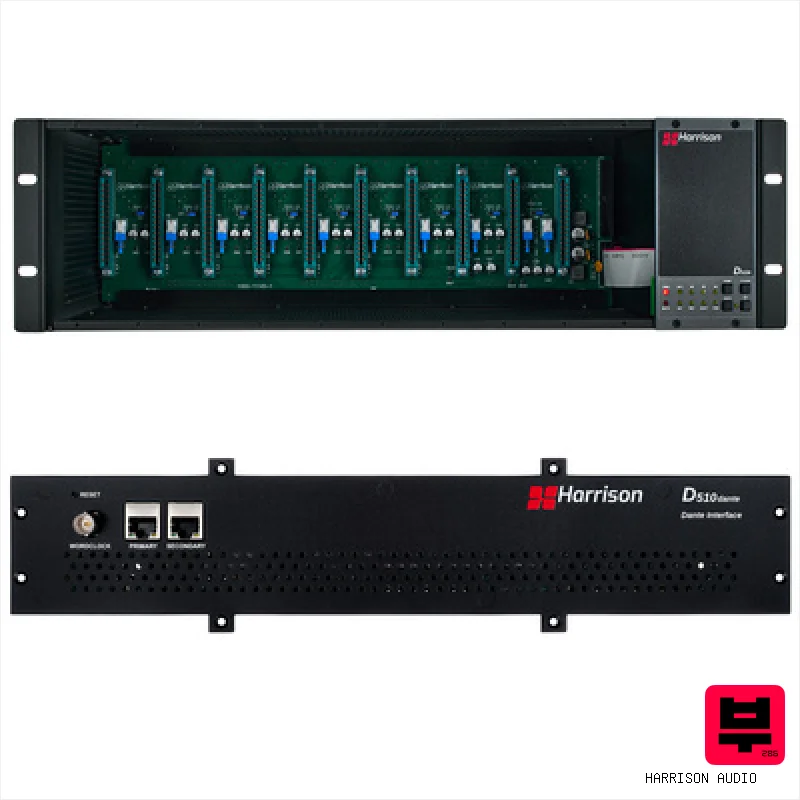
The Dateq SPL-2TS MKII is a seriously capable limiter, built for engineers and producers who demand surgical precision and rock-solid reliability. It’s not a plugin replacement; it's a dedicated hardware solution for mastering, broadcast, or any application where consistent, controlled dynamics are essential. Perfect for those who value transparency and a hands-on approach to limiting.
Pros
- Rock-solid build quality; feels like it’s built to last decades.
- PC control offers incredibly precise and repeatable settings.
- Excellent for mastering and broadcast applications requiring tight dynamics.
Cons
- Steep learning curve for optimal use of PC software.
- Limited flexibility compared to more versatile multi-band processors.
58AudioFu
Index↓ 2.3%since Aug 14 · lowest so far$974 · Aug 14$951 now$951€849 at Thomann · in stockCheck price ↗ -
- Size19"
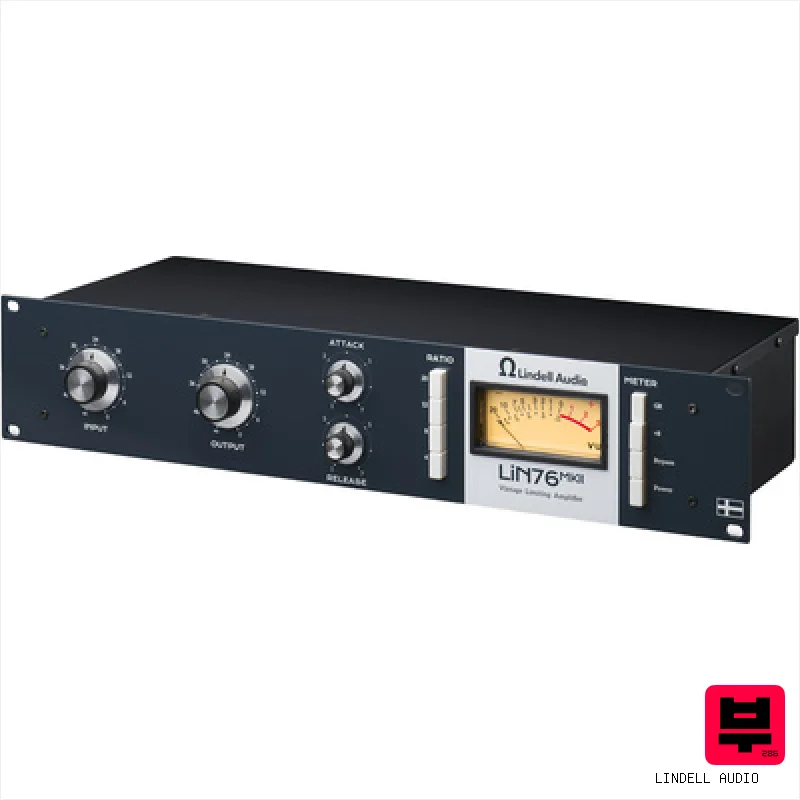
The Dateq SPL-3 MKII is a seriously well-built limiter – it’s the kind of thing you’d find in a pro studio. It's fantastic for gluing mixes together, especially drums or anything needing a little extra polish and headroom without obvious pumping. If you’re a mixing engineer or mastering engineer looking for transparent, reliable limiting, this is a strong contender.
Pros
- Rock-solid build quality, feels like it’ll survive a tour bus
- Measuring mic provides precise gain reduction feedback
- Transparent limiting, preserves signal integrity remarkably well
Cons
- Limited to two channels, not ideal for complex routing
- Premium-priced, a significant investment for smaller studios
57AudioFu
IndexStableno change since Aug 14Aug 14$1,108 now$1,108€989 at Thomann · in stockCheck price ↗ -
- Size19"
- Weight3.2 kg
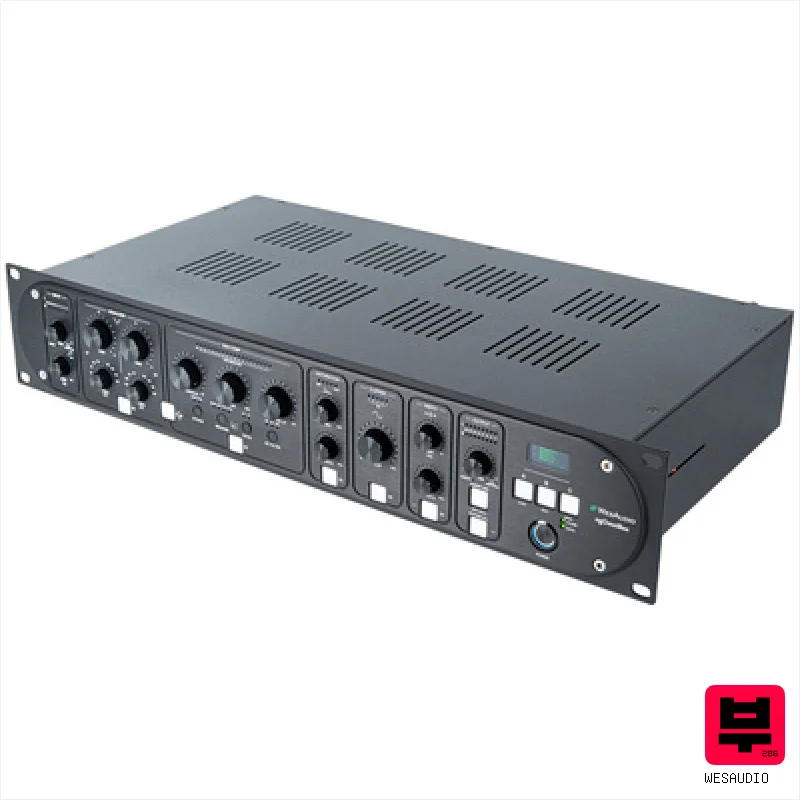
The SPL-5 MKII is a serious piece of kit, built for broadcast engineers and mastering houses needing surgical precision. The built-in mic and remote access are game-changers for complex workflows, allowing for real-time adjustments from anywhere. It's not a casual limiter; this is a professional tool for demanding applications.
Pros
- Precision metering mic provides incredibly accurate gain reduction readings.
- Remote internet operation offers unprecedented workflow flexibility for broadcast.
- Solid-state relay connection expands functionality and signal chain options.
Cons
- High-end price point puts it out of reach for many smaller studios.
- Complexity demands significant learning curve to fully utilize features.
57AudioFu
IndexStableno change since Aug 14Aug 14$1,848 now$1,848€1,649 at Thomann · in stockCheck price ↗ -
- Size19"
- Weight2.7 kg
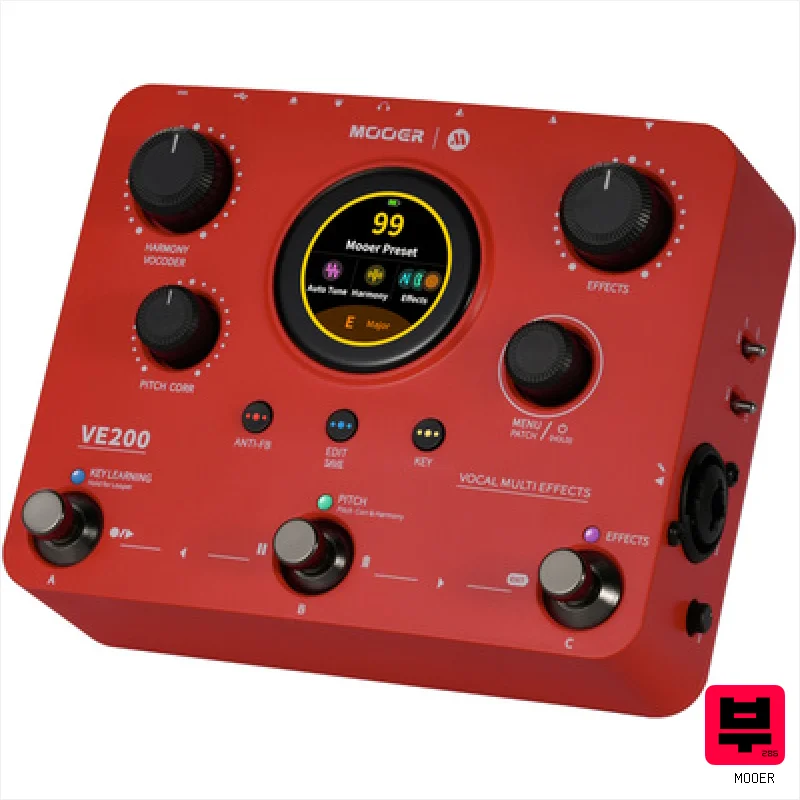
This unit fits right in a studio if you need accurate sound level monitoring without extra gear. The built-in mic and ten-band EQ let you tune your system precisely. It works well from a distance too, but the heavy weight and lack of a screen make daily tweaking a bit slow.
Pros
- Includes built-in measurement microphone for accurate monitoring
- Supports multiple frequency weighting options for precise analysis
- Offers ten-band EQ for detailed signal shaping control
Cons
- Heavy unit weight at 2.7 kg makes floor placement tricky
- No software installation means limited on-device customization
57AudioFu
Index↑ 1.1%since Aug 17$3,125 · Aug 17$3,159 now$3,159€2,819 at Thomann · in stockCheck price ↗
Limiters by the numbers
Measured across all 11 models we track, not a sample.
median of 10 models · 19"–19"
How to choose the best limiters
Heritage & Circuit Design
Dateq's roots are in high-end broadcast equipment, not boutique pedal territory. Their limiters are based on solid, reliable designs, often incorporating discrete op-amps and transformers that impart a unique sonic signature.
Signature Tone
Forget transparent limiting. Dateq limiters add a distinct 'glue' - a subtle thickening and compression that can make a thin-sounding track suddenly cut through the mix. There's often a warmth in the low-mids and a controlled, not-harsh, upper-midrange presence.
Build Quality
These things are tanks. Dateq didn't skimp on components. The metal chassis feels substantial, the pots are smooth, and they're built to withstand years of gigging and studio abuse - something you don't always find these days.
Dynamic Response
Dateq limiters aren't about brickwall limiting. They react musically, subtly taming peaks while retaining a sense of dynamics. This is crucial for drums, guitars, and vocals where you want punch and sustain without sounding overly compressed or lifeless.
Transformer Coloration
Many Dateq limiters incorporate transformers, which add a subtle harmonic distortion and saturation. This isn't always desirable, but when used intentionally, it can add a vintage vibe or a gritty edge to your signal, especially useful for rock and heavier genres.
Buying guide
Okay, so you're hunting for a limiter? Most guys just grab an API or a Universal Audio, but let me tell you, Dateq limiters are a secret weapon. These aren't the flashy, plugin-emulated kind; we're talking about those chunky, analog boxes that engineers in the 80s and 90s swore by for serious dynamic control. They're not about pristine transparency - they're about character - and nailing that aggressive, polished sound.
Dateq limiters aren't cheap, and finding one can be a challenge - they're mostly vintage now. Be wary of units that have been heavily modded without proper documentation; you're paying for the original character. The older models can be noisy if they haven't been serviced, so factor that into the price or budget for a tech to go through it.
If you need transparent limiting, this isn't your brand.
How the AudioFu Index works
Five measured signals and nothing else — no stars from strangers, no “tested by experts” we didn’t do. The weights are fixed and public. We don’t play these instruments; we measure the market around them.
This chart covers 6 limiters from the Thomann catalogue (of 11 in the category). Before you buy, read hands-on reviews and, where you can, play it. Full methodology.
AudioFu earns a commission when you buy through our Thomann links. It never changes the order — the index does.
- Demand40%
How many of this exact model are for sale on Reverb right now — what musicians actually buy and resell.
- Lineup20%
How many finishes Thomann stocks — makers expand the models that sell.
- Price15%
Where the price has moved since we started tracking in August.
- Specs15%
How completely the maker documents it.
- Maker10%
How deep the brand’s range is in this category.
Questions
Are Dateq limiters noisy?
Some older units can be, especially if they haven't been recapped. It's not excessive, but it's something to be aware of and budget for.
What kind of music are Dateq limiters best for?
They shine on anything needing a bit of glue and character - rock, blues, metal, even vocals where you want a vintage, compressed feel. They aren't ideal for hyper-clean genres like acoustic or classical.
Are they difficult to use?
Not really. They're fairly straightforward - threshold, ratio, attack, release. The trick is to use them subtly, less as a brickwall and more as a dynamic shaper.
What's the difference between a Dateq limiter and a Universal Audio 1176?
The 1176 is faster and more aggressive. Dateq's are more musical and subtle, offering more 'glue' and a warmer tone. They're different tools for different jobs.
Where can I find a Dateq limiter?
Expect to hunt on eBay, Reverb, or through vintage audio dealers. They're not readily available, so be patient and do your research.