
Best Lefthanded Electric Double Basses for Professional 2026
Finding a left-handed electric double bass that actually works for professional gigs and studio sessions is a surprisingly tough hunt. Most of what's out there feels like an afterthought - a right-handed model flipped and slapped together. We're talking about instruments that need to handle complex slap routines, deliver a solid low-end thump without getting muddy, and reliably cut through a full band mix, and that's before considering the ergonomics of a comfortable neck profile for a lefty. This list isn't about beginner instruments; it's about the gear that lets you do your job at a high level.
Last updated: September 29, 2026
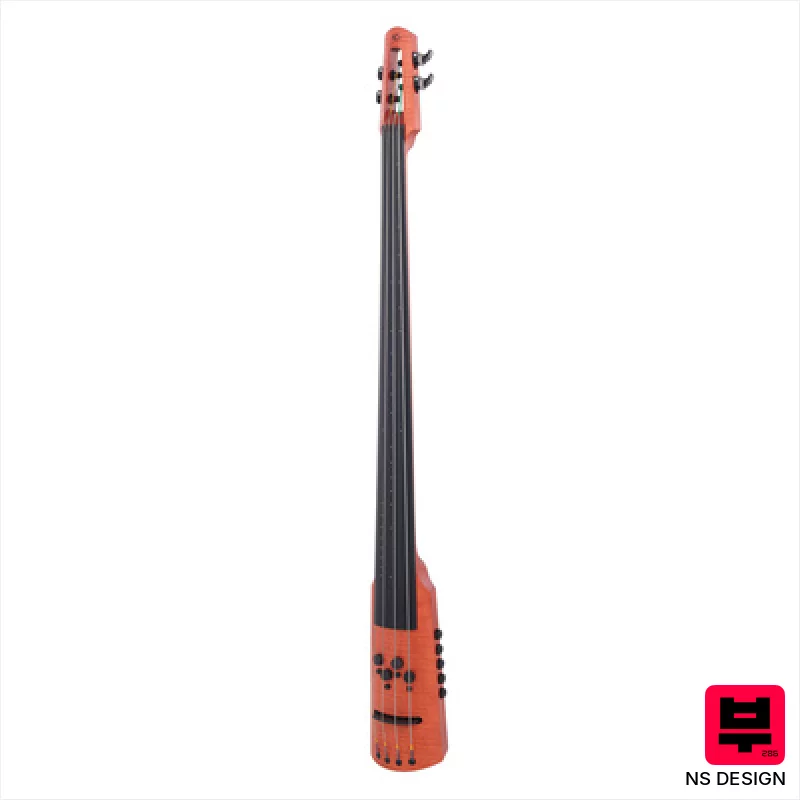
NS Design CR4M Bass Lefthand
- • Maple body delivers a focused, articulate tone with excellent projection.
- • EMG magnet pickup system provides a wide range of tones, from pizzicato to arco.
- • Ebony fingerboard offers a smooth, fast playing experience and excellent note definition.
- • Height-adjustable bridge allows for precise intonation and string action customization.
- • The compact scale can feel a bit cramped for players accustomed to full-scale basses.
- • Maple construction might lack the warmth and sustain of a more resonant wood like walnut.
- • Premium-priced, representing a significant investment for many bassists.
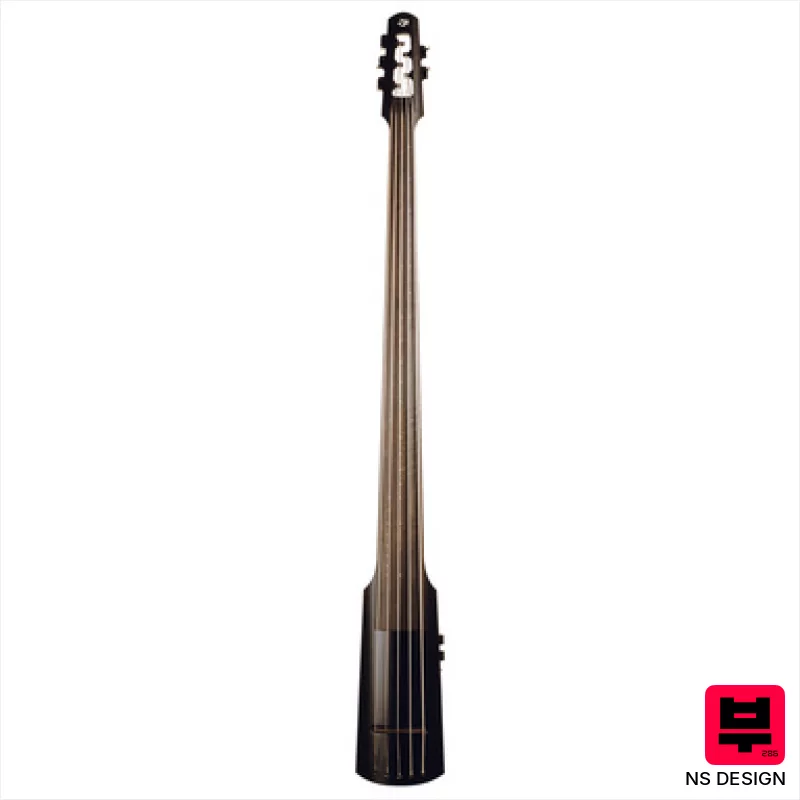
NS Design NXT5a Bass LH BK
- • Maple neck & body offer excellent sustain and clarity.
- • Polar pickup system delivers a surprisingly natural upright tone.
- • Ebony fretboard provides a smooth, fast playing experience.
- • Height-adjustable bridge allows for precise intonation adjustments.
- • The passive electronics limit tonal sculpting options.
- • Being a 5-string, it's noticeably heavier than 4-string models.
- • Black satin finish can be prone to fingerprints and smudges.
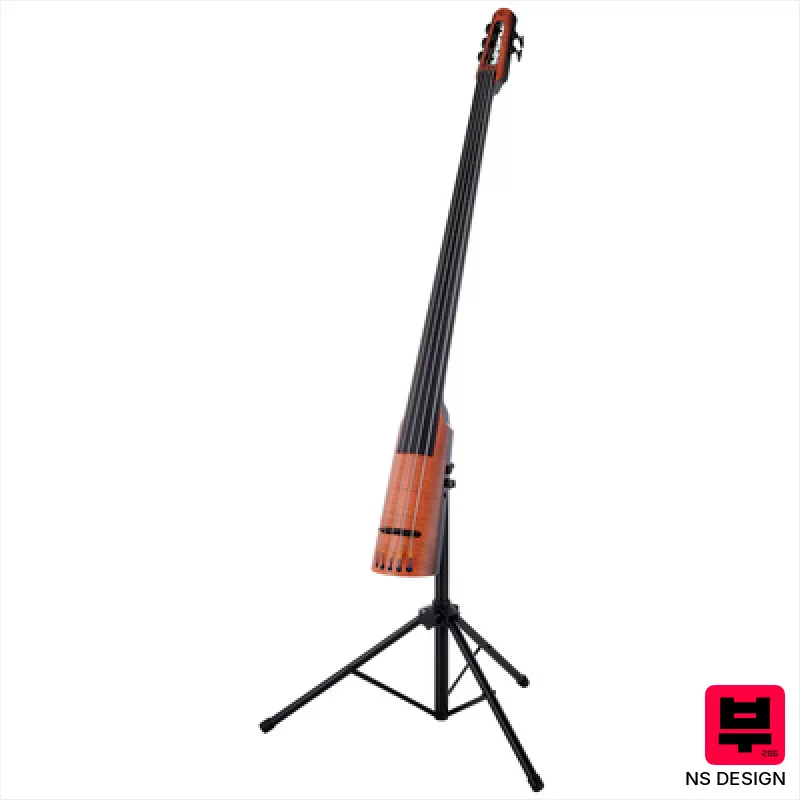
NS Design NXT5a Bass LH AB
- • Maple neck and body offer a bright, articulate tone with excellent sustain.
- • Polar pickup system delivers a remarkably natural amplified acoustic sound, versatile for arco and pizzicato.
- • Ebony fingerboard provides a smooth, fast playing experience with improved note definition.
- • Height-adjustable bridge allows for precise intonation adjustments, crucial for upright bass accuracy.
- • Maple construction can be somewhat bright; may require EQ adjustments for warmer tones.
- • Being a 5-string, the wider neck demands a larger hand and adjusted technique.
- • While gigbag is included, a high-quality hard case is strongly recommended for protection.

NS Design NXT4a Bass LH AB
- • Richlite fretboard offers excellent playability and stability.
- • Polar pickup system delivers surprisingly natural arco and pizzicato tones.
- • Maple body provides a balanced, resonant foundation for the electronics.
- • Height-adjustable bridge allows for precise intonation and string spacing.
- • The maple body, while resonant, can be somewhat prone to feedback at high volumes.
- • Passive electronics limit tonal shaping options compared to active systems.
- • The included gigbag, while functional, is a fairly basic, budget-oriented case.
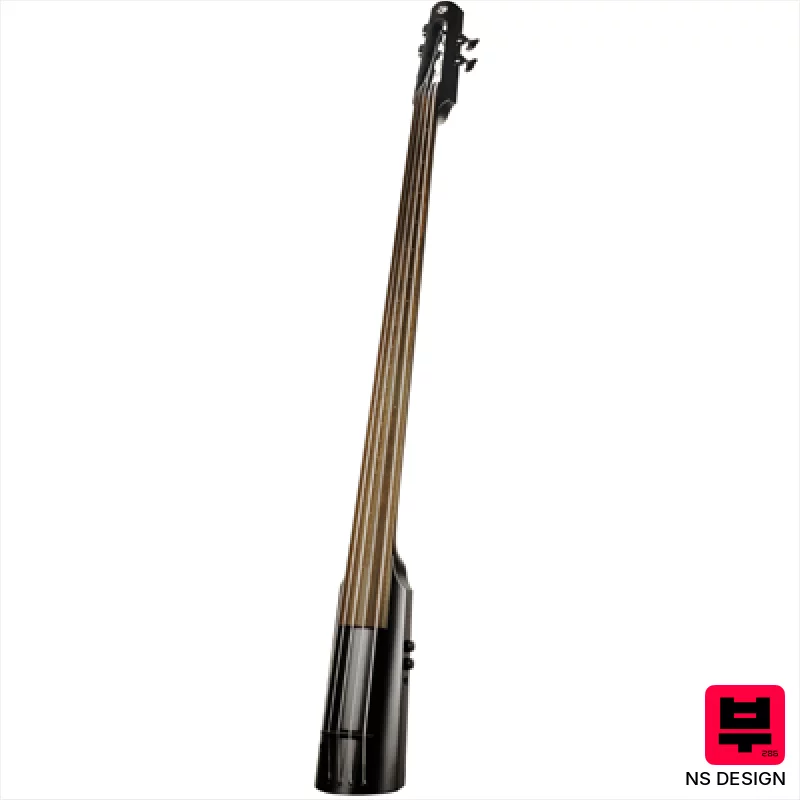
NS Design NXT4a Bass LH BK
- • Richlite fretboard offers exceptional playability and stability.
- • Polar pickup system delivers a surprisingly natural acoustic tone.
- • Maple body provides a balanced, resonant foundation for the sound.
- • Height-adjustable bridge allows for precise intonation adjustments.
- • Passive electronics limit tonal shaping flexibility compared to active systems.
- • Maple body can be somewhat prone to feedback at higher volumes.
- • The included gigbag is functional but not exceptionally durable.
Lefthanded Electric Double Basses by the numbers
Measured across all 5 models in this category, so «wide», «short» or «expensive» mean something you can check.
How to Choose the Best Lefthanded Electric Double Basses
Neck Profile & Setup
A comfortable, consistent neck profile is non-negotiable. We're looking for something that allows for effortless access to the higher registers and precise intonation - crucial for complex lines and rapid passages. The initial setup (action, string spacing) needs to be dialed in, or easily adjustable, for optimal playability.
Pickup Voicing & Output
The pickup is everything on an electric double bass. We're not after generic 'bass' tones; we want clarity, definition, and the ability to dial in everything from a warm, woody upright emulation to a biting, aggressive growl. High output isn't always better; it's about the character of the signal and its headroom.
Body Wood & Construction
While electronics play a huge role, the body wood significantly impacts the bass's resonance and sustain. Mahogany tends to deliver a warmer, rounder tone, while maple offers more brightness and clarity. Solid wood construction is a must for serious players, as laminates often lack the fundamental resonance needed for a professional sound.
Hardware Quality & Stability
Cheap hardware - tuners, bridge, tailpiece - will kill your intonation and frustrate you on stage. These components need to be rock-solid and hold tuning under the stress of gigging and recording. A poorly designed bridge can also negatively affect sustain and tone.
Electronics & Controls
Simple isn't always bad, but professional players often want flexibility. A blend knob to mix piezo and magnetic pickups is a huge advantage, allowing for a wider range of tonal options. Active electronics can offer more headroom and tonal shaping, but can also introduce noise if not implemented well.
Buying Guide
Don't be swayed by flashy aesthetics or inflated marketing claims. Lefthanded electric double basses are a niche market, so quality control can be inconsistent. Seriously consider buying from a reputable dealer who allows returns - you need to feel the neck in your hand and hear the bass through your own amp. Paying more often gets you better wood, more consistent electronics, and better hardware, but it doesn't guarantee a 'great' bass - it just reduces the chance of getting a dud.
How This List Is Built
We don't play these instruments — we're a catalog, not a review desk, and we'd rather say so than pretend otherwise. This page covers 5 lefthanded electric double basses from the Thomann catalogue, which is the largest single source of specification data in this category: 5 in detail, the rest listed with their specifications.
Position is computed, not curated. We parse the manufacturer's own description into actual values — nut width, scale, fret count, fingerboard radius, size, alloy — and rank on them: how many specifications a model has published, how many of them are measurable numbers, and how precisely it meets this page's criterion. A product image adds a little. Price is not a ranking signal: it tells you nothing about whether a neck fits your hand. The same inputs always produce the same order, so nothing here is shuffled to look fresh.
What this list is good for: narrowing a category down to a shortlist by spec and budget. What it isn't: a substitute for hearing an instrument. Before you buy, read hands-on reviews and, where you can, play it. Full methodology.

