
Best Installation Matrix Mixers for Multi Zone Audio 2026
So, you're looking to run audio to multiple zones - a restaurant with background music in the bar and the dining room, a retail space needing different vibes in the front and back, or maybe a home theater with a dedicated listening room? It's a step up from a simple stereo system, and you need a mixer that can handle it without sounding like a cheap karaoke rig. A matrix mixer isn't just about routing signals; it's about crafting distinct sonic environments, and that takes the right gear.
Last updated: July 8, 2026 • Next update: July 15, 2026
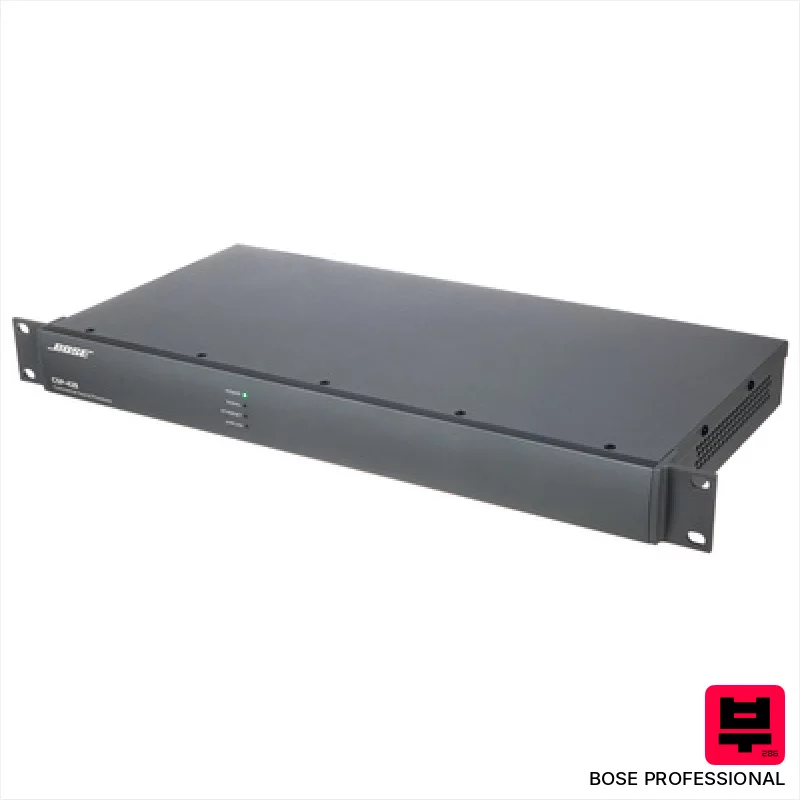
Bose Professional CSP-428
- • Intuitive browser interface dramatically speeds up complex installations
- • AmpLink provides flexible, scalable digital audio distribution
- • Compact 1U form factor simplifies rack integration in tight spaces
- • Robust 32-bit processor handles demanding processing tasks with ease
- • Limited analog input options may require external preamps
- • Euroblock connectors demand specific cabling knowledge
- • Lacks granular EQ control compared to some higher-end processors
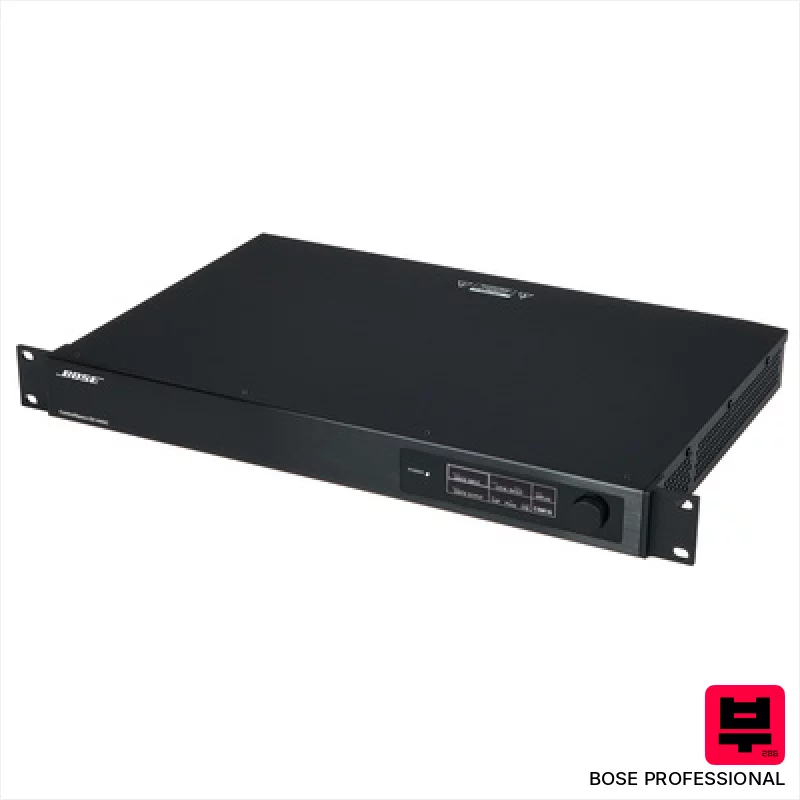
Bose Professional Control Space EX-440C
- • Exceptional AEC performance minimizes feedback and echo effectively.
- • Dante connectivity offers flexible, scalable audio routing options.
- • AmpLink integration simplifies amplifier pairing and system management.
- • Robust 32-bit DSP ensures clean, low-latency audio processing.
- • Premium-priced, a significant investment for smaller installations.
- • Limited physical analog outputs compared to some competitors.
- • VoIP functionality, while present, lacks advanced codec customization.
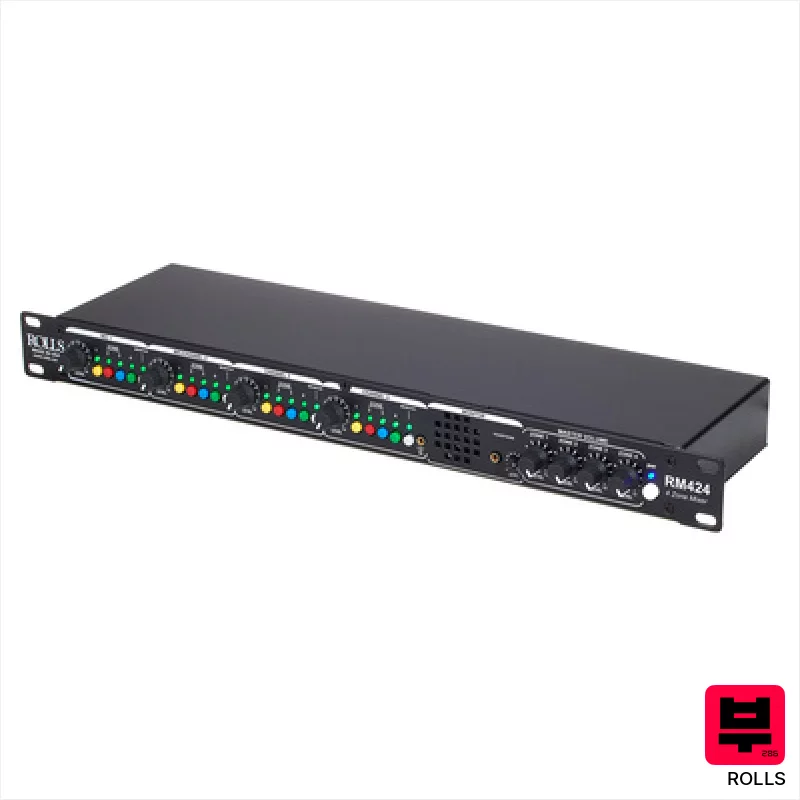
Rolls RM 424
- • Balanced XLR inputs offer clean, professional-grade signal capture
- • Individual zone level control provides precise audio distribution
- • Ducking functionality simplifies announcements and paging sequences
- • Compact 1U rackmount format suits installation and mobile setups
- • Limited channel count restricts complex mixing scenarios
- • Lack of onboard DSP limits sonic shaping capabilities
- • RCA inputs feel a bit dated compared to modern digital options
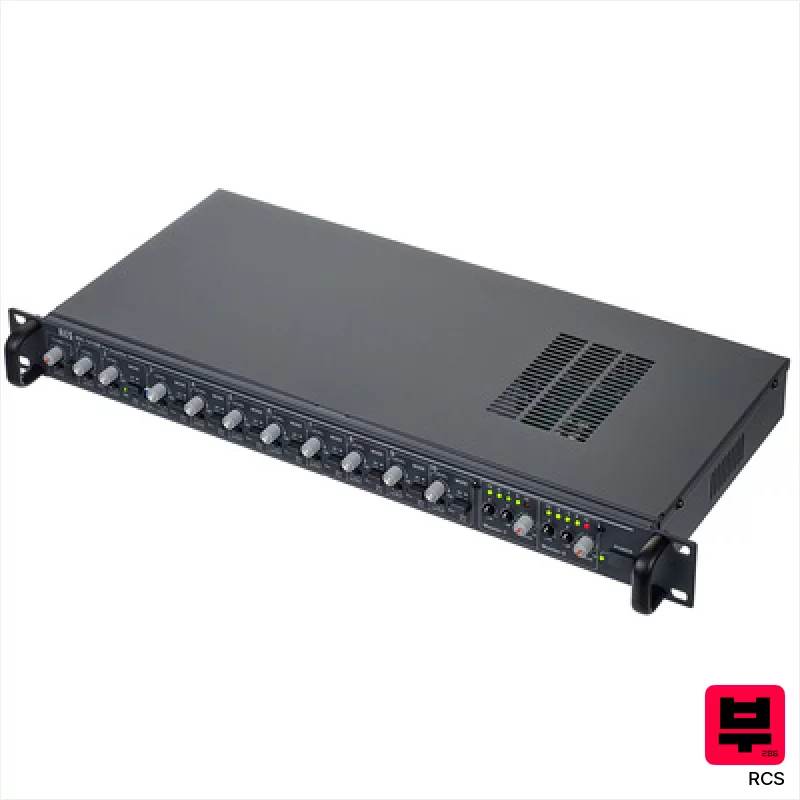
RCS MA-1410 B Mixer Preamp
- • Robust construction suggests durable stage or install use
- • Dual output routing offers flexible signal management
- • MIC-LINE selector provides versatility for varied signal sources
- • 24V DC operation is a significant advantage for emergency power
- • Limited DSP functionality compared to modern, pricier mixers
- • 10 channels might be restrictive for larger, complex setups
- • Lack of individual channel EQ is a notable omission

Sonifex Redbox RB-PMX4
- • Robust 1U rackmount chassis ensures reliable installation.
- • DIP switch routing offers flexible zone control without software.
- • Sonifex build quality delivers professional-grade durability.
- • 10 XLR inputs handle a wide range of microphone and line signals.
- • Limited DSP capabilities compared to more modern matrix mixers.
- • DIP switch configuration can be tedious for complex routing changes.
- • The small form factor can feel cramped for extensive patching.
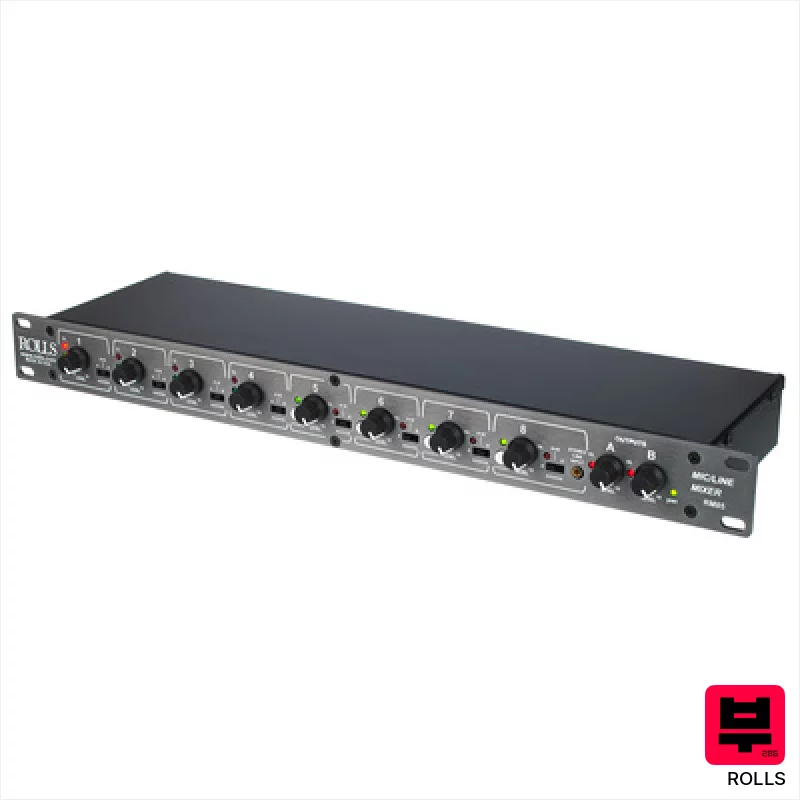
Rolls RM85
- • Compact 1U rack design saves valuable space in installations
- • Solid build quality with robust metal chassis for reliable use
- • Versatile routing options (A/B/A+B) suit diverse applications
- • Phantom power supports condenser mics for professional recordings
- • Limited EQ capabilities restrict fine-tuning audio characteristics
- • Lack of digital connectivity limits integration with modern workflows
- • Basic feature set lacks advanced processing found in higher-end mixers

ART MX225
- • Solid build quality for the price range, feels robust.
- • Flexible zone routing provides excellent signal distribution.
- • XLR connectivity offers professional-grade signal handling.
- • Compact 1U rackmount saves valuable space in installations.
- • Limited EQ options restrict detailed sound shaping.
- • ART's preamps are serviceable, but lack high-end clarity.
- • No digital connectivity restricts integration with modern workflows.
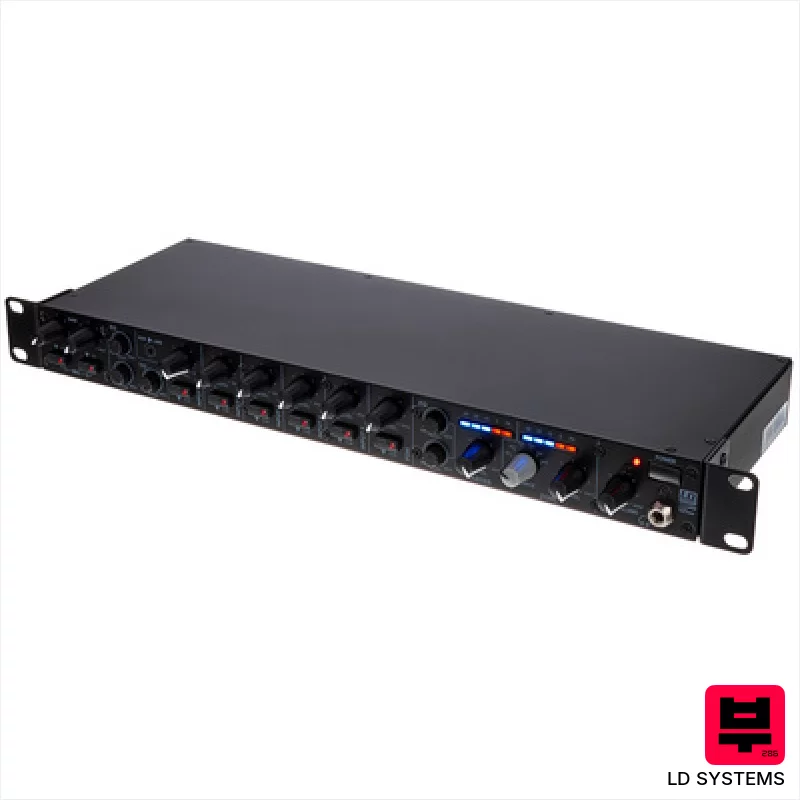
LD Systems Zone 622
- • Compact 1U rackmount saves valuable space in installations
- • Flexible zone routing simplifies background music distribution
- • Solid build quality for reliable performance in commercial settings
- • Balanced outputs ensure clean signal transmission over longer distances
- • EQ is basic 2-band, limiting detailed tonal shaping
- • Limited microphone preamps won't suit complex live vocal setups
- • RCA connections feel a bit dated compared to modern digital options
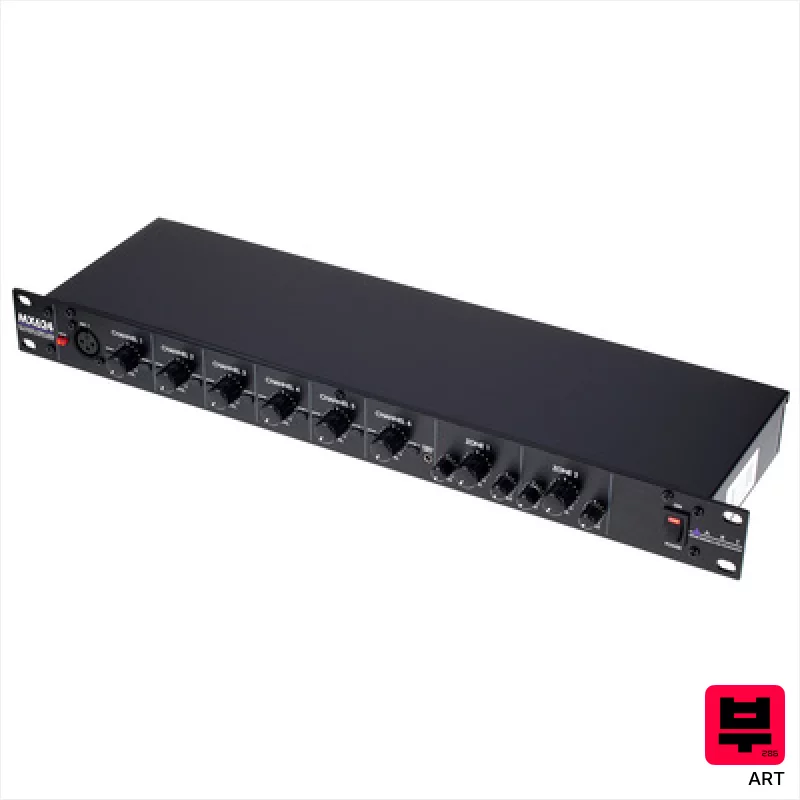
ART MX 624
- • Routable channels offer flexible zone control for varied applications
- • Compact 1U rackmount design saves valuable space in installations
- • Ducking function simplifies background music level management
- • Multiple input options cater to diverse audio sources and setups
- • ART's build quality is generally utilitarian, not premium
- • Limited EQ per channel restricts detailed sound shaping
- • RCA connections feel dated compared to more modern connectors
How to Choose the Best Installation Matrix Mixers
Routing Flexibility
A matrix mixer's core strength. You need enough inputs and outputs to handle your zones, with the ability to route any input to any output combination. Forget fixed routing - look for full flexibility to create custom zones.
Clean Headroom
Multi-zone audio often means subtle background music or announcements, but you need headroom for unexpected peaks. A mixer that clips easily will muddy everything up, making your background music sound harsh and unpleasant - no one wants that in a dining room.
Low Noise Floor
This is critical. A noisy mixer will be immediately noticeable, especially in quiet zones. Listen for hiss or hum - it's a sign of cheap components and poor design. That subtle low-level noise gets amplified in a quiet environment.
EQ and Processing
Having per-zone EQ is invaluable for tailoring the sound to each space's acoustics. Some mixers offer basic EQ; others have more advanced processing like compression or noise gates. These can make a huge difference in clarity and overall sonic character.
Build Quality & Reliability
Installation mixers live a hard life. They're often tucked away, exposed to dust and temperature fluctuations. You want something built to last - robust connectors, solid construction, and a reputation for reliability. A mixer that fails mid-gig is a nightmare.
Buying Guide
Don't be fooled by a high channel count alone. A lot of budget matrix mixers sacrifice headroom and clean signal path to cram in more inputs. Pay attention to the preamps - are they noisy? Does the EQ sound muddy or surgical? A slightly smaller, higher-quality mixer will always outperform a larger, cheaper one. Spend a little more for a mixer with a solid power supply and robust construction; you'll thank yourself later when it's still running reliably after years of use.
Our Methodology
We don't just look at spec sheets here. We've spent countless hours A/B-ing these matrix mixers, running them through real-world scenarios - from background music in a bustling cafe to feeding signals to multiple speakers in a rehearsal space. We're listening for noise, headroom, how they handle dynamic sources, and ultimately, if they deliver a clean, usable signal that doesn't suck the life out of your audio.

