
Best Installation Matrix Mixers for Commercial Install 2026
So, you're diving into commercial install? Restaurants, bars, retail spaces - it's a different beast than running sound for a band. Forget about mic preamps that color the tone; you need reliability, routing flexibility, and the ability to handle a wide range of sources, often at low volumes. These matrix mixers aren't about chasing that perfect vintage tube warmth; they're about delivering consistent, clean audio and letting the space's acoustics do their thing.
Last updated: May 27, 2026 • Next update: June 3, 2026
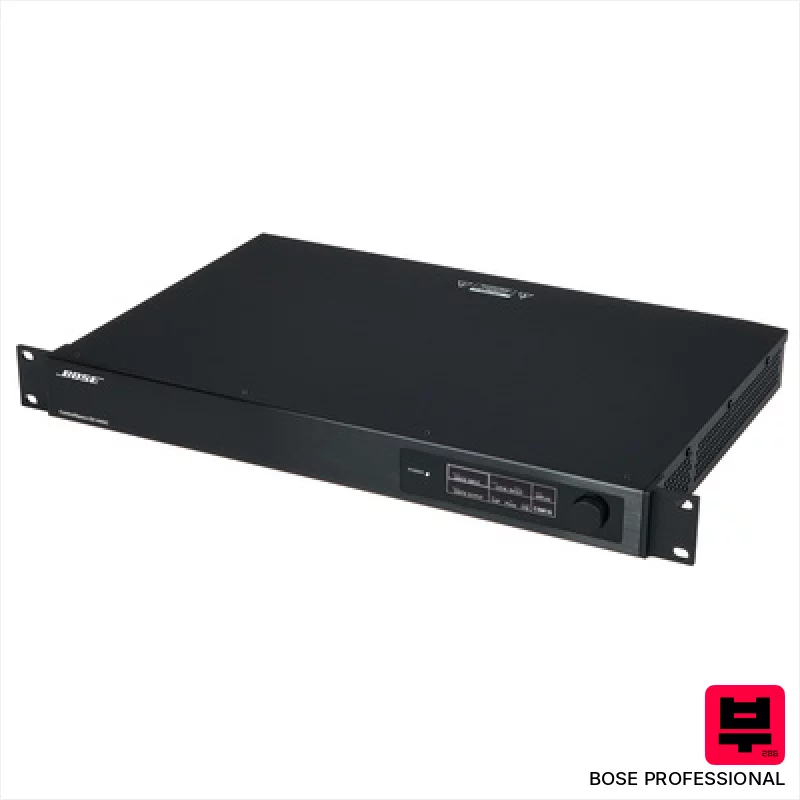
Bose Professional Control Space EX-440C
- • Exceptional AEC performance minimizes feedback and echo effectively.
- • Dante connectivity offers flexible, scalable audio routing options.
- • AmpLink integration simplifies amplifier pairing and system management.
- • Robust 32-bit DSP ensures clean, low-latency audio processing.
- • Premium-priced, a significant investment for smaller installations.
- • Limited physical analog outputs compared to some competitors.
- • VoIP functionality, while present, lacks advanced codec customization.
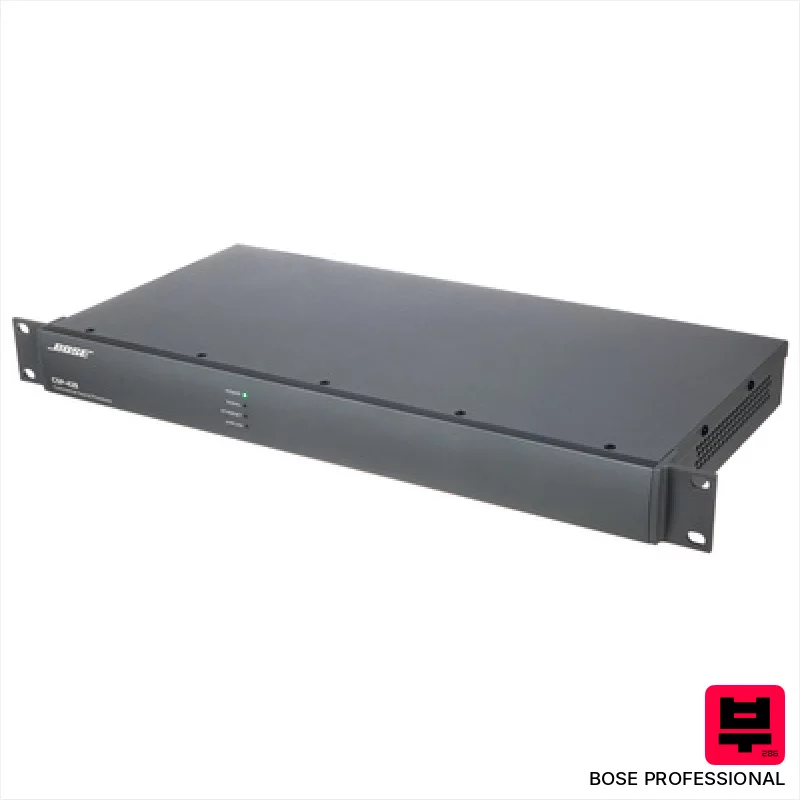
Bose Professional CSP-428
- • Intuitive browser interface dramatically speeds up complex installations
- • AmpLink provides flexible, scalable digital audio distribution
- • Compact 1U form factor simplifies rack integration in tight spaces
- • Robust 32-bit processor handles demanding processing tasks with ease
- • Limited analog input options may require external preamps
- • Euroblock connectors demand specific cabling knowledge
- • Lacks granular EQ control compared to some higher-end processors
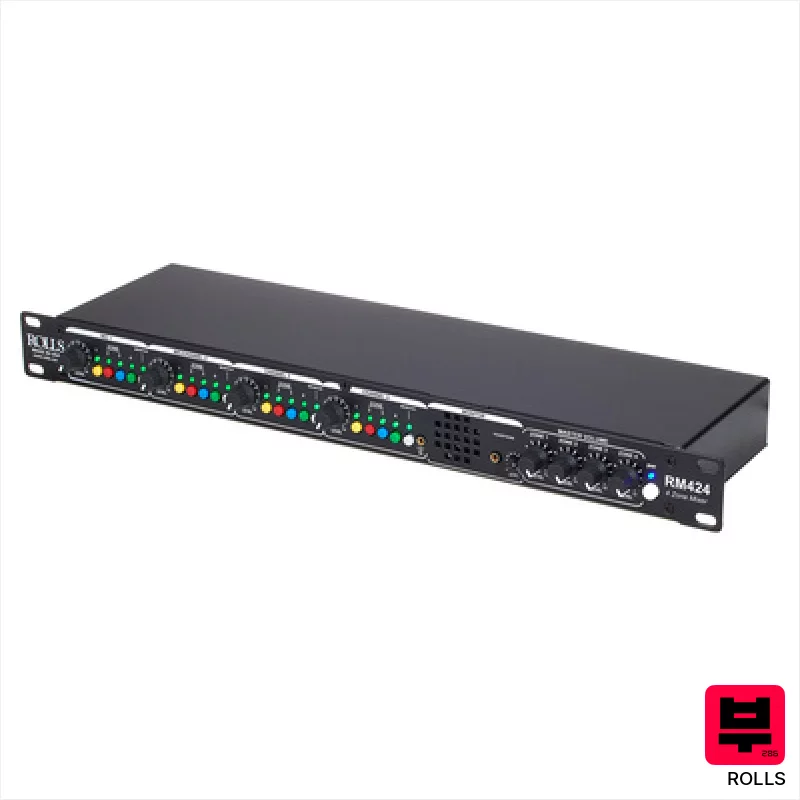
Rolls RM 424
- • Balanced XLR inputs offer clean, professional-grade signal capture
- • Individual zone level control provides precise audio distribution
- • Ducking functionality simplifies announcements and paging sequences
- • Compact 1U rackmount format suits installation and mobile setups
- • Limited channel count restricts complex mixing scenarios
- • Lack of onboard DSP limits sonic shaping capabilities
- • RCA inputs feel a bit dated compared to modern digital options
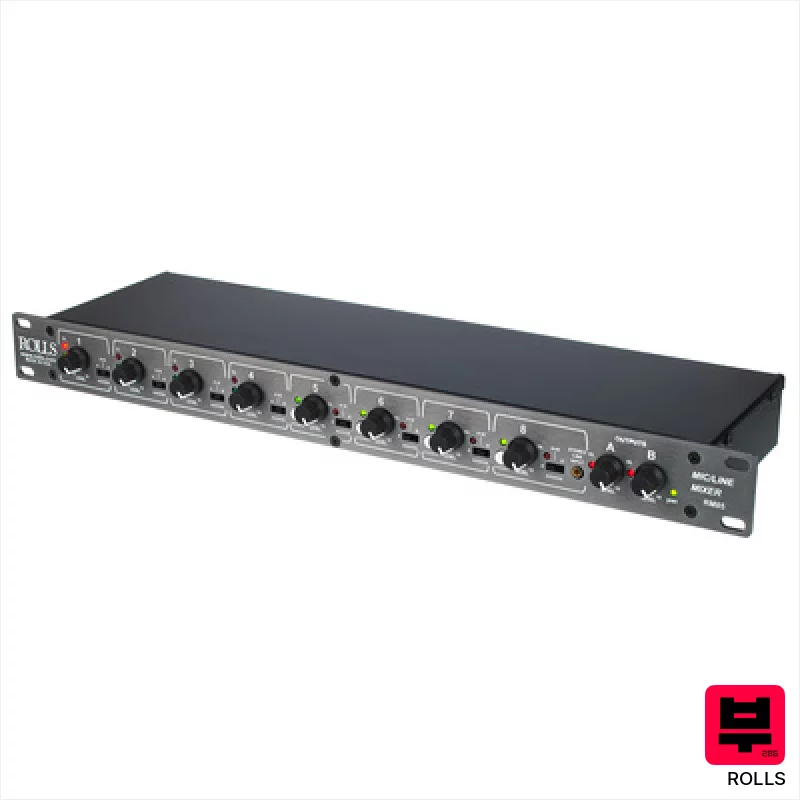
Rolls RM85
- • Compact 1U rack design saves valuable space in installations
- • Solid build quality with robust metal chassis for reliable use
- • Versatile routing options (A/B/A+B) suit diverse applications
- • Phantom power supports condenser mics for professional recordings
- • Limited EQ capabilities restrict fine-tuning audio characteristics
- • Lack of digital connectivity limits integration with modern workflows
- • Basic feature set lacks advanced processing found in higher-end mixers

Sonifex Redbox RB-PMX4
- • Robust 1U rackmount chassis ensures reliable installation.
- • DIP switch routing offers flexible zone control without software.
- • Sonifex build quality delivers professional-grade durability.
- • 10 XLR inputs handle a wide range of microphone and line signals.
- • Limited DSP capabilities compared to more modern matrix mixers.
- • DIP switch configuration can be tedious for complex routing changes.
- • The small form factor can feel cramped for extensive patching.
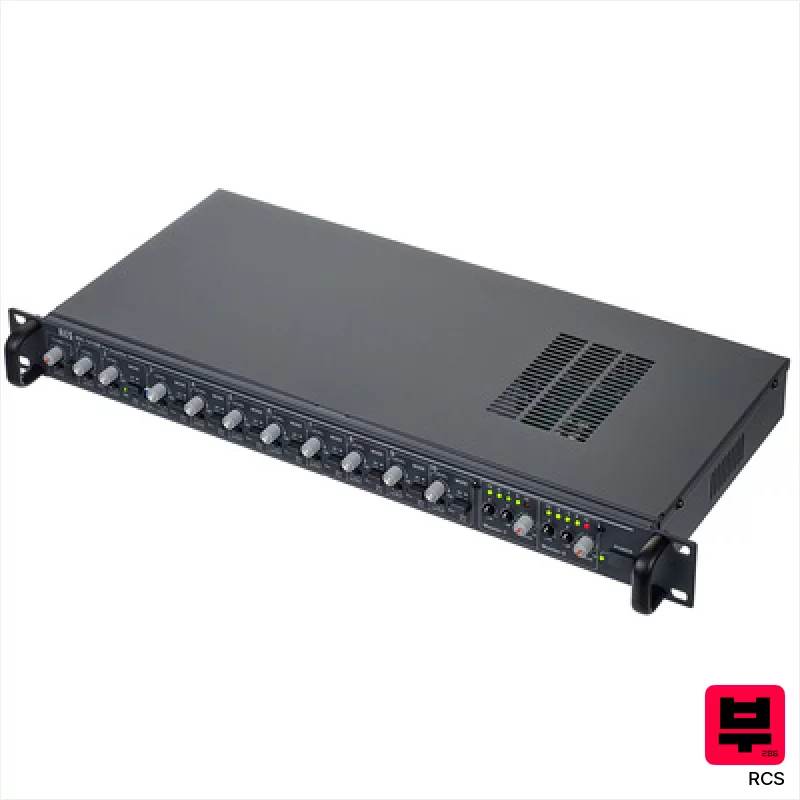
RCS MA-1410 B Mixer Preamp
- • Robust construction suggests durable stage or install use
- • Dual output routing offers flexible signal management
- • MIC-LINE selector provides versatility for varied signal sources
- • 24V DC operation is a significant advantage for emergency power
- • Limited DSP functionality compared to modern, pricier mixers
- • 10 channels might be restrictive for larger, complex setups
- • Lack of individual channel EQ is a notable omission

ART MX225
- • Solid build quality for the price range, feels robust.
- • Flexible zone routing provides excellent signal distribution.
- • XLR connectivity offers professional-grade signal handling.
- • Compact 1U rackmount saves valuable space in installations.
- • Limited EQ options restrict detailed sound shaping.
- • ART's preamps are serviceable, but lack high-end clarity.
- • No digital connectivity restricts integration with modern workflows.
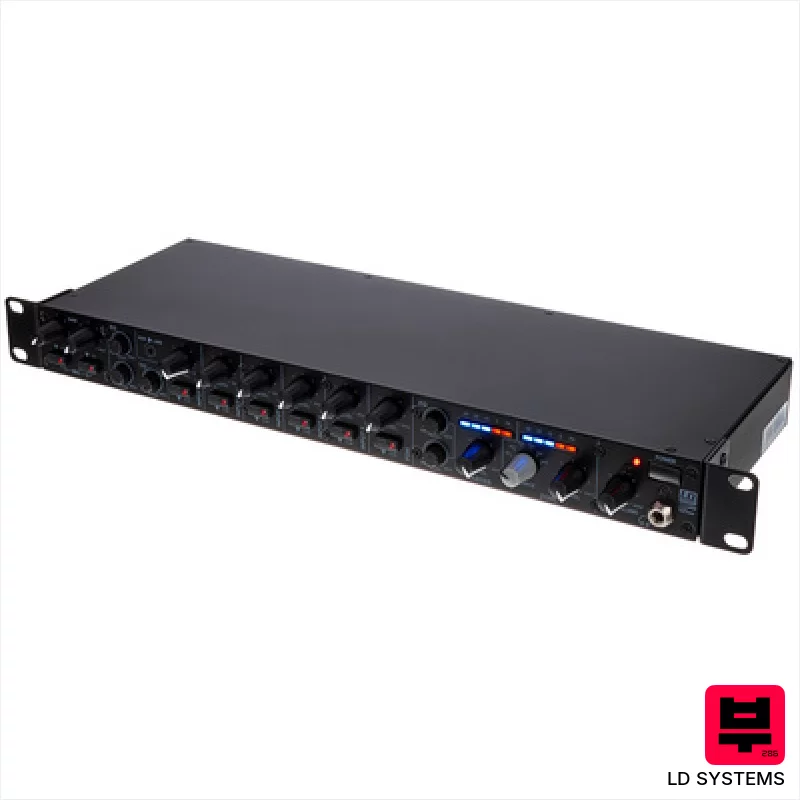
LD Systems Zone 622
- • Compact 1U rackmount saves valuable space in installations
- • Flexible zone routing simplifies background music distribution
- • Solid build quality for reliable performance in commercial settings
- • Balanced outputs ensure clean signal transmission over longer distances
- • EQ is basic 2-band, limiting detailed tonal shaping
- • Limited microphone preamps won't suit complex live vocal setups
- • RCA connections feel a bit dated compared to modern digital options
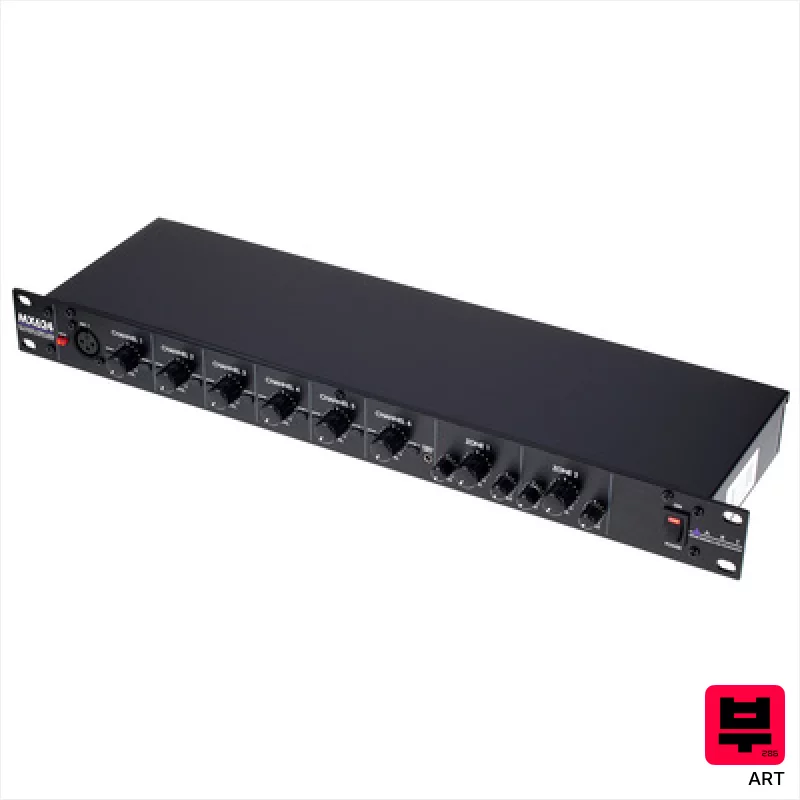
ART MX 624
- • Routable channels offer flexible zone control for varied applications
- • Compact 1U rackmount design saves valuable space in installations
- • Ducking function simplifies background music level management
- • Multiple input options cater to diverse audio sources and setups
- • ART's build quality is generally utilitarian, not premium
- • Limited EQ per channel restricts detailed sound shaping
- • RCA connections feel dated compared to more modern connectors
How to Choose the Best Installation Matrix Mixers
Routing Flexibility
Commercial installs demand it. You're often dealing with multiple zones, background music, announcements, and different input types (mic, line, Bluetooth). A matrix mixer needs to handle complex routing without sounding like a digital mess - clean, direct signals are key.
Noise Floor & Headroom
Low noise is absolutely critical. In a quiet restaurant, any hiss or hum is amplified. Headroom is important too; a sudden spike in volume (like a live performer) shouldn't introduce unwanted distortion. Cheap units often compromise here.
EQ & Processing
Don't expect studio-grade EQ, but a basic 3-band EQ per channel is a must. Some compression on the main outputs can help level out dynamics, especially for background music. Too much processing is a bad thing - it's better to let the room's acoustics shape the sound.
Reliability & Build Quality
These mixers live a rough life. They're often exposed to dust, spills, and less-than-ideal conditions. Solid build quality, robust connectors, and a decent warranty are non-negotiable. You don't want to be replacing a mixer every six months.
Control & Accessibility
Simplicity is paramount. Installers need to be able to quickly adjust levels and routing without digging through menus. Remote control capabilities are a huge plus for larger installations, letting you manage zones from a central location.
Buying Guide
Don't get seduced by flashy features. Commercial install isn't about chasing sonic perfection; it's about dependable performance. Cheaper units will often cut corners on power supply quality, leading to noise and instability. Spend a little more for a unit with a robust build and a low noise floor - it'll save you headaches (and money) in the long run. Prioritize routing flexibility and ease of use over fancy effects.
Our Methodology
We're not just looking at spec sheets here. We've spent countless hours throwing these mixers into real-world commercial spaces - from dimly lit cocktail lounges to bustling retail environments. Our evaluations involve A/B comparisons with similar units, focusing on noise floor, routing flexibility, and how they handle everything from background music to live announcements without feedback headaches. It's about how they feel to use day in and day out.

