
Best Hybrid Bass Heads for Professional Use 2026
So, you're looking for a hybrid bass head? Smart move. You want the flexibility of multiple amp models - clean Fender-esque tones for studio work, a gritty Marshall-inspired growl for rock gigs, maybe something darker for funk - all in one box. We're not talking about bedroom practice here; you need something that holds up to band rehearsals, cuts through a PA, and delivers consistent results night after night. This list is for the working bassist.
Last updated: July 22, 2026 • Next update: July 29, 2026

Markbass Little Mark Vintage 58R
- • Exceptional tube warmth delivers a classic, vintage Markbass tone.
- • Surprisingly lightweight for a tube amp – gig-friendly portability.
- • Gold-plated circuits suggest a commitment to quality signal path.
- • Versatile EQ with 'Old' mode convincingly emulates vintage amp characteristics.
- • Limited wattage might struggle in very loud, high-volume situations.
- • Tube preamp requires occasional maintenance and tube replacement.
- • EQ, while flexible, lacks a true parametric option for precise sculpting.
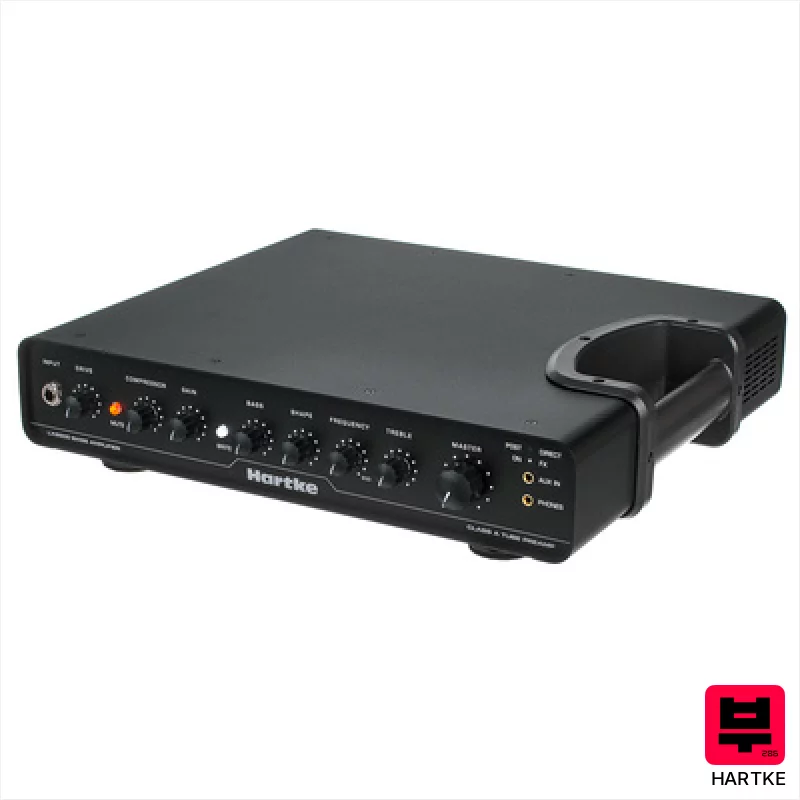
Hartke LX8500
- • Excellent clean headroom, surprisingly powerful for its size
- • 12AX7 preamp delivers a warm, musical tube character
- • Flexible EQ with 'Shape' control offers tonal sculpting options
- • Compact and lightweight for a head of this power class
- • FX loop isn't always the most transparent, coloration can be noticeable
- • Limited gain saturation compared to higher-end hybrid amps
- • Shape control can be a bit vague, requiring experimentation

Genzler Kinetix 800
- • Tube preamp delivers creamy warmth and harmonic richness.
- • Class-D power provides substantial headroom and clean power.
- • Flexible EQ with 'Lean/Fat' switch shapes tonal character effectively.
- • Versatile DI output with mic/line switch simplifies recording and live use.
- • Relatively heavy for a head, limiting portability for some players.
- • Premium-priced, representing a significant investment for many bassists.
- • EQ, while flexible, might lack the precision of fully parametric options.
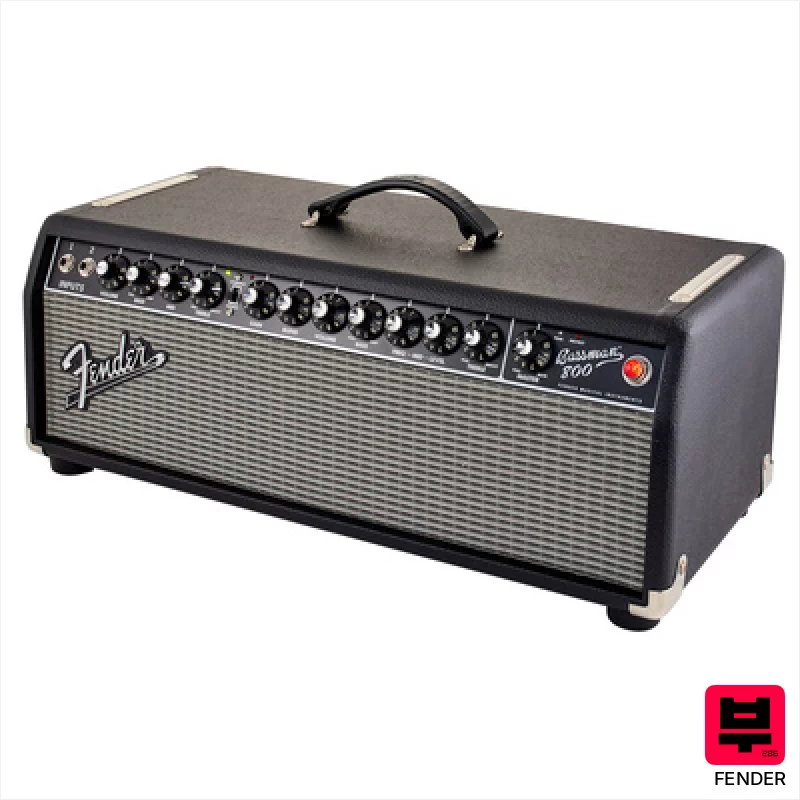
Fender Bassman 800 Head
- • Hybrid design blends tube warmth with solid-state reliability.
- • Vintage channel delivers classic Fender clean tones, exceptionally articulate.
- • Overdrive channel provides a usable, gritty sound without being overly saturated.
- • The DI output with XLR and ground lift is exceptionally clean and stage-ready.
- • 800W is overkill for smaller gigs or home practice; power scaling is needed.
- • The weight, while not outrageous, makes transport a two-person job.
- • Mid-frequency control on the overdrive channel could offer more nuanced shaping.
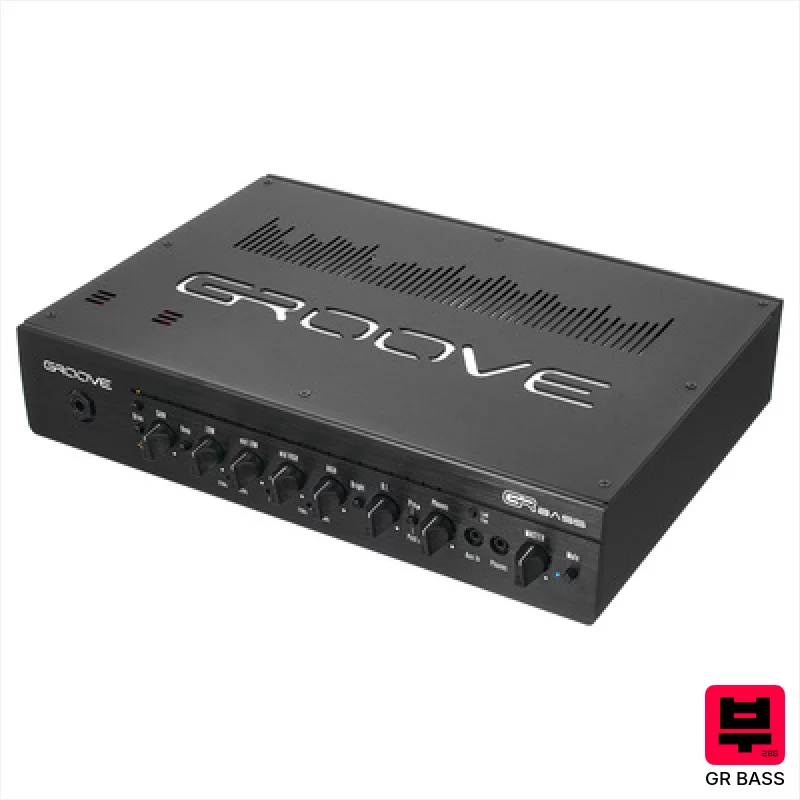
GR Bass GROOVE800
- • Brushed steel housing feels robust and looks genuinely premium.
- • 12AX7 preamp tubes deliver a warm, harmonically rich overdrive.
- • Flexible EQ with selectable mid frequencies caters to diverse bass tones.
- • Powerful Class D amp provides ample headroom and clean low-end.
- • Single-channel design limits versatility for complex tones or quick switching.
- • The compact size might make it feel cramped for some players’ pedalboards.
- • Limited tonal palette compared to multi-channel or modeling amps.
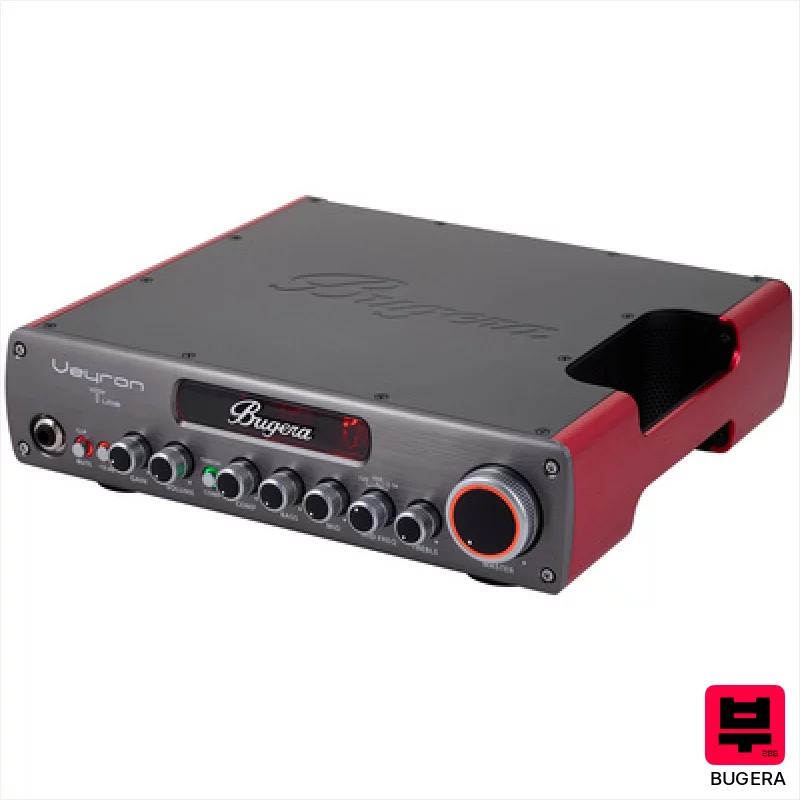
Bugera BV1001T Veyron Bass Head
- • Hybrid design delivers surprising tube warmth and modern power.
- • Optical compressor adds subtle glue without excessive pumping.
- • DI output is clean and usable for recording or live sound.
- • Dynamizer power management provides headroom and consistent tone.
- • Build quality feels a bit plasticky, not as robust as higher-end amps.
- • EQ isn't the most precise, can be a bit broad for nuanced shaping.
- • Class D power can sound sterile if not dialed carefully.
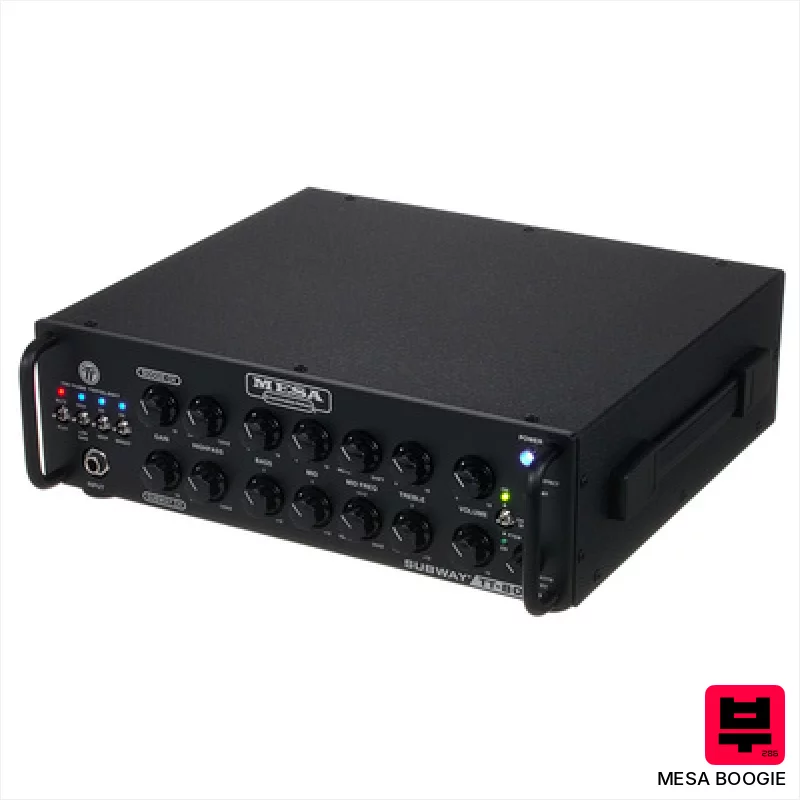
Mesa Boogie Subway TT-800
- • Compact design belies serious power and headroom for demanding gigs
- • Dual channels offer distinct clean and aggressive tones, easily switchable
- • Mesa’s signature preamp circuitry delivers that legendary, rich, and articulate bass tone
- • Comprehensive effects loop and direct out cater to studio and live flexibility
- • Premium-priced, a significant investment for many bassists
- • Limited EQ flexibility compared to some larger format Mesa Boogie amps
- • The compact size might feel cramped for players accustomed to larger amp footprints
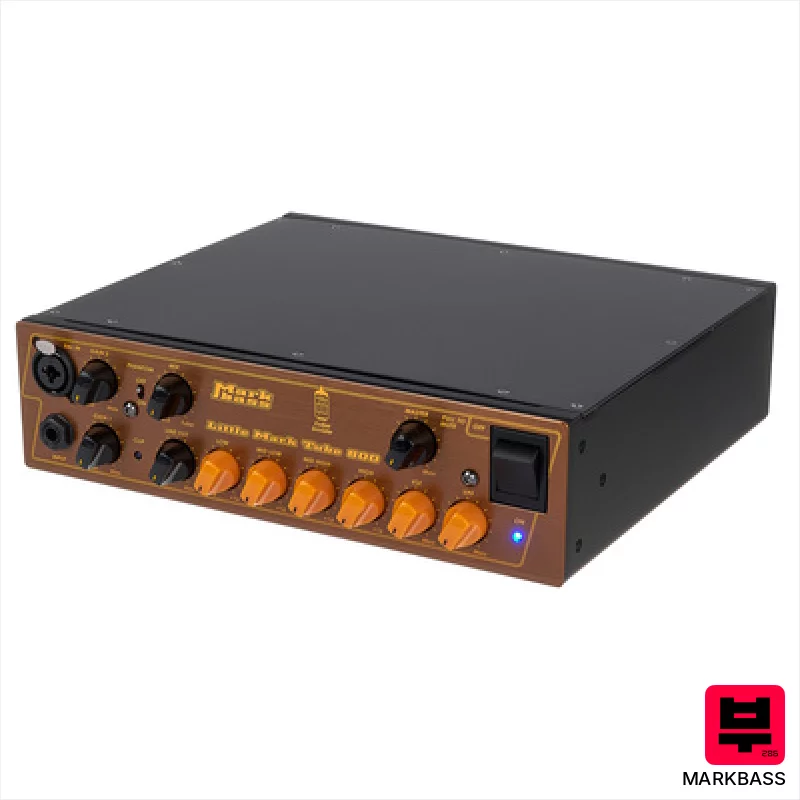
Markbass Little Mark Tube 800
- • Tube preamp delivers warm, harmonically rich overdrive.
- • Ultra-portable design ideal for gigging musicians.
- • Versatile EQ and PreShape filter sculpts a wide range of tones.
- • Balanced XLR DI output provides pristine recording and live sound.
- • Tube section requires occasional maintenance and warm-up time.
- • Limited headroom compared to higher-wattage solid-state amps.
- • Preamp tubes will eventually need replacement, adding to long-term cost.

Orange Terror Bass
- • Tube preamp delivers Orange's signature warm, harmonically rich tone
- • Solid steel chassis ensures exceptional durability for gigging musicians
- • Speaker Twist output optimizes speaker matching for varied tonal responses
- • Compact size and relatively light weight for a 500W amp head
- • Clean channel lacks the headroom for truly pristine, modern bass tones
- • FX loop's tube-driven send can add unwanted coloration in certain setups
- • Limited EQ control compared to some competing hybrid amp heads
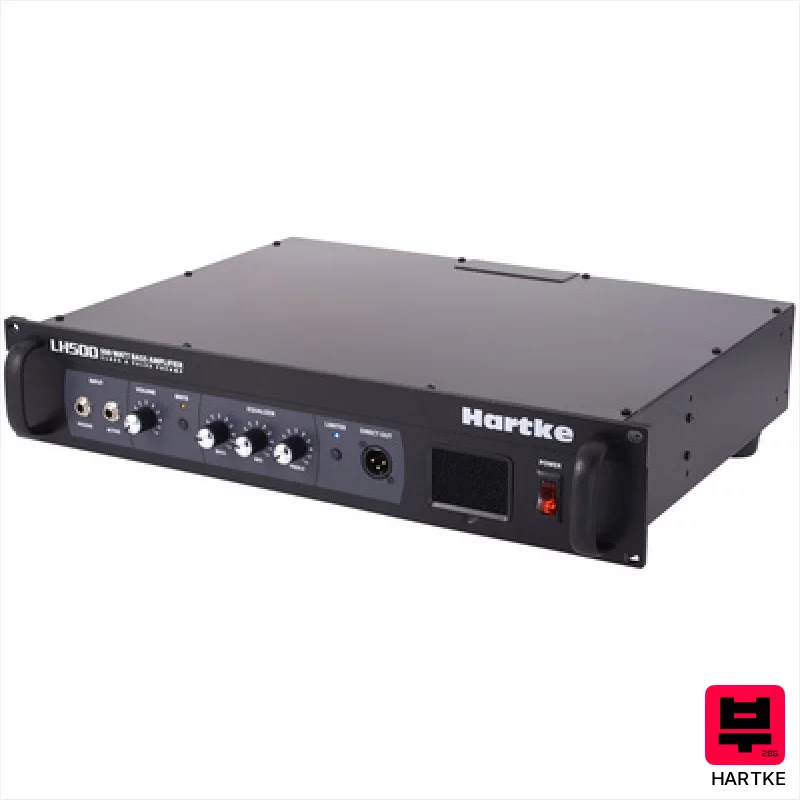
Hartke LH-500
- • Tube preamp delivers a warm, responsive, and articulate sound
- • Balanced XLR DI output provides a clean, professional signal for recording and live sound
- • 3-band EQ with Bright switch offers versatile tonal shaping options
- • Solid construction feels robust and durable for gigging musicians
- • The 3-band EQ is somewhat limited compared to more modern amps
- • Relatively heavy for rackmount use, may require a dedicated amp rack
- • Class-A tube preamp requires more power and generates more heat
How to Choose the Best Hybrid Bass Heads
Tonal Palette
A truly versatile hybrid head needs a wide range of usable tones, going beyond just a few presets. We're looking for models that can be dialed in to convincingly emulate classic amps, and also offer something unique - a 'secret sauce' that sets them apart. That 'fat midrange honk' for Motown, a tight low-end thump for modern funk, and a gritty breakup for rock - it all needs to be there.
Headroom & Dynamics
Gigging bassists need headroom. Enough clean power to handle dynamic playing without flinching, and a usable overdrive circuit when you need it. A head that clips prematurely or sounds compressed even at lower volumes isn't going to cut it for professional use.
Impulse Response (IR) Modeling
The quality of the speaker cabinet simulation is crucial. Cheap IRs sound lifeless and boxy. We're looking for heads with a selection of high-quality IRs that accurately recreate the character of different cabinets, or allow for user-loaded IRs for ultimate customization.
Connectivity & Routing
Professional bassists need flexible routing options - multiple outputs for direct recording, aux inputs for backing tracks, balanced XLR outs for PA integration. A lack of essential connectivity features can severely limit a head's usefulness in different scenarios.
Build Quality & Reliability
Let's be honest, gear gets abused. A hybrid head that falls apart after a few gigs isn't worth the investment. We're looking for robust construction, reliable components, and a design that can withstand the rigors of constant use and transport.
Buying Guide
Don't fall for the 'jack-of-all-trades' trap. Some hybrid heads try to do too much and end up doing nothing particularly well. Pay attention to the quality of the amp models - listen closely for artifacts and inconsistencies. User-loadable IRs are a huge plus, but require a bit of extra research and investment in quality cabinet impulse responses. Ultimately, a good hybrid head should inspire you to play and simplify your signal chain, not add complexity.
Our Methodology
We're not relying on spec sheets here. Every head on this list has spent serious time in our hands - plugged into various bass guitars, run through different PA systems, and A/B'd against classic amps. We've put them through band rehearsals, recording sessions, and even a few club gigs to see how they perform under real-world pressure. It's about how it feels and sounds, not just what the manufacturer claims.

