
Best Humbuckers in Single-Coil Size Under $500 2026
So you're looking to inject some serious humbucker grit into your Strat or Tele without dropping a grand? Smart move. Getting that thick, sustaining tone without the ice-picky treble or scooped mids can be tricky in the sub-$500 range, but it's absolutely doable. We're gonna run through some of the best options - pickups that actually deliver on their promises, not just hype.
Last updated: April 11, 2026
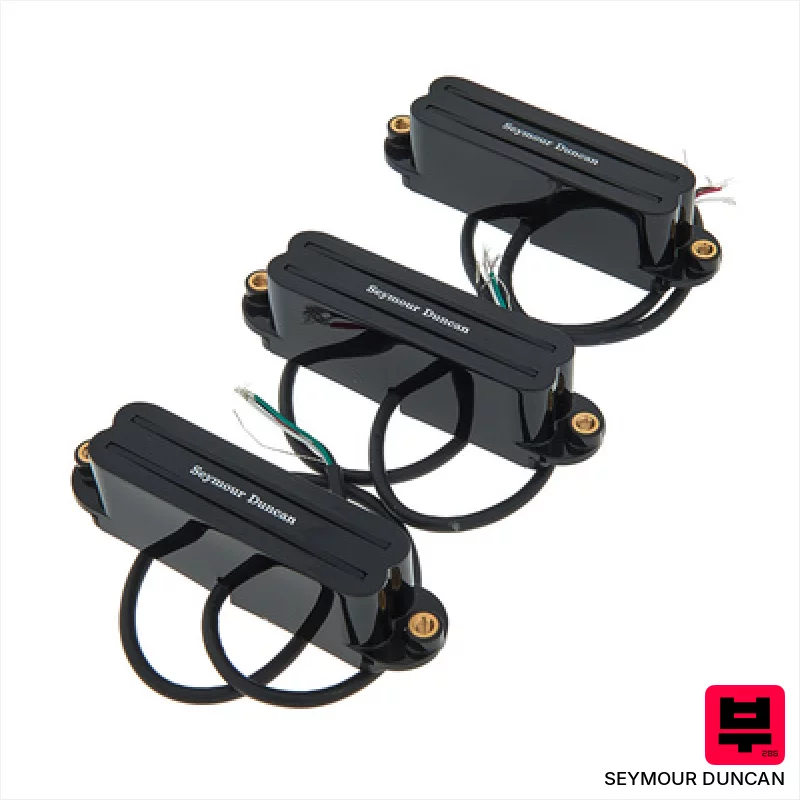
Seymour Duncan ST-Style Hot Rails Set Black
- • Ceramic magnets deliver a tight, aggressive high-output tone.
- • Four-wire configuration enables true coil splitting for versatile sounds.
- • Waxed construction minimizes microphonic squeals and feedback.
- • SHR-1B bridge pickup provides a hotter, more focused sound than the neck/middle.
- • High output can be overwhelming for clean, glassy Strat tones.
- • The ceramic magnet sound might not appeal to those seeking vintage warmth.
- • Bridge pickup’s higher DC resistance can create an imbalance with the neck/middle.

Seymour Duncan Little 59 & Vintage Stack Set
- • Little 59 bridge delivers authentic, thick, PAF-era bridge tone in a single-coil format.
- • Vintage Stack neck pickup provides a smooth, articulate, and balanced voicing.
- • Alnico 5 magnets offer a sweet, musical response with a touch of vintage warmth.
- • Four-conductor wiring enables true coil-splitting for versatile tonal options.
- • The brass cover on the neck pickup may introduce a subtle metallic overtone for some.
- • While versatile, the output leans towards a medium range, lacking extreme high-gain character.
- • The stack design, while excellent, can be slightly taller than traditional single-coil pickups.
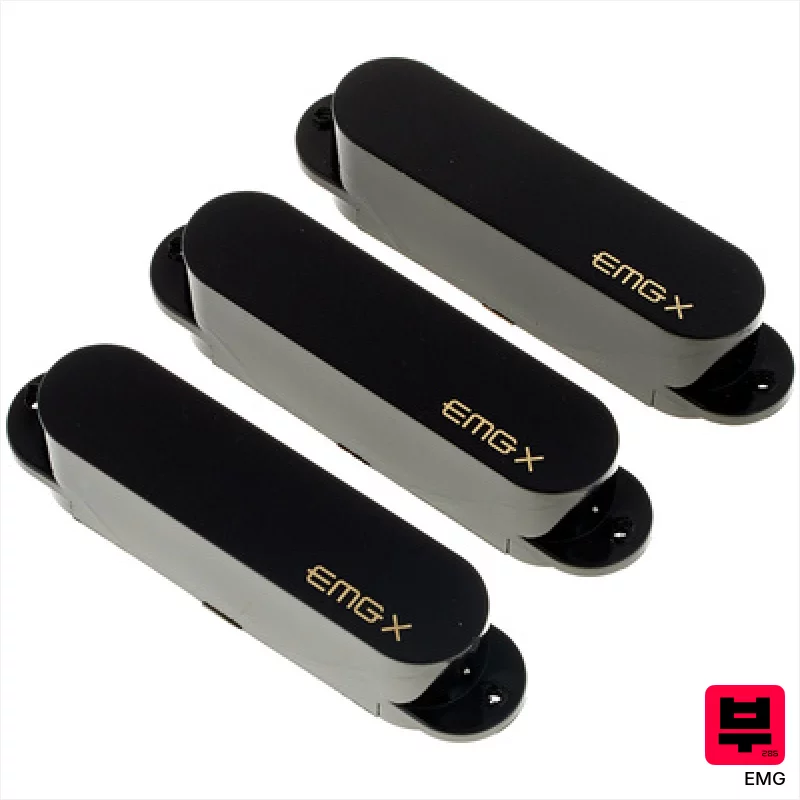
EMG SLVX Set BK
- • Lukather's signature tone, balanced and articulate across all three positions
- • X-Series preamp provides exceptional headroom and dynamic range
- • Solderless installation simplifies setup, even for less experienced users
- • Reduced pole piece spacing delivers a fatter, more powerful single-coil sound
- • Active pickups demand a reliable power source, potentially impacting battery life
- • The medium output might not satisfy players seeking extreme high-gain tones
- • The included potentiometers are adequate but a higher-quality upgrade is possible

Seymour Duncan Triple Hot Rails Loaded PG WH
- • SHR pickups deliver a tight, aggressive high-output tone ideal for modern styles.
- • Pre-loaded pickguard simplifies installation, especially for ST-style guitar modifications.
- • Ceramic magnets provide a hotter, more focused sound than Alnico alternatives.
- • 4-conductor wiring allows for coil-splitting versatility, expanding tonal possibilities.
- • The high output can be overwhelming for players seeking a more vintage or nuanced tone.
- • The rigid pickguard design might not offer the same resonance as individual pickups.
- • The bridge pickup's higher DC resistance can create a slight imbalance with the neck/middle.
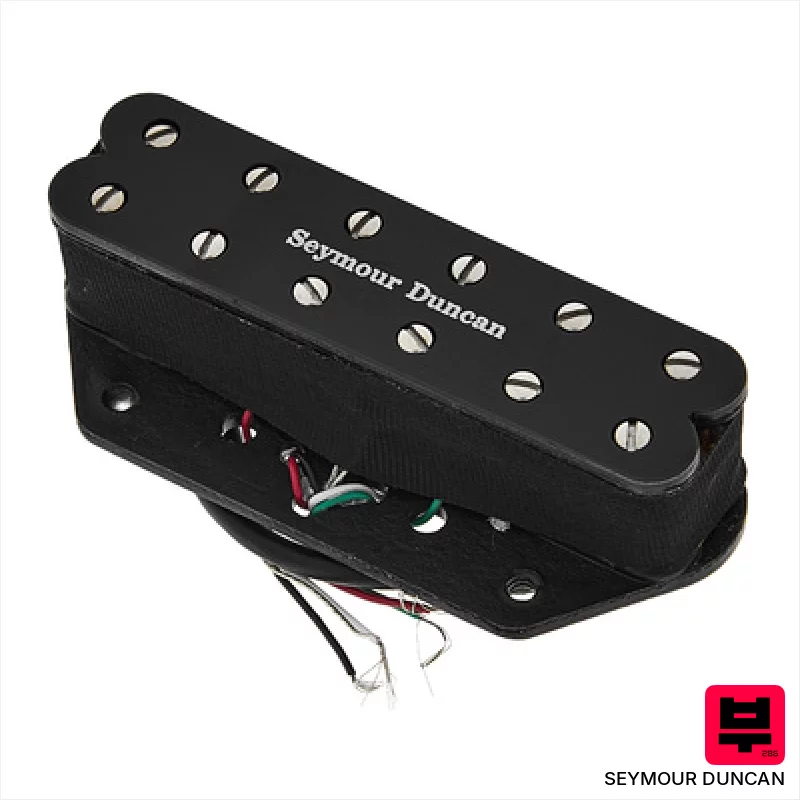
Seymour Duncan Billy Gibbons Red Devil Bridge
- • Alnico V magnet delivers a punchy, articulate, and singing high-end response.
- • Vacuum wax potting minimizes microphonic noise, crucial for clean, tight recordings.
- • Shielded 4-conductor wiring allows for versatile coil-splitting options for single-coil tones.
- • Seymour Duncan's build quality ensures reliability and longevity – a premium feel.
- • Output level might be too low for players seeking extremely high-gain distortion.
- • The '59 P.A.F. emulation, while good, won’t perfectly replicate vintage PAF characteristics.
- • Limited tonal flexibility compared to more complex, multi-voiced humbucker options.
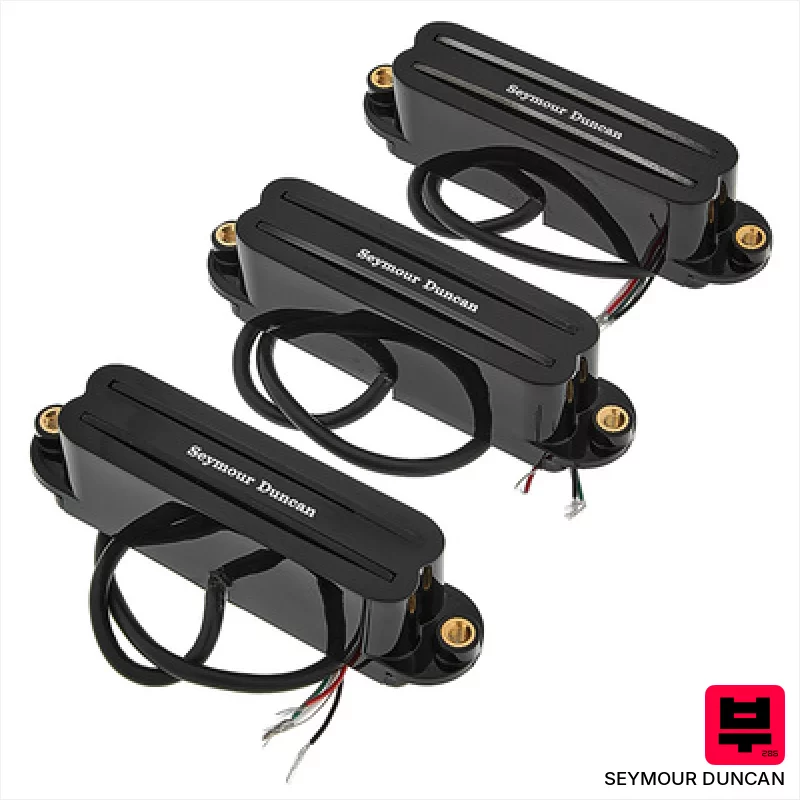
Seymour Duncan Cool Rails Pickup Set Black
- • Ceramic magnets deliver a tight, aggressive low-end response.
- • 4-wire design enables true coil splitting for versatile single-coil tones.
- • Black covers offer a clean, modern aesthetic and reduce unwanted noise.
- • Shielded wiring minimizes hum and interference for a cleaner signal.
- • Ceramic magnets may lack the warmth of Alnico for some players’ preferences.
- • Output level might be too aggressive for delicate, nuanced playing styles.
- • Price point positions it as a premium option, potentially prohibitive for some.
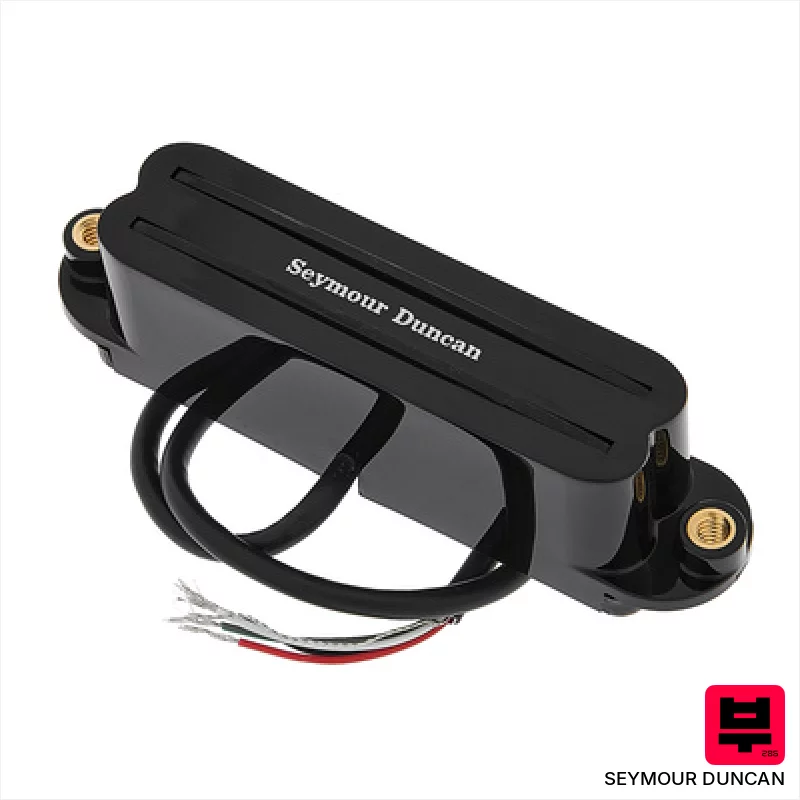
Seymour Duncan SCR-1B Cool Rails ST Bridge BK
- • The ceramic magnet delivers a tight, focused low-end response and clarity.
- • Shielded cable minimizes noise, a crucial detail for clean recordings and stage use.
- • Provides a convincing single-coil tone with the hum-canceling benefits of a humbucker.
- • Well-built, typical Seymour Duncan quality – robust construction and reliable performance.
- • Scooped midrange might not suit players seeking a very full, vintage Strat tone.
- • The ceramic magnet lacks the warmth and complexity of an Alnico option.
- • While versatile, it’s most suited to blues, rock, and lighter genres; less ideal for high-gain metal.
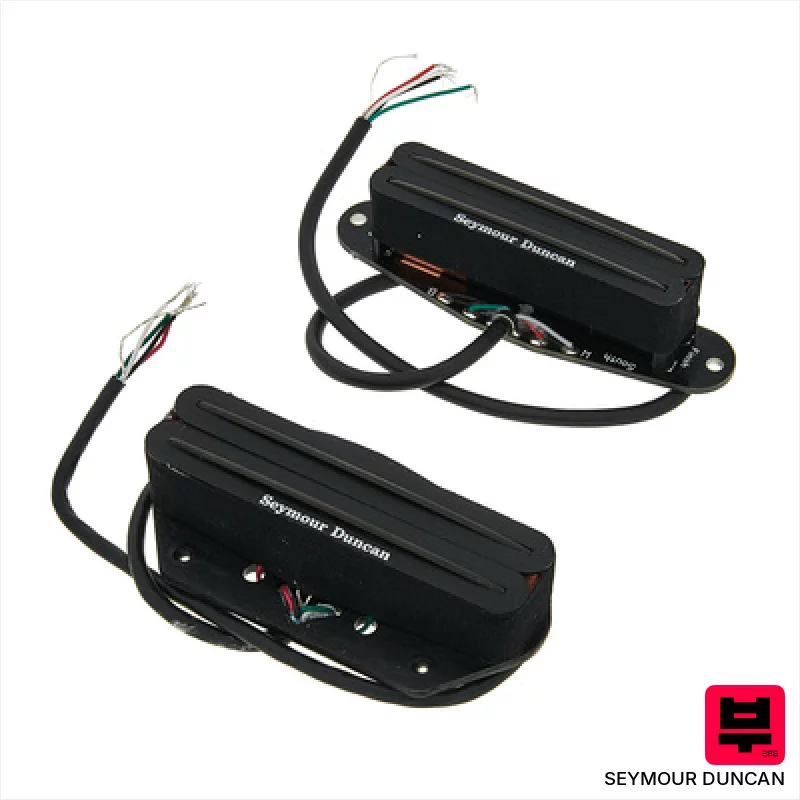
Seymour Duncan Hot Rail Set T-Style BK
- • Ceramic magnets deliver a tight, aggressive high-output response.
- • Shielded 4-wire cable allows for flexible wiring options and noise reduction.
- • STHR-1B bridge pickup provides a hotter, more articulate tone for leads.
- • USA-made construction ensures Seymour Duncan’s consistently high build quality.
- • The high output might be too aggressive for players seeking a vintage, mellow tone.
- • The ceramic magnets lack the warmth and complexity of Alnico alternatives.
- • T-style guitars often have inherent tonal limitations that these pickups can’t completely overcome.

Seymour Duncan SCR-1B Cool Rails ST Bridge PM
- • Delivers a surprisingly balanced, articulate tone for a ceramic pickup.
- • The 'Cool Rails' design reduces harshness common in high-output pickups.
- • Well-shielded wiring minimizes hum and noise – a noticeable improvement.
- • Parchment color provides a vintage aesthetic, a nice touch for many guitars.
- • Scooped midrange can limit versatility for players needing a full, warm tone.
- • Ceramic magnet lacks the warmth and complexity of Alnico options.
- • While medium output, it might feel underwhelming for heavier rock/metal styles.
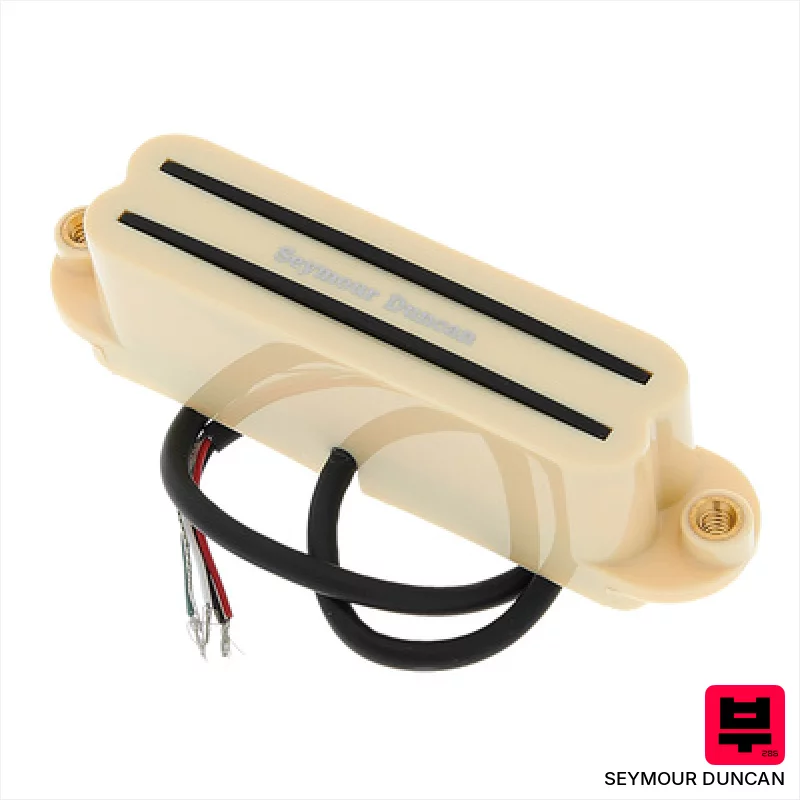
Seymour Duncan SCR-1B Cool Rails ST Bridge CR
- • Cream color offers a classic, vintage aesthetic appeal.
- • Ceramic magnet provides a tighter, more aggressive low-end response.
- • Shielded 4-core cable minimizes noise and interference effectively.
- • Balanced design ensures even output and string-to-string consistency.
- • Scooped midrange can limit versatility for modern, high-gain styles.
- • Medium output might feel weak for players seeking extreme distortion.
- • Cool Rails design can lack the nuance of traditional single-coils.
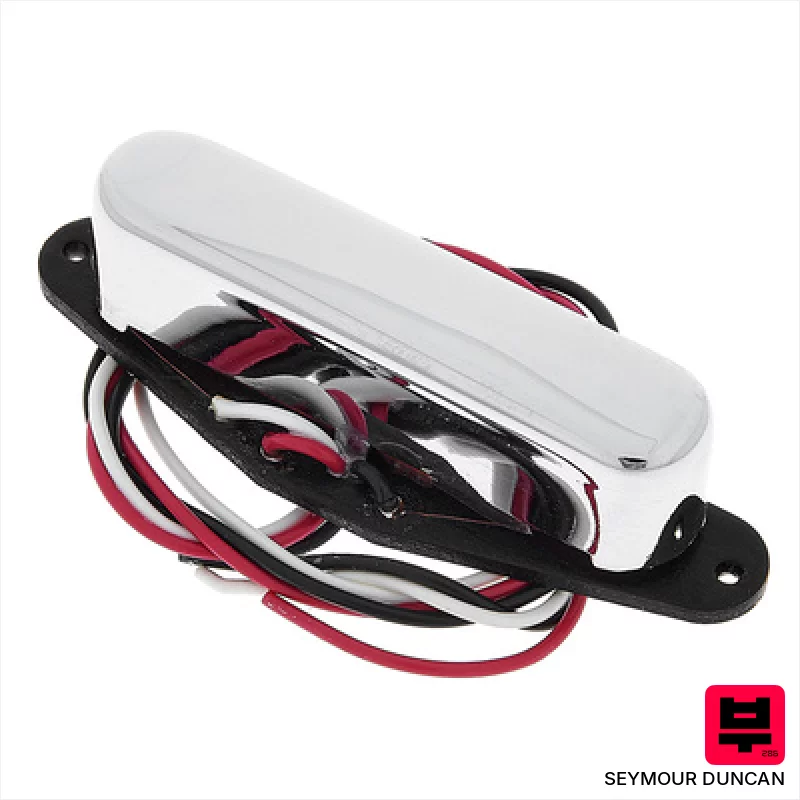
Seymour Duncan STR-3T Quarter Pound T Neck
- • Alnico V magnet delivers a warm, articulate, and singing tone.
- • Quarter-pounder design offers increased output and a thicker midrange response.
- • Chrome-plated bronze cap adds a touch of vintage aesthetic and potential shielding.
- • Wax potting effectively reduces unwanted microphonic noise and improves reliability.
- • Limited versatility – best suited for T-style guitars and specific tonal goals.
- • Medium output might be underwhelming for players seeking extreme high-gain tones.
- • Alnico V can sometimes sound slightly harsh if not paired with appropriate guitar wood and electronics.
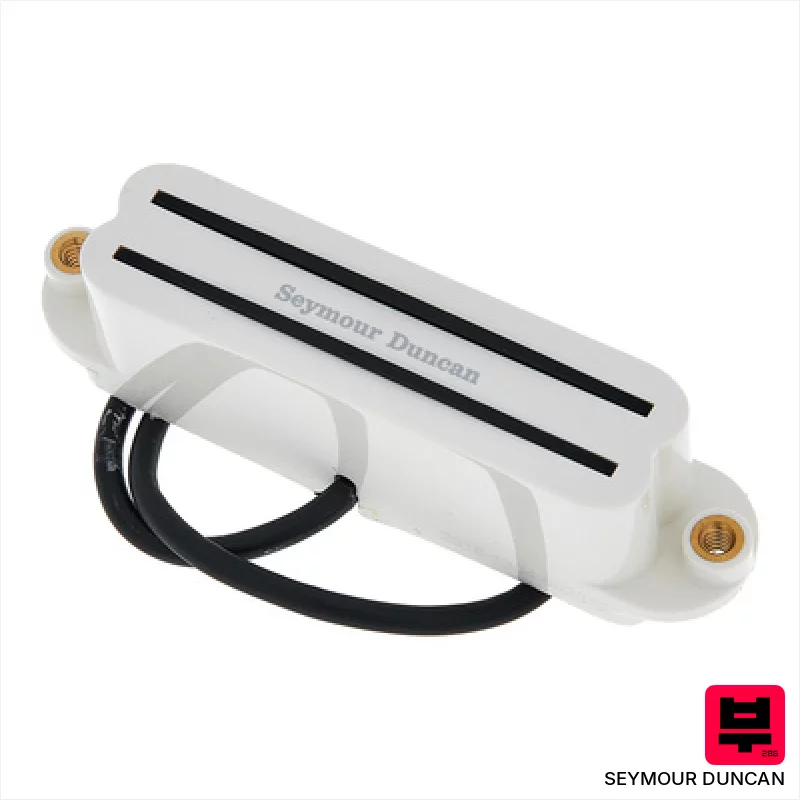
Seymour Duncan SHR-1B Hot Rails Bridge PM
- • Alnico V magnets deliver a focused, aggressive high-end response.
- • Vacuum wax potting minimizes microphonic noise, crucial for high-gain rigs.
- • Shielded 4-wire cable ensures quieter operation and reduced hum.
- • Parchment cover provides a vintage aesthetic, easily blending with classic guitars.
- • Medium output might be limiting for players seeking extreme high-gain tones.
- • Single-coil size restricts compatibility with guitars designed for full-size humbuckers.
- • The Hot Rails voicing, while versatile, lacks the nuance of more complex humbucker designs.
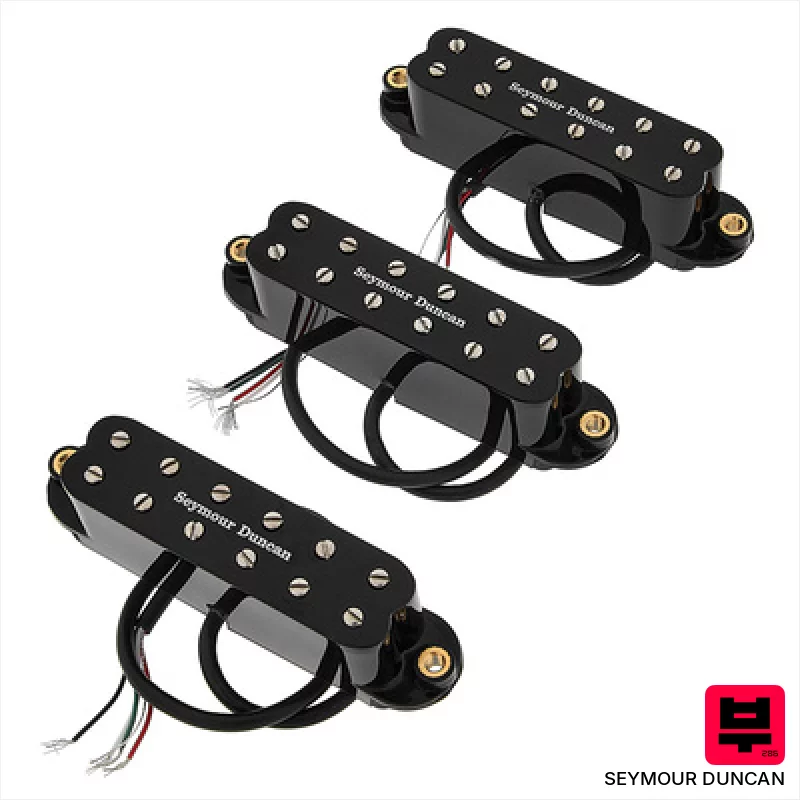
Seymour Duncan JB Jr. Pickup Set Black
- • Ceramic magnets deliver tight, aggressive lows and focused highs.
- • JB Jr. retains the JB's signature high-output character in a single-coil format.
- • Shielded 4-wire connections offer coil-splitting versatility and reduced noise.
- • Black covers provide a classic, understated aesthetic and easy installation.
- • Ceramic magnet sound can lack the warmth of Alnico for some players.
- • Output level might be too hot for vintage-style, low-gain applications.
- • Limited tonal flexibility compared to more complex pickup configurations.
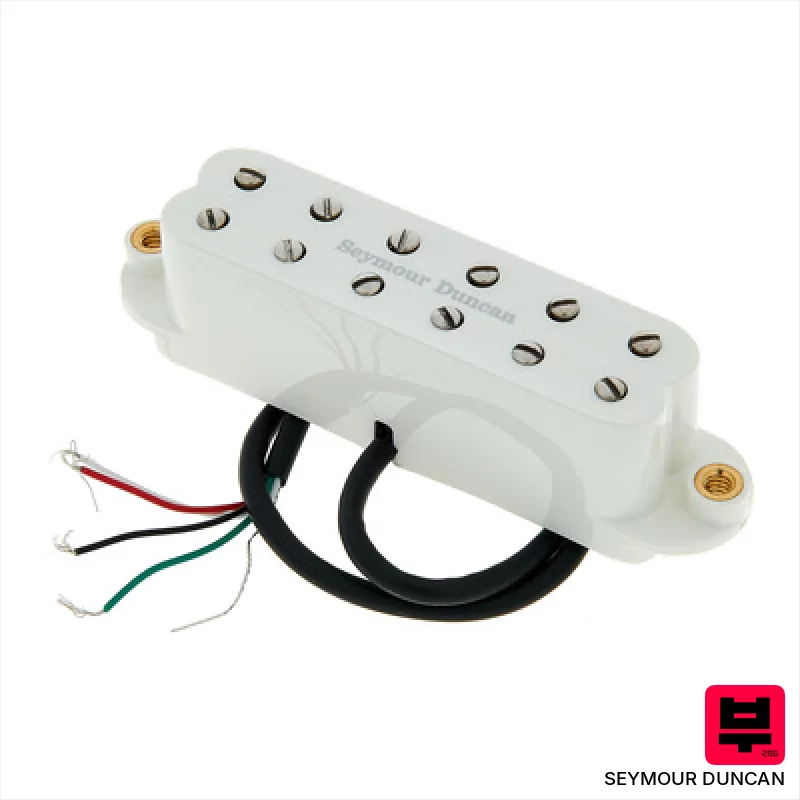
Seymour Duncan Red Devil B Parchment
- • Billy Gibbons’ signature tone, surprisingly articulate for a humbucker
- • AlNiCo V magnet delivers warm, singing sustain and clarity
- • Wax potting minimizes microphonic noise and enhances reliability
- • Parchment color offers a vintage aesthetic and visual appeal
- • Output might be too low for modern, high-gain styles
- • Single-coil size limits compatibility with some guitar designs
- • Can be slightly noisy with high gain and single-coil splitting
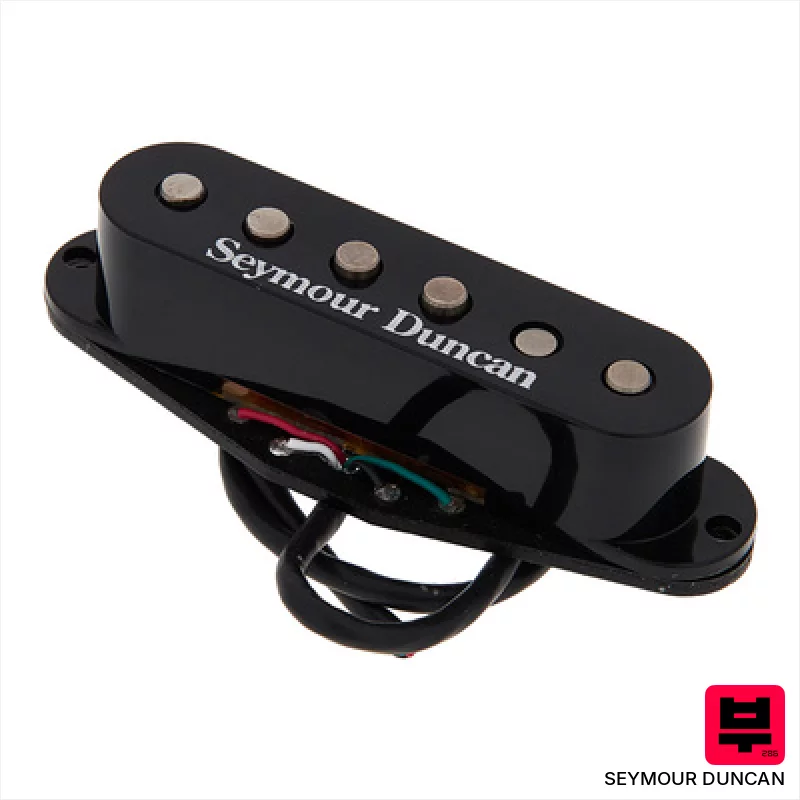
Seymour Duncan STK-1B Classic Stack BLK
- • AlNiCo II magnets deliver a warm, articulate vintage-style tone.
- • Stacked design effectively eliminates hum, ideal for single-coil slots.
- • Shielded 4-conductor wiring offers versatile wiring options for tone control.
- • Staggered pole pieces optimize output and string balance for even response.
- • Output is medium-low; may lack aggressive high-gain applications.
- • Black cover can show fingerprints and grime, requiring frequent cleaning.
- • Stack design might introduce a subtle, unique sonic characteristic some find 'sterile'.
How to Choose the Best Humbuckers in Single-Coil Size
Output Level
Lower output humbuckers in a single-coil slot need to be voiced carefully. Too hot and they'll just sound muddy and compressed, especially with a thinner guitar body. We're looking for something that provides sustain and thickness without overpowering the guitar's natural character.
Voicing & Tone
The 'sweet spot' is that fat midrange honk that cuts through a mix, but without the brittle high-end some cheap pickups deliver. We're assessing clarity, articulation, and overall tonal balance - does it complement the guitar, or fight against it?
Noise & Hum
Single-coil cavities aren't ideal for humbuckers; you're often dealing with less shielding. Lower noise floors are crucial to avoid that constant hiss, especially when driving an amp into breakup.
Construction & Quality
While we're on a budget, build quality still matters. Loose screws, sloppy windings, and cheap pots can ruin an otherwise decent pickup. We're looking for something that feels solid and reliable.
Wiring & Installation
Ease of installation is a factor. Some pickups come with excellent wiring diagrams and all the necessary hardware, making the swap a breeze. Others... not so much.
Buying Guide
At this price point, you're making trade-offs. You won't get Alnico V magnets and hand-wound coils, but you can get a significant upgrade over stock pickups. Don't expect miracles - these won't magically transform a cheap guitar into a custom shop instrument. Focus on the voicing that best suits your style, and be prepared to do a little tweaking with your amp settings to find that sweet spot.
How This List Is Built
We don't play these instruments — we're a catalog, not a review desk, and we'd rather say so than pretend otherwise. This page ranks 15 humbuckers in single-coil size from the Thomann catalogue, which is the largest single source of specification data in this category.
Position is computed, not curated. Four signals, in order of weight: how completely the manufacturer documents the instrument (number of published specifications), where it sits in the price range, how specific the model designation is — which filters out generic accessories — and whether a product image exists. The same inputs always produce the same order, so nothing here is shuffled to look fresh.
What this list is good for: narrowing a category down to a shortlist by spec and budget. What it isn't: a substitute for hearing an instrument. Before you buy, read hands-on reviews and, where you can, play it. Full methodology.

