
Best Headless Guitars for Ergonomic Playing 2026
Look, playing guitar for hours on end can wreck your wrists and shoulders. If you're finding that traditional guitars are causing you discomfort - maybe you're battling tendonitis, or just want a more neutral playing position - a headless guitar might be the answer. They're not a magic cure-all, but the ergonomic benefits are real, and the unique vibe is a bonus. Let's dig into the best options for players prioritizing comfort and playability.
Last updated: July 15, 2026 • Next update: July 22, 2026
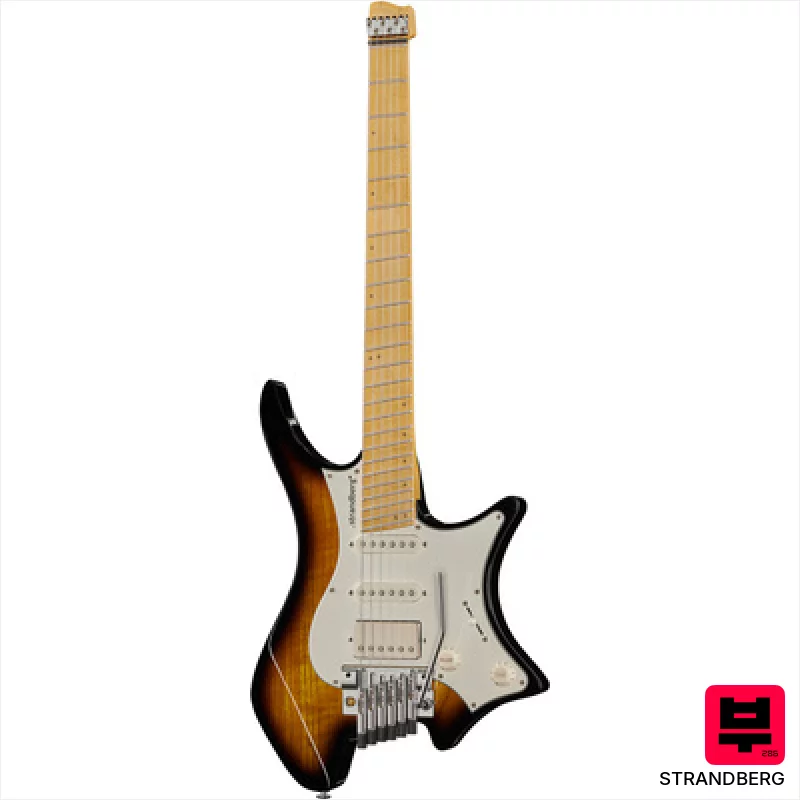
Strandberg Boden Classic NX 6 Trem Del TB
- • Carbon-reinforced neck provides exceptional stability and minimal string bending.
- • Suhr Thornbucker+ delivers aggressive, articulate high-gain tones.
- • Multiscale design optimizes string tension for improved playability and intonation.
- • Strandberg EGS Rev 7 tremolo offers smooth, reliable performance.
- • Headless design requires an adjustment period for some players.
- • Ash body, while resonant, can make the guitar feel somewhat top-heavy.
- • Premium-priced, representing a significant investment for many guitarists.
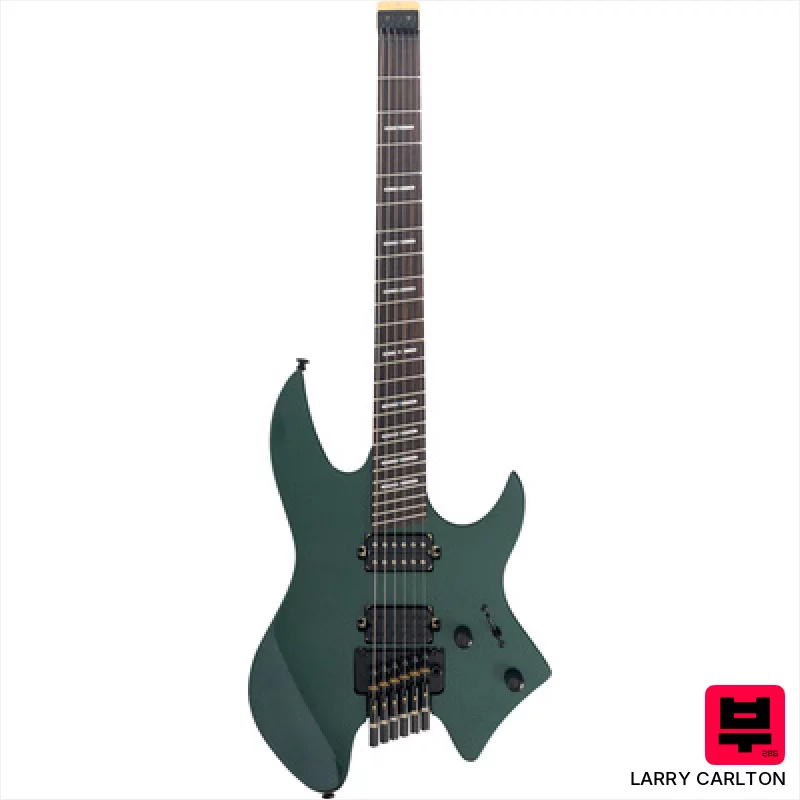
Larry Carlton X6 Headless 6 Metallic Green
- • Mahogany body delivers a warm, resonant foundation for Carlton’s signature tone.
- • LC Modern humbuckers offer a versatile range, from clean to searing overdrive.
- • Bolt-on maple neck provides a snappy response and comfortable, familiar feel.
- • Headless design enhances tuning stability and offers a unique aesthetic appeal.
- • Metallic Green finish might not appeal to players seeking a more understated look.
- • Bolt-on neck construction, while comfortable, lacks the sustain of a set-neck.
- • Limited tonal flexibility compared to guitars with more pickup configurations.
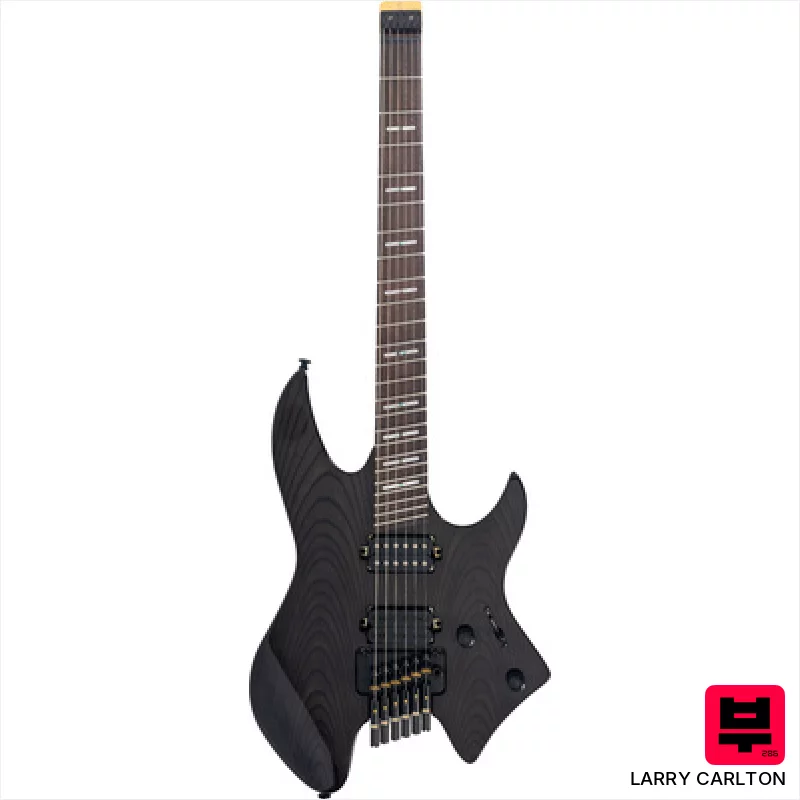
Larry Carlton X6 Headless 6 Trans Black
- • Mahogany body delivers warmth and sustain, a real tonal foundation.
- • Maple top adds clarity and a touch of sparkle to the overall tone.
- • LC Modern humbuckers offer a versatile range from clean to driven.
- • Bolt-on neck provides a snappy response and comfortable playing feel.
- • Headless design takes some getting used to, especially for intonation.
- • Limited tonal flexibility compared to guitars with more pickup options.
- • Mahogany body may feel slightly heavier than some players prefer.
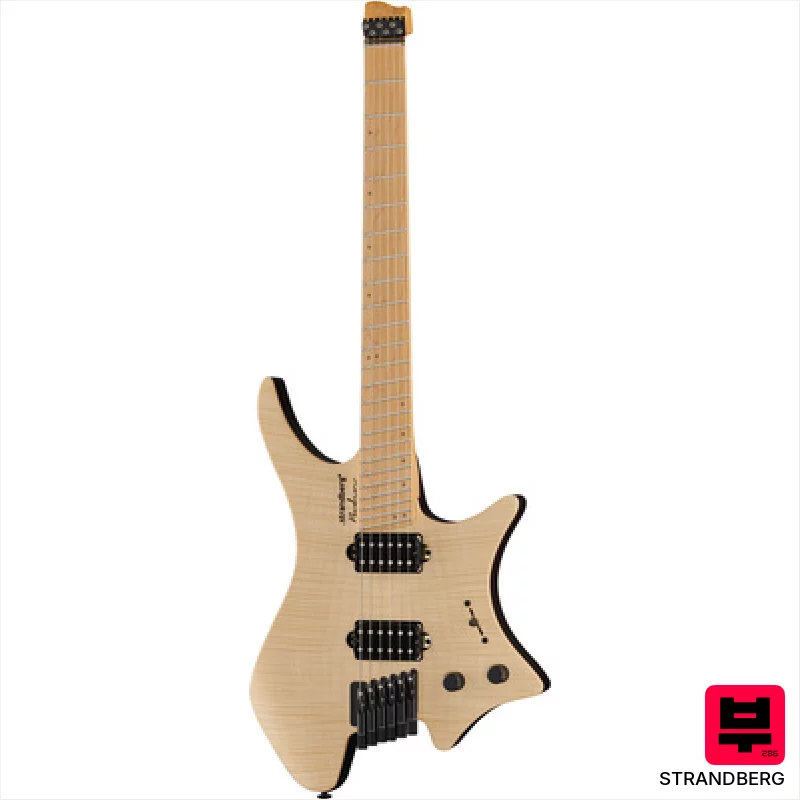
Strandberg Boden Standard NX 6 Natural
- • Basswood/figured maple combo delivers a balanced, resonant tone with surprising clarity.
- • Strandberg Designed pickup provides a modern, articulate HSS voicing—great for diverse genres.
- • Short scale length (635-647mm) offers exceptional playability and reduced hand fatigue.
- • EGS Pro 7 bridge ensures reliable tuning stability and transfers string vibration effectively.
- • Basswood body, while versatile, lacks the visual prestige of more exotic woods.
- • The headless design might not appeal to players accustomed to traditional headstocks.
- • Limited pickup options restrict tonal versatility compared to guitars with multiple pickup configurations.
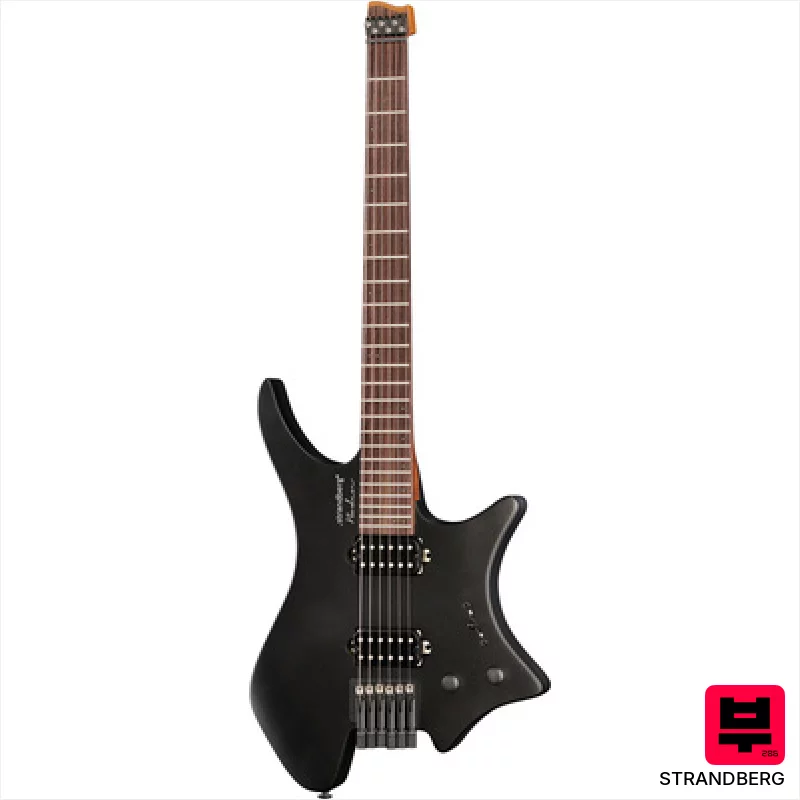
Strandberg Boden Essential 6 BK Granite
- • Meranti body provides a surprisingly resonant and lightweight core.
- • EndurNeck profile is genuinely comfortable, reducing fatigue during long playing sessions.
- • Strandberg Custom OEM pickups deliver a modern, articulate high-gain tone.
- • EGS hardware ensures excellent tuning stability and a sleek, minimalist aesthetic.
- • Rosewood fingerboard might feel a little 'dated' compared to ebony alternatives.
- • Headless design requires an adjustment period for string changes and intonation.
- • Meranti, while lightweight, isn't as tonally complex as mahogany or ash.
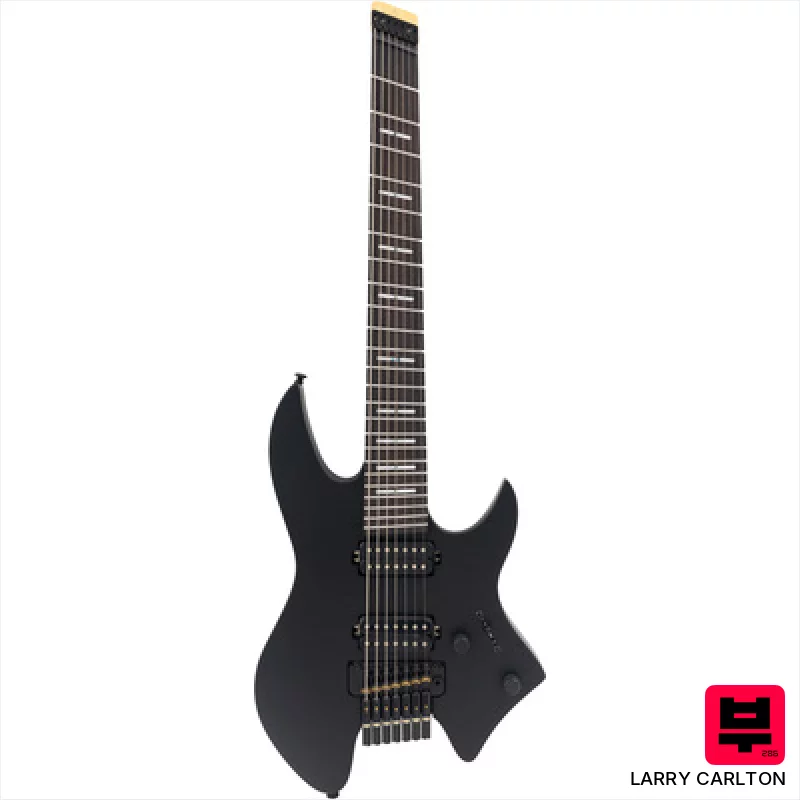
Larry Carlton X6 Headless 7 Black Satin
- • Mahogany body provides a warm, resonant foundation for a balanced tone.
- • LC Modern humbuckers deliver a versatile range, from clean to high-gain.
- • Bolt-on maple neck offers a snappy response and comfortable C profile.
- • Headless design enhances tuning stability and a modern, sleek aesthetic.
- • Mahogany body can make it a bit heavier than some players prefer.
- • Rosewood fretboard may require more frequent oiling to prevent dryness.
- • Limited pickup controls restrict tonal sculpting options compared to more complex guitars.
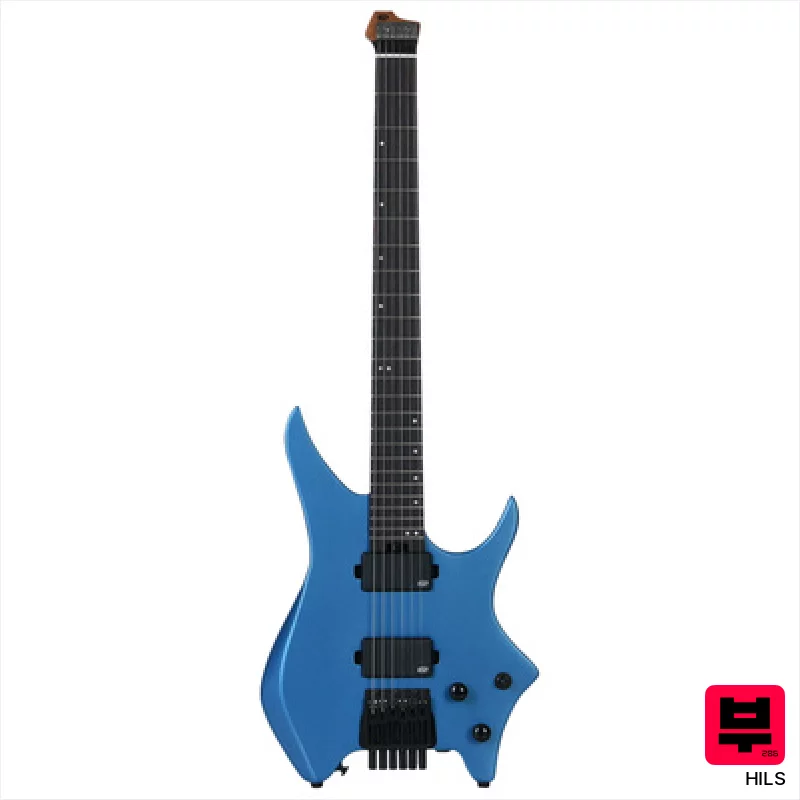
Hils Next HN3 Met. Electric Blue
- • Roasted maple neck offers excellent stability and a smooth playing feel.
- • Hils humbuckers deliver a powerful, versatile tone with a surprising amount of clarity.
- • Compound radius fingerboard simplifies chording and allows for comfortable lead playing.
- • Titanium locking machine heads ensure precise tuning stability and quick string changes.
- • Mahogany body, while warm-sounding, can make the guitar feel a bit heavy.
- • Coil-split functionality might be limited depending on the humbucker voicing.
- • Headless guitars require a learning curve for initial setup and intonation.
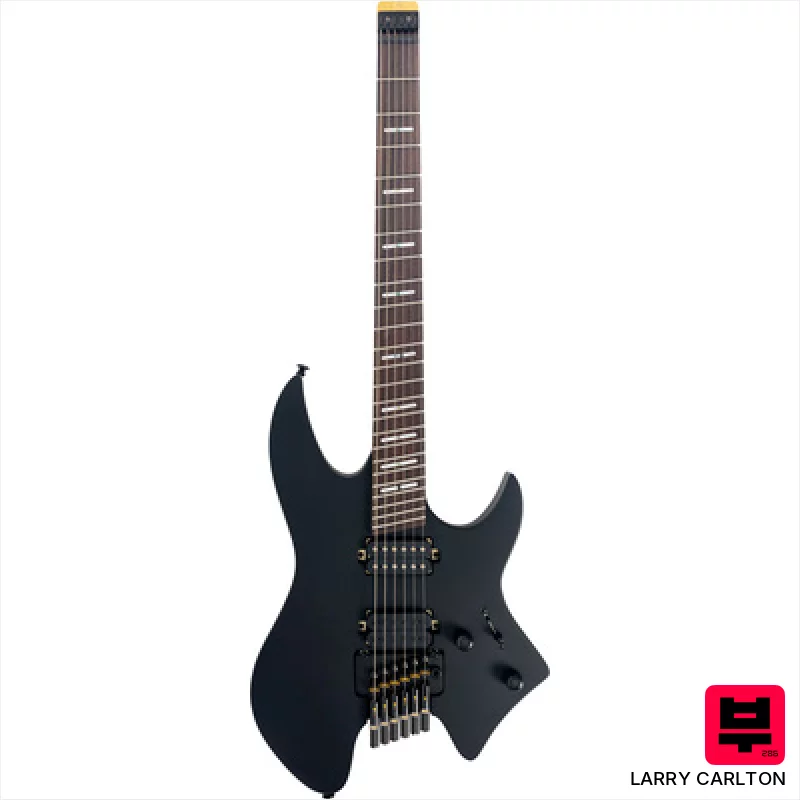
Larry Carlton X6 Headless 6 Black Satin
- • Mahogany body provides a warm, resonant foundation for Carlton’s signature tone.
- • LC Modern humbuckers deliver a surprisingly articulate and powerful output.
- • Bolt-on maple neck offers snappy response and comfortable, familiar feel.
- • Headless design enhances tuning stability and provides a unique aesthetic appeal.
- • Mahogany body might feel a touch heavy for extended playing sessions.
- • Limited pickup options restrict versatility for extreme genres.
- • Rosewood fingerboard may require more frequent oiling for optimal playability.
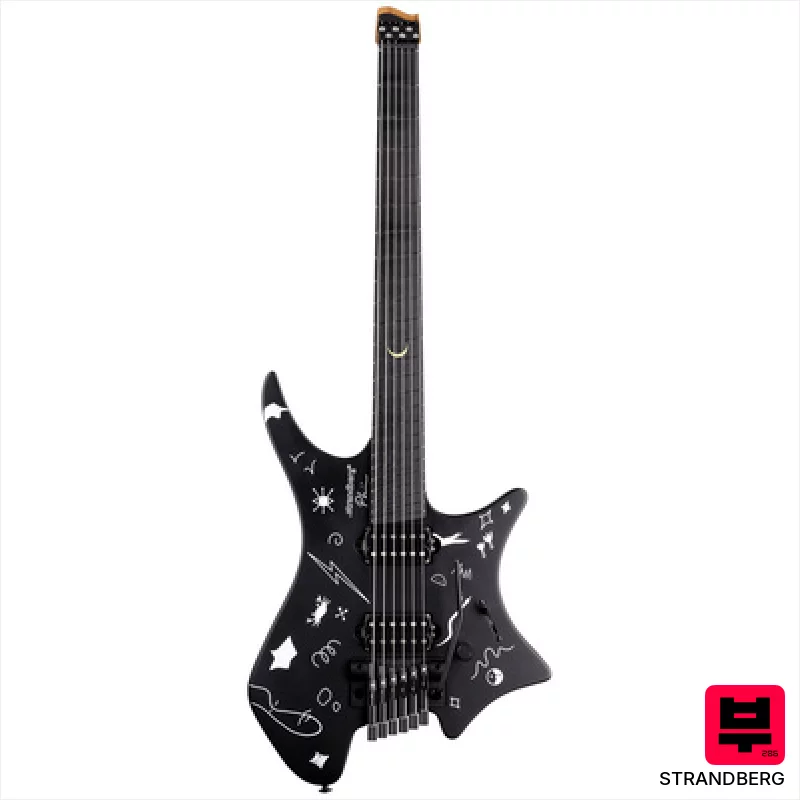
Strandberg Boden Stand NX 6 Plini Mirage
- • Roasted maple neck offers exceptional stability and feel.
- • Ebonol fingerboard provides a uniquely smooth, fast playing experience.
- • Strandberg's custom pickups deliver a modern, articulate high-gain tone.
- • Multiscale design enhances clarity and intonation across the extended range.
- • The headless design takes some getting used to for tuning and string changes.
- • Meranti body, while resonant, isn't as tonally complex as some premium hardwoods.
- • The unique hardware (locking nut, tremolo) can be more expensive to replace.

Strandberg Boden Standard NX 6 Charcoal
- • Flamed maple top adds visual flair and subtle resonance.
- • EndurNeck profile offers exceptional comfort and reduced friction.
- • Multiscale design expands tuning possibilities and enhances string tension.
- • Strandberg OEM pickups deliver a tight, modern high-gain tone.
- • Basswood body, while lightweight, lacks the sustain of denser woods.
- • Headless design can be intimidating for players unfamiliar with them.
- • Charcoal finish, while striking, can show fingerprints easily.

Strandberg Sälen NX 6 Tremolo Plini Ed BK
- • Mahogany body delivers warmth and sustain; a really pleasing foundation.
- • Suhr pickups offer clarity and aggressive high-gain capabilities.
- • Multiscale design enhances playability and string tension consistency.
- • Carbon-reinforced neck provides exceptional stability and reduced backbow.
- • Mahogany body makes it relatively heavy, demanding for extended playing.
- • Richlite fingerboard, while durable, lacks the traditional feel of rosewood.
- • Plini signature aesthetic may not appeal to all players’ tastes.
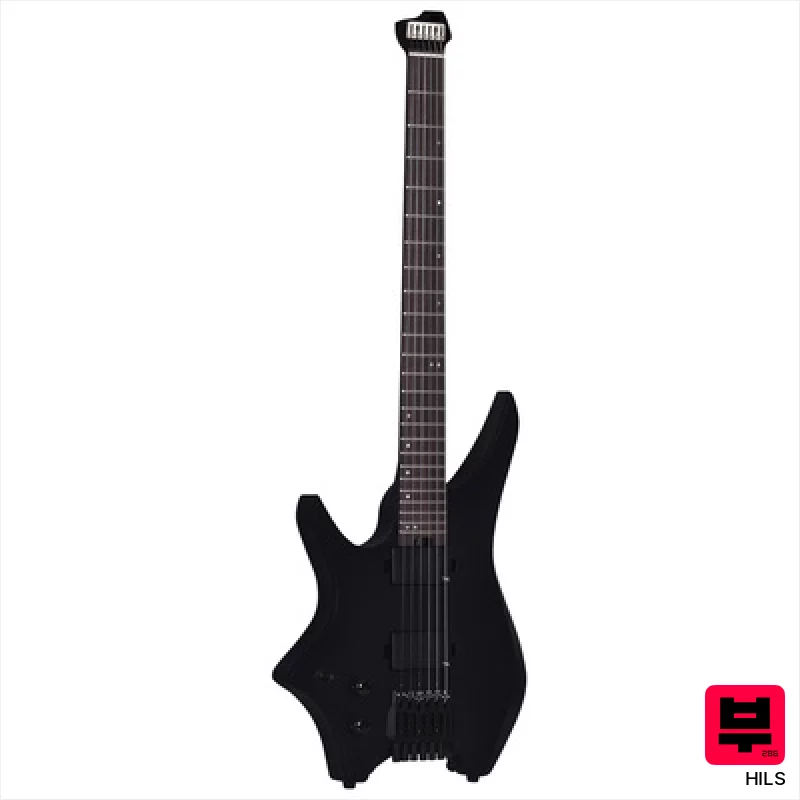
Hils Next HN3 Black LH
- • Roasted maple neck offers excellent stability and a smooth feel.
- • Hils humbuckers deliver a surprisingly articulate and powerful tone.
- • The compound radius fingerboard eases chording and facilitates fast playing.
- • Titanium locking tuners ensure rock-solid tuning stability, even with heavy use.
- • Mahogany body might lack some clarity for players seeking a truly bright sound.
- • Limited pickup options restrict tonal versatility compared to more expensive models.
- • Headless guitars require a learning curve for tuning and string changes.
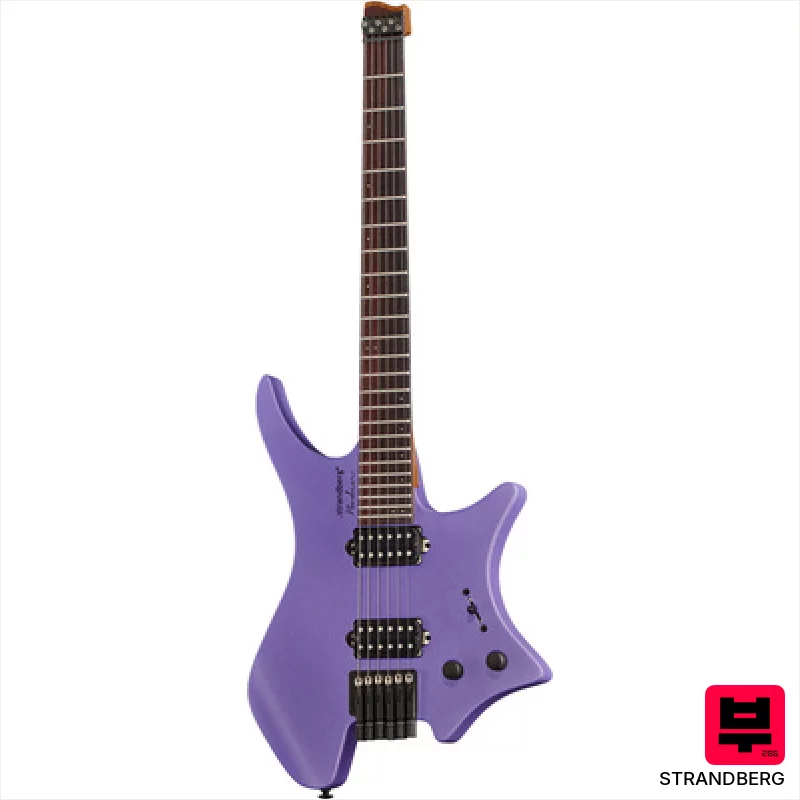
Strandberg Boden Essential 6 Future Dusk
- • Meranti body offers surprisingly resonant, warm low-end response.
- • EndurNeck profile delivers exceptional comfort and reduced fatigue during long playing sessions.
- • Strandberg Custom OEM pickups provide a modern, articulate high-gain tone.
- • EGS hardware minimizes weight and enhances the guitar's balanced feel.
- • Rosewood fingerboard may not appeal to players preferring ebony's snappier feel.
- • Headless design requires a learning curve for tuning and string changes.
- • Meranti, while resonant, isn't as tonally complex as mahogany.

Strandberg Boden Essential 6 Astro Dust
- • Meranti body offers a unique, resonant tone with surprising sustain.
- • Strandberg’s EndurNeck profile provides exceptional comfort and playability.
- • Custom OEM pickups deliver a modern, articulate sound with good clarity.
- • Headless design and locking nut enhance tuning stability and string changes.
- • Meranti can be a bit plain aesthetically compared to more figured woods.
- • The headless design might feel unusual for players accustomed to traditional guitars.
- • Limited pickup options restrict tonal versatility compared to higher-end models.
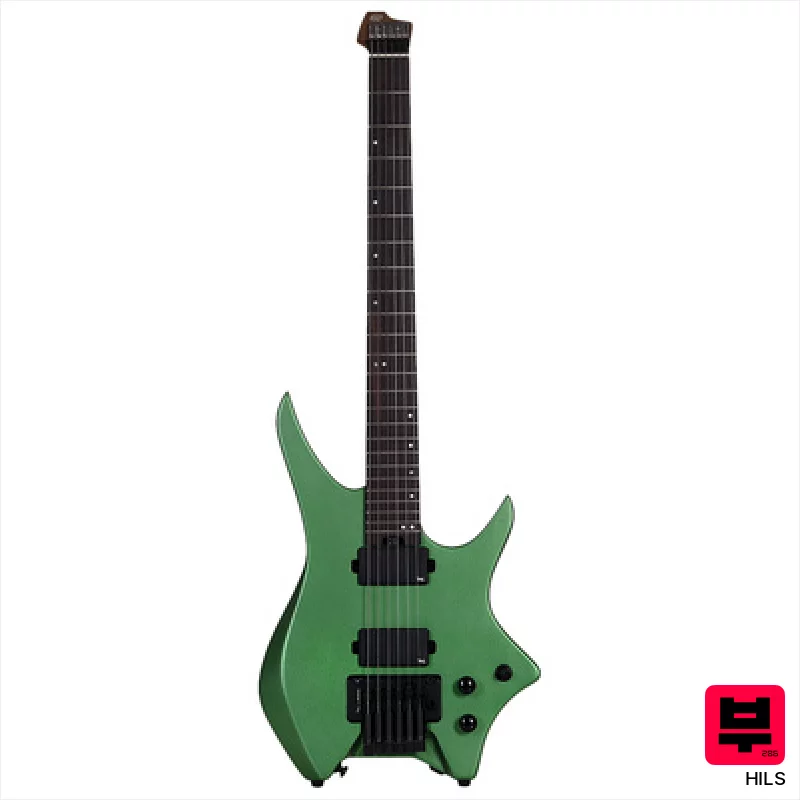
Hils Next HN5 Met. Emerald Green
- • Mahogany body delivers warmth and sustain, a surprisingly resonant platform.
- • Roasted maple neck offers exceptional stability and a smooth feel.
- • Hils humbuckers provide a versatile, high-output modern tone.
- • Alchemy tremolo system offers smooth, reliable vibrato functionality.
- • Headless guitars demand a learning curve for tuning and string changes.
- • Limited tonal versatility compared to guitars with more pickup options.
- • Mahogany body might be a bit heavier than some players prefer.
How to Choose the Best Headless Guitars
Neck Profile & Angle
The steeper neck angle on most headless guitars inherently reduces wrist strain. We're looking for profiles that complement this - think comfortable C or D shapes, not super thin or overly chunky feels. A comfortable neck is paramount, especially with extended playing sessions.
String Spacing & Width
Wider string spacing is often a hallmark of headless guitars, which helps prevent accidental muting. This is especially crucial for players with larger hands or those who like to use a lot of vibrato. A narrower string spacing can feel cramped and defeat the purpose.
Weight & Balance
Headless guitars can sometimes be a bit porky, especially those with thicker bodies. A well-balanced instrument will feel more comfortable to hold and play for extended periods. This is something you feel more than anything else.
Tuning Stability
This is the critical factor. A headless guitar's tuning stability relies entirely on the locking nut and precise string alignment. We're judging based on how well they hold a tune through aggressive playing and retuning - a must for any gigging musician.
Pickup Voicing & Versatility
While ergonomics are the focus, we still want a guitar that sounds good! We're looking for pickups that offer a usable range of tones, from clean, articulate sounds for funk and jazz to heavier, more aggressive voicings for rock and metal. That fat midrange honk is always appreciated.
Buying Guide
Don't expect a budget headless to feel like a boutique instrument. Cheaper models often cut corners on the locking nut, resulting in tuning instability. Investing in a good setup is crucial - a properly intonated headless guitar is a must. Also, be realistic about your playing style; if you're a delicate fingerstyle player, the inherent stiffness of a headless might not be ideal.
Our Methodology
We're not basing this list on spec sheets or marketing buzzwords. We've spent the last few years playing these guitars - in rehearsal, on stage, and in the studio - comparing them head-to-head (pun intended) with standard guitars. Our focus is on how they feel to play, how they sound in a band mix, and whether they deliver on the ergonomic promise.

