
Best Guitar/Bass Synthesizers Under $2,000 2026
So, you want to add some synth textures to your guitar or bass without remortgaging your house? It's totally doable. We're talking about guitar/bass synths under $2000 - a sweet spot where you get a decent feature set and usable sounds without breaking the bank. Forget those cheesy, overly-processed synth tones; we're hunting for something that'll actually inspire you, whether you're laying down basslines or adding a weird, textural layer to a guitar track.
Last updated: April 11, 2026
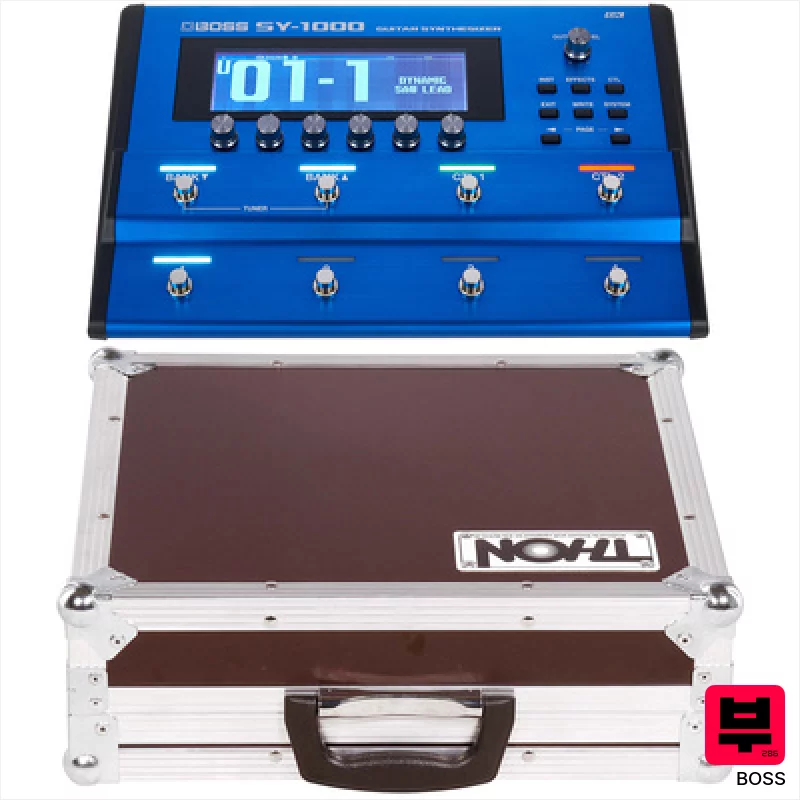
Boss SY-1000 Guitar Synth Bundle
- • Exceptional tracking across all string combinations, a significant leap forward.
- • Dynamic Synth accurately responds to playing dynamics, adds expressive control.
- • Comprehensive synth engine with familiar BOSS/Roland legacy sounds and new models.
- • Step sequencers offer powerful, evolving soundscapes beyond basic synth tones.
- • Complex interface demands considerable time investment to master fully.
- • Size and weight make it less than ideal for smaller pedalboards or gigging frequently.
- • While versatile, its focus leans towards synth sounds, limiting broader effects use.
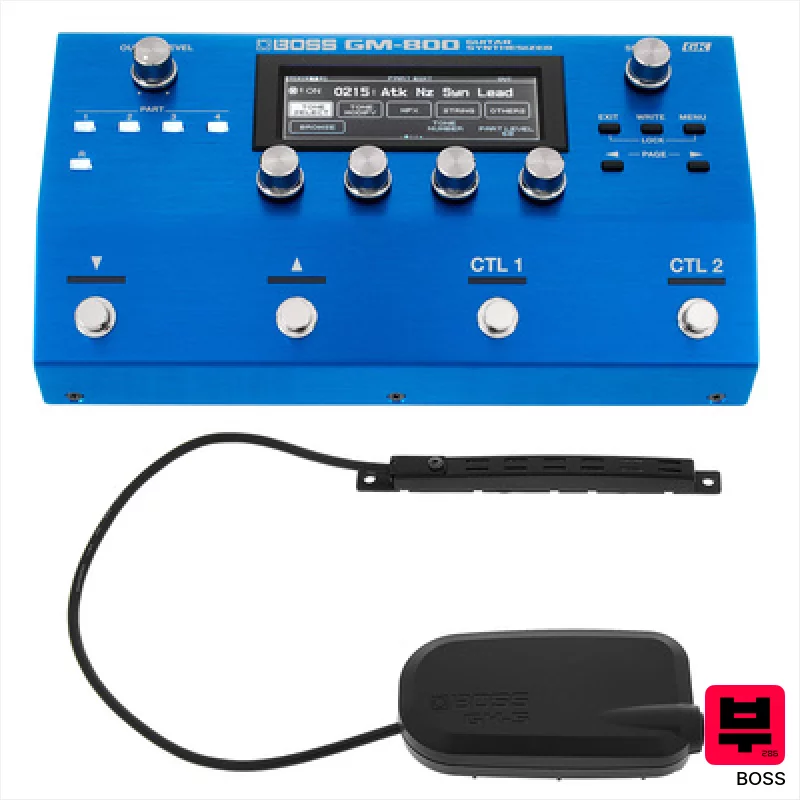
Boss GM-800 Guitar Synth. Bundle
- • ZEN-Core engine delivers incredible sonic versatility, far beyond previous Boss synths
- • Serial GK interface offers significantly improved tracking and natural feel compared to older systems
- • Standalone synth module expands utility for studio and live performance scenarios
- • BOSS Tone Studio software provides deep editing and organization capabilities for sounds
- • The learning curve for ZEN-Core can be steep for those unfamiliar with Roland's engine
- • The graphic LCD display, while functional, feels a bit dated compared to modern interfaces
- • The GK cable and interface adds complexity and potential points of failure to the signal chain
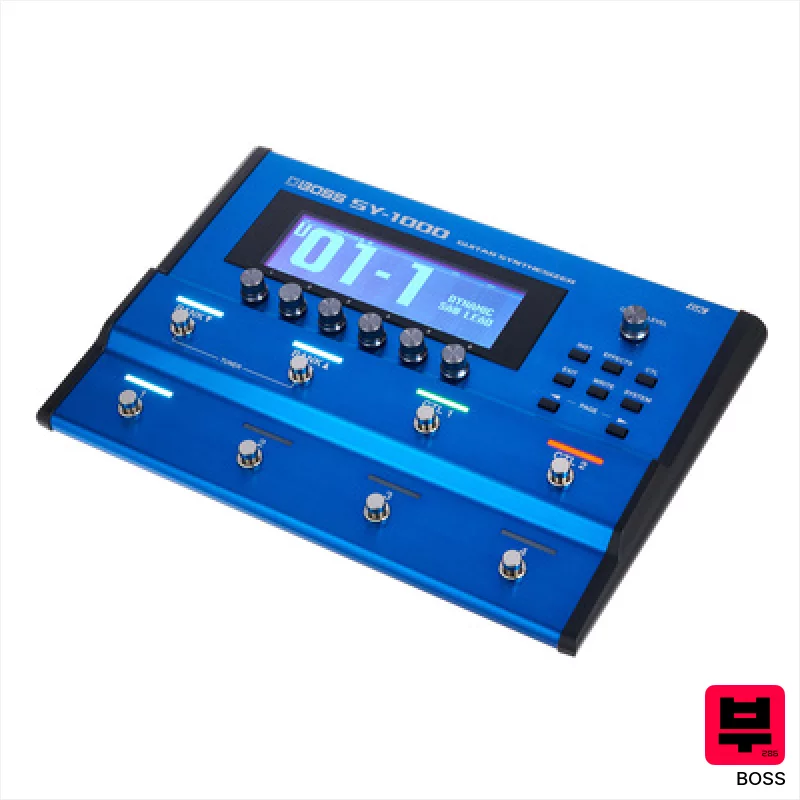
Boss SY-1000 Guitar Synthesizer
- • Exceptional tracking across a wide range of playing styles.
- • Impressive synthesis engine rivals dedicated hardware synthesizers.
- • Comprehensive effects suite pulls directly from the GT-1000’s arsenal.
- • Dual step sequencers unlock complex, evolving soundscapes.
- • Steep learning curve, requires significant time investment to master.
- • Size and weight make it less than ideal for gigging musicians.
- • Can be CPU-intensive, potentially impacting latency with complex patches.
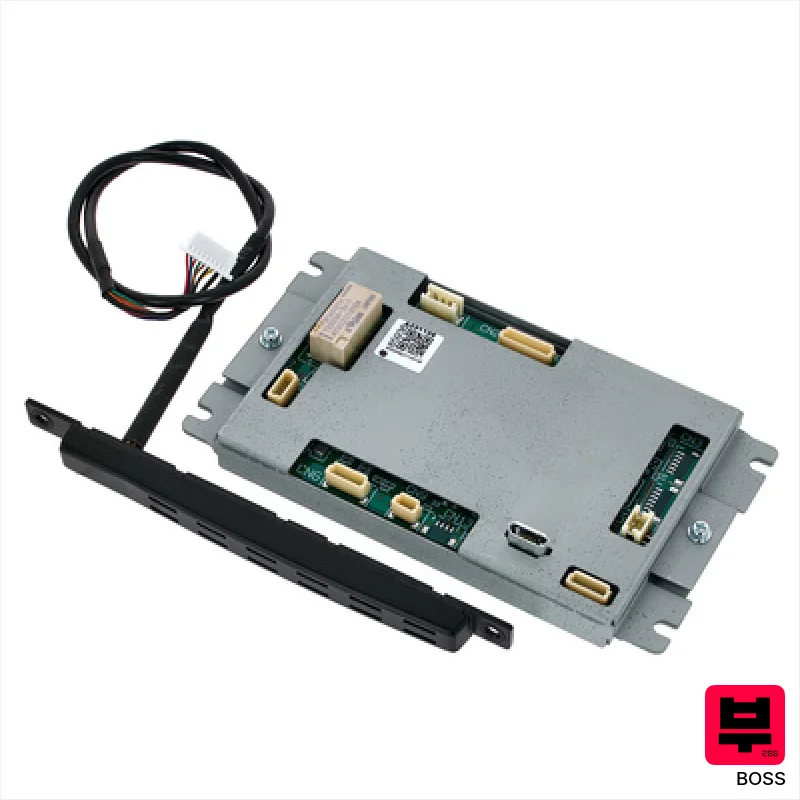
Boss GK-5 Guitar Synth Pickup Kit 6
- • Excellent tracking accuracy thanks to the GK serial interface.
- • G6 processor offers a vast palette of high-quality synth sounds.
- • Slim profile pickup integrates seamlessly with existing guitar electronics.
- • Provides a strong, clean digital signal for reliable MIDI transmission.
- • Installation can be complex, requiring soldering and setup adjustments.
- • System's cost represents a significant investment for most guitarists.
- • Sound quality is dependent on the synthesizer it's paired with.
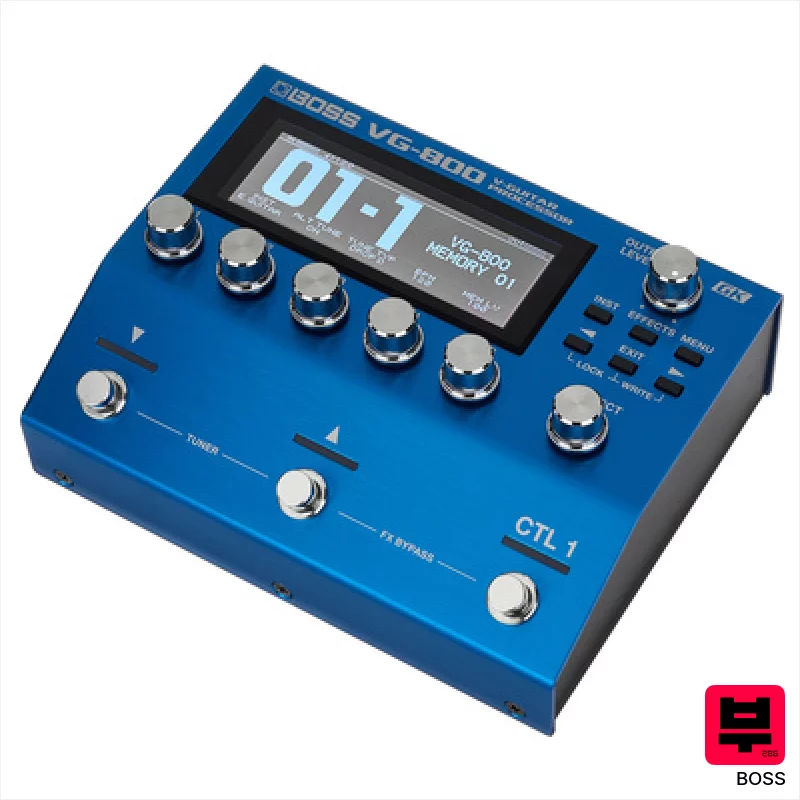
Boss VG-800 V-Guitar Processor
- • Advanced GK interface offers vastly improved tracking accuracy.
- • Dual guitar/bass function expands creative possibilities significantly.
- • BOSS Tone Studio software provides comprehensive sound editing and organization.
- • String bend function adds expressive realism to synthesized tones.
- • Requires a GK pickup (GK-5 or GK-5B), adding to the overall investment.
- • The unit's size and weight can be cumbersome for pedalboard setups.
- • Sound quality relies heavily on the quality of the connected guitar and pickup.

Boss GM-800 Guitar Synthesizer
- • ZEN-Core engine delivers remarkably realistic and diverse synth sounds
- • Serial GK interface provides significantly improved tracking compared to older systems
- • Standalone synth module functionality expands versatility beyond guitar/bass
- • BOSS Tone Studio software offers intuitive sound editing and organization
- • The graphic LCD is a bit small and can be hard to read in bright light
- • The learning curve for the ZEN-Core engine can be steep for beginners
- • The size and weight make it less than ideal for gigging frequently
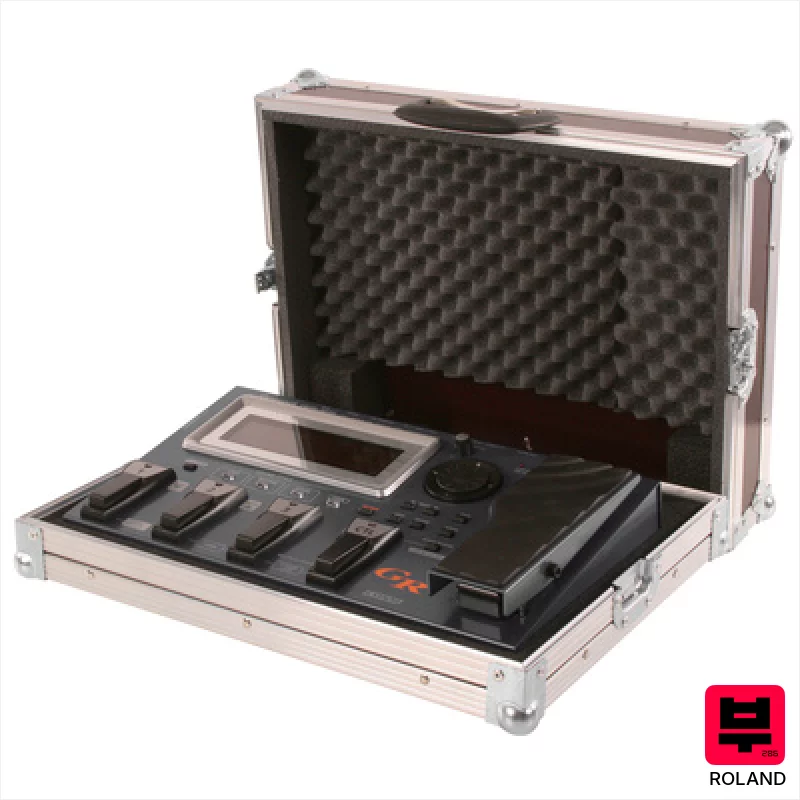
Roland GR-55S Black Bundle
- • Excellent tracking accuracy, especially for bass and lower guitar registers
- • VG-99 modelling chain provides a remarkably wide range of amp and effect tones
- • Intuitive interface and layout simplifies complex synth layering and editing
- • Bundled accessories like footswitch and expression pedal enhance performance flexibility
- • Can be a steep learning curve for those unfamiliar with guitar synthesis concepts
- • The physical footprint is relatively large, limiting portability for some
- • The bundled sounds, while extensive, might feel overwhelming initially
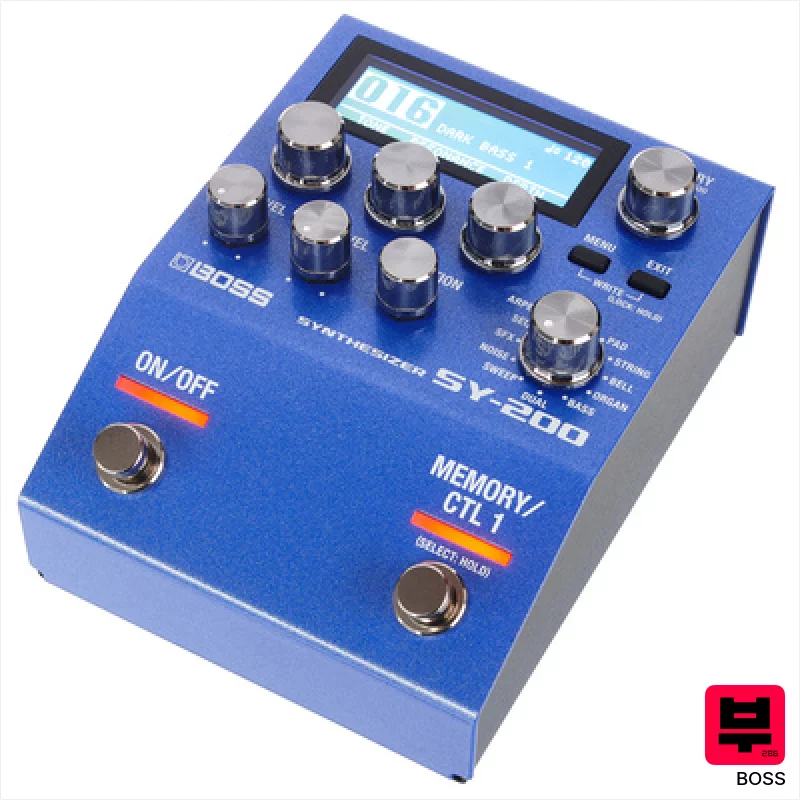
Boss SY-200 Guitar Synthesizer
- • Excellent tracking, even with humbuckers, minimizes pitch drift issues.
- • Polyphonic capabilities unlock a wide range of synth textures, far beyond monophonic synths.
- • Compact size and robust Boss build quality make it stage-ready and durable.
- • Versatile sound modeling emulates classic synths, from brass to strings effectively.
- • Limited preset editing depth compared to dedicated synth workstations.
- • Can be CPU-intensive, potentially impacting latency with other effects.
- • The LC display, while functional, isn't the most intuitive or visually appealing.
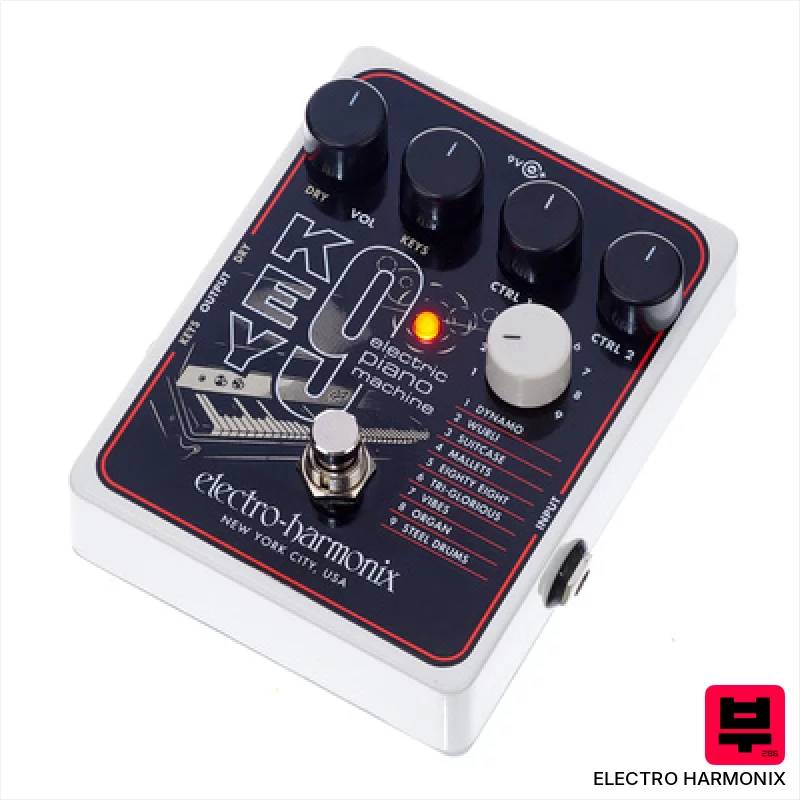
Electro Harmonix KEY9 Electric Piano Machine
- • Excellent emulation of classic electric pianos, surprisingly nuanced sounds
- • Fast tracking handles guitar input with impressive responsiveness
- • Compact size makes it pedalboard-friendly and travel-easy
- • Versatile blend of dry signal allows for creative sound design
- • Limited preset customization beyond the available sounds
- • Build quality feels somewhat plasticky, not as robust as some EHX pedals
- • Effected sounds can occasionally sound a bit thin without careful EQ
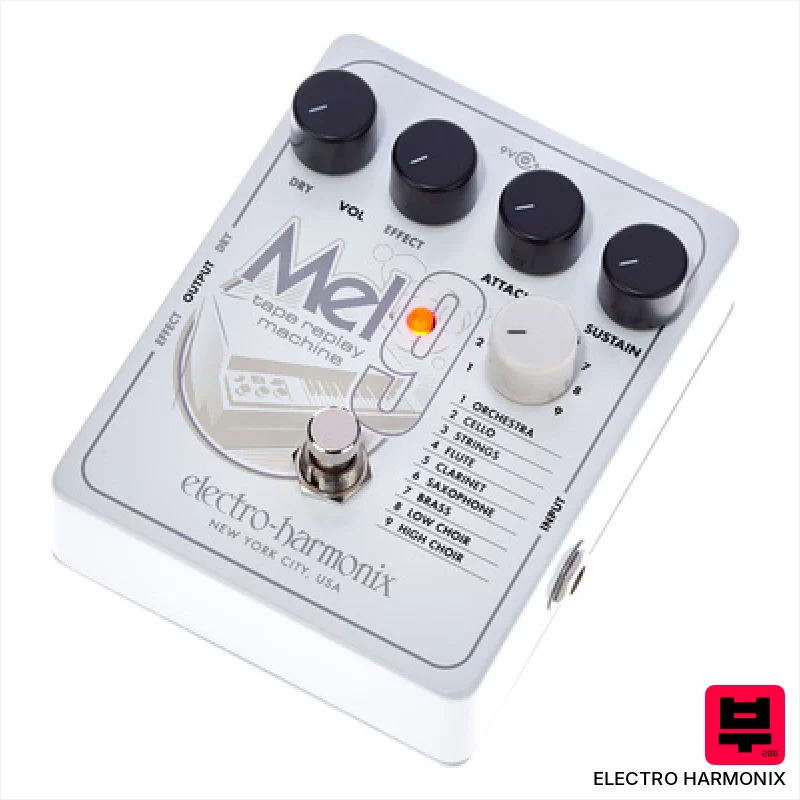
Electro Harmonix MEL9 Tape Replay Machine
- • Authentic Mellotron vibe without the massive footprint and cost
- • Fast tracking avoids pickup compatibility headaches – a huge win
- • Independent dry/effect controls allow for subtle blending or full emulation
- • 9 presets cover a surprisingly broad sonic palette for the price
- • The attack knob can be finicky, requiring precise adjustments
- • Sound quality, while convincing, isn't a true vintage Mellotron
- • Limited preset customization beyond the provided selection
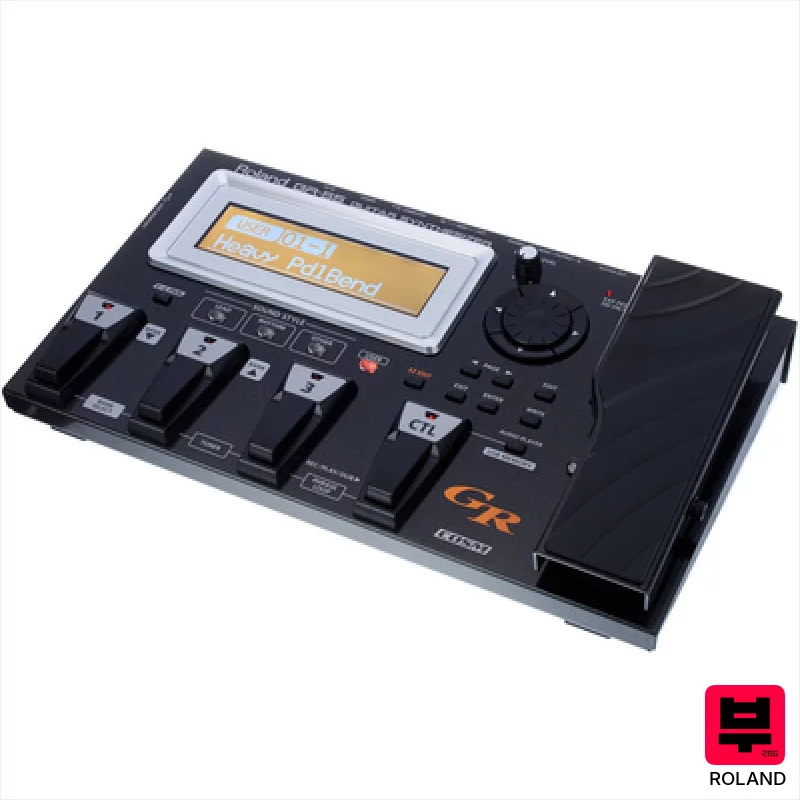
Roland GR-55GK Black
- • Excellent tracking accuracy, minimizing pitch shift artifacts during complex passages
- • Roland's COSM modeling convincingly recreates diverse amp and effect tones
- • The extensive sound library offers immediate creative inspiration across genres
- • Compact design makes it relatively portable for a multi-effects/synth unit
- • The interface, while functional, can feel a little convoluted for quick adjustments on the fly
- • The built-in speakers are adequate for practice but lack the power for stage performance
- • Requires careful pickup calibration for optimal tracking with certain guitars
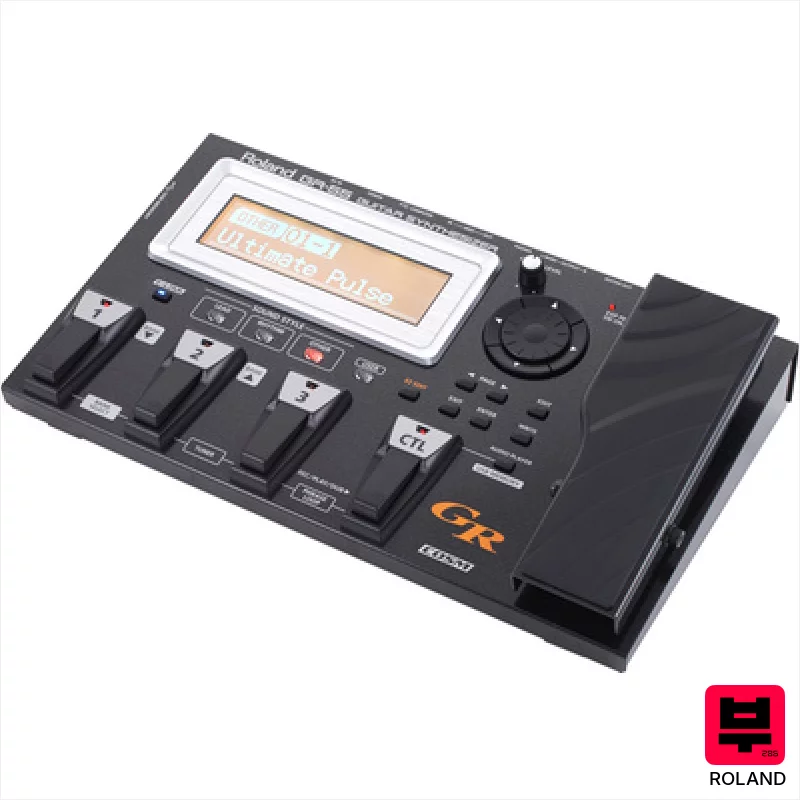
Roland GR-55S Black
- • Excellent COSM modeling engine delivers authentic amp and effects tones
- • Flexible dual-synth engine allows layering and creative sound design
- • Robust build quality with durable chassis and reliable controls
- • Comprehensive preset library provides immediate inspiration and usability
- • Tracking can occasionally be finicky with complex chord voicings
- • The size and weight can be cumbersome for gigging musicians
- • Learning curve exists to fully exploit the advanced features
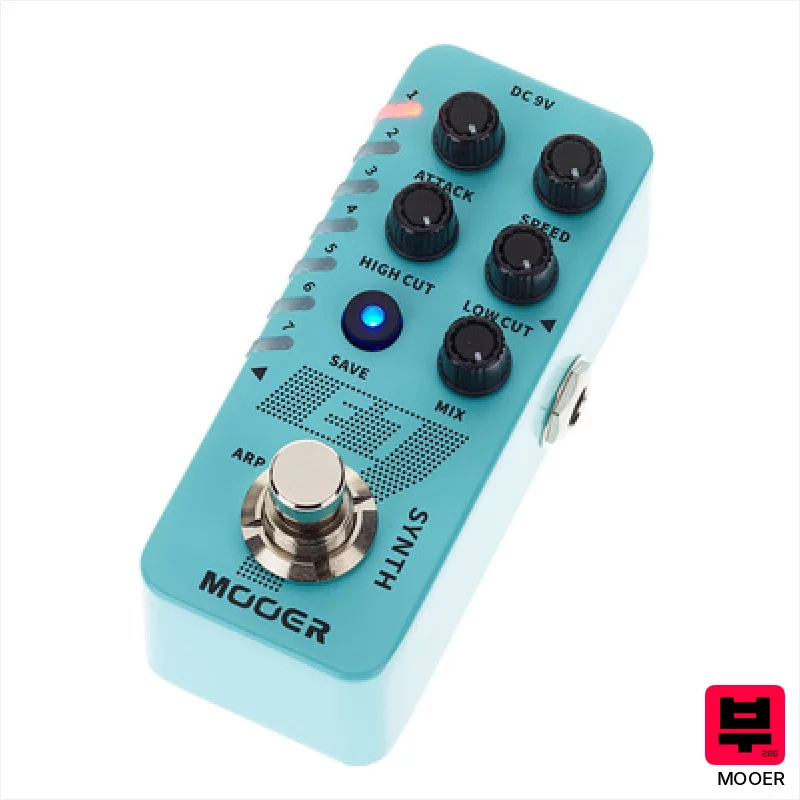
Mooer E7 Polyphonic Guitar Synth.
- • Compact size makes it pedalboard-friendly for gigging musicians
- • Polyphonic tracking handles complex chords surprisingly well for the price
- • Arpeggiator adds creative textures and sound design possibilities
- • Metal housing provides decent protection against stage abuse
- • Limited preset storage restricts experimentation and complex sound design
- • Tracking can occasionally falter with fast, complex passages or heavier string gauges
- • Power supply not included; a common frustration for budget-focused gear
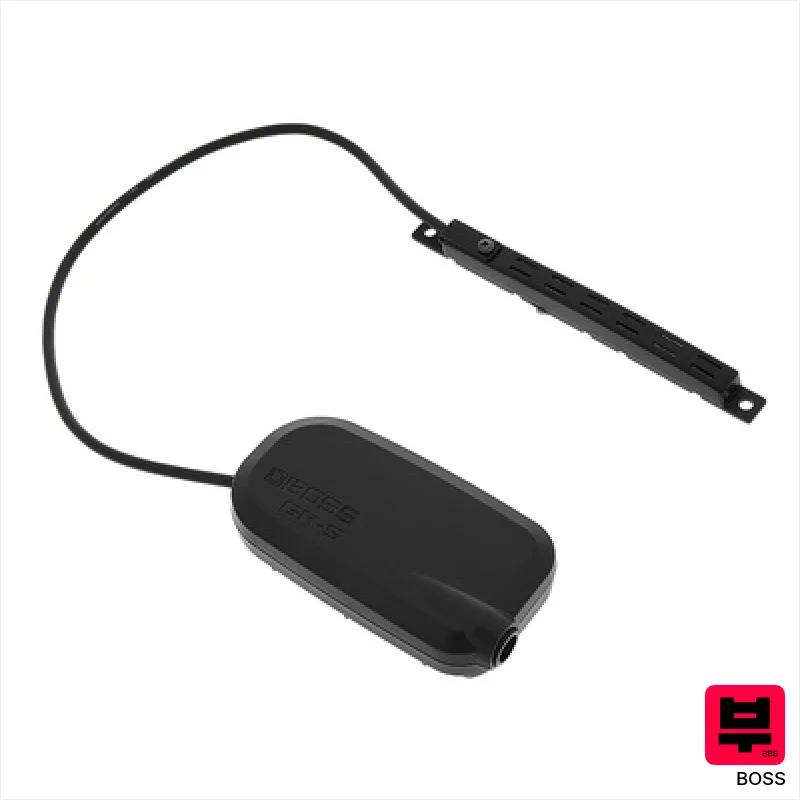
Boss GK-5 Guitar Synth Pickup
- • Improved Serial GK interface offers significantly better tracking stability.
- • Slim profile minimizes impact on guitar feel and string clearance.
- • Robust construction ensures reliable performance under gigging conditions.
- • Secure strap pin mounting provides a stable and convenient connection.
- • Requires a dedicated Serial GK cable, adding to the overall cost.
- • Tracking, while improved, still isn't perfect for extremely fast passages.
- • Sound quality is heavily reliant on the synthesizer unit it’s paired with.
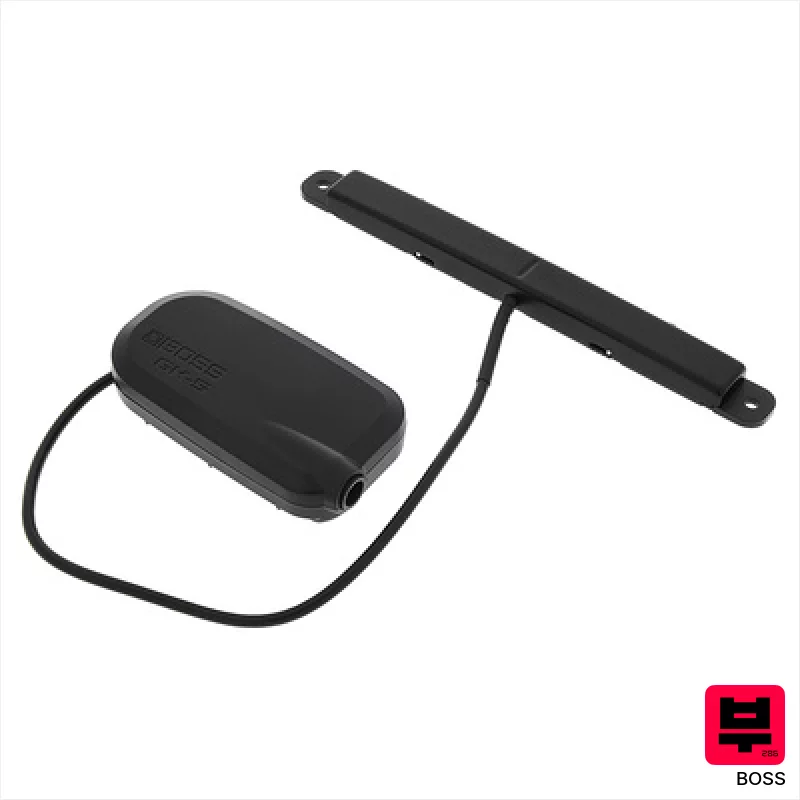
Boss GK-5B Bass Synth Pickup
- • Serial GK interface offers significantly improved tracking stability compared to older systems.
- • Slim profile minimizes impact on string spacing and bridge access on most basses.
- • Robust construction; feels solid and well-built for gigging reliability.
- • Adjustable sensor spacing accommodates a wide range of bridge types and string spacing.
- • Requires a dedicated Serial GK cable (BGK-15) for operation, adding to the initial investment.
- • Sound quality heavily reliant on the synthesizer unit it's paired with; pickup itself is just a transducer.
- • Can be tricky to dial in perfectly; requires patience and careful adjustment for optimal tracking.
How to Choose the Best Guitar/Bass Synthesizers
Polyphony
More voices mean more complex chords and layered sounds. Anything less than 8 voices feels limiting, especially for bass. It's a direct factor in how thick and full your synth tones can be.
Articulation/Tracking
This is HUGE. Poor tracking means your synth notes lag behind your playing, sounding sloppy and disconnected. A good tracker responds to your nuances - bends, vibrato, hammer-ons - and translates them accurately into the synth voice. Bad tracking kills the vibe.
Sound Engine & Presets
Some units rely heavily on presets, while others give you more control over synthesis parameters. A good balance is ideal - a solid starting point with the flexibility to tweak and create your own sounds.
Connectivity
Consider your needs. MIDI in/out for sequencing, expression pedal input for real-time control, and balanced outputs for cleaner signal are all valuable. Cheap units often skimp on connectivity.
Build Quality/Footprint
Gigging means bumps and jostles. A sturdy build and a manageable footprint are important. Small footprint is especially important for bassists who are already fighting for space.
Buying Guide
At this price point, you're making compromises. Expect a slightly limited number of sounds compared to top-tier units, and possibly some quirks in the tracking. Don't get caught up in fancy features you won't use; prioritize accurate tracking and a decent sound engine. Paying a little more for a unit with solid build quality will save you headaches down the road, especially if you gig regularly.
How This List Is Built
We don't play these instruments — we're a catalog, not a review desk, and we'd rather say so than pretend otherwise. This page ranks 15 guitar/bass synthesizers from the Thomann catalogue, which is the largest single source of specification data in this category.
Position is computed, not curated. Four signals, in order of weight: how completely the manufacturer documents the instrument (number of published specifications), where it sits in the price range, how specific the model designation is — which filters out generic accessories — and whether a product image exists. The same inputs always produce the same order, so nothing here is shuffled to look fresh.
What this list is good for: narrowing a category down to a shortlist by spec and budget. What it isn't: a substitute for hearing an instrument. Before you buy, read hands-on reviews and, where you can, play it. Full methodology.

