
Best Graphic Equalizers Under $2,000 2026
Okay, so you need a graphic EQ but you're not looking to drop a fortune? Smart move. A good graphic EQ can be the difference between a muddy rehearsal and a mix that cuts through the noise, but those SSL-style behemoths can cost a small car. Let's look at some solid options under $2000 that'll actually improve your sound, whether you're dialing in a warm vintage tone or cleaning up a live rig.
Last updated: August 31, 2026

DBX 231s
- • Solid build quality; feels like a DBX, built to last.
- • 2x31 bands offer precise tonal sculpting capabilities.
- • Constant Q filters provide consistent frequency response across bands.
- • Balanced XLR/jack connections ensure clean, professional signal flow.
- • Limited routing options compared to more modern processors.
- • The 2U rack height can be a constraint in smaller setups.
- • Faders feel a little plasticky, not as premium as some competitors.
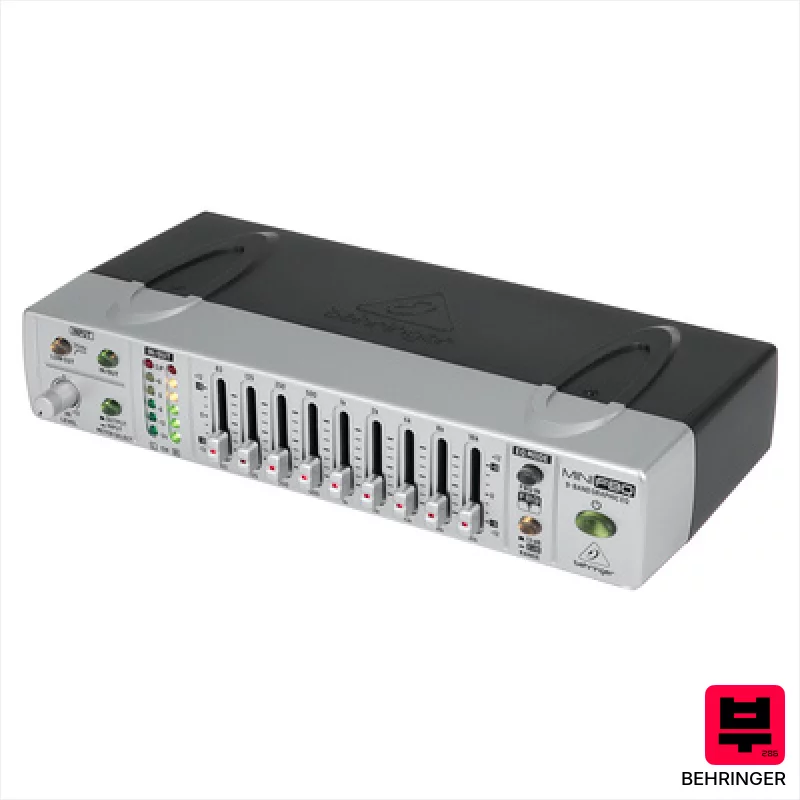
Behringer FBQ800 V2
- • FBQ feedback detection is genuinely useful for live sound reinforcement.
- • Illuminated faders and controls are a huge boon for dark stages.
- • Compact size makes it ideal for smaller rigs or travel.
- • Offers a surprisingly detailed audio analysis capability for the price.
- • Plastic construction feels a bit flimsy compared to higher-end units.
- • Limited frequency band control compared to more sophisticated equalizers.
- • Potentiometers can feel a bit 'scratchy' and inconsistent.

DBX DriveRack 260 Bundle
- • Integrated Auto-EQ simplifies speaker and room tuning significantly.
- • Subharmonic synthesis adds substantial low-end presence and perceived loudness.
- • Comprehensive feature set consolidates multiple processing units into one rack space.
- • DBX’s classic compression delivers transparent dynamic control and clarity.
- • The menu system can be initially complex, requiring a learning curve.
- • The physical build feels somewhat plasticky compared to higher-end DBX offerings.
- • Limited routing options compared to more flexible DSP platforms.

DBX 1231
- • Robust 19in rackmount build for reliable stage use
- • 45mm faders offer precise, tactile EQ adjustments
- • Balanced XLR I/O ensures clean signal transfer
- • Flexible +/-6dB/15dB range caters to varied applications
- • Limited versatility compared to parametric equalizers
- • Can introduce noise if gain staging isn't meticulous
- • 3U height might be restrictive in some racks

DBX 131s
- • Solid build quality; feels like a DBX, durable metal chassis
- • 31-band EQ offers precise tonal shaping capabilities
- • Clean, transparent equalization – doesn’t add unwanted coloration
- • Compact 1U rack format, ideal for space-constrained setups
- • Faders can feel a little 'plasticky' compared to higher-end units
- • Limited to mono operation; no stereo processing
- • Input gain adjustments are relatively coarse, less precise tweaking

Behringer FBQ6200HD
- • Feedback detection is surprisingly effective, a genuine lifesaver.
- • Pink noise generator aids precise feedback hunting and analysis.
- • Robust metal chassis feels surprisingly sturdy for the price point.
- • Versatile routing options with sub-out and X-Over control.
- • Plastic knob action feels a bit cheap and imprecise.
- • Limited frequency shaping compared to more sophisticated analyzers.
- • The sheer number of controls can be overwhelming for beginners.
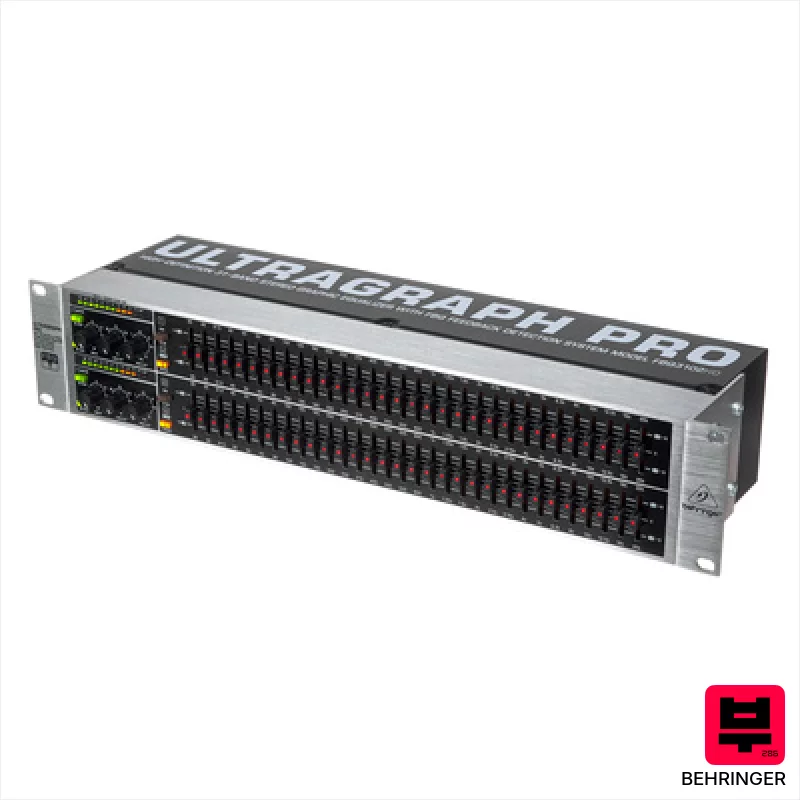
Behringer FBQ3102HD Ultragraph Pro
- • Excellent feedback suppression with the FBQ system
- • Servo-balanced inputs/outputs minimize noise and crosstalk
- • The Sub-Out with adjustable low-pass is genuinely useful
- • Illuminated faders offer clear visual feedback in low-light conditions
- • Plastic construction feels less robust than higher-end units
- • Limited routing options beyond basic EQ functionality
- • The LED display can be a bit dim in brighter environments
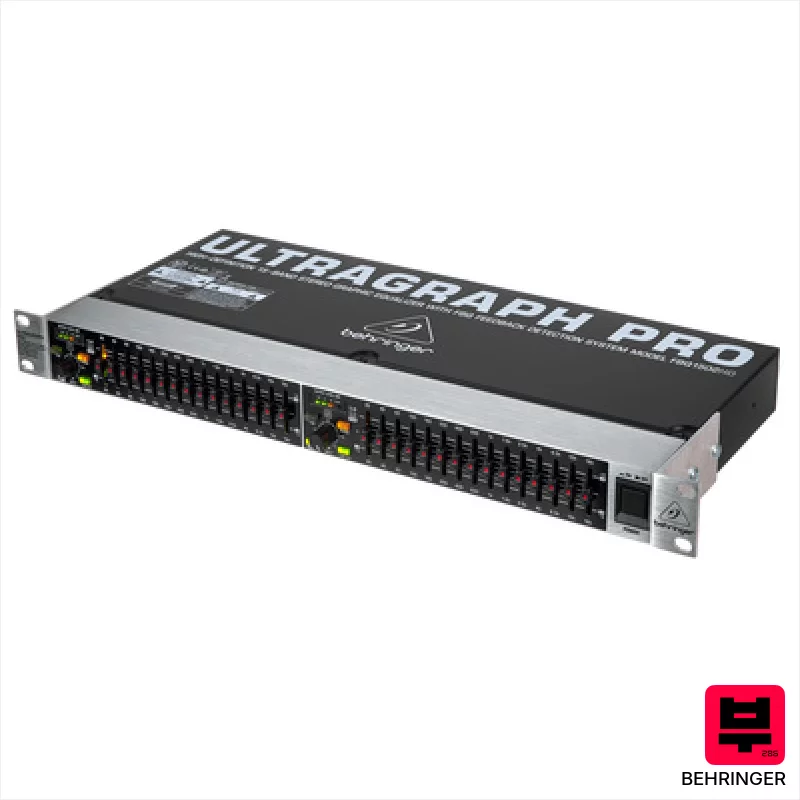
Behringer FBQ1502HD Ultragraph Pro
- • Illuminated faders offer excellent visibility onstage, even in low light.
- • FBQ feedback detection is surprisingly effective and accurate.
- • Servo-balanced inputs/outputs minimize noise and signal loss.
- • Sub-Out provides flexible low-frequency management for live sound.
- • Plastic construction feels noticeably less robust than higher-end units.
- • Limited EQ flexibility compared to parametric or digital options.
- • Fader travel feels a bit short, lacking a premium feel.
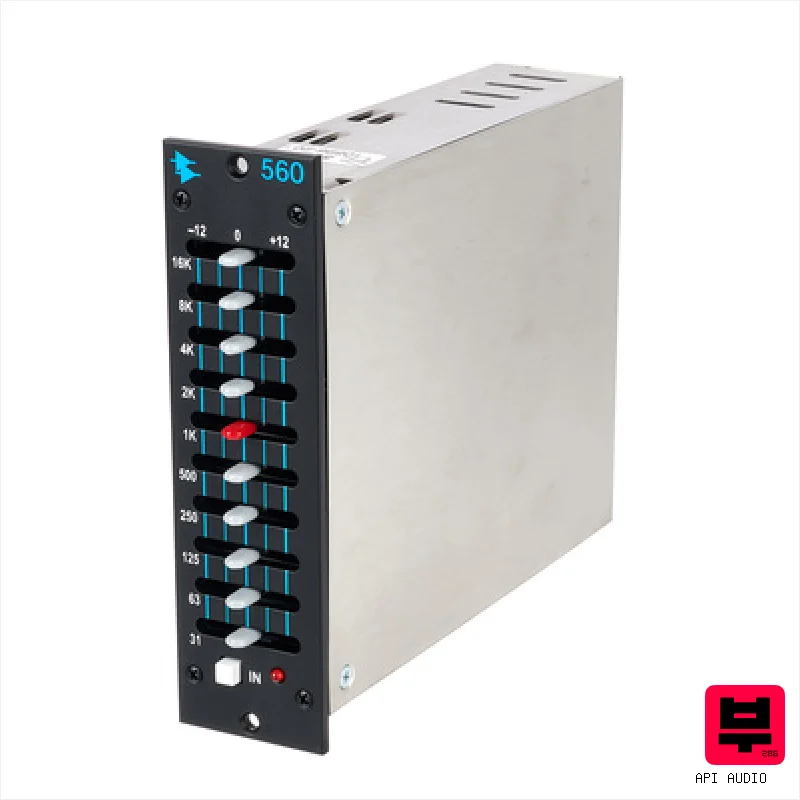
API Audio 560 Graphic EQ
- • 12 dB boost per band gives strong control
- • Based on the original 1969 design for classic tone
- • Standard 500 series module fits any rack
- • Midpoint filters span low to high frequencies
- • No specific gain structure details provided
- • Lack of modern EQ curves like shelving
- • No stated power supply or connection types
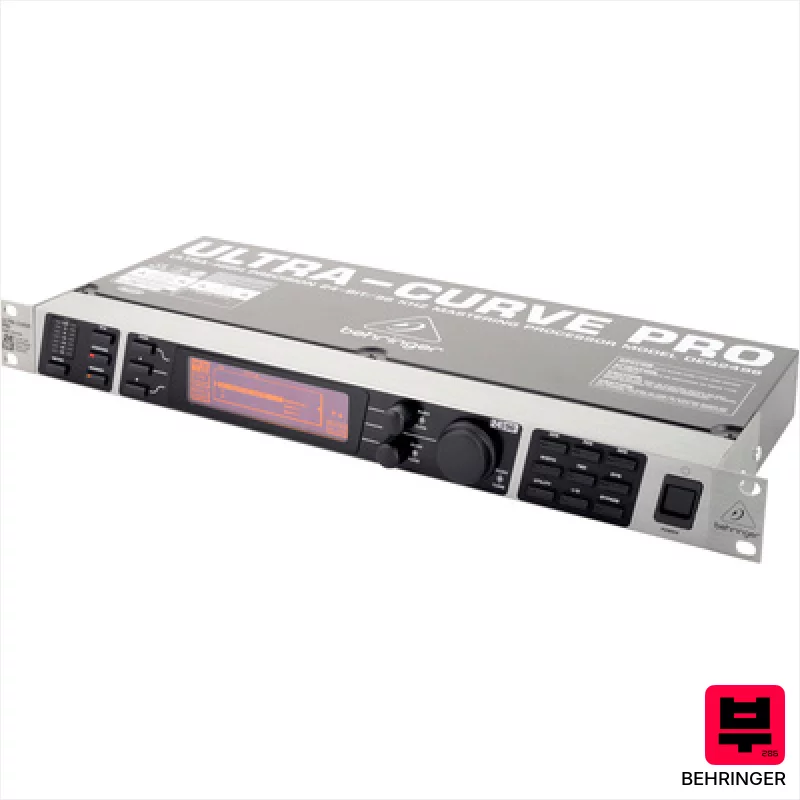
Behringer DEQ2496 Ultra-Curve Pro
- • Multiple EQ modules offer incredible flexibility for diverse applications
- • 61-band RTA provides detailed analysis for precise room correction
- • Dynamic EQs are surprisingly effective for subtle mastering tweaks
- • Feedback Destroyer module is a genuinely useful and powerful tool
- • Build quality feels plasticky; not as robust as higher-end units
- • User interface can be daunting for those unfamiliar with complex processing
- • Power supply is external, adding to cable clutter and potential noise
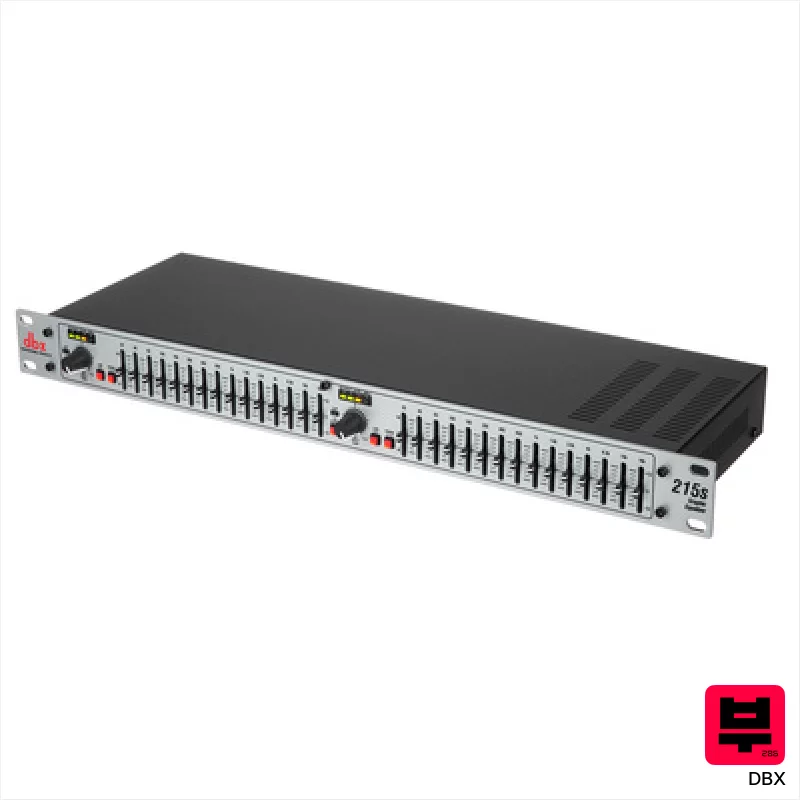
DBX 215s
- • Solid build quality; feels robust for its price point
- • Excellent dynamic range minimizes noise and distortion
- • Flexible ±6/12dB gain adjustment provides tonal shaping
- • Compact 1U rack height saves valuable rack space
- • Limited feature set compared to more modern, digital equalizers
- • Analog design lacks the recall capabilities of digital units
- • Jack inputs/outputs may feel dated for some users
Graphic Equalizers by the numbers
Measured across all 11 models in this category, so «wide», «short» or «expensive» mean something you can check.
How to Choose the Best Graphic Equalizers
Frequency Bandwidth
More bands (16 vs. 31) offers finer control, but more bands also increases complexity and potential for phase issues. 16 bands is often plenty for basic shaping; 31 bands gives you more surgical precision.
EQ Type (Classic vs. Parametric)
Classic graphic EQs have fixed bandwidths. Parametric graphic EQs let you adjust bandwidth, which is a huge deal for avoiding unwanted resonances or overly scooped mids. This is where the value really starts to jump.
Noise Floor
A quiet EQ is a good EQ. Even a subtle hiss can ruin a clean recording or distract during a live set. We listened carefully for any audible noise, especially at higher gain settings.
Build Quality & Features
Solid construction is key for gigging. Look for robust knobs, reliable faders, and maybe even a useful feature like a bypass switch or recallable presets, if you need them.
Stereo Linking/Aux Sends
Stereo linking is essential for consistent sound across a stereo image. Aux sends allow for creative routing and effects integration, a nice bonus for studio work or more complex live setups.
Buying Guide
At this price point, you're going to be making compromises. Fully parametric graphic EQs are rarer, so expect to find mostly classic designs, or units with a few key parametric features. Don't be fooled by flashy marketing - focus on clean operation, a usable frequency range (don't need sub-bass if you're mostly working with guitars), and a build that can handle the road. Paying a bit more for a unit with a bypass switch is almost always worth it; it's a huge workflow saver.
How This List Is Built
We don't play these instruments — we're a catalog, not a review desk, and we'd rather say so than pretend otherwise. This page covers 11 graphic equalizers from the Thomann catalogue, which is the largest single source of specification data in this category: 11 in detail, the rest listed with their specifications.
Position is computed, not curated. We parse the manufacturer's own description into actual values — nut width, scale, fret count, fingerboard radius, size, alloy — and rank on them: how many specifications a model has published, how many of them are measurable numbers, and how precisely it meets this page's criterion. A product image adds a little. Price is not a ranking signal: it tells you nothing about whether a neck fits your hand. The same inputs always produce the same order, so nothing here is shuffled to look fresh.
What this list is good for: narrowing a category down to a shortlist by spec and budget. What it isn't: a substitute for hearing an instrument. Before you buy, read hands-on reviews and, where you can, play it. Full methodology.

