
Best General MIDI Sound Modules Under $1,000 2026
Alright, so you're looking for a General MIDI sound module without breaking the bank. Let's be honest, a thousand bucks doesn't buy you the kind of lush, detailed sounds you'd get from a high-end workstation, but there's still some seriously usable territory to be explored. We're talking about getting a solid foundation for gigging, recording, or just practicing - something that'll add some meat to your MIDI tracks and give you more than cheesy preset sounds.
Last updated: April 11, 2026

Ketron SD-1000 Bag Bundle
- • Excellent orchestral sounds for film scoring or layered arrangements.
- • Compact size and lightweight design for gigging musicians.
- • Live Drum Modelling provides realistic, dynamic percussion sounds.
- • Original Ketron bag offers practical protection and portability.
- • Limited connectivity – only mini-jack outputs restrict cable options.
- • 32 MIDI channels might feel restrictive for complex setups.
- • Polyphony of 128 voices could be limiting with very dense arrangements.
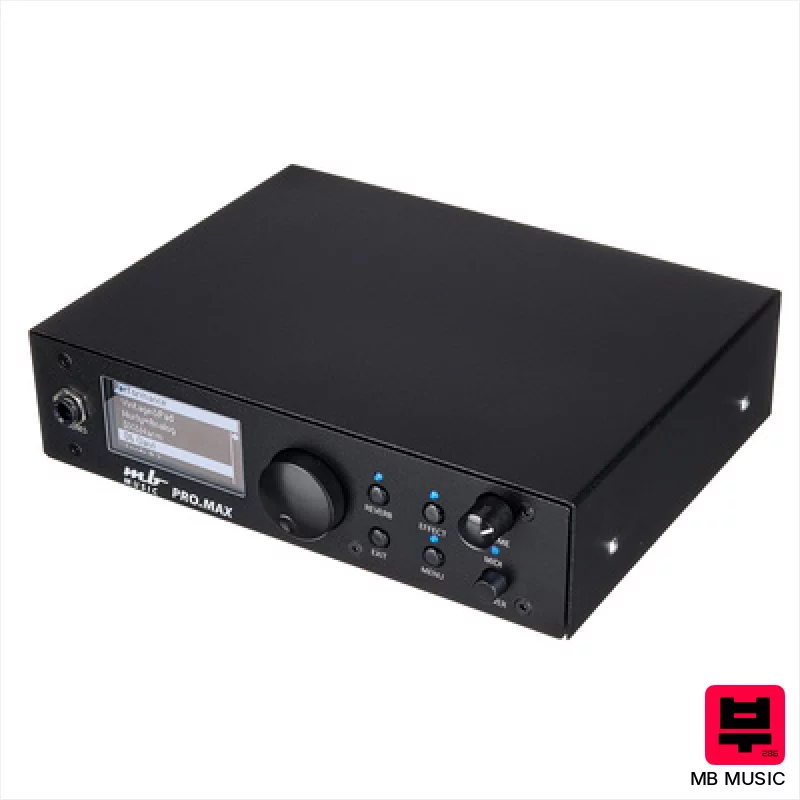
MB Music PRO.MAX
- • Excellent polyphony handles complex arrangements effortlessly.
- • OLED display is crisp, clear, and genuinely useful in low light.
- • DSP effects are surprisingly musical; not just digital wash.
- • Solid build quality; feels robust and well-assembled for a module.
- • Limited onboard storage; expansion cards would be a welcome addition.
- • USB power only limits flexibility; AC adapter is essential for stability.
- • Sound library, while extensive, lacks truly unique or cutting-edge sounds.
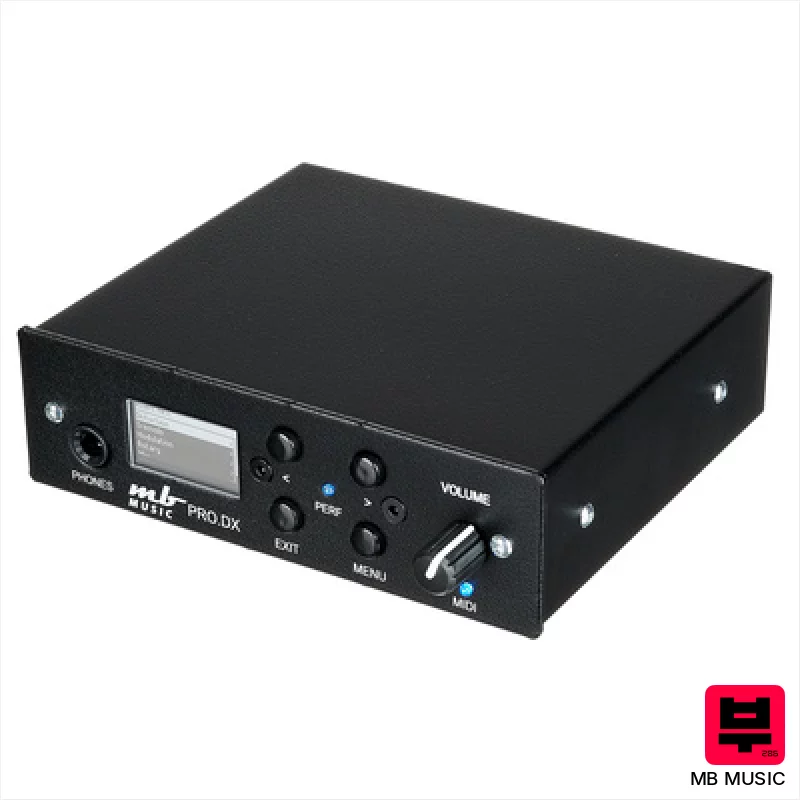
MB Music PRO.DX
- • Solid OLED display provides excellent visibility even in low light.
- • GM2 compatibility ensures broad software and hardware integration.
- • Compact size and USB power offer exceptional portability and convenience.
- • Decent selection of DSP effects add usable character and depth to sounds.
- • RCA outputs feel cheap and could be upgraded to 1/4” jacks.
- • Limited physical controls restrict real-time performance tweaking.
- • Sound quality, while acceptable, lacks the nuance of higher-end modules.
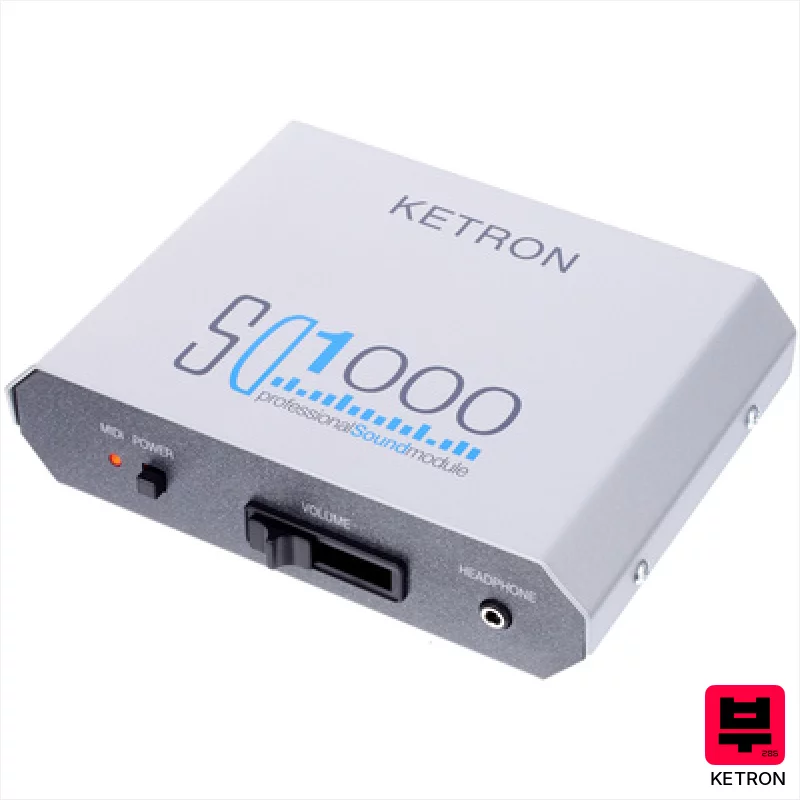
Ketron SD-1000
- • Extensive orchestral sounds offer surprising realism for the price
- • Live Drum Modelling provides genuinely usable, dynamic percussion
- • 32 MIDI channels allow for complex multi-timbral setups
- • Compact size and lightweight design make it easily portable for gigging
- • Mini-jack outputs limit signal strength and require careful gain staging
- • Limited physical controls necessitate heavy reliance on external MIDI controllers
- • Ketron's sound engine lacks the depth of higher-end module brands
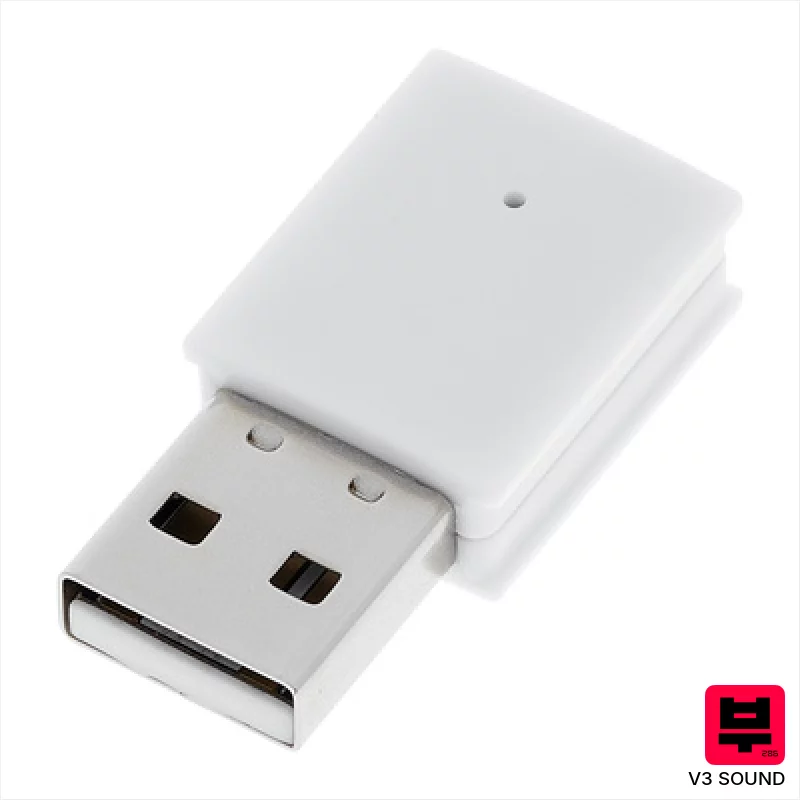
V3 Sound Bluetooth Receiver
- • Seamless Bluetooth integration with V3 modules simplifies workflow.
- • App control offers detailed sound shaping beyond basic volume.
- • Registration memory allows for quick sound switching and recall.
- • Compact design minimizes clutter on your keyboard rig.
- • Reliance on the V3 ecosystem limits compatibility with other sound modules.
- • App functionality might feel basic compared to dedicated software editors.
- • Bluetooth connection latency could be noticeable for real-time performance.
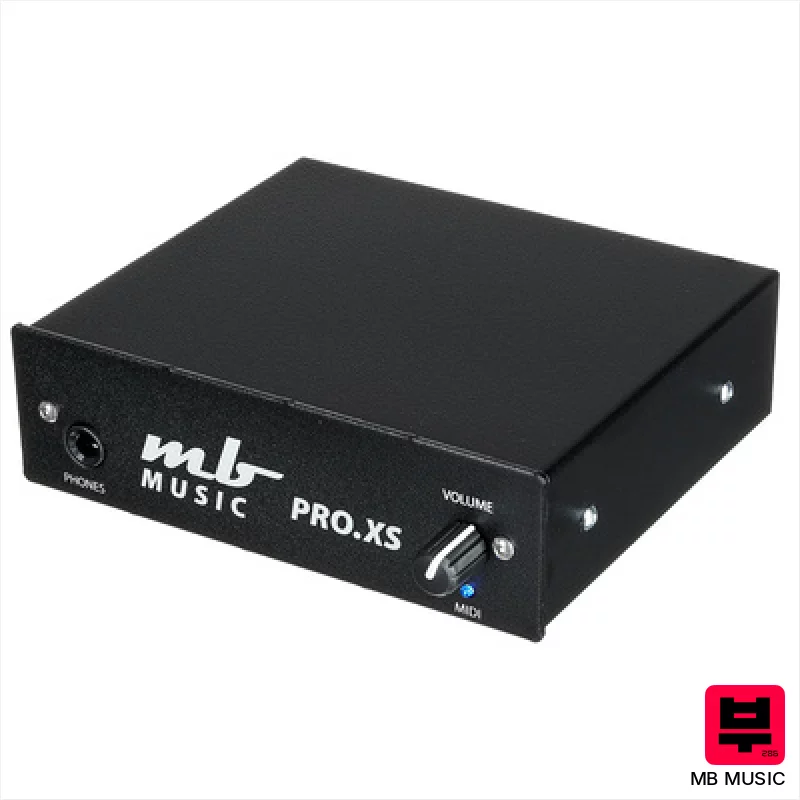
MB Music PRO.XS
- • Compact size ideal for mobile setups and small studios.
- • GM2 compatibility ensures broad software and hardware integration.
- • Decent polyphony handles complex arrangements without immediate dropouts.
- • RCA outputs provide straightforward connection to amplifiers and mixers.
- • DSP effects (reverb/chorus) are basic; lacks nuanced processing.
- • Limited physical controls restrict real-time performance tweaking.
- • Small form factor means potentially less robust internal components.
How to Choose the Best General MIDI Sound Modules
Sound Quality
This isn't about 'good' or 'bad' - it's about the character of the sounds. Do they have a usable low-end thump for bass? Is the piano articulation convincing? Does the string section have that warm, vintage vibe or a brittle, digital edge? The sweet spot is a balance of realism and musicality.
Polyphony
More voices mean more layers. At this price point, you're looking at a minimum of 64 voices, ideally 128. Think about layering pads, strings, and keys for a full arrangement - you don't want notes dropping out during a crucial moment.
Connectivity
MIDI ports are a given, but consider the audio outputs. Are there enough ¼" jacks for your monitors? Does it have a stereo RCA output for simpler setups? USB MIDI is essential these days for DAW integration.
Effects
Built-in effects like reverb, chorus, and delay can make a huge difference. Don't expect studio-grade quality, but a decent chorus can add some warmth to a thin-sounding piano, and a touch of reverb can glue everything together.
Latency
This is critical for live playing. A noticeable delay between pressing a key and hearing the sound is a deal-breaker. We looked for modules with consistently low latency across different USB configurations.
Buying Guide
Realistically, at this price point, you're making trade-offs. Don't expect pristine, sampled realism - you're getting something usable, something that can add flavor to your music. The biggest corners usually get cut in the effects processing and the overall dynamic range - you might notice a quicker compression or a less nuanced response to velocity. Prioritize polyphony and low latency; those are the things that will impact your playing experience the most.
How This List Is Built
We don't play these instruments — we're a catalog, not a review desk, and we'd rather say so than pretend otherwise. This page ranks 6 general midi sound modules from the Thomann catalogue, which is the largest single source of specification data in this category.
Position is computed, not curated. Four signals, in order of weight: how completely the manufacturer documents the instrument (number of published specifications), where it sits in the price range, how specific the model designation is — which filters out generic accessories — and whether a product image exists. The same inputs always produce the same order, so nothing here is shuffled to look fresh.
What this list is good for: narrowing a category down to a shortlist by spec and budget. What it isn't: a substitute for hearing an instrument. Before you buy, read hands-on reviews and, where you can, play it. Full methodology.

