
Best General MIDI Sound Modules for Beginner 2026
So, you're getting into keyboards and realizing your laptop speakers just aren't cutting it? A General MIDI (GM) sound module is the next logical step - a dedicated box that spits out a huge range of sounds. But wading through the options as a beginner can be overwhelming. This isn't about chasing pristine concert hall pianos; it's about finding something that's playable, inspiring, and won't leave you frustrated trying to program a simple bassline.
Last updated: June 3, 2026 • Next update: June 10, 2026
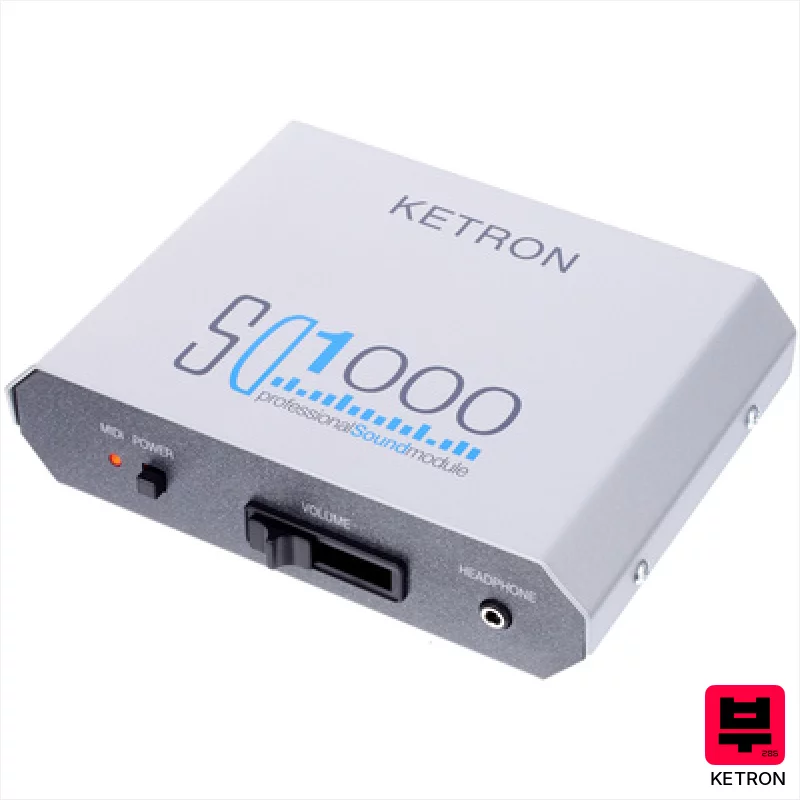
Ketron SD-1000
- • Extensive orchestral sounds offer surprising realism for the price
- • Live Drum Modelling provides genuinely usable, dynamic percussion
- • 32 MIDI channels allow for complex multi-timbral setups
- • Compact size and lightweight design make it easily portable for gigging
- • Mini-jack outputs limit signal strength and require careful gain staging
- • Limited physical controls necessitate heavy reliance on external MIDI controllers
- • Ketron's sound engine lacks the depth of higher-end module brands
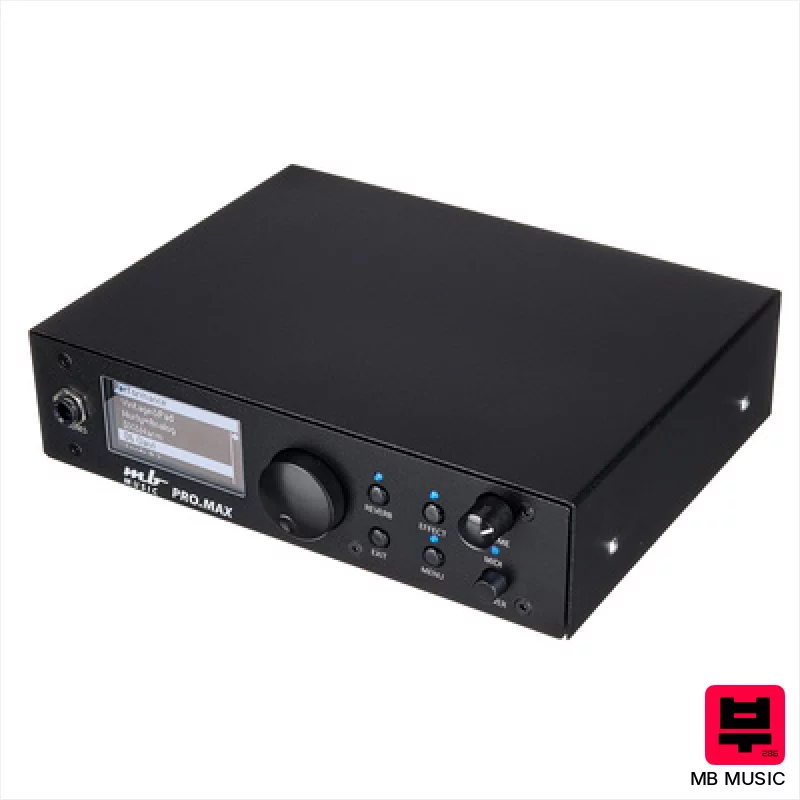
MB Music PRO.MAX
- • Excellent polyphony handles complex arrangements effortlessly.
- • OLED display is crisp, clear, and genuinely useful in low light.
- • DSP effects are surprisingly musical; not just digital wash.
- • Solid build quality; feels robust and well-assembled for a module.
- • Limited onboard storage; expansion cards would be a welcome addition.
- • USB power only limits flexibility; AC adapter is essential for stability.
- • Sound library, while extensive, lacks truly unique or cutting-edge sounds.

Ketron SD-1000 Bag Bundle
- • Excellent orchestral sounds for film scoring or layered arrangements.
- • Compact size and lightweight design for gigging musicians.
- • Live Drum Modelling provides realistic, dynamic percussion sounds.
- • Original Ketron bag offers practical protection and portability.
- • Limited connectivity – only mini-jack outputs restrict cable options.
- • 32 MIDI channels might feel restrictive for complex setups.
- • Polyphony of 128 voices could be limiting with very dense arrangements.
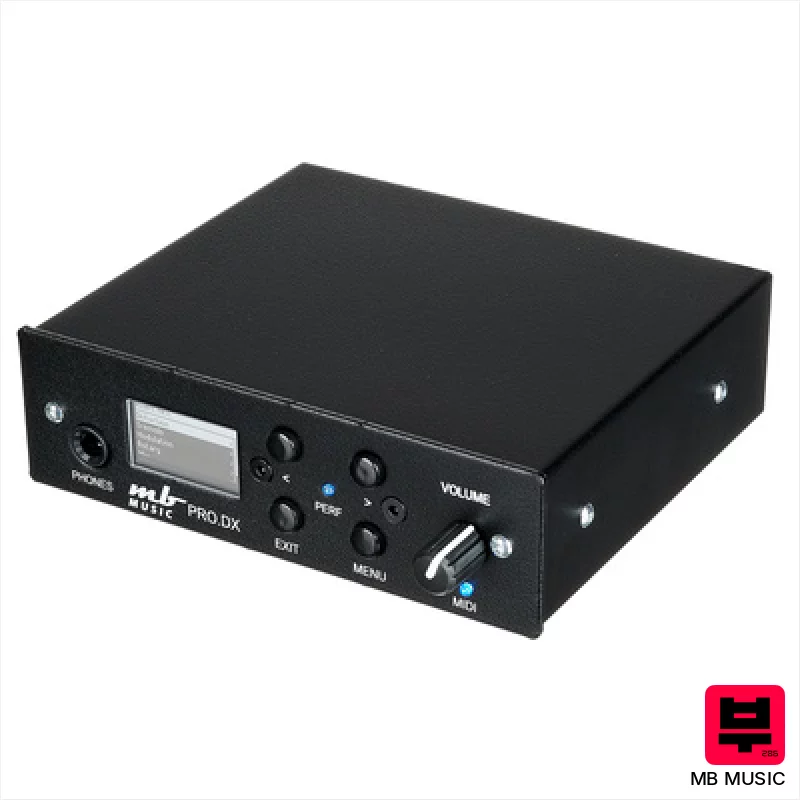
MB Music PRO.DX
- • Solid OLED display provides excellent visibility even in low light.
- • GM2 compatibility ensures broad software and hardware integration.
- • Compact size and USB power offer exceptional portability and convenience.
- • Decent selection of DSP effects add usable character and depth to sounds.
- • RCA outputs feel cheap and could be upgraded to 1/4” jacks.
- • Limited physical controls restrict real-time performance tweaking.
- • Sound quality, while acceptable, lacks the nuance of higher-end modules.
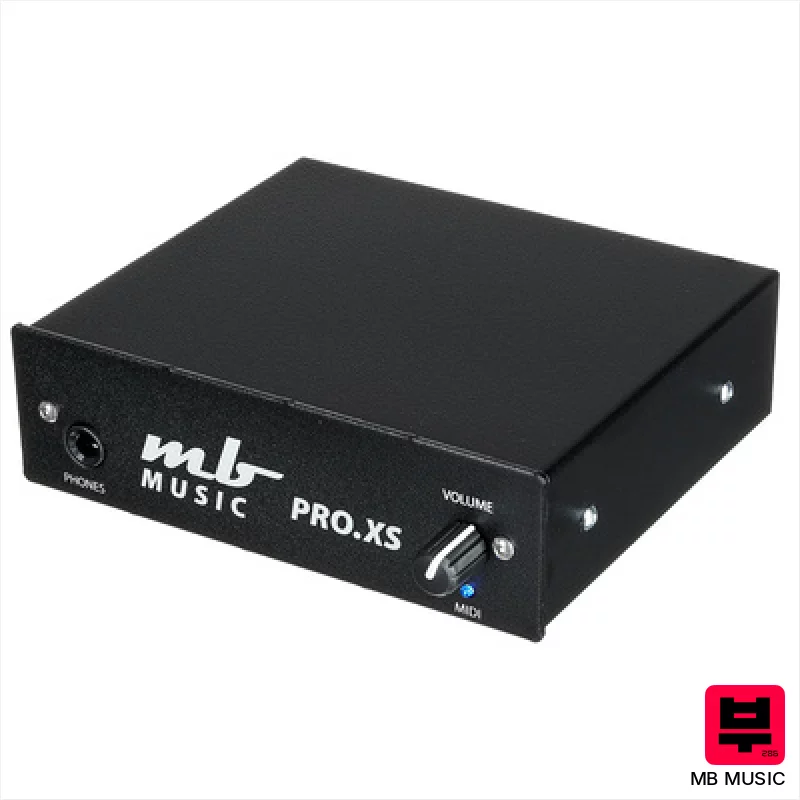
MB Music PRO.XS
- • Compact size ideal for mobile setups and small studios.
- • GM2 compatibility ensures broad software and hardware integration.
- • Decent polyphony handles complex arrangements without immediate dropouts.
- • RCA outputs provide straightforward connection to amplifiers and mixers.
- • DSP effects (reverb/chorus) are basic; lacks nuanced processing.
- • Limited physical controls restrict real-time performance tweaking.
- • Small form factor means potentially less robust internal components.
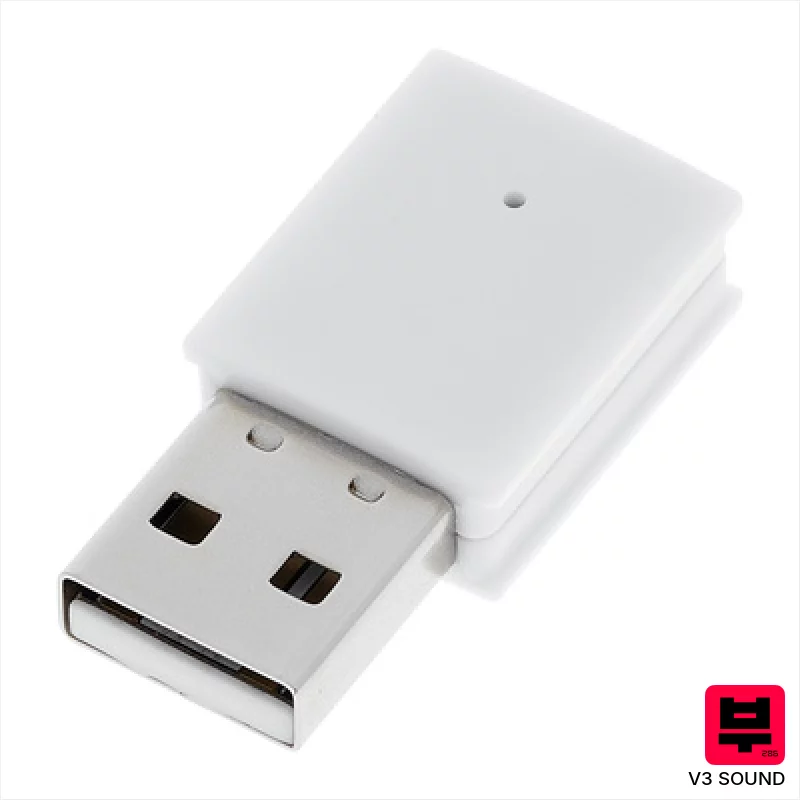
V3 Sound Bluetooth Receiver
- • Seamless Bluetooth integration with V3 modules simplifies workflow.
- • App control offers detailed sound shaping beyond basic volume.
- • Registration memory allows for quick sound switching and recall.
- • Compact design minimizes clutter on your keyboard rig.
- • Reliance on the V3 ecosystem limits compatibility with other sound modules.
- • App functionality might feel basic compared to dedicated software editors.
- • Bluetooth connection latency could be noticeable for real-time performance.
How to Choose the Best General MIDI Sound Modules
Playability
This isn't just about the sounds; it's about the MIDI input. Low latency is critical - you don't want a noticeable delay between pressing a key and hearing the sound. A sluggish response kills your feel and makes learning harder.
Sound Quality (GM Palette)
Let's be real, we're talking General MIDI. Expect a wide range of sounds, not boutique instrument samples. We're looking for a decent representation of the classic GM sounds - usable pianos, drums, basses, and synths - with a lack of obvious digital harshness or muddy low-end.
Ease of Use/Programming
Beginners don't need a PhD in synthesis. Simple, intuitive menus and straightforward editing options are key. Too many layers of menus and cryptic parameters will lead to frustration, not creativity.
Connectivity
MIDI ports are a must, obviously. But consider audio outputs - are there enough for your setup? 1/4" jacks are preferable for connecting to amps and mixers, but RCA connections are common on cheaper models.
Build Quality & Reliability
This isn't about premium materials, but about something that won't fall apart after a few gigs. Cheap plastic and flimsy knobs are a red flag - they often indicate corners were cut elsewhere.
Buying Guide
Don't get hung up on a huge sound library. A smaller, well-executed GM set is better than a massive collection of mediocre sounds. Latency is the biggest deal-breaker - test it if you can. And remember, a module is only as good as your MIDI controller, so invest in a decent one too; a bad controller will make even the best module feel like a chore.
Our Methodology
We're not just looking at spec sheets here. We've spent hours playing these modules through decent studio monitors and guitar amps - simulating the kind of setups a beginner might actually use. We've A/B'd them against each other, and most importantly, we've considered how easy they are to use and how inspiring they are to actually play something.

