
Best Ethernet Audio Interfaces Under $5,000 2026
Okay, so you're chasing that Dante-esque workflow but your bank account isn't cooperating? Ethernet audio interfaces have become essential for remote recording, live streaming, and larger studios, but the top-tier stuff can hit you hard. This list focuses on solid Ethernet interfaces under $5000 - stuff that'll actually improve your signal and workflow without leaving you eating ramen for a month. We're talking about getting the most 'bang for your buck' without sacrificing too much in the process.
Last updated: April 11, 2026
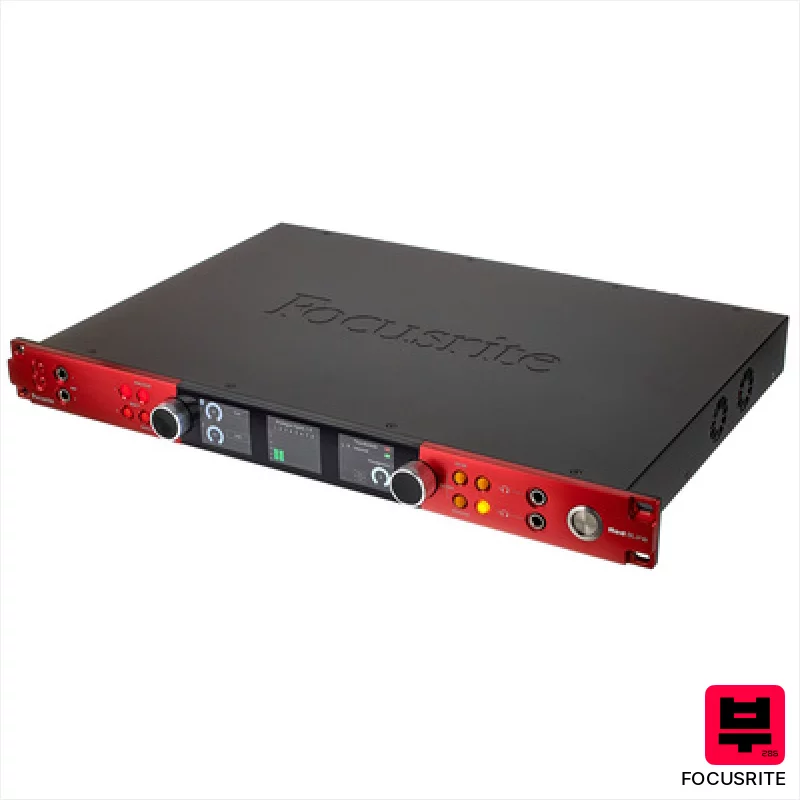
Focusrite Red 8 Line
- • Red Evolution preamps deliver Focusrite’s signature clean, powerful gain.
- • Dante and Thunderbolt connectivity offers immense flexibility in studio setups.
- • Integrated monitor controller simplifies complex multi-channel listening configurations.
- • Robust 1U rack design ensures stability and professional integration.
- • The price point places it firmly in a high-end, professional category.
- • Dante implementation requires network infrastructure and understanding.
- • Mini DigiLink connections limit direct Pro Tools HD card expansion.
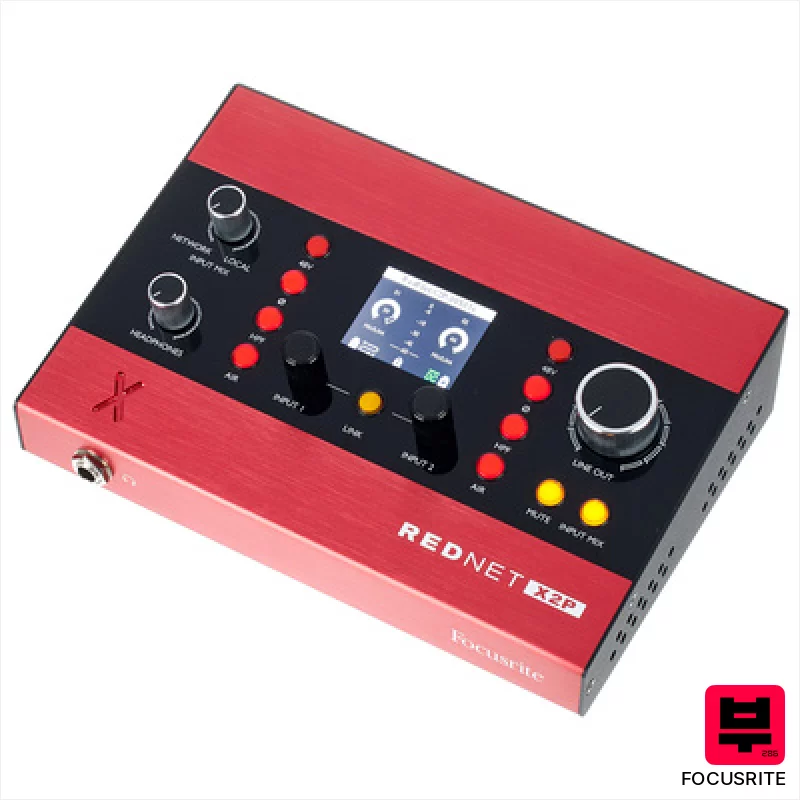
Focusrite RedNet X2P
- • Excellent Red Evolution preamps deliver clean, low-noise gain.
- • Dante protocol provides rock-solid, scalable network audio routing.
- • Compact size and Power over Ethernet simplify rack mounting and cabling.
- • Clear LCD display offers at-a-glance preamp and routing status.
- • Limited to 2 inputs/2 outputs – not ideal for large tracking sessions.
- • Dante network infrastructure is required for full functionality; adds complexity.
- • The aluminum chassis, while sturdy, can feel a bit lightweight for some.
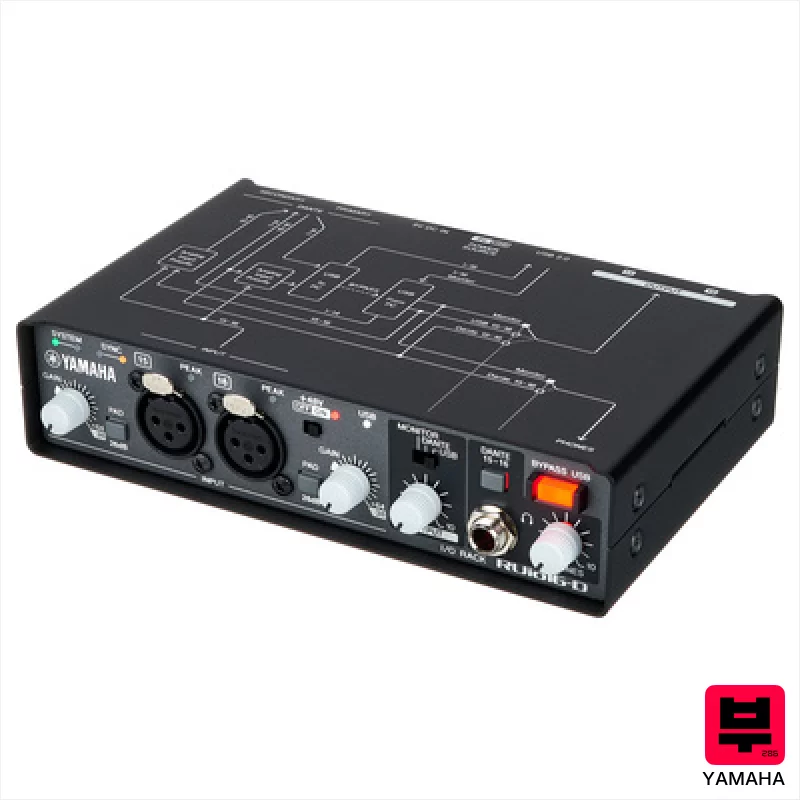
Yamaha RUio16-D
- • Excellent Dante implementation simplifies complex studio routing.
- • Robust rack-mountable chassis offers professional stability.
- • Clean, transparent mic preamps suit a wide range of vocal/instrument sources.
- • VST Rack Pro provides convenient plugin hosting directly within the interface.
- • Limited physical I/O compared to similarly priced interfaces.
- • USB-C connectivity might require adapter for older systems.
- • Dante licensing can add to the overall cost of ownership.

DiGiGrid IOX
- • Rock-solid build quality; feels like a tank, built to last.
- • SoundGrid integration offers unparalleled routing and processing flexibility.
- • eMotion mixer provides exceptional low-latency monitoring for tracking.
- • Combo XLR/jack inputs accommodate diverse microphone and line sources.
- • Premium-priced, a significant investment for smaller studios.
- • Requires SoundGrid-compatible software/hardware for full functionality.
- • The IOS extension concept adds complexity for some users.
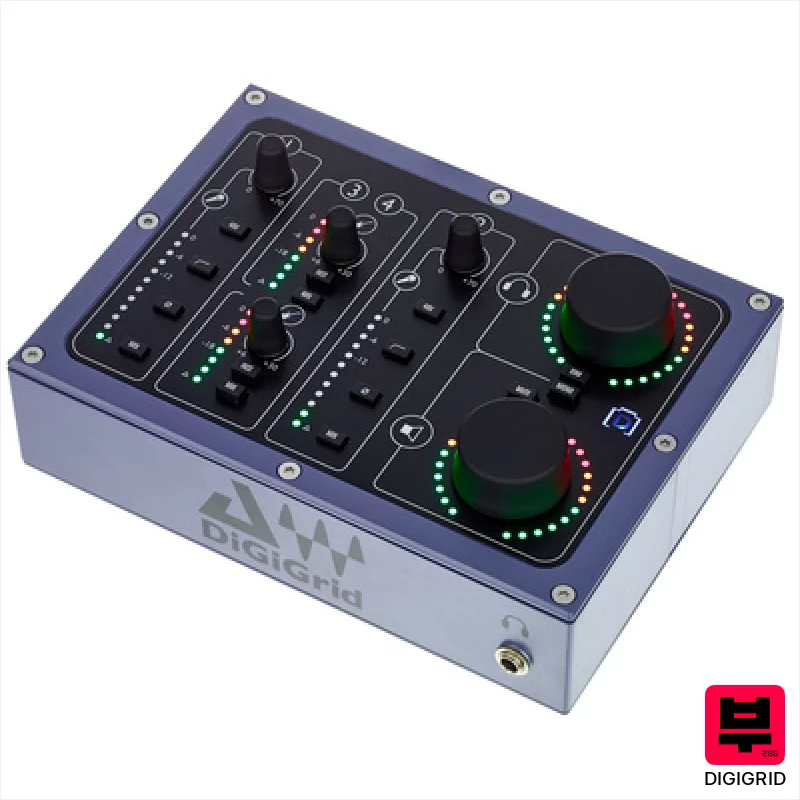
DiGiGrid DiGiGridD
- • Compact design maximizes desk space without sacrificing functionality
- • SoundGrid integration unlocks powerful real-time processing capabilities
- • XLR mic preamps offer clean gain and usable headroom for vocals
- • PoE option provides convenient, cable-clutter-reducing power
- • Limited input count might restrict complex multi-mic recording setups
- • Requires SoundGrid-compatible software/plugins for full feature set
- • System requirements lean towards the higher end, impacting older machines
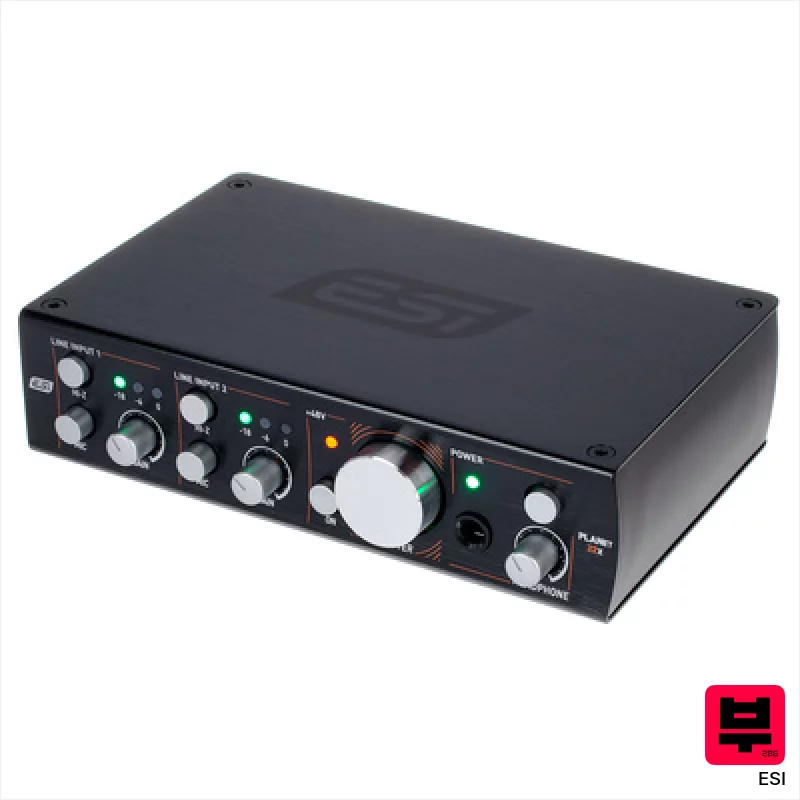
ESI planet 22x
- • Dante protocol simplifies network integration for complex setups
- • Excellent dynamic range (118dB(a) mic, 123dB(a) line) provides clean recordings
- • PoE capability offers convenient, cable-clutter-reducing power option
- • Compact size (174x115x45mm) makes it suitable for mobile or tight spaces
- • Limited I/O – only 2 inputs/outputs restricts larger recording projects
- • Dante dependency creates vendor lock-in and requires network expertise
- • Windows 7 support is increasingly outdated and may present compatibility issues
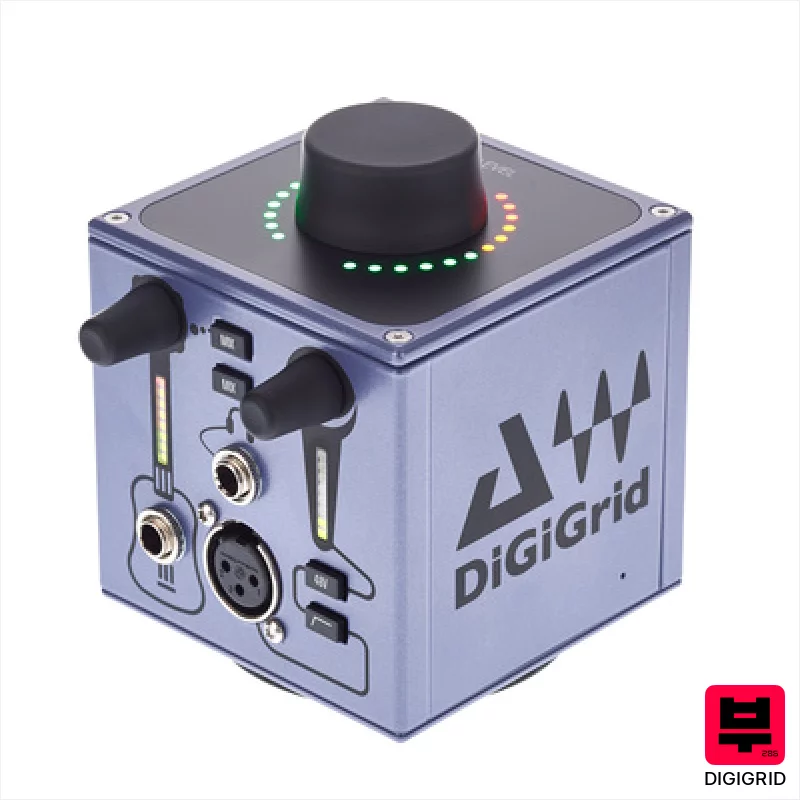
DiGiGrid DiGiGridM
- • Excellent low-noise preamps deliver clean, detailed recordings.
- • SoundGrid integration unlocks powerful real-time processing capabilities.
- • Compact design and PoE option enhance portability and setup flexibility.
- • Robust metal chassis feels durable and professional for studio use.
- • Limited I/O count restricts its use for larger, complex recording setups.
- • Requires SoundGrid software and potentially a SoundGrid license for full functionality.
- • Microphone stand adapter is an extra purchase, adding to the overall cost.
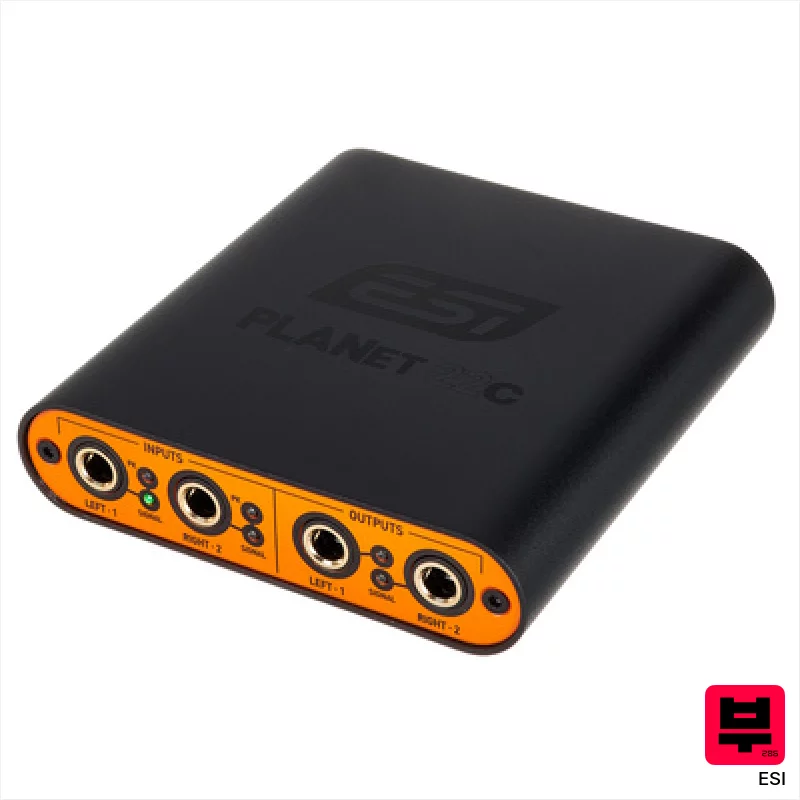
ESI planet 22c
- • Dante connectivity offers rock-solid reliability in networked studios.
- • Burr-Brown converters deliver clean, transparent audio reproduction.
- • Compact size and PoE option maximize flexibility in tight spaces.
- • Switchable input gain (+4dBu/-10dBV) accommodates diverse signal levels.
- • Limited to 2-in/2-out; restricts larger recording setups.
- • Dante Virtual Soundcard (DVS) is an optional extra cost.
- • Plastic enclosure feels less premium than some competitors' metal designs.
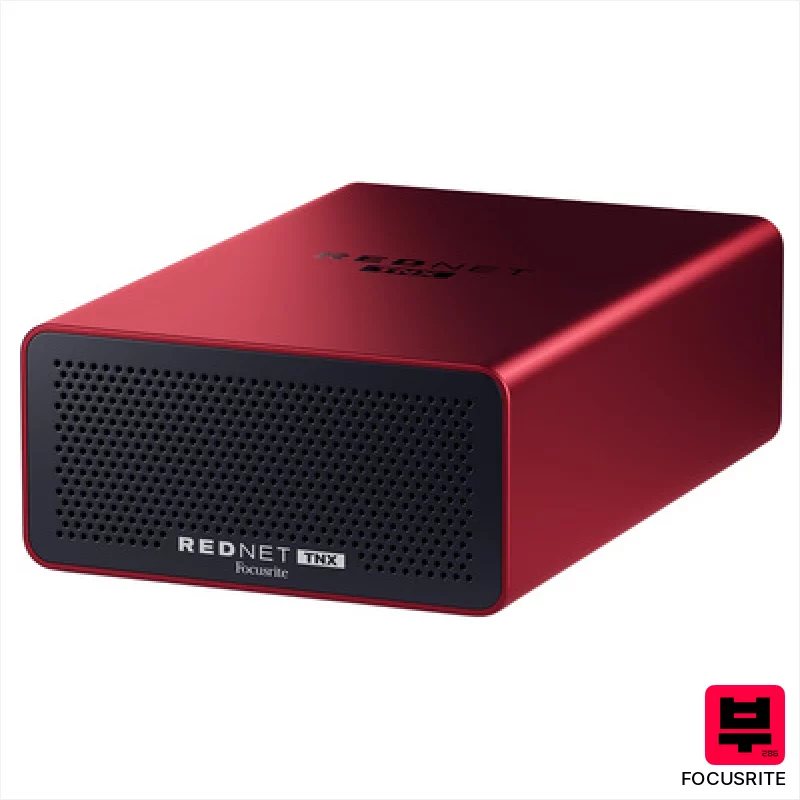
Focusrite RedNet TNX
- • Exceptional Dante channel count for complex routing needs
- • Seamless Atmos integration simplifies immersive audio workflows
- • RedNet Control offers intuitive centralized management and monitoring
- • Thunderbolt 3 connectivity ensures low-latency, high-bandwidth transfers
- • Premium-priced, making it inaccessible for smaller studios
- • Dante infrastructure is essential, adding complexity and cost
- • Form factor, while portable, can still be bulky for some setups
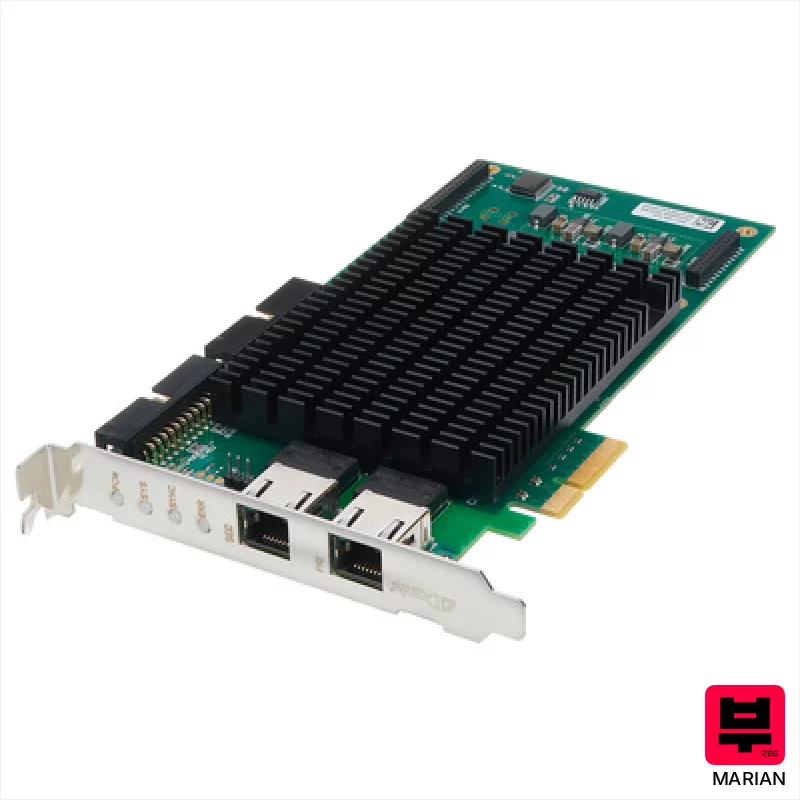
Marian Clara E
- • Exceptional Dante channel count for complex routing needs.
- • Integrated DSP mixing desk reduces external hardware costs.
- • Redundant Dante connections ensure rock-solid network stability.
- • Cascadable TDM SyncBus enables expansion for larger setups.
- • Windows/Linux only limits accessibility for Mac users.
- • PCIe 2.1 limits bandwidth compared to newer standards.
- • Premium-priced, representing a significant investment for smaller studios.

DiGiGrid IOC
- • Rock-solid network stability for large session workflows.
- • Sub-D25 connectivity simplifies complex patching scenarios.
- • Excellent dynamic range; pristine audio reproduction.
- • Flexible headphone outputs offer independent level control.
- • Premium-priced, represents a significant investment for most users.
- • Sub-D25 connections can be a pain to manage and cable.
- • Limited microphone preamps compared to dedicated mic pre interfaces.

Neutrik NA-2I2O-DLINE
- • Robust rubber housing provides excellent road protection and durability.
- • Neutrik's renowned build quality ensures long-term reliability in demanding environments.
- • Seamless Dante integration simplifies network audio routing and distribution.
- • 6.6kOhm input impedance accommodates a wide range of analog audio sources.
- • Requires PoE, adding complexity and potential power infrastructure needs.
- • Limited to two analog inputs/outputs; not ideal for large-scale setups.
- • Price point positions it as a mid-range solution, not the most budget-friendly.
How to Choose the Best Ethernet Audio Interfaces
Clocking Stability
A wobbly clock is your enemy - it introduces noise and phase issues that mess with your whole mix. Look for interfaces with rock-solid internal clocks and the ability to sync to an external clock for critical applications.
Latency
This is crucial for tracking. Even a few milliseconds of latency can throw off your timing, especially when recording vocals or guitar. Ethernet often wins here, but budget models can still have noticeable lag - pay close attention to driver performance.
Preamps
Don't expect boutique-level preamps at this price point, but listen for clarity and headroom. Do they add color or just pass the signal cleanly? A preamp that introduces unwanted noise or compression can ruin a good performance.
Connectivity & Routing
How many inputs/outputs do you really need? Can you route signals flexibly? Being stuck with a rigid routing scheme can severely limit your workflow, especially in complex recording scenarios.
Software & Driver Support
Let's be honest, a great interface is useless with terrible drivers. Check reviews for reports of driver stability and compatibility with your DAW and operating system. Frequent updates are a good sign.
Buying Guide
At this price range, you're making trade-offs. You'll likely be sacrificing some of the absolute top-end preamp quality found in $10,000+ interfaces, and you might not get the absolute lowest latency possible. Prioritize clocking stability and reliable drivers over flashy features. Don't get seduced by a ton of inputs if you're mostly recording a single instrument - focus on the quality of the channels you do use. A well-built interface with fewer, clean channels is better than a cheap one with a dozen noisy ones.
How This List Is Built
We don't play these instruments — we're a catalog, not a review desk, and we'd rather say so than pretend otherwise. This page ranks 12 ethernet audio interfaces from the Thomann catalogue, which is the largest single source of specification data in this category.
Position is computed, not curated. Four signals, in order of weight: how completely the manufacturer documents the instrument (number of published specifications), where it sits in the price range, how specific the model designation is — which filters out generic accessories — and whether a product image exists. The same inputs always produce the same order, so nothing here is shuffled to look fresh.
What this list is good for: narrowing a category down to a shortlist by spec and budget. What it isn't: a substitute for hearing an instrument. Before you buy, read hands-on reviews and, where you can, play it. Full methodology.

