
Best Electronic Drum Sound Modules Under $5,000 2026
Alright, so you need a serious drum sound module but you're not trying to drop five figures. That's smart - there's a ton of ground you can cover under $5000 and still get a module that'll nail gigs and recordings. We're talking about a sweet spot where you start getting genuinely usable sounds and features without the ridiculous price tag of the top-tier stuff, but you still gotta be realistic about what you're sacrificing.
Last updated: April 11, 2026
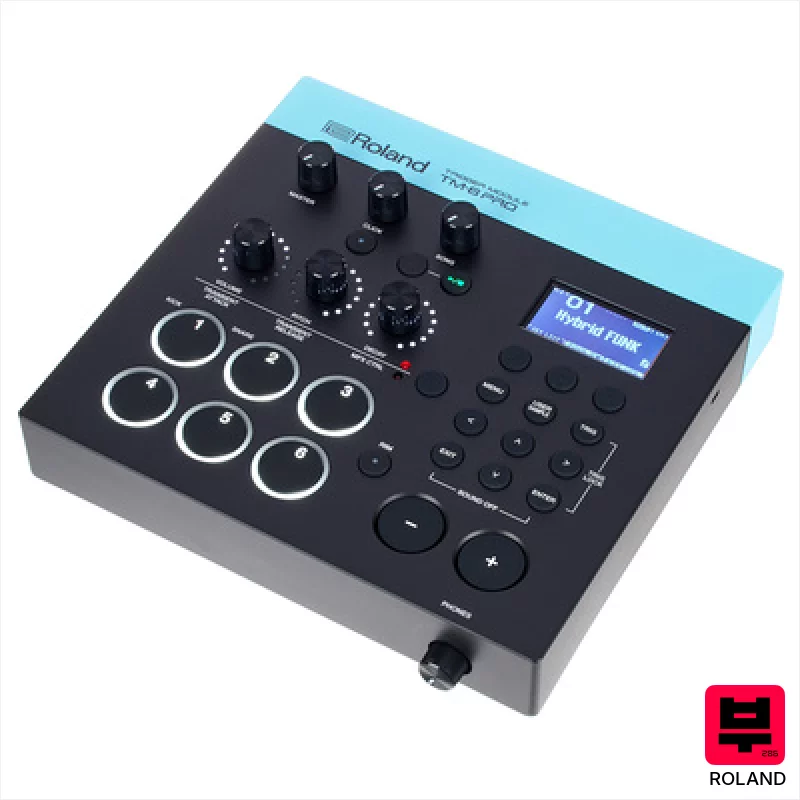
Roland TM-6 Pro Drum Trigger Module
- • Excellent sound library, blending acoustic realism with electronic textures
- • Individual trigger processing offers unparalleled sonic customization
- • Compact, robust build quality suitable for gigging and studio use
- • Hi-hat controller expansion adds crucial expressive control
- • Limited number of onboard sounds compared to larger modules
- • Requires external triggers, adding to overall system cost and complexity
- • Menu navigation can feel a bit cumbersome without dedicated display

Efnote Pro E-Drum Module
- • Exceptional sound library with nuanced, multilayered samples.
- • Unique stage box design allows for flexible routing and connectivity.
- • Comprehensive effects suite provides significant sonic shaping capabilities.
- • 15 trigger inputs cater to complex, multi-drum setups.
- • Premium-priced, placing it out of reach for many hobbyist drummers.
- • Stage box separation can be inconvenient for smaller, mobile setups.
- • Limited kit presets require significant user customization.

Roland V71 Drum Module
- • Exceptional sound library with nuanced, realistic acoustic drum samples.
- • Multi-sensor trigger inputs allow for incredibly detailed and expressive playing.
- • Comprehensive effects suite including overhead mic simulation adds crucial realism.
- • Intuitive companion app unlocks deep editing and kit organization capabilities.
- • Premium-priced, making it a significant investment for most drummers.
- • Size and weight make it less portable than some smaller modules.
- • Reliance on Roland Cloud for expansion limits some user customization.
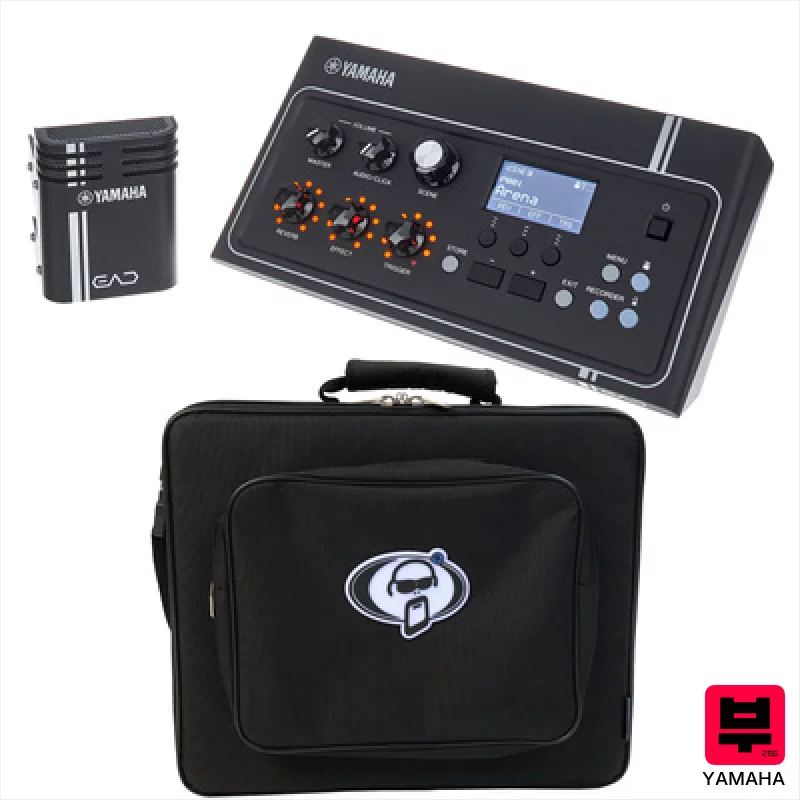
Yamaha EAD10 Drum Module Case Set
- • Excellent acoustic/electronic blending via built-in mics and trigger
- • Protection Racket case offers robust, water-resistant protection
- • The 757 sounds provide a surprising amount of tonal variety
- • Sensor's dual microphones capture nuanced bass drum dynamics.
- • Limited sample storage compared to higher-end modules
- • Trigger input count restricts larger, complex drum setups
- • The AAA case, while protective, adds significant bulk and weight.
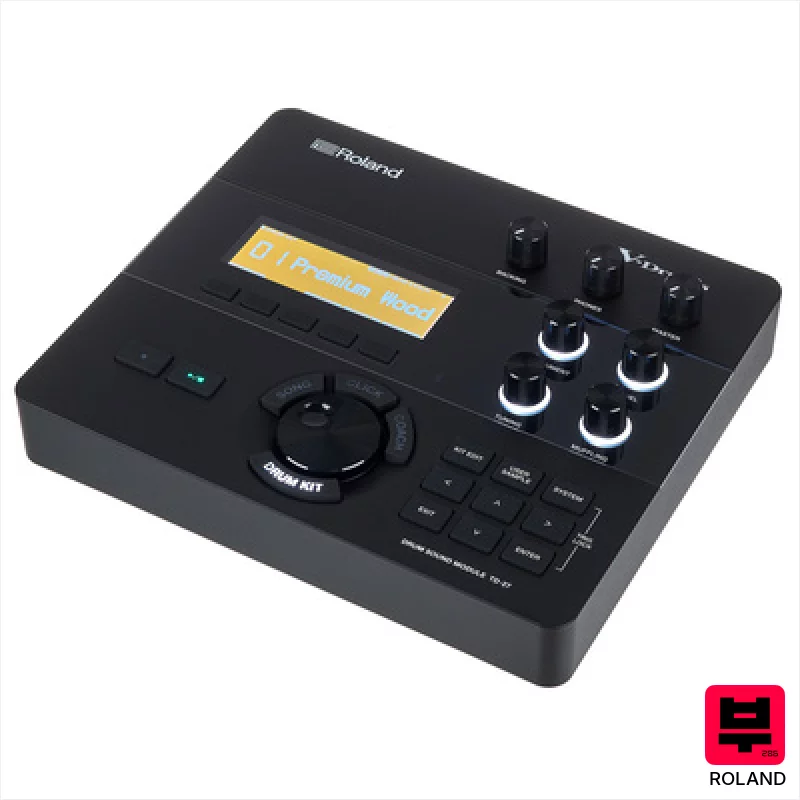
Roland TD-27 Drum Module
- • Prismatic Modeling delivers incredibly realistic acoustic drum nuances
- • User kit creation offers deep customization for unique sounds
- • Imported samples expand sonic palette beyond factory presets
- • Robust build quality feels durable for gigging and studio use
- • Price point places it firmly in the premium-priced electronic drum module category
- • Bluetooth 4.2 is a bit dated compared to newer standards
- • Sample import process can be slightly cumbersome for beginners
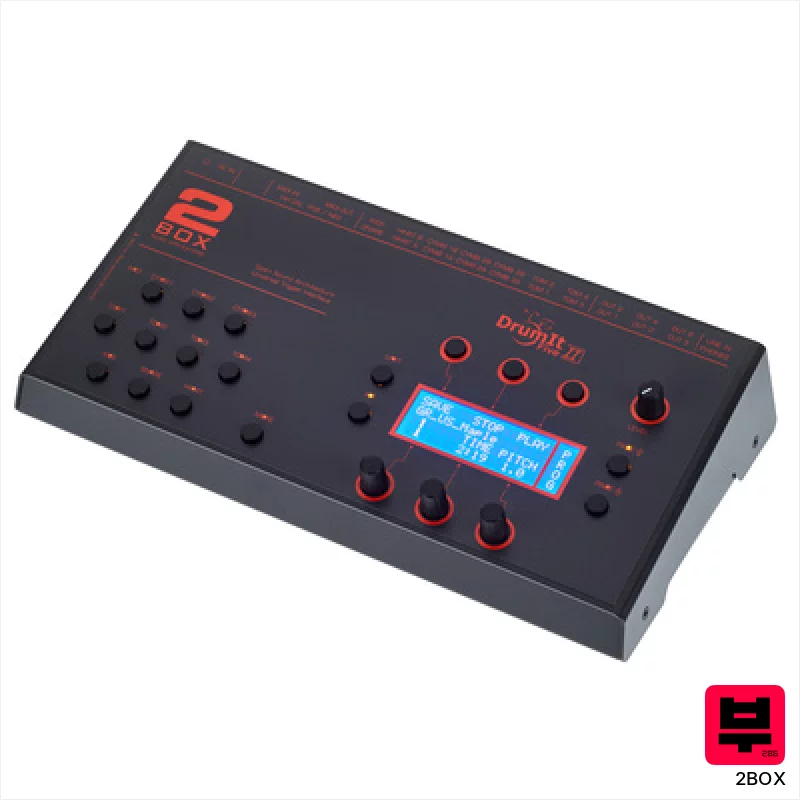
2box DrumIt Five MKII
- • Simon Phillips/Randy Black sounds offer exceptional realism and nuance
- • 32GB internal storage provides ample space for custom kits and samples
- • Software editor unlocks deep customization for experienced sound designers
- • Compact size and lightweight design enhance portability and setup convenience
- • Limited effects compared to higher-end modules from Roland or Yamaha
- • 15 trigger inputs may restrict larger, more complex drum setups
- • Line outputs lack individual gain controls for precise mixing

2box DrumIt Three Bundle
- • Randy Black & Simon Phillips samples offer a high-quality sonic foundation
- • Flexible trigger input system accommodates various pad brands and zones
- • Free editor unlocks extensive customization of kits and sounds
- • Comprehensive connectivity including MIDI, USB, and multiple outputs
- • Limited onboard effects compared to higher-end modules
- • Relatively compact size might feel cramped for some drummers
- • Sound module’s menu system could be more intuitive and streamlined
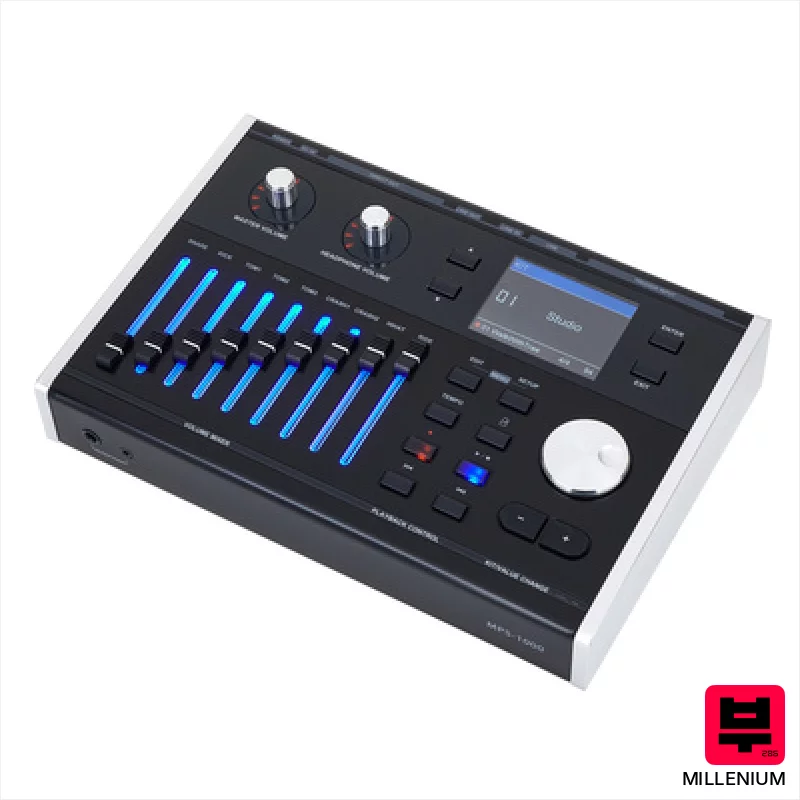
Millenium MPS-1000 E-Drum Module
- • 820 sounds offer surprising sonic variety for the price point.
- • Intuitive illuminated faders simplify complex kit adjustments mid-performance.
- • Direct outs allow for sophisticated routing and recording capabilities.
- • 3.2” TFT LCD provides clear visibility even in dimly lit environments.
- • Millenium's sound library lacks the depth and nuance of industry leaders.
- • The plastic enclosure feels somewhat budget-oriented; durability is a concern.
- • Bluetooth 4.0 feels dated; lacks modern audio streaming capabilities.
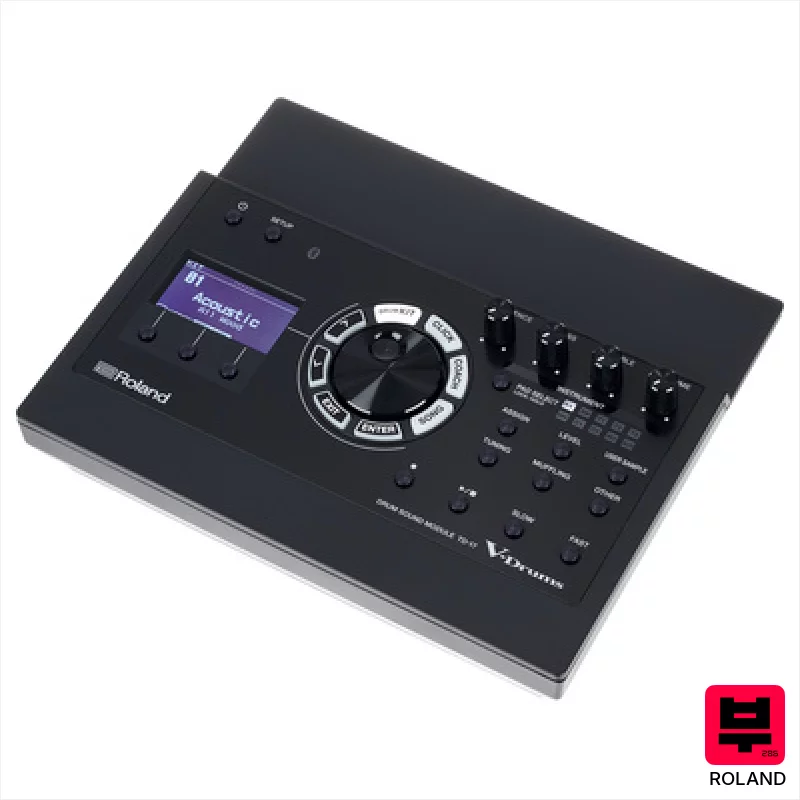
Roland TD-17 Drum Module
- • Sounds inherit Roland's renowned acoustic drum realism
- • Coach function provides genuinely useful practice tools
- • Bluetooth connectivity simplifies backing track integration
- • Compact design makes it suitable for smaller practice spaces
- • Limited expansion options compared to higher-end modules
- • User interface can feel slightly dated and less intuitive
- • Some users may find the built-in effects a bit basic
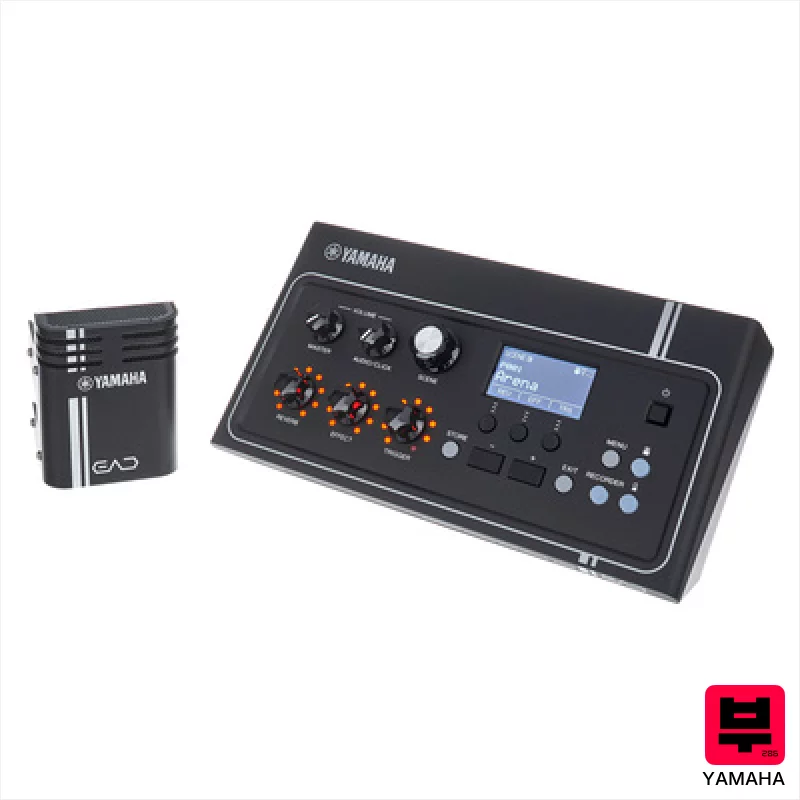
Yamaha EAD10 Drum Module
- • Excellent acoustic drum mixing capabilities via built-in sensors
- • Yamaha's sound library delivers a wide range of usable kits
- • Compact design and lightweight for easy portability and setup
- • Intuitive scene creation allows quick kit customization on the fly
- • Limited sample storage compared to higher-end modules
- • Trigger inputs might feel restrictive for complex multi-pad setups
- • Reverb options, while decent, lack the depth of dedicated effects units
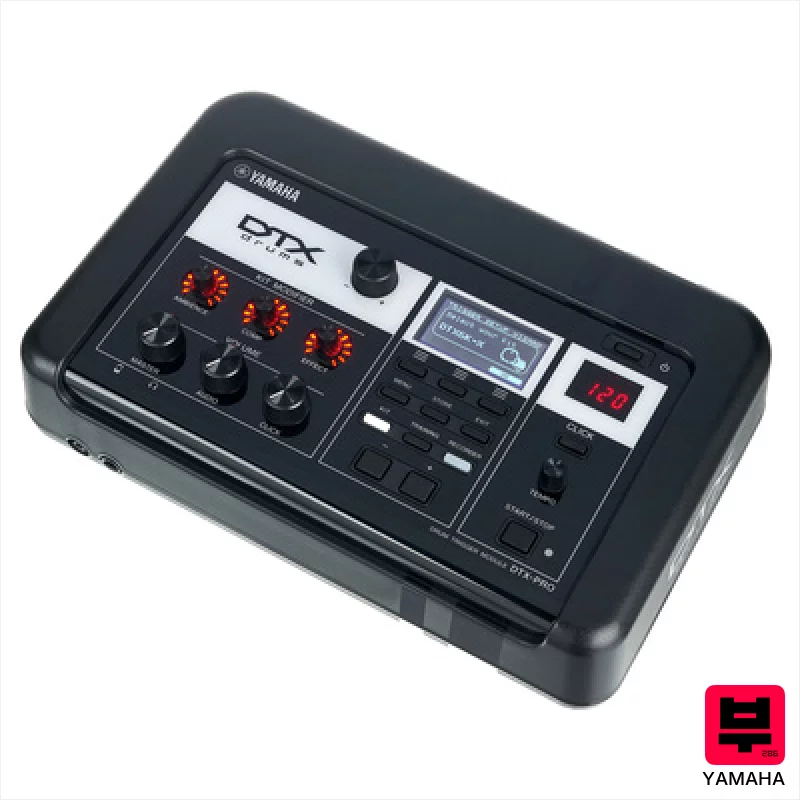
Yamaha DTX-PRO Drum Module
- • Yamaha's renowned sound library delivers exceptionally realistic acoustic drum tones
- • Kit Modifier adds subtle, believable room ambience for a more natural feel
- • WAV import capability allows for truly personalized sound design and expansion
- • Comprehensive channel processing offers detailed control over individual drum sounds
- • Limited physical connectivity compared to higher-end modules
- • The preset kits, while decent, might require tweaking for serious players
- • WAV import process can be slightly cumbersome for beginners
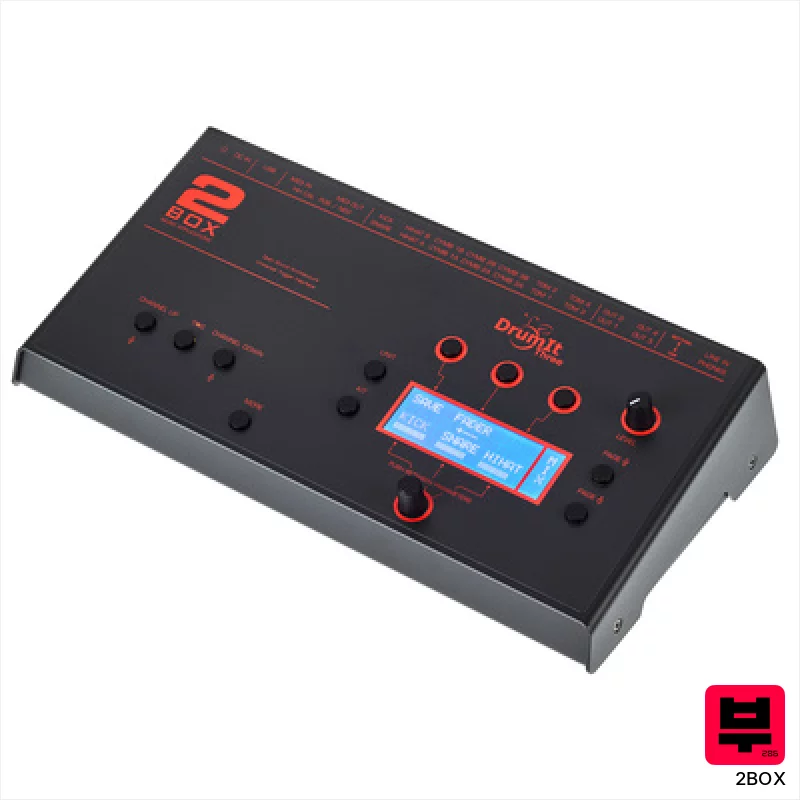
2box DrumIt Three
- • Randy Black/Simon Phillips samples deliver professional-grade drum sounds
- • Flexible trigger input system accommodates a wide range of pads
- • Robust 127-velocity layering allows for nuanced expression
- • Free editor unlocks deep customization of kits and sounds
- • Lack of included trigger cables is a significant initial investment
- • Limited effects processing compared to higher-end modules
- • Build quality feels somewhat plasticky, reflecting its price point
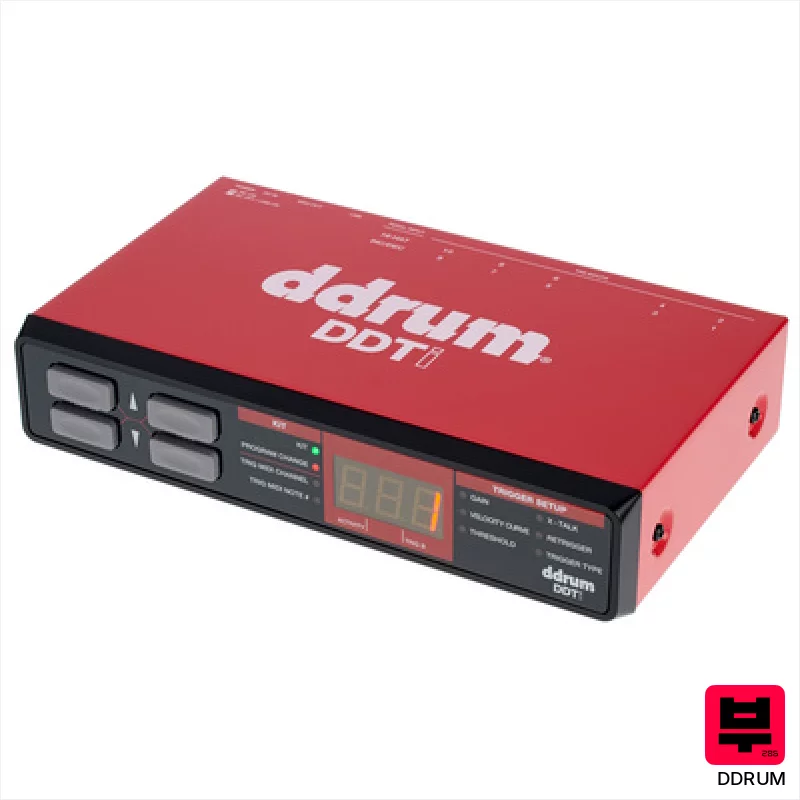
DDrum DDTI Trigger Interface
- • 10 stereo inputs offer excellent flexibility for dual-zone setups
- • Simple operation streamlines kit changes during live performances
- • Robust build quality feels solid and dependable on the road
- • USB connectivity expands sonic possibilities with computer-based instruments
- • Limited internal sounds; primarily a trigger-to-MIDI converter
- • No onboard effects processing restricts creative options
- • Mounting hardware not included; adds to overall setup cost
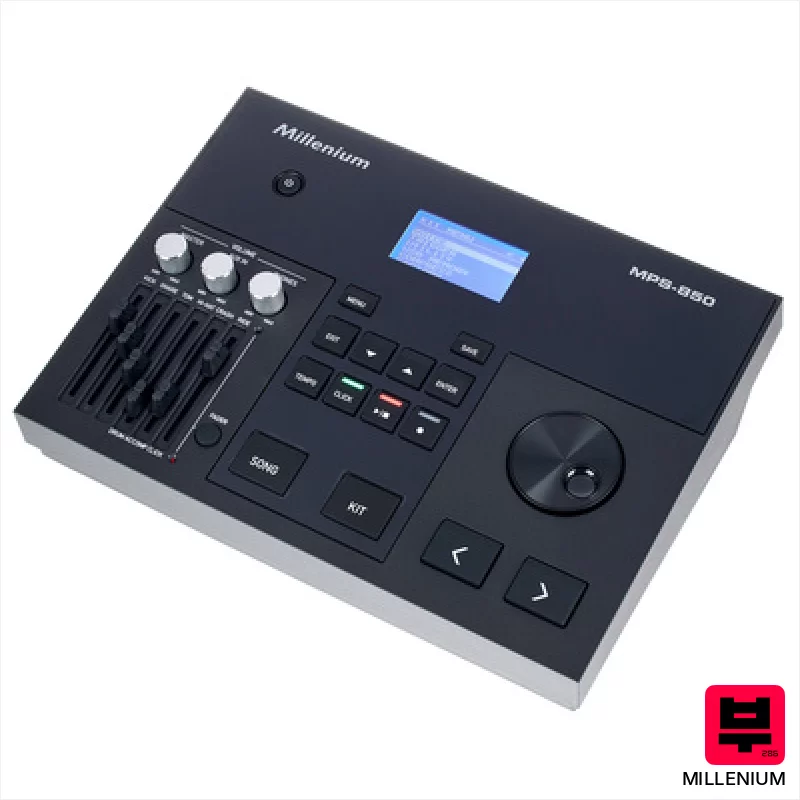
Millenium MPS-850 Drum Module
- • Impressive voice count for the price, offering diverse sonic palettes
- • Six faders provide hands-on volume control, a real boon for live use
- • Quick Record function simplifies capturing practice sessions and ideas
- • USB memory allows for easy kit sharing and sound expansion.
- • Millenium's sound quality, while decent, lacks the nuance of higher-end modules
- • The plastic enclosure feels a bit budget-oriented; not built to withstand heavy touring
- • Limited effects compared to more premium modules; reverb is basic.
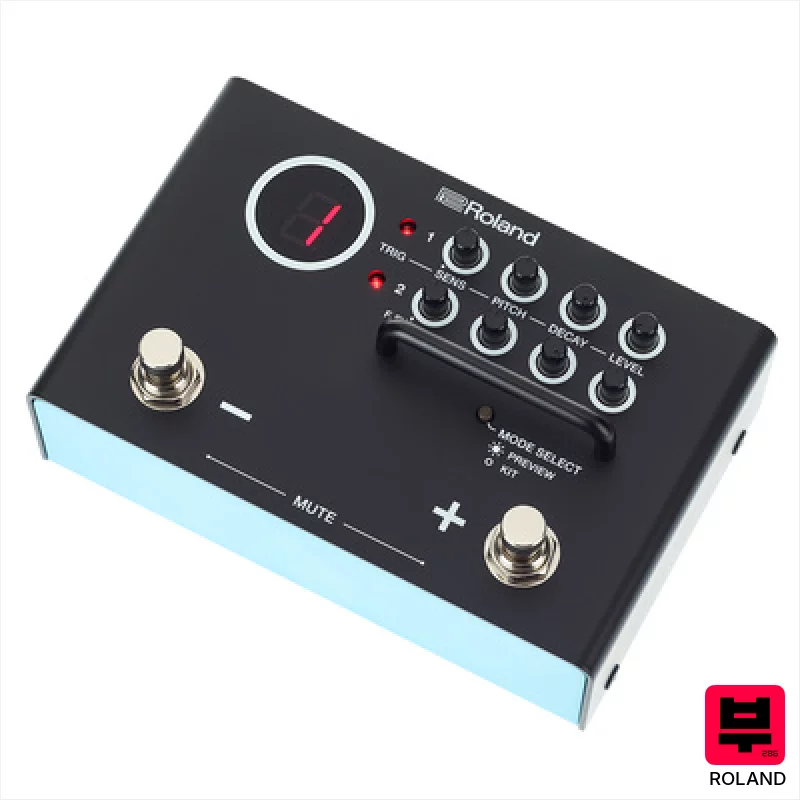
Roland TM-1 Trigger Module
- • Compact design allows for easy integration into existing setups
- • Integrated footswitches streamline kit control and performance
- • TM-1 Editor app simplifies sample importing and sound customization
- • Roland’s established sound engine delivers recognizable, usable tones
- • Limited sound library compared to higher-end modules
- • Requires optional power adapter for reliable, consistent operation
- • Mono trigger inputs lack the flexibility of stereo options
How to Choose the Best Electronic Drum Sound Modules
Sound Library Quality
This isn't just about quantity; it's about the character of the sounds. Are the snares snappy with a good crack? Does the kick have a punchy low-end thump that cuts through a mix, or is it just a muddy rumble? Bad sounds are a massive time sink and a dealbreaker.
Dynamic Range & Articulation
A module that only gives you one snare sound, played one way, is useless. Look for modules with multiple articulations (cross-stick, rimshot, ghost notes) and a decent dynamic range so you can actually shape the sounds with your playing.
Connectivity & Routing
Gigging is a messy business. You need multiple outputs for monitoring, direct outs for recording, and ideally, MIDI connectivity for tweaking sounds or syncing to external devices. Limited I/O is a real pain down the line.
Fatigue Factor
How long can you realistically play this thing without wanting to throw it across the room? A poorly designed interface, clunky menus, or unresponsive pads can kill your vibe and your practice session. Consider the workflow.
Build Quality & Reliability
This is the gear you'll be hauling to gigs. Cheap plastic and flimsy connectors aren't going to last. A module that dies mid-set is a career-limiting move, even at this budget.
Buying Guide
Realistically, at this price point, you're making trade-offs. You might sacrifice a massive library for better dynamic response, or a pristine interface for more outputs. Don't chase the absolute 'best' sounds - focus on finding a module that inspires you to play and integrates well into your workflow. And seriously, check the return policy - you want to be able to try it out in a real-world setting.
How This List Is Built
We don't play these instruments — we're a catalog, not a review desk, and we'd rather say so than pretend otherwise. This page ranks 15 electronic drum sound modules from the Thomann catalogue, which is the largest single source of specification data in this category.
Position is computed, not curated. Four signals, in order of weight: how completely the manufacturer documents the instrument (number of published specifications), where it sits in the price range, how specific the model designation is — which filters out generic accessories — and whether a product image exists. The same inputs always produce the same order, so nothing here is shuffled to look fresh.
What this list is good for: narrowing a category down to a shortlist by spec and budget. What it isn't: a substitute for hearing an instrument. Before you buy, read hands-on reviews and, where you can, play it. Full methodology.

