
Best Electronic Bass Drum Pads for Silent Practice 2026
Look, we've all been there: apartment living, noise complaints, a bandmate who's less than thrilled with your thunderous kick drum. Silent practice is a necessity, not a luxury. Finding a bass drum pad that actually feels and sounds decent-not just muffled-is tougher than it looks. Let's break down what works and what's just noise reduction in disguise.
Last updated: July 15, 2026 • Next update: July 22, 2026
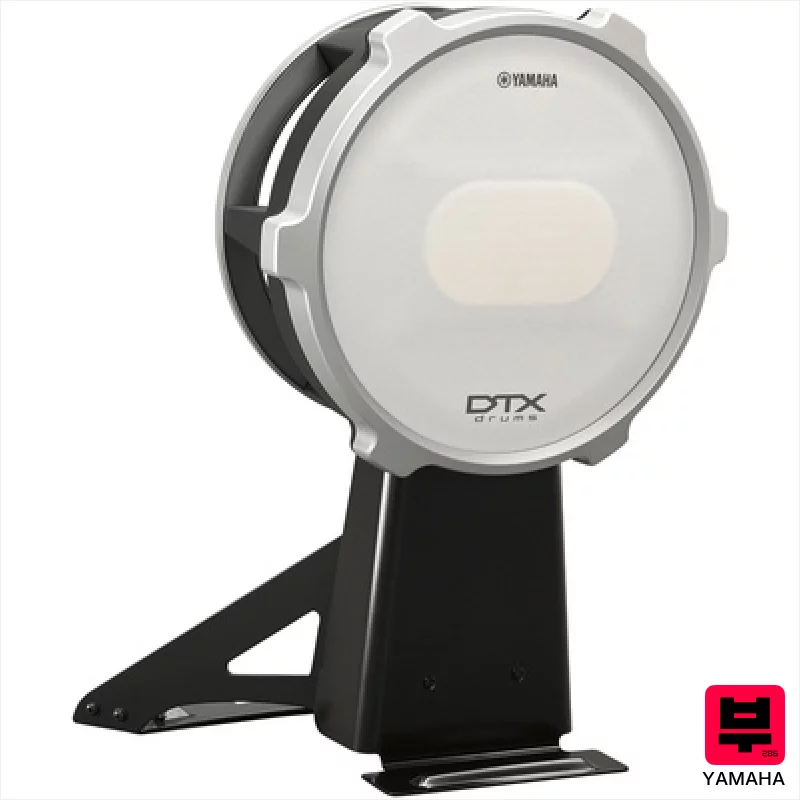
Yamaha KP100 Kick Pad
- • Yamaha’s mesh head provides a surprisingly realistic, dampened feel.
- • Robust construction; feels solid and ready for gigging, not flimsy.
- • Excellent trigger response – consistently accurate and fast even with quiet playing.
- • Stereo output allows for nuanced beater placement and dynamic control.
- • The mesh head’s dampened feel isn’t for everyone seeking a truly boomy bass drum sound.
- • Relatively premium-priced compared to some budget kick pads.
- • Limited tonal shaping options – relies heavily on the module it's connected to.

Millenium PB-20 20"x16" Kick Grey Line
- • Solid wooden shell provides natural resonance and attack.
- • Dual-layer mesh heads offer a responsive, quiet playing experience.
- • Grey Line finish looks professional and minimizes visual clutter.
- • Designed specifically for Millenium MPS-1000, ensuring seamless integration.
- • Mesh heads, while quiet, lack the full 'thump' of a traditional drumhead.
- • Limited compatibility; primarily designed for the MPS-1000 system.
- • Wooden shell, while good, isn’t as premium as higher-end acoustic shells.
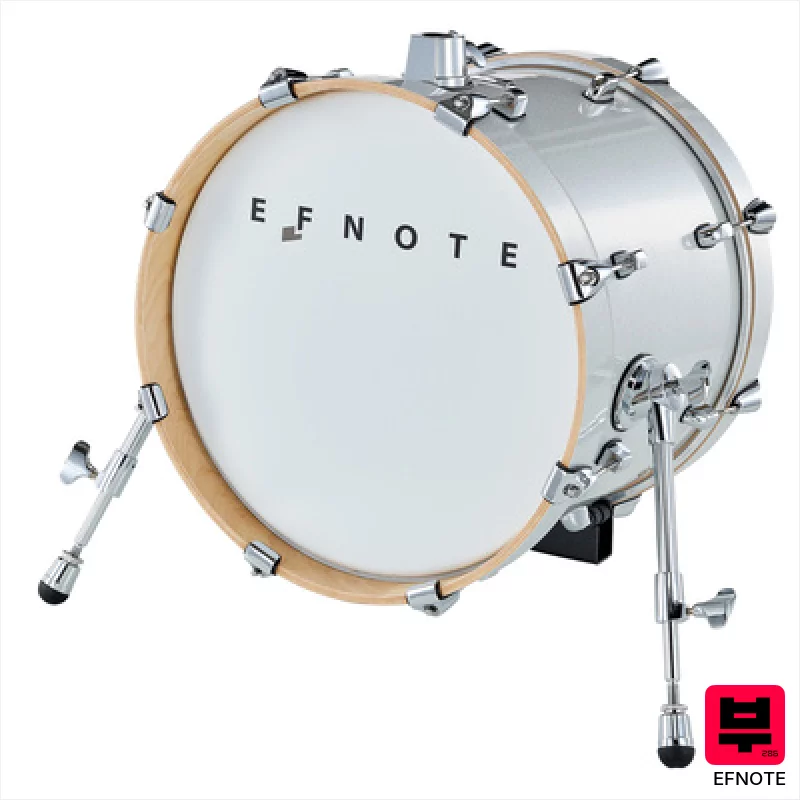
Efnote EFD-K1612-WS 16"x12" Kick Drum
- • 6-ply birch shells deliver a surprisingly warm, resonant acoustic feel.
- • Double-layer mesh head provides a responsive, quiet playing experience.
- • Color-matched hoop guard enhances the aesthetic and offers added protection.
- • Included legs and riser offer immediate setup and customizable playing angles.
- • The mesh head, while quiet, lacks the full dynamic range of a traditional drumhead.
- • Birch construction, while good, isn't as tonally complex as higher-end woods like maple.
- • The weight, while manageable, will be a factor for gigging musicians.

Roland KD-12 Kick Pad
- • Excellent mesh head feel delivers a surprisingly natural kick response.
- • Foam insulation significantly reduces acoustic noise, ideal for apartments.
- • Robust construction; Roland's reputation for durability shines through.
- • Versatile trigger design accommodates both single and double pedal setups.
- • The 7.5” size limits low-end fundamental response for bass-heavy genres.
- • Price point positions it as a premium-priced option for a single pad.
- • Trigger sensitivity can be a bit finicky to dial in perfectly.
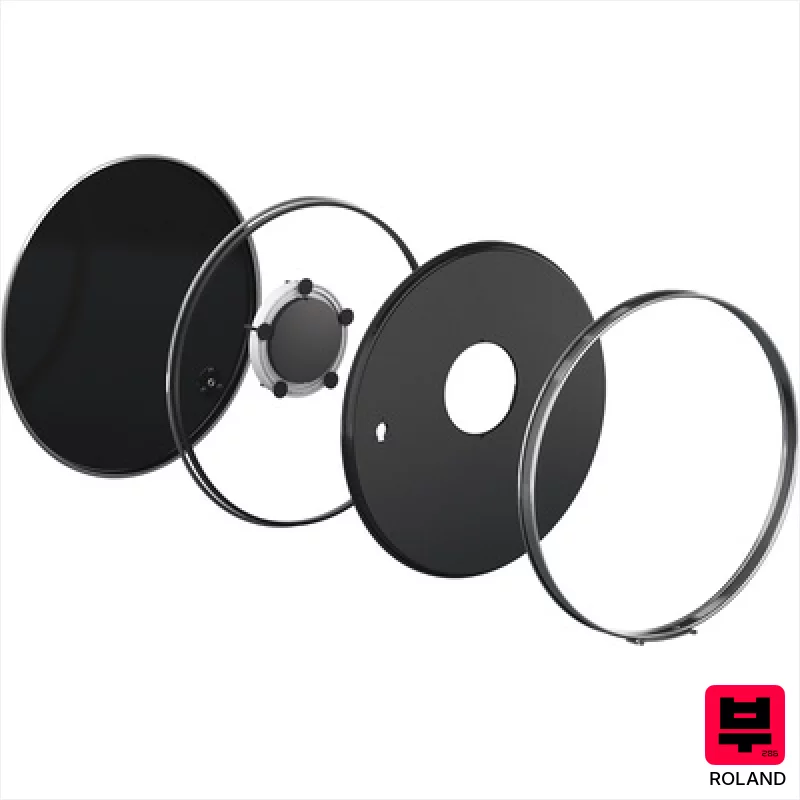
Roland KD-A22 Kick Drum Converter
- • Roland’s mesh head provides a remarkably realistic, natural feel.
- • Robust metal hoops ensure excellent hoop resonance and durability.
- • The shock absorber minimizes unwanted noise and vibrations for a cleaner signal.
- • Designed for easy drop-in replacement of standard 22-inch bass drum heads.
- • The price point places it in a premium-priced category for electronic drum converters.
- • The trigger response, while generally good, can be slightly less nuanced than higher-end models.
- • Limited to 22-inch bass drums; not adaptable to other sizes.
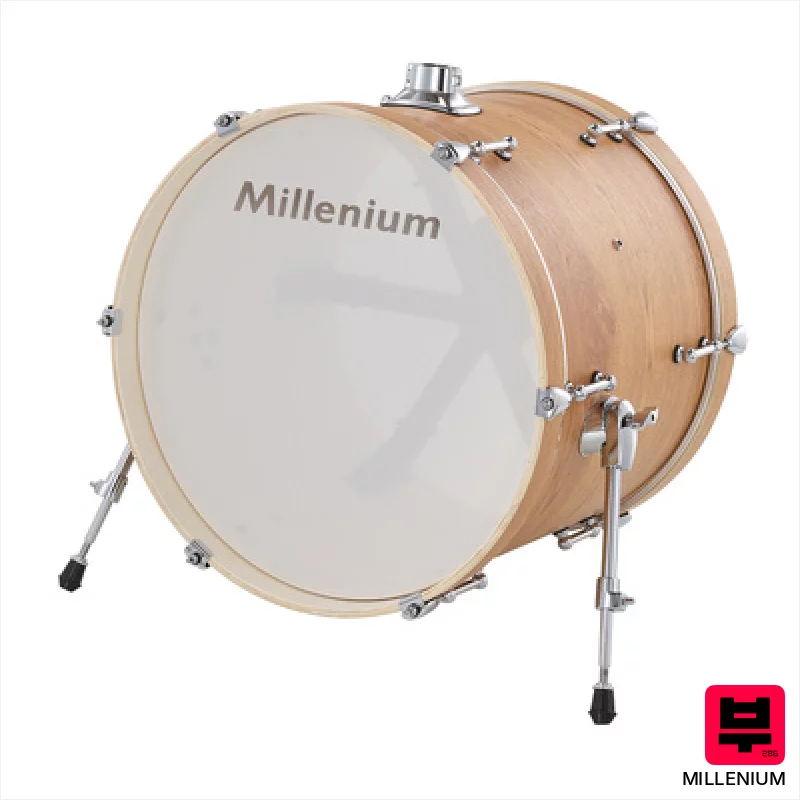
Millenium PB-20 20"x16" Kick NT
- • Natural wood shell offers a surprisingly resonant acoustic feel.
- • Double-layer mesh heads provide a realistic, dampened kick response.
- • Millenium's trigger system delivers consistent, reliable MIDI data.
- • Included cable simplifies setup and integration with electronic drum modules.
- • The wooden shell, while nice, adds noticeable weight compared to plastic alternatives.
- • Sound is heavily reliant on the module; limited acoustic projection.
- • Trigger sensitivity might require tweaking for optimal response with certain modules.
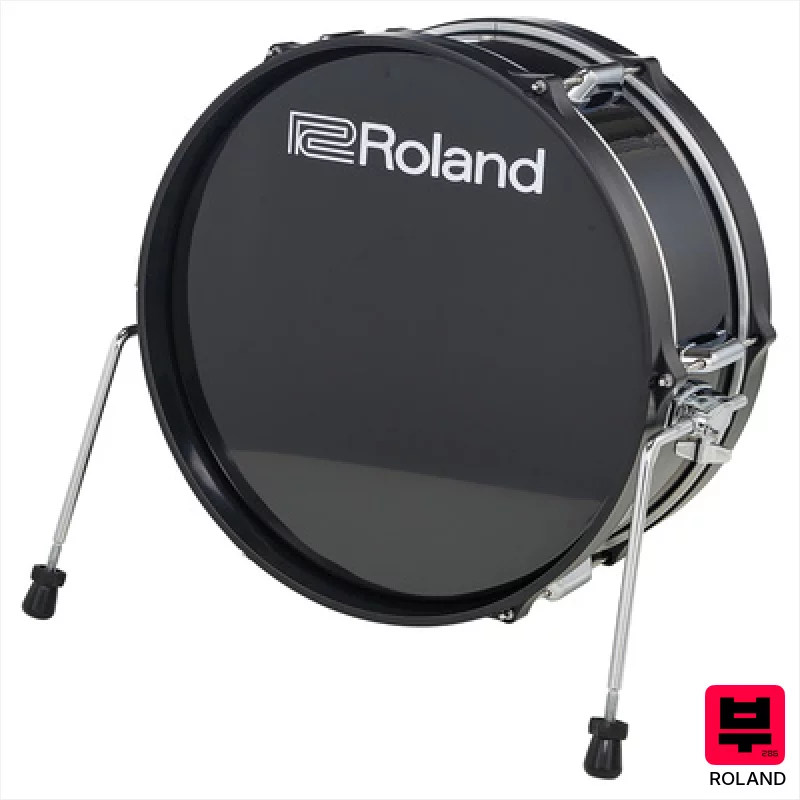
Roland KD-180L-BK 18"x7" Kick Pad
- • Roland’s dual-zone triggering accurately captures both head and rim sounds.
- • Durable composite construction provides a solid, responsive playing surface.
- • The large 18-inch diameter delivers a substantial, realistic feel.
- • Designed to handle both single and double bass drum techniques effectively.
- • Lacks internal acoustic resonance, requiring a good module for realistic sound.
- • The composite material, while durable, can feel slightly less organic than wood.
- • Premium-priced, making it a significant investment for budget-conscious drummers.
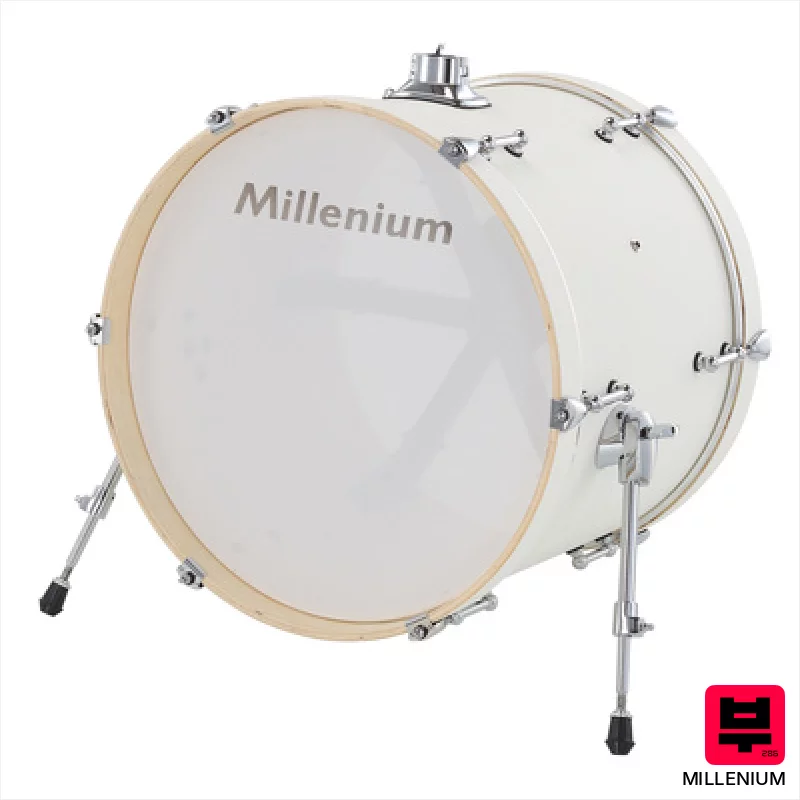
Millenium PB-20 20"x16" Kick PW
- • Solid wooden shell provides resonance and a natural feel.
- • Double-layer mesh heads offer durability and a responsive playing surface.
- • Pure white finish provides a clean, modern aesthetic for stage setups.
- • Includes a trigger cable for straightforward integration with electronic drum modules.
- • The wooden shell, while good, isn't as premium as those found on higher-end pads.
- • Sensitivity adjustment may require fine-tuning for optimal triggering consistency.
- • Size and weight make transport a bit cumbersome for solo performers.

Roland KD-10 Kick Pad
- • Mesh head offers a surprisingly realistic, responsive feel.
- • Roland’s piezo triggering provides accurate and consistent bass drum response.
- • Foam dampening significantly reduces unwanted noise and vibrations.
- • Solid construction inspires confidence and promises long-term durability.
- • The 5in head size limits dynamic range compared to larger pads.
- • The fixed beater angle doesn’t offer much customization for nuanced playing.
- • While quiet, it’s not *silent* – still transmits some floor vibration.
- • Limited tonal shaping without external processing.
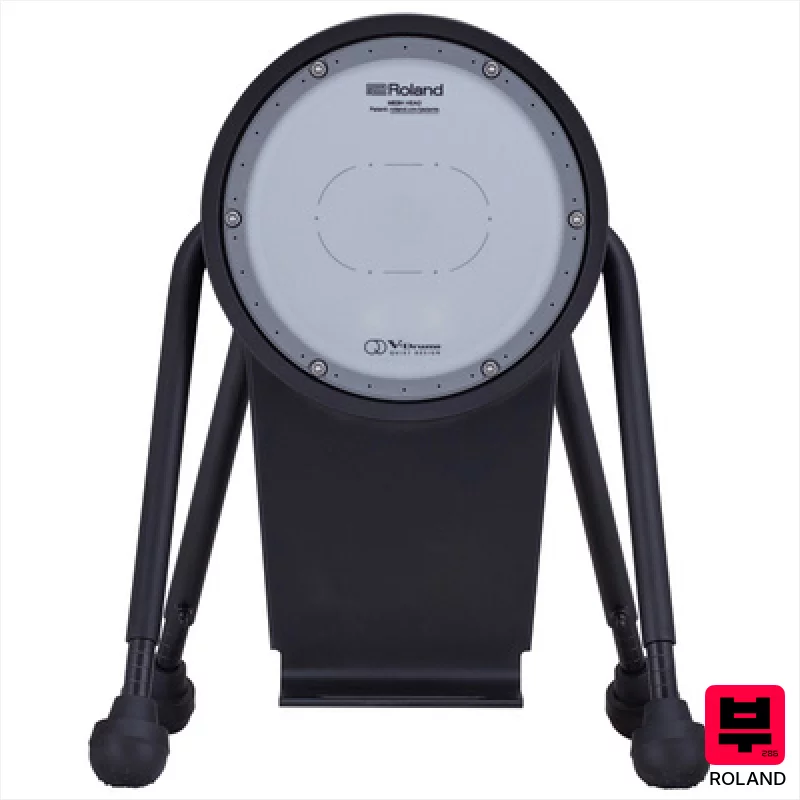
Roland KDQ-8 Bass Drum Pad
- • Roland’s unique mesh head delivers a realistic, natural feel.
- • The compact 8-inch size is ideal for smaller e-drum setups.
- • Robust aluminum die-cast frame provides excellent durability and stability.
- • Excellent response for both single and double bass drumming techniques.
- • The smaller size may lack the full 'thump' some drummers desire.
- • Premium-priced compared to basic, entry-level bass drum pads.
- • Limited tonal versatility – primarily designed for a focused kick drum sound.
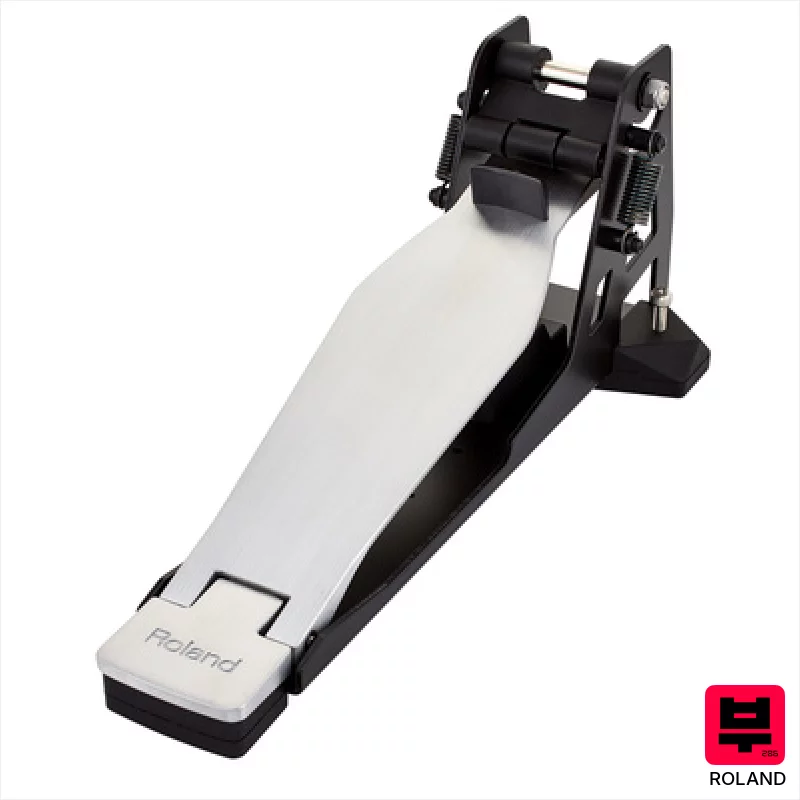
Roland KT-9 Kick Trigger Pedal
- • Patented link mechanism truly minimizes noise, ideal for quiet practice spaces.
- • Excellent trigger response, accurately capturing nuanced playing dynamics.
- • Robust construction using high-quality metal components ensures long-term durability.
- • Seamless compatibility with Roland modules expands electronic drum kit possibilities.
- • The beaterless design might feel unusual for players accustomed to traditional pedals.
- • Limited adjustment options for the link mechanism restrict fine-tuning for some.
- • The weight, while reasonable, isn't ideal for highly portable setups.
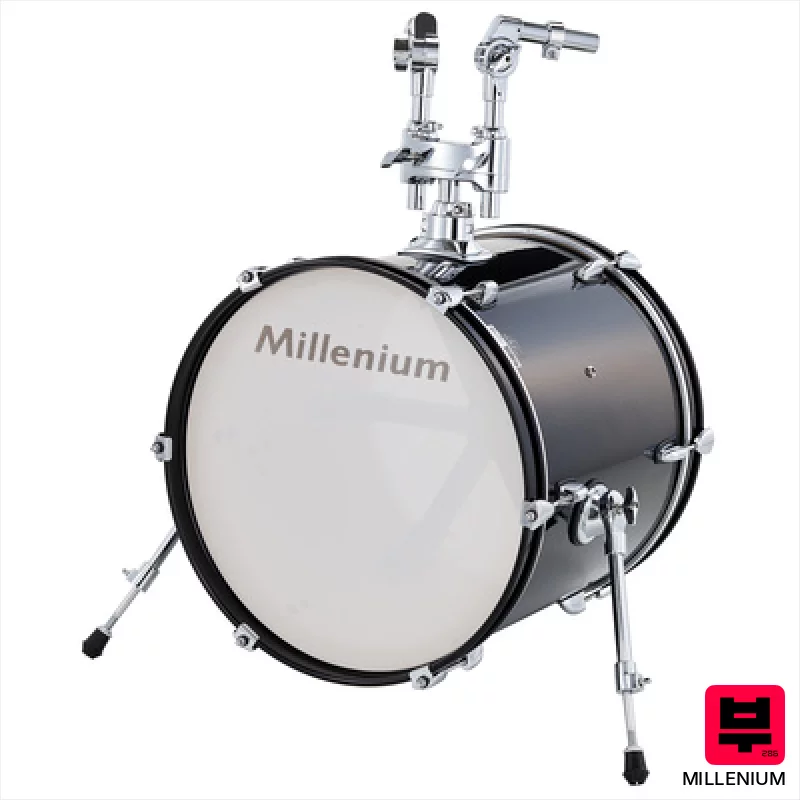
Millenium PB-18 18"x14" Kick BS
- • Wooden shell provides a surprisingly resonant, natural low-end.
- • Double-layer mesh heads offer durability and a responsive feel.
- • Black Sparkle finish is visually appealing, stage-ready aesthetic.
- • Designed for Millenium's MPS series, ensuring seamless integration.
- • Mesh heads, while durable, lack the true acoustic 'thump' of a wood or mylar head.
- • Trigger response might require tweaking with different drum modules for optimal feel.
- • The wooden shell, while decent, isn't premium-grade tonewood.

Roland KT-10 Kick Trigger Pedal
- • Reverse action offers exceptionally quiet operation, minimizing unwanted noise
- • Durable construction with a robust metal frame ensures long-term reliability
- • Adaptable design allows for dual pedal setups or integration with acoustic kits
- • Roland’s renowned trigger sensitivity provides nuanced dynamic response
- • Price point places it in a premium-priced category for a single trigger pedal
- • Limited tonal shaping options compared to more complex electronic bass drum systems
- • Can feel slightly stiff for players accustomed to more freely pivoting pedals

Roland KD-7 Kick-Controller
- • Excellent dynamic response for nuanced bass drum articulations
- • Roland’s proven trigger technology delivers consistent, reliable performance
- • Compact and lightweight design simplifies setup and portability
- • Included beater provides a solid starting point for varied sounds
- • The included beater lacks the premium feel of aftermarket options
- • Limited adjustability compared to higher-end trigger systems
- • Can be noisy if not properly isolated from the drum kit
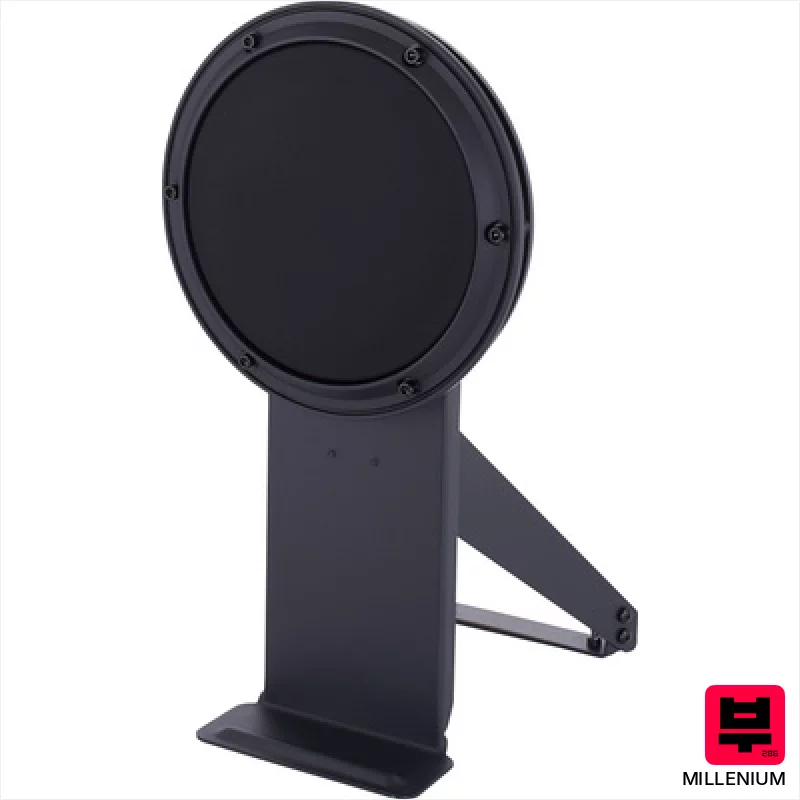
Millenium E-Drum Kick Bass Pad
- • Solid PVC construction provides a stable, predictable playing surface.
- • Mono design simplifies triggering and reduces potential crosstalk.
- • Includes a basic cable for immediate setup and connection.
- • Surprisingly responsive for its budget-friendly price point.
- • Lacks adjustable sensitivity settings for nuanced playing.
- • The included cable feels a bit flimsy and may require upgrading.
- • Mono triggering limits dynamic range compared to dual-zone pads.
How to Choose the Best Electronic Bass Drum Pads
Dynamic Response
This is everything. A good pad needs to respond to subtle nuances in your playing - ghost notes, heel-toe technique, all of it. Pads that just squash everything into a flat thud are useless for developing chops. You need a pad that lets you articulate.
Low-End Reproduction
Let's be honest, a lot of these pads sound thin. We're looking for pads that retain some semblance of a low-end thump, even at quiet volumes. A little bit of that fundamental frequency is essential for maintaining the feel of a real kick drum. It's about that sub-bass rumble, not just a click.
Surface Feel & Bounce
It's not just about the sound; it's about the feel. Too much rubbery squish kills the response, too little and it feels like hitting cardboard. The ideal pad offers a balance - a responsive surface with a degree of bounce that allows for natural kick drum technique.
Triggering Capabilities
Many pads offer trigger outputs for electronic drums. The quality of these triggers - their sensitivity, latency, and ability to accurately capture dynamics - drastically impacts recording and live performance. A poorly triggered pad can lead to frustrating MIDI inconsistencies.
Portability & Durability
Let's face it, these things get beat up. Gigging drummers need something that can survive transport and the occasional accidental kick. A lightweight, robust design is crucial for regular use - no one wants to replace a pad every six months.
Buying Guide
Don't expect miracles. Silent practice pads are a compromise. Cheaper models often skimp on the surface material, resulting in a dead, lifeless feel. Spending a bit more usually gets you a better surface, more accurate triggering, and a slightly improved low-end response. Pay attention to the pad's thickness - thinner pads tend to transmit more vibration to the floor, defeating the purpose of silent practice.
Our Methodology
We didn't just pull specs off a website. We spent weeks with these pads, playing everything from quiet jazz grooves to full-on metal double bass. A/B comparisons with acoustic drums were crucial - we needed to assess how well these pads replicated the feel and dynamic response. Ultimately, it came down to what felt good under the foot and produced a sound usable for recording or even live reinforcement.

