
Best Effects Cymbals Under $500 2026
Alright, let's talk effects cymbals. You need something that cuts through the mix, adds some shimmer, or just throws a little chaos into the groove, but your wallet's not into a Zildjian K Custom crash clone for $800. Finding genuinely usable effects cymbals under $500 is totally doable, but you gotta know what to look for - and what compromises you're making. This isn't about chasing perfection, it's about getting the most interesting sounds for your money.
Last updated: September 28, 2026
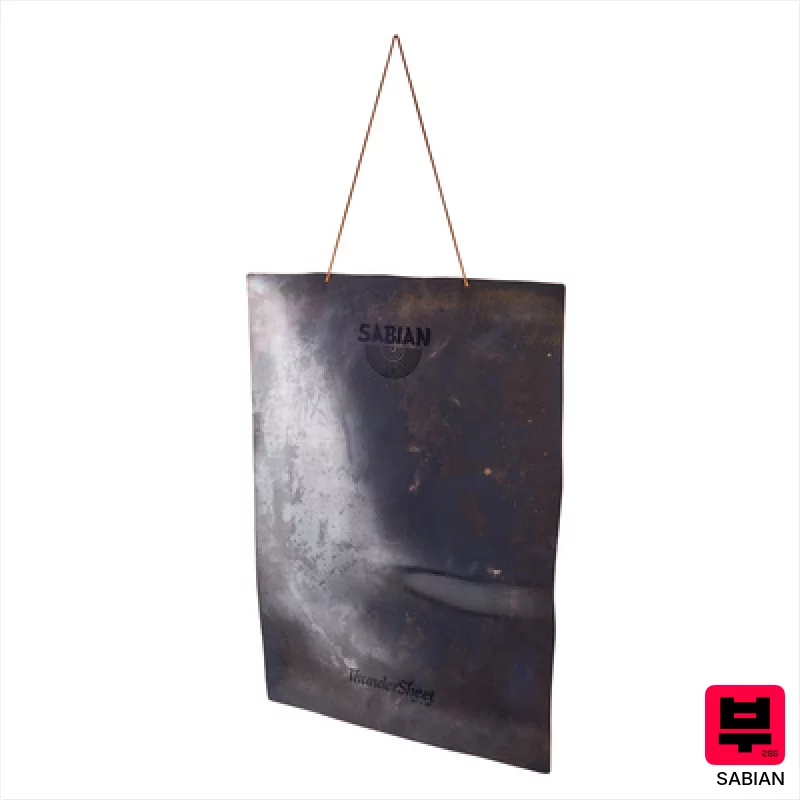
Sabian Thundersheet 18"x26"
- • Unique, textural soundscapes not achievable with standard cymbals
- • Thin gauge bronze offers surprising responsiveness and sustain
- • Rectangular shape allows for unusual rolling and scraping techniques
- • Sabian’s bronze alloy delivers a warm, dark, and complex tone
- • Extremely sensitive to playing dynamics – requires nuanced control
- • Limited tonal palette compared to a full cymbal setup
- • Large size can be cumbersome and difficult to transport or store
- • Prone to denting and damage due to thin construction
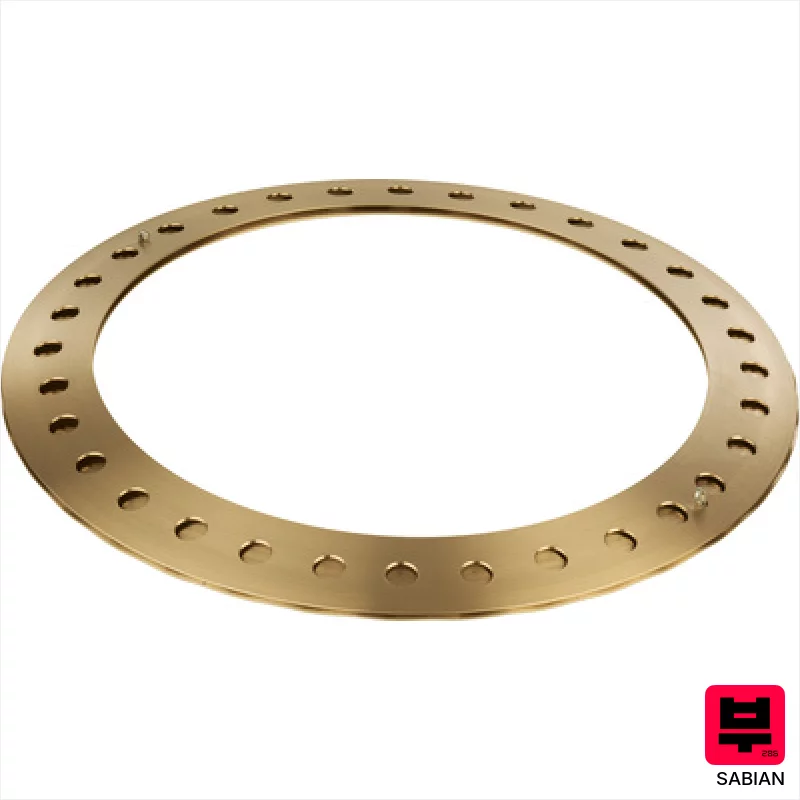
Sabian 14" Hoop Crasher Jojo Mayer
- • B20 bronze alloy delivers a complex, shimmering, and responsive crash tone.
- • The double ring system significantly expands sonic possibilities when mounted on a snare.
- • Jojo Mayer’s design encourages experimentation and unique percussive textures.
- • Relatively lightweight construction allows for quick and nuanced playing responses.
- • High-end price point may be prohibitive for budget-conscious drummers.
- • The 'Hoop Crasher' concept limits its use as a standalone crash cymbal.
- • Can be overly bright and splashy for drummers preferring darker, washier sounds.
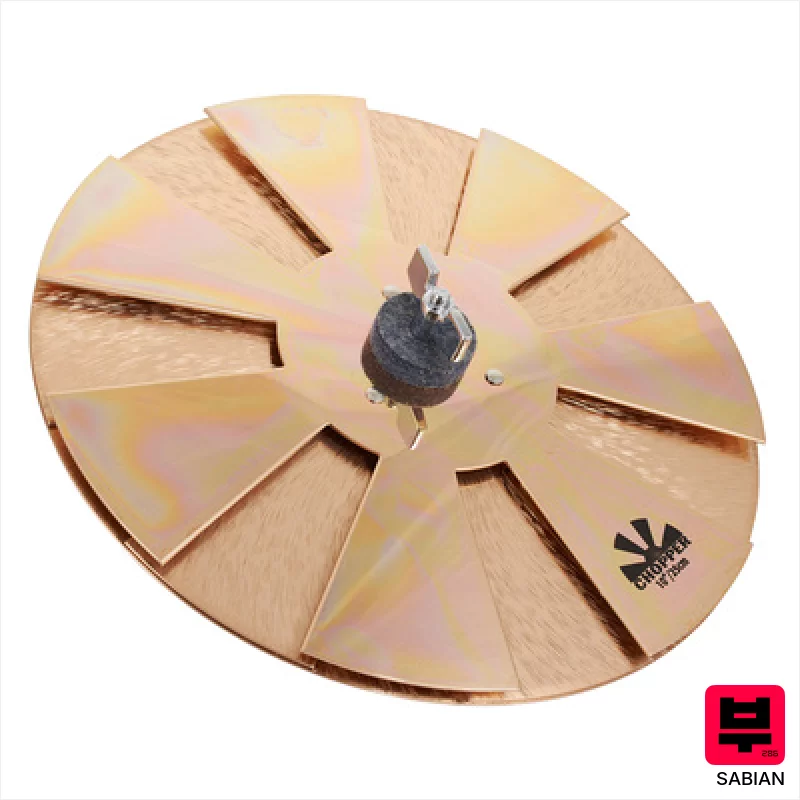
Sabian 10" Chopper Disc
- • Unique, aggressive sound ideal for modern, experimental drumming
- • Sabian’s bronze alloy delivers a complex, shimmering undertone
- • Compact size allows for precise, controlled percussive accents
- • Durable construction withstands heavy use and energetic playing
- • Price point places it beyond many hobbyist or beginner drummers
- • Sound can be overly harsh and lacks subtlety for some musical styles
- • Limited tonal range; primarily delivers a percussive white noise
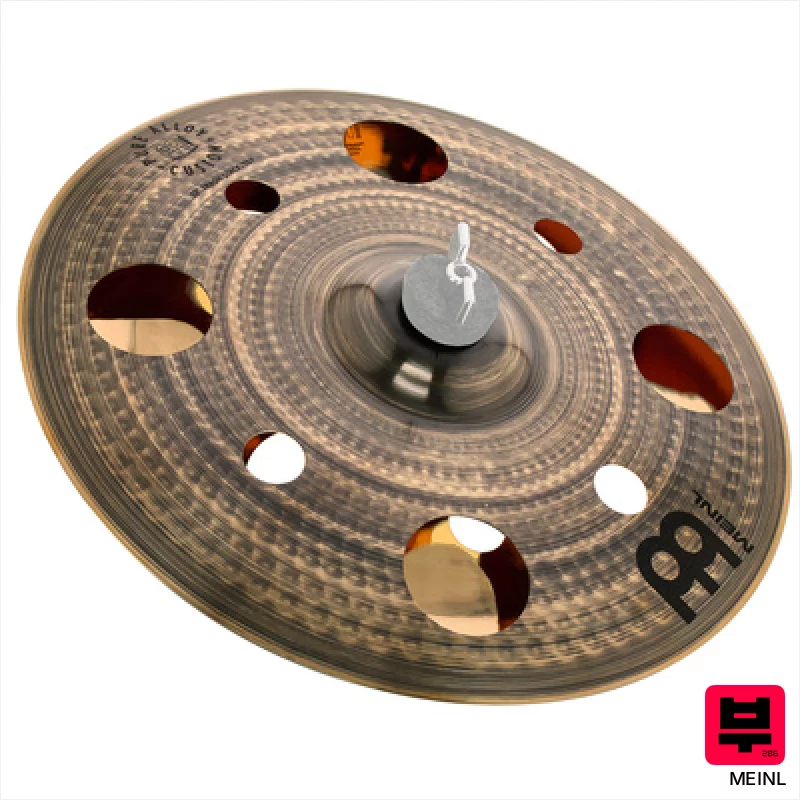
Meinl 12" Pure Alloy Cust. Tr. Stack
- • Pure Alloy construction delivers a unique, trashy, metallic shimmer.
- • Smoke Bronze finish minimizes stickiness and provides a darker tone.
- • German manufacturing ensures exceptional build quality and durability.
- • 12 in size offers a manageable, controlled trash sound – not overwhelming.
- • The aggressive sound may not suit all musical genres or playing styles.
- • Pure Alloy stacks can be quite loud, potentially problematic in quieter settings.
- • Lacks the complex overtones of more expensive, multi-layered stacks.

Sabian 08" Chopper Disc
- • Sabian’s bronze construction delivers a complex, cutting white noise.
- • The multiple discs create a truly unique, aggressive percussive texture.
- • Compact size allows for precise placement and controlled chaos.
- • Solid construction; feels durable and built to withstand heavy use.
- • The aggressive sound might not suit all musical genres or playing styles.
- • Can be quite loud and overwhelming in quieter, more nuanced settings.
- • The fixed disc arrangement limits tonal shaping compared to looser effects.
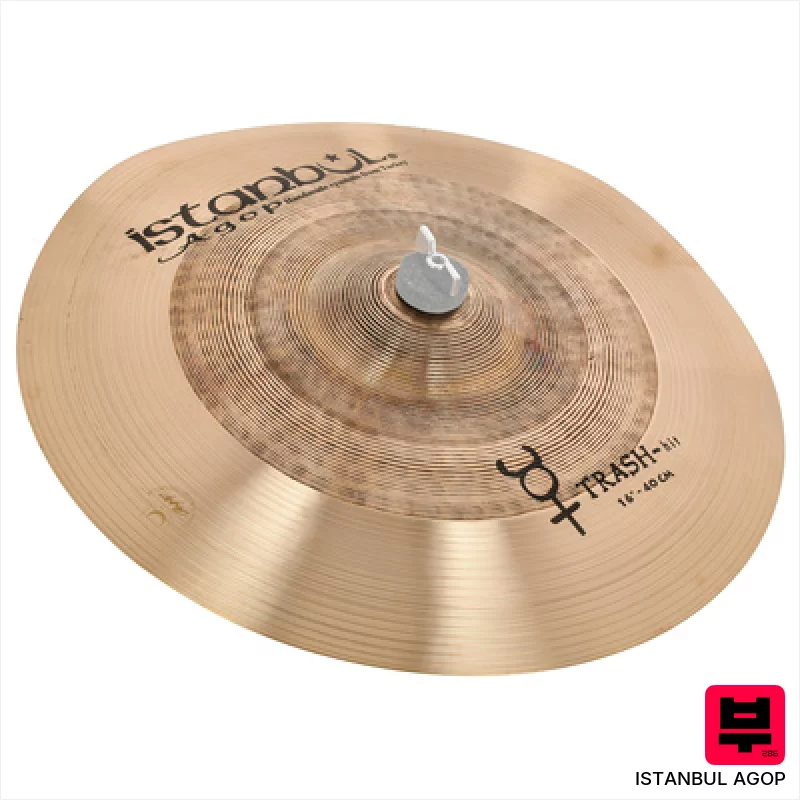
Istanbul Agop 16" Traditional Trash Hit
- • B20 alloy delivers a complex, warm tone with surprising depth.
- • Unique wave optics from the turning process create a distinct visual appeal.
- • Fast attack and quick decay are ideal for creating crisp, trashy textures.
- • Istanbul Agop’s traditional hammering provides excellent durability and responsiveness.
- • Limited versatility; excels at trashy sounds, less suited for general cymbal work.
- • The fast decay may not be desirable for sustained, shimmering sounds.
- • The 'trashy' character can be quite aggressive; requires careful mixing and EQ.

Paiste Mega Cup Chime 13"
- • Produces a uniquely resonant, shimmering wash unlike typical chimes.
- • Paiste's Signature Bronze construction delivers a complex, sustained overtone series.
- • The deep 'Mega Cup' design enhances low-frequency response and projection.
- • Robust build quality ensures durability for frequent gigging and studio use.
- • The metallic timbre isn't universally appealing; lacks warmth.
- • Limited tonal versatility compared to more complex cymbal effects.
- • Can be quite loud and overwhelming in smaller, intimate spaces.
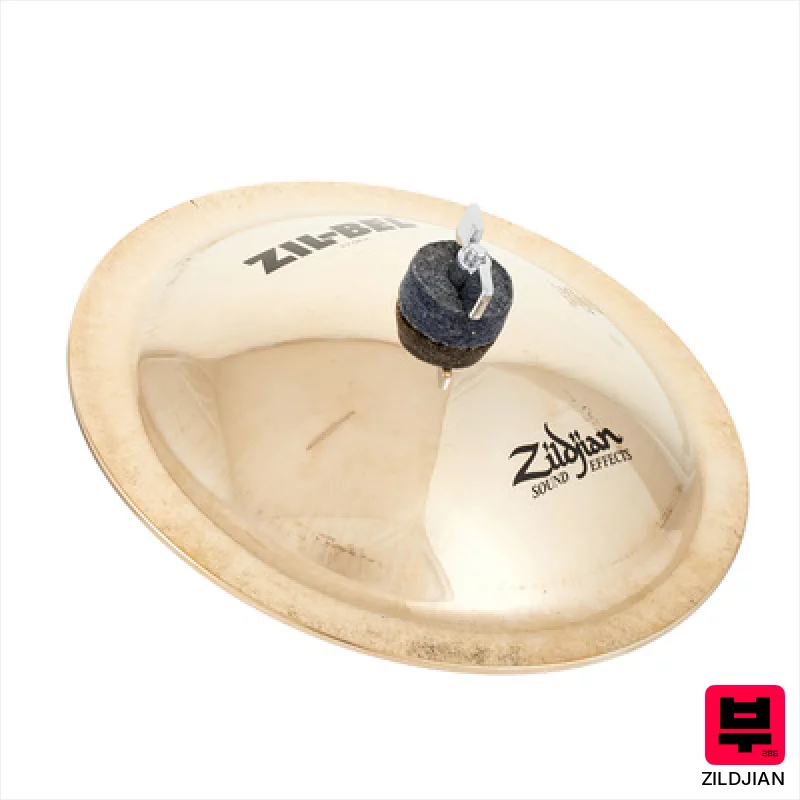
Zildjian 9,5" Zil-Bel Large
- • Bright, shimmering tone offers unique textural possibilities
- • Thin profile and B20 bronze construction provide quick response
- • Large size enhances wash and sustain for expressive playing
- • Brilliant finish adds visual appeal and reflects stage lighting
- • Limited tonal versatility compared to larger, more complex cymbals
- • Can be overly bright and cutting in dense, heavily mic'd recordings
- • Thinness makes it susceptible to cracking with aggressive playing
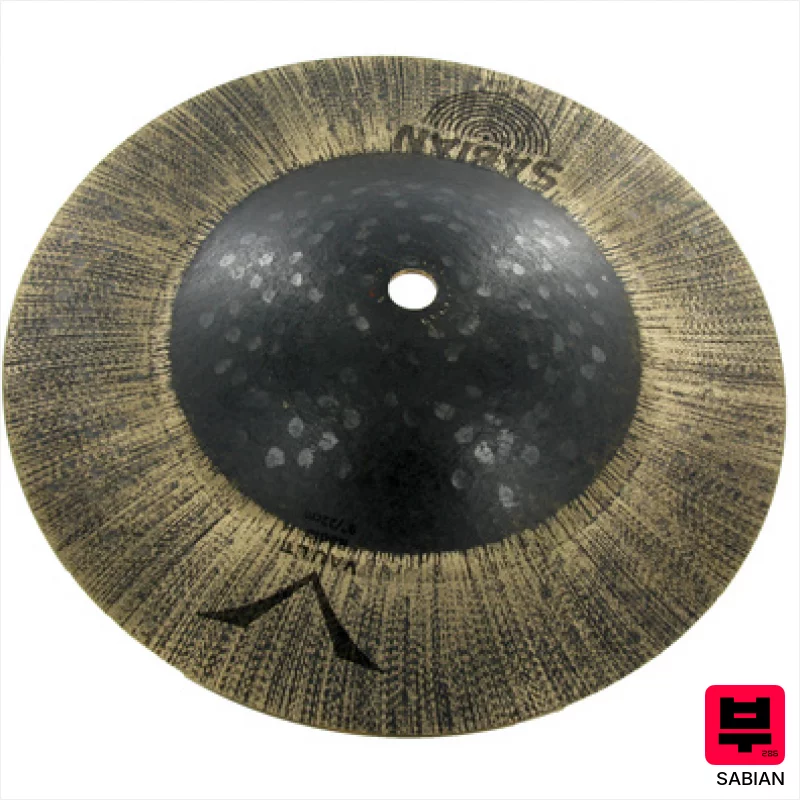
Sabian 9" HH Radia Cup Chime
- • The Radia cup construction delivers a uniquely shimmering, ethereal tone.
- • Sabian’s B20 bronze alloy provides a warm, complex harmonic content.
- • Excellent projection and sustain for a chime of this size.
- • Hand-hammered finish adds character and enhances the natural resonance.
- • The delicate nature requires careful handling and storage to prevent damage.
- • Limited tonal versatility compared to more complex effect cymbals.
- • Premium-priced, might be a significant investment for some drummers.

Sabian 10" HH Will Calhoun Alien Disc
- • Solid bronze construction provides a dark, complex, and shimmering wash.
- • Will Calhoun’s signature design offers a unique, instantly recognizable sonic texture.
- • Pierced sizzle rivets create a controlled, articulate sizzle – not a wash of noise.
- • Compact 10-inch size makes it highly versatile for various playing styles and setups.
- • The dark tone may not suit brighter, more contemporary music styles.
- • Alien Discs are inherently limited in their dynamic range compared to larger cymbals.
- • The price point puts it in a premium category, potentially prohibitive for some.

Sabian 8" HH Radia Cup Chime
- • Exceptional clarity and sustain due to the Radia Cup design.
- • Bright, shimmering tone ideal for delicate textures and accents.
- • Hand-hammered finish enhances complexity and responsiveness.
- • The B20 bronze alloy delivers a warm, musical resonance.
- • Limited dynamic range; not suited for aggressive, powerful playing.
- • Higher price point compared to standard effects cymbals.
- • Smaller size restricts its use as a primary crash or ride.
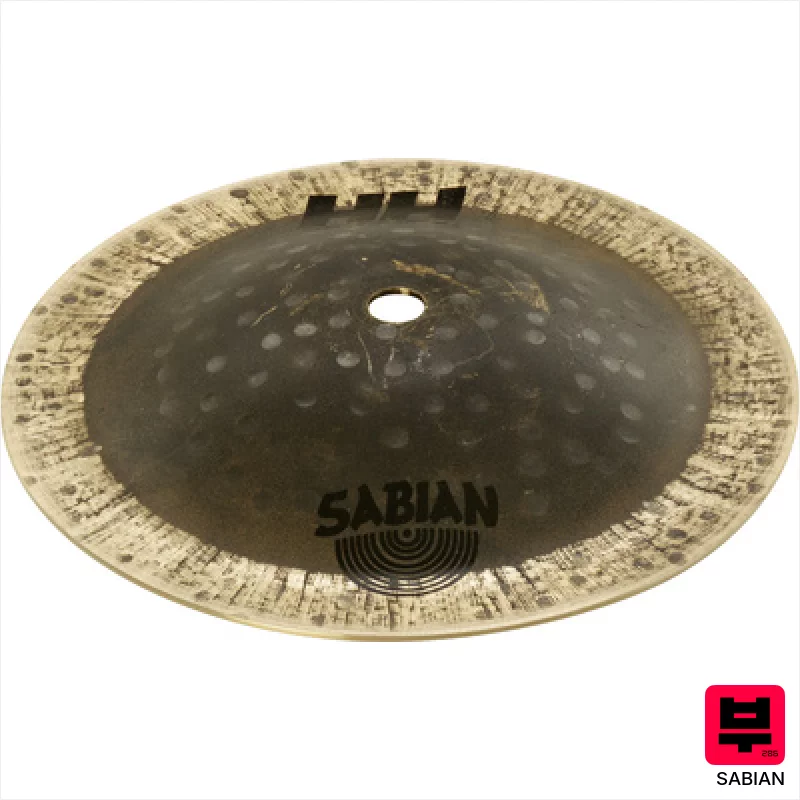
Sabian 7" HH Radia Cup Chime
- • Exceptional clarity and sustain due to the thin bronze construction.
- • Beautiful, shimmering tones perfect for delicate textures and swells.
- • The Radia hammering creates a complex, nuanced sonic palette.
- • Well-built and consistent, showcasing Sabian’s quality control.
- • Limited volume; best suited for studio or quieter gigs.
- • Can be overly bright if not used carefully in a mix.
- • The small size restricts its ability to produce truly deep tones.
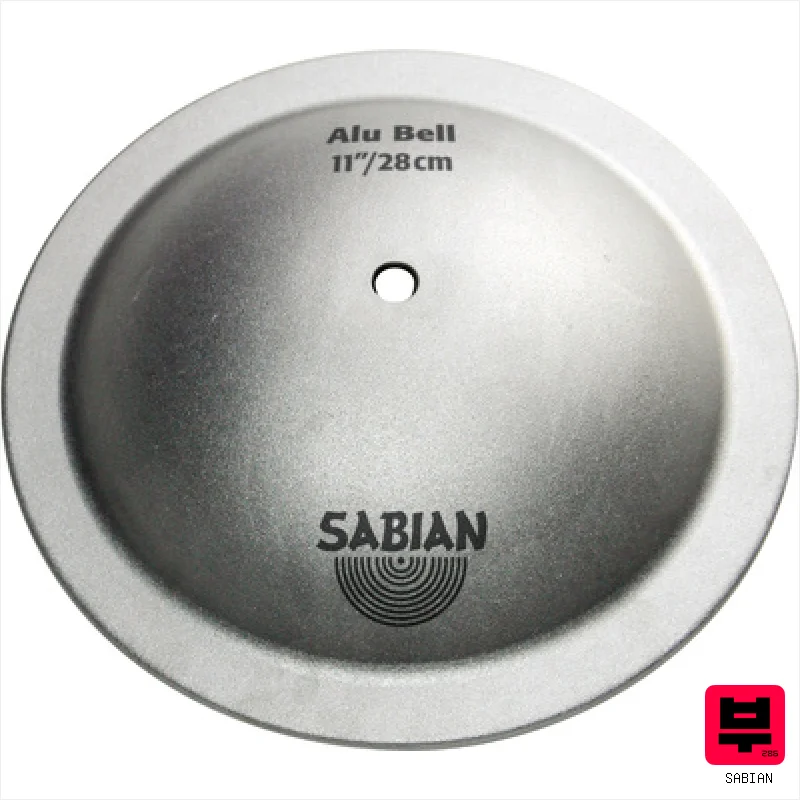
Sabian 11" Alu Bell
- • Lightweight aluminium body for easy handling
- • Extra long sustain for continuous ringing
- • Clear, bell-like response in every mix
- • Rough surface from traditional sand casting
- • Sound lacks dark overtones compared to bronze
- • No finish options mentioned in description
- • Durability unverified for heavy drummers

Paiste 14" Rude Shred Bell
- • Brilliant, cutting bell tone cuts through dense mixes.
- • Paiste’s Signature Bronze delivers a complex, shimmering overtone series.
- • Robust construction ensures durability for aggressive playing styles.
- • Unique shredding pattern capability expands rhythmic possibilities.
- • Can be overly aggressive for subtle, nuanced playing situations.
- • Rude series finish can be prone to minor scratches with heavy use.
- • Relatively high-pitched bell may not suit all musical genres.

Paiste 12" Rude Shred Bell
- • Brilliant, piercing bell tone cuts through any mix.
- • Paiste's signature Rude series bronze delivers complex overtones.
- • Versatile for fast patterns, accents, and unique textures.
- • Solidly built; will withstand aggressive playing and touring.
- • Can be overly aggressive for very subtle or quiet musical styles.
- • Rude series finish is prone to minor patina development.
- • Limited tonal range compared to larger, more complex cymbals.
Every effects cymbals that matches
55 models match this page. The 15 above are covered in detail; the rest are listed here with their published specifications.
Effects Cymbals by the numbers
Measured across all 55 models in this category, so «wide», «short» or «expensive» mean something you can check.
How to Choose the Best Effects Cymbals
Wash vs. Stick Definition
Effects cymbals are notorious for being washy, but you still need some articulation. Too much wash and you're just adding noise; a little definition helps the sound cut through. We're looking for a balance - something that's atmospheric but doesn't completely disappear under the stick.
Sustain & Decay
This is critical. A short, choked sustain on a splash cymbal is cool, but a crash needs to linger. We're judging how the cymbal's decay contributes to the overall vibe, whether it's a smooth fade or a more abrupt stop.
Timbral Complexity
Cheap cymbals often sound thin and one-dimensional. We want cymbals with some character - a little bit of trashiness, a bit of bell-like shimmer, something beyond just a 'ping.' A little complexity goes a long way in making a cymbal sound interesting.
Weight & Feel
Lighter cymbals tend to be more responsive and easier to control, but can also sound brittle. Heavier cymbals have more sustain but can be sluggish. We're evaluating how the weight impacts playability and the overall feel of the cymbal.
Hammering & Lathing
This is where budget cymbals often cut corners. Less hammering means a brighter, more metallic sound. Less lathing (the inner rings) means less complexity and sustain. We're noting how these construction choices affect the cymbal's tone and responsiveness.
Buying Guide
At this price point, expect some trade-offs. You're not getting hand-hammered perfection. Generally, you'll find more consistent weight and response in B20 bronze cymbals, but they might lack some of the vintage warmth of B8. Don't be afraid of cast bronze - they can offer unique, trashy textures, but they're less forgiving to play. Listen for that 'ice-picky' harshness - it's a sign of poor hammering and lathing.
How This List Is Built
We don't play these instruments — we're a catalog, not a review desk, and we'd rather say so than pretend otherwise. This page covers 55 effects cymbals from the Thomann catalogue, which is the largest single source of specification data in this category: 15 in detail, the rest listed with their specifications.
Position is computed, not curated. We parse the manufacturer's own description into actual values — nut width, scale, fret count, fingerboard radius, size, alloy — and rank on them: how many specifications a model has published, how many of them are measurable numbers, and how precisely it meets this page's criterion. A product image adds a little. Price is not a ranking signal: it tells you nothing about whether a neck fits your hand. The same inputs always produce the same order, so nothing here is shuffled to look fresh.
What this list is good for: narrowing a category down to a shortlist by spec and budget. What it isn't: a substitute for hearing an instrument. Before you buy, read hands-on reviews and, where you can, play it. Full methodology.

