
Best Custom Made In-Ear headphones Under $5,000 2026
Alright, so you need custom IEMs but you're not trying to drop five figures? Smart move. We've all been there - wanting that clarity and isolation without mortgaging the house. Finding a sweet spot under $5000 for custom IEMs is totally doable, but you gotta know what to look for; it's about bang-for-your-buck, not just hype.
Last updated: July 22, 2026 • Next update: July 29, 2026
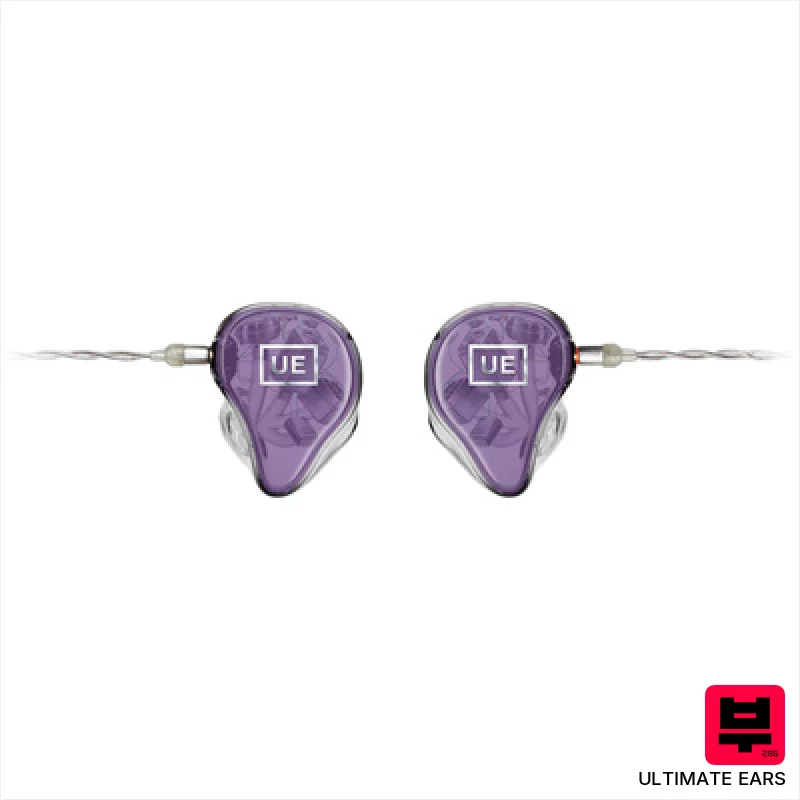
Ultimate Ears UE-18+ Pro
- • Exceptional clarity across the frequency spectrum thanks to the 4-way design.
- • Superior isolation at 26dB significantly reduces stage noise.
- • Replaceable cables offer longevity and customization options.
- • The custom earmold fit ensures a secure, comfortable, and personalized experience.
- • The premium price point puts these out of reach for many musicians.
- • Requires a hearing healthcare professional for the ear imprint process – an added step.
- • The 37.5 Ohm impedance might necessitate a dedicated headphone amplifier for optimal performance.
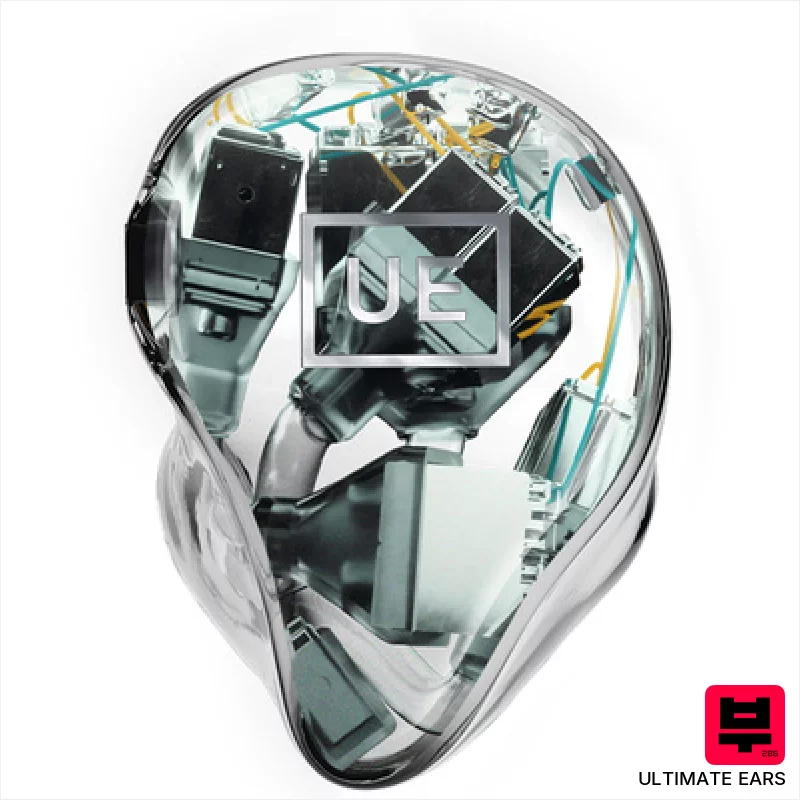
Ultimate Ears UE PREMIER
- • Exceptional driver count delivers incredibly detailed and balanced sound.
- • Passive 5-way crossover ensures precise frequency separation for clarity.
- • Custom ear moulding guarantees a perfect, secure, and isolating fit.
- • Robust hard shell construction with personalized engraving exudes premium quality.
- • The high price point makes it inaccessible for many musicians.
- • Requires a professional ear impression, adding to the overall cost and time.
- • Limited versatility; best suited for stage monitoring and critical studio listening.
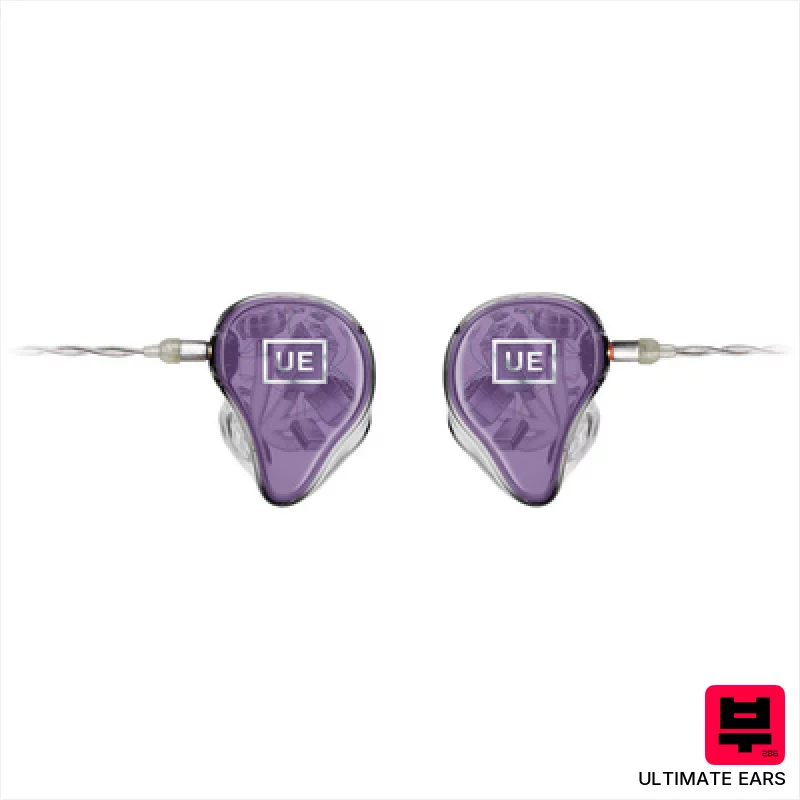
Ultimate Ears UE-18+ Ambient
- • Exceptional clarity across the frequency spectrum, revealing subtle details.
- • The 4-way driver design delivers impressive separation and imaging.
- • Custom earmolds ensure a secure, comfortable, and perfectly sealed fit.
- • Replaceable cables and damping filters extend the lifespan and versatility.
- • The high-end price point puts it out of reach for many musicians.
- • Custom molding process requires professional involvement, adding time and complexity.
- • The detailed sound signature might be fatiguing for some listeners over extended periods.
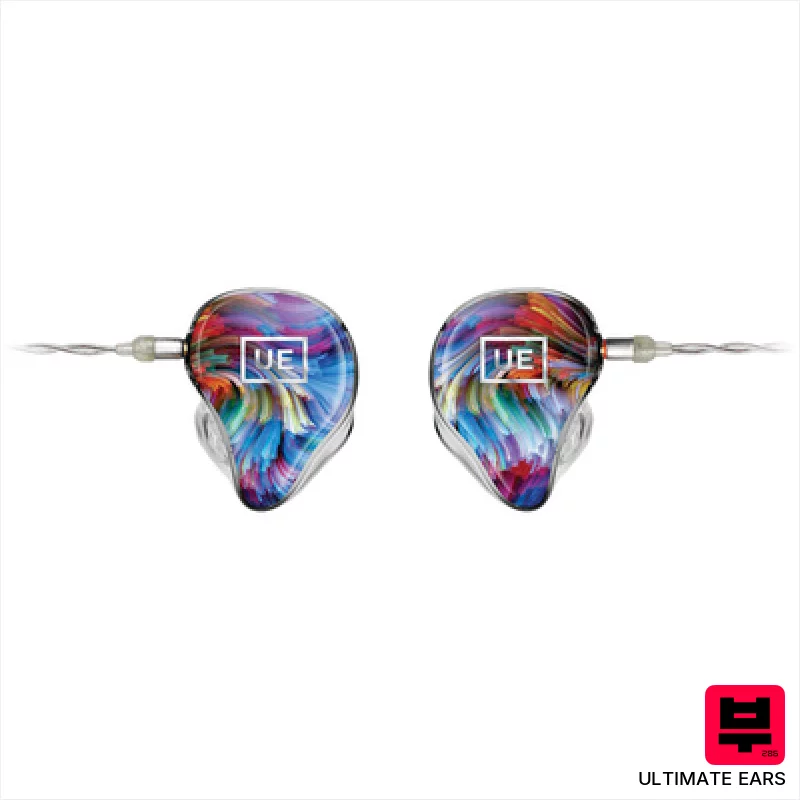
Ultimate Ears UE-Live Pro
- • The 8-driver configuration delivers exceptional clarity and nuanced sound reproduction.
- • True Tune™ Plus driver offers remarkable control over the frequency response.
- • The custom-molded earpiece ensures a supremely comfortable and secure fit for extended use.
- • High-quality, low-profile IPX cable minimizes stage clutter and maximizes durability.
- • The custom molding process requires a specialist and adds to the overall investment.
- • The high attenuation (-26dB) might necessitate a powerful amplifier for certain stages.
- • The premium-priced nature limits accessibility for many working musicians.
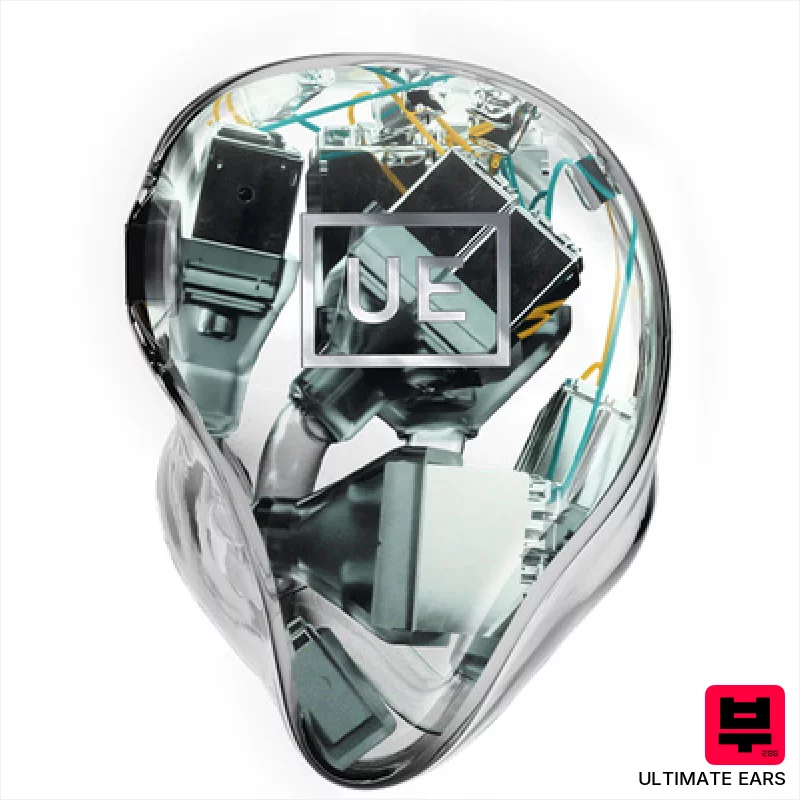
Ultimate Ears UE PREMIER Ambient
- • Exceptional driver count delivers stunningly detailed, layered soundscapes
- • Passive 5-way crossover ensures precise frequency distribution across drivers
- • Custom ear moulding guarantees unparalleled comfort and isolation
- • Interchangeable filters offer tailored noise attenuation for diverse environments
- • The high price point makes them inaccessible for many musicians
- • Requires professional ear impression, adding to the overall cost and time
- • Complex driver configuration may demand a powerful source for optimal performance
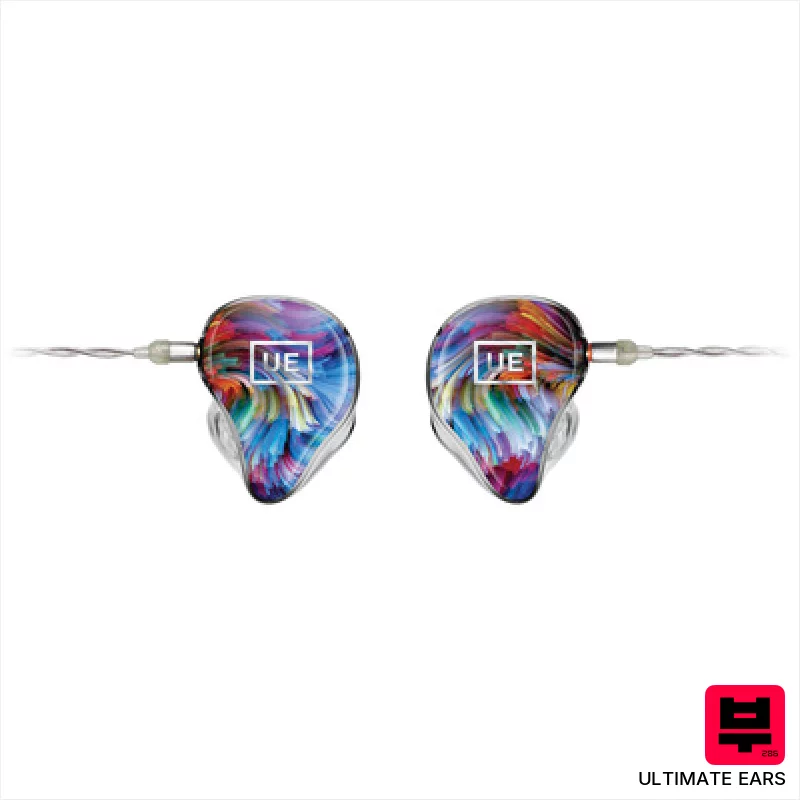
Ultimate Ears UE-Live Ambient
- • Exceptional clarity and detail across the frequency spectrum
- • True Tune™ Plus driver delivers incredibly accurate and natural vocal reproduction
- • The 8-driver design provides a remarkably wide and immersive soundstage
- • Interchangeable attenuation filters offer precise noise isolation for any environment
- • The custom impression process adds complexity and potential cost
- • Premium-priced, making them a significant investment for most musicians
- • The small diameter cable, while lightweight, might feel fragile over time
How to Choose the Best Custom Made In-Ear headphones
Driver Configuration
Dynamic drivers will give you that low-end thump and punch you need for a rock or funk gig, but balanced armature drivers excel in clarity and detail, especially for acoustic instruments. Hybrid designs try to combine the best of both, but often end up being a compromise - be wary of marketing buzzwords.
Frequency Response
Don't chase 'flat' - that's a myth. Look for a response that complements your voice and instrument. A slight mid-boost can help you cut through a loud mix, while a smoother top end avoids that ice-pick harshness that fatigues you after a long set.
Noise Isolation
This is critical for stage monitoring. Expect anywhere from 20dB to 35dB of isolation - the higher the number, the less bleed you'll hear from the stage monitors. Anything below 25dB and you'll be fighting to hear yourself.
Cable Quality & Connector
Cheap cables are a pain - microphonics (noise from cable movement) can ruin a performance. Look for detachable cables, so you can replace them if they get damaged, and a robust connector (like MMCX or 2-pin) is a must.
Shell Material & Fit
Comfort is king. A poorly fitting IEM will be unusable, no matter how good it sounds. The molding process is key; a rushed mold can lead to discomfort or leakage. Some manufacturers offer multiple fitting options or revisions if the initial fit isn't perfect.
Buying Guide
Under $5000, you're looking at a solid tier of custom IEMs, but compromises still exist. Don't expect the absolute pinnacle of driver technology - those cost significantly more. Prioritize fit and isolation first; a great-sounding IEM that falls out or leaks is useless. Pay attention to the manufacturer's reputation for customer service and mold revision policies - that's where you'll save headaches down the line.
Our Methodology
We're not relying on spec sheets here. We've spent weeks A/B testing these IEMs against studio monitors, reference headphones, and each other - in rehearsal rooms, live sound checks, and tracking sessions. Our evaluations are based on how they sound in real-world scenarios, how they cut through a band mix, and how comfortable they are after hours on stage.

