
Best Compact Digital Pianos Under $300 2026
Alright, so you need a compact digital piano, and you're operating on a serious budget - under $300. Let's be real, at this price point, you're not getting a Steinway experience. But you can get something that'll work for bedroom practice, songwriting, or even a low-key gig if you're smart about it. This isn't about chasing features, it's about finding the best bang for your buck.
Last updated: September 30, 2026
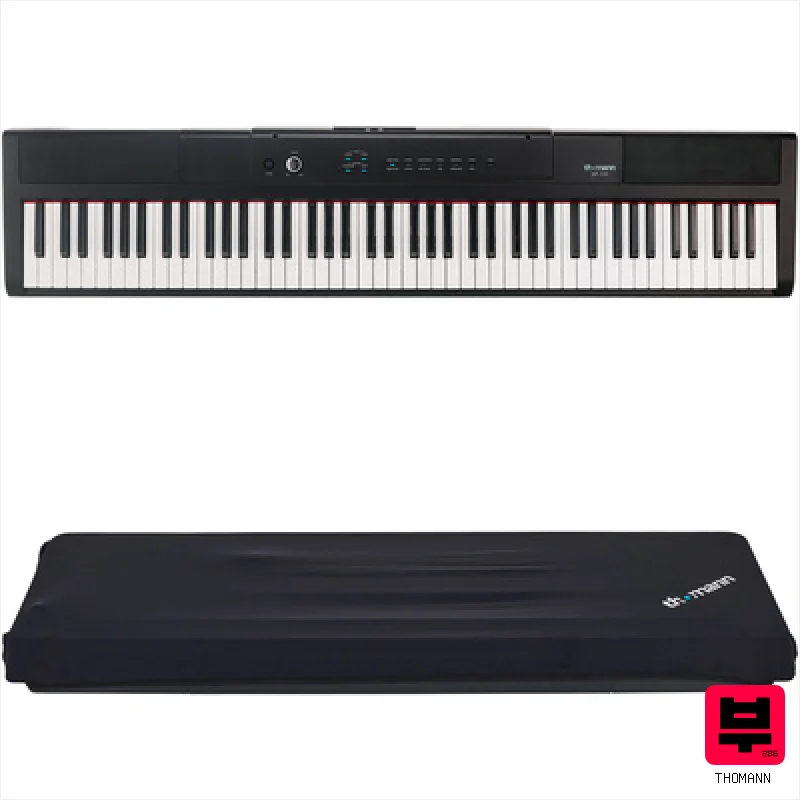
Thomann SP-320 Cover Bundle
- • 88 full-sized keys with lightweighted action feel
- • Includes sustain pedal and music stand out of box
- • Supports layer mode for richer sound combinations
- • Compact 1275mm width fits small rooms easily
- • Protective cover is sold separately at extra cost
- • Battery operation requires buying six LR20 cells
- • USB connection only works with specific host software
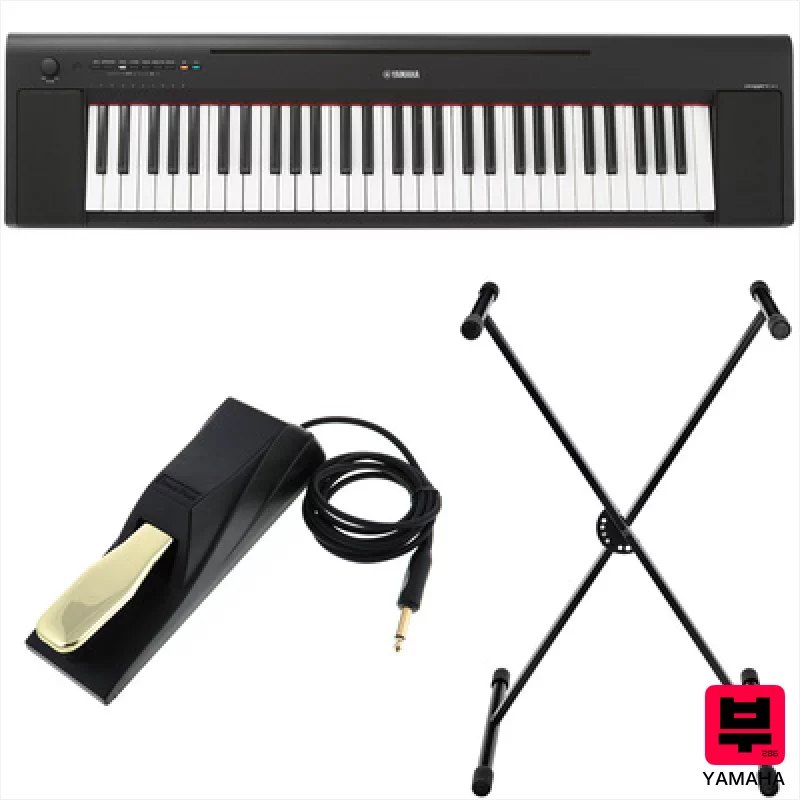
Yamaha NP-15 Piaggero Black Set
- • Lightweight and portable design ideal for travel and lessons
- • Velocity-sensitive keys offer a basic dynamic response for beginners
- • The included stand provides stability and decent portability
- • Simple recording function encourages basic composition and practice
- • Key action is basic; lacks the depth of weighted action pianos
- • Limited sound selection; lacks the nuance of higher-end models
- • Speakers are adequate for practice, but lack projection for performance

Yamaha NP-15 Piaggero White Set
- • Compact and lightweight; ideal for travel and small spaces.
- • Velocity-sensitive keys offer a surprisingly expressive playing experience.
- • The included stand provides basic stability and portability.
- • Clean, bright piano sounds are well-suited for practice and learning.
- • The key action is synthetic; lacks the depth of a weighted action.
- • Limited sound selection restricts versatility for advanced players.
- • Speakers are adequate for practice, but lack power for performance.
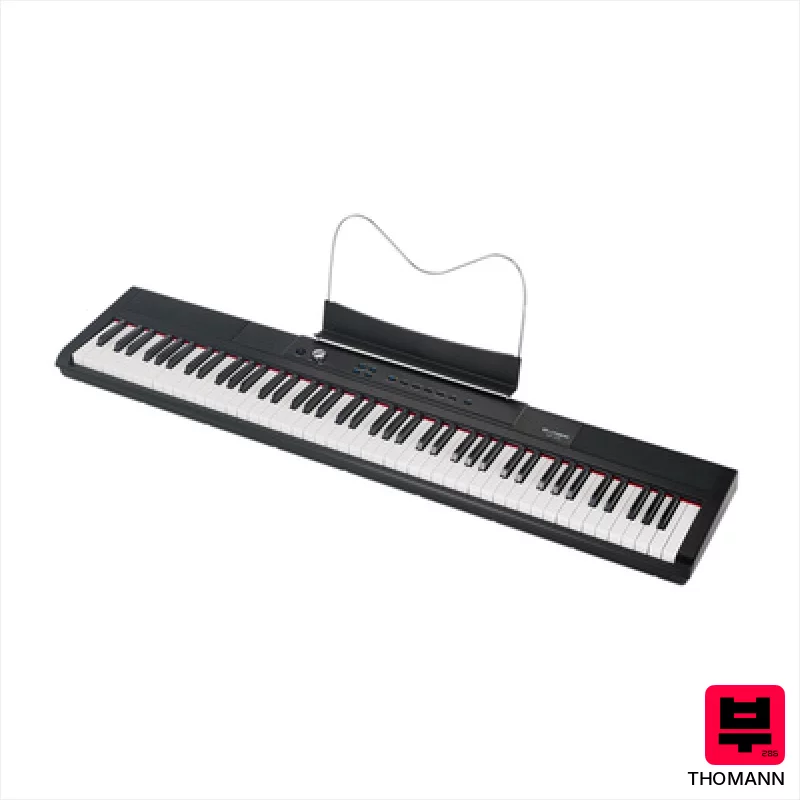
Thomann SP-320
- • Surprisingly decent key action for the price point
- • Solid speaker system delivers clear, usable volume
- • Comprehensive connectivity including USB audio output
- • Includes sustain pedal and music stand – good starter package
- • Lightweighted keys lack the nuanced feel of graded action
- • Limited sound palette restricts versatility for advanced players
- • Polyphony might be a constraint for complex layered performances
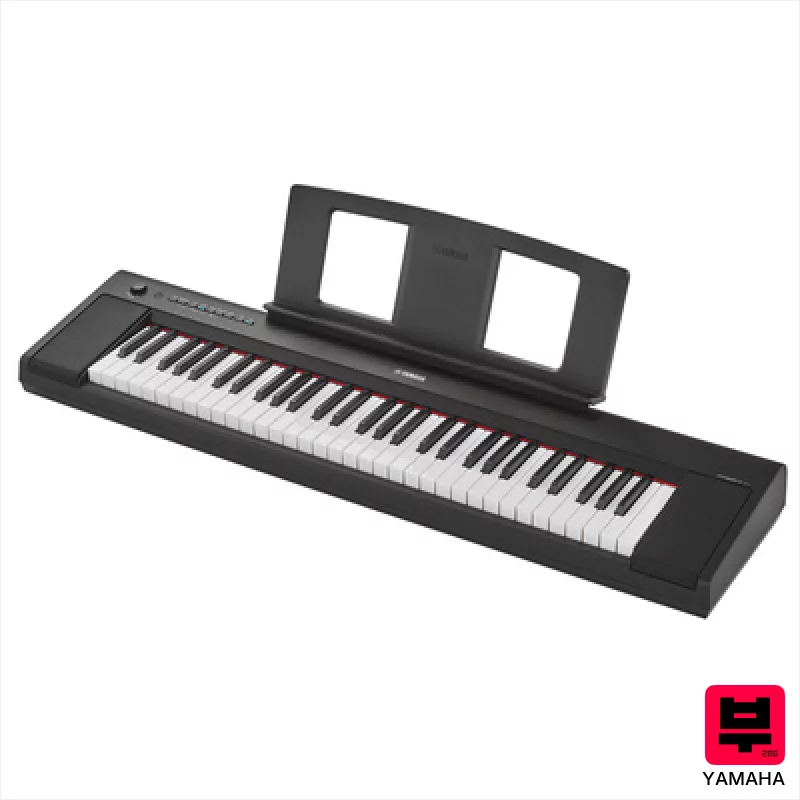
Yamaha NP-15 Piaggero Black
- • Lightweight and portable design makes it ideal for travel or small spaces.
- • Velocity-sensitive keys offer a more expressive playing experience than basic keyboards.
- • Yamaha's grand piano sound is surprisingly rich and clear for its size and price.
- • The inclusion of the PA-130 power supply is a convenient and thoughtful addition.
- • The key action is basic; lacks the depth and responsiveness of weighted keys.
- • Limited polyphony (64 voices) can lead to note drop-out with complex arrangements.
- • The small speakers lack significant bass response for a truly full piano sound.
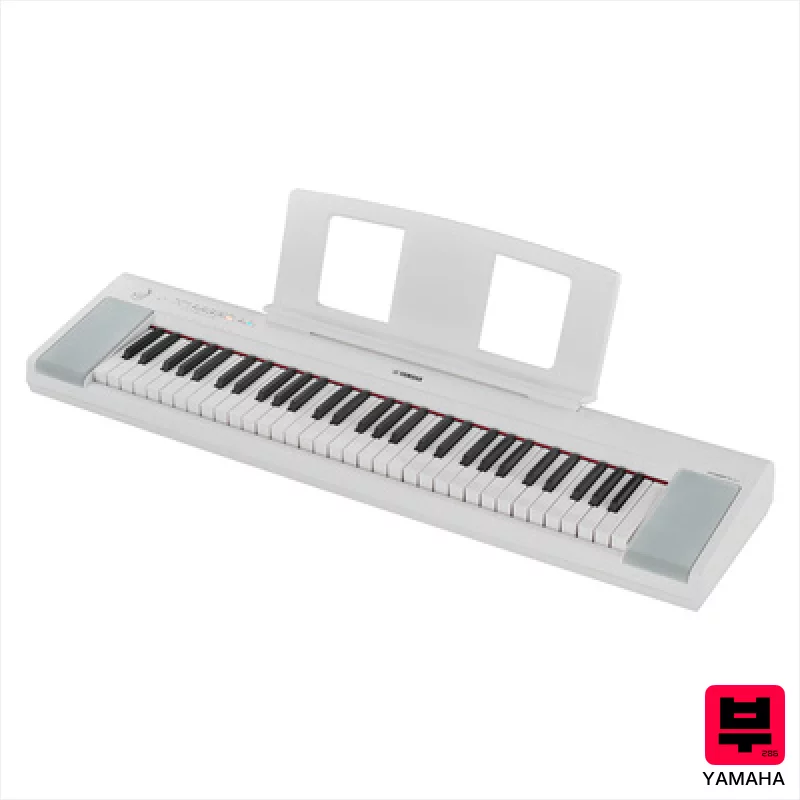
Yamaha NP-15 Piaggero White
- • Lightweight design (5.2kg) makes it exceptionally portable for lessons or gigs.
- • Improved piano sound compared to the NP-12, noticeably richer tone.
- • Velocity-sensitive keys offer a basic dynamic response for expressive playing.
- • Dual/Layer function adds creative possibilities for sound layering and experimentation.
- • Key action is basic; lacks the depth and realism of weighted action models.
- • Limited sound selection; 15 sounds might not satisfy experienced players.
- • Speakers are adequate for practice but lack power for larger rooms or performance.

Startone FP-90 Folding Piano
- • Extremely portable due to folding design and lightweight build.
- • 88 velocity-sensitive keys offer a surprisingly playable experience.
- • Bluetooth MIDI and audio connectivity expands learning and performance options.
- • Dual mode allows layering sounds for more complex textures and tones.
- • The 2x3W speaker system is quite weak; headphone use highly recommended.
- • Plastic construction feels budget-oriented; lacks premium feel.
- • Limited polyphony may cause note dropouts with dense arrangements.
Compact Digital Pianos by the numbers
Measured across all 7 models in this category, so «wide», «short» or «expensive» mean something you can check.
How to Choose the Best Compact Digital Pianos
Action
Forget graded hammer action. At this price, you're looking at synth-action or semi-weighted keys. The difference is in the feel - synth action feels like a keyboard controller, while semi-weighted offers a little more resistance and a closer feel to an acoustic piano. The better articulation you can get, the more expressive you can be.
Sound Engine
This is where the biggest compromises happen. Expect sampled pianos, often with a limited dynamic range. Listen closely for that artificial 'plink' when you hit the keys softly, and how the tone degrades when you really dig in. A decent piano voice is crucial, but don't expect nuanced layering or complex effects.
Polyphony
64 notes is pretty much the minimum you want. Anything less and you'll hear notes dropping off when you play chords with a lot of sustain. Polyphony affects how complex your arrangements can be - more notes equal more potential for layering sounds.
Connectivity
USB MIDI is a must. It lets you connect to your computer for recording and using virtual instruments. Some will have basic audio outputs for connecting to an amp or PA - check the jack size (1/4" or 1/8") and power output; you'll likely need an external amp.
Build Quality
Let's be honest, these are budget instruments. Expect plastic casings and potentially flimsy key action. Check reviews for reports of rattling keys or loose components - a little wobble can ruin your playing experience.
Buying Guide
Don't expect miracles. The biggest trade-off is going to be in the action and the piano sound itself. Focus on finding a piano with a usable action and a piano voice you can live with - even if it lacks that authentic 'warmth'. If you plan on recording, prioritize USB MIDI connectivity; a cheap piano + decent VSTs will sound better than a slightly more expensive piano with a mediocre sound engine.
How This List Is Built
We don't play these instruments — we're a catalog, not a review desk, and we'd rather say so than pretend otherwise. This page covers 7 compact digital pianos from the Thomann catalogue, which is the largest single source of specification data in this category: 7 in detail, the rest listed with their specifications.
Position is computed, not curated. We parse the manufacturer's own description into actual values — nut width, scale, fret count, fingerboard radius, size, alloy — and rank on them: how many specifications a model has published, how many of them are measurable numbers, and how precisely it meets this page's criterion. A product image adds a little. Price is not a ranking signal: it tells you nothing about whether a neck fits your hand. The same inputs always produce the same order, so nothing here is shuffled to look fresh.
What this list is good for: narrowing a category down to a shortlist by spec and budget. What it isn't: a substitute for hearing an instrument. Before you buy, read hands-on reviews and, where you can, play it. Full methodology.

