
Best Classical Organs (3 Manuals) for Major Venues 2026
So, you're looking at a 3-manual organ for a major venue - cathedrals, concert halls, that kind of thing. It's not about bedroom practice anymore; we're talking about filling massive spaces with nuanced, authoritative sound. Forget the cheesy preset organs; we're chasing that real pipe organ feel, even if it's a digital recreation. This is about sonic grandeur and projecting a sense of reverence, not just sounding 'good'.
Last updated: July 22, 2026 • Next update: July 29, 2026
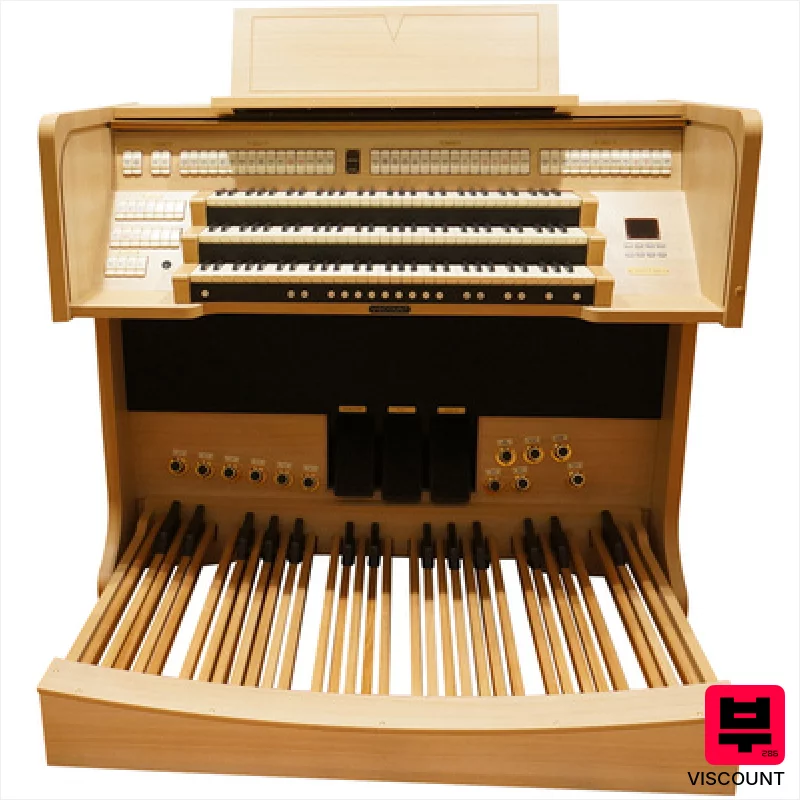
Viscount Unico CLV 8 Konkav
- • Light oak laminate finish provides a warm, classic aesthetic.
- • Patented pressure point keyboard offers nuanced expression and feel.
- • Concave pedalboard enhances pedal technique and responsiveness.
- • Extensive 384 internal riser combinations offer considerable tonal flexibility.
- • The light oak laminate, while attractive, might show wear more easily than a solid wood finish.
- • At this price point, portability is limited due to the substantial weight.
- • While versatile for sacral music, its organ-specific design restricts broader musical applications.
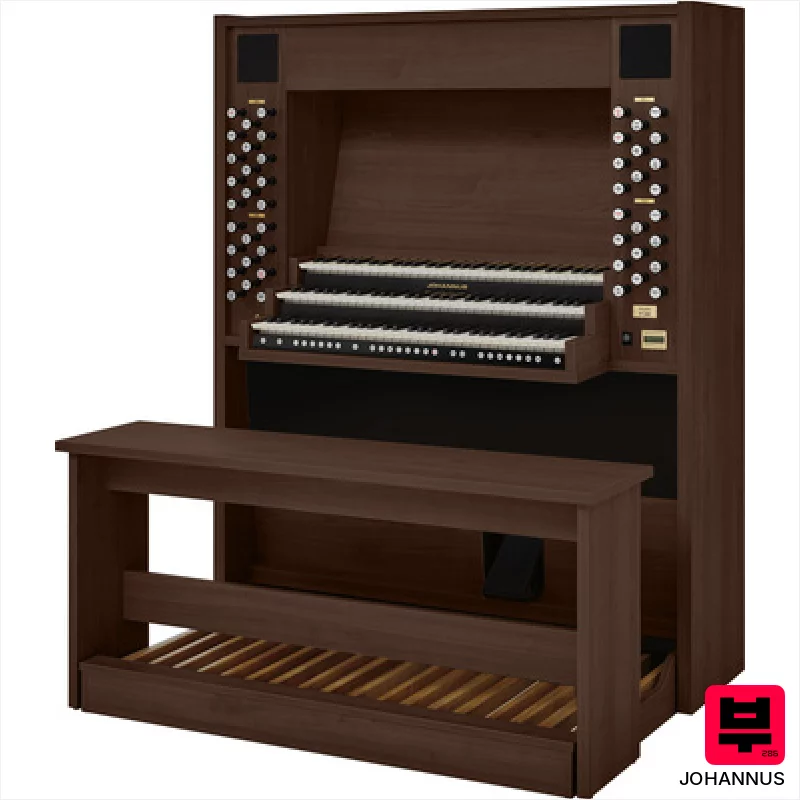
Johannus Studio P 360, Wenge
- • Wenge housing delivers a warm, resonant acoustic character.
- • The double-curved pedalboard offers surprisingly precise control.
- • Escapement keys provide a realistic, responsive playing feel.
- • Solid 80W amplifiers ensure powerful, balanced sound projection.
- • Plastic swell pedals feel budget and lack the nuance of traditional wooden ones.
- • Limited stop count compared to larger, professional church organs.
- • The overall footprint is substantial, requiring dedicated space.

Johannus Studio 360, Fine Oak Straight
- • Fine Oak cabinet offers a warm aesthetic and surprisingly good acoustic resonance.
- • The escapement action on the keyboards provides a surprisingly realistic feel for a digital organ.
- • 38 registers provide a decent range of tonal colors, suitable for many classical pieces.
- • Integrated amplifier and speaker system delivers a full, surprisingly powerful sound for its size.
- • Plastic swell pedals feel budget and lack the nuance of traditional wooden ones.
- • 30-note pedalboard is limited for complex organ repertoire; more advanced players will feel constrained.
- • While versatile, the tonal palette is geared towards classical; less suited to other genres.
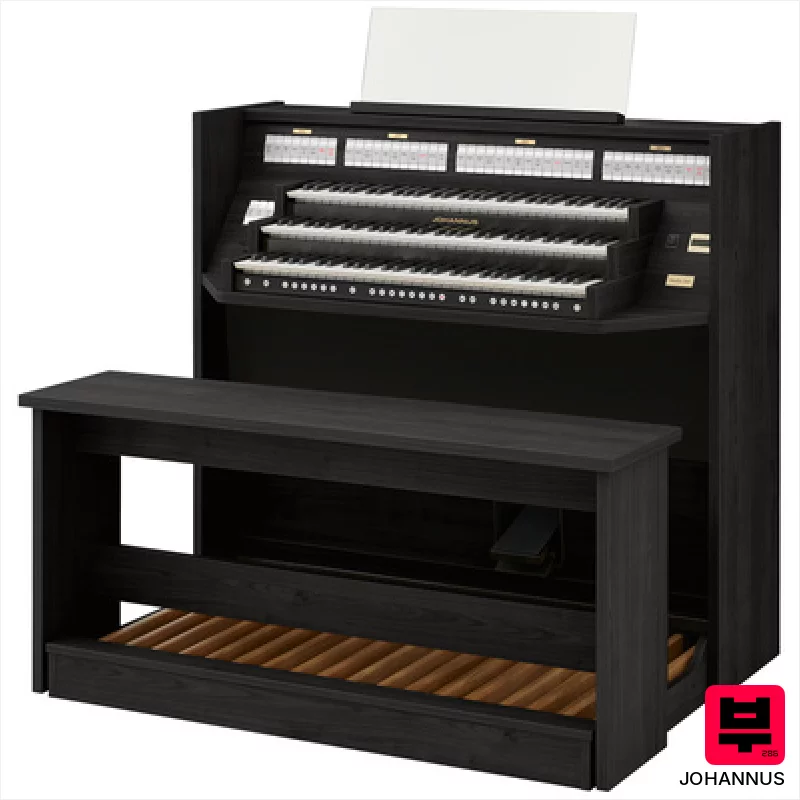
Johannus Studio 360, Charcoal Black
- • Solid build quality with a substantial, resonant cabinet.
- • The escapement action on the keyboards provides a realistic feel.
- • Open soundboard design enhances the organ's natural projection and warmth.
- • Comprehensive 38-register system offers a wide range of tonal possibilities.
- • Plastic swell pedals feel somewhat cheap compared to traditional wooden alternatives.
- • The straight pedalboard, while space-saving, lacks the nuanced control of a curved design.
- • Charcoal Black finish, while stylish, may not suit all room aesthetics.

Johannus Studio P 360, Light Riverside
- • Solid build quality with a respectable, if basic, furniture finish.
- • The escapement action provides a surprisingly responsive and nuanced touch.
- • The double-curved pedalboard offers good ergonomics for a home organ.
- • The integrated sheet music desk is a genuinely useful, often-overlooked feature.
- • The plastic swell pedals feel budget and lack the refinement of metal alternatives.
- • The 'Light Riverside' finish, while pleasant, isn't particularly premium or unique.
- • Limited stop combinations compared to larger, more expensive organs.
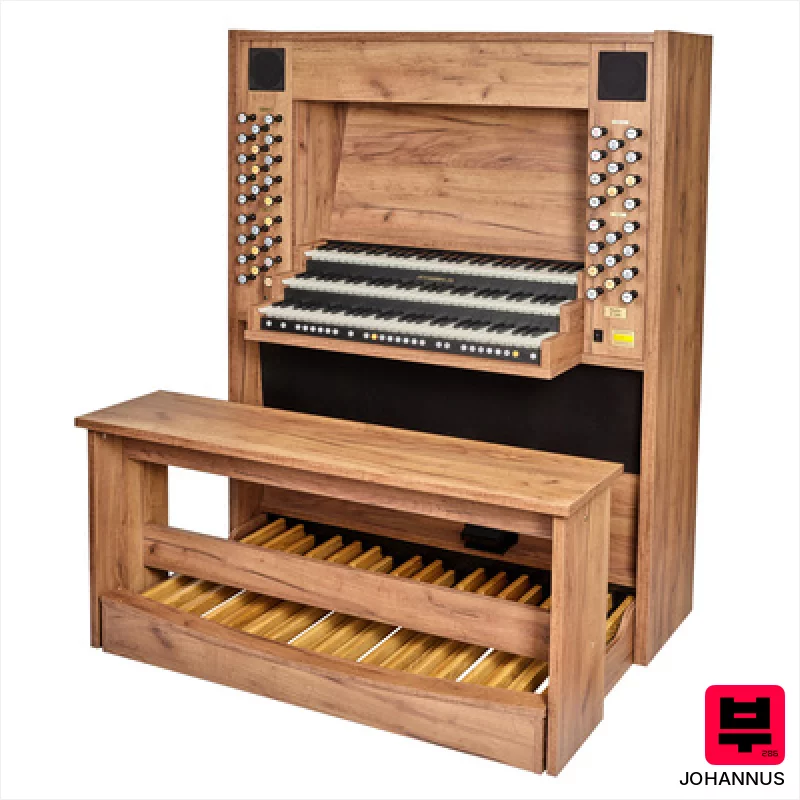
Johannus Studio P 360, Nautilus Teak
- • Teak Nautilus housing provides a warm, resonant acoustic feel.
- • Escapement keys offer a surprisingly authentic, responsive touch.
- • The 38-register system provides a decent range of tonal colors for sacred music.
- • Integrated music stand is a practical, often overlooked convenience.
- • Plastic swell pedals feel less refined than traditional wooden counterparts.
- • Limited register count compared to larger, professional-grade organs.
- • The overall sound, while good, lacks the sheer scale and complexity of a pipe organ.

Johannus Studio 360, Nautilus Teak
- • Nautilus Teak finish provides a warm, classic aesthetic appeal.
- • Escapement keyboards offer a responsive, traditional organ feel.
- • The 3 x 80W full-range + 1 x 170W bass amplifier delivers a surprisingly robust sound.
- • Double-curved pedalboard provides comfortable and precise pedal control.
- • Plastic swell pedals feel somewhat less premium compared to metal alternatives.
- • Limited register count (38) restricts advanced orchestral voicing possibilities.
- • The overall footprint, while manageable, still requires dedicated space.

Johannus Studio P 360, Fine Oak
- • Fine Oak housing provides a warm, resonant acoustic character.
- • Escapement action delivers a surprisingly responsive and nuanced touch.
- • The double-curved pedalboard offers comfortable and precise low-end control.
- • Integrated music stand is a genuinely useful and well-considered detail.
- • Plastic swell pedals feel a little budget for an instrument at this level.
- • Limited stop count compared to larger, more expansive church organs.
- • The footprint is substantial; requires dedicated space for proper placement.
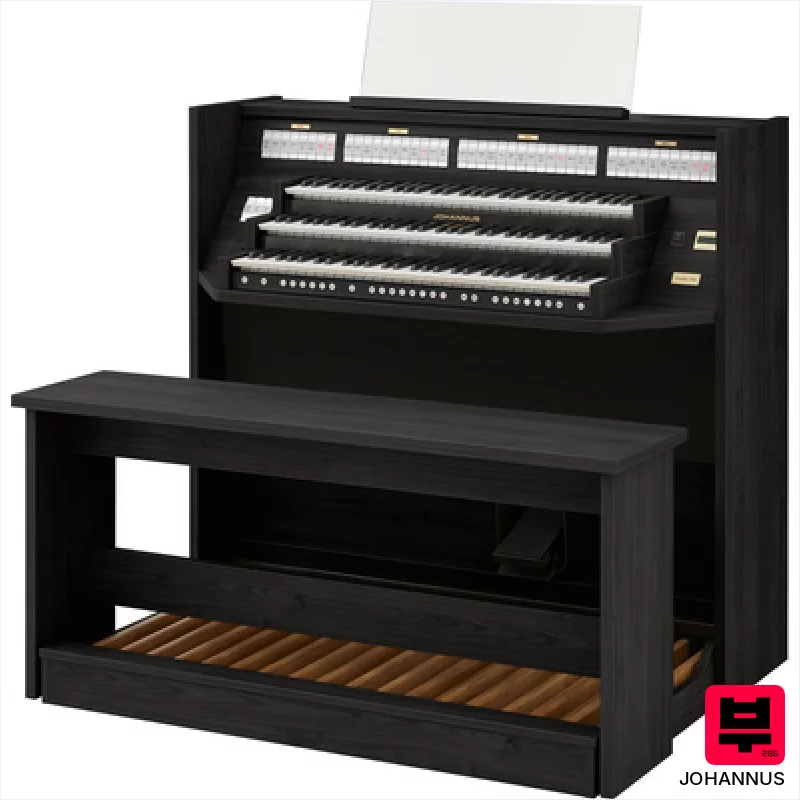
Johannus Studio 360, Charcoal Black
- • Solid escapement action provides responsive, nuanced touch for classical playing.
- • Charcoal Black finish offers a sophisticated, understated aesthetic for any space.
- • The 3 x 80W full-range speakers deliver surprisingly full and rich organ sound.
- • Double-curved pedalboard enhances pedal technique and provides comfortable foot placement.
- • Plastic swell pedals feel somewhat less precise than traditional mechanical alternatives.
- • Limited stop combinations compared to larger, more expensive church organs.
- • The overall footprint, while manageable, requires dedicated space for optimal performance.

Johannus Studio P 360, Charcoal Black
- • Nautilus teak housing provides a warm, resonant acoustic feel.
- • Escapement action offers a surprisingly realistic, responsive touch.
- • The 3-manual design allows for complex registrations and voicing.
- • Integrated music stand is a thoughtful touch for practice and performance.
- • Plastic swell pedals feel less refined than traditional wooden ones.
- • The 38 registers, while respectable, might feel limiting for advanced organists.
- • Size and weight require careful planning for installation and transport.

Johannus Studio 360, Fine Oak Concave
- • Fine Oak cabinet offers a warm, classic aesthetic and good acoustic resonance.
- • Escapement action provides a responsive, traditional keyboard feel for nuanced playing.
- • The 38 registers offer a surprisingly broad tonal palette for a studio organ.
- • Double-curved pedalboard improves footwork and responsiveness compared to flat designs.
- • Plastic swell pedals feel less premium than metal alternatives found on higher-end organs.
- • Limited stop count compared to larger, more complex church organs.
- • The amplifier power, while adequate, might struggle in very large rooms.

Johannus Sonique 360, Eiche Hell
- • Eiche Hell finish provides a warm, classic aesthetic perfectly suited for church settings.
- • Wooden-core keys offer a responsive, authentic feel with a satisfying let-off action.
- • The 8 x 80W full-range and 1 x 170W bass amplifier delivers a surprisingly powerful and balanced sound.
- • The double-curved 30-note pedalboard is well-designed and offers a comfortable playing experience.
- • The 168 kg weight makes moving or re-positioning the instrument a significant undertaking.
- • While versatile, the Sonique 360 is primarily focused on classical organ repertoire, limiting broader musical applications.
- • The Plexiglas sheet music holder feels somewhat cheap compared to the rest of the instrument’s build quality.
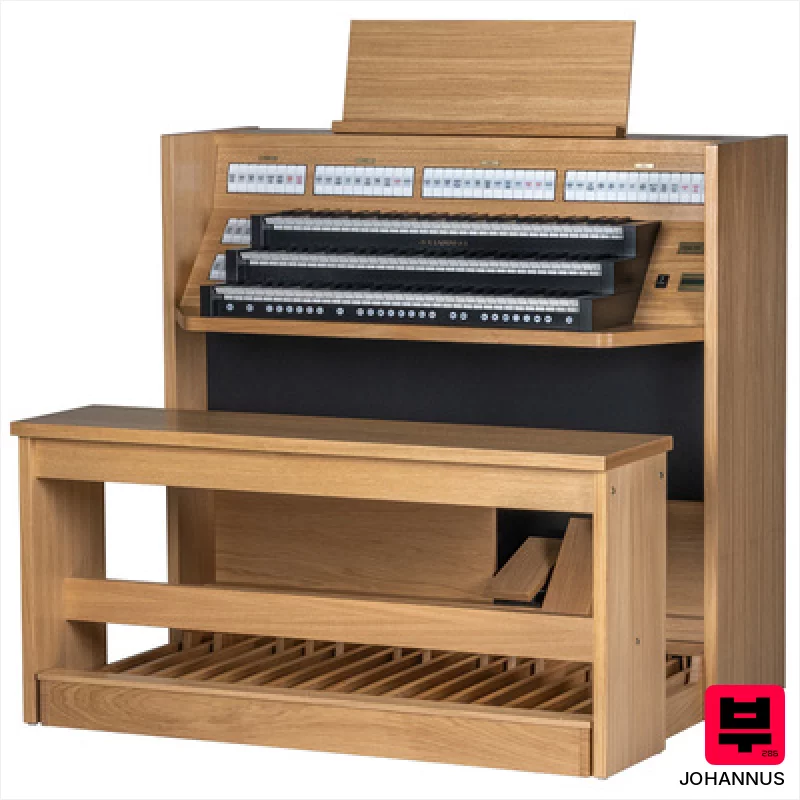
Johannus Opus 360, Light Oak
- • Light oak finish provides a warm, aesthetically pleasing, and traditional appearance.
- • The escapement action on the keyboards offers a responsive, nuanced playing experience.
- • Powerful amplifier and speaker system delivers surprisingly full and resonant sound for its size.
- • Double-curved pedalboard with wenge upper keys offers comfortable and precise pedal control.
- • Limited number of registers compared to larger, more complex church organs.
- • The open soundboard design, while visually appealing, might lack the projection of a fully enclosed system.
- • Relatively heavy for home use; requires two people for safe maneuvering.
How to Choose the Best Classical Organs (3 Manuals)
Tonal Palette
It's not enough to just have stops; they need to be convincing. We're looking for a broad range, from delicate flutes to roaring trumpets, with that crucial ability to blend and layer convincingly. A thin, reedy sound just won't work in a large space - you need body and presence.
Dynamic Response
A major venue organ needs to breathe. You want subtle changes in volume to be reflected accurately, not just a linear increase in level. The organ needs to respond to your touch, allowing for nuanced phrasing and expressive playing.
Reverb Modeling
Real acoustic spaces have complex reverb characteristics. The organ's reverb engine needs to be adjustable and convincing, simulating the natural decay and coloration of a cathedral or concert hall. Cheap reverb sounds artificial and muddy; good reverb adds depth and dimension.
Keybed and Action
Forget lightweight plastic - a serious organ needs a weighted keybed with a responsive action that mimics the feel of pipe organ keys. The action needs to be adjustable, too, allowing for a comfortable playing experience for different players. Sloppy action will kill your articulation.
Routing and Connectivity
Major venues often have complex audio systems. The organ needs flexible routing options, multiple outputs, and compatibility with modern digital mixing consoles. Being able to send different divisions to different zones is a huge advantage.
Buying Guide
Don't be swayed by sheer number of stops; a smaller, well-voiced instrument will always outperform a bloated one with mediocre sounds. Listen critically to demos, especially focusing on how the organ handles complex registrations. Be prepared to spend on a good keybed and action - that's where a lot of the 'feel' comes from. And factor in the cost of a decent sound system if the venue doesn't already have one; a great organ needs to be heard.
Our Methodology
We're not just looking at spec sheets here. We've spent hours behind these consoles, simulating services, playing concertos, and even trying to mic them for recording - because a great organ sounds as good in a live room as it does through a PA. Our evaluations are based on how the organ feels to play, how realistically it emulates a pipe organ's complexity, and its ability to cut through a demanding acoustic environment.

