
Best Battery Powered Speaker Systems for Busking 2026
So, you're hitting the streets, huh? Busking is a brutal proving ground for gear - you need something that sounds decent over traffic noise, can handle a sudden downpour, and won't leave you lugging a generator around. Battery-powered PA systems have gotten a lot better, but not all of them are created equal. Let's break down what to look for to get a system that'll actually cut through the chaos and let your music breathe.
Last updated: July 22, 2026 • Next update: July 29, 2026

LD Systems ANNY 8 White
- • Impressive SPL for its size; 117dB peak is genuinely loud.
- • Built-in mixer simplifies setup and provides useful EQ control.
- • Bluetooth 5.0 offers reliable connectivity and TWS pairing.
- • Long battery life in ECO mode makes it truly portable for extended gigs.
- • Plastic enclosure feels a bit budget-oriented, lacks premium heft.
- • Limited power – 80W RMS isn't ideal for larger venues or loud bands.
- • Mix output is unbalanced, restricting pro-level connectivity options.

LD Systems ANNY 10 BPH B8
- • Integrated mixer simplifies setup, offering essential EQ and effects control.
- • Radio link system provides reliable wireless mic connectivity for presentations.
- • Impressive 118dB max SPL delivers substantial volume for medium-sized spaces.
- • Long battery life (up to 25 hours in ECO mode) enables extended, portable operation.
- • Lead gel battery technology means slower charging times compared to lithium-ion.
- • Weight, while manageable, may be a concern for frequent solo transportation.
- • Limited EQ control beyond the 3-band master EQ restricts fine-tuning options.

LD Systems ANNY 8 HHD B8
- • Excellent portability with integrated battery power for outdoor use.
- • Built-in mixer simplifies operation; ideal for solo performers.
- • Wireless handheld mic adds convenience for vocalists and announcements.
- • Impressive 117dB peak SPL handles surprisingly loud applications.
- • 80W RMS power is adequate but limited for larger venues or bands.
- • Plastic enclosure feels budget-conscious; long-term durability a question.
- • Radio link frequency range might face interference in congested areas.

LD Systems ANNY 8 HHD B5
- • Integrated wireless mic offers immediate, practical vocal reinforcement.
- • The 8” woofer delivers surprising low-end punch for its size.
- • 5-channel mixer provides basic routing and EQ flexibility on board.
- • Priority ducking is genuinely useful for spoken word and announcements.
- • Build quality feels a bit plasticky; not a gig-bag-and-abuse level item.
- • Battery life is likely limited to 4-6 hours at moderate volume.
- • The 584-608 MHz wireless mic band is relatively narrow; potential interference.
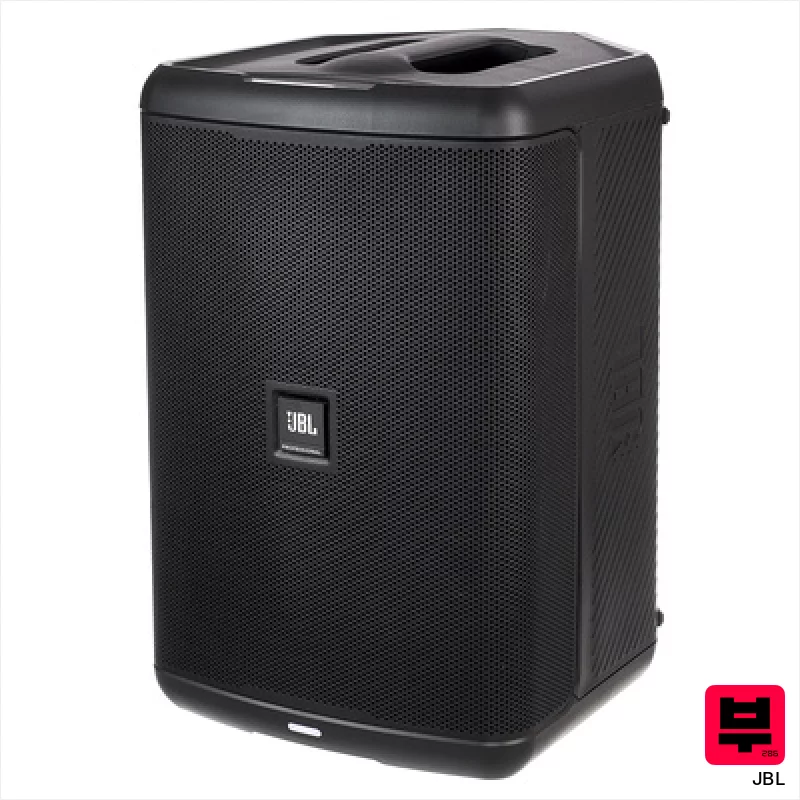
JBL Eon One Compact
- • Excellent portable power for smaller gigs and rehearsals
- • Intuitive app control offers impressive real-time DSP adjustments
- • Built-in battery provides reliable operation away from mains power
- • Compact design balances portability with surprisingly full sound
- • 8-inch woofer limits low-end extension for larger venues
- • Plastic enclosure feels less robust than higher-end professional PA systems
- • Bluetooth range could be better for consistent streaming distance

JBL Eon One Compact Stand Bundle
- • Excellent portable sound for its size; surprisingly full low-end response
- • Intuitive app control unlocks serious customization options
- • Long battery life makes it truly mobile for gigs and events
- • Integrated stand provides immediate, functional setup convenience
- • Limited power output compared to larger PA systems; not ideal for huge venues
- • DSP effects, while useful, aren't studio-grade quality
- • Bluetooth range can be finicky with multiple units linked

JBL Eon One Compact BP Bundle
- • Excellent portability with integrated battery and compact design.
- • JBL's DSP provides surprisingly effective effects and EQ shaping.
- • Bluetooth connectivity simplifies streaming and remote speaker linking.
- • The built-in mixer offers surprisingly flexible routing options.
- • 8” woofer limits low-frequency extension for larger venues.
- • Plastic enclosure feels a bit less robust than professional-grade gear.
- • DSP, while useful, can introduce latency for some users.

IMG Stageline SKYROCK/Power
- • Impressive 129dB SPL for its size, cuts through outdoor noise well.
- • Lead-gel battery provides genuinely long playtime – a practical feature.
- • Integrated reverb is surprisingly usable for basic vocal enhancement.
- • Bluetooth TWS pairing allows for stereo sound, boosting overall immersion.
- • The 15” woofer, while powerful, lacks true low-end extension for bass-heavy genres.
- • Build quality feels adequate but not exceptionally robust for constant outdoor use.
- • Aux input is single, limiting simultaneous wired connections.

LD Systems ANNY 8 BPH B5
- • Integrated mixer simplifies setup; ideal for small bands or solo performers.
- • Battery life is genuinely impressive for a portable system.
- • Radio link offers wireless mic flexibility – a welcome feature.
- • 117dB peak SPL provides surprising volume for its size and weight.
- • 80W RMS is adequate, but power limited for larger venues or louder applications.
- • Plastic enclosure feels a bit budget-oriented; durability a potential concern.
- • EQ is basic; more sophisticated tone shaping would be beneficial.
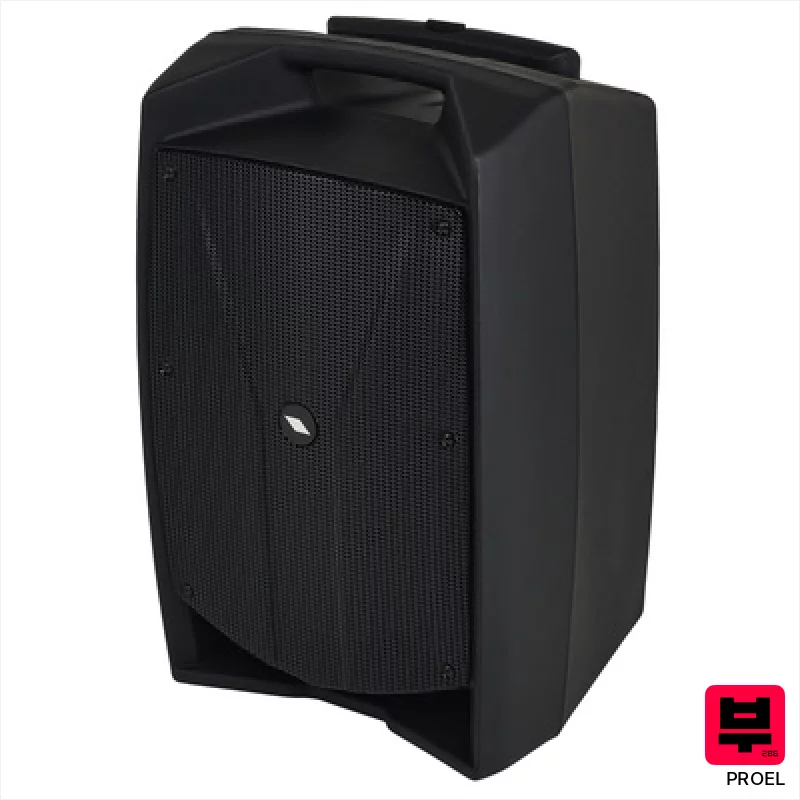
Proel V12 Free
- • Solid build quality with a surprisingly robust trolley handle
- • Clean, clear sound reproduction across a wide frequency range
- • Impressive battery life realistically delivers around 8 hours at moderate volume
- • Integrated mixer simplifies setup, useful for smaller gigs and events
- • The 200W RMS power feels a little underpowered for larger venues
- • Limited EQ control compared to more sophisticated mixing consoles
- • The plastic enclosure, while durable, lacks the premium feel of aluminum alternatives

LD Systems Road Buddy 10 HHD 2
- • Integrated mixer simplifies setup for solo performers and small bands
- • Casters and trolley handle make transport surprisingly manageable for its size
- • Wireless mics offer freedom; 863-865 MHz avoids common interference
- • Decent power (120W) delivers surprisingly full sound for portable use
- • Ferrite woofer won't deliver the tightest, most accurate low-end response
- • Limited EQ controls restrict fine-tuning of the overall sound profile
- • Relatively heavy for truly one-person portability, despite casters
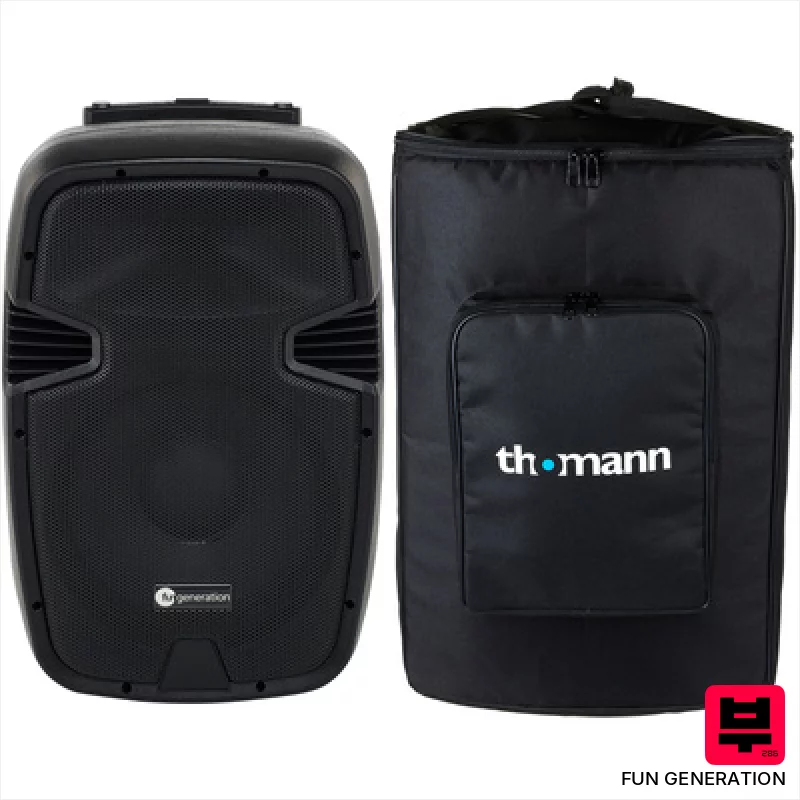
Fun Generation BP 112 A Carry Bag Bundle
- • Cordura bag offers robust protection against bumps and scrapes during transport.
- • Built-in media player with USB/SD simplifies playback for solo performers or small groups.
- • The five-band EQ provides useful tonal shaping for various performance environments.
- • Decent 109dB max SPL handles small gigs and rehearsals without issue.
- • 12.3kg weight makes it a bit cumbersome for frequent solo transport.
- • Class AB amp, while efficient, might lack the headroom for extremely loud applications.
- • Battery life of three hours is adequate but could be limiting for longer events.
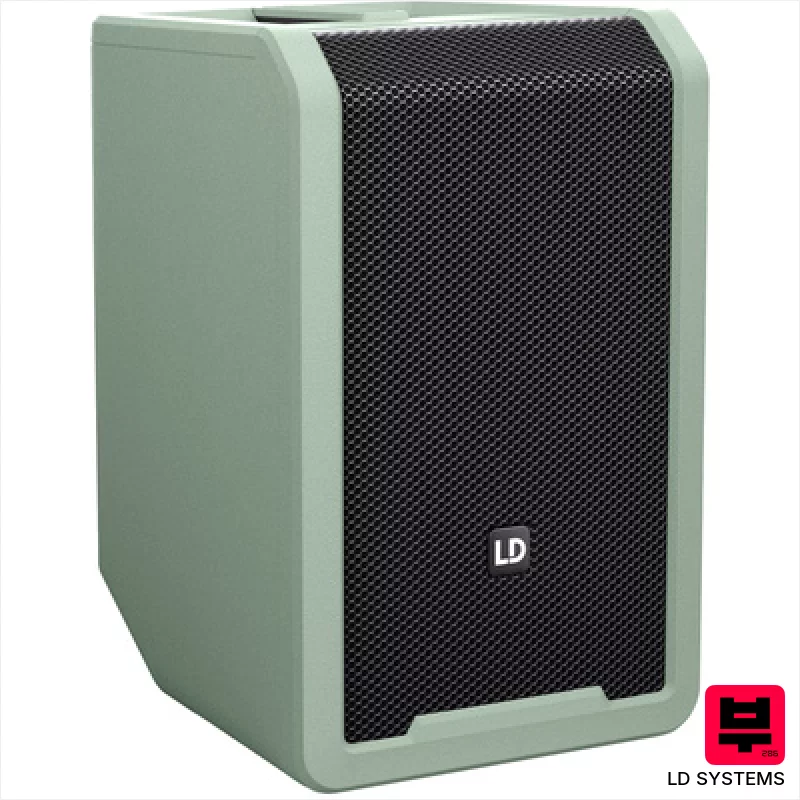
LD Systems ANNY 8 Green
- • Solid 8” woofer delivers surprisingly punchy low-end for its size.
- • Integrated mixer simplifies setup, ideal for solo performers or small bands.
- • Bluetooth 5.0 ensures a stable, reliable wireless connection.
- • Impressive 117dB peak SPL handles surprisingly loud environments.
- • Plastic enclosure feels a bit budget-oriented; lacks premium heft.
- • Mixer's EQ is basic; lacks fine-grained control for nuanced sound shaping.
- • While portable, its weight can be a factor for extended transport.

LD Systems ANNY 8 Black
- • Integrated mixer simplifies setup; great for solo performers or small bands.
- • Impressive 117dB peak SPL handles surprisingly loud applications effectively.
- • True Wireless Stereo (TWS) expands coverage and adds stereo width nicely.
- • USB-C charging offers convenient power for devices alongside speaker operation.
- • The lead gel battery, while good, isn't as energy-dense as lithium alternatives.
- • 80W RMS power is adequate but limits use in very large spaces or high-volume gigs.
- • Plastic enclosure, while lightweight, might not withstand the rigors of constant touring.

Mackie Thump Go Bag Bundle
- • Excellent portability with built-in battery and carry bag.
- • Mackie's digital processing delivers clean, surprisingly powerful sound.
- • Versatile application modes cater to various performance scenarios.
- • Rugged build with powder-coated grille withstands gigging conditions.
- • Limited input options compared to full-fledged mixers.
- • 8” woofer won't satisfy bass-heavy genres at higher volumes.
- • The Bluetooth connection could be more stable in crowded environments.
How to Choose the Best Battery Powered Speaker Systems
Portability
Busking is about moving, so weight and size are huge. A massive 15" speaker might sound amazing, but if you're schlepping it three blocks, you'll regret it. Think about how you'll actually transport it - backpack, rolling case, or carrying handles.
Power & Headroom
That low-end thump you want for a blues groove or a folk ballad needs headroom. You don't want the system clipping and distorting when you get a little louder. A decent battery life is essential, but more important is how long it lasts while delivering adequate volume.
Tonal Character
A harsh, brittle high-end will just sound awful competing with street noise. You want a speaker that has a smooth, balanced response, with a warmth that cuts through without being muddy. That 'fat midrange honk' can be a lifesaver for vocals.
Durability
Rain happens. People bump into things. Cheap plastic will crack. Look for something with a rugged build, ideally with some weather resistance. Think about the finish, too - a glossy surface will show every scuff.
Connectivity & Features
Beyond just a mic input, consider Bluetooth for backing tracks or looping. An aux input is handy for connecting other instruments. Phantom power is a major bonus for condenser mics, saving you from needing a separate power supply.
Buying Guide
Don't fall for the wattage game - a 100W system isn't necessarily louder or better than a 75W system with better drivers and amplification. You'll often find that cheaper systems cut corners on driver quality, leading to a brittle, unpleasant sound. It's worth paying a little more for a system with a warmer, more natural tone - you'll be happier playing it for hours, and your audience will be too.
Our Methodology
We're not just looking at spec sheets here. We've spent hours A/B'ing these systems against each other, pushing them to their limits with acoustic guitars, vocals, and even running them through some basic band rehearsal scenarios. It's about how they feel to play, how they sound in a real-world environment, and how reliably they'll perform when your livelihood depends on it.

