
Best Basses for Intermediate 2026
Alright, so you've been playing bass for a while, you're past the basic beginner stuff, but you're not quite ready to drop five grand on a boutique instrument. That's the intermediate zone, and it's where things get interesting. This isn't about finding a cheap, playable thing; it's about finding a bass that'll inspire you to level up your playing and actually hold up to some gigging and recording - without breaking the bank. Let's cut through the noise and look at some basses that fit the bill.
Last updated: April 11, 2026
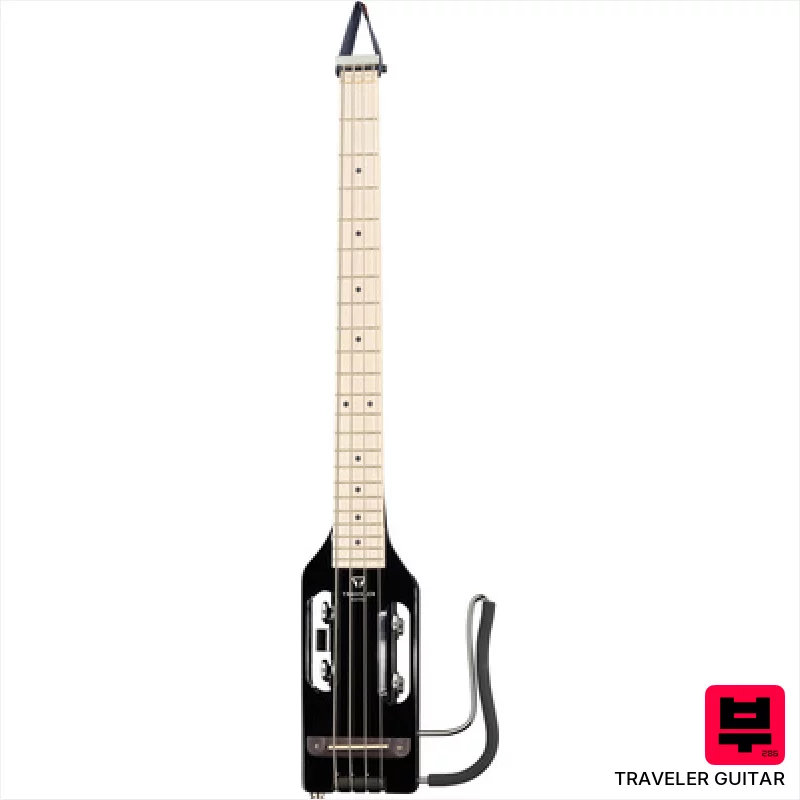
Traveler Guitar Ultra-Light Bass 4-String BL
- • Maple body provides a surprisingly articulate and resonant acoustic tone.
- • Compact scale (762 mm) makes it exceptionally playable, especially for smaller players.
- • Shadow piezo pickups deliver a clean, usable amplified signal for diverse genres.
- • Removable lap rest enhances comfort for seated playing and travel.
- • Passive electronics limit tonal shaping and dynamic range compared to active systems.
- • Maple construction can sound a little bright; lacks warmth of mahogany or walnut.
- • While lightweight, the maple body feels less substantial than a traditional bass.
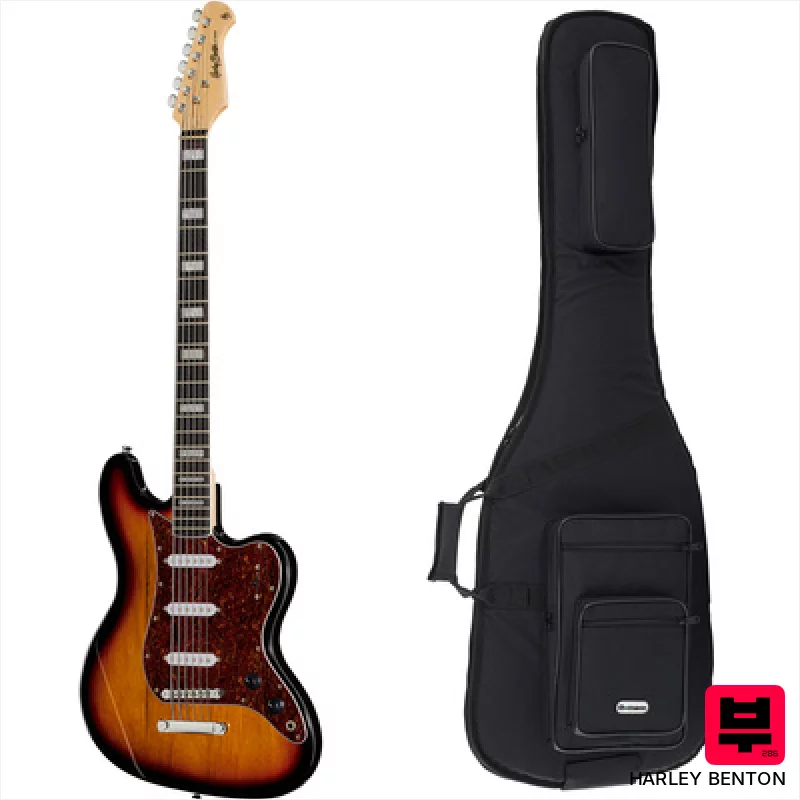
Harley Benton GuitarBass VS V. Series w/Bag
- • Nyatoh body provides a surprisingly resonant and warm tonal foundation.
- • HBZ Custom Wound AlNiCo5 pickups deliver vintage-voiced clarity and growl.
- • Canadian maple neck with C-profile offers comfortable, familiar playing feel.
- • Graphite nut improves tuning stability and reduces friction at the nut.
- • Nyatoh, while resonant, can be a bit less stable than more premium hardwoods.
- • Bolt-on neck construction limits high-end sustain compared to set-neck designs.
- • 3-ply tortoise pickguard feels a little budget-oriented aesthetically.

Harley Benton GuitarBass VS Vintage Series
- • Nyatoh body provides a surprisingly resonant, warm tone.
- • Canadian maple neck offers stability and a comfortable, familiar C profile.
- • HBZ Custom pickups deliver vintage-voiced single-coil character and clarity.
- • Kluson-style machine heads provide smooth, reliable tuning stability.
- • Nyatoh can be a bit prone to finish checking with temperature changes.
- • 762mm scale might feel unwieldy for players accustomed to shorter scales.
- • Limited tonal versatility compared to basses with more pickup options.
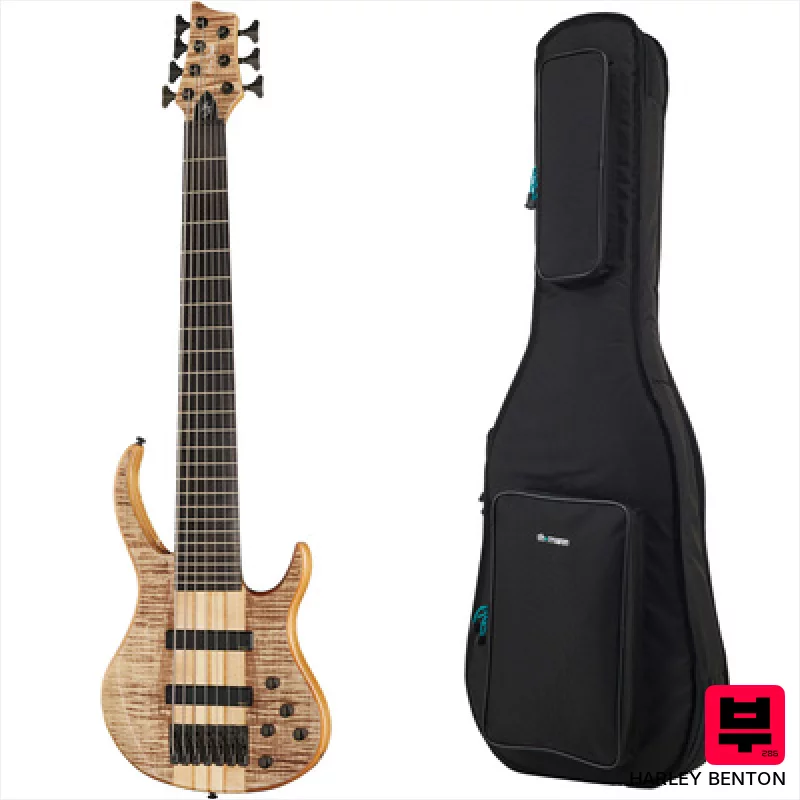
Harley Benton BZ-7000 II NT w/Bag
- • Mahogany/ash body delivers a warm, resonant, and surprisingly punchy low-end.
- • Tesla pickups provide a tight, modern tone with good clarity and articulation.
- • Graphite nut minimizes tuning instability and enhances sustain.
- • The 400mm radius fingerboard offers comfortable playability for fast runs and complex techniques.
- • The 7-string scale can feel unwieldy for players accustomed to shorter scales.
- • Mahogany body construction may result in a heavier instrument overall.
- • Active EQ demands a power supply, potentially limiting versatility without external power.

Höfner HCT-500/2-SB Club-Bass
- • Spruce top adds brightness, cutting through mixes nicely
- • Maple body provides surprisingly good sustain for its size
- • Jatoba fingerboard offers a smooth, fast playing experience
- • Original Höfner Staple pickups deliver a unique, vintage growl
- • Shorter scale (760mm) limits low-end extension compared to standard basses
- • Antique Brown Sunburst finish can be a bit inconsistent in application
- • 3-piece neck, while stable, isn't quite a premium, all-maple construction
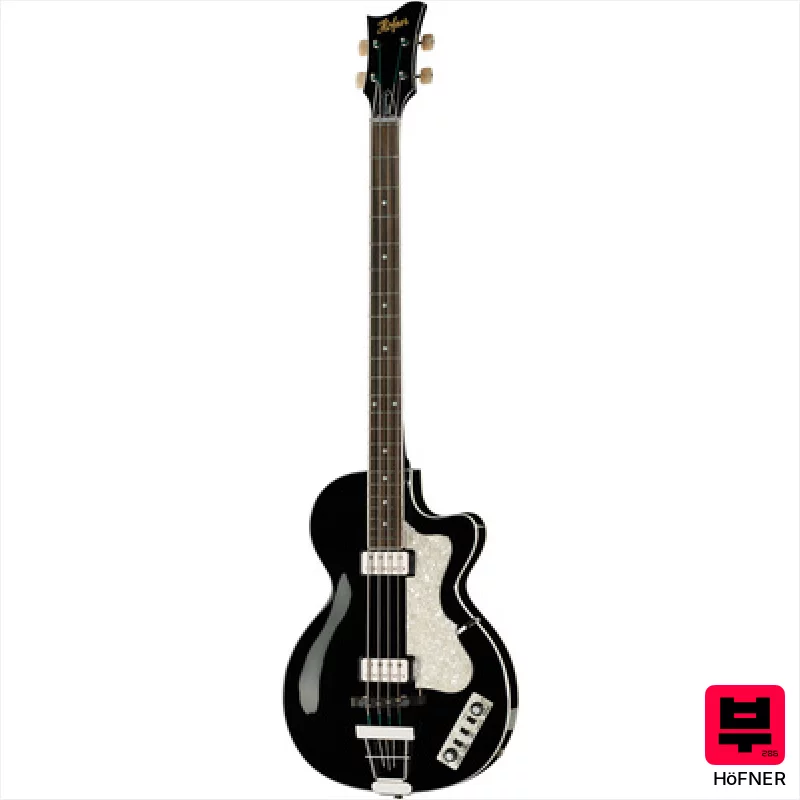
Höfner HCT-500/2-BK Club-Bass
- • Maple/Spruce construction delivers a warm, resonant, and surprisingly articulate tone.
- • Original Höfner Staple pickups offer a unique, vintage growl ideal for classic styles.
- • Short 76cm scale makes it exceptionally comfortable for smaller hands or travel.
- • Tea Cup volume controls provide a distinctive tonal shaping and a cool visual aesthetic.
- • Semi-hollow body construction can be prone to feedback at higher volumes.
- • Rosewood fingerboard may feel a bit dry for some players; consider oiling.
- • Scale length limits versatility; less suited for modern, low-tuned genres.

Harley Benton BZ-7000 II NT
- • Mahogany/ash body provides warmth and sustain.
- • Tesla pickups deliver a surprisingly tight and modern low-end.
- • Graphite nut enhances tuning stability and reduces friction.
- • 7-piece neck-thru design maximizes resonance and playability.
- • The extended scale length might be challenging for smaller hands.
- • Mahogany body can make it a bit heavier than some basses.
- • Active EQ requires a power source, potentially shortening battery life.
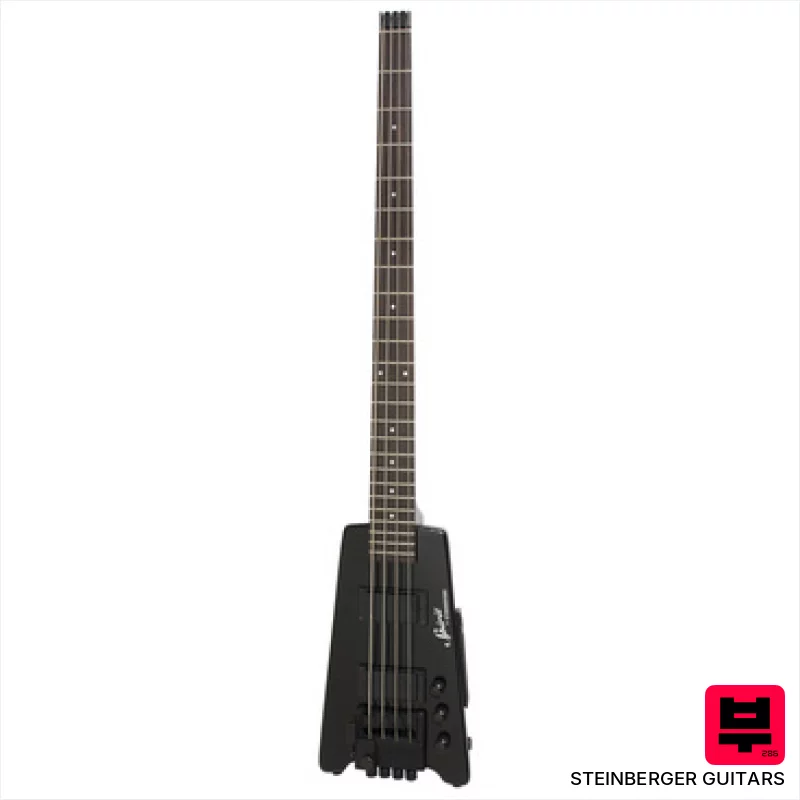
Steinberger Guitars Spirit XT-2DB Standard Bass BK
- • Headless design offers exceptional balance and ergonomic playing comfort.
- • Steinberger humbuckers deliver a punchy, modern tone with good clarity.
- • Continuous maple neck provides smooth playability and sustain.
- • DB Tuner simplifies drop tuning, ideal for alternative tunings.
- • Lime body, while distinctive, might not appeal to all aesthetic preferences.
- • Satinwood fretboard can feel a bit slick for some players’ tastes.
- • Headless basses require a learning curve for tuning and string changes.
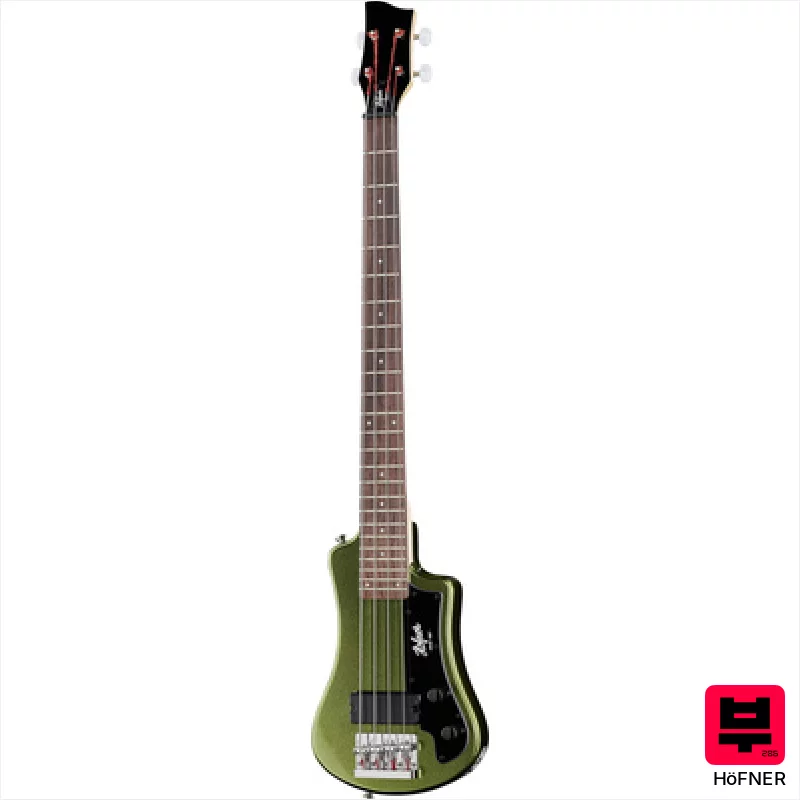
Höfner Shorty Bass Cadillac Green
- • Short scale offers excellent playability, especially for smaller hands or beginners.
- • Basswood body provides a lightweight feel and surprisingly resonant tone.
- • Jatoba fingerboard is durable and offers a smooth, snappy playing surface.
- • Humbucker pickup delivers a thick, punchy sound suitable for rock and Motown.
- • Basswood construction means it lacks the sustain of more premium tonewoods.
- • Single humbucker limits tonal versatility; more complex sounds are challenging.
- • Gig bag offers minimal protection; a hard case is strongly recommended.
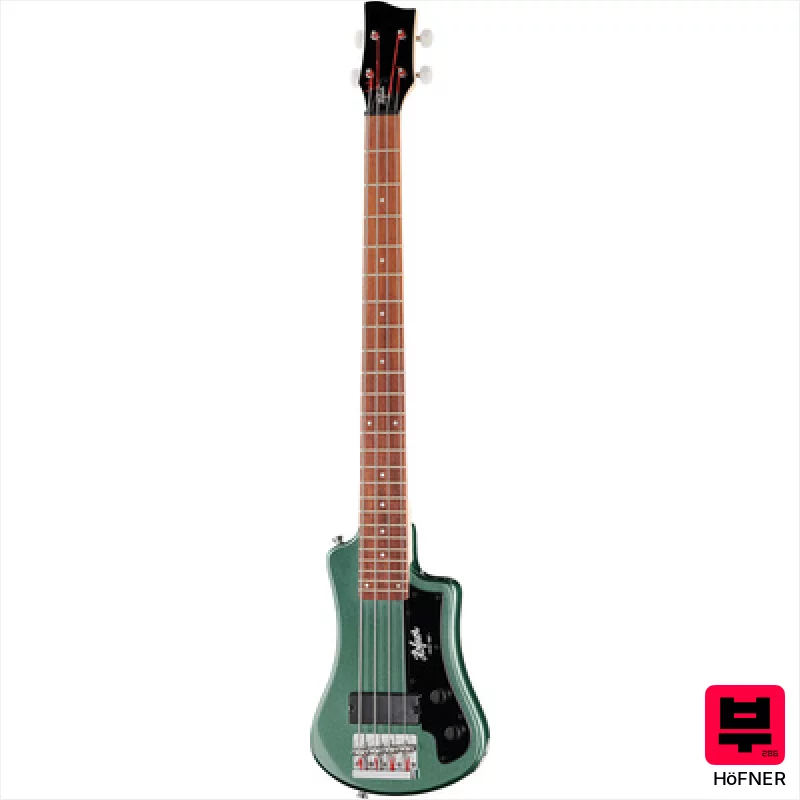
Höfner Shorty Bass Turquoise Blue
- • Basswood body provides a surprisingly resonant and warm tonal foundation.
- • Short scale offers exceptional playability, especially for smaller hands or beginners.
- • Humbucker pickup delivers a thick, punchy tone ideal for rock and Motown.
- • Rosewood fingerboard adds a touch of vintage feel and smooth playing experience.
- • Basswood, while resonant, lacks the sustain of more premium tonewoods.
- • Single humbucker limits tonal versatility compared to basses with multiple pickups.
- • Short scale may feel cramped for players accustomed to longer scale lengths.
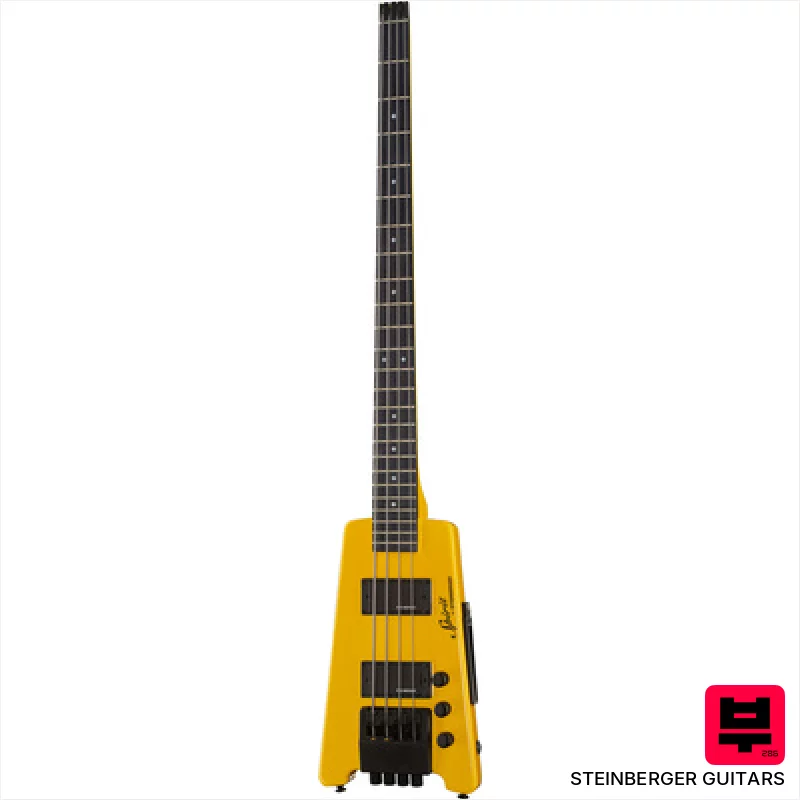
Steinberger Guitars Spirit XT-2 Standard Bass HY
- • Headless design offers exceptional ergonomics and string balance.
- • Basswood body provides a warm, resonant foundation for the tone.
- • Steinberger humbuckers deliver a powerful, defined low-end response.
- • Maple neck-thru construction enhances sustain and upper-midrange clarity.
- • Basswood can lack the complexity of more premium tonewoods.
- • Headless basses require a learning curve for tuning and intonation.
- • Satinwood fretboard might feel less 'finished' than gloss finishes.

Steinberger Guitars Spirit XT-2 Standard Bass FB
- • Headless design enhances ergonomics and stage presence.
- • Basswood body delivers a warm, balanced, and punchy low-end.
- • Steinberger humbuckers provide a clear, defined tone with good output.
- • Maple neck-thru construction offers excellent sustain and comfortable playability.
- • Basswood can lack the upper-midrange complexity of more premium woods.
- • Headless basses require some initial adjustment for intonation and feel.
- • Frost Blue finish, while attractive, may not appeal to all players.
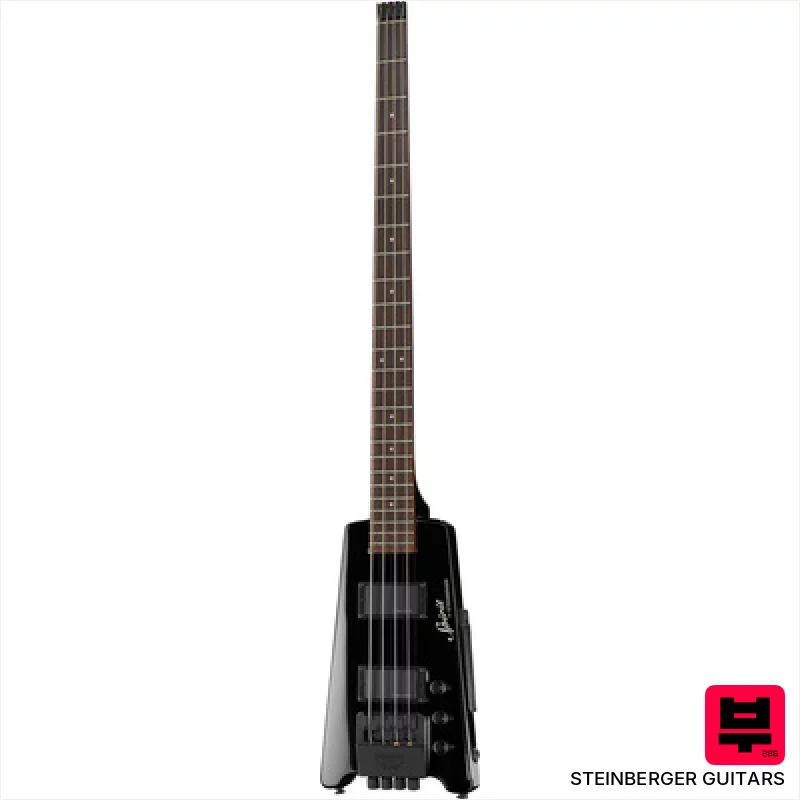
Steinberger Guitars Spirit XT-2 Standard Bass BK
- • Headless design offers exceptional ergonomics and tuning stability.
- • Basswood body delivers a warm, balanced, and surprisingly resonant tone.
- • Steinberger humbuckers provide a thick, defined low-end and good clarity.
- • Maple neck-thru construction enhances sustain and provides comfortable access.
- • Basswood can sound a little 'flat' compared to mahogany or ash for some players.
- • The satinwood fretboard might feel too slippery for those preferring a lacquered feel.
- • Headless basses require a learning curve for some players accustomed to traditional designs.
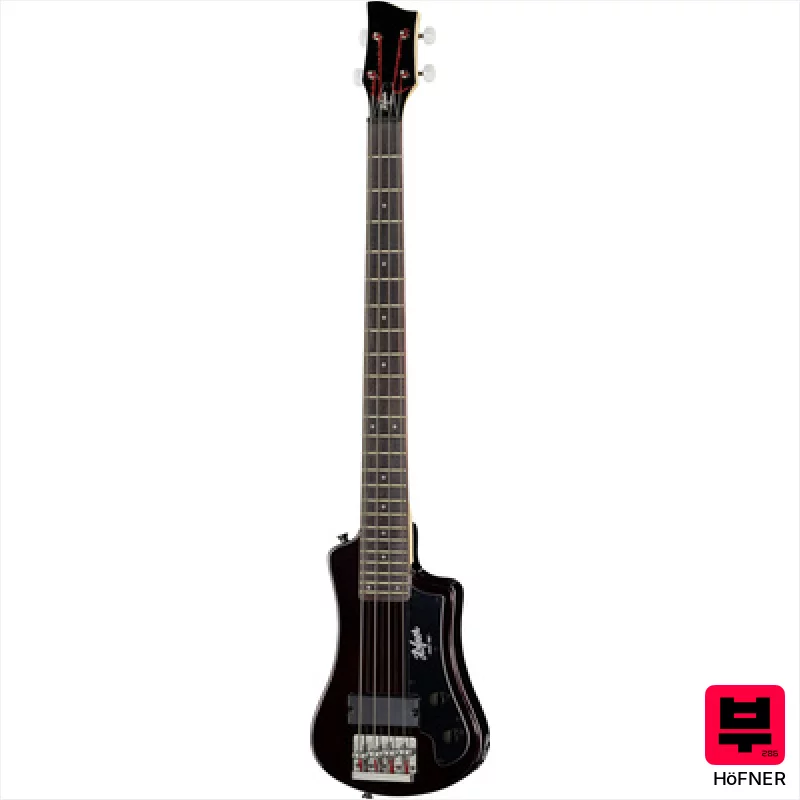
Höfner Shorty Bass Root Beer
- • Basswood body provides a surprisingly resonant and warm tonal foundation.
- • Jatoba fingerboard offers a smooth playing experience with good durability.
- • Short 30” scale makes it incredibly easy to play, especially for beginners or smaller hands.
- • Humbucker pickup delivers a thick, growly tone ideal for rock and Motown.
- • Basswood, while warm, isn't the most tonally complex body wood available.
- • Single humbucker limits tonal versatility compared to basses with multiple pickups.
- • Short scale can feel a little floppy for experienced players used to longer scales.
- • Gig bag is basic; a hard case is recommended for protection.
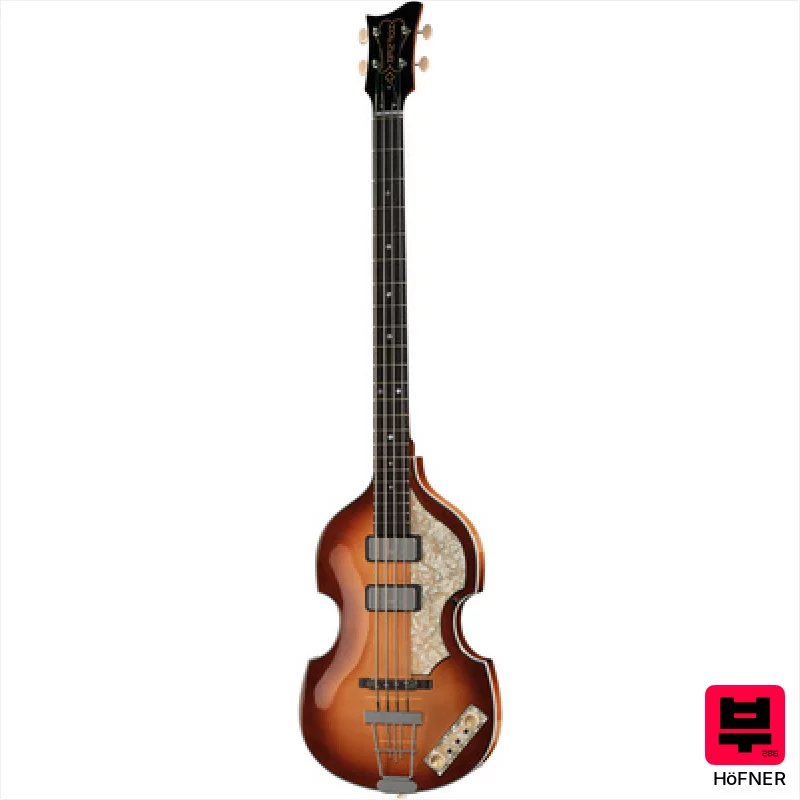
Höfner H500/1-61-0 Beatles CavernBass
- • Selected German spruce top delivers a bright, articulate vintage tone.
- • Fat Neck profile offers excellent comfort and a classic feel for many players.
- • Höfner H510B Diamond pickups provide a surprisingly versatile, punchy sound.
- • Includes a high-quality case, protecting the instrument during transport and storage.
- • The shorter scale length (76cm) might feel cramped for bassists with larger hands.
- • Flamed maple body can be prone to finish checking with age and temperature changes.
- • Limited tonal flexibility compared to basses with more pickup options or active electronics.
How to Choose the Best Basses
Playability
Neck profile, action, and overall feel are critical. An intermediate player needs a neck that's comfortable for extended playing, not too thick or unwieldy. Lower action makes it easier to play faster lines and get clean articulation.
Pickup Voicing
Forget about generic 'bass tone.' You need something versatile enough to cover Motown thump, funk slap, and even some heavier rock tones. Pickups that offer a little clarity and don't just deliver mud are a must.
Construction Quality
We're not expecting perfection at this price point, but decent hardware (tuners, bridge) and a solid build are essential. Cheap hardware leads to tuning instability and frustration, and a poorly constructed neck will fight you every step of the way.
Versatility
Can it handle different genres? A bass that forces you to swap pickups or EQ settings every song is a pain. Look for something with a usable tonal range without needing a dozen pedals.
Electronics
Simple, reliable electronics are key. Complex routing and onboard EQ can be cool, but they're also potential points of failure. A solid volume and tone knob setup is often the best bet for reliability and ease of use.
Buying Guide
At this level, you're paying for compromises. Cheaper basses will often cut corners on hardware or wood quality - be prepared for slightly less sustain or a less refined finish. Don't chase the 'vintage vibe' too hard; modern manufacturing tolerances generally make for a more playable instrument. Prioritize a comfortable neck and decent pickups over fancy aesthetics - those are things you can change later, but a bad neck is a deal-breaker.
How This List Is Built
We don't play these instruments — we're a catalog, not a review desk, and we'd rather say so than pretend otherwise. This page ranks 15 basses from the Thomann catalogue, which is the largest single source of specification data in this category.
Position is computed, not curated. Four signals, in order of weight: how completely the manufacturer documents the instrument (number of published specifications), where it sits in the price range, how specific the model designation is — which filters out generic accessories — and whether a product image exists. The same inputs always produce the same order, so nothing here is shuffled to look fresh.
What this list is good for: narrowing a category down to a shortlist by spec and budget. What it isn't: a substitute for hearing an instrument. Before you buy, read hands-on reviews and, where you can, play it. Full methodology.

