AudioFu Chart · October 2026
Best Yamaha Bass Trombones 2026
The top pick is Yamaha YBL-421G Intermediate Bass Trombone ($2,643). Yamaha YBL-822G Xeno Bass Trombone leads the high end. Ranked by the AudioFu Index from 4 models, prices checked every night.
Last updated: October 23, 2026
Top 4
Full detail for the 4 highest AudioFu Index scores. Every other model is listed below.
-
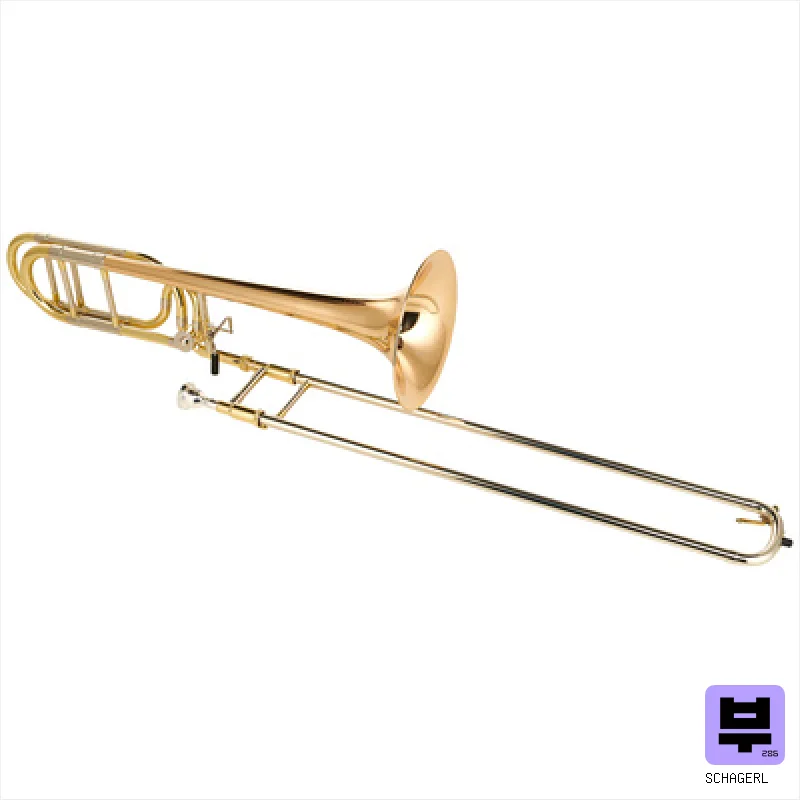
Yamaha YBL-421G Intermediate Bass Trombone
YBL-421 GE Bass Trombone · Yamaha
3 for sale on Reverb1 finish at Thomann
The YBL-421 GE is a fantastic, versatile bass trombone offering a professional level instrument at a premium-priced point. Its gold brass bell and smooth slide make it ideal for orchestral players, soloists, and advanced students seeking a reliable, well-balanced instrument with a warm, focused sound.
Pros
- Gold brass bell delivers a rich, warm, and resonant tone.
- Nickel silver slide offers smooth, reliable action and quick response.
- Yamaha’s consistent build quality ensures excellent intonation and durability.
Cons
- The heavier weight can be fatiguing for younger or smaller players.
- The lacquer finish, while attractive, requires careful maintenance to prevent wear.
66AudioFu
IndexStableno change since Aug 17Aug 17$2,643 now$2,643€2,359 at Thomann · in stockCheck price ↗ -
The 835GD is a serious instrument for the pro or advanced student seeking a top-tier bass trombone. The gold brass bell provides a rich, centered tone, and the key system’s flexibility is fantastic for orchestral, solo, and jazz work. It's a workhorse, built to last, and offers exceptional playability.
Pros
- Gold brass bell delivers a warm, resonant, and powerful low register
- Shortened levers and U-shape valves offer exceptionally fast and responsive action
- Bb/F/Gb/D key system provides incredible versatility for varied musical styles
Cons
- The weight, typical of a professional bass trombone, can be fatiguing for extended playing
- Premium-priced, making it a significant investment for many players
48AudioFu
IndexStableno change since Aug 17Aug 17$6,048 now$6,048€5,398 at Thomann · in stockCheck price ↗ -
Yamaha YBL-620G Professional Bass Trombone
YBL-620 GE Bass Trombone · Yamaha
1 for sale on Reverb1 finish at Thomann
The YBL-620 GE is a serious instrument – a workhorse bass trombone built for professional players and advanced students. The gold brass bell gives it a beautiful, focused sound that’s great for orchestral work and jazz, and the offset valves make it comfortable to play for long sessions. It’s a real step up in quality and feel compared to student models.
Pros
- Gold brass bell delivers a warm, resonant, and projecting tone.
- Offset valve design enhances ergonomic comfort, especially for extended playing.
- Separate valve knobs allow for precise and independent valve control.
Cons
- Premium-priced, placing it outside the reach of many student or intermediate players.
- The heavier build (due to the gold brass) can be fatiguing for players with less strength.
46AudioFu
IndexStableno change since Aug 17Aug 17$5,040 now$5,040€4,498 at Thomann · in stockCheck price ↗ -
This Xeno bass trombone feels traditional but plays with modern ease thanks to its offset valves. The large bore pushes sound out while the yellow brass slide gives a warm voice. It comes with a case and a special mouthpiece, making it ready to use right away. Musicians who want power and familiarity will like this high-end option.
Pros
- Traditional design offers familiar feel for players.
- Offset valves improve air movement and response.
- 14.3 mm bore provides powerful low-end projection.
Cons
- Heavy gold brass bell may feel cumbersome.
- Removable second valve adds complexity to maintenance.
46AudioFu
IndexStableno change since Aug 17Aug 17$7,237 now$7,237€6,459 at Thomann · in stockCheck price ↗
How to choose the best bass trombones
Build Quality & Reliability
Yamaha instruments are known for their robust construction. They're built to handle the rigors of gigging, which means less downtime and more consistent performance, even if you're rough on your gear. The nickel silver tubing is a step above some cheaper brass options.
Tone Character
That's the big one. Yamaha bass trombones generally offer a darker, more focused tone than some of the brighter, more 'aggressive' American-made horns. It's not necessarily warm, but it's controlled - a good foundation for blending or cutting through a mix when you need it.
Valve Action & Response
Yamaha valves are consistently smooth and responsive. This directly impacts your articulation and ability to execute fast passages cleanly. Sloppy valves just sound sloppy, and Yamaha's minimize that.
Slide Design & Tuning
Yamaha's slide design emphasizes a consistent response across the entire range. You shouldn't be chasing intonation; it should be predictable and easy to manage, crucial for demanding ensemble work.
Versatility
While they might not have the extreme projection of some others, Yamaha bass trombones are surprisingly versatile. They work well in jazz, classical, funk, and even some rock applications - a real workhorse instrument.
Buying guide
Alright, let's talk Yamaha bass trombones. You're looking for something that'll cut through a big band, lay down a solid foundation for a funk groove, or just sound decent in your practice space - and Yamaha consistently delivers. They've built a reputation for reliability and a surprisingly versatile tone, but knowing which model suits your needs takes a little digging. This isn't about hype; it's about getting you the right horn for the gig.
Don't expect a Yamaha bass trombone to be a "plug and play" miracle worker. You'll still need to put in the time to learn its nuances. The YBL-467 is a solid, mid-range option for most players, but the YBL-816 and 823 are serious investments for professionals.
Be wary of heavily discounted used models; they might have been abused. A good mouthpiece can also dramatically alter the horn's character, so factor that into your budget.
How the AudioFu Index works
Five measured signals and nothing else — no stars from strangers, no “tested by experts” we didn’t do. The weights are fixed and public. We don’t play these instruments; we measure the market around them.
This chart covers 6 bass trombones from the Thomann catalogue (of 36 in the category). Before you buy, read hands-on reviews and, where you can, play it. Full methodology.
AudioFu earns a commission when you buy through our Thomann links. It never changes the order — the index does.
- Demand40%
How many of this exact model are for sale on Reverb right now — what musicians actually buy and resell.
- Lineup20%
How many finishes Thomann stocks — makers expand the models that sell.
- Price15%
Where the price has moved since we started tracking in August.
- Specs15%
How completely the maker documents it.
- Maker10%
How deep the brand’s range is in this category.
Questions
Are Yamaha bass trombones good for beginners?
Absolutely. Their reliable build and consistent response make them forgiving for players still developing their embouchure and technique. They won't punish you for minor mistakes like some more sensitive horns.
How do Yamaha bass trombones compare to Bach in terms of tone?
Bach tends to have a brighter, more projecting sound with a bit more 'honk'. Yamaha is generally darker and more controlled, offering better blend in larger ensembles. It's a matter of personal preference and the context of your playing.
What's the difference between the YBL-467 and the YBL-823?
The 823 is a significant step up in materials and craftsmanship - thicker brass, more refined valve work, and a more sophisticated slide design. The 467 is still excellent, but the 823 offers a noticeably more refined tone and improved response.
Can I use any mouthpiece with a Yamaha bass trombone?
Pretty much, but be mindful. A super-bright mouthpiece will accentuate any harshness, while a darker mouthpiece can further mellow the tone. Experiment to find what works best for your style and the context of your playing.
Are Yamaha bass trombones prone to any common issues?
Like any brass instrument, slides can stick if not properly maintained. Regular cleaning and lubrication are essential. Valve oil is your friend!