
Best Baritones for Brass Ensemble 2026
So, you're building a brass ensemble? Excellent. The baritone is often the unsung hero, providing that crucial low-end foundation and warmth. But not all baritones are created equal; you need one that blends beautifully, projects without being harsh, and can handle the demands of tight ensemble playing. Let's find you a baritone that'll lock in with your horns and make your ensemble shine.
Last updated: July 15, 2026 • Next update: July 22, 2026

Kühnl & Hoyer B14/15 Bariton Royal G
- • Gold brass bell delivers a rich, resonant, and projecting tone.
- • Meinlschmidt rotary valves offer exceptionally smooth and reliable action.
- • 14mm bore provides a darker, warmer sound ideal for orchestral and jazz.
- • Minibal joints ensure ease of assembly and reduce the risk of binding.
- • The hefty gold brass construction makes it a significantly heavier instrument.
- • Lacquered gold finish demands meticulous care to prevent tarnish and maintain appearance.
- • Premium-priced, making it a substantial investment for most players.
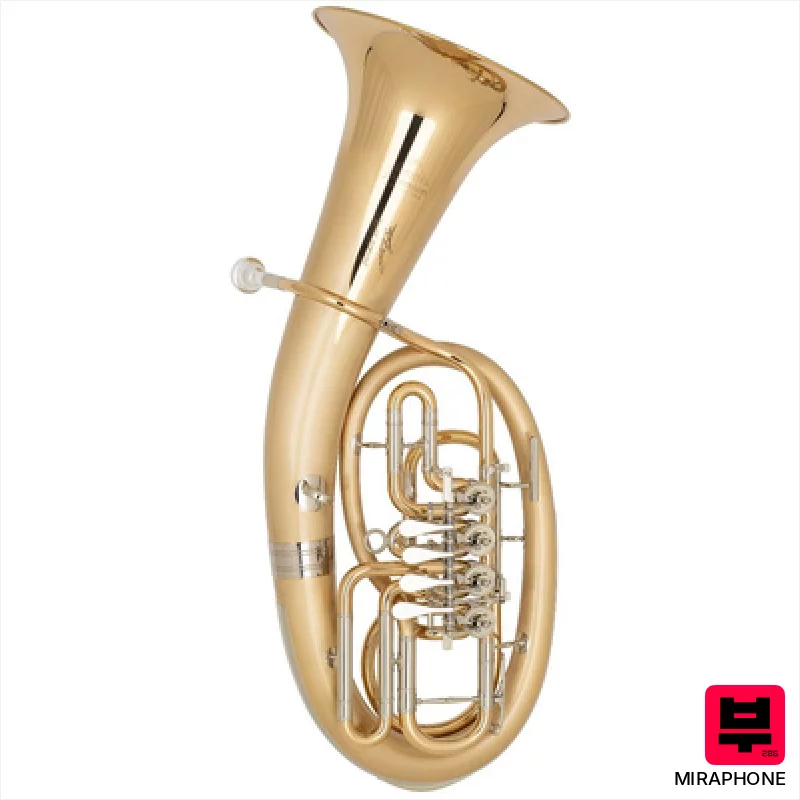
Miraphone 54L 1100 AG 050 Baritone
- • Gold brass body delivers a rich, complex, and projecting tone.
- • ATV valve system ensures exceptionally fast and accurate response across the range.
- • Conical rotary valves provide a darker, warmer timbre than cylindrical valves.
- • Miraphone-Minibal thrust rod system minimizes valve friction for effortless playing.
- • The 3.52 kg weight can be fatiguing for less experienced or smaller players.
- • The premium-priced tag makes it inaccessible for many student or casual players.
- • The lacquer finish, while beautiful, can be prone to wear and tear with heavy use.

Miraphone 54L 1102 AE10 Baritone
- • Miraphone’s ATV system provides exceptional intonation and response.
- • Gold brass body offers a warm, rich, and powerful tone projection.
- • Loimayr model delivers a focused, controlled sound ideal for soloing.
- • CPU ball joints ensure smooth, precise valve action and quick response.
- • The instrument is quite heavy, potentially challenging for younger or smaller players.
- • The completely silver-plated finish requires diligent care to prevent tarnish.
- • Its focused tone might limit versatility for very broad musical styles.
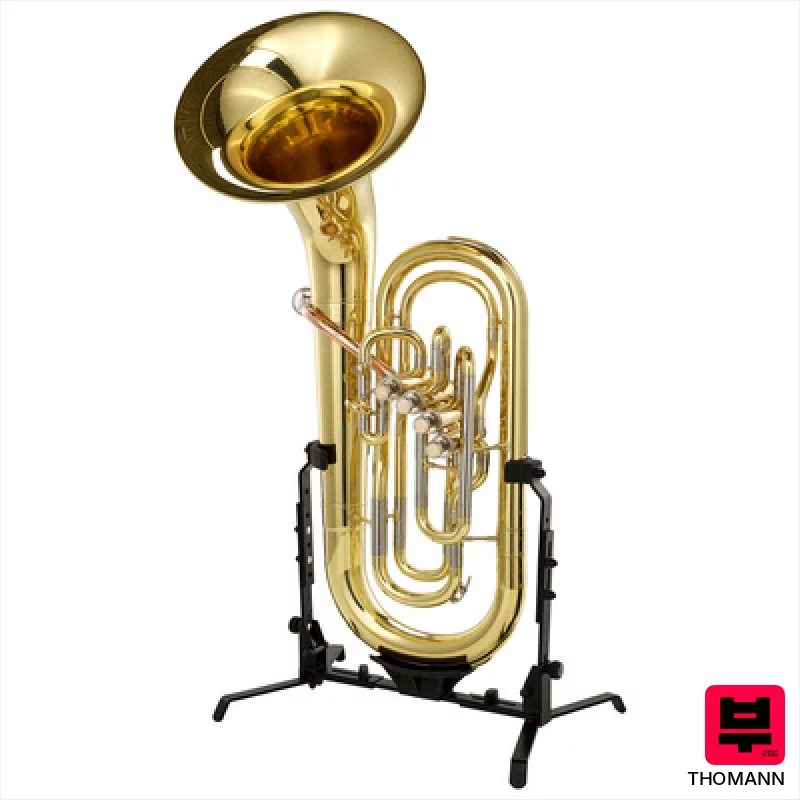
Thomann BF-304 Bellfront Baritone
- • Solid brass construction lends a warm, resonant tone.
- • Bellfront design provides improved projection and a darker timbre.
- • Four valves offer extended range and greater technical flexibility.
- • Well-built for a budget-friendly instrument; feels surprisingly robust.
- • The 14.50mm bore might feel restrictive for advanced players.
- • Bell size (280mm) could be slightly smaller for maximum low-end response.
- • The included mouthpiece is basic; an upgrade is likely beneficial.
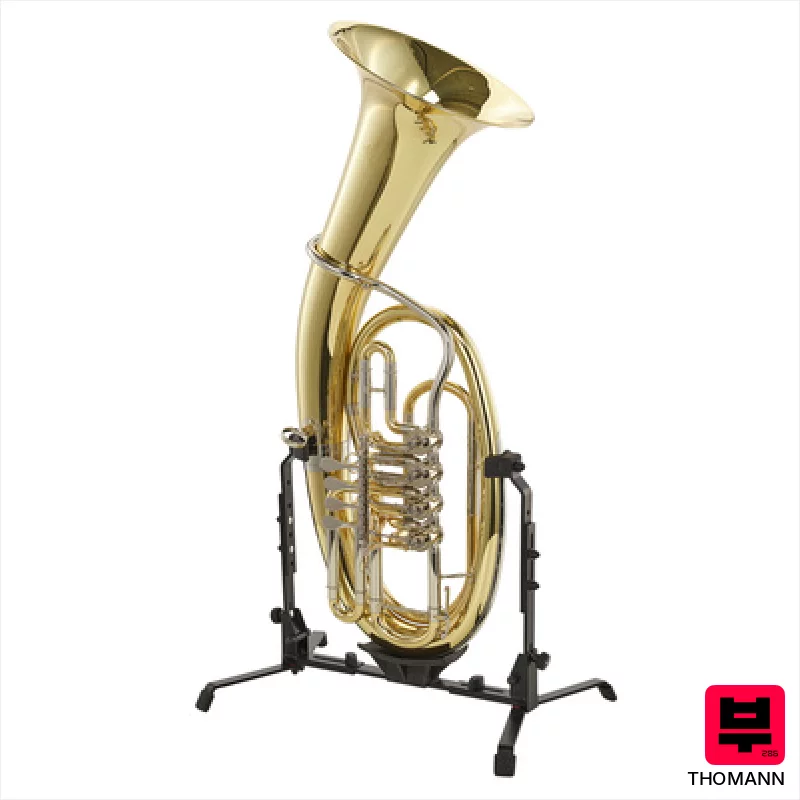
Thomann TBH 500 M Baritone
- • Gold brass mouthpipe offers a warm, responsive initial feel.
- • Nickel silver valves ensure smooth, reliable action and longevity.
- • Large 27cm brass bell projects a full, rich, and powerful tone.
- • Adjustable thumb ring provides comfortable and customizable playing ergonomics.
- • The heavier brass construction will be tiring for younger or smaller players.
- • Lacquer finish, while attractive, can be susceptible to wear and tear.
- • While versatile, it's primarily geared towards brass band and concert settings.
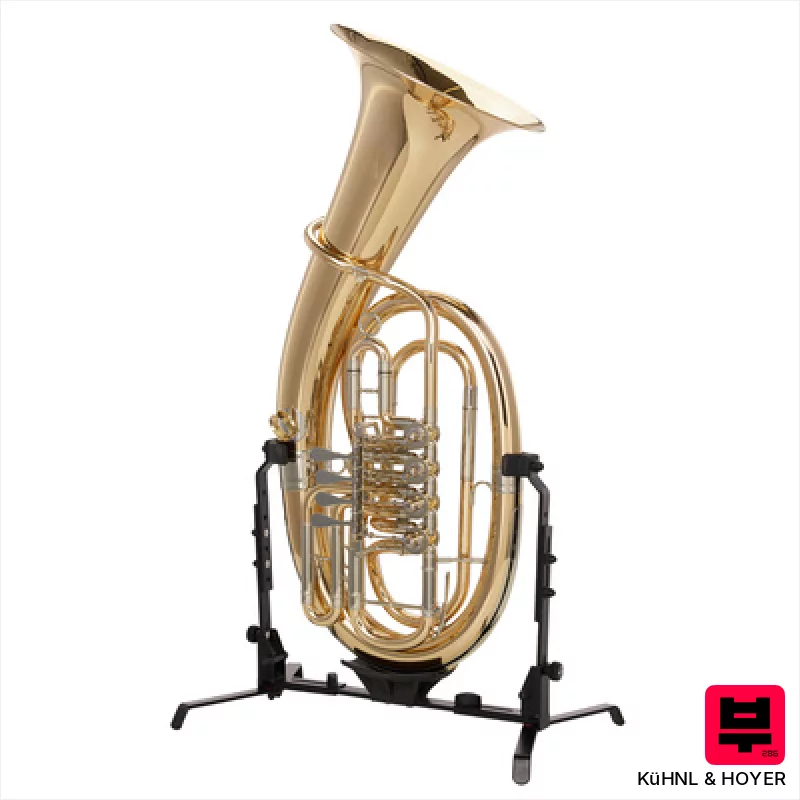
Kühnl & Hoyer 79/4G Baritone Goldbrass
- • Gold brass bell delivers a rich, warm, and projecting tone.
- • Spiral-spring valves offer exceptionally smooth and responsive action.
- • Increasing bore provides improved intonation and a focused sound.
- • High-quality lacquer finish protects and enhances the gold brass's beauty.
- • The gold brass construction makes it a premium-priced instrument.
- • Its size and build contribute to a substantial weight, potentially tiring for some players.
- • The focused sound might be less versatile for extremely wide stylistic ranges.
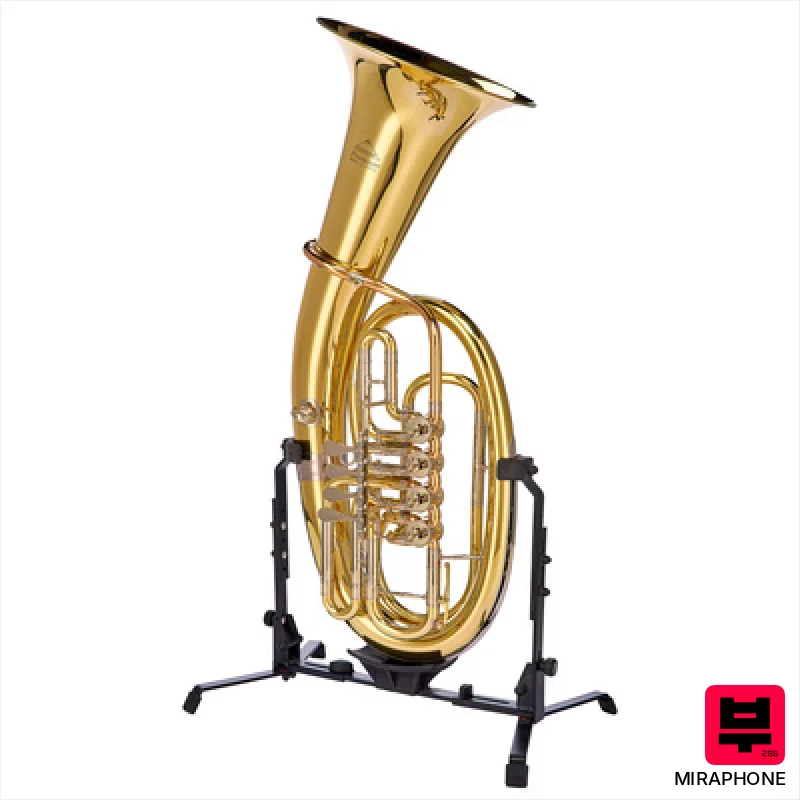
Miraphone 54L 0700 A Baritone
- • Gold brass leadpipe delivers exceptional tone projection and warmth
- • ATV valve system provides remarkably consistent intonation across the range
- • Robust construction with nickel silver fittings ensures long-term durability
- • Large 290mm bell maximizes low-frequency response and resonance
- • Premium-priced, represents a significant investment for most players
- • Size and weight can be challenging for younger or smaller players
- • Limited versatility; excels in orchestral and solo work, less suited for jazz
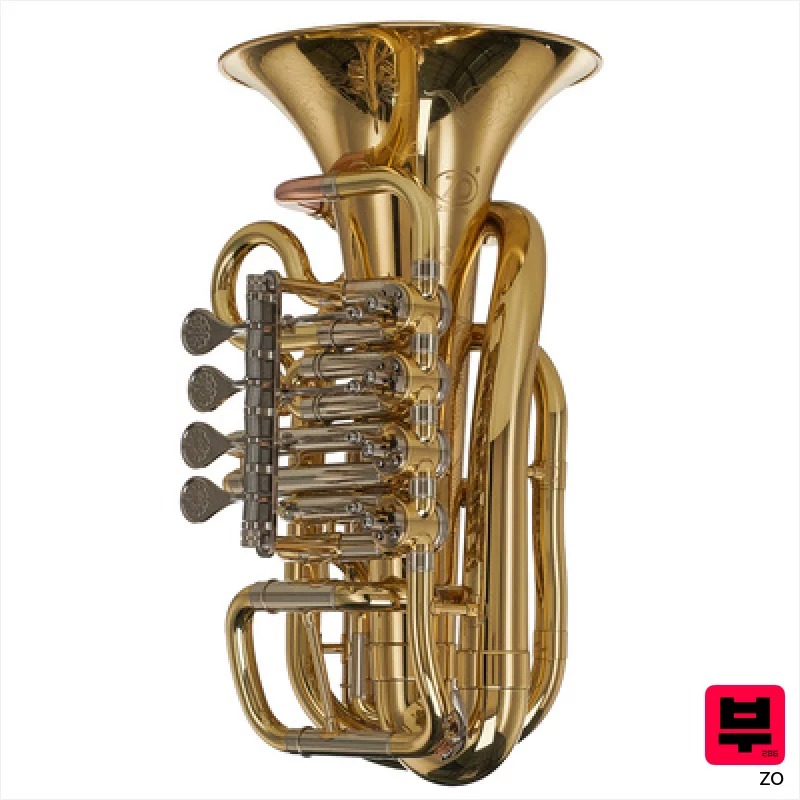
ZO ZBH-800L Bb-Travel Baritone
- • Lacquered brass offers a bright, focused tone with good projection
- • Nickel silver slides ensure smooth action and reliable performance
- • Compact design and gig bag make it genuinely travel-friendly
- • Included mouthpiece provides a solid starting point for tone development
- • The smaller bell diameter may limit low-end fullness compared to full-size baritones
- • At 2.00 kg, it can feel heavy for extended playing, especially for younger players
- • Lacquered finish requires careful maintenance to prevent corrosion and discoloration
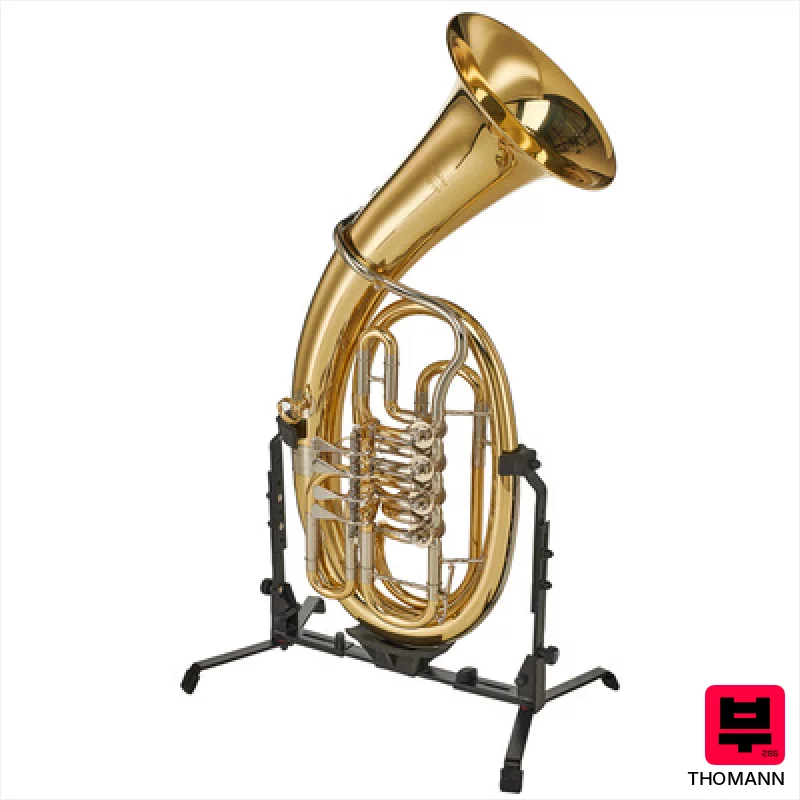
Thomann EP 404 Baritone
- • Nickel silver leadpipe offers a responsive, bright initial attack.
- • 15mm bore provides a full, resonant low range.
- • L-shaft design enhances ergonomics for players with larger hands.
- • Lightweight case with backpack straps improves portability for students.
- • Lacquered brass body may require more diligent maintenance to prevent tarnish.
- • Valve action might feel a touch stiff initially, requiring some break-in.
- • Basic mouthpiece included; an upgrade will likely improve tone significantly.
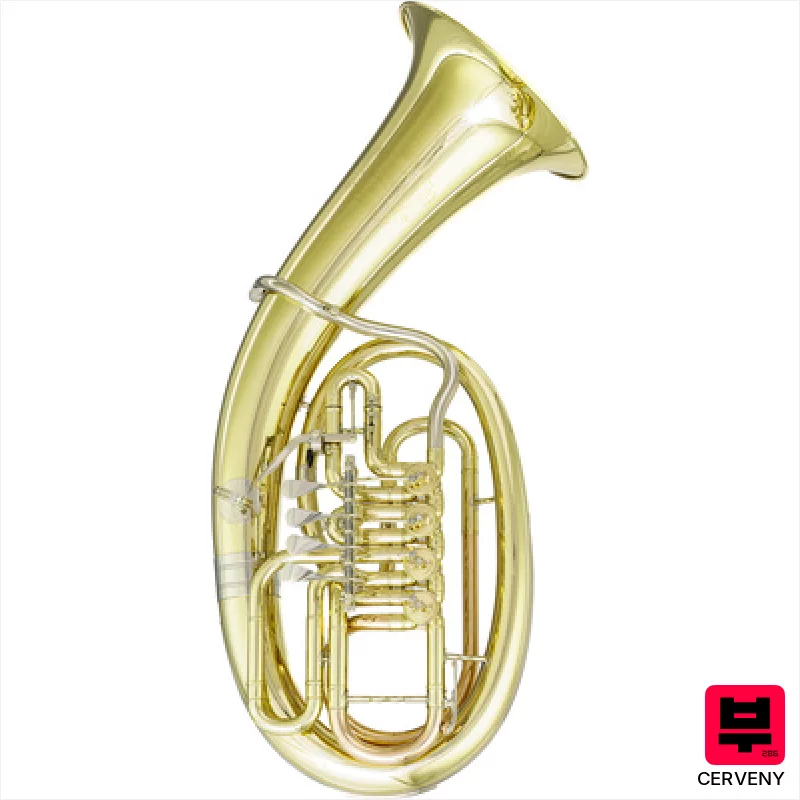
Cerveny CEP 531-4T TZ Baritone
- • Zsivkovits voicing delivers exceptional projection and warmth.
- • Solid brass construction provides a robust, resonant tone.
- • Nickel silver fittings enhance durability and tuning stability.
- • Four rotary valves offer improved intonation and flexibility.
- • The weight will be noticeable for younger or smaller players.
- • Lacquer finish, while attractive, is susceptible to wear over time.
- • The specialized bore might not suit every player’s preferred style.
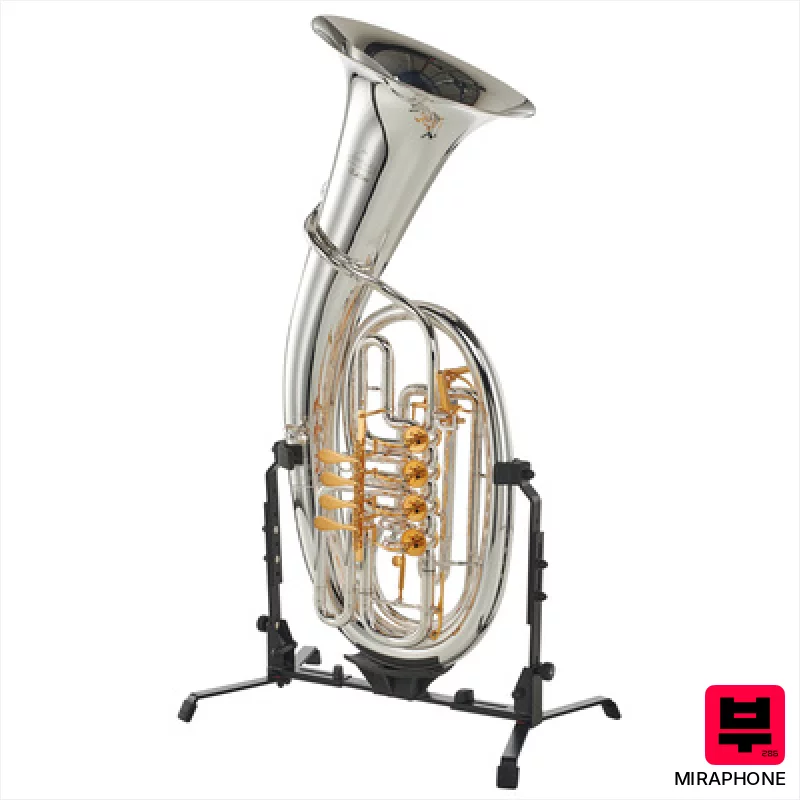
Miraphone 54L 1102 AE40 Baritone
- • Gold brass body delivers exceptional warmth and projection.
- • ATV system provides unparalleled intonation stability across the range.
- • Conical rotary valves offer a smooth, responsive action and unique tonal color.
- • CPU ball bearing linkage minimizes friction and enhances playability.
- • The weight will be a significant factor for younger or smaller players.
- • The premium-priced tag makes it inaccessible for many musicians.
- • The gold-plated mounts, while luxurious, can be prone to wear over time.
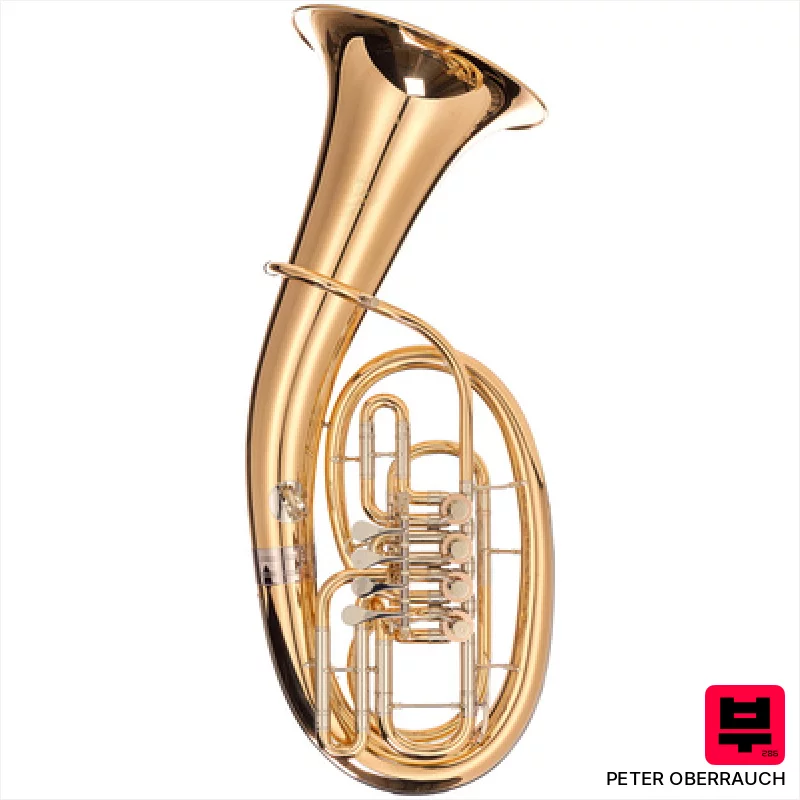
Peter Oberrauch Machlast Baritone
- • Gold brass bell delivers a rich, resonant, and projecting tone.
- • Meinlschmidt valve section ensures exceptionally smooth and responsive action.
- • Nickel silver slides with gold brass bows offer a refined feel and durability.
- • Handmade construction guarantees meticulous attention to detail and superior build quality.
- • The large bell (290mm) will make it feel bulky and potentially unwieldy for smaller players.
- • Premium-priced, representing a significant investment for most musicians.
- • Limited versatility; excels in orchestral and solo settings, less suited for jazz or pop.
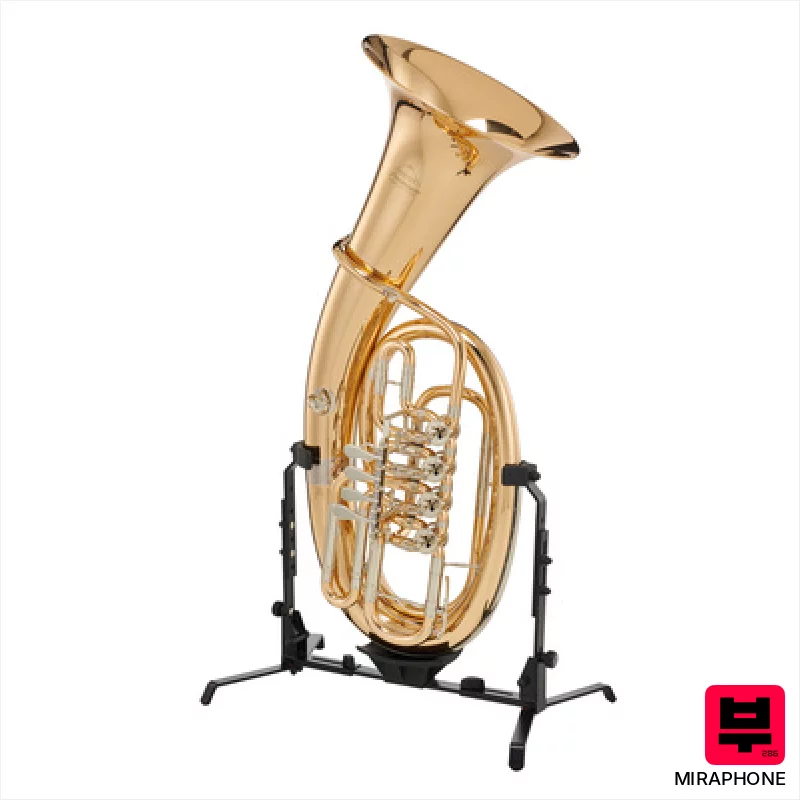
Miraphone 56L 11000 Kaiser Baritone
- • Exceptional projection and resonance due to the gold brass body
- • Loimayr valve design provides incredible response and agility
- • ATV system offers unparalleled tuning stability across the range
- • Robust nickel silver fittings ensure long-term durability and reliability
- • The instrument's weight will be a challenge for younger or smaller players
- • Gold brass construction makes it susceptible to dents and scratches
- • The included mouthpiece is a decent starting point, but an upgrade is likely

Melton MAB34 Baritone
- • MeisterArtin construction ensures exceptional resonance and projection.
- • 3B linkage system provides remarkably smooth and responsive valve action.
- • Gold brass bell delivers a rich, warm, and powerful tonal color.
- • Ergonomic slide placement minimizes fatigue during extended playing.
- • The 3.68 kg weight will be a challenge for younger or smaller players.
- • Premium-priced, representing a significant investment for many musicians.
- • Conical bore may limit versatility for players seeking a brighter, more agile sound.
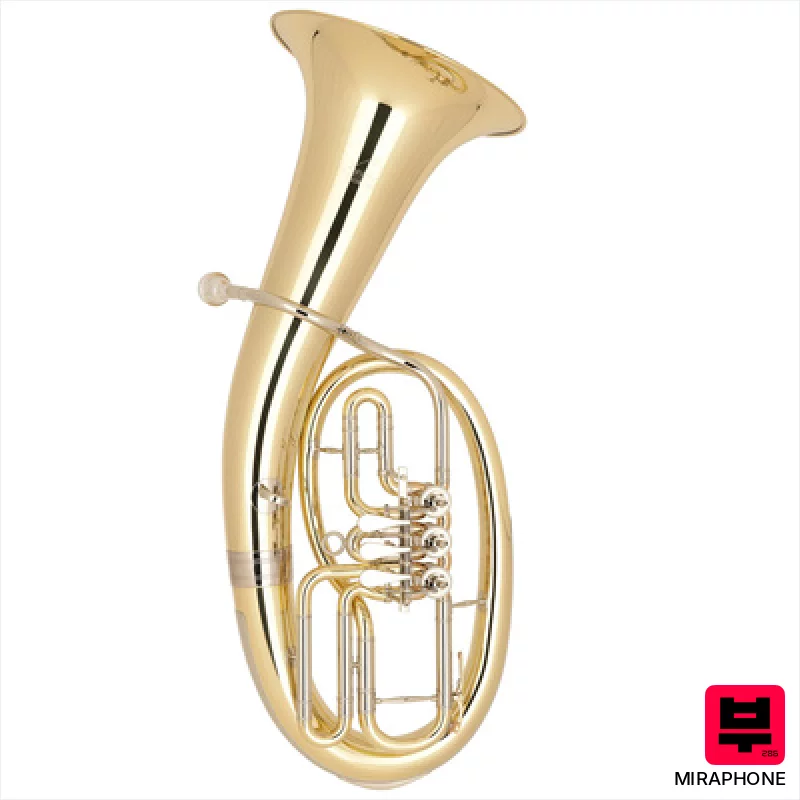
Miraphone 53 N 0700 A Baritone
- • Loimayr model delivers exceptional projection and resonance
- • ATV system offers remarkably consistent intonation across the range
- • Nickel silver fittings provide durability and a refined aesthetic
- • Conical rotary valves contribute to a warm, responsive feel
- • Premium-priced, representing a significant investment for most players
- • The larger bell can feel cumbersome for smaller players or in confined spaces
- • Limited mouthpiece selection included, requiring potential future upgrades
How to Choose the Best Baritones
Tonal Blend
A baritone in a brass ensemble needs to sit well in the overall sonic picture. We're looking for a tone that's rich and warm, avoiding anything overly bright or piercing which will clash with trumpets or French horns. That slightly darker, more resonant quality is key for blending.
Projection & Intonation
You need a baritone that cuts through without sounding like it's fighting the other horns. Consistent intonation across the range is non-negotiable; a baritone that's consistently sharp or flat will drive your section crazy.
Valve Action & Response
Smooth, responsive valve action is critical for quick passages and tight ensemble work. Stiff valves kill articulation and make it tough to keep up. A free-blowing instrument will allow for greater dynamic control and nuance.
Bell Material & Size
Brass bells generally offer a brighter, more projecting sound, while bronze bells tend to be warmer and darker. Bell size impacts the overall tone; larger bells typically produce more low-end thump, while smaller bells can be more agile.
Ergonomics & Playability
Let's be real, you're going to be holding this thing for a while. A comfortable neck profile, manageable weight, and a decent action all contribute to a more enjoyable playing experience, especially during longer gigs.
Buying Guide
Don't chase the flashiest lacquer or the most bells and whistles. A well-maintained used instrument from a reputable brand often offers better value than a new, budget model. Pay close attention to the valve alignment and overall condition; a sloppy repair job can ruin an otherwise good horn. And seriously, try before you buy - a baritone's feel is incredibly subjective.
Our Methodology
We're not just looking at spec sheets here. We've spent countless hours playing these instruments - in rehearsal rooms, on stage, and even tracking in studios - alongside other brass players. Our evaluations are based on how they feel to play, how they blend, and how they hold up to the rigors of regular use, not just manufacturer claims.

