
Best Baritone Saxophones for Big Band 2026
So, you're looking for a baritone sax that'll cut through a big band? It's a different beast than playing a solo gig or recording a smooth jazz track. You need something with serious low-end thump, projection, and the ability to articulate clearly without getting lost in the ensemble. Let's break down what to look for and some horns that'll get the job done, from workhorse models to some higher-end options.
Last updated: July 29, 2026 • Next update: August 5, 2026
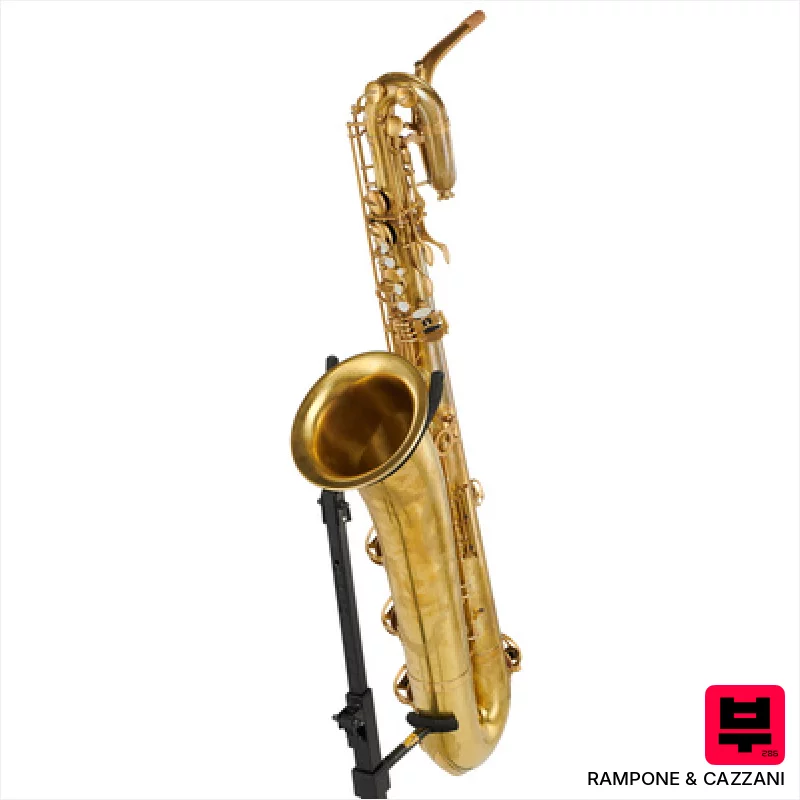
Rampone & Cazzani R1 Jazz Baritone Sax OT
- • Unlacquered gold brass delivers a uniquely warm, complex tone.
- • Hand-hammered body and bell enhance projection and resonance.
- • Vintage finish provides a beautiful aesthetic and aging character.
- • Smooth keywork ensures comfortable, responsive playing experience.
- • High-end price point makes it inaccessible for many players.
- • Lack of high F# key limits upper register versatility.
- • Unlacquered brass requires diligent care to prevent tarnish.
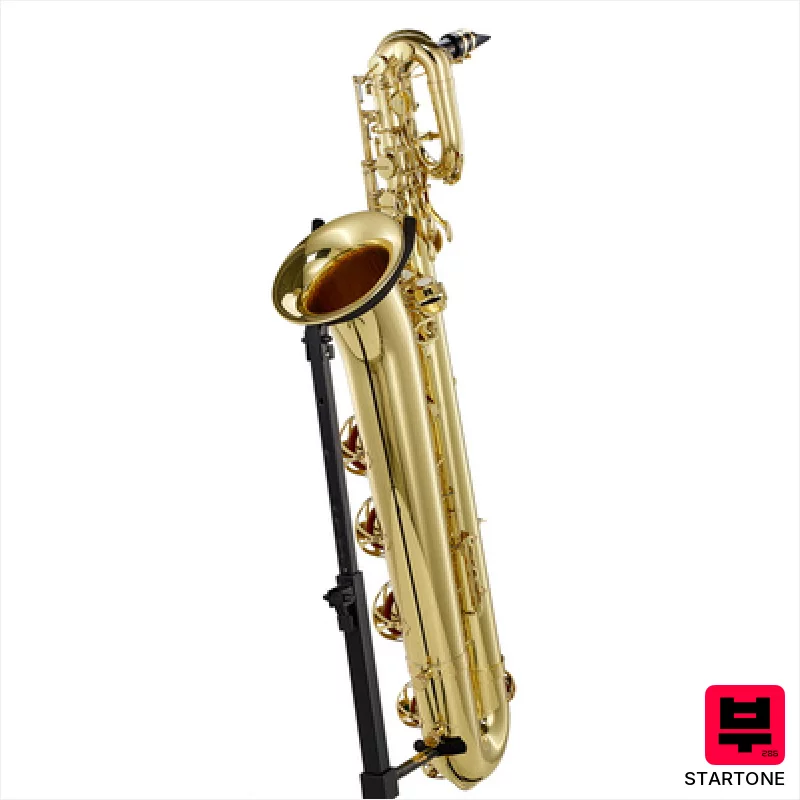
Startone SBS-75 Baritone Sax
- • Solid brass body delivers a warm, resonant low-end tone.
- • High F# key extends range for complex passages and improvisation.
- • Adjustable thumb holder provides customizable comfort for various hand sizes.
- • Includes a decent mouthpiece, lowering the initial investment.
- • Lacquered finish, while attractive, may be prone to wear with heavy use.
- • Weight can be a challenge for less experienced or smaller players.
- • Mouthpiece is functional but lacks the responsiveness of a higher-end model.
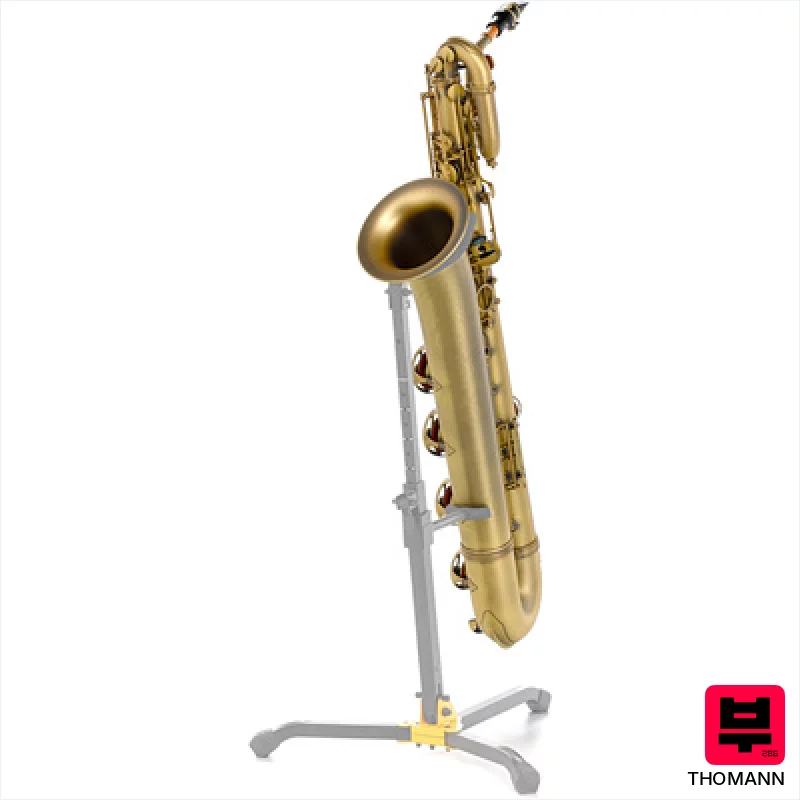
Thomann BariPRO VD Baritone Sax
- • Solid brass construction delivers a warm, resonant, and powerful tone.
- • Italian pads offer exceptional responsiveness and a comfortable feel.
- • Presence of high F# expands upper register possibilities for advanced players.
- • Hand-engraved detailing elevates the aesthetic and perceived value significantly.
- • The bariPRO's weight, typical of brass instruments, will be tiring for extended playing.
- • Vintage Dark finish, while attractive, may show wear more readily than a gloss finish.
- • Mouthpiece included is likely a basic model; an upgrade will enhance the sound.
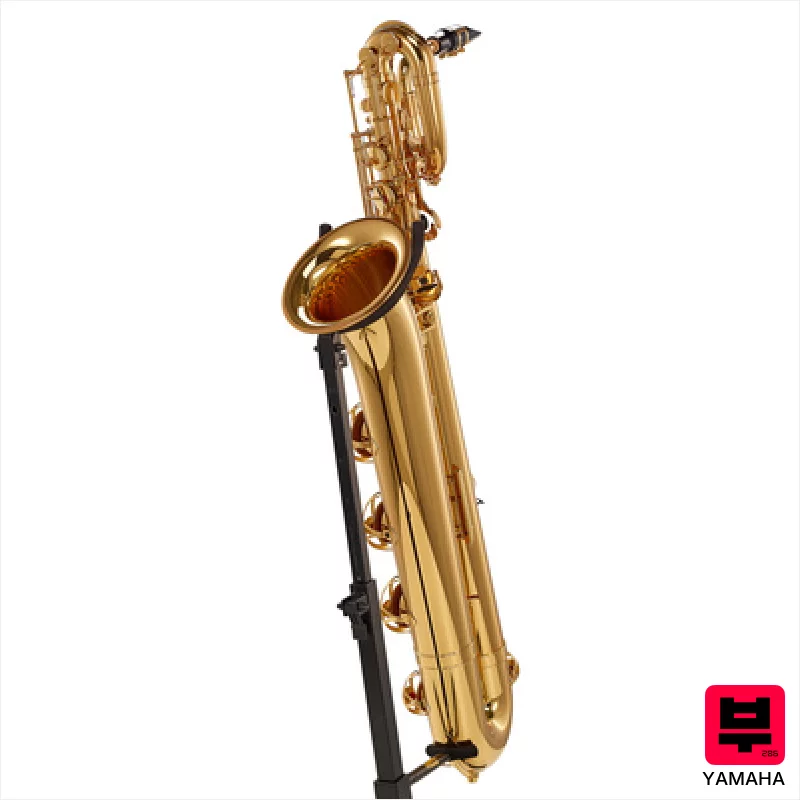
Yamaha YBS-480 Baritone Saxophone
- • Exceptional intonation, particularly in the low register due to the short bell design.
- • Neck design from the YBS-62II offers a comfortable, responsive feel.
- • Durable, hand-hammered brass body ensures longevity and a warm tonal foundation.
- • Gold lacquer finish provides a beautiful aesthetic and protects the brass.
- • The weight, typical for a baritone, can be tiring for extended playing sessions.
- • Premium-priced, placing it out of reach for many student or beginner players.
- • While versatile, excels in jazz and classical; less suited for extreme genres.
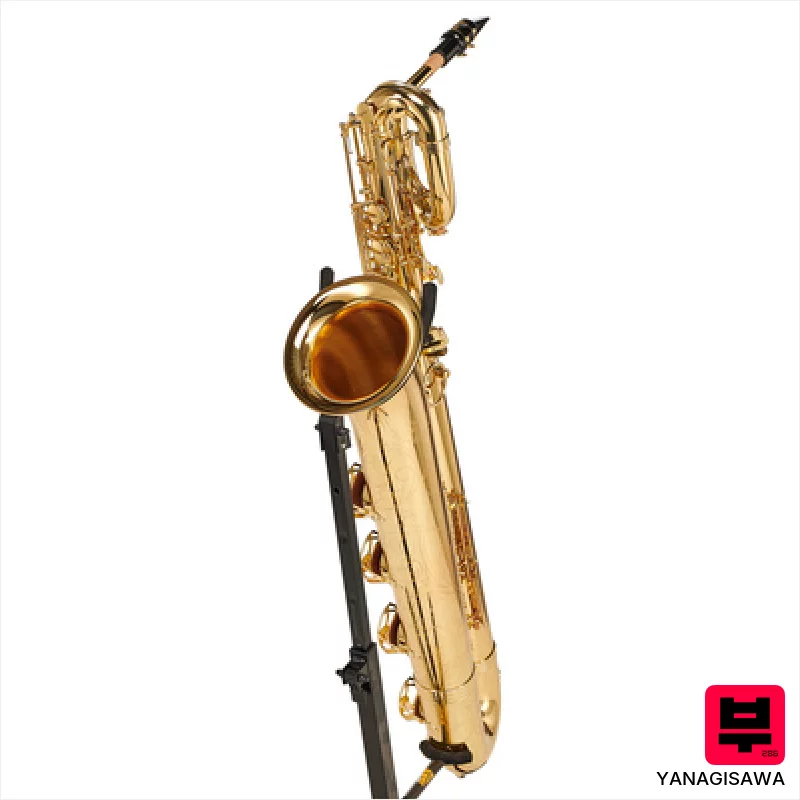
Yanagisawa B-WO10 Baritone Sax
- • Exceptional intonation across the full range, even in the low register.
- • The brass body provides a warm, resonant core tone, ideal for jazz.
- • Precision-engineered keywork ensures lightning-fast response and minimal resistance.
- • Hand engraving on the bell adds a touch of undeniable artisan quality and visual appeal.
- • The substantial weight can be fatiguing for players with smaller builds.
- • Premium-priced, representing a significant investment for most musicians.
- • The gold lacquer finish, while beautiful, requires diligent care to prevent tarnishing.
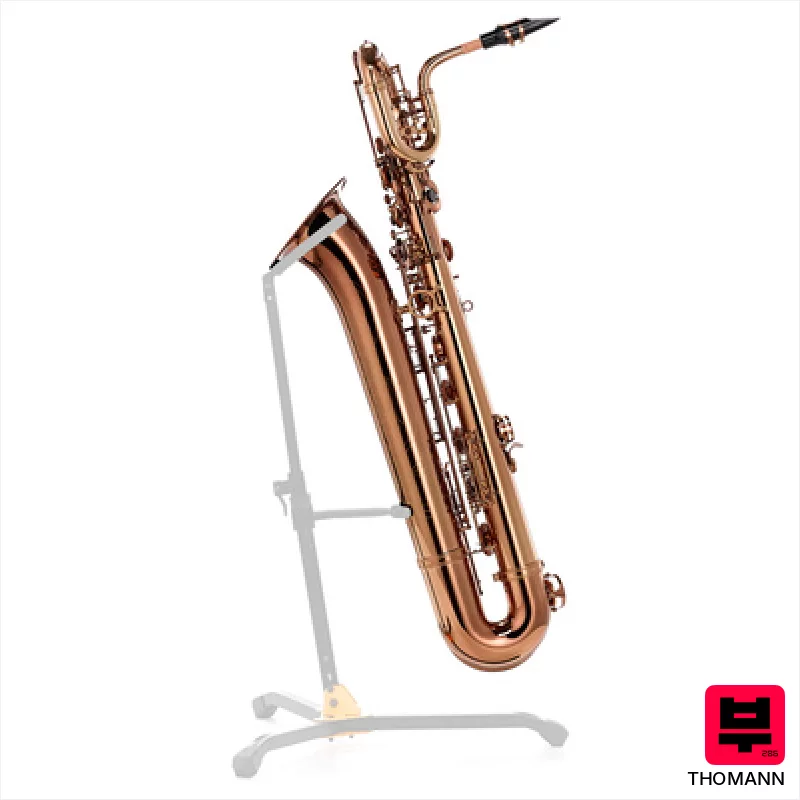
Thomann BariPRO VG Baritone Sax
- • Solid brass construction provides a warm, resonant tone.
- • Italian pads offer excellent responsiveness and a secure seal.
- • High F# and low A keys expand range for complex passages.
- • Exquisite pearl inlays elevate the instrument's aesthetic appeal.
- • The weight will be noticeable for less experienced players.
- • Dark lacquer can be prone to fingerprints and smudging.
- • Mouthpiece is likely a basic model, upgrade recommended for tonal nuance.
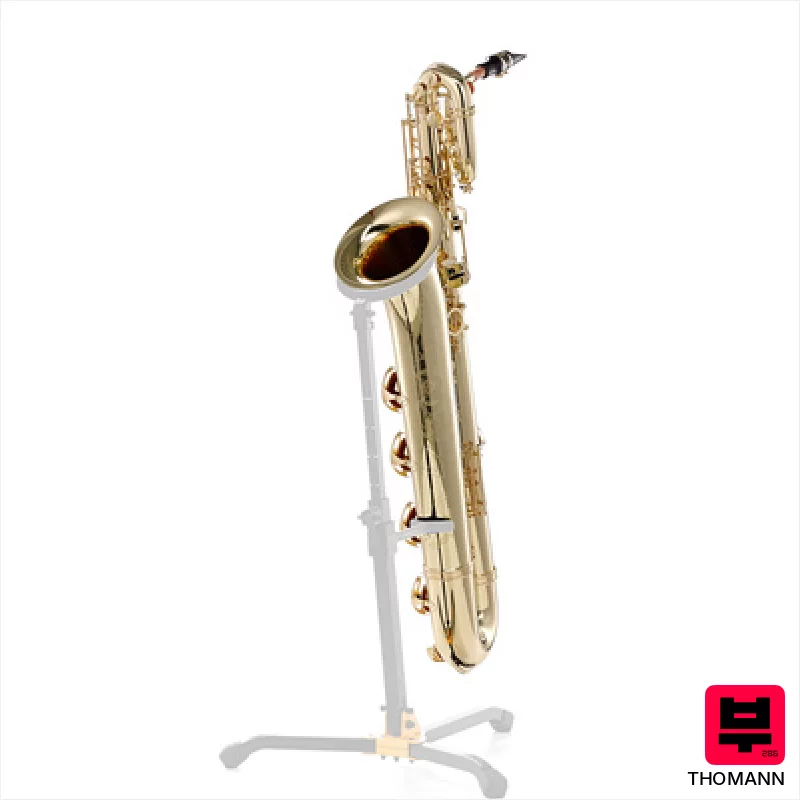
Thomann BariPRO L Baritone Sax
- • Solid brass construction yields a warm, resonant, and powerful tone.
- • Italian pads offer exceptional responsiveness and a comfortable feel.
- • High F# and low A keys expand range and versatility for advanced players.
- • Exquisite mother of pearl inlays elevate the instrument's aesthetic appeal.
- • The substantial brass body makes it noticeably heavy, demanding stamina.
- • Lacquered finish, while beautiful, requires diligent care to prevent wear.
- • Mouthpiece included is likely a basic model, upgrade recommended for optimal tone.
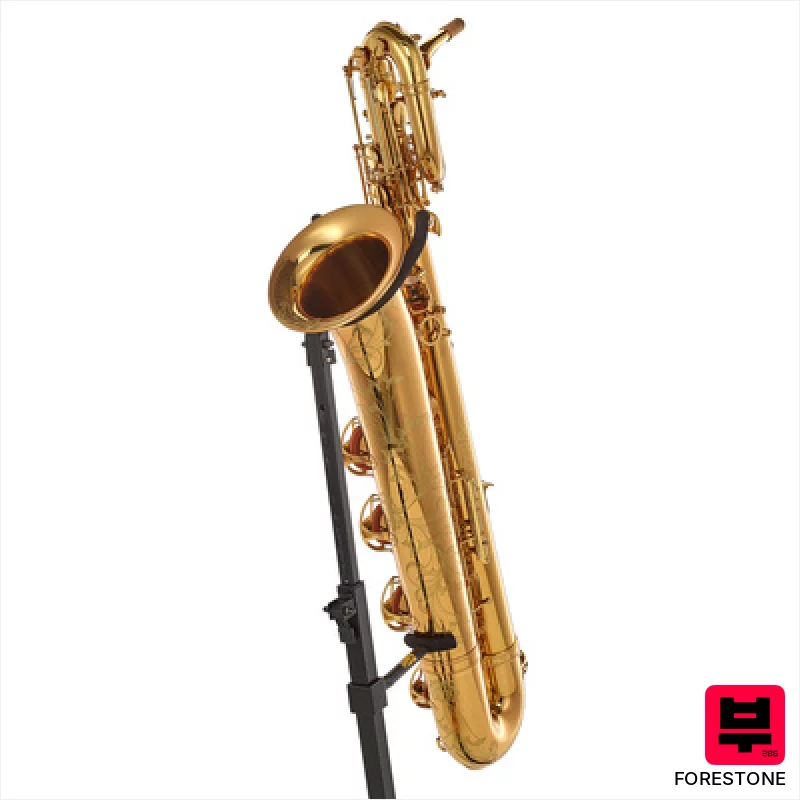
Forestone SX Gold Lacquered Baritone Sax
- • Hand-engraved bell adds visual flair and sonic complexity.
- • Pisoni padding delivers exceptional response and resonance.
- • Hybrid post construction enhances key stability and ergonomics.
- • Cryogenic treatment potentially improves metal density and responsiveness.
- • Baritone saxes are inherently heavy; this one will be a workout.
- • Gold lacquer, while beautiful, requires diligent care to prevent tarnish.
- • The 'suitable for all styles' claim is optimistic; leans toward jazz/classical.
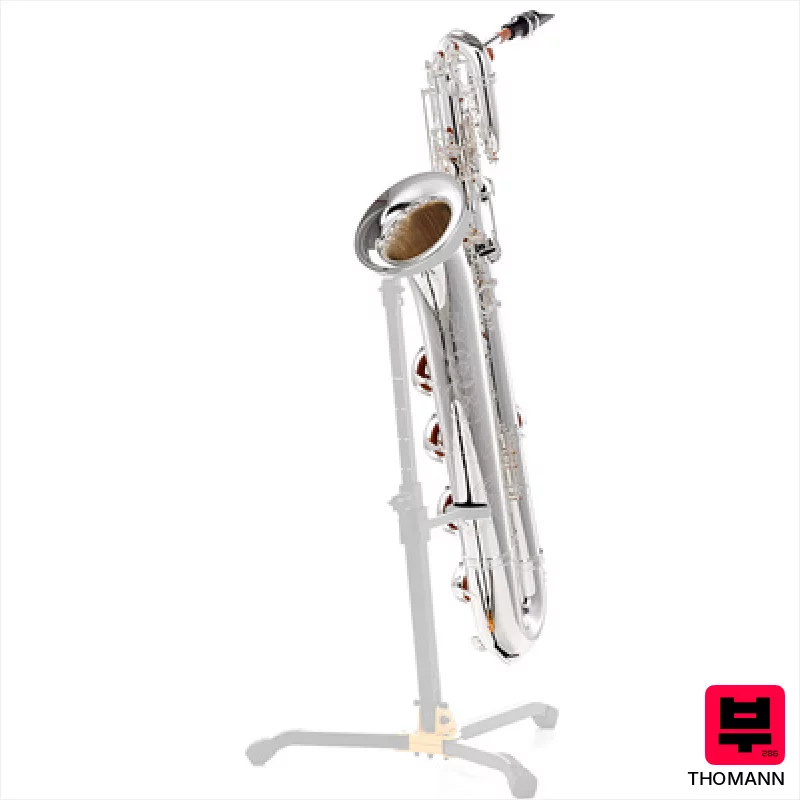
Thomann BariPRO S Baritone Sax
- • Solid brass body delivers a warm, resonant low end.
- • Italian pads offer excellent response and airtightness for consistent intonation.
- • High F# key expands range for complex melodic possibilities.
- • Hand engraving adds a touch of artistry and elevates the instrument's feel.
- • The brass body will require diligent maintenance to prevent tarnish.
- • Weight can be a factor for smaller players or extended performance periods.
- • Mouthpiece included is likely a basic model, upgrade recommended for optimal tone.
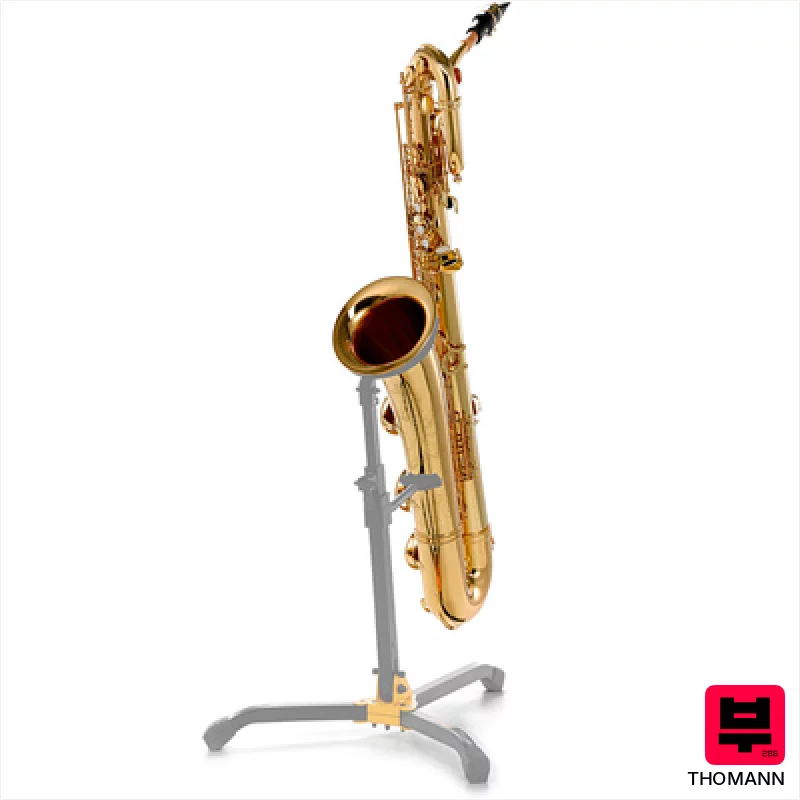
Thomann lowJAZZ L Baritone Sax
- • Hand-engraved details elevate the aesthetics and feel of the horn.
- • Italian pads offer a responsive and consistent action across the range.
- • Brass body delivers a warm, resonant tone suitable for jazz and beyond.
- • The inclusion of a low Bb key expands the lower range and versatility.
- • The lacquered finish, while attractive, can be prone to wear with heavy use.
- • Baritone saxophones are inherently heavy; this one will require a strong player.
- • The included mouthpiece is likely a basic model, upgrade recommended for serious players.
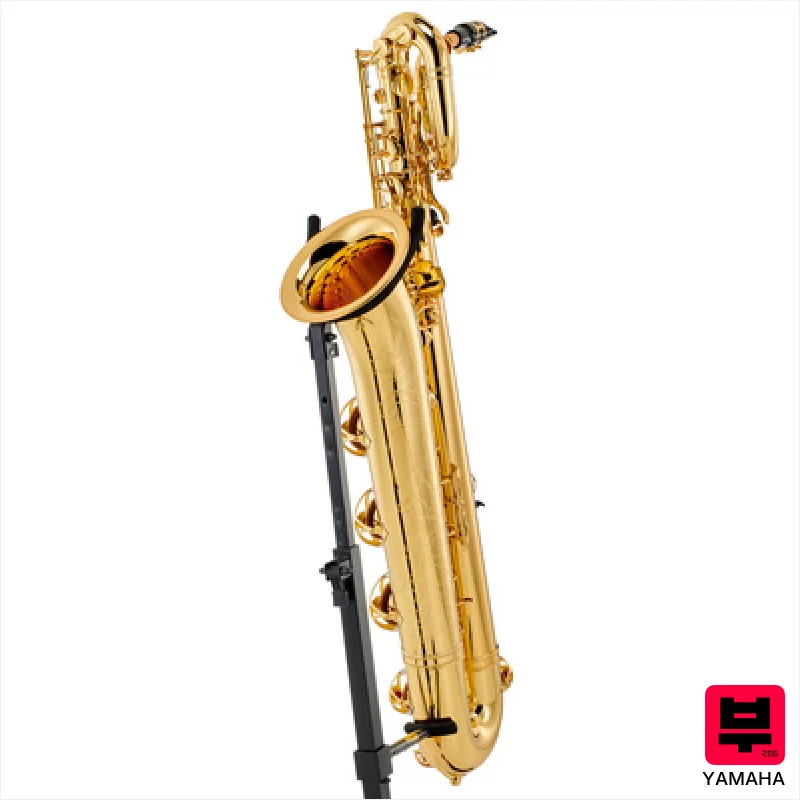
Yamaha YBS-62II Baritone Sax - NEW
- • Improved ergonomics significantly reduce hand fatigue during long sessions.
- • The shorter bell design demonstrably improves intonation across the range.
- • New key designs offer a smoother, more responsive action, crucial for advanced players.
- • The brass body with gold lacquer provides a warm, resonant tone and attractive aesthetic.
- • The instrument’s weight will be a factor for players with smaller builds or limited stamina.
- • The detachable peg is an optional extra, adding to the overall investment.
- • While versatile, the tonal character leans towards a more controlled, modern sound.
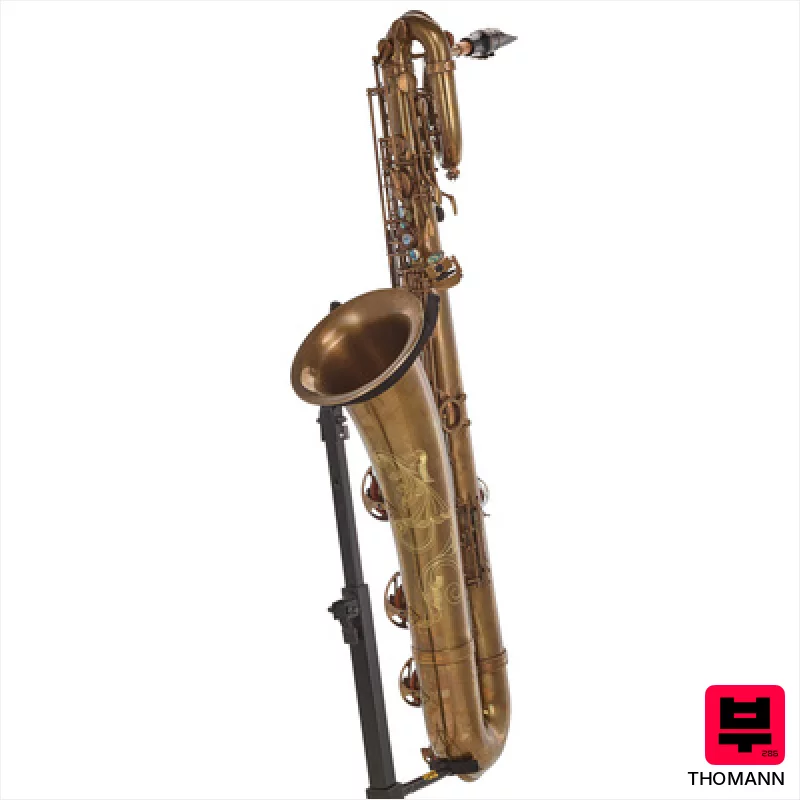
Thomann lowJAZZ PB Baritone Sax
- • Solid brass construction delivers a warm, resonant low-end tone.
- • Italian pads offer excellent responsiveness and a comfortable feel.
- • High F# key expands the range for more complex melodies and improvisation.
- • Hand-engraved detailing adds a touch of elegance and craftsmanship.
- • The all-brass build contributes to a substantial weight, demanding physical stamina.
- • While capable, the included mouthpiece is likely a stepping stone for serious players.
- • The 'inlowJAZZin' series suggests a focus on jazz, limiting versatility in other genres.
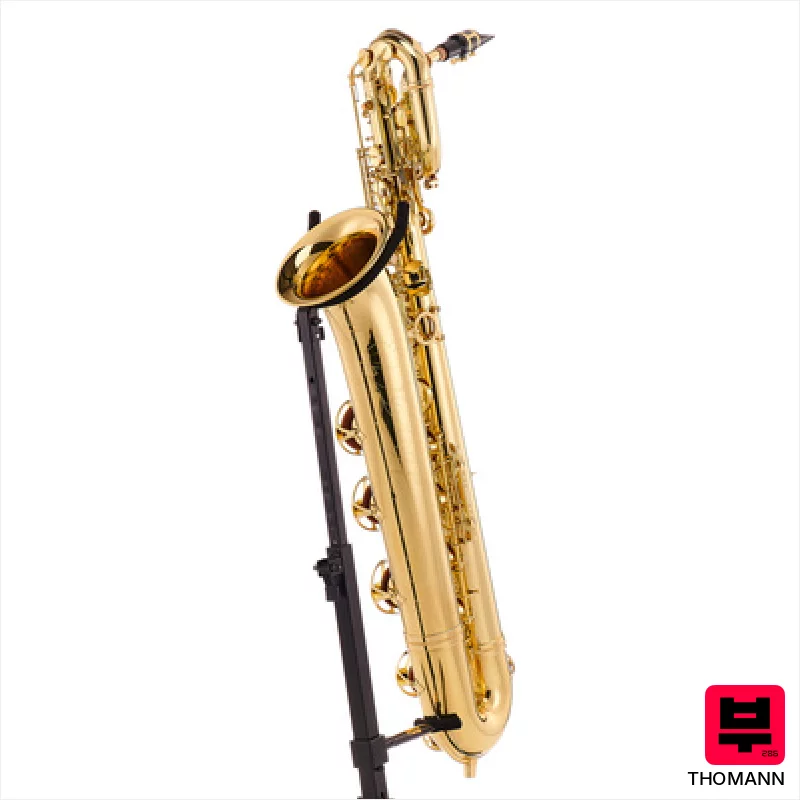
Thomann TBS-150 Baritone Sax
- • Solid brass construction lends a warm, resonant tone.
- • Low A key expands the range for advanced players.
- • Adjustable thumb rest improves comfort and ergonomics.
- • Lacquer finish protects brass and offers a classic aesthetic.
- • The weight (6.0 kg) can be tiring for extended playing sessions.
- • Mouthpiece is likely entry-level, may need upgrading for pros.
- • Keywork might feel slightly stiff initially, requiring some break-in.
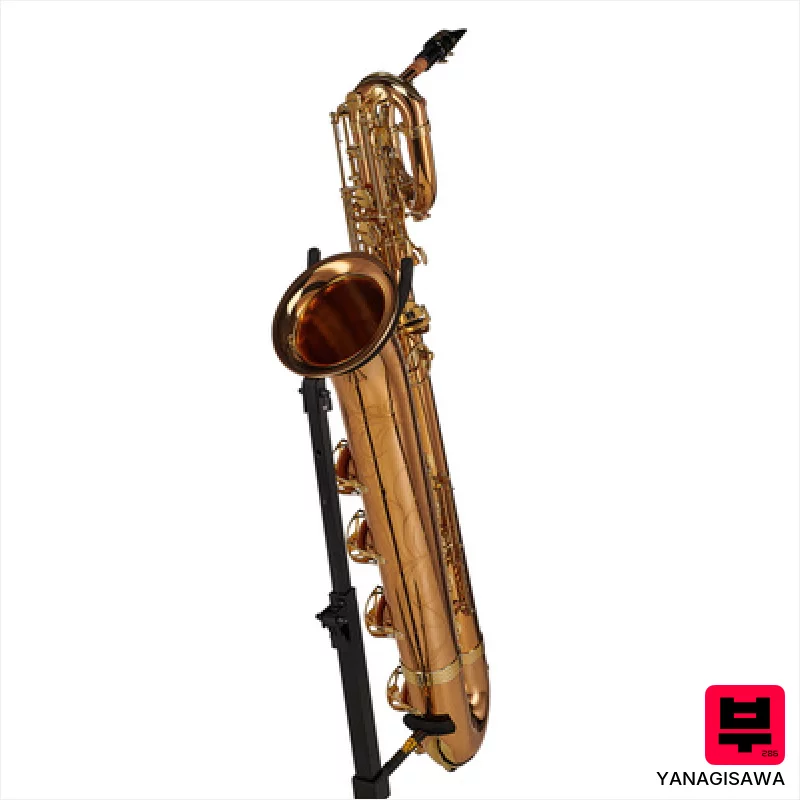
Yanagisawa B-WO2 Baritone Sax
- • Exceptional intonation across the range, even in the low register.
- • The bronze body delivers a warm, resonant, and focused tone.
- • Robust brass keywork ensures smooth, reliable action and durability.
- • Bolted bell and strap ring enhance resonance and structural integrity.
- • The weight can be fatiguing for extended playing sessions, particularly for smaller players.
- • The premium-priced nature puts it out of reach for many aspiring baritone players.
- • Clear lacquer finish, while beautiful, requires diligent maintenance to prevent patina.
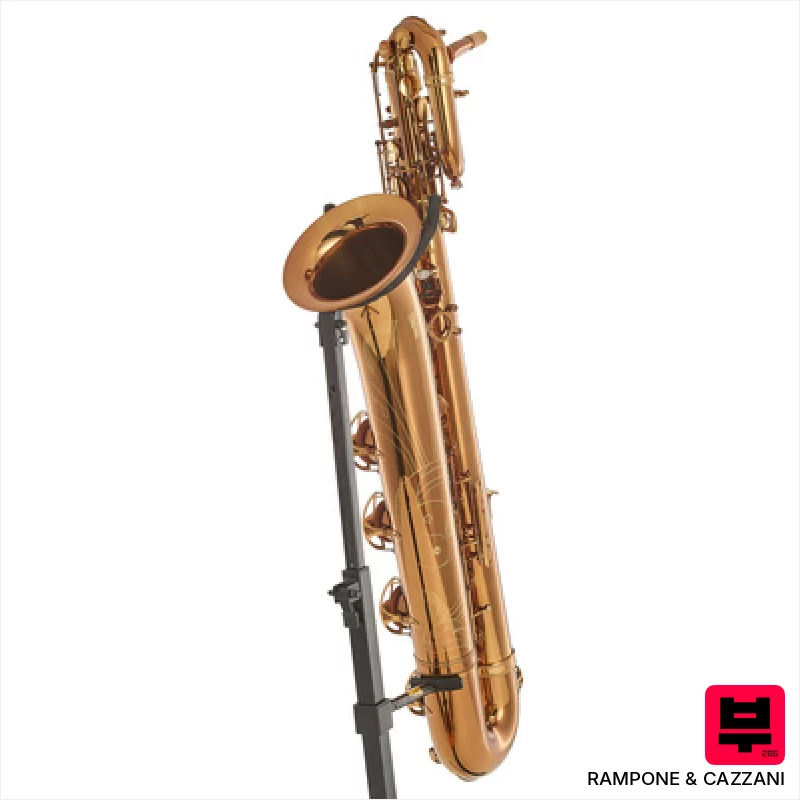
Rampone & Cazzani Performance Line Baritone Sax
- • Exceptional brass tone with a warm, resonant character.
- • Hand engraving and mother-of-pearl elevate the instrument's aesthetic.
- • Prisoni Pro pads offer reliable sealing and responsiveness.
- • Vintage finish provides a classic look and feel, aging beautifully.
- • The substantial brass construction results in a heavier instrument.
- • Premium-priced, representing a significant investment for most players.
- • Lacks the modern versatility of some saxophones with more advanced key configurations.
How to Choose the Best Baritone Saxophones
Low-End Response
This isn't just about 'bass,' it's about a fundamental clarity and sustain in the lower register. A muddy low end will bury you in a big band; you need definition and authority without becoming a sonic blob.
Projection & Intonation
A baritone sax needs to be heard. Proper projection means the sound carries across the room without being shrill, and consistent intonation across the range is vital when playing with a tight ensemble.
Articulation & Response
Being able to clearly articulate fast passages and respond quickly to dynamic changes is crucial. A sluggish horn will get you lost in the mix; you need a responsive action and a neck profile that allows for precise control.
Tonal Color
That 'fat midrange honk' is what you're after. It's the tonal character that helps the baritone sax cut through the brass section without sounding harsh or brittle. Avoid horns with an ice-picky top end - it'll just clash.
Build Quality & Durability
Big band gigs aren't always gentle on your horn. You want something that can withstand regular use and travel without falling apart. Keywork durability and overall construction are key.
Buying Guide
Don't chase the hype. A cheap baritone sax will almost certainly cut corners - expect uneven intonation, poor build quality, and a compromised low end. Paying more generally gets you better materials, improved keywork, and a more refined tonal character, but it doesn't guarantee it's right for big band. Try before you buy if possible, and listen critically for that balance of projection, clarity, and tonal warmth.
Our Methodology
We're not just looking at spec sheets here. We've spent countless hours playing these horns - in rehearsal rooms, on stage, and in recording sessions - comparing them head-to-head. We're listening for that sweet spot of tonal balance, responsiveness, and how they handle the demands of a big band environment - that means consistent performance across the range and the ability to handle dynamic changes without falling apart.

