
Best Banjos for Country 2026
So, you're looking for a banjo to lay down some serious country licks? Forget the bluegrass stereotypes for a minute - country banjo isn't always about breakneck speed. We're talking about that warm, slightly muted tone that sits right in the mix, offering a rhythmic backbone and those signature fills. It's a different beast than a Scruggs-style resonator, and finding the right one can make all the difference between a track that sounds authentic and one that feels...off.
Last updated: July 15, 2026 • Next update: July 22, 2026

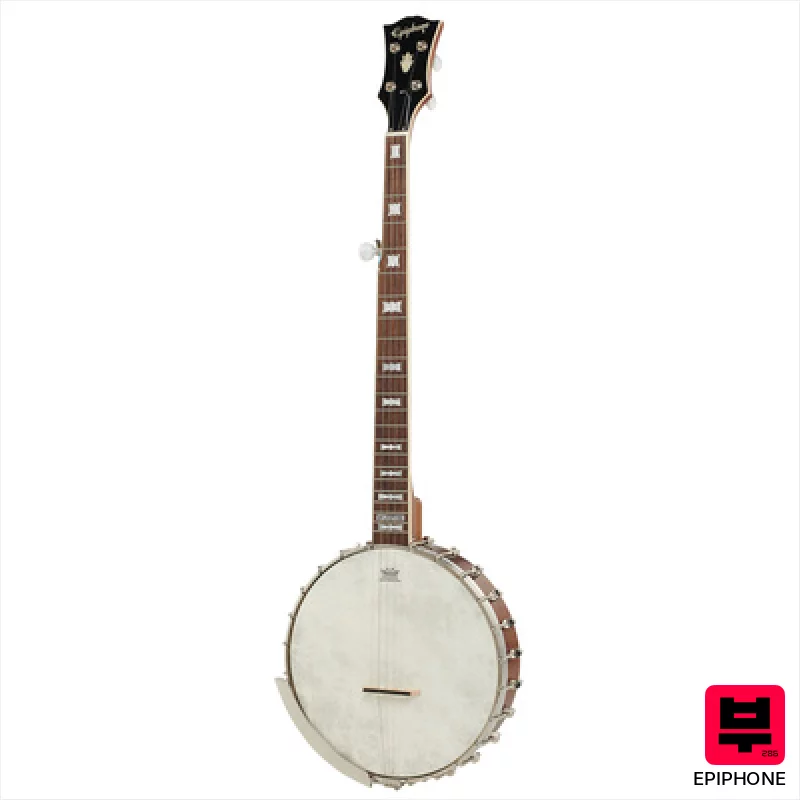
Epiphone Mastertone Classic Banjo
- • Mahogany/sapele resonator delivers a focused, powerful bluegrass tone.
- • Laurel fingerboard offers a smooth, comfortable playing experience.
- • Vintage-style machine heads provide accurate tuning and a classic aesthetic.
- • Nickel hardware adds durability and a premium feel compared to cheaper options.
- • The head might require some tweaking to achieve optimal tone and responsiveness.
- • Heavier than some modern banjos, potentially tiring for extended playing.
- • Limited versatility; primarily suited for traditional bluegrass styles.
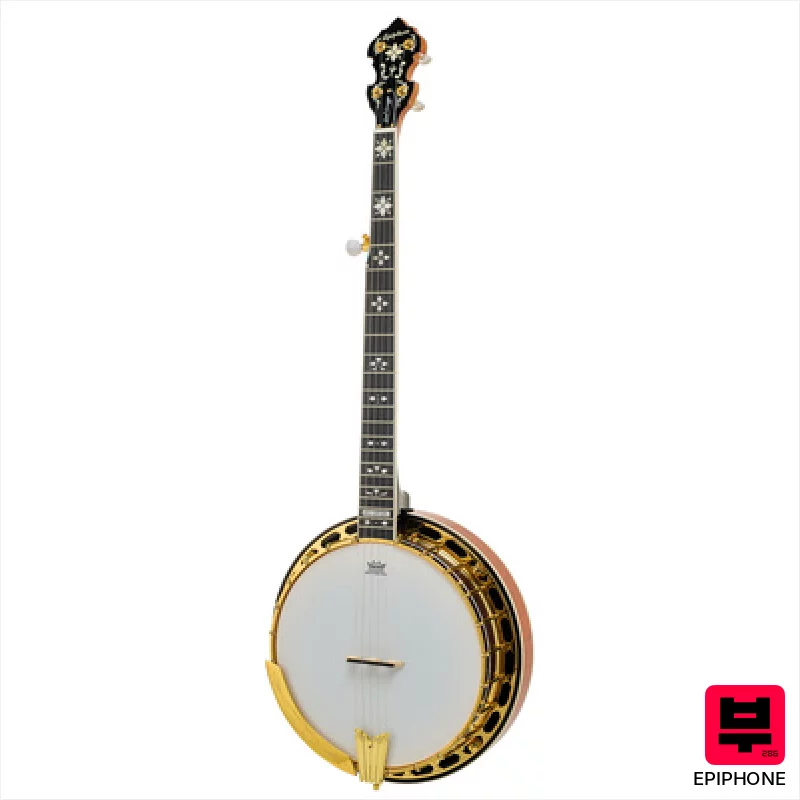
Epiphone Mastertone Bow Tie OB Banjo
- • Laurel fingerboard provides excellent clarity and sustain.
- • 3-ply maple resonator delivers a focused, punchy tone.
- • Vintage machine heads offer a classic feel and reliable tuning.
- • Mother-of-Pearl inlays elevate the aesthetic with a refined touch.
- • Openback design limits volume and projection compared to resonator models.
- • Fiberskyn head requires more frequent tuning adjustments than Mylar.
- • Natural finish can be susceptible to scratches and wear over time.
Epiphone Earl Scruggs Golden Deluxe
- • Kulesh tone ring delivers a bright, focused bluegrass tone.
- • Ebony fingerboard provides excellent clarity and smooth playability.
- • Gold hardware and engraved tailpiece offer a premium, aesthetically pleasing look.
- • 3-ply maple resonator and rim construction balances projection and tone.
- • The heavier weight (around 13-14lbs) can be fatiguing for extended playing.
- • While versatile, it's primarily geared towards bluegrass; other genres feel limited.
- • The stock Remo head, while decent, might benefit from an upgraded head for optimal tone.
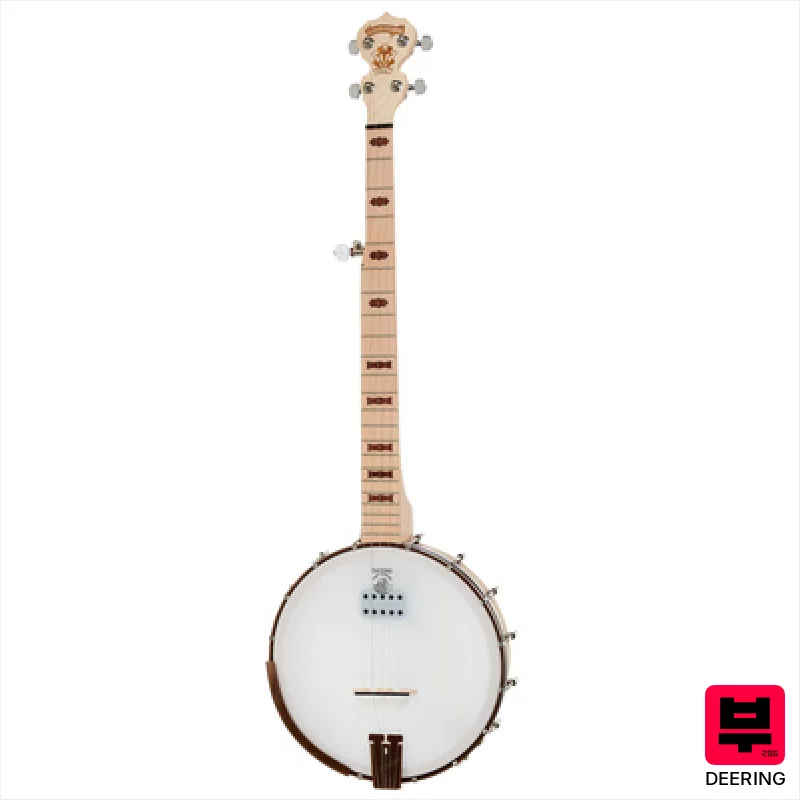
Deering Goodtime A/E Banjo
- • Blonde maple rim offers a warm, woody tone ideal for A and E tunings.
- • Kavanjo humbucker provides a clean, amplified signal with minimal feedback.
- • Maple/ebony bridge and tailpiece enhance sustain and tonal clarity.
- • Deering’s Smile bridge improves resonance and ease of playing.
- • The 3-ply rim, while good, isn't quite as responsive as a fully violin-grade rim.
- • Open-back design means it's louder and less suited to quiet practice environments.
- • The factory strings are serviceable, but a quick string change will elevate the sound.
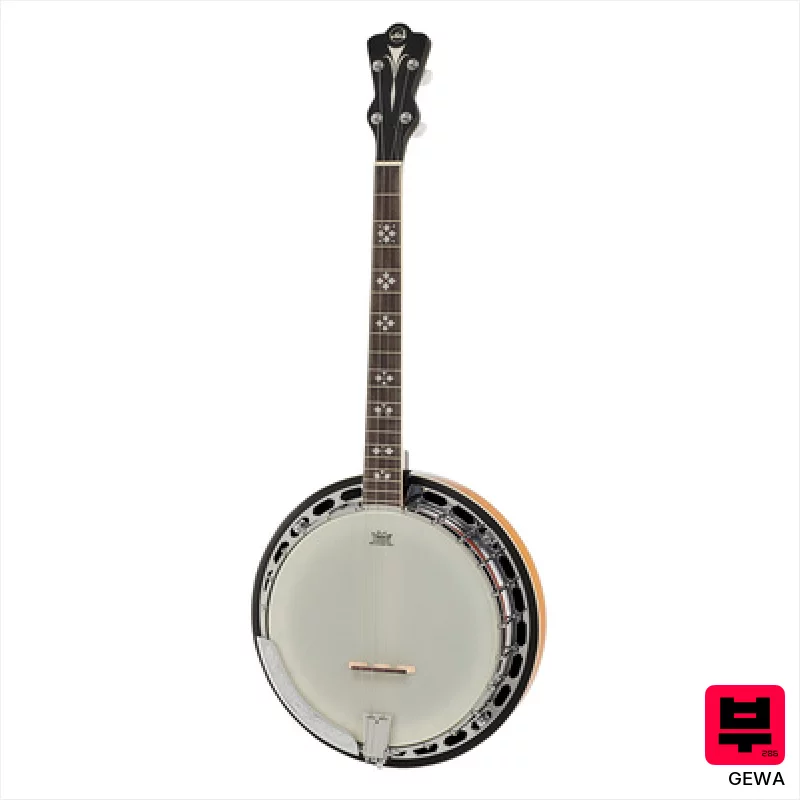
Gewa VGS Banjo Premium 4-saitig
- • Mahogany shell provides a warm, focused tone characteristic of premium tenor banjos.
- • Purple heart fingerboard offers exceptional feel and visual appeal with elaborate inlays.
- • Remo Weatherking head delivers a bright, responsive sound with good projection and durability.
- • Chrome hardware and flamed maple resonator contribute to a professional aesthetic and enhanced tone.
- • Sunburst finish, while attractive, might not appeal to players seeking a more traditional look.
- • The 35cm head size leans towards a brighter tone; less suited for darker, more mellow sounds.
- • While well-built, Gewa isn't a name synonymous with top-tier banjo craftsmanship like S.S. Stewart or Nechville.
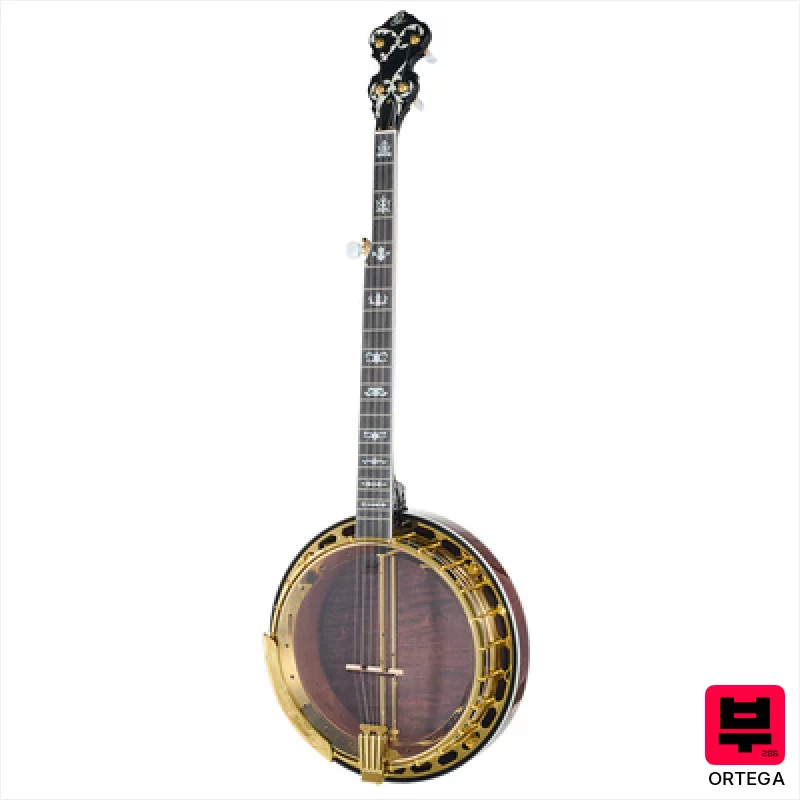
Ortega OBJ850-MA
- • The 3-ply maple body delivers a surprisingly warm, focused tone for a resonator banjo.
- • The flamed maple resonator adds visual appeal and contributes to a brighter, more projecting sound.
- • Rear-mounted machine heads allow for easier string changes and tuning adjustments, a thoughtful touch.
- • The Jatoba fingerboard provides a smooth playing experience, resisting stickiness even in humid conditions.
- • The gold hardware, while aesthetically pleasing, might not appeal to players preferring a more traditional look.
- • The 670mm scale length could feel slightly long for players accustomed to shorter banjo scales.
- • While versatile, its tone leans toward bluegrass and traditional styles; modern genres require more tweaking.
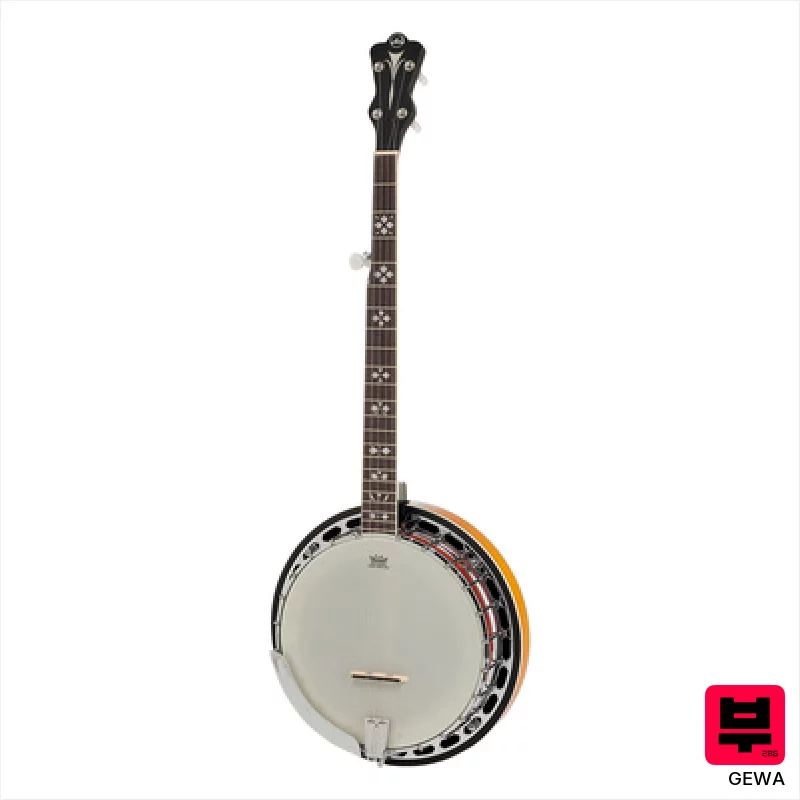
Gewa VGS Banjo Premium 5-saitig
- • Mahogany shell provides a warm, focused tone ideal for bluegrass.
- • Purple heart fingerboard offers a smooth playing experience and visual flair.
- • Remo Weatherking head delivers a bright, responsive sound with good projection.
- • Flame maple resonator enhances volume and projection, adding clarity to the tone.
- • Sunburst finish, while attractive, may be prone to fingerprints and smudging.
- • 22 frets might feel limiting for players accustomed to longer scale lengths.
- • Chrome hardware, while visually appealing, can be susceptible to corrosion over time.

Ortega OBJ550W-SNT
- • Walnut construction delivers a warm, woody tone distinct from maple banjos.
- • Remo Renaissance head provides excellent responsiveness and a crisp, clear attack.
- • Brass tone ring adds substantial projection and a traditional bluegrass bite.
- • Rosewood fingerboard offers a comfortable playing experience with good note definition.
- • Walnut body, while warm, might lack the traditional bright bluegrass 'snap' some players prefer.
- • Satin finish, while attractive, can feel a little less protected against scuffs and wear.
- • The 670mm scale, while standard, can feel slightly longer for players with smaller hands.
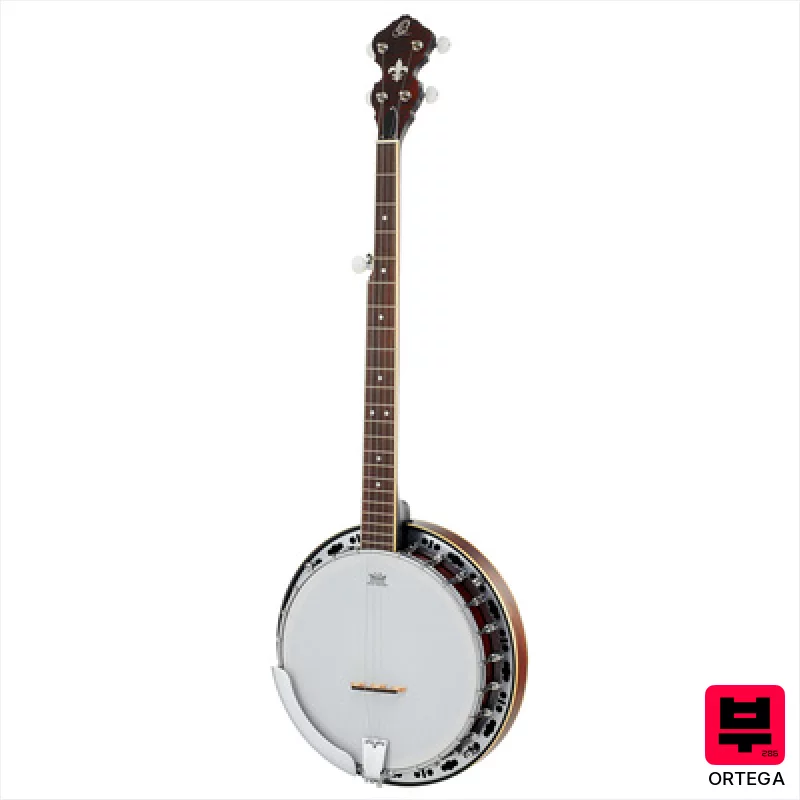
Ortega OBJ300-WB
- • Flamed maple/mahogany body delivers warm, resonant bluegrass tones.
- • Bone nut improves tuning stability and enhances sustain.
- • Rosewood fingerboard offers comfortable playability for various skill levels.
- • Ortega machine heads provide reliable tuning and a premium feel.
- • Whiskey burst finish might not appeal to players seeking a more traditional look.
- • Mahogany neck, while comfortable, can be slightly thicker than some prefer.
- • Coated Remo head, while durable, may not offer the 'vintage' feel of raw heads.
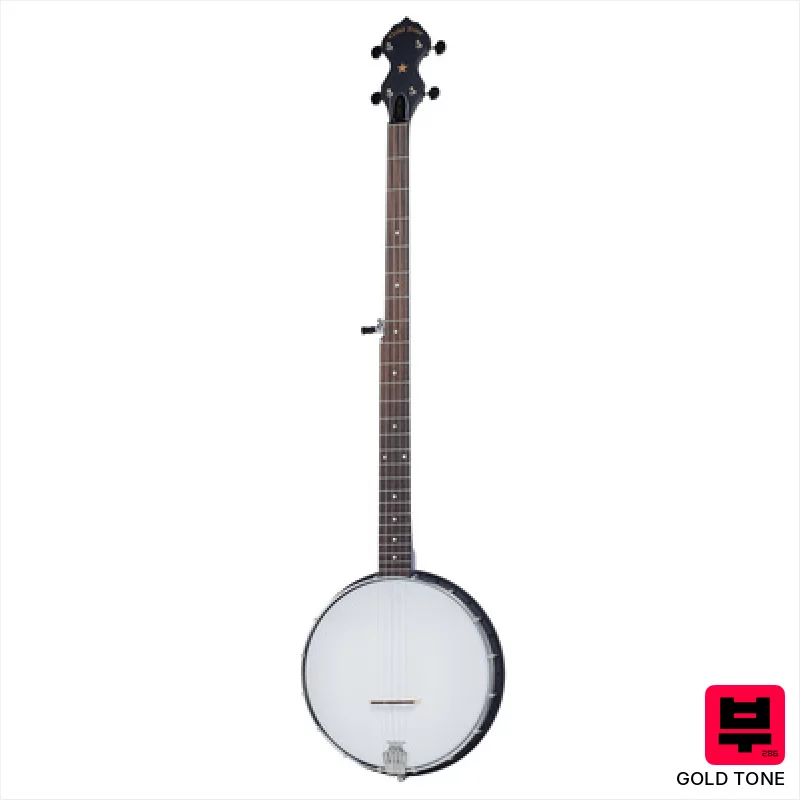
Gold Tone AC-1LN Openback Long Neck 5Str
- • Nato neck provides a stable platform for intonation and playability.
- • Zero Glide nut minimizes friction for smoother string bends and action.
- • Remo LC head delivers a crisp, bright tone characteristic of openbacks.
- • Adjustable truss rod allows for easy setup and accommodates varying string gauges.
- • Composite rim, while practical, lacks the tonal complexity of a traditional wood rim.
- • Black matte finish can be prone to showing fingerprints and minor scratches.
- • Long neck design requires some adaptation for players accustomed to shorter scale banjos.
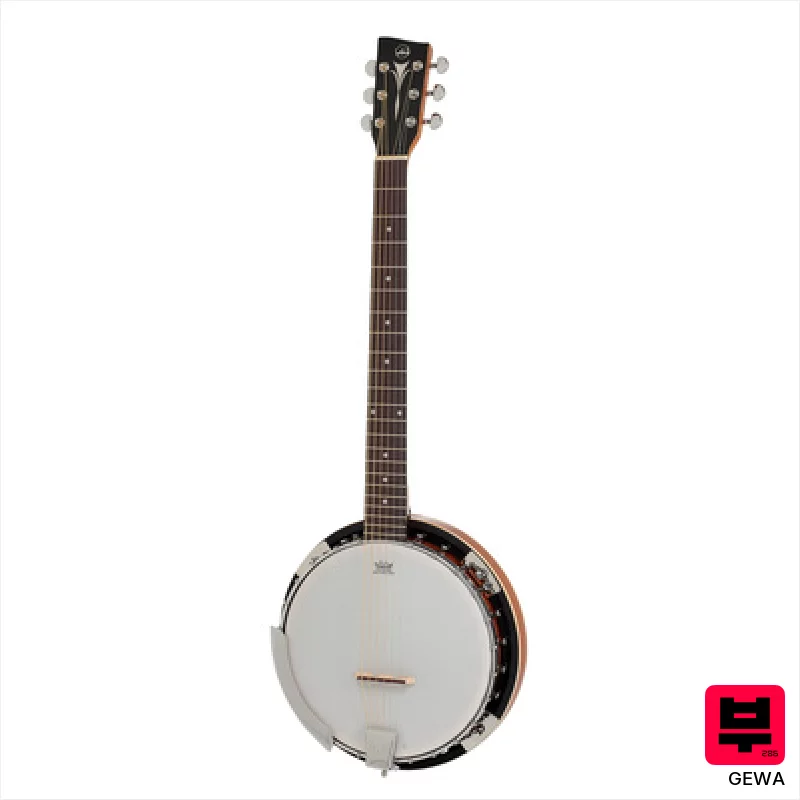
Gewa Banjo Select 6-saitig
- • Remo Weatherking head delivers a bright, punchy bluegrass tone with good projection.
- • Bound fingerboard and arched design improve playability, minimizing fret buzz and aiding intonation.
- • Oil-encapsulated tuners offer reliable tuning stability, crucial for live performance.
- • Mahogany resonator adds warmth and focus to the banjo's overall sound signature.
- • The 6-string configuration limits versatility; primarily suited for bluegrass and folk.
- • High-gloss lacquer finish, while attractive, can feel a little sticky in humid conditions.
- • While well-built for the price point, hardware might not match high-end banjo components.
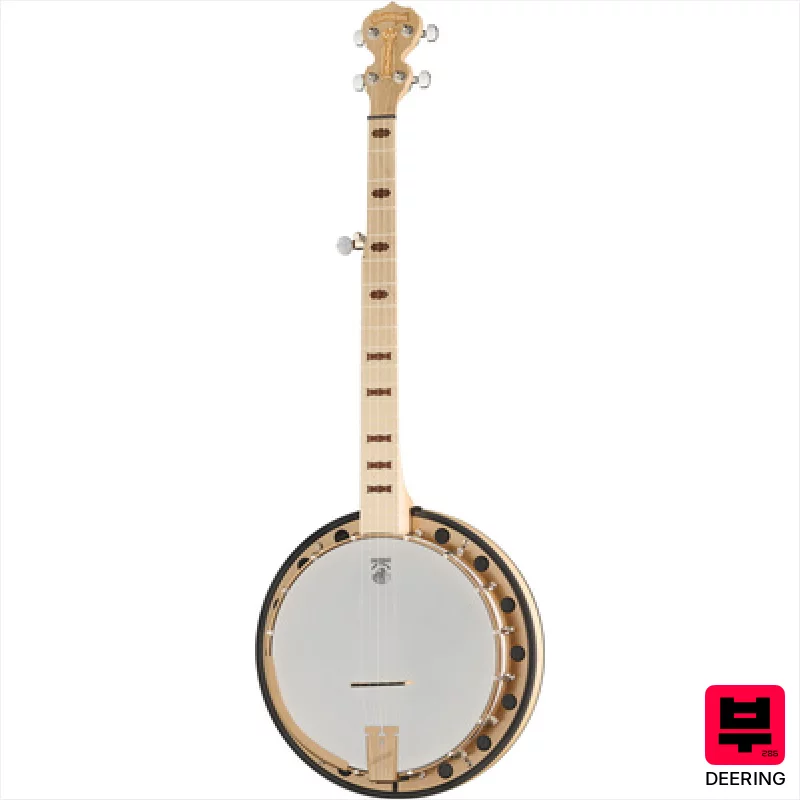
Deering Goodtime Special Banjo
- • Improved tone ring delivers a noticeably brighter, more powerful bluegrass voice.
- • The 3-ply maple rim offers excellent resonance and sustain for its class.
- • Deering's Quiet tailpiece significantly reduces unwanted string buzz and feedback.
- • US Bronze Powder finish adds a touch of class and durability to the hardware.
- • The maple neck, while comfortable, might feel a little thin for players with larger hands.
- • The 'Deco' inlays, while visually appealing, are a purely aesthetic upgrade and add no functional benefit.
- • While well-built, the all-maple resonator can occasionally exhibit a slightly boxy tone compared to fancier wood combinations.

Gold Tone CC-Irish Tenor Cripple Creek
- • Maple rim provides a bright, focused bluegrass tone.
- • Rosewood fingerboard offers comfortable playability and warmth.
- • Snowflake inlays add a touch of visual elegance.
- • 2-way truss rod allows for precise neck adjustments.
- • Brass tonering can sound a bit harsh for some playing styles.
- • Gig bag offers minimal protection for transport.
- • Maple neck might be a bit thin for players with larger hands.
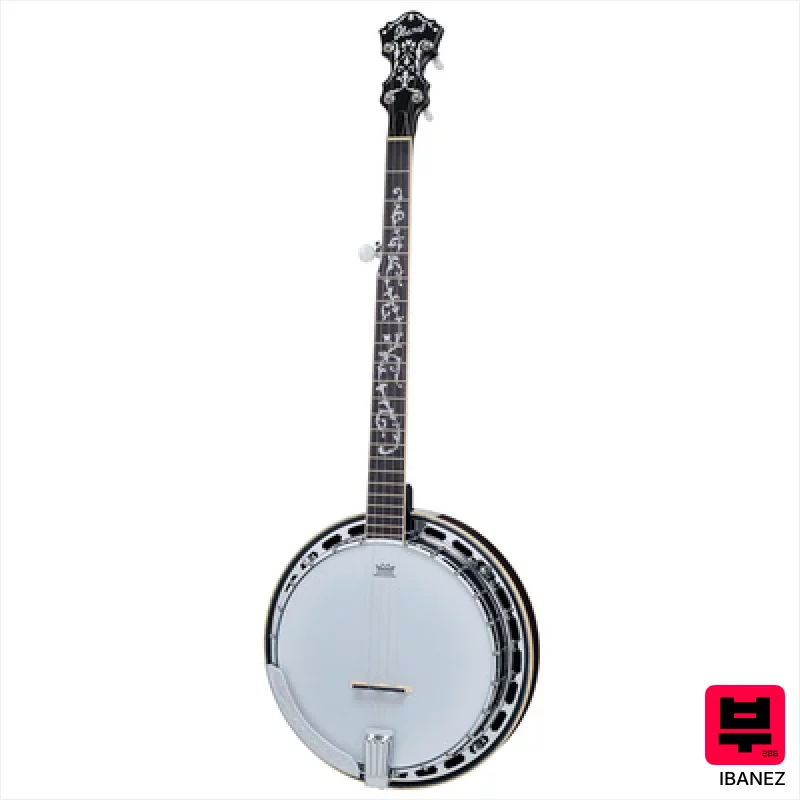
Ibanez B300-BK Banjo
- • Walnut body delivers a warm, resonant tone uncommon in entry-level banjos.
- • Purpleheart fingerboard offers slick playability and a distinctive visual flair.
- • Okoume neck provides good stability and a comfortable, familiar feel for guitarists.
- • Coated Weatherking head minimizes moisture absorption and reduces tuning instability.
- • Flat fingerboard may feel unusual for banjo players accustomed to a radiused board.
- • Limited tonal versatility; geared towards traditional bluegrass styles primarily.
- • Chrome hardware, while aesthetically pleasing, can be prone to pitting over time.
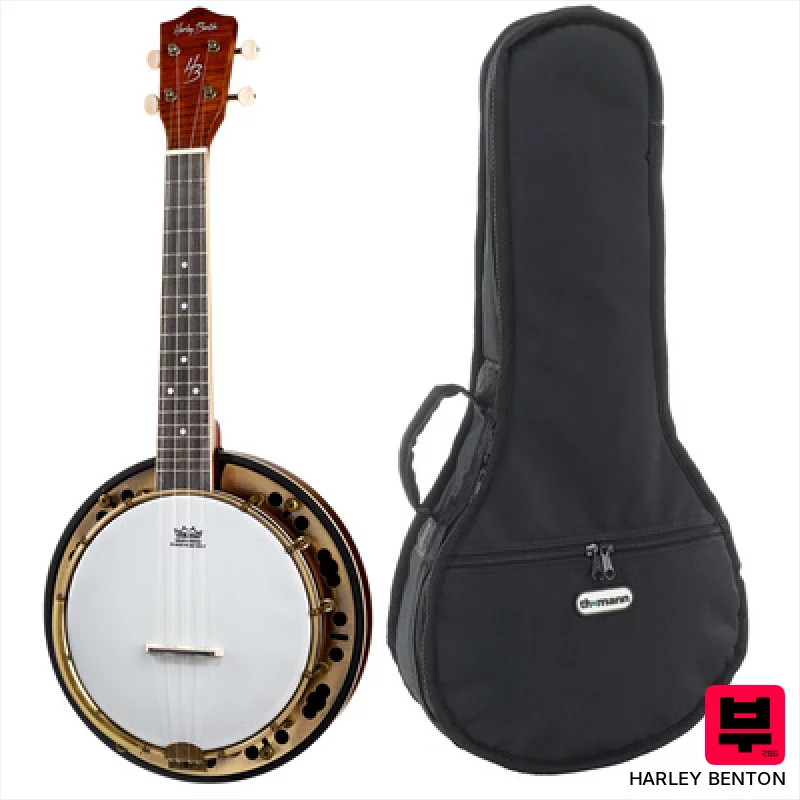
Harley Benton BJU-15Pro Banjo Ukulele w/Bag
- • Maple rim delivers a surprisingly bright, articulate tone for its price.
- • Graphite nut improves tuning stability compared to standard plastic nuts.
- • Remo BJ-0800-M2 head provides a consistent, reliable playing surface.
- • Included gig bag offers practical protection and portability for travel.
- • Vintage-style tuners can feel a bit imprecise and may require frequent adjustments.
- • The neck profile, while playable, might feel a bit thick for smaller hands.
- • Maple/blackwood bridge construction, while functional, lacks the premium feel of higher-end materials.
How to Choose the Best Banjos
Tone & Warmth
Country banjo often needs a less aggressive, warmer tone than bluegrass. Look for banjos with a slightly softer head, maybe a mahogany rim instead of maple, to avoid that ice-picky high-end. That 'fat midrange honk' is what you're after, not just pure sparkle.
Rim Material
Maple rims are bright and punchy, great for bluegrass but can be harsh for country. Mahogany offers a warmer, woodier tone. Sapele is a good compromise, offering some of the brightness of maple with a bit more warmth.
Resonator (or Lack Thereof)
Open-back banjos are often preferred for country due to their softer, more mellow tone. Resonators add volume and projection, but can also introduce unwanted brightness. If you need volume, look for a resonator with a less aggressive voice.
Action & Playability
A lower action is crucial for comfortable playing, especially when you're laying down rhythm parts for extended periods. High action will kill your mojo and slow down your responsiveness - a real pain in a live setting.
Hardware Quality
Cheap hardware means headaches. Tuners that slip, a tailpiece that rattles - it all adds up to frustration on stage or in the studio. Solid hardware doesn't guarantee a great tone, but it does guarantee the banjo won't fail you when you need it most.
Buying Guide
Don't get caught up in the hype. A lot of banjos are overpriced for what you get. Focus on the rim material and head type first - those are the biggest tone shapers. If you're on a budget, expect compromises in hardware and finish, but don't skimp on the neck profile; a comfortable neck is worth its weight in gold, especially if you're gigging regularly.
Our Methodology
We're not just looking at spec sheets here. We've spent weeks playing these banjos - in rehearsal rooms, recording studios, and even a few dive bar gigs. We've A/B'd them against each other, listened to them through different amps and mics, and generally put them through the ringer to see how they perform in real-world scenarios. It's about feel, tone, and how they actually cut through a band.

