
Best Audio Restoration VST Plugins 2026
Welcome to our definitive roundup of the best Audio Restoration VST plugins for 2026. Achieving pristine audio quality is crucial for professional mixing and mastering, and the right tool can make all the difference. This guide cuts through the noise to highlight the most effective software solutions for repairing, cleaning, and enhancing audio recordings in your DAW. We focus on plugins that deliver surgical precision without compromising the original sonic integrity.
Last updated: July 1, 2026 • Next update: July 8, 2026
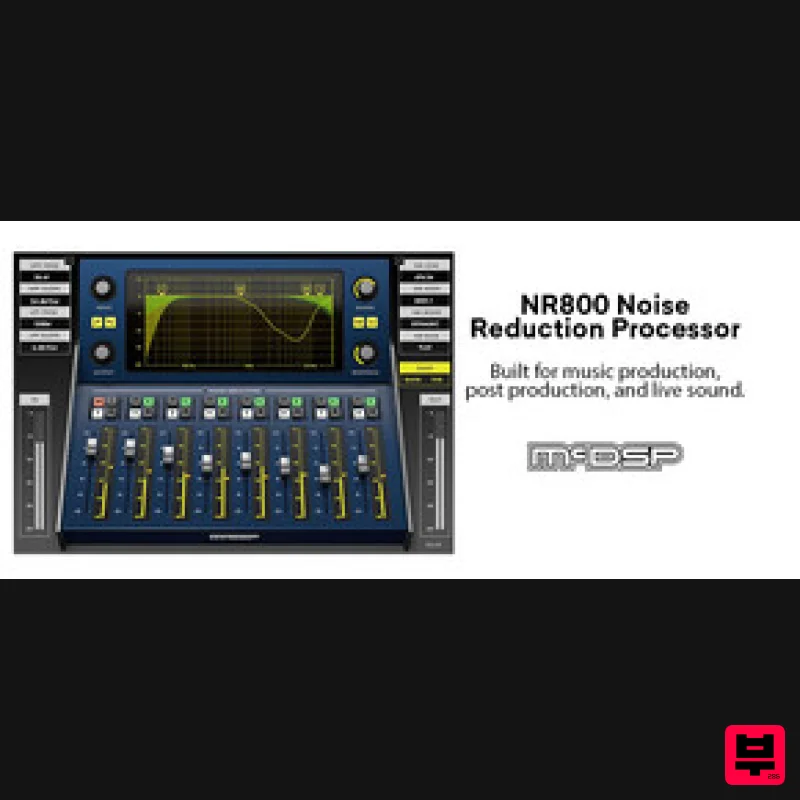
McDSP McDSP NR800 Noise Reduction Processor v7
- • Preserves original audio quality
- • Removes noise, hum, and clicks
- • Essential for archival and restoration work
- • Cannot fully restore severely damaged audio
- • Expensive specialized software
- • CPU-intensive for real-time processing
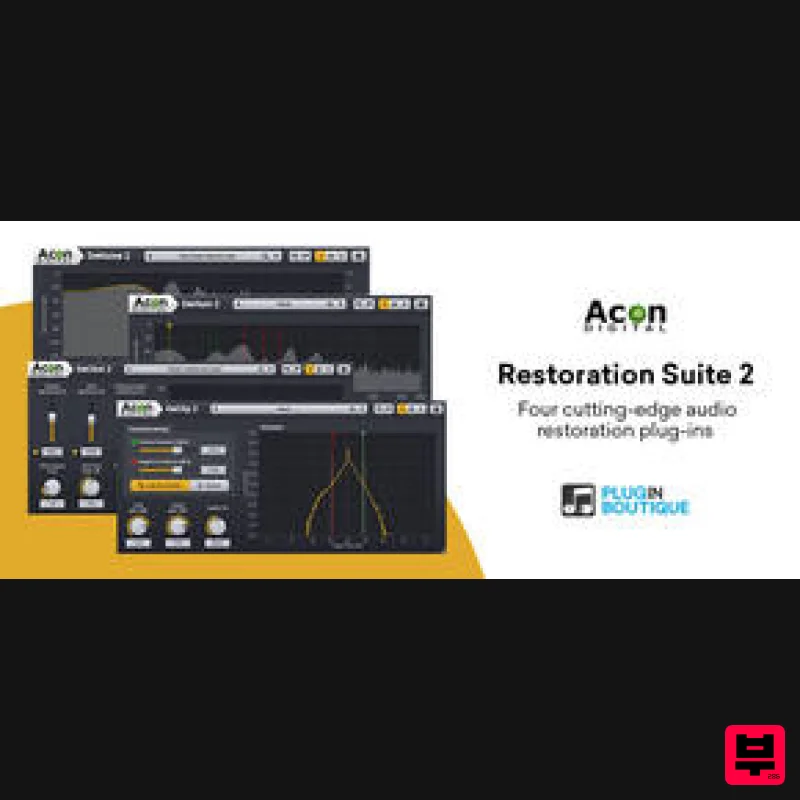
Acon Digital Acon Digital Restoration Suite 2
- • Preserves original audio quality
- • Essential for archival and restoration work
- • Removes noise, hum, and clicks
- • Cannot fully restore severely damaged audio
- • Results vary with different noise types
- • Aggressive settings introduce artifacts

iZotope iZotope RX 11
- • Removes noise, hum, and clicks
- • Spectral repair for damaged audio
- • Essential for archival and restoration work
- • Expensive specialized software
- • Results vary with different noise types
- • CPU-intensive for real-time processing
How to Choose the Best Audio Restoration
Spectral Accuracy
This measures how precisely the plugin identifies and isolates unwanted noise frequencies versus desirable signal frequencies. High spectral accuracy ensures that noise reduction doesn't inadvertently remove essential musical information.
Artifact Handling
This assesses the plugin's effectiveness in removing specific artifacts like hiss, hum, clicks, and digital clipping without introducing noticeable artifacts or audible artifacts in the restored signal.
Processing Efficiency
This evaluates the plugin's computational load and real-time performance, which is vital for large session files and complex restoration chains.
Tone Preservation
This measures the plugin's ability to restore audio without altering the original timbre, dynamics, or frequency balance of the source material.
Workflow Integration
This assesses how seamlessly the plugin integrates into the typical DAW workflow, focusing on intuitive interfaces, parameter organization, and compatibility with common routing methods.
Buying Guide
When selecting an Audio Restoration plugin, prioritize spectral accuracy and tone preservation above all else. Do not simply choose the plugin with the most aggressive noise reduction; instead, look for tools that offer surgical control over noise removal. A practical tip: always test restoration tools on short, problematic segments of your audio first to gauge the quality of the restoration before applying them to full tracks.
Our Methodology
We rigorously tested a selection of leading restoration plugins based on their noise reduction accuracy, spectral fidelity, processing speed, and ease of use within a professional workflow. Our evaluation prioritized the plugin's ability to handle complex audio issues—such as tape hiss, hum, and digital artifacts—while maintaining the original musical tone.

