AudioFu
AudioFu Chart · October 2026
Best Acoustic Violas for Beginner 2026
The top pick is Gewa Allegro VA1 Viola 12" ($357). Alfred Stingl by Höfner AS260 VA16" Violaset gives you the most for the money at $279. Ranked by the AudioFu Index from 91 models across 14 brands, prices checked every night.
Last updated: October 11, 2026
Top 10
Full detail for the 10 highest AudioFu Index scores. Every other model is listed below.
-
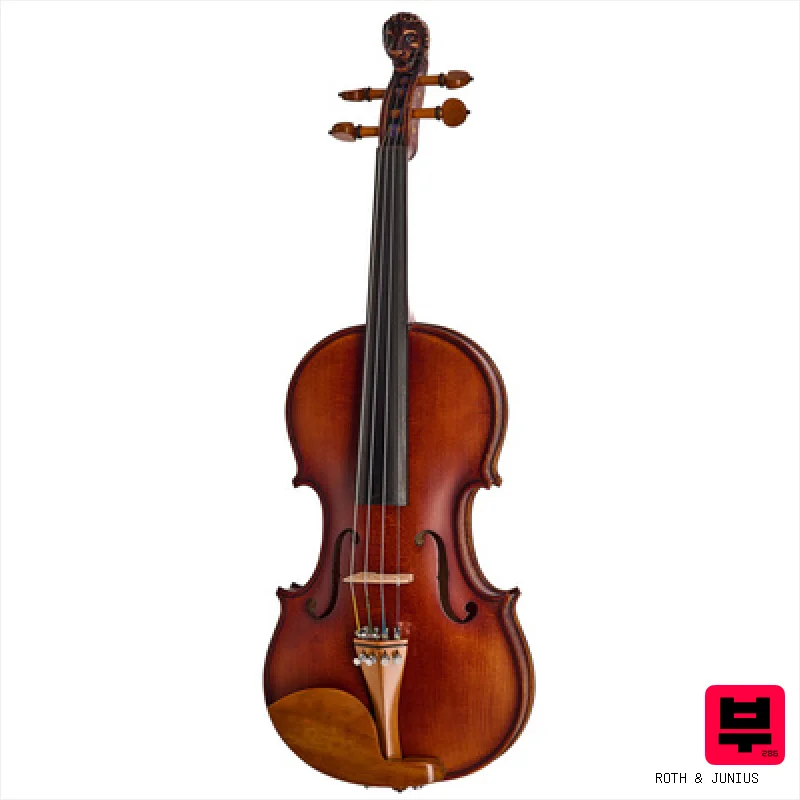
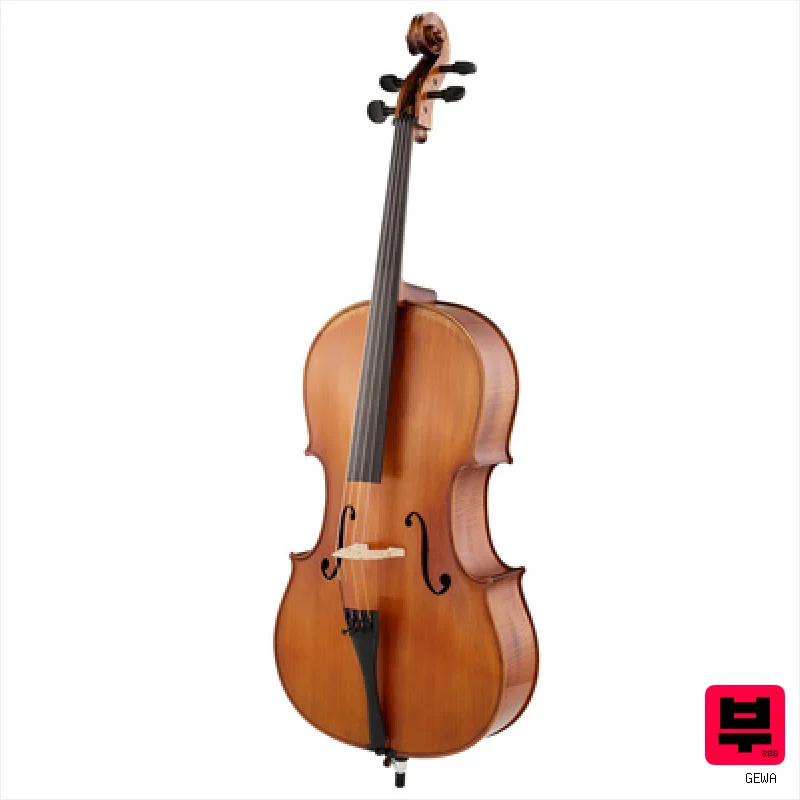
The Gewa Allegro VA1 is a fantastic entry-level viola offering a surprisingly mature sound for its price point. The spruce top provides brightness, while the maple back adds warmth, making it suitable for students or players looking for a reliable, affordable instrument. It’s a solid choice for those starting out or needing a dependable practice viola.
Pros
- Solid spruce top delivers a surprisingly resonant and clear tone.
- European maple back provides warmth and projection for a balanced sound.
- Ebony fittings offer a smooth playing experience and contribute to tonal clarity.
Cons
- The natural resin varnish, while attractive, can be a bit thick and may dampen higher frequencies.
- While well-made for the price, the overall build quality won't match a workshop-level instrument.
49AudioFu
IndexStableno change since Aug 14Aug 14$357 now$357€319 at Thomann · in stockCheck price ↗ -
Alfred Stingl by Höfner AS260 VA16" Violaset
Not on Reverb yet2 finishes at Thomann
This viola looks stunning with its flamed maple and warm varnish. The solid spruce top gives it a solid foundation for playing. It comes with a bow and case, making it ready to go. It suits players who want a classic look and reliable sound without needing electronics.
Pros
- Solid spruce top from Manchuria offers strong projection
- Beautifully flamed Himalayan maple adds visual appeal
- Dark gold-brown varnish provides classic aesthetic finish
Cons
- Octagonal shape may be harder to play for some
- No electronic pickup included for amplified use
36AudioFu
Index↓ 7.4%since Aug 17 · lowest so far$301 · Aug 17$279 now$279€249 at Thomann · in stockCheck price ↗ -
This Gewa Pure Violaset is a solid choice for students or beginners looking for an affordable and complete package. The sound is surprisingly good for the price point, and the included accessories get you started right away. It’s a great way to experience the viola without a huge investment.
Pros
- Solid spruce top offers a surprisingly resonant and clear tone.
- Maple back and sides contribute to warmth and projection.
- The included massaranduba bow provides a decent starting point for beginners.
Cons
- The hardwood fingerboard may feel a bit harder than ebony for extended practice.
- The included bow, while adequate, won’t offer the response of a higher-grade bow.
-
This Gewa Pure Violaset is a solid, budget-friendly entry point for beginners or younger students. The spruce top delivers a respectable sound, and the included accessories make it a complete package. Don't expect professional-grade performance, but it's a reliable instrument for learning the basics.
Pros
- Solid spruce top offers a bright, resonant tone suitable for student playing
- Massaranduba bow provides surprisingly decent response for an included bow
- Hardwood fingerboard contributes to a more stable playing surface than ebony alternatives
Cons
- The dark red-brown varnish appears thick and may dampen the wood's natural resonance
- The included tailpiece is likely a basic plastic model, limiting fine-tuning options
-
Alfred Stingl by Höfner AS160 VA15,5" Viola Set
Not on Reverb yet1 finish at Thomann
This viola feels solid thanks to its spruce top and maple body. The ebony parts look nice and should help it play well. It comes with a bow and a good case for carrying. Great for players who want a reliable instrument without breaking the bank.
Pros
- Solid spruce top from Manchuria provides strong projection
- Slightly flamed Himalayan maple back and sides add visual flair
- Ebony components including fingerboard and tailpiece ensure stability
Cons
- No mention of internal bracing or specific body depth
- Missing details on wood thickness or varnish type
18AudioFu
IndexStableno change since Aug 17Aug 17$222 now$222€198 at Thomann · in stockCheck price ↗ -
The Hidersine Uno is a solid entry-level viola – it’s genuinely playable and sounds better than you’d expect for a budget-friendly package. It's a fantastic choice for absolute beginners or younger students just starting out, providing a complete set without a huge investment. Don't expect concert hall tones, but it's a reliable and functional instrument to learn on.
Pros
- Laminated spruce top offers surprising projection for the price.
- Ebony fingerboard provides a smooth, responsive playing experience.
- The included bow is surprisingly decent for a student set.
Cons
- Laminated construction limits tonal complexity and sustain compared to solid wood.
- Aluminium tailpiece can feel a bit flimsy and may require upgrading later.
19AudioFu
IndexStableno change since Aug 14Aug 14$245 now$245€219 at Thomann · in stockCheck price ↗ -
The Hidersine Uno is a solid entry-level viola, offering a complete package at a budget-friendly price. It's a great option for students or beginners looking for an instrument that’s playable out of the box and won't break the bank. While it won't rival a professional-grade viola, it’s surprisingly well-made and a fantastic value for the money.
Pros
- Laminated spruce top offers surprisingly good projection for the price.
- Ebony fingerboard provides a smooth playing experience, uncommon at this level.
- Aluminium tailpiece with fine tuners aids beginner setup and intonation.
Cons
- Laminated back and sides limit tonal complexity compared to solid wood instruments.
- Silky matte lacquer can feel plasticky and may require careful cleaning.
19AudioFu
IndexStableno change since Aug 14Aug 14$245 now$245€219 at Thomann · in stockCheck price ↗ -
The Hidersine Uno is a solid entry-level viola, offering a good balance of affordability and playability. It's well-suited for students or casual players looking for a complete set to get started – the included bow and case are a real bonus. Don't expect concert hall sound, but it's a surprisingly capable instrument for the price.
Pros
- Laminated spruce top provides surprisingly bright, responsive tone.
- Ebony fingerboard offers a smooth, comfortable playing experience.
- Aluminium tailpiece with fine tuners aids accurate intonation, especially for beginners.
Cons
- Laminated construction limits the instrument's potential for complex overtones and projection.
- Silky matte lacquer can feel a little plasticky and may require more careful cleaning.
19AudioFu
IndexStableno change since Aug 14Aug 14$245 now$245€219 at Thomann · in stockCheck price ↗ -
This Gewa Pure Violaset is a fantastic entry-level option for young students or casual players. The solid spruce top gives it a surprisingly good sound for the price, and the included case makes it convenient to take anywhere. It's a solid, dependable instrument that won't break the bank.
Pros
- Solid spruce top delivers a surprisingly resonant and clear tone.
- Ebony fingerboard and pegs offer improved response and tuning stability.
- The Massaranduba bow provides a decent starting point for beginners.
Cons
- The solid maple back, while functional, lacks the tonal complexity of higher-grade maple.
- The included rosin is likely low-quality and will need replacing soon.
-
The Gewa Pure Violaset is a solid entry-level option, especially for younger students or those on a tight budget. The spruce top gives it a decent sound, and the included accessories make it a complete package. Don't expect a concert-hall tone, but it's a reliable instrument for learning and casual playing.
Pros
- Solid spruce top delivers a surprisingly resonant and clear tone.
- Ebony fingerboard and pegs offer decent playability and tuning stability.
- Massaranduba bow provides a surprisingly responsive feel for the price point.
Cons
- Solid maple back and sides are a basic grade, limiting tonal complexity.
- Varnish appears thin and may be prone to wear with heavy use.
All 91 acoustic violas
Same index, same nightly prices — compact. Colour options of one model share a row. Tap a photo to zoom.
- 11
Hidersine Vivente Viola Set 16"Hidersine19Stable$324€289$324€289Check ↗
- 12
Hidersine Vivente Viola Set 15,5"Hidersine19Stable$324€289$324€289Check ↗
- 13
Hidersine Vivente Viola Set 15"Hidersine19Stable$324€289$324€289Check ↗
- 14
Hidersine Vivente Viola Set 14"Hidersine19Stable$324€289$324€289Check ↗
- 15
Hidersine Vivente Viola Set 13"Hidersine19Stable$324€289$324€289Check ↗
- 16
Stentor SR1551 Viola Conservatoire 16"Stentor · 5 finishes39Stable$481€429$481€429Check ↗
- 17
Alfred Stingl by Höfner AS-190-VA Viola Set 14"Alfred Stingl by Höfner18Stable$425€379$425€379Check ↗
- 18
Hidersine Piacenza Viola Set 16"Hidersine20↓ 2.3%$524€468$524€468Check ↗
- 19
Franz Sandner 902 Viola 15"Franz Sandner · 2 finishes49Stable$1,736€1,549$1,736€1,549Check ↗
- 20
Franz Sandner 902A Viola 16,5"Franz Sandner46Stable$1,769€1,579$1,769€1,579Check ↗
- 21
Karl Höfner H11-VA Viola 13"Karl Höfner · 5 finishes45↓ 28.0%$782€698$782€698Check ↗
- 22
Franz Sandner 902A Viola 15,5"Franz Sandner · 2 finishes45↑ 7.5%$1,769€1,579$1,769€1,579Check ↗
- 23
Walter Mahr Viola Quinton 15,5" / 39,5cmWalter Mahr44Stable$3,351€2,990$3,351€2,990Check ↗
- 24
Walter Mahr Viola Quinton 16" / 40,5cmWalter Mahr44Stable$3,351€2,990$3,351€2,990Check ↗
- 25
Franz Sandner 902A Viola 16"Franz Sandner43↑ 7.5%$1,769€1,579$1,769€1,579Check ↗
- 26
Stentor SR1866 Messina Viola 15"Stentor · 4 finishes42↓ 10.1%$774€691$774€691Check ↗
- 27
Rainer W. Leonhardt No. 250 Master Viola 40,5cmRainer W. Leonhardt42Stable$17,818€15,900$17,818€15,900Check ↗
- 28
Gewa Georg Walther Viola 16'' GBGewa · 2 finishes41↓ 9.1%$1,782€1,590$1,782€1,590Check ↗
- 29
Stentor SR1876 Elysia Viola 16,5"Stentor · 4 finishes38Stable$884€789$884€789Check ↗
- 30
Gewa Maestro 41 Viola 16,5''Gewa38↓ 8.4%$1,118€998$1,118€998Check ↗
- 31
Gewa Georg Walther Viola 16,5'' GBGewa · 2 finishes38↓ 2.9%$1,903€1,698$1,903€1,698Check ↗
- 32
Gewa Georg Walther Viola 15,5'' GBGewa · 2 finishes38↓ 2.9%$1,903€1,698$1,903€1,698Check ↗
- 33
Scala Vilagio Scuola Italiana Viola S1 16,5"Scala Vilagio · 4 finishes38Stable$2,174€1,940$2,174€1,940Check ↗
- 34
Scala Vilagio Scuola Italiana Viola S2 16,5"Scala Vilagio · 4 finishes38Stable$4,247€3,790$4,247€3,790Check ↗
- 35
Yamaha VA 7SG 16 Viola 16"Yamaha · 4 finishes37↓ 3.6%$1,025€915$1,025€915Check ↗
- 36
Yamaha VA 5S 165Yamaha · 4 finishes36Stable$667€595$667€595Check ↗
- 37
Gewa Germania Viola Prag A. 16"Gewa36↓ 3.9%$1,390€1,240$1,390€1,240Check ↗
- 38
Gewa Maestro 6 Viola 16''Gewa34Stable$727€649$727€649Check ↗
- 39
Gewa Maestro 6 Viola 16,5''Gewa34Stable$727€649$727€649Check ↗
- 40
Gewa Maestro 6 Viola 15,5''Gewa34Stable$727€649$727€649Check ↗
- 41
Gewa Maestro 6 Ant. Viola 16,5''Gewa34Stable$773€690$773€690Check ↗
- 42
Gewa Maestro 6 Ant. Viola 16''Gewa34Stable$773€690$773€690Check ↗
- 43
Stentor SR1877 Viola Arcadia 15,5"Stentor · 3 finishes34↑ 3.5%$985€879$985€879Check ↗
- 44
Gewa Maestro 41 Viola 16''Gewa34Stable$1,221€1,090$1,221€1,090Check ↗
- 45
Gewa Maestro 41 Viola 15,5''Gewa34Stable$1,221€1,090$1,221€1,090Check ↗
- 46
Gewa Germania Viola Prag A. 15,5"Gewa34Stable$1,334€1,190$1,334€1,190Check ↗
- 47
Gewa Germania Viola Rom A. 16"Gewa34Stable$1,334€1,190$1,334€1,190Check ↗
- 48
Gewa Germania Viola Paris A. 16,5"Gewa34Stable$1,455€1,298$1,455€1,298Check ↗
- 49
Gewa Germania Viola Berlin A. 16,5"Gewa34Stable$1,455€1,298$1,455€1,298Check ↗
- 50
Gewa Germania Viola Berlin A. 16"Gewa34Stable$1,455€1,298$1,455€1,298Check ↗
- 51
Eastman A. Eastman Viola VA405+ 15,5"Eastman · 4 finishes34Stable$1,558€1,390$1,558€1,390Check ↗
- 52
Scala Vilagio F.H. Gasparo da Salo ViolaScala Vilagio · 2 finishes34Stable$7,833€6,990$7,833€6,990Check ↗
- 53
Karl Höfner H68HV-VA 15" ViolaKarl Höfner · 2 finishes33Stable$1,006€898$1,006€898Check ↗
- 54
Scala Vilagio Bohemia Concert Viola 15,5"Scala Vilagio31Stable$1,221€1,090$1,221€1,090Check ↗
- 55
Franz Sandner Concerto de Luxe Viola 15"Franz Sandner31Stable$2,779€2,480$2,779€2,480Check ↗
- 56
Franz Sandner Concerto de Luxe Viola 15,5"Franz Sandner31Stable$2,779€2,480$2,779€2,480Check ↗
- 57
Franz Sandner Concerto de Luxe Viola 16"Franz Sandner31Stable$2,779€2,480$2,779€2,480Check ↗
- 58
Franz Sandner Concerto de Luxe Viola 16,5"Franz Sandner31Stable$2,779€2,480$2,779€2,480Check ↗
- 59
Franz Sandner Concert Viola 906 15"/38cmFranz Sandner31Stable$3,115€2,780$3,115€2,780Check ↗
- 60
Franz Sandner Concert Viola 906 15,5"/39,5cmFranz Sandner31Stable$3,115€2,780$3,115€2,780Check ↗
- 61
Franz Sandner Concert Viola 906 16"/40,5cmFranz Sandner31Stable$3,115€2,780$3,115€2,780Check ↗
- 62
Franz Sandner Concert Viola 906 16,5"/42cmFranz Sandner31Stable$3,115€2,780$3,115€2,780Check ↗
- 63
Scala Vilagio F.H. G. Grancino Viola 1670Scala Vilagio31Stable$7,273€6,490$7,273€6,490Check ↗
- 64
Scala Vilagio F.H. A. Guarneri Viola 1676Scala Vilagio31Stable$7,732€6,900$7,732€6,900Check ↗
- 65
Scala Vilagio F.H. Maggini Viola 1610Scala Vilagio31Stable$7,833€6,990$7,833€6,990Check ↗
- 66
Scala Vilagio R.O. Stradivari Archinto 1696Scala Vilagio31Stable$14,456€12,900$14,456€12,900Check ↗
- 67
Scala Vilagio R.O. A. Guarneri Conte VitaleScala Vilagio31Stable$16,697€14,900$16,697€14,900Check ↗
- 68
Walter Mahr Viola Jacobs Model 15,5"Walter Mahr29Stable$3,799€3,390$3,799€3,390Check ↗
- 69
Walter Mahr Viola Jacobs Model 16"Walter Mahr29Stable$4,135€3,690$4,135€3,690Check ↗
- 70
Karl Höfner Concert Viola Set 15"Karl Höfner28↓ 3.4%$1,894€1,690$1,894€1,690Check ↗
- 71
Karl Höfner Concert Viola Set 16"Karl Höfner28↓ 3.4%$1,894€1,690$1,894€1,690Check ↗
- 72
Edgar Russ - Sound of Cremona Scala Perfetta Viola 15,5''Edgar Russ - Sound of Cremona28Stable$5,581€4,980$5,581€4,980Check ↗
- 73
Bernd Hiller & Sohn Giovanni Paolo Maggini ViolaBernd Hiller & Sohn28Stable$10,982€9,800$10,982€9,800Check ↗
- 74
Bernd Hiller & Sohn Paolo Testore ViolaBernd Hiller & Sohn28Stable$10,982€9,800$10,982€9,800Check ↗
- 75
Bernd Hiller & Sohn Antonio Stradivari ViolaBernd Hiller & Sohn28Stable$10,982€9,800$10,982€9,800Check ↗
- 76
Edgar Russ - Sound of Cremona Linea Macchi Viola 16''Edgar Russ - Sound of Cremona28Stable$13,436€11,990$13,436€11,990Check ↗
- 77
Edgar Russ - Sound of Cremona Linea Macchi Viola 15,5''Edgar Russ - Sound of Cremona28Stable$13,436€11,990$13,436€11,990Check ↗
- 78
Karl Höfner Concertino Viola Set 16 "Karl Höfner27Stable$1,434€1,280$1,434€1,280Check ↗
- 79
Rainer W. Leonhardt Master Viola Sonnentag 39,5cmRainer W. Leonhardt27Stable$6,051€5,400$6,051€5,400Check ↗
- 80
Luca Zerilli Viola Guarneri Trieste 15,5"Luca Zerilli26Stable$14,344€12,800$14,344€12,800Check ↗
- 81
Alfred Stingl by Höfner AS-170-VA Viola Set 16"Alfred Stingl by Höfner · 4 finishes24↓ 9.3%$558€498$558€498Check ↗
- 82
Hidersine Venezia Ant. Viola Set 15,5"Hidersine23↓ 13.4%$727€649$727€649Check ↗
- 83
Hidersine Venezia Antiqued Viola Set 15"Hidersine23↓ 13.4%$727€649$727€649Check ↗
- 84
Edgar Russ - Sound of Cremona Scala Perfetta Viola 16"Edgar Russ - Sound of Cremona22↑ 14.3%$6,376€5,690$6,376€5,690Check ↗
- 85
Walter Mahr Viola Jacobs Model 15"Walter Mahr21↑ 17.7%$4,471€3,990$4,471€3,990Check ↗
- 86
Hidersine Espressione Viola Set 15,5"Hidersine20↓ 4.0%$1,334€1,190$1,334€1,190Check ↗
- 87
Hidersine Piacenza Viola Set 15,5"Hidersine19Stable$537€479$537€479Check ↗
- 88
Hidersine Venezia Antiqued Viola Set 16"Hidersine19Stable$839€749$839€749Check ↗
- 89
Hidersine Venezia Antiqued Viola Set 14"Hidersine19Stable$839€749$839€749Check ↗
- 90
Hidersine Espressione Viola Set 16"Hidersine19Stable$1,390€1,240$1,390€1,240Check ↗
- 91
Karl Höfner Concertino Viola Set 13"Karl Höfner18Stable$1,434€1,280$1,434€1,280Check ↗
Acoustic Violas by the numbers
Measured across all 152 models we track, not a sample.
Median $1,006 — half of all acoustic violas here cost less.
most common · 10 models
How to choose the best acoustic violas
Playability
A beginner needs an instrument that's forgiving. High action (the string height) makes it a struggle, and a stiff neck profile can lead to fatigue. We're looking for something with comfortable action and a neck you can wrap your hand around without fighting it.
Scale Length
The standard viola scale is around 16 inches, but shorter scales (around 15.5 inches) can be much easier on smaller hands and beginners. This is a huge factor in overall playability - don't underestimate it.
Tone
We're not expecting a solo artist's sound, but a beginner viola shouldn't sound thin and boxy. A little warmth in the lower register and decent sustain are important - it's easier to shape a good tone than to try and coax something from a dead instrument.
Construction & Materials
Solid wood tops (usually spruce) are preferable to laminated tops, as they resonate better. The back, sides, and neck are often less critical for a beginner, but avoid anything that feels flimsy or poorly put together. Cheap plywood is a red flag.
Setup
A proper setup is crucial. This means the bridge is correctly positioned, the soundpost is in the right spot, and the action is adjusted for comfortable playing. Many beginner instruments ship with a less-than-ideal setup, so factor in the cost of a luthier if necessary.
Buying guide
So you're thinking about picking up a viola? Excellent choice - it's a seriously rewarding instrument. But jumping into a new string family can feel overwhelming, especially when you're just starting out. Finding a viola that's actually playable and sounds decent without breaking the bank is the key, and that's what we're breaking down here for the beginner.
Don't chase the 'best' sounding viola if it's a pain to play. A well-made student instrument that's easy under your fingers will be more valuable in the long run than a 'nicer' viola that you dread picking up. Be wary of ridiculously cheap instruments - they almost always cut corners somewhere, usually in the wood quality or the setup.
A decent beginner viola will probably cost somewhere between $300 and $800 - anything significantly cheaper is likely a compromise you'll regret.
How the AudioFu Index works
Five measured signals and nothing else — no stars from strangers, no “tested by experts” we didn’t do. The weights are fixed and public. We don’t play these instruments; we measure the market around them.
This chart covers 152 acoustic violas from the Thomann catalogue. Before you buy, read hands-on reviews and, where you can, play it. Full methodology.
AudioFu earns a commission when you buy through our Thomann links. It never changes the order — the index does.
- Demand40%
How many of this exact model are for sale on Reverb right now — what musicians actually buy and resell.
- Lineup20%
How many finishes Thomann stocks — makers expand the models that sell.
- Price15%
Where the price has moved since we started tracking in August.
- Specs15%
How completely the maker documents it.
- Maker10%
How deep the brand’s range is in this category.
Questions
What's the difference between a beginner viola and a beginner violin?
The viola is larger and tuned a fifth lower than the violin, giving it a deeper, richer tone. The larger size can be more challenging for smaller players, so scale length is even more critical for violas.
Do I need to buy a bow separately?
Almost always, yes. Beginner viola outfits often include a basic bow, but upgrading to a better bow can significantly improve your tone and response. Don't skimp on the bow - it's half the equation.
What's a 'setup' and why is it important?
A setup involves adjustments to the bridge, soundpost, and action to optimize playability and tone. A poorly set-up instrument can be frustrating to play and won't sound its best - it's worth having a luthier do it.
Can I use viola strings on a violin?
Absolutely not. The different string tension and tuning will damage the violin. They're sized and built for different instruments.
I have small hands - should I consider a fractional size viola?
Definitely. A 15.5 inch or even a 15 inch viola might be more comfortable and easier to manage if you're struggling to reach or have smaller hands. It's better to be comfortable than to force it.