
Best Acoustic Cellos for Solo Performance 2026
So, you're looking for a cello for solo gigs? That's a different beast than what your orchestra buddy needs. You're not just blending into a section; you're the whole sound. We're talking about instruments that project, have character, and can handle everything from Bach suites to modern improvisation - without sounding thin or brittle when you're playing alone. Finding that sweet spot is key.
Last updated: July 8, 2026 • Next update: July 15, 2026

Anton Stöhr & Sohn Faszination Cello Strad. Sup.
- • Exceptional tonewood selection yields a remarkably warm and resonant bass response.
- • Thomas Stöhr's craftsmanship ensures superior projection and balanced tonal qualities.
- • Larsen strings provide a refined, professional-level sound right out of the box.
- • The easy playability and responsive action make it accessible to intermediate to advanced players.
- • The premium-priced nature limits accessibility for student or beginner cellists.
- • Sycamore maple back/sides, while beautiful, might lack the stiffness of more figured maple.
- • The Larsen strings, while excellent, might require replacement based on player preference.
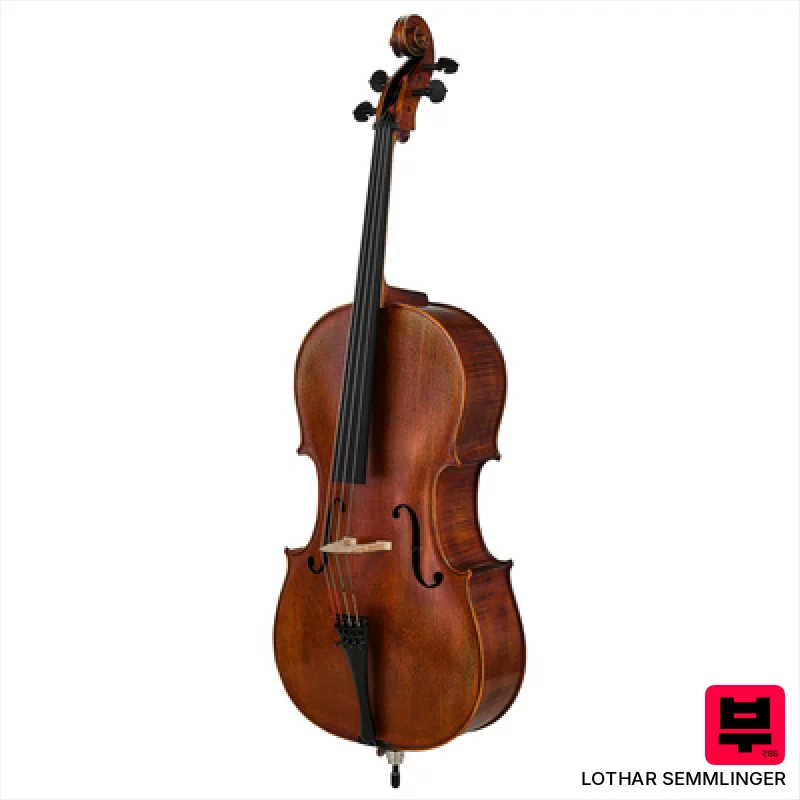
Lothar Semmlinger No. 135A Antiqued Cello 7/8
- • Solid, fine spruce top yields a remarkably responsive and clear upper register.
- • Flame maple back and sides contribute to a warm, focused, and powerful tonal projection.
- • Ebony fittings offer excellent durability and a smooth, fast playing experience.
- • Golden-brown spirit varnish enhances the cello’s appearance and contributes to a mature tone.
- • 7/8 size may be less ideal for taller players seeking a full-scale resonance.
- • Spirocore strings, while excellent, might require adjustment to suit individual preferences.
- • The antiqued finish, while beautiful, may be more delicate and require careful handling.

Stefan Semmlinger Orchestra No.2 Cello 4/4
- • Exceptional Alpine spruce top delivers a remarkably clear, resonant tone.
- • Hand-applied antique oil varnish enhances beauty and acoustic projection.
- • Otto Tempel pegs provide smooth, precise tuning stability – a real upgrade.
- • Semmlinger's personal 'break-in' ensures immediate playability and mature voice.
- • The premium-priced point makes it inaccessible to many aspiring cellists.
- • While versatile, its voice leans toward classical; less suited for extreme genres.
- • Ebony fingerboard, while excellent, requires diligent care to prevent dryness.
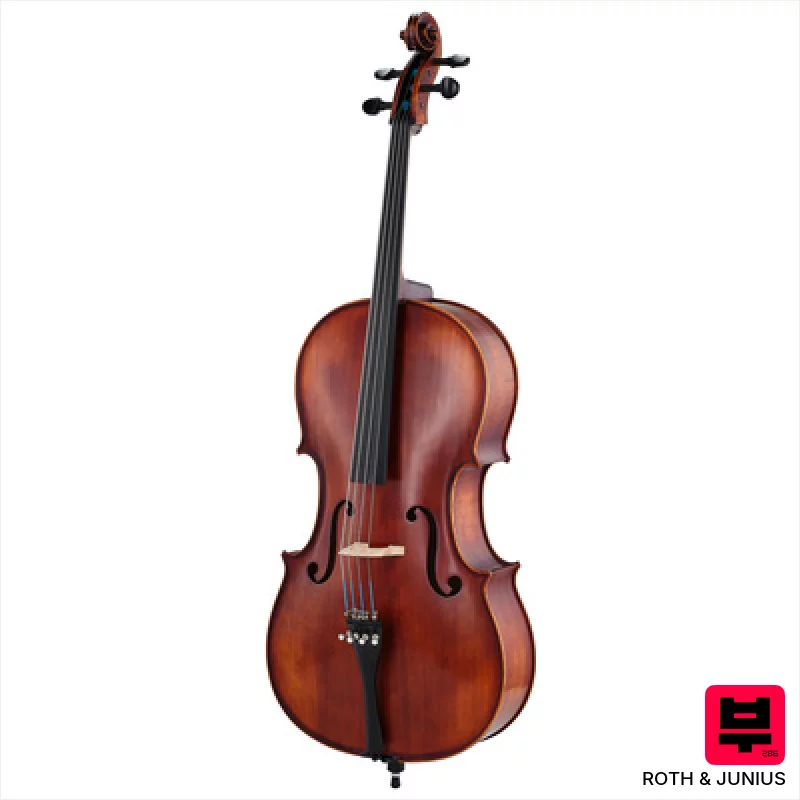
Roth & Junius Europe Orchestra Cello An/Eb
- • Solid spruce top delivers a bright, responsive, and projecting tone.
- • Flamed maple back enhances warmth and complexity, avoiding a thin sound.
- • Ebony fingerboard provides a smooth playing experience and good note definition.
- • Antique lacquer finish adds character and protects the instrument beautifully.
- • The antique finish can be fragile and requires careful handling.
- • Jargar Classic strings are decent, but a serious player will likely upgrade them.
- • The included bow, while functional, is a basic model and lacks refinement.

Hidersine Piacenza Cello Set 4/4
- • Solid spruce top delivers a surprisingly resonant and warm tone.
- • Flamed maple back provides excellent projection and clarity.
- • Ebony fingerboard offers a smooth, responsive playing experience.
- • Well-padded bag with backpack straps adds significant portability.
- • Brasilwood bow, while adequate, won't satisfy advanced players' tonal demands.
- • Silk matte lacquer can be a bit delicate and prone to fingerprints.
- • The cello’s construction, while solid, lacks the nuanced aging of a truly heirloom instrument.

Scala Vilagio Scuola Italiana Cello Guarneri
- • Solid spruce top provides excellent projection and a warm, responsive tone.
- • Flamed maple back offers rich overtones and a pleasing aesthetic.
- • High-quality string selection (Thomastik Spirocore & Larsen) enhances clarity and sustain.
- • Antique varnish enhances the instrument's beauty and contributes to its mature sound.
- • The antique varnish, while beautiful, may be delicate and require careful handling.
- • Being handmade, slight variations in construction are possible, impacting playability.
- • The weight, typical for a full-size cello with solid woods, could be tiring for younger players.

Roth & Junius Europe Orchestra Cello Set A/B
- • Solid spruce top delivers a responsive, clear tone with good projection.
- • Flamed maple back adds warmth and complexity to the overall sound.
- • RJB carbon bow offers consistent response and a surprisingly refined feel.
- • GreyLine bag provides robust protection and comfortable backpack carrying.
- • Antique lacquer can feel a little thick, slightly dampening the high frequencies.
- • Jargar Classic strings are decent but a worthwhile upgrade for a more mature tone.
- • European-made instruments, while good, may lack the nuanced character of a master luthier's work.
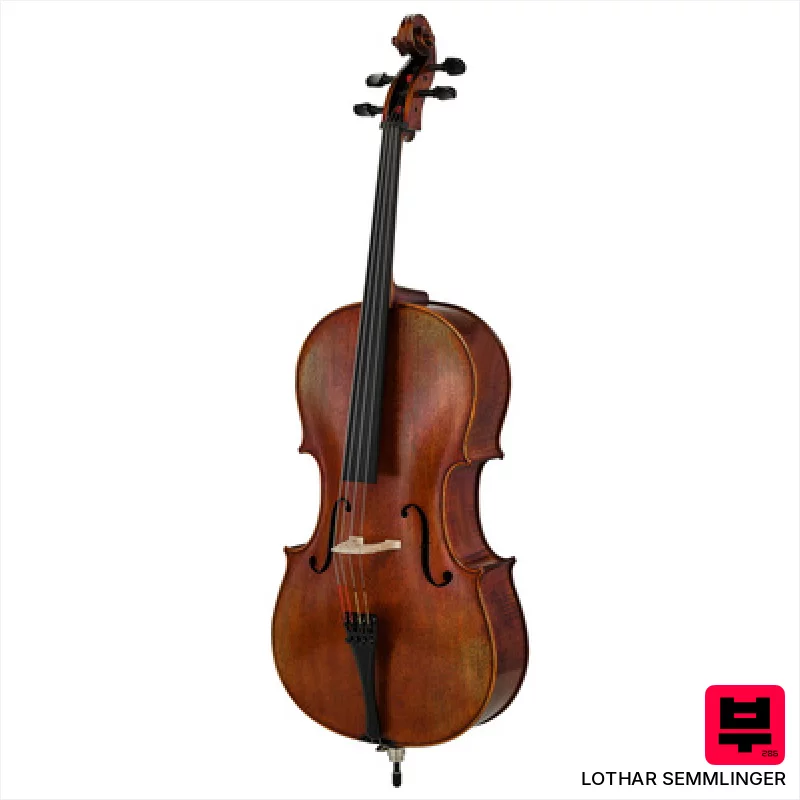
Lothar Semmlinger No. 133A Antiqued Cello 7/8
- • Rich, warm tone due to solid spruce top and spirit varnish.
- • 7/8 size offers comfortable playability for smaller players.
- • Ebony fittings provide excellent response and durability.
- • Flamed maple back enhances projection and aesthetic appeal.
- • Antique finish may not appeal to those preferring a pristine look.
- • 7/8 size limits full tonal projection for larger players.
- • Larsen/Spirocore strings are good, but an upgrade is likely desired.
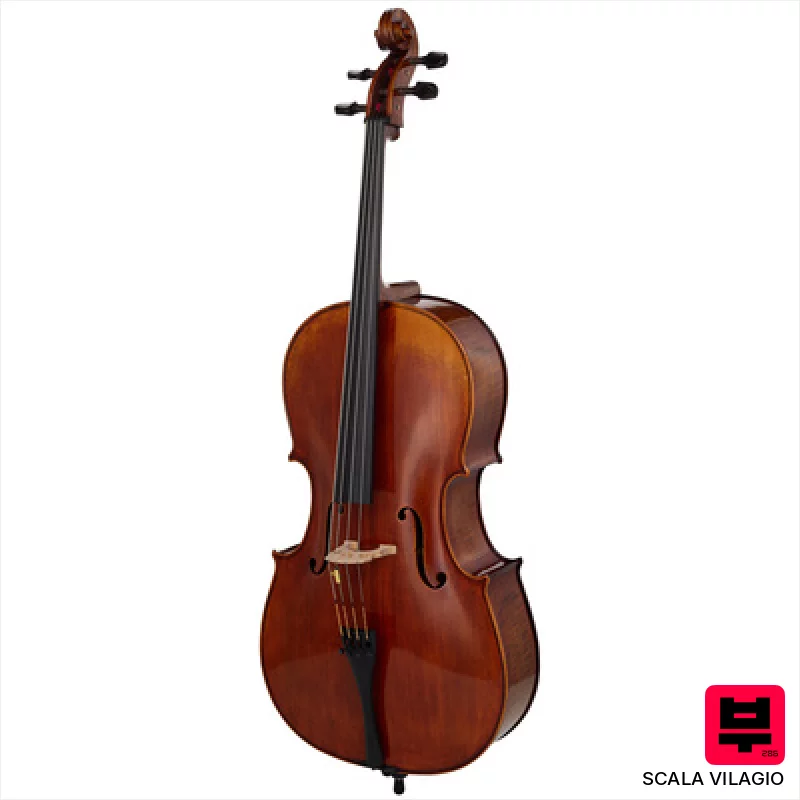
Scala Vilagio Bohemia Performance Cello 7/8
- • Solid spruce top delivers a warm, responsive, and projecting tone.
- • Hand-applied spirit varnish enhances the wood's natural resonance and beauty.
- • Aubert bridge and Larsen strings offer a professional-level playing experience right out of the box.
- • 7/8 size is ideal for smaller players or those seeking a more manageable instrument.
- • The 7/8 size may lack the full projection of a full-size cello for larger players.
- • Spirit varnish, while beautiful, requires careful maintenance to prevent cracking or damage.
- • While well-made, Czech Republic production means a slightly less refined aesthetic than German or French instruments.

Stentor SR1596 Cello Arcadia 4/4
- • Solid spruce top delivers a warm, responsive, and projecting tone.
- • Handmade construction and shellac varnish contribute to a refined aesthetic and resonance.
- • Ebony fingerboard offers a smooth playing experience and excellent intonation.
- • High-quality ebony tuning pegs ensure stable and precise tuning.
- • Solid wood construction makes it heavier than instruments with laminated components.
- • Shellac finish, while beautiful, requires more careful maintenance than modern polymer coatings.
- • While a step up, the included bow is a standard model and might benefit from an upgrade for serious players.
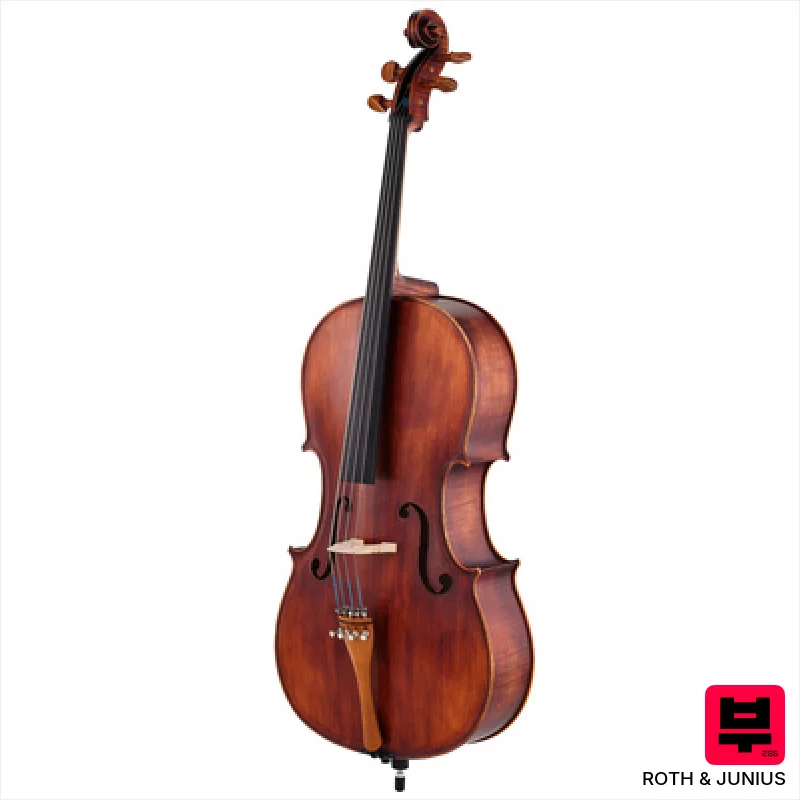
Roth & Junius Europe Orchestra Cello An/Bw
- • Solid spruce top yields a warm, responsive, and projecting tone.
- • Boxwood pegs and tailpiece offer a touch of refinement and stable tuning.
- • Antique lacquer finish enhances the cello’s aesthetic appeal and protects the wood.
- • Jargar Classic strings provide a reliable, full-bodied sound suitable for orchestral work.
- • The slightly flamed maple back, while attractive, isn’t the highest grade available.
- • The antique finish, while visually appealing, may be more delicate and require careful handling.
- • The included bow, while functional, is a standard model and may benefit from an upgrade for advanced players.

Walter Mahr Baroque Cello Stradivari 4/4
- • Exceptional spruce top yields a warm, focused, and resonant tone.
- • Mahr's craftsmanship ensures impeccable build quality and projection.
- • Plum wood tailpiece contributes to a uniquely mellow, antique character.
- • Spruce wedge fingerboard provides comfortable playing feel and responsiveness.
- • Baroque setup limits versatility for modern playing styles.
- • Premium-priced, representing a significant investment for many cellists.
- • Pirastro Chorda/Eudoxa strings, while good, may not suit all preferences.
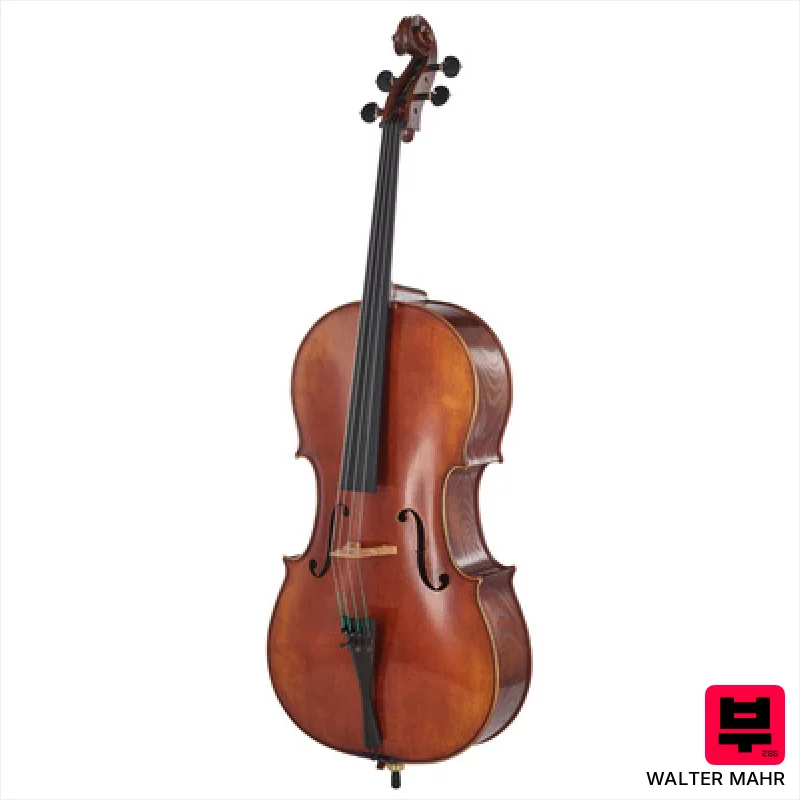
Walter Mahr Cello Stradivari Ash Wood 4/4
- • Ash back delivers a warm, focused tone with excellent projection.
- • Solid spruce top provides responsiveness and a nuanced dynamic range.
- • Ebony fingerboard ensures smooth playability and accurate intonation.
- • Mahr's Spirit varnish enhances the wood's resonance and aesthetic appeal.
- • Ash wood, while beautiful, might lack the top-end brilliance of traditional maple.
- • Premium-priced, representing a significant investment for most cellists.
- • The Thomastik Versum strings, while good, may benefit from an upgrade for tonal preference.

Edgar Russ - Sound of Cremona Marco Dotti Gore - Booth Cello
- • Marco Dotti's craftsmanship ensures exceptional tonal projection and responsiveness.
- • Val di Fiemme spruce top delivers a focused, mature, and complex sound.
- • Bosnian sycamore back provides warmth and richness to the cello's character.
- • Weidler tailpiece with fine tuners allows for precise intonation adjustments.
- • The premium-priced tag makes it inaccessible for many aspiring cellists.
- • Bosnian sycamore, while beautiful, can be slightly less visually striking than maple.
- • The traditional varnish may require careful maintenance to preserve its quality.

Scala Vilagio Scuola Italiana Cello GO2 4/4
- • Solid spruce top delivers excellent projection and a bright, focused tone.
- • Flamed maple back and sides contribute to a warm, resonant, and complex sound.
- • Ebony fingerboard offers a smooth, responsive playing experience and excellent clarity.
- • Weidler tailpiece with fine tuners allows for precise and easy intonation adjustments.
- • Antique-imitation finish, while aesthetically pleasing, might not appeal to all tastes.
- • German-made instruments, while generally superb, can sometimes be a bit heavier than their counterparts.
- • Premium-priced, representing a significant investment for intermediate to advanced players.
How to Choose the Best Acoustic Cellos
Projection & Volume
This is paramount. A cello needs to cut through the air, especially when you're solo. We're not talking about sheer loudness; it's about a focused, clear sound that doesn't disappear in a large room. You want that low-end thump to be felt, not just heard.
Tonal Character
Forget generic 'warmth'. You need a cello with personality - something that responds to your touch and offers a range of colors. Does it have that fat midrange honk for bluesy passages, or a brighter, more articulate voice for classical? A dull cello will just sound... sad.
Response & Articulation
Solo performance demands incredible clarity. The cello needs to react instantly to your bow strokes, allowing for nuanced phrasing and precise articulation. Sloppy response translates to muddy sound and a frustrating playing experience.
Neck Profile & Playability
Comfort is critical when you're playing long sets. A neck that's too thick or too thin can lead to fatigue and compromise your technique. Consider the action - a low action makes playing easier, but too low can lead to buzzing; it's a balancing act.
Versatility
Can it handle different genres? A cello optimized for Baroque might sound anemic playing a jazz standard. We looked for instruments with a flexible tonal palette, capable of adapting to various styles without sounding forced.
Buying Guide
Don't get caught up in the hype. A beautiful varnish doesn't equal a good sound. Entry-level instruments often cut corners on wood selection and bracing, resulting in a thin, lifeless tone. Spending a bit more on a cello with better wood and craftsmanship will pay off in the long run. And seriously, get it set up by a luthier - a proper setup can make even a modest cello sing.
Our Methodology
We didn't just pull numbers from manufacturer websites. We spent weeks playing these cellos, comparing them side-by-side in various settings - bedroom practice, small club gigs, even a few studio tracking sessions. Our focus wasn't on spec sheets; it was on how each instrument felt and sounded in the hands of a working musician, and how it translates to a live or recorded performance.

