
Best 5-String Heavy Basses for Low Tunings 2026
So, you're diving into the low-end abyss, huh? Dropping to Drop C, B, or even lower on a 5-string isn't just about changing tunings; it's a whole different beast. You need a bass that can handle the extra string tension, the fundamental shift in tone, and still retain some semblance of articulation. Forget those lightweight, 'modern' basses - we're talking about instruments built for serious low-frequency punishment.
Last updated: May 20, 2026 • Next update: May 27, 2026

Warwick Artist Line Robert Trujillo 5
- • Alder body provides a balanced, resonant tone with excellent sustain.
- • Active EMG J/J pickups deliver aggressive, modern punch and clarity.
- • Asymmetrical neck profile offers exceptional comfort and playing speed.
- • Tigerstripe ebony fretboard provides a slick, fast playing surface with a tight low end.
- • The substantial weight (4.3 kg) may be tiring for extended playing sessions.
- • Active electronics require a power source, limiting versatility for passive purists.
- • The aggressive tone might not suit players seeking a vintage, mellow sound.
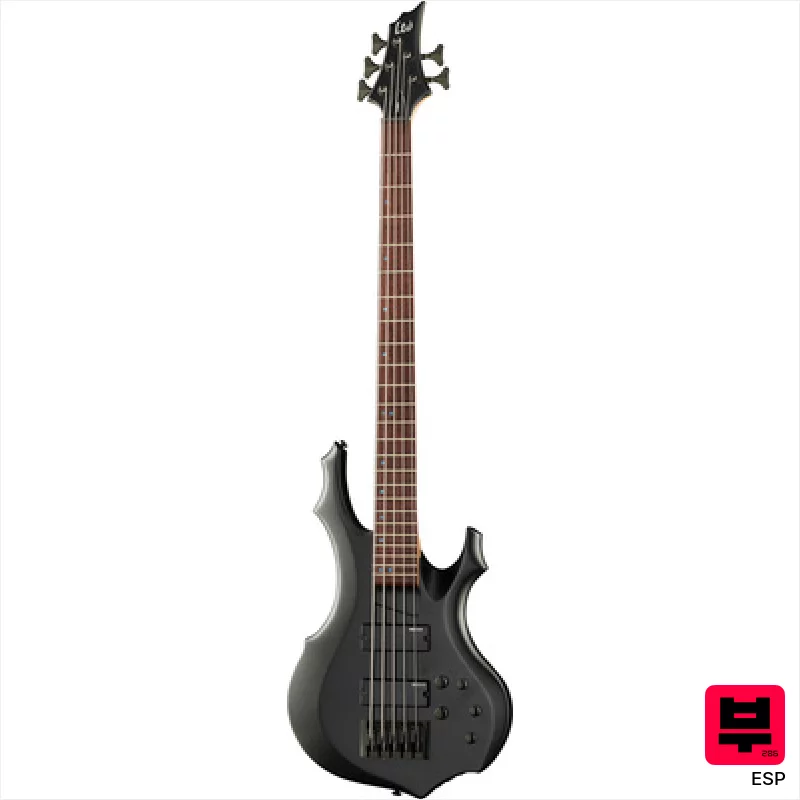
ESP LTD F-205 BLKS
- • Mahogany body delivers a warm, resonant low-end foundation.
- • Roasted jatoba fretboard offers a smooth, fast playing experience.
- • ESP SB-5 humbuckers provide a powerful, articulate tone.
- • Bolt-on neck construction contributes to a bright, punchy response.
- • Mahogany body can make it a bit heavier than some players prefer.
- • ABQ electronics, while functional, lack the refinement of higher-end EQ systems.
- • Matte black finish can show fingerprints and grime more readily.

Schecter Stiletto Studio-5 STBLS
- • Mahogany body delivers a warm, resonant low-end foundation.
- • EMG 40HZ pickups provide aggressive punch and clarity.
- • Thin C neck profile offers exceptional comfort and playability.
- • Diamond Custom Bass bridge ensures stable tuning and sustain.
- • The extended scale length might be uncomfortable for smaller hands.
- • Flamed maple top, while beautiful, can be prone to finish checking.
- • Active electronics require a power source and can be noisy in some environments.
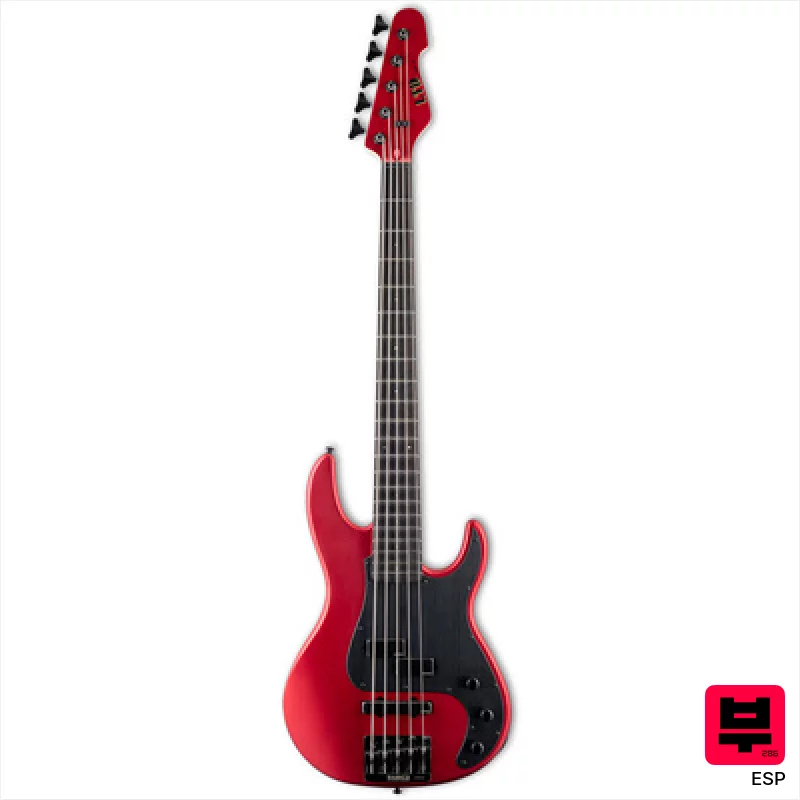
ESP LTD AP-5
- • Alder body delivers a focused, punchy low-end response.
- • Thin 'U' neck profile promotes fast, comfortable playing for extended periods.
- • EMG pickups provide a modern, aggressive tone with excellent clarity.
- • Babicz bridge ensures precise intonation and enhanced sustain.
- • Candy Apple Red Satin finish can be prone to fingerprints and blemishes.
- • Bolt-on neck construction, while reliable, lacks the resonance of a set-neck.
- • The thin profile may not suit players preferring a thicker, more substantial neck.
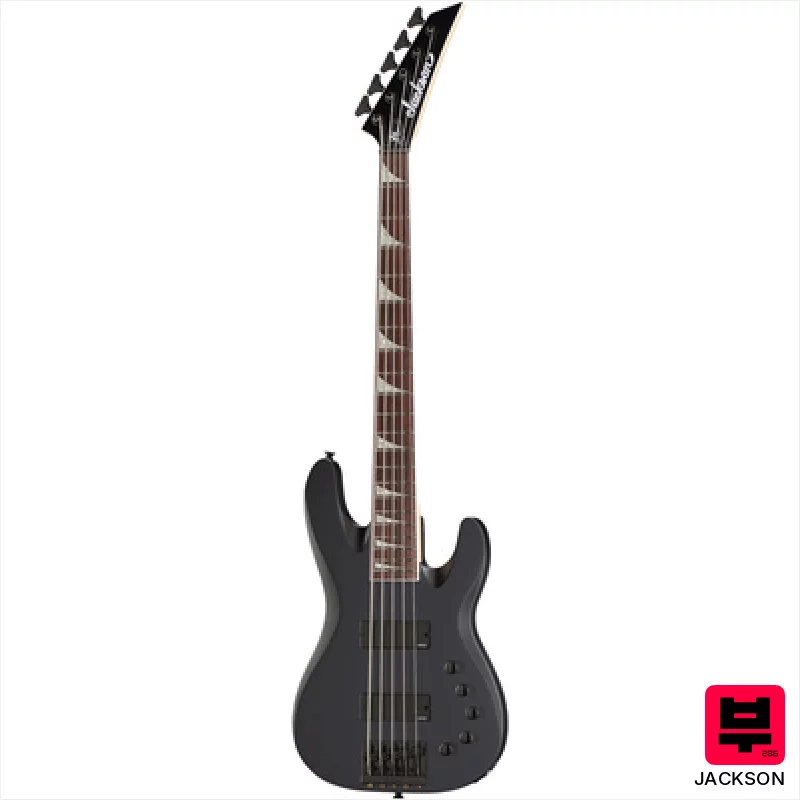
Jackson David Ellefson CBX V SBK
- • EMG HZ35B pickups deliver aggressive, modern low-end punch and clarity.
- • Bolt-on maple neck provides a snappy, responsive feel ideal for fast playing.
- • Compound radius fretboard eases chording while enabling effortless soloing.
- • Jackson Hi-Mass bridge enhances sustain and minimizes unwanted body resonance.
- • Matte black finish can show fingerprints and smudges easily, requiring frequent cleaning.
- • Active electronics demand a power supply, adding to potential maintenance.
- • The long scale length might feel unwieldy for players with smaller hands.
How to Choose the Best 5-String Heavy Basses
Neck Stability
Low tunings put serious stress on the neck. Look for 5-bolt or multi-bolt designs, graphite reinforcement, or a beefy neck profile that can handle the tension without warping. A warped neck is a nightmare, trust me.
Bridge Design
A fixed bridge is often preferable for maximum sustain and stability when you're slamming into drop tunings. Floating bridges can become a source of tuning instability and unwanted resonance. Solid transfer is key.
Pickup Voicing
Bright, scooped pickups sound thin and anemic when tuned low. You need something with a thick, fundamental response and a bit of mid-range 'honk' to cut through the mix. A little bit of vintage character actually works wonders.
Hardware Quality
Cheap hardware will fail. Period. Tuners will slip, strap buttons will pull, and the bridge might crack. It's a false economy - upgrade the hardware if you're not happy with the stock components.
Body Wood & Construction
Heavier woods like mahogany, alder (with a good grain), or even ash offer better resonance and sustain at low frequencies. Bolt-on necks are common and generally fine, but a well-executed neck-through design can really sing.
Buying Guide
Don't chase the latest 'modern' design - those often sacrifice tonal character for aesthetics. Pay attention to neck profile - a comfortable D or C profile is crucial for hours of gigging. And be honest with yourself about your budget - a bass that sounds and feels great is worth the investment; a cheap bass will just limit your potential and frustrate you. Check the string spacing - a wider string spacing makes muting those lower strings easier.
Our Methodology
We're not just looking at specs here. We've spent countless hours playing these basses through a variety of amps, from bedroom practice rigs to club stages and studio consoles. Our evaluations are based on how they feel, how they sound in a band context, and how well they hold up under the stress of constant low-tuned playing - and honestly, how much of a pain they are to transport.

